Little Italy and Chinatown: Neighbors Worlds Apart – Busting Myths on a NYC Food Tour
You might picture New York City's Little Italy as a vibrant Italian enclave, bustling with locals devouring fresh pasta. Our first visit in 2009 proved otherwise—and disappointed us.
Just blocks from historic Ellis Island landing spots, Little Italy should brim with authenticity. Yet, this three-block area echoes faded Italian heritage amid encroaching influences, feeling more touristy than genuine.
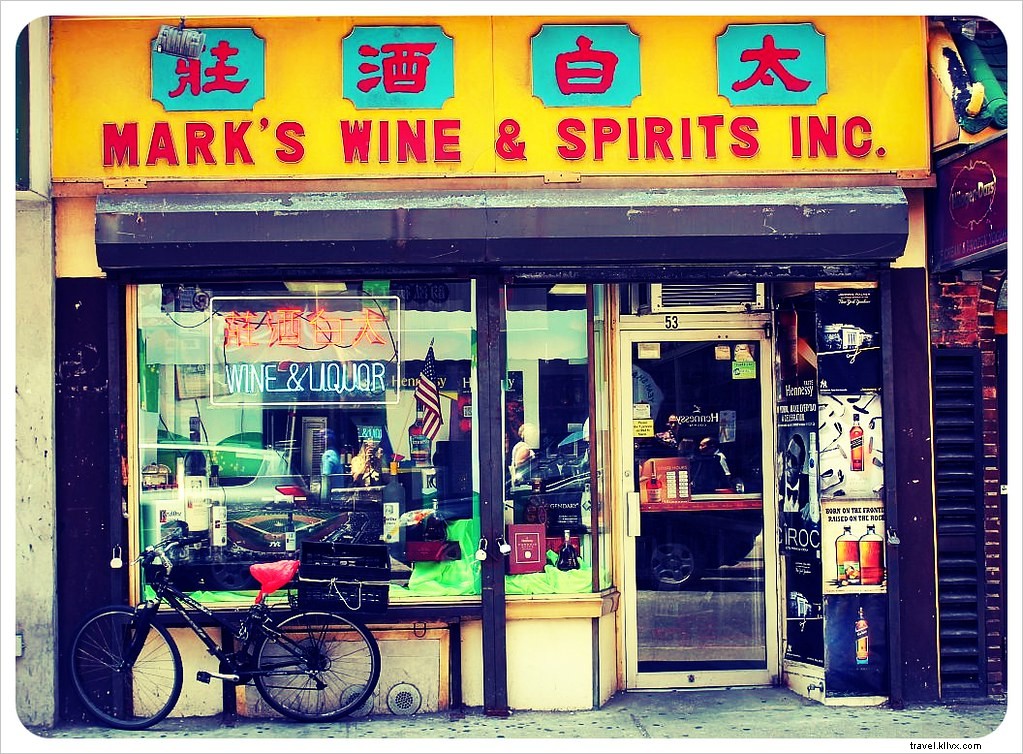
We were surprised by Chinatown's dominance, with neon Cantonese signs overshadowing Italian eateries. What struck us as quintessentially New York was pondering if Chinese immigrants had displaced the Italians. Spoiler: there's more to the story.
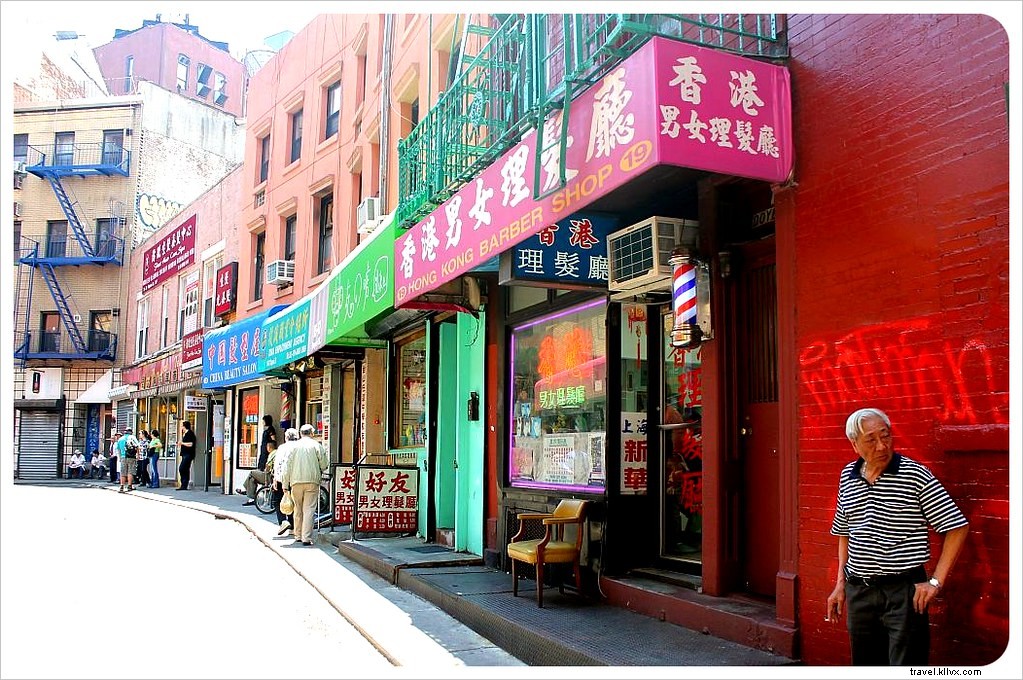 Pizza and bubble tea coexist easily here in lower Manhattan's intercultural hub. To uncover the truth, we joined Ahoy New York Food Tours' Little Italy and Chinatown walking tour in June—highly recommended for first-timers or veterans alike.
Arrive hungry: Expert guide and owner Alana ensures you're fully satisfied while sharing captivating immigration history that shaped New York and America.
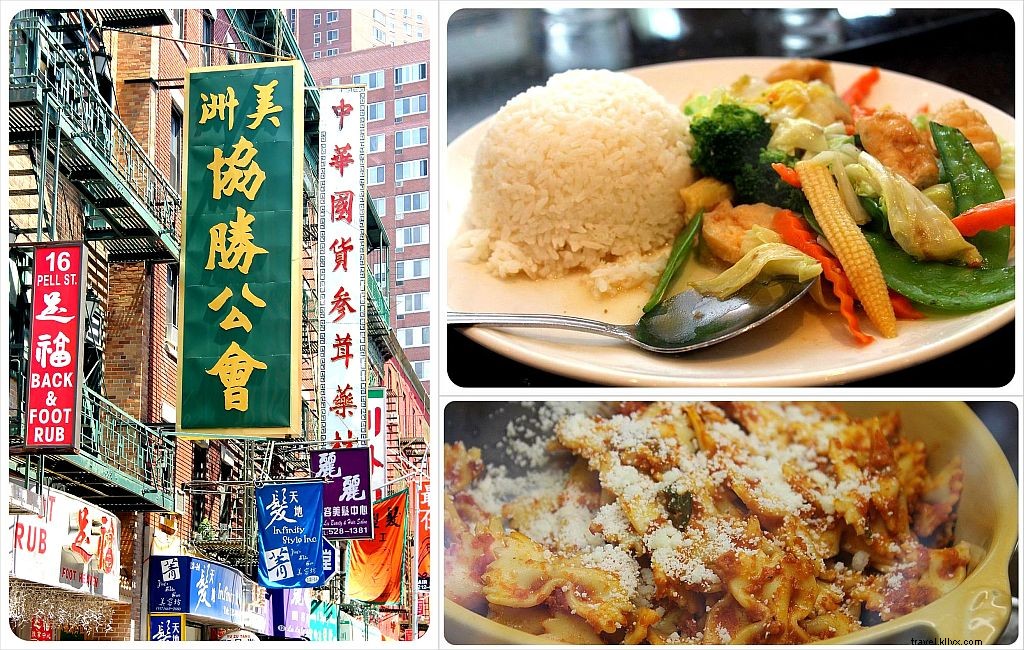 Alana debunked key myths, and here are our top three insights:
Myth #1: New York’s best Italian food is in Little Italy
Truth: Alana skipped restaurants, focusing on longstanding spots: fresh mozzarella and prosciutto at a historic shop, imported cheeses, bakery cannolis, and prime pizza—before Chinatown. We later returned to Di Palo’s with our tour discount for ravioli, sauce, and exquisite Piave cheese.
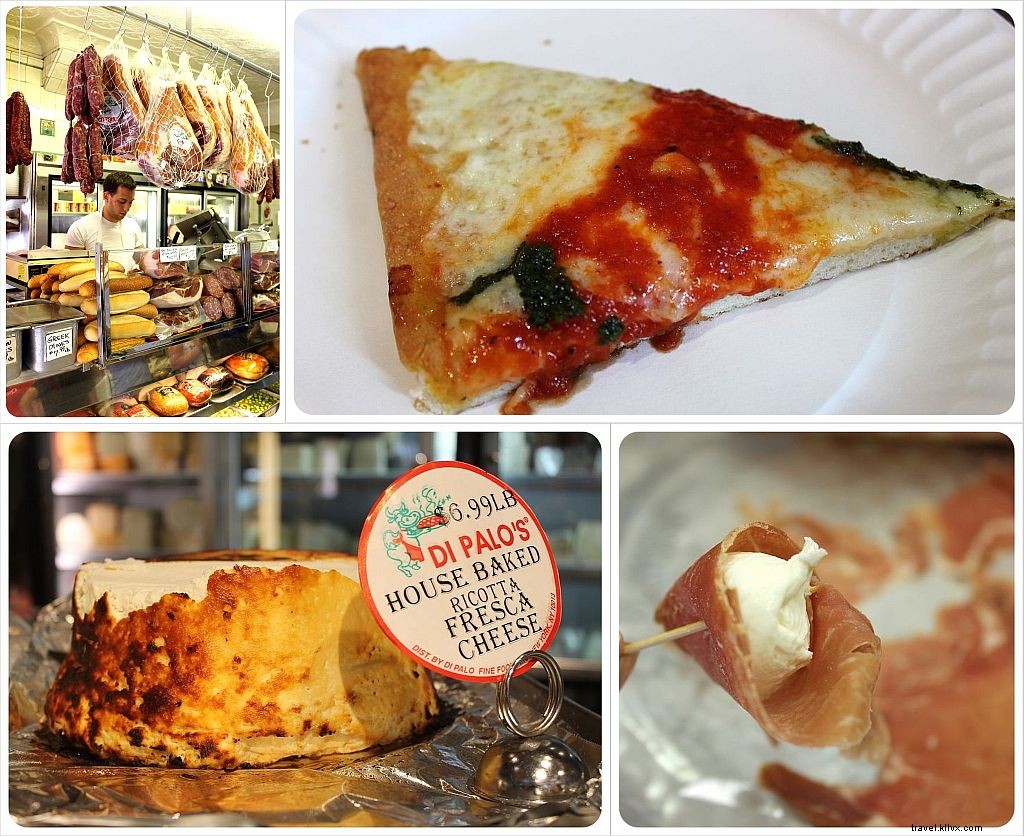 Zagat signs lure tourists, but locals agree: genuine Italian gems lie elsewhere. Alana shared vivid tales of gangsters, celebrities, and mob history.
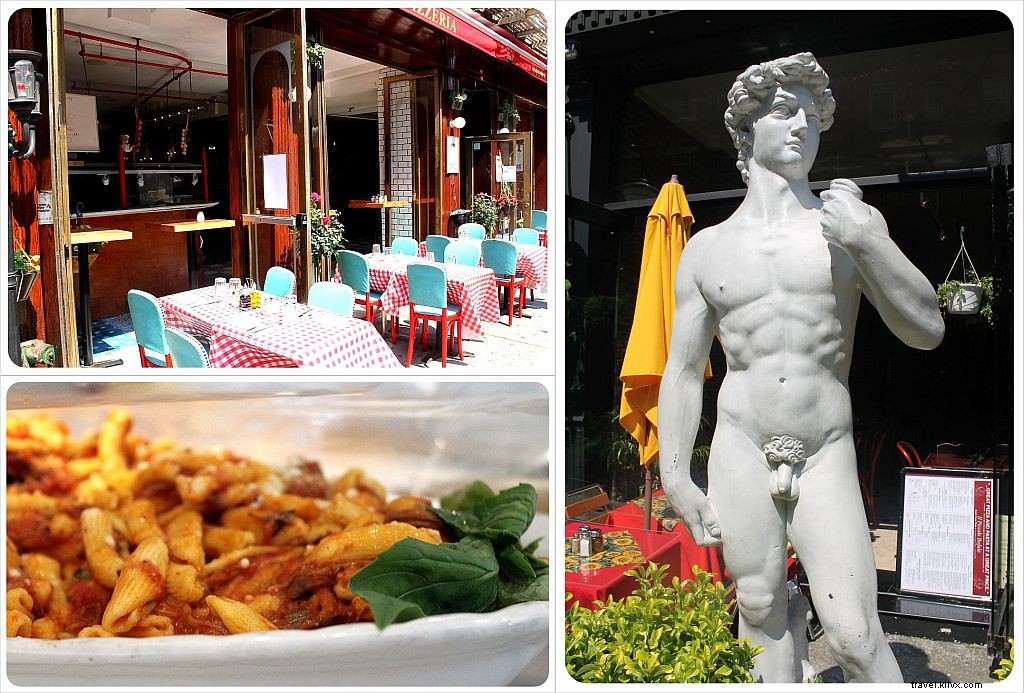
Myth #2: Chinatown pushed Italians out of Little Italy
Truth: Italians had departed decades earlier. Today, fewer than 50 Italian immigrants live here—a trend for over 50 years. Post-initial waves, they sought space in upstate New York and New Jersey, reminiscent of their rural roots.
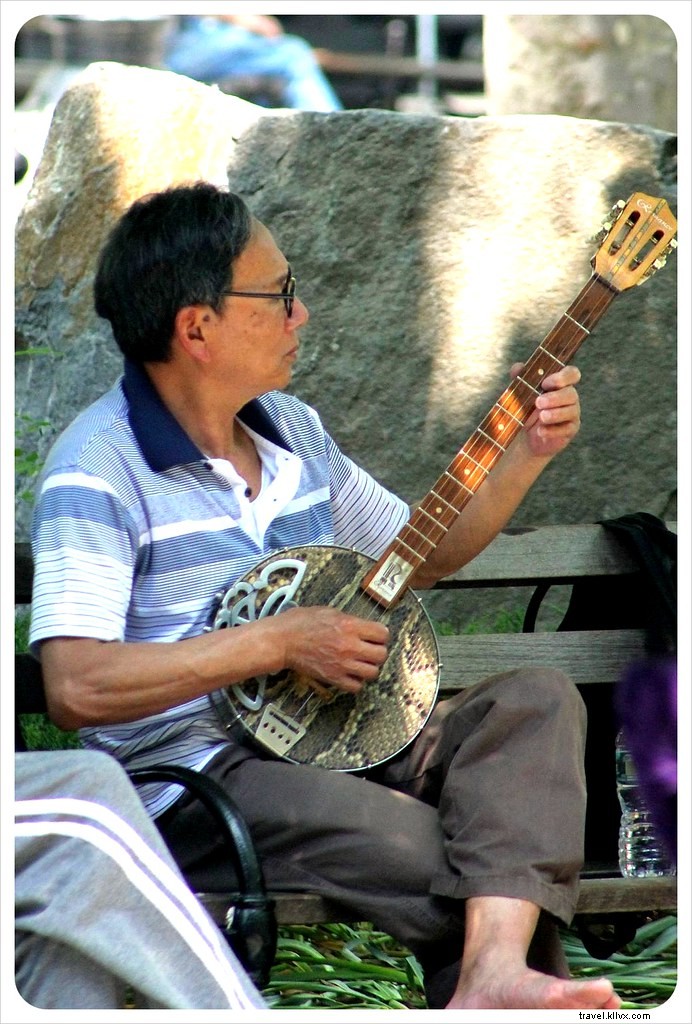
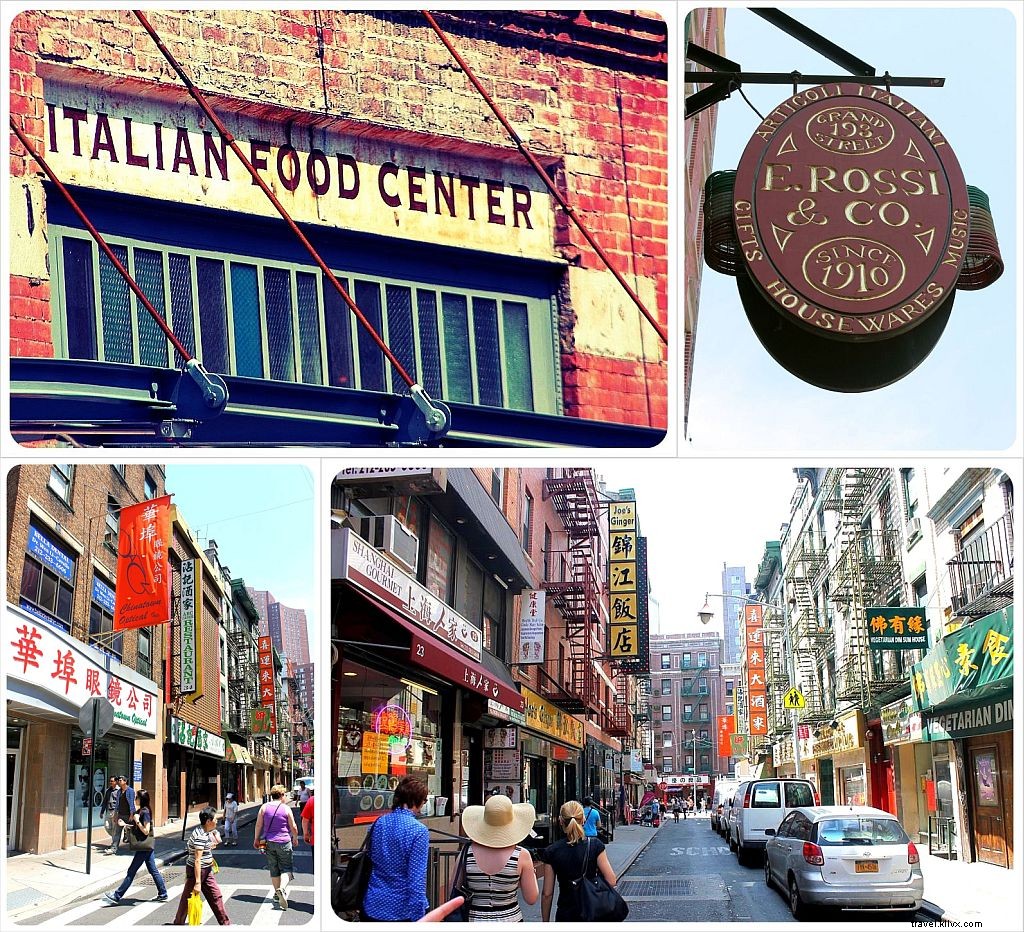 Chinese settlement surged after the 1943 repeal of the 1882 Exclusion Act, shifting from the West Coast. The tour immersed us in Chinatown's vibrancy: affordable exotic fruits like jackfruit and mangosteen, plus Columbus Park's serene scene—once violent (à la Gangs of New York), now alive with tai chi, music, and Cantonese chatter.
 Myth #3: Food tours are just for tourists.
Truth: Locals gain rich insights too. Unlike lackluster tours we've endured, Alana's felt intimate—like strolling with a knowledgeable friend. She personalized it for our vegetarian needs without shortchanging others, answering queries on neighborhoods, transit, and more.
The tour vividly illustrated NYC's layered history.
 One minor hiccup: the Thai restaurant stop felt mismatched, with underwhelming food. A dim sum spot (ideal timing: 10 a.m.–2 p.m.) would suit better, though it offered welcome respite midway.
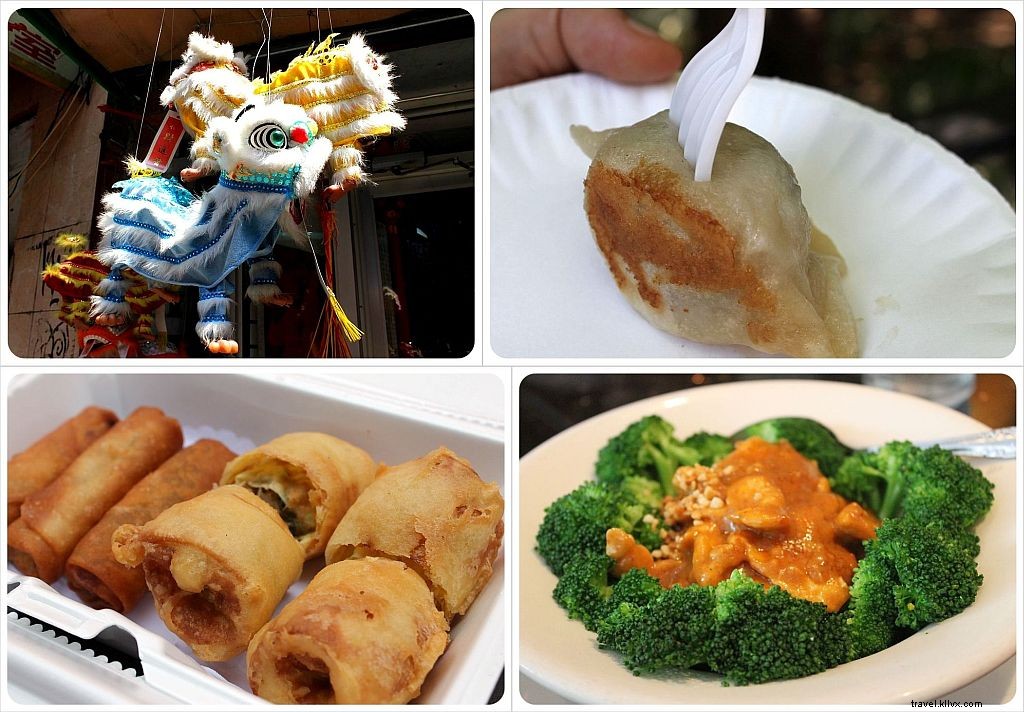 Overall exceptional, we left stuffed. Tour stops:
1. Prosciutto and homemade mozzarella
2. Imported Italian cheeses
3. Pizza slice
4. Homemade cannolis
5. Thai dishes
6. Pork and vegetable dumplings
7. Egg rolls
Even in the sweltering heat, Alana lingered post-tour, guiding us onward.