Trekking to Tikal: A 3-Day Jungle Adventure in Guatemala's Maya Biosphere Reserve
A pioneering three-day trekking route empowers local communities to guide adventurers deep into Guatemala's lush jungle, through the vast Maya Biosphere Reserve to the majestic ruins of Tikal—the thriving heart of the ancient Maya civilization. Lonely Planet Traveller tested this immersive experience firsthand.
A refreshing breeze glides across Lake Petén Itzá, enveloping the island town of Flores. As dawn breaks, streets awaken with market vendors, playful schoolchildren, and the hum of tuk-tuks. Soft light illuminates red-roofed houses in vibrant yellows, greens, and blues, mirrored perfectly in the rippling lake waters.
With its cobblestone alleys and serene waterfront, Flores exudes tranquility. Yet, this northern Guatemalan island once witnessed the brutal final chapter of the Maya civilization.
In the 17th century, Spanish conquistadors ravaged the Americas. On March 13, 1697, they attacked Flores, the last stronghold of the undefeated Itza Maya. From dugout canoes on Lake Petén Itzá, Maya warriors fired reed arrows against Spanish musket fire from a galleon. Outnumbered, the Itza were massacred; survivors fled across the lake that still bears their name.
This clash ended 2,000 years of Maya dominance, spanning southern Mexico, Guatemala, Belize, western Honduras, and northern El Salvador.
Modern Flores shows no trace of the Itza; instead, it boasts colonial architecture from their conquerors. Iconic Spanish red-tiled roofs, shaded plazas, and grand Catholic cathedrals grace Guatemala—most famously in UNESCO-listed Antigua, the former colonial capital with universities, hospitals, printing presses, and up to 38 churches built by indigenous labor. A devastating earthquake on July 29, 1773, razed much of it, prompting the capital's move to Guatemala City in 1774.

Day 1: Ancient Trade Routes from Cruce Dos Aguadas
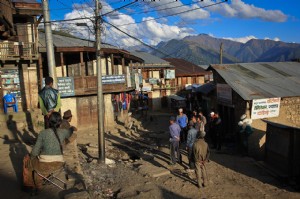
In northern Guatemala's jungles, echoes of pre-colonial life persist in stone ruins and Maya descendants' traditions. Near Flores, the dusty village of Cruce Dos Aguadas marks the start of this new trail, tracing ancient Maya trade paths eastward through dense jungle to Tikal, led by local guides.
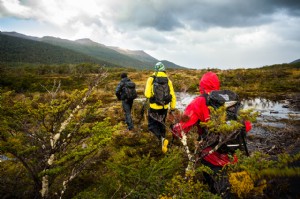
Guides load bedding, food, and water onto sturdy horses. We plunge under the canopy along paths once trod by sap gatherers and salt-armored warriors.
Our guide, Cristóbal Coc Maquín, knows these trails intimately from boyhood hunts for medicinal plants with his father, a respected healer. 'In the old days, there were no doctors or pharmacies,' he explains. 'The Maya healed with forest gifts—and we still do.'

Along the way, Cristóbal identifies healing plants: cordoncillo hembra for toothaches and snakebites; wild oregano for earaches; bejuco balsámico for arthritis. 'These natural remedies surpass modern drugs,' he asserts. 'Their power shines when harvested fresh from the wild.'
This trek unfolds in the 7,100-square-mile Maya Biosphere Reserve, once home to 2–10 million Maya (per archaeologists). Today, it teems with wildlife—from playful spider monkeys to elusive jaguars—amid birdsong and rustling undergrowth.
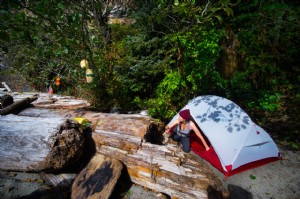
As dusk falls, birdsong fades to insect buzz under a starlit sky at camp.

Day 2: Unveiling El Zotz
A howler monkey's roar pierces the dawn from atop a towering pyramid ruin—a two-hour torchlit detour.
1,200 years ago, this overlooked Pa’Chan, a bustling Maya trade hub with palaces and temples. Now El Zotz, rediscovered in 1978, most structures remain jungle-entombed.
Park keeper Patrociño Lopez Ortiz, 57, greets us warmly. Tasked with protecting the site, he says, 'I guard this heritage for my country—and my family—out of love and duty.'
Further on, unexcavated ruins dot the landscape. Amid thickening jungle, Cristóbal whispers of Maya lore: sisimite ghouls and siguanaba spirits. 'Just 10 days ago, a camper screamed of a siguanaba,' he recounts. 'We found nothing—dream or reality?'

Day 3: Arrival at Tikal
Deep in the Petén basin, 50 miles from Cruce Dos Aguadas, the trail culminates at Tikal—Maya's powerhouse for 700 years. Emerging from jungle, the vast Gran Plaza stuns, framed by the 44m Temple of the Grand Jaguar and soaring Temple IV.

Archaeologist Oswaldo Gómez, with 20 years at Tikal, explains: 'This was the Maya superpower—like New York or Paris—a capital of 100,000 hosting spectacles and sacrifices.' Abruptly abandoned around 900 AD (climate, disease?), it signaled the Classic period's end.
To subscribe to Lonely Planet Traveller magazine in the UK, click here.