Earth Day in Myrtle Beach: Protecting Our Beaches, Wildlife, and Coastline Every Day
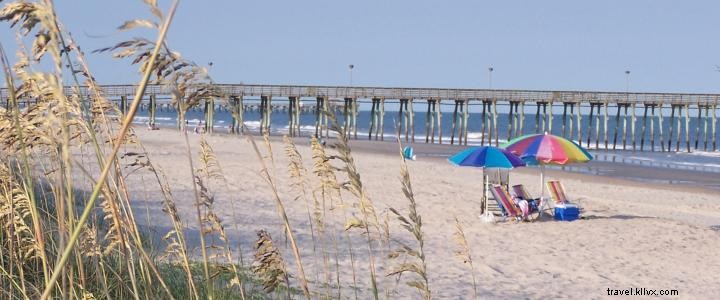
Happy Earth Day! Today, we celebrate the beauty of the great outdoors in Myrtle Beach and commit to preserving it for future generations. The Grand Strand stretches 60 miles along the coast, encompassing 14 communities rich in natural resources—from marshlands to pristine sandy beaches. Locals and visitors alike share the responsibility to protect these treasures. Discover how Myrtle Beach is safeguarding its natural wonders this Earth Day and beyond.
The Beach Renourishment Project plays a vital role by dredging sand from offshore to replenish beaches and dunes. Primarily designed to fortify against storms and protect infrastructure, it also widens beaches for wildlife and recreation. Conducted approximately every 10 years amid hurricanes and thunderstorms, recent efforts have revitalized this vital "living organism" after devastating storms in the past five years.
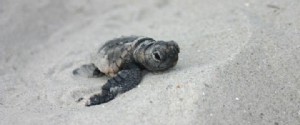
Did you know sea turtles nest on Myrtle Beach beaches? Nesting season runs from May to October, when females haul themselves from the ocean to dunes to lay about 120 eggs. After roughly 60 days, hatchlings emerge and race to the sea. Local groups relocate nests threatened by visitors or projects. To help protect these endangered species, beachgoers should follow these guidelines:
- Turn off outdoor lights visible from the beach from dusk until dawn during nesting season.
- Close shades or curtains to block indoor lights seen from the ocean.
- Avoid shining lights on sea turtles or using flash photography.
- Observe nesting turtles from a distance without disturbing them.
- Fill in any holes dug on the beach at day's end to prevent turtles from getting trapped.
- Remove tents, chairs, and gear from beaches and dunes nightly.
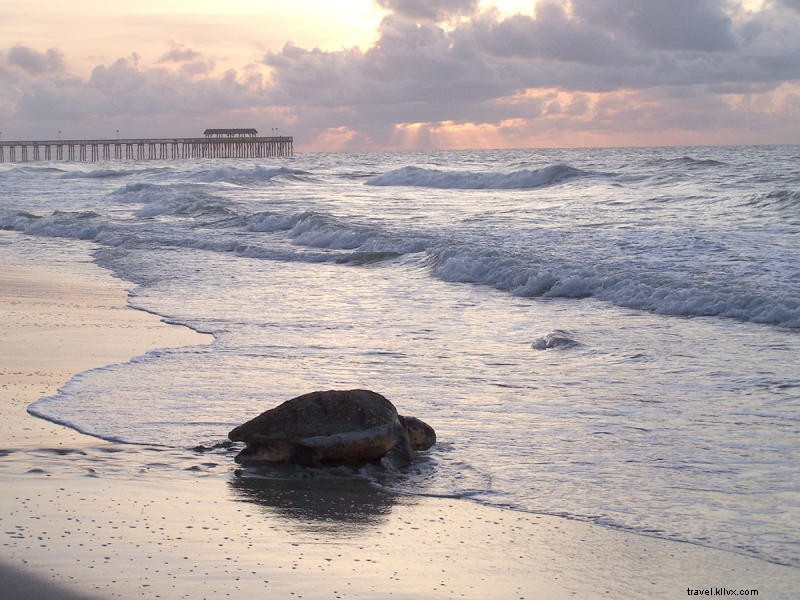
The Grand Strand boasts two state parks dedicated to preserving its wildlife and coastline. Myrtle Beach State Park, centrally located, offers nature trails, surf fishing, and education on its oceanfront maritime forest. It features one mile of undeveloped beach hosting loggerhead sea turtles, bald eagles, wild sea oats, live oaks, and more.
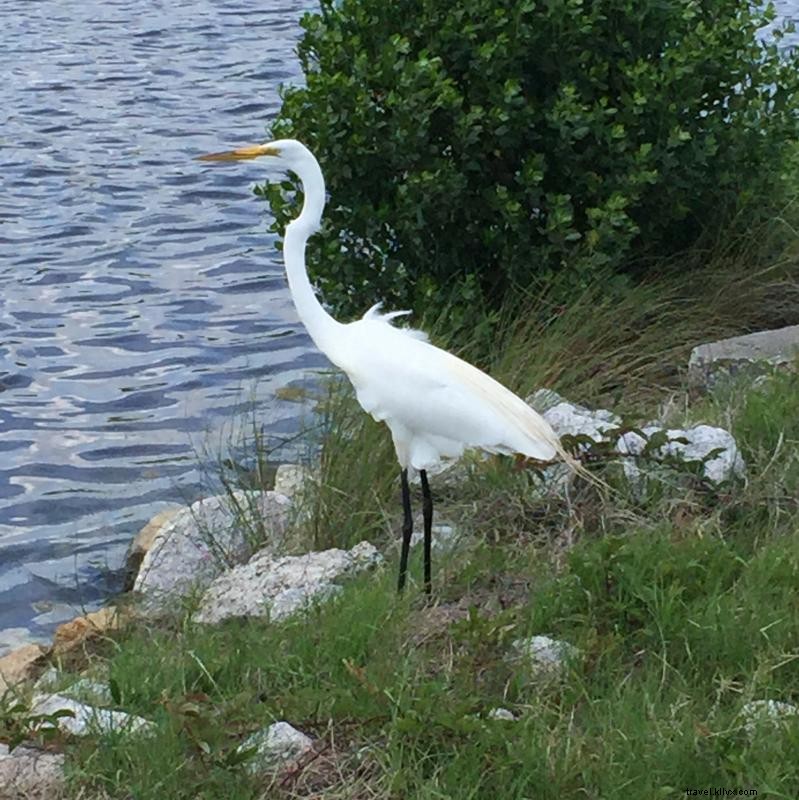
Near Murrells Inlet, Huntington Beach State Park showcases pristine beaches, marshlands, and a freshwater lake. A top East Coast birdwatching spot with over 300 species, it's also home to native alligators. Its salt marshes, among the world's most productive ecosystems, receive special protection. Visit their websites for hours, programs, and details.
This Earth Day, keep beaches clean by picking up litter and using trash receptacles. The City of Myrtle Beach maintains cans at access points and supports recycling. Together, we can safeguard the Grand Strand's outdoors and enjoy its splendor daily!
Explore Earth Day events on our website.