7 Essential Steps and Tips for Stargazing in West Virginia's Pristine Night Skies
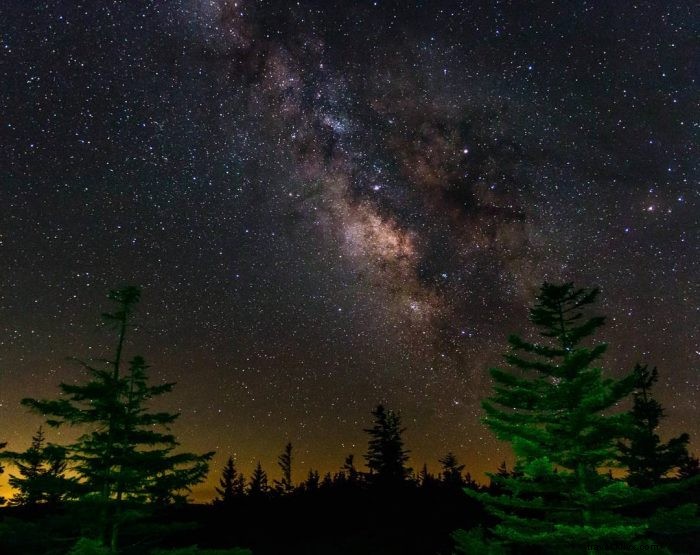
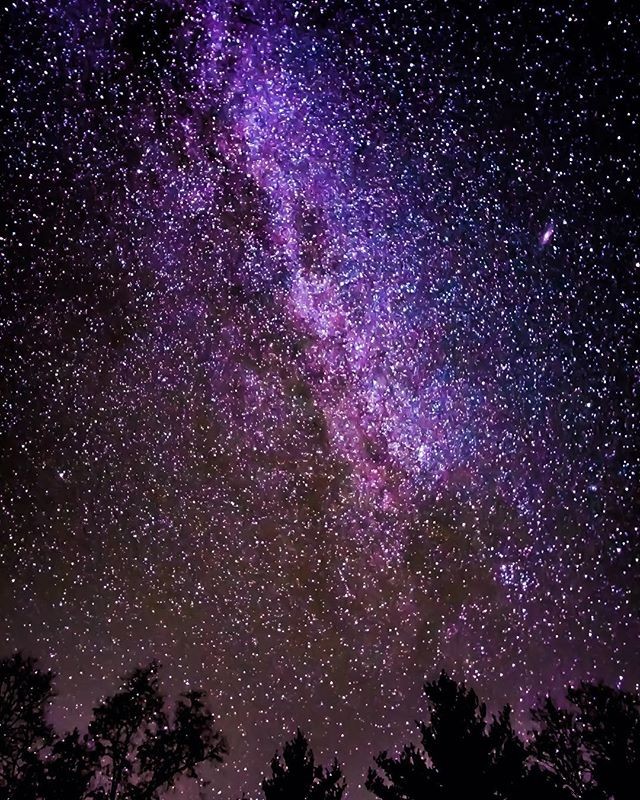
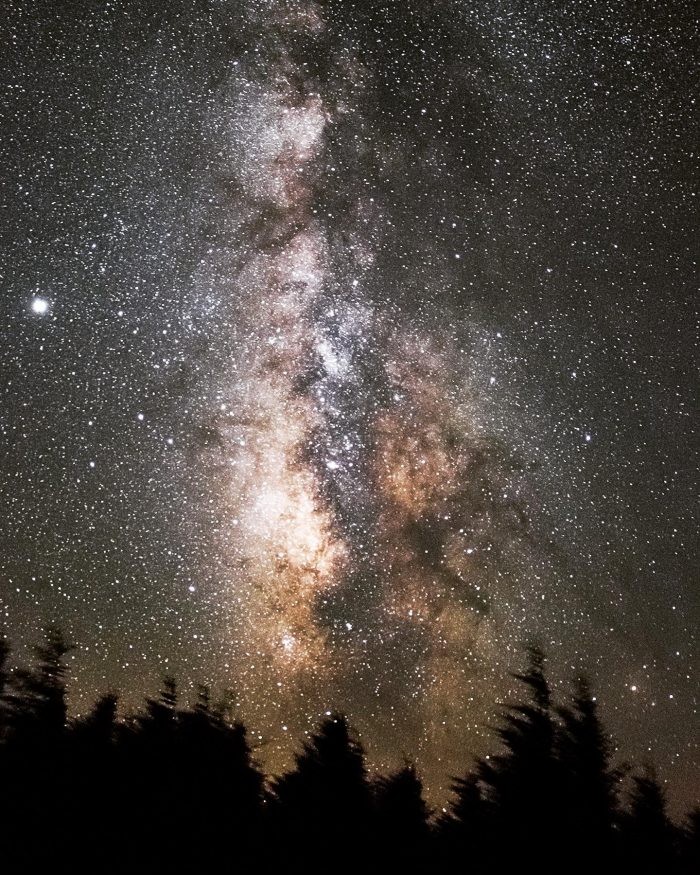
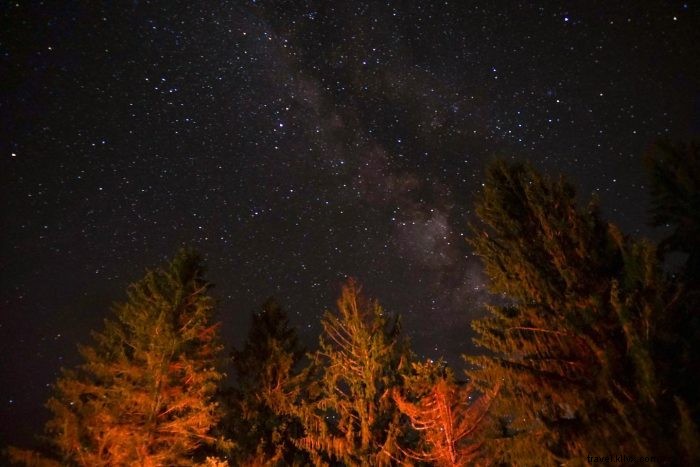
West Virginia, affectionately known as Almost Heaven, boasts some of the darkest and clearest night skies in the U.S. Recline on soft grass, relax, and immerse yourself in the wonders of the cosmos.
Follow these 7 expert steps and tips to launch your stargazing adventure:
1. Be Prepared
Nights in West Virginia's mountains can turn chilly quickly. Always check the weather forecast and cloud cover before heading out. Plan for at least an hour outdoors to let your eyes adjust and fully appreciate the stars.
If the cold sets in, pick up a coat, gloves, or hat from the thoughtfully curated shops and boutiques throughout Almost Heaven.
While every night offers stunning views, opt for clear evenings with minimal clouds for the most vibrant galaxy displays. Bundle up in your favorite fleece and prepare for an awe-inspiring glimpse into the Mountain State's true nightlife.
2. Select the Ideal Observation Site
Choosing the right spot is crucial for optimal stargazing. Aim for locations with unobstructed views of the sky.
Stars shine brightly across West Virginia, but certain sites deliver breathtaking panoramas.
Seek dark fields or mountaintops away from city lights and trees. Top recommendations include Seneca Rocks, National Coal Heritage Area, Calhoun County Park, and Canaan Valley Resort State Park.
3. Minimize Light Pollution
Light pollution can dim the stars, but West Virginia's vast forests and rural areas keep skies remarkably clear. With fewer urban lights, celestial bodies sparkle brighter here than in most places.
For an immersive overnight experience, book one of our campsites.
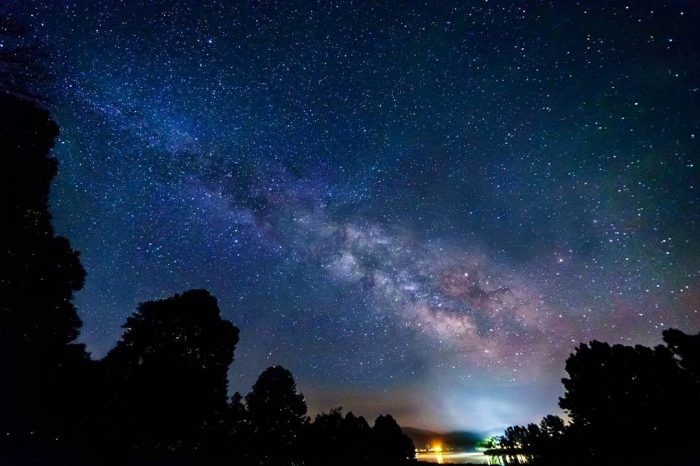
4. Allow Time for Dark Adaptation
West Virginia's exceptionally dark skies make prime stargazing spots easy to find. Once settled, give your eyes about 30 minutes to adapt to the darkness using only your naked eye.
Silence your phone, turn off flashlights, and let the extraordinary night sky reveal itself.
5. Understand Apparent Star Movement
Stars may seem to drift across the sky, but it's Earth's rotation causing the sun, constellations, and moon to rise and set, creating this mesmerizing motion.
In autumn, pair stargazing with views of changing fall foliage for a dual daytime-nighttime spectacle. Every sky in Almost Heaven is uniquely captivating.
6. Stargaze with Family and Friends
Solo stargazing offers serene solitude, but sharing it with loved ones amplifies the joy. It's an ideal introduction to astronomy for children, sparking curiosity about the universe.
From ages 7 to 70, the night sky ignites imagination and offers endless discoveries.
7. Start Stargazing Tonight
There's no better time to begin. As the sun dips behind our rolling hills, stars emerge nightly for your enjoyment—no cost required.
For a hands-on experience, visit the Green Bank Observatory and explore with the nation's largest fully steerable telescope.
West Virginia's vivid stars amid majestic mountains create an unmatched sense of peace and wonder found nowhere else.
What will you do in West Virginia after sunset?