Top 5 IDA-Certified Dark Sky Spots for Exceptional Stargazing
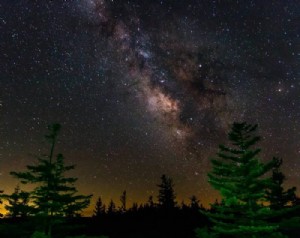
If you reside in a bustling city, as I do, you understand how scarce optimal stargazing opportunities can be. Enter the International Dark-Sky Association (IDA), founded to "preserve and protect the nighttime environment and our heritage of dark skies through quality outdoor lighting." The IDA certifies exceptional locations for stargazing, offering some of the best places to experience pristine night skies.
Here are five standout IDA-recognized destinations:
Goldendale Observatory State Park – Goldendale, Washington
Just a two-hour drive from Portland, this park houses one of the largest public telescopes in the U.S. and serves as the primary night sky interpretive site in Washington's state park system. It provides stargazing for over 50,000 visitors annually through its 24.5-inch telescope and regular public viewings.Natural Bridges National Monument – Southeastern Utah
Nestled on the Colorado Plateau, this monument features the world's second-largest natural bridge. Located 100 miles from the nearest large town, it offers virtually no light pollution, making it one of the darkest National Park Service units in the contiguous U.S.Copper Breaks State Park – Northern Texas
Situated 13 miles south of Quanah, this park features two small lakes and 10 miles of trails. For nearly 20 years, it has hosted Star Walks and astronomy programs, drawing visitors to its stunning celestial displays.
Headlands International Dark Sky Park – Emmet County, Michigan
This 1,046-acre park at the northern tip of Michigan's Lower Peninsula delivers breathtaking views of Orion and the Milky Way. A county-wide lighting ordinance minimizes artificial light, enabling thousands of annual visitors to enjoy nighttime storytelling, starry cruises, astrophotography, and star parties.Cherry Springs State Park – Northern Pennsylvania
With exceptionally dark skies, Cherry Springs ranks among the top eastern U.S. stargazing sites. At 700 meters elevation in the Susquehannock State Forest, its "Astronomy Field" offers a panoramic 360-degree sky view. Open year-round, it provides 60-85 ideal stargazing nights annually.