8 Premier Stargazing Destinations in Asia: Dark Sky Wonders Await
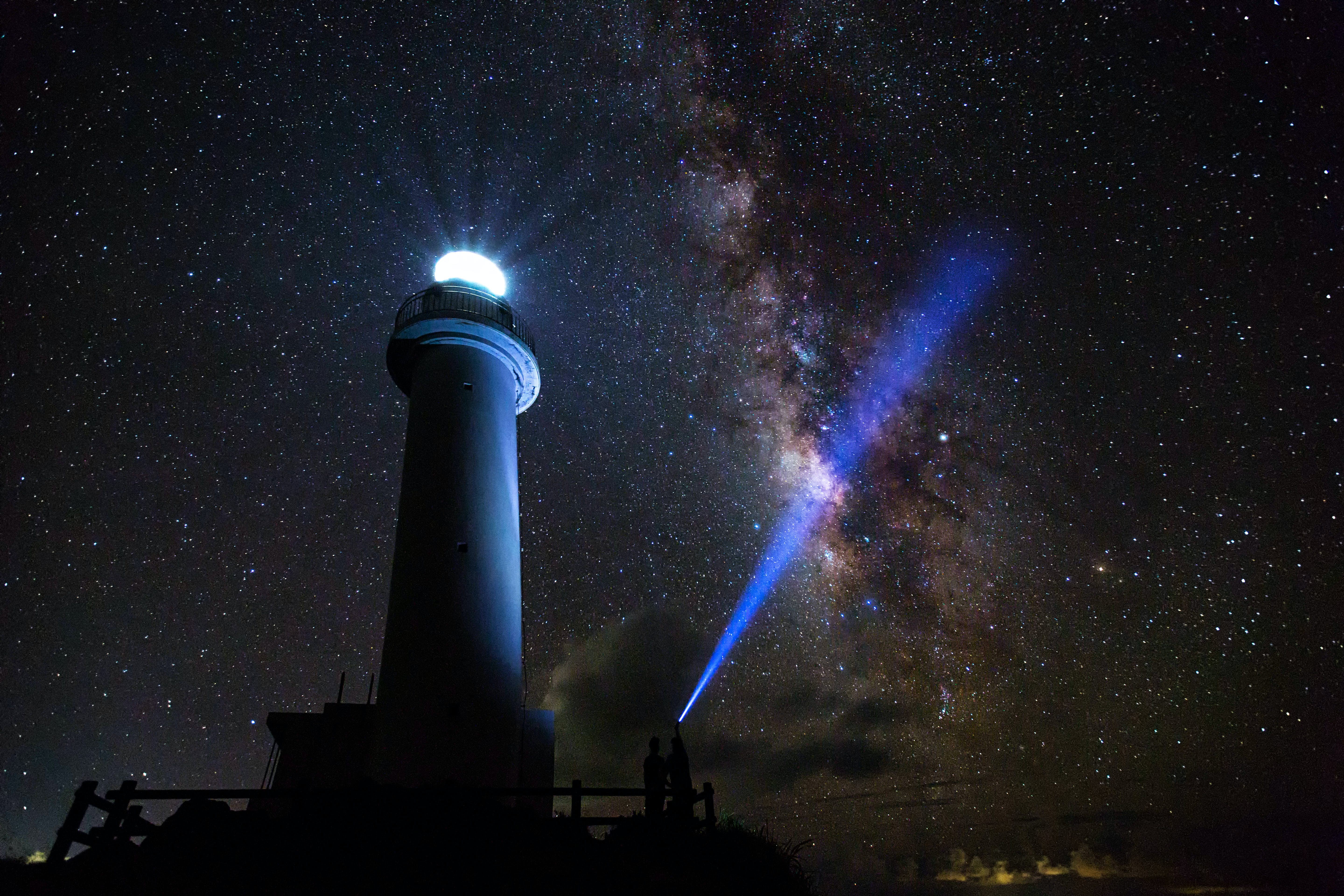
Asia offers exceptional stargazing opportunities, from lofty mountain peaks to vast arid deserts, thanks to its diverse landscapes and favorable climates. However, urban hubs like Shanghai and Bangkok suffer from heavy light pollution, obscuring the night sky. Venture into rural areas near national parks and mountains for breathtaking views of star-filled skies and the Milky Way.
Optimal viewing occurs during the dry season, especially around or after a new moon. Summer months (May to September) highlight the Milky Way's galactic core in the Northern Hemisphere, though stunning displays are possible year-round.
Explore these eight top stargazing spots across Asia, certified by experts and ideal for cosmic enthusiasts.
Yeongyang Ecological Park, South Korea
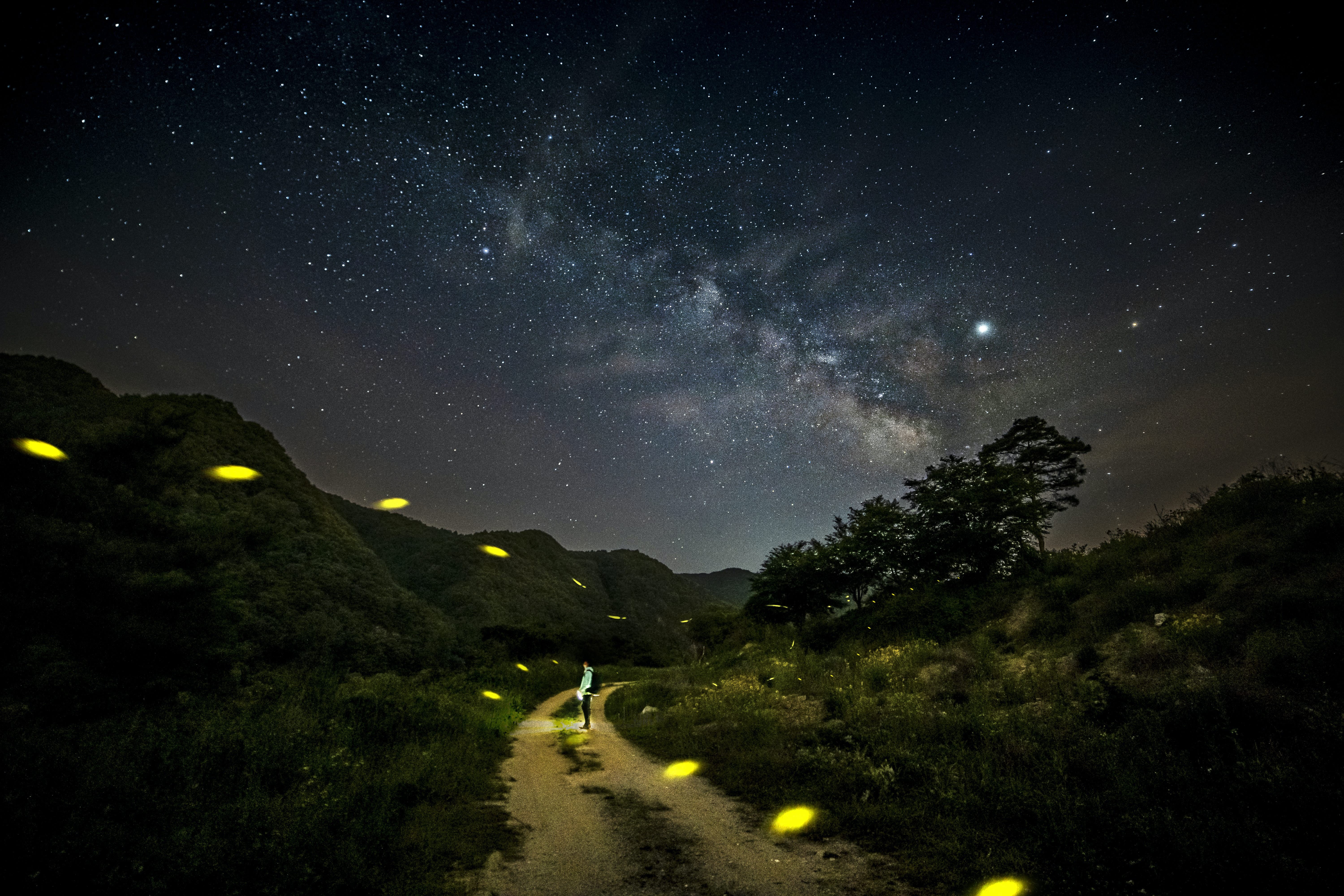
Designated Asia's first International Dark Sky Park in 2015 by the Dark Sky Association, Yeongyang Firefly Eco Park in South Korea's Wangpi River Basin ensures minimal light pollution. Located about four hours' drive from Seoul in eastern South Korea, its sparse population delivers pristine skies. The park also safeguards millions of fireflies that thrive in darkness.
Hehuan Mountain, Taiwan
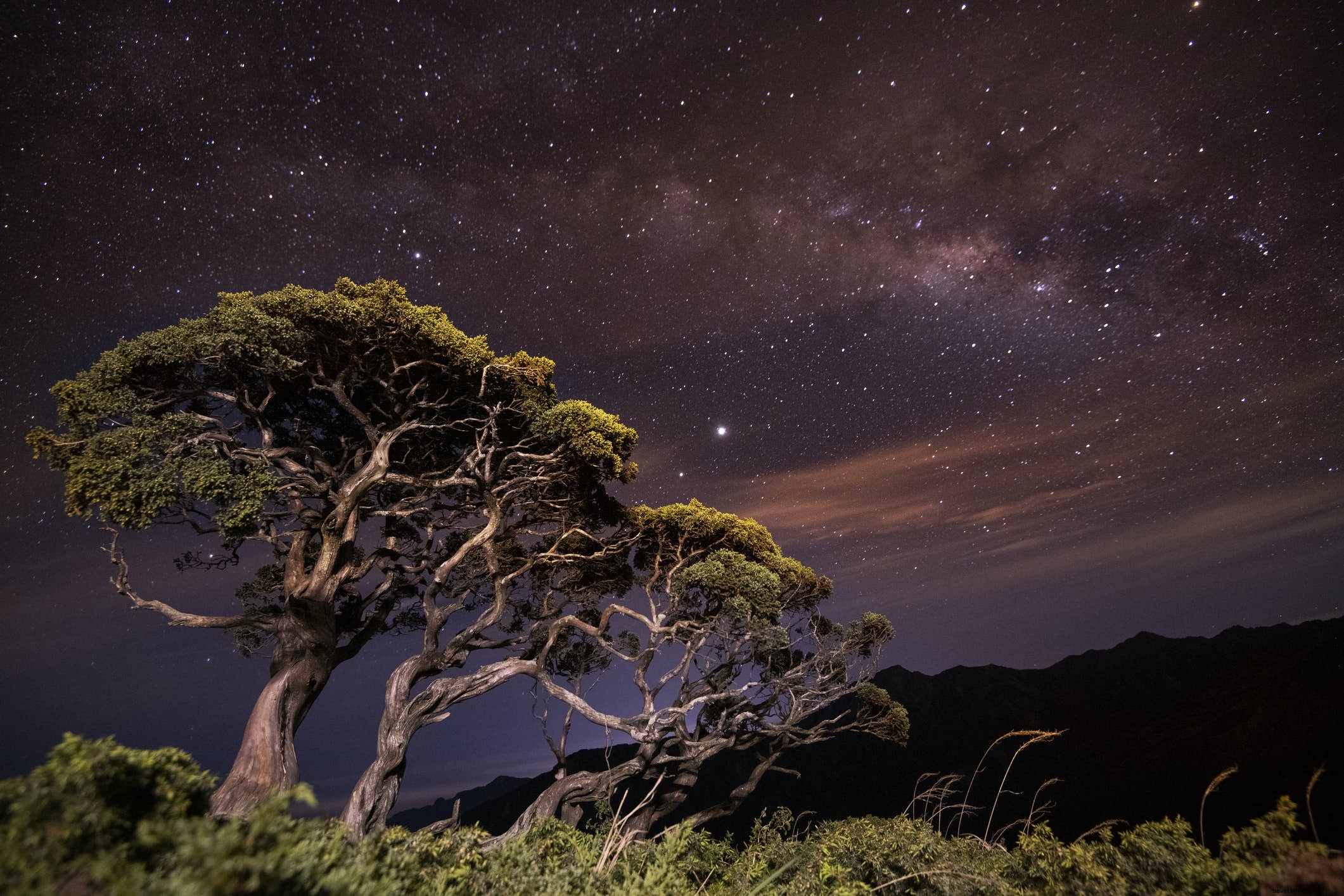
Towering at 11,200 feet in Taroko National Park, Hehuan Mountain—Taiwan's inaugural International Dark Sky Park—boasts high elevation and remoteness for superior stargazing. Roughly two hours from Taichung International Airport, access is via car or hike. Designated campgrounds like Heliu and Lushui near trailheads and exhibition halls provide prime viewing spots, with strict regulations ensuring preservation.
Hateruma Island Starry Sky Observatory Tower, Japan
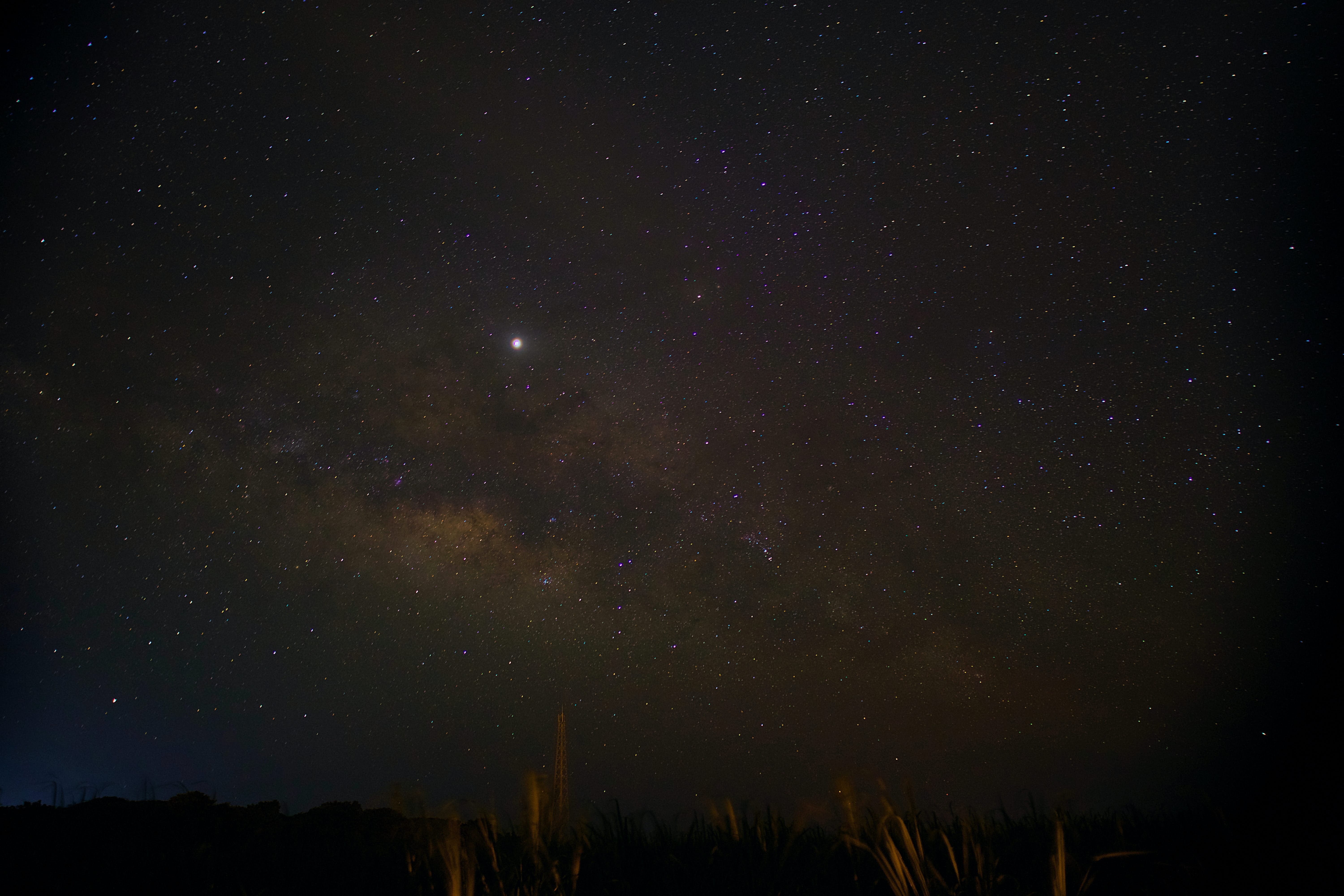
On Japan's southernmost inhabited island, this observatory leverages the Yaeyama Islands' renowned clear skies. Spot up to 84 constellations, including the Southern Cross, during new-moon peaks. Refraction telescopes and expert guides enhance the experience. Nearby, Iriomote Ishigaki National Park—Japan's first International Dark Sky Park—offers additional stellar adventures.
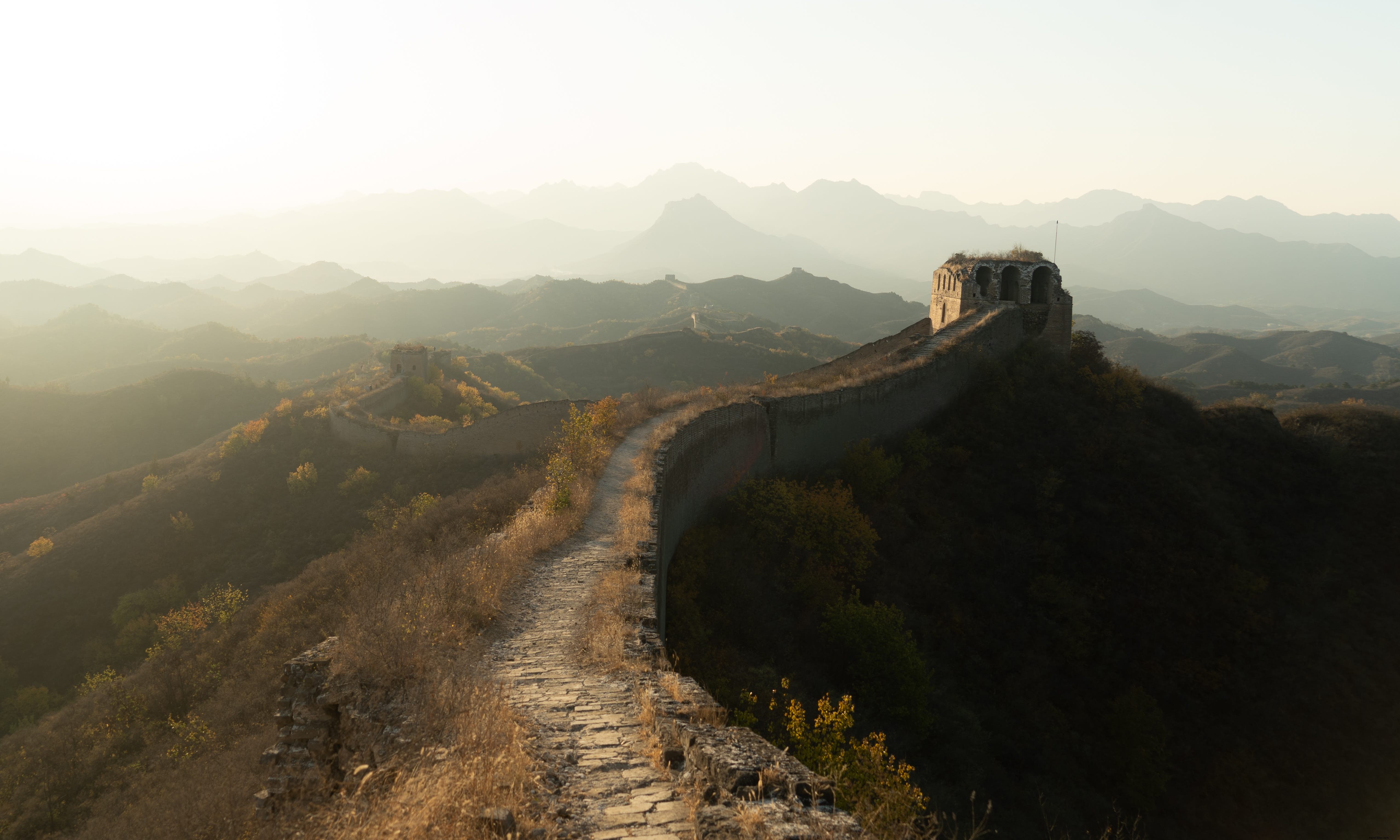
Great Wall, China
While popular sections of China's Great Wall draw crowds, quieter stretches like Gubeikou remain accessible 24/7 with low light pollution and few visitors. Local operators such as Great Wall Hiking, Great Wall Inn (a nearby B&B), Beijing Hikers, and Viator offer guided stargazing hikes and camping for an immersive, surreal experience.
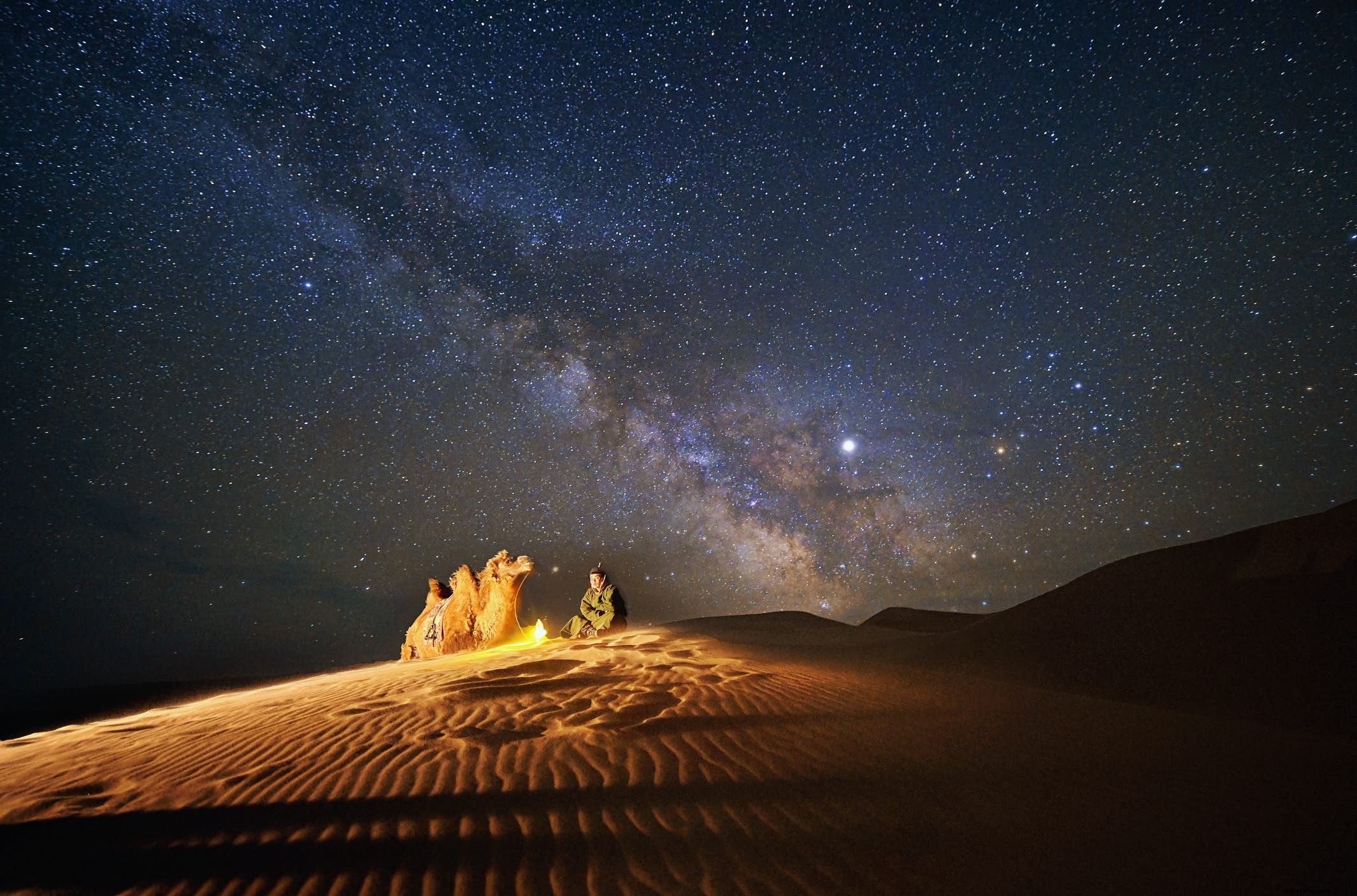
Gobi Desert, Mongolia
Mongolia's high elevation over 5,000 feet and clear blue skies make stargazing exceptional, but the Gobi Desert elevates it to extraordinary levels. Its Mars-like dunes glow under the Milky Way. Three Camel Lodge, a National Geographic Unique Lodge of the World, provides comfortable traditional gers as a base for stargazing and dune explorations, even in variable weather.
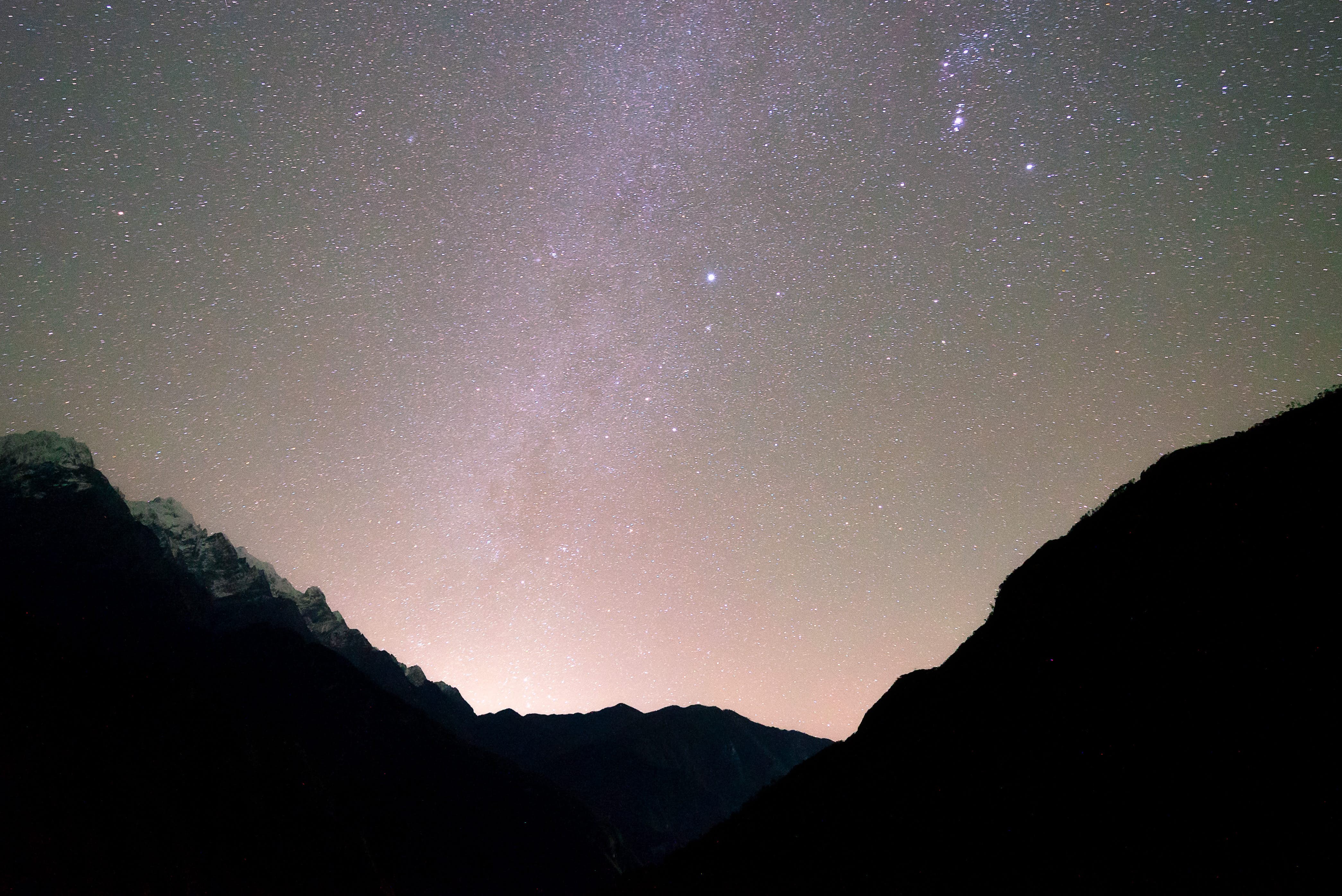
Tiger Leaping Gorge, China
Near the Himalayas in Yunnan Province, this dramatic gorge offers premier mountain stargazing. The 11-mile trail features rugged paths with Yangtze River vistas. Most complete it over two days, overnighting at spots like Tiger Leaping Gorge Guesthouse, whose river-view deck is ideal for stargazing. Accessible by bus or driver from Lijiang, 37 miles south.
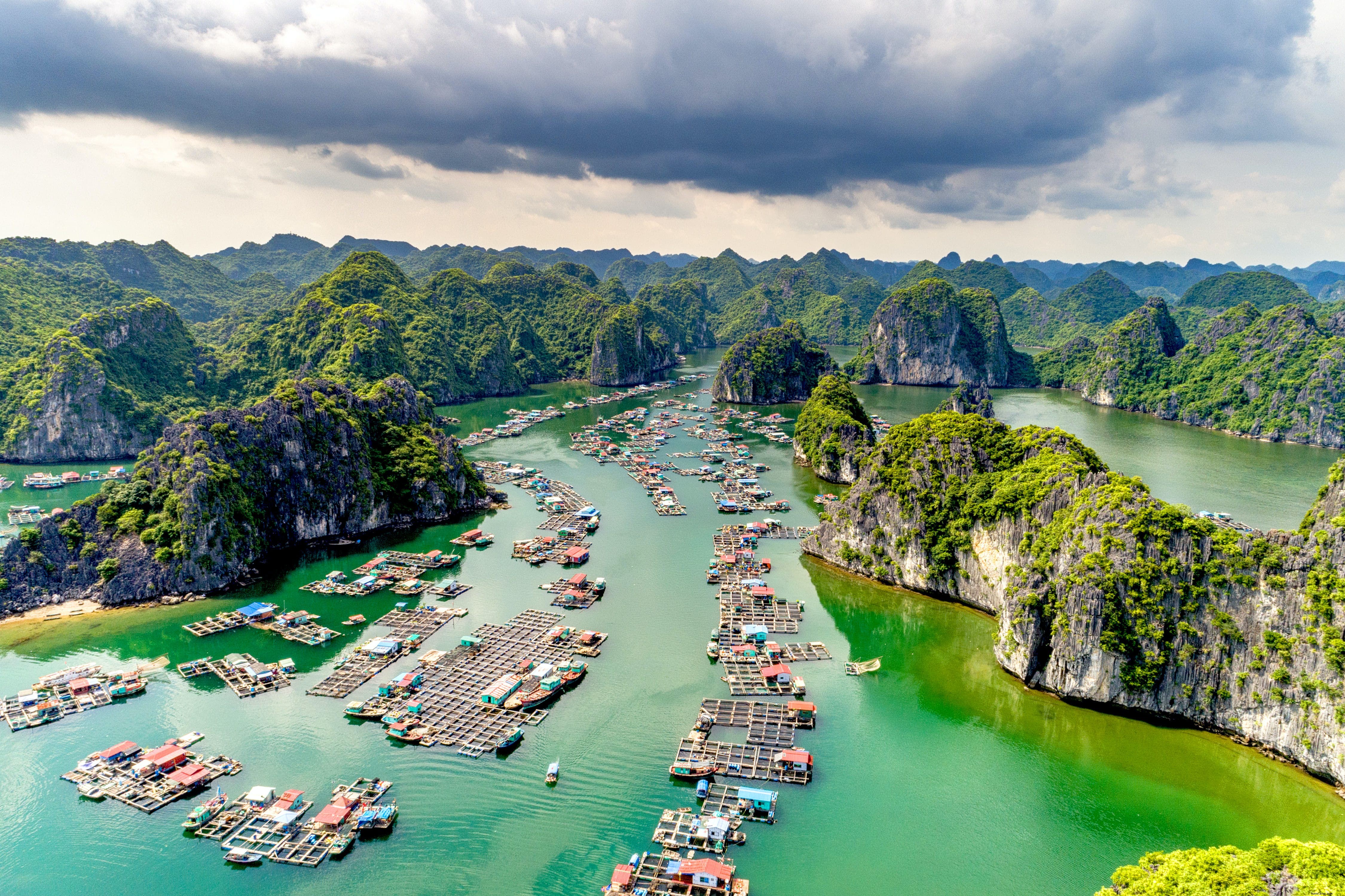
Lan Ha Bay, Vietnam
Less crowded than Halong Bay, Lan Ha Bay in Cat Ba National Park shines for stargazing. Small-boat cruises, like Heritage Line's wellness trips, navigate to tranquil spots for starlit nights. Ferries from Hanoi reach Cat Ba Island bungalows, offering secluded sky views amid jungle serenity and wave sounds.
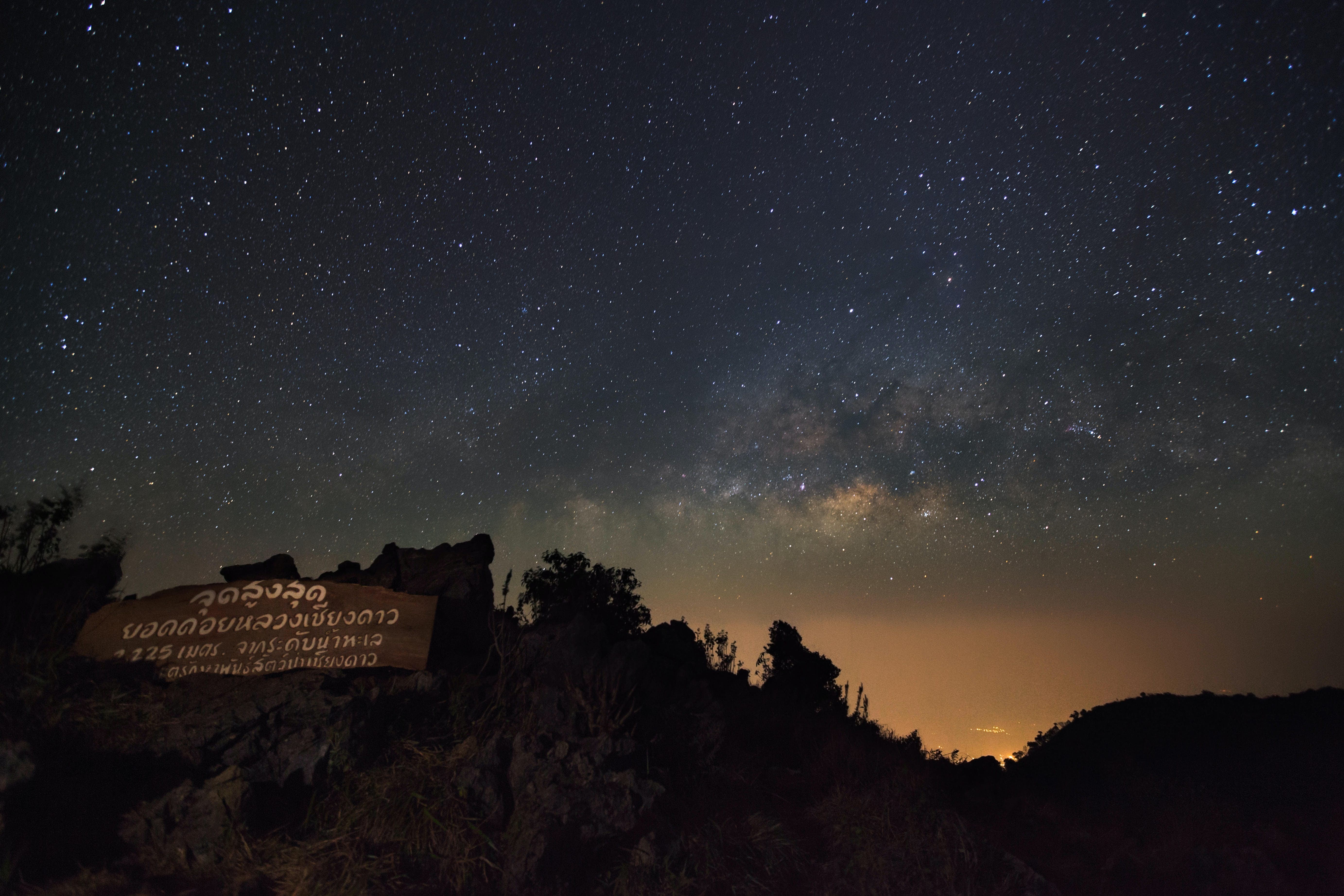
Doi Chiang Dao, Thailand
Meaning 'city of stars,' Thailand's third-highest peak at 7,100 feet lives up to its name as one of the nation's darkest sites. A guided two-day climb in the Daen Lao range culminates in cloud-top camping from late November to early March, delivering unparalleled stargazing.
More stargazing inspiration:
Ask LP: When can I travel to Southeast Asia again?
Best US national parks for stargazing, per star map experts
Journey to the world's top stargazing spot