Japan Etiquette Guide: Essential Dos and Don'ts for First-Time Travelers
Japan offers a warm welcome to travelers, but its rich cultural traditions can intrigue and challenge first-time visitors. Ensure a respectful trip with these expert etiquette tips, covering bowing, shoe removal, slurping noodles, and proper chopstick use.
Meeting and Greeting
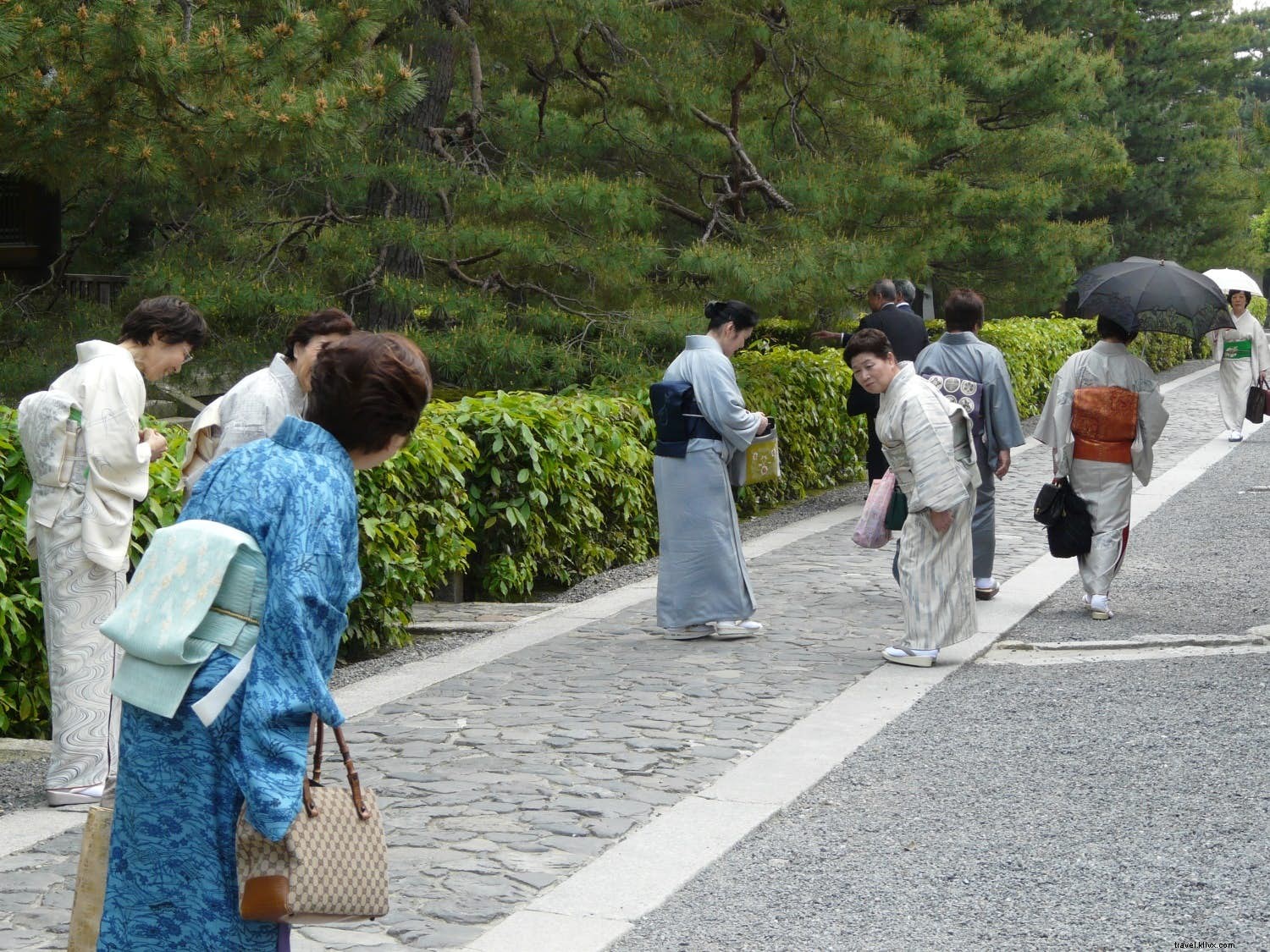
Bowing Bow politely when meeting someone, expressing thanks, or saying goodbye. Non-Japanese visitors aren't expected to perfect the depth, duration, or number of bows. A simple nod in response to a Japanese bow is usually sufficient. Handshakes occur occasionally, but wait for the other person to extend their hand first.
Gifts Gift-giving is common in Japan for occasions like returning from trips, seasonal changes, or new homes. Bring small souvenirs from your home country—such as keychains, chocolates, or unique treats—especially if staying with locals or thanking someone. Opt for modest, inexpensive items over extravagant ones.
Two Hands Rule Use both hands when exchanging business cards, name cards, or gifts during formal introductions. This shows respect.
Footwear Rules
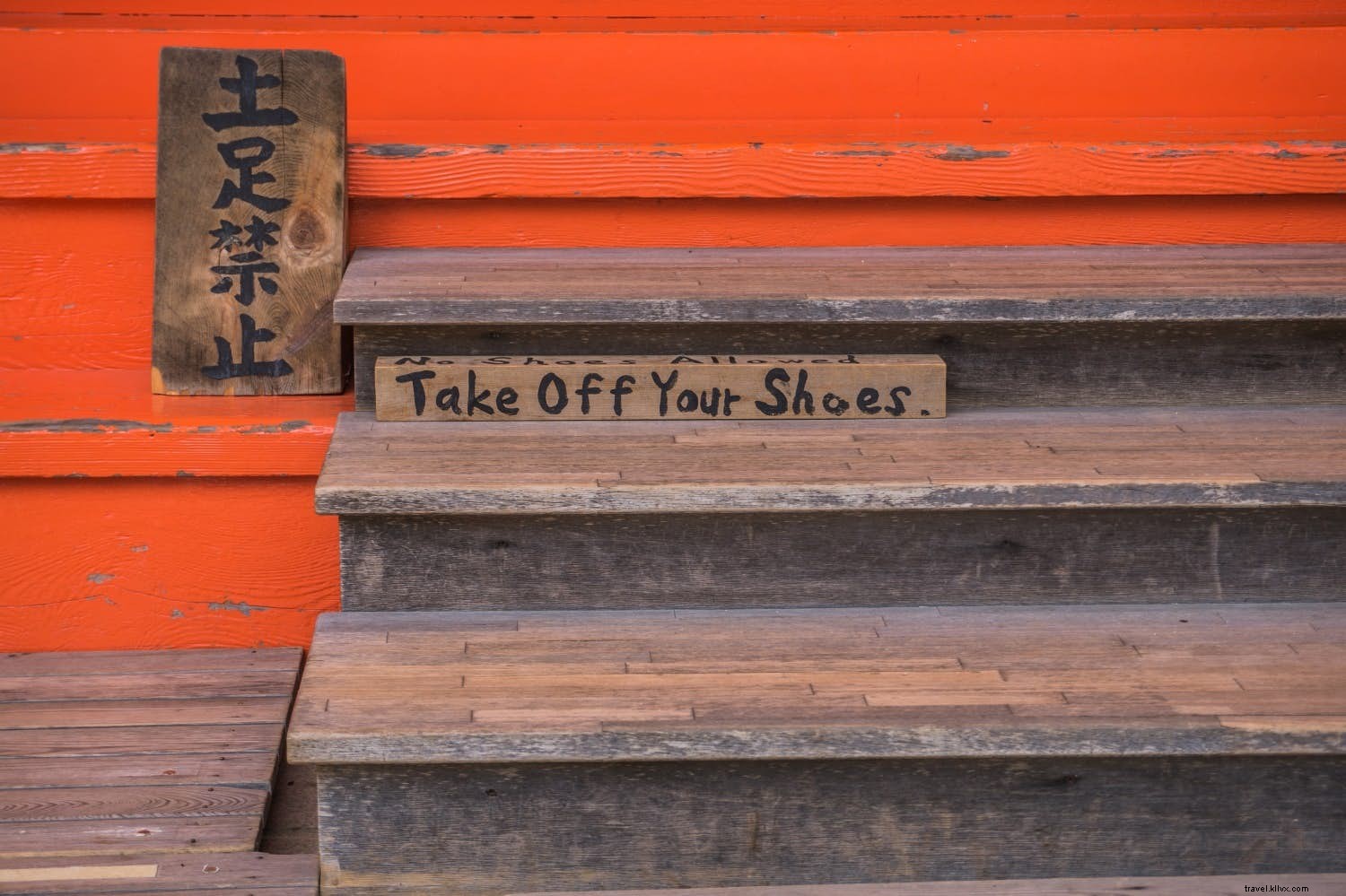
Shoes Off At entrances with a sunken genkan and shoe racks, remove your shoes. This is mandatory in private homes, traditional minshuku or ryokan accommodations, temple halls, some tatami-mat restaurants, hostels, and historic sites. No exceptions—pack fresh socks if needed.
Slippers Off for Tatami Indoor slippers are provided for non-tatami areas. Always remove them before entering tatami rooms and leave them at the entrance.
Eating and Drinking
Chopsticks Avoid sticking chopsticks upright in rice (funeral ritual resemblance), passing food chopstick-to-chopstick, or playing with them (e.g., spearing, drumming, waving for attention, or scratching).
Slurping Slurping noodles loudly is polite and expected in noodle restaurants—join in confidently.
Pouring Drinks From shared bottles like sake, pour for others and let them pour for you. Toast with kanpai ('Cheers!').
No Tipping Tipping isn't customary; servers may chase you to return extra money.
Table Phrases Say itadakimasu before eating ('I humbly receive'), gochisousama deshita after ('Thank you for the meal'), and oishii ('delicious!') during.
Temples and Shrines
General Etiquette Japan's numerous oteras (Buddhist temples) and jinja (Shinto shrines) welcome visitors. Maintain quiet in halls, respect barriers, and dress modestly—no beachwear.
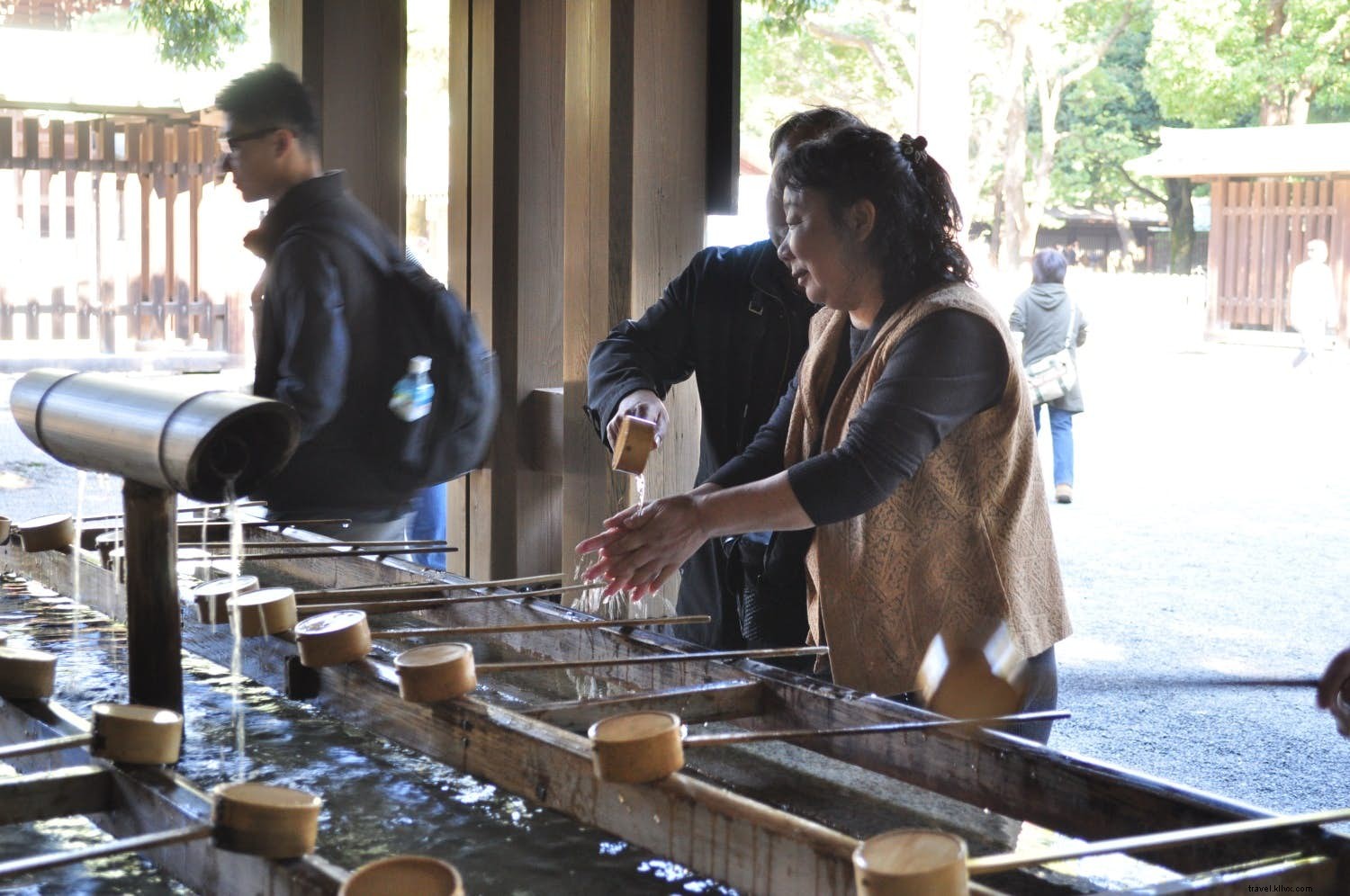
Shrine Purification At water basins, rinse hands, then mouth (spit on ground, not back in water).
Public Behavior
Keep Quiet No phone calls on trains/buses; silence phones. Speak softly to respect others.
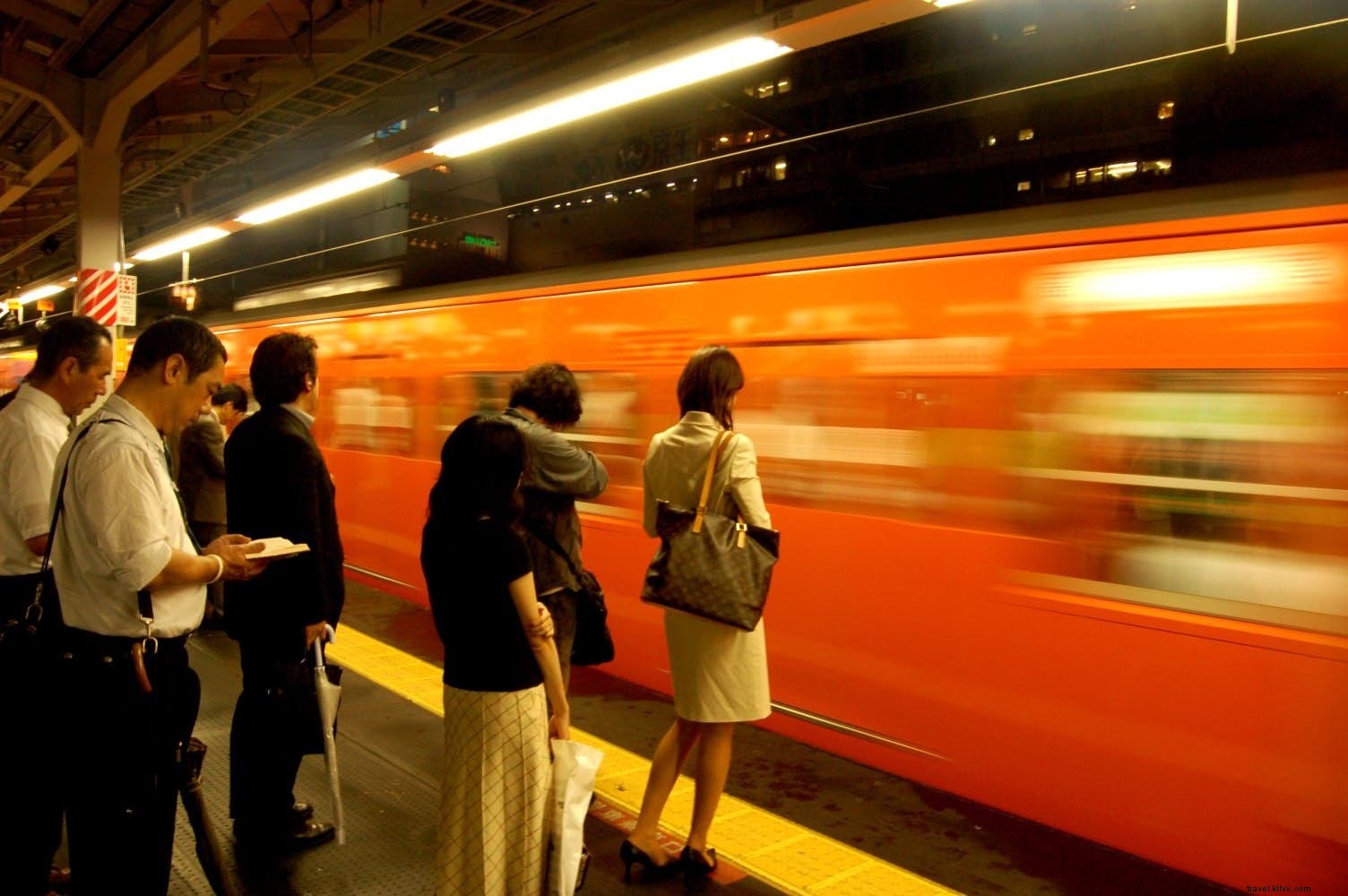
Queuing Form orderly lines at train platforms, following marked guides.
Nose Blowing Avoid in public; masks are common for those with colds to protect others.
Language Tips
Don't Assume English While some speak English, it's not universal. Approach politely without expectations.
Learn Basics Key phrases: sumimasen ('excuse me/sorry'), arigatou ('thank you'), eigo o hanasemasu ka ('do you speak English?'), wakarimasen ('I don't understand'). Locals appreciate efforts.