

Expert Guide: How to Plan a Long-Term Family Trip with Kids
Have you ever dreamed of pausing your career, renting out your home, and embarking on an extended world adventure with your family? It's a dream many parents share, but the logistics can feel overwhelming—especially when daily routines with kids already drain your energy.
It's more achievable than you might think. Ready to make your family travel vision a reality? This expert guide covers the essential steps for a successful long-term trip.

Make the Decision and Commit to It
Every age brings pros and cons to long-term family travel: Babies and toddlers mean lower costs and no school concerns, though memories may fade; school-age kids build lasting experiences but require study continuity; teens handle adventures well but may resist due to friends and exams.
Overthinking the 'perfect' time could stall you forever. Pick a start date, commit, and begin planning—you won't regret it.
Choose a Travel Style That Fits Your Family
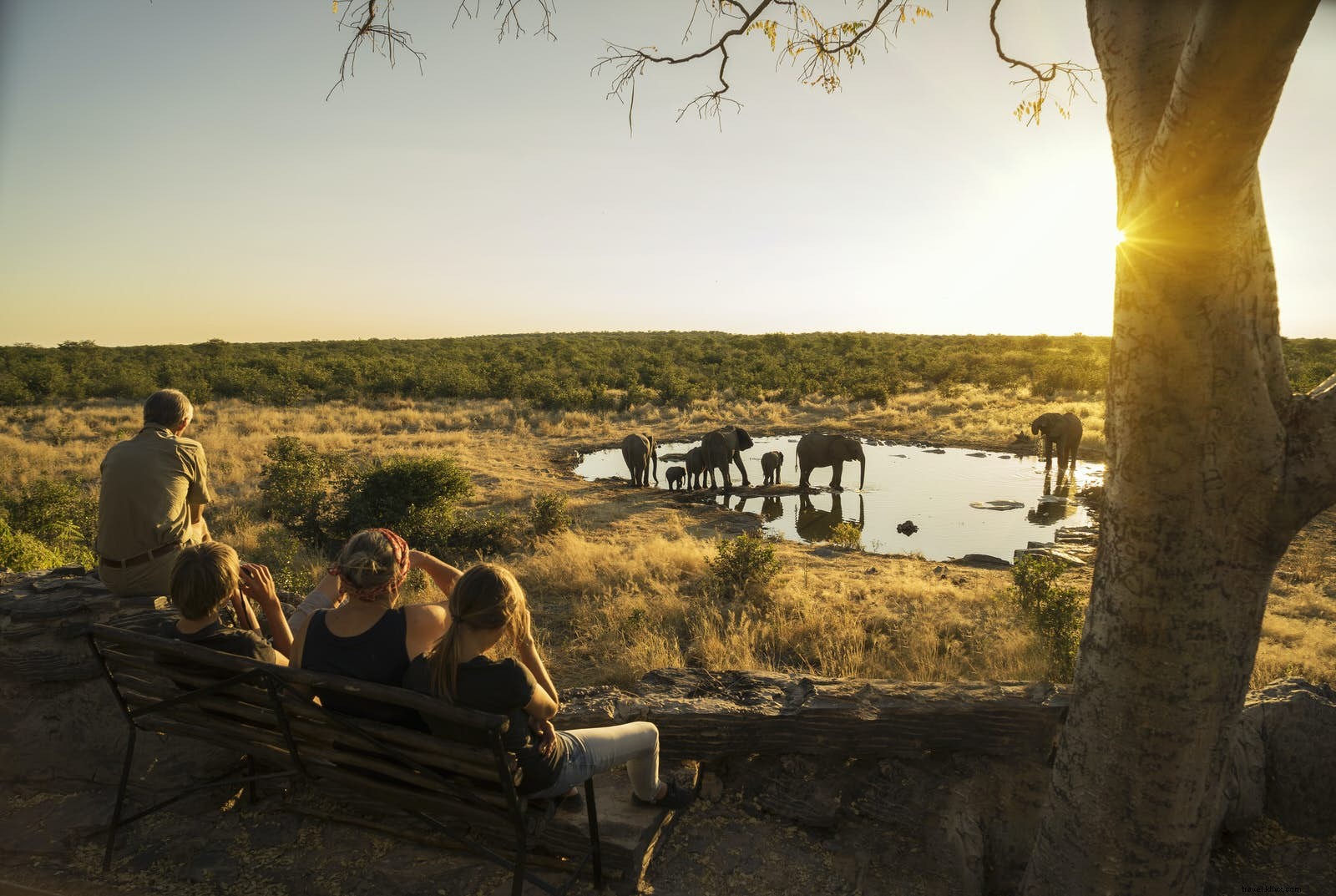
Younger kids thrive in family-friendly spots like Southeast Asia or the South Pacific, even on adventures. Older children and teens open doors to thrilling options, such as African bush safaris or Himalayan hikes.
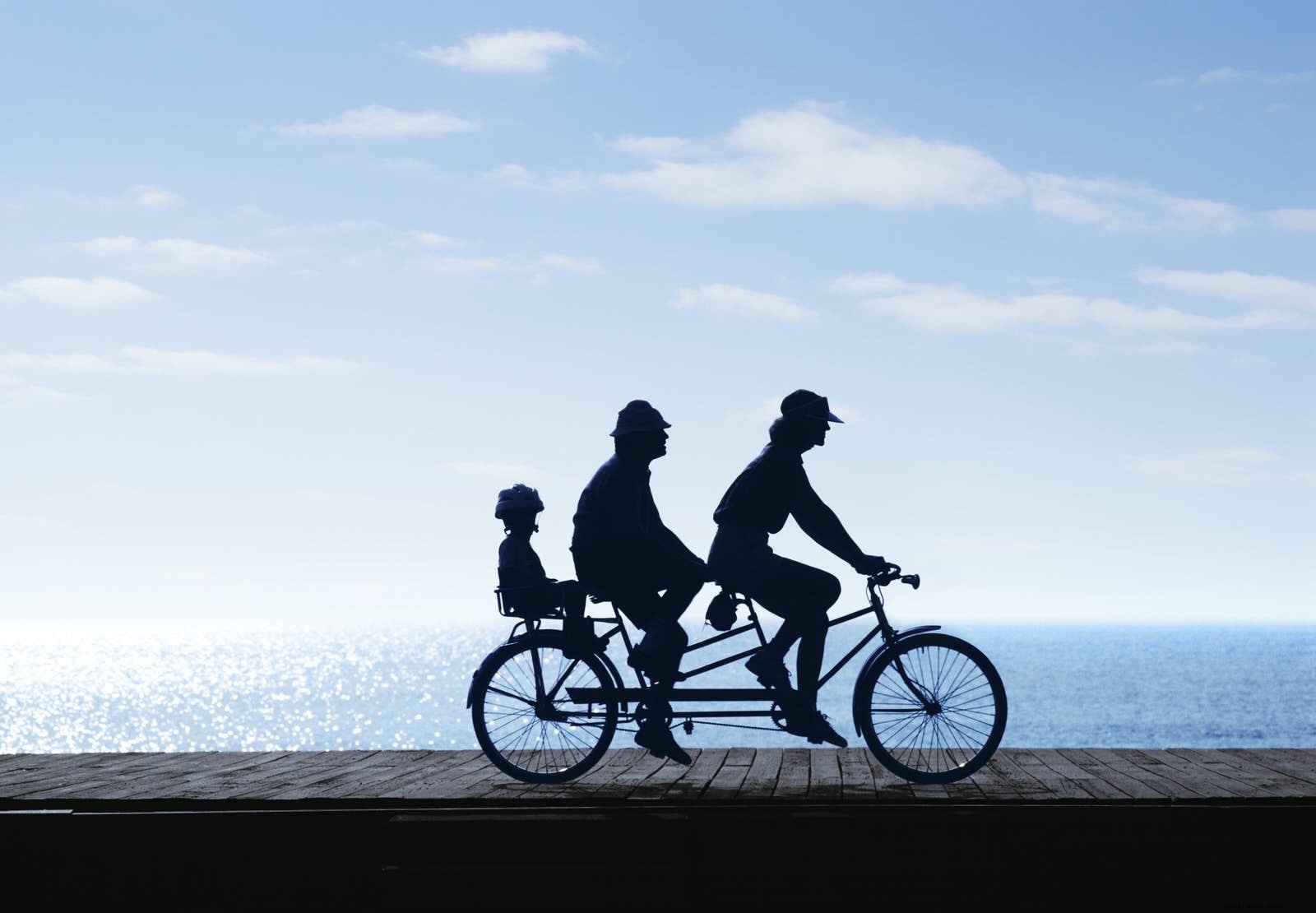
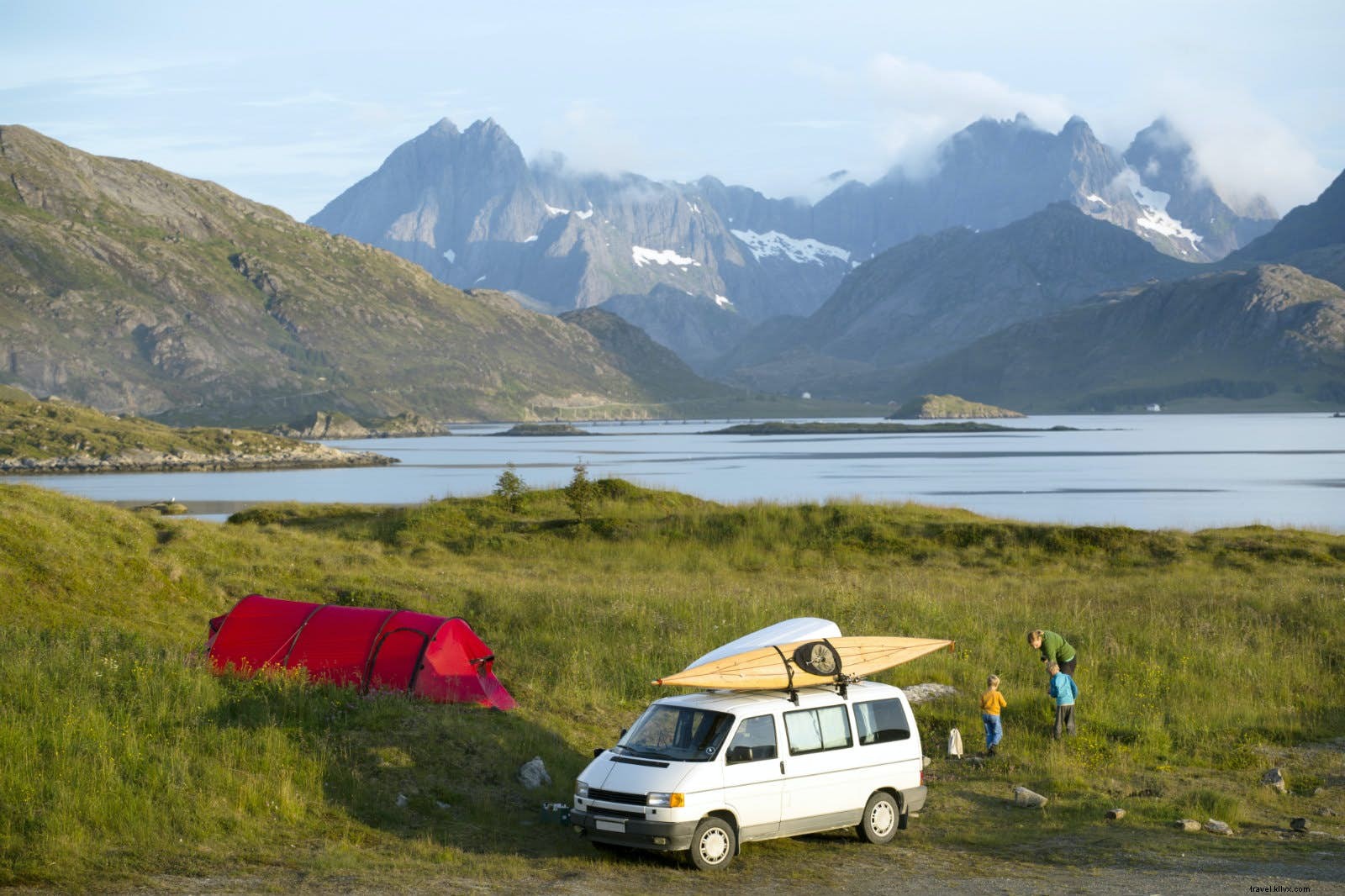
Round-the-world doesn't require flights and backpacks—consider campervan overland trips, continent-cycling, or sailing voyages for flexibility and fun.
Prioritize Health and Safety on the Road
Family health is paramount. Schedule vaccinations and antimalarials well in advance (note age restrictions for some, like typhoid). Pack a comprehensive first-aid kit, plan for emergencies, and secure robust travel insurance.
Beyond preparation, expect improved well-being from fresh air, exercise, diverse foods, and quality family bonding.
Pack Light and Adapt as You Go
Consider your kids' ages, travel mode (backpacking vs. driving), and climates. Minimize luggage—source diapers, baby food, and clothes locally, as kids grow fast.
Essentials: Comfort items for little ones, a lightweight baby carrier, devices with games/movies for downtime, and small backpacks for kids to manage themselves.
Master Your Budget
Avoid mid-trip cash shortages by setting a strict weekly limit, with buffers for emergencies and treats. Stretch funds in affordable regions like Southeast Asia or India over pricier North America or Western Europe.
Opt for camping, family hostels, home cooking, Couchsurfing (couchsurfing.org), or housesitting to immerse locally while saving.

Involve the Kids in Planning and Activities
Empower kids with input on destinations and activities. Have them journal, draw, or use a kid-sized camera for personal perspectives.
Travel slower post-kids—lingering weeks or months per spot beats rushed sightseeing for harmony.
Schedule Time Apart for Balance
Preserve sanity with breaks: Alternate childcare for solo time, hire sitters for date nights, or use kids' clubs. Sibling separations help too.
Use Travel as Education
For school-age kids, blend formal study with real-world lessons: Museums for art/history, markets for math, maps for geography, local interactions for language.
Leverage resources from National Geographic (education.nationalgeographic.org/teaching-resources/), NASA (nasa.gov/audience/foreducators), and BBC (bbc.co.uk/education). Travel inherently builds practical, social, and linguistic skills.
Ease Back into Routine
Post-trip readjustment can challenge after constant togetherness—allow decompression before work/school resumes.
Combat blues with shared albums/scrapbooks, local adventures, or next-trip planning, knowing you've instilled a lifelong love of travel.
Testing the waters? Download our free ebook, 25 City Adventures for Families, for shorter trip ideas!