Ultimate Guide to Eating Out in Japan: Iconic Restaurant Types Explained
Japan's dining culture thrives on eating out, with an abundance of culinary choices even in the smallest towns. From quick slurp-and-go noodle stands to elegant eateries featuring seasonal ingredients, options suit every taste and budget. Japan's diverse dishes and styles inspire specialized restaurants—here's an overview of the most popular ones.
Izakaya: The Japanese Pub
Blending bar and restaurant vibes, izakaya offer casual, value-packed meals. Food complements drinks, with small plates ordered from expansive menus including kara-age (fried chicken), nabemono (hotpots), sashimi, grilled fish, and global twists. Interiors range from sleek urban spots to rustic beer halls.
Try: Shinsuke (Tokyo), Robatayaki Isaribi (Osaka), Jōmon (Tokyo)

Sushi-ya and Kaiten-sushi: Sushi Two Ways
A sushi-ya (sushi restaurant) is for special occasions. Chefs craft fresh pieces to order behind the counter—opt for omakase to let them curate your meal, or choose set courses for variety.
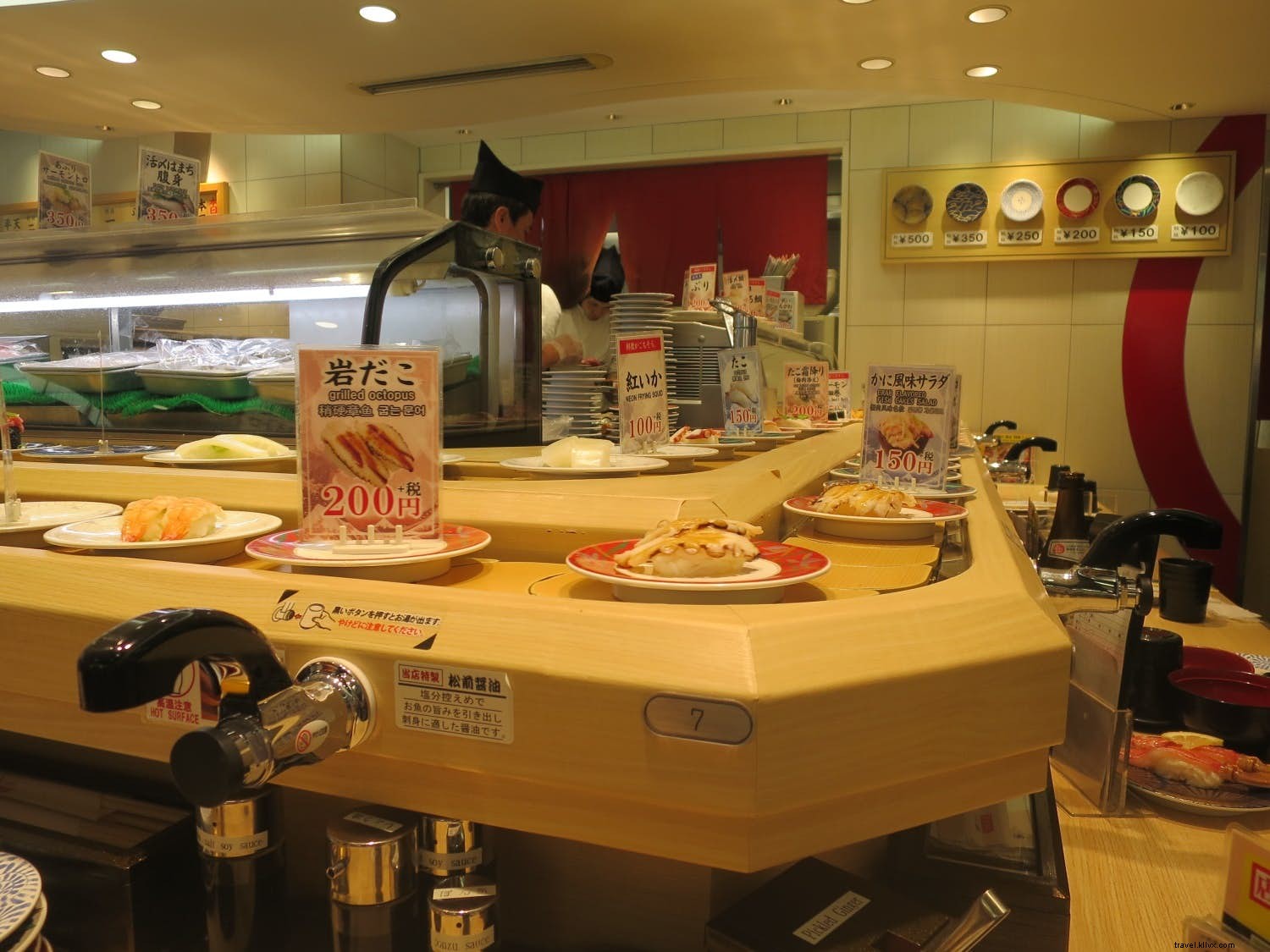
For casual fun, kaiten-sushi features conveyor-belt sushi. Grab plates as they pass; bills tally by plate color at the end.
Try: Kyūbeye (Tokyo), Daiwa Sushi (Tokyo), Den Shichi (Kyoto), Musashi Sushi (Kyoto), Daiki Suisan (Osaka)
Okonomiyaki-ya: Happiness on a Hotplate
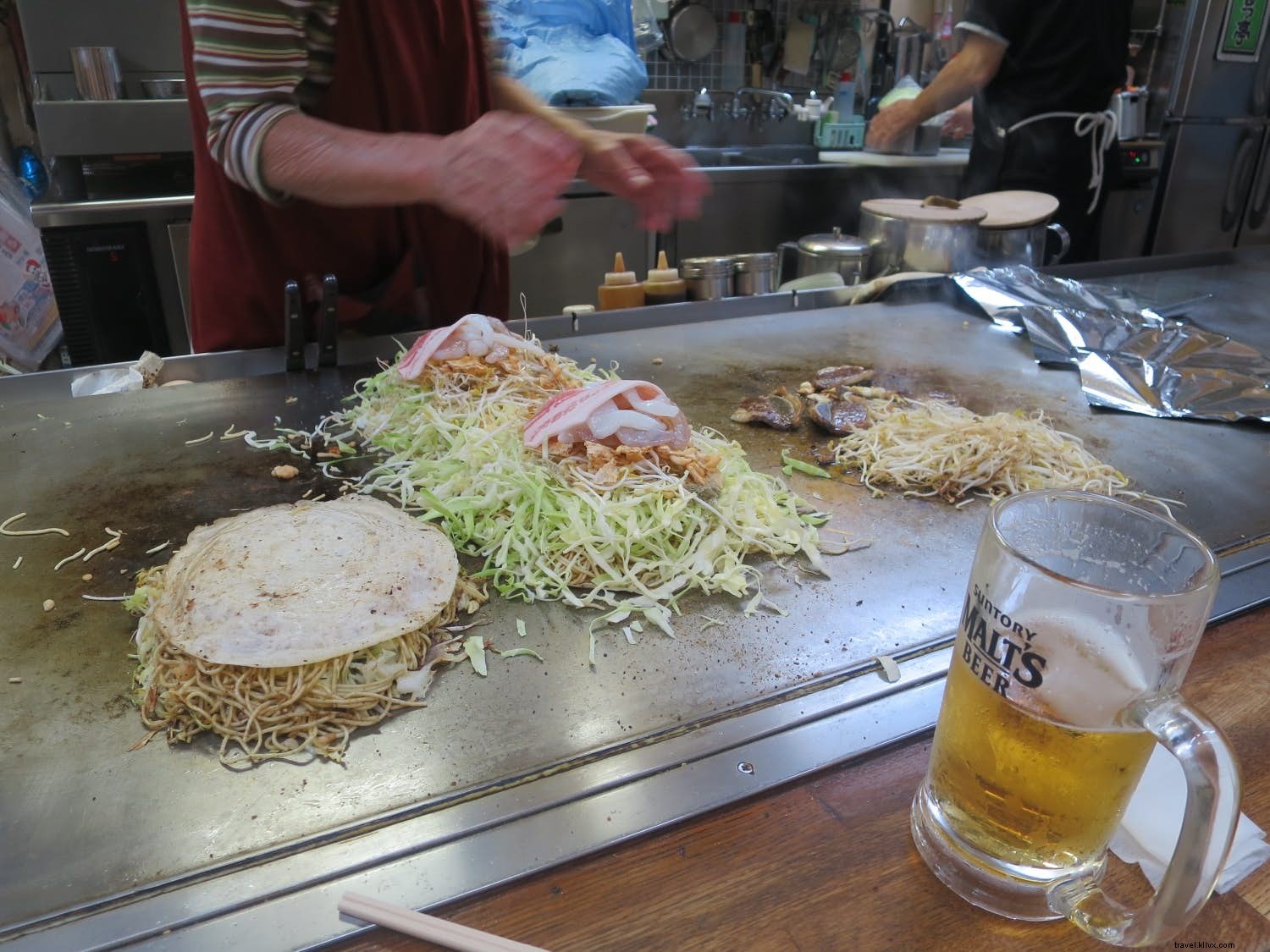
Dubbed Japan's 'pancake' or 'pizza,' okonomiyaki mixes batter, cabbage, veggies, seafood, or meat, grilled on a teppan and topped with Worcestershire-style sauce and mayo. Watch it cook at the table, or try your hand (with guidance). Osaka and Hiroshima excel here.
Try: Chibō (Osaka), Hassei (Hiroshima)
Ramen-ya: Universal Comfort Food
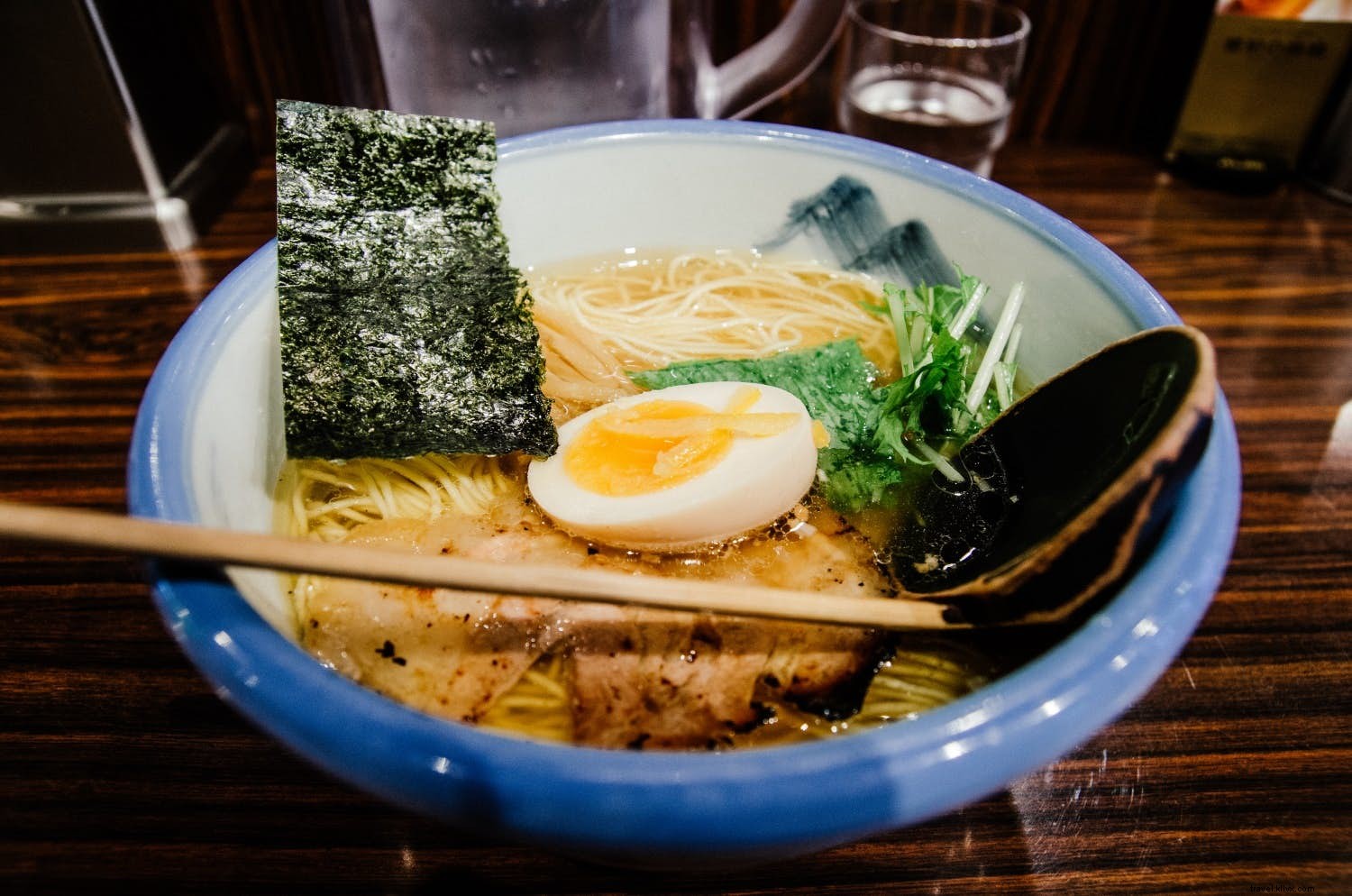
Japanized from China, ramen features egg noodles in pork, soy, or miso broth with toppings like roast pork, leeks, and sprouts. Locals queue for it—slurping is polite and enhances flavor.
Try: Afuri (Tokyo), Ichiran (Hakata), Rāmen Yokochō (Sapporo), Kinryū Rāmen (Osaka), Ippūdo (Kyoto)
Yakitori-ya: Meat on a Stick
Post-work favorites, yakitori-ya grill chicken skewers (yakitori) over charcoal, basted in sweet sauce or salt—perfect with beer or sake. Expect livers, skins, and veggies too.
Try: Bird Land (Tokyo), Omoide-yokochō (Tokyo)
Udon-ya and Soba-ya: Noodle Nirvana
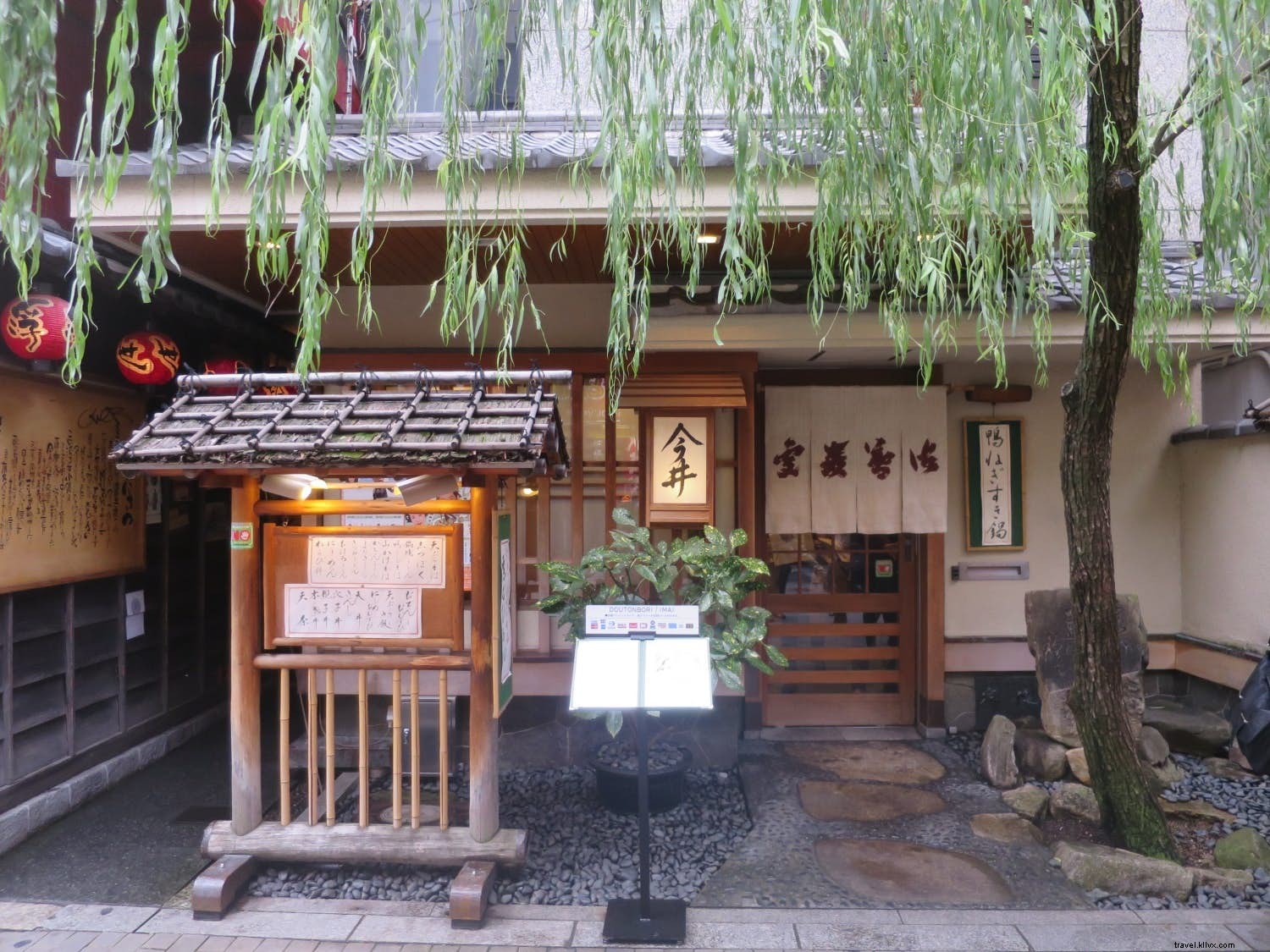
Men-dokoro serve thick udon wheat noodles and thin soba buckwheat ones in bonito broth with toppings like scallions, tofu, and tempura. Enjoy hot or cold (zaru soba). From station stands to upscale spots, slurp away.
Try: Kanda Yabu Soba (Tokyo), Omen (Kyoto), Kawafuku (Takamatsu), Imai Honten (Osaka)
Kare-ya: Japan’s Curry Houses
Japan's milder, sweeter curry differs from spicy home versions. Kare-ya specialize in kare-raisu or topped variants like katsu-kare, adjustable for heat.
Try: Tokyo Curry Lab, Shinsaibashi Madras 5 (Osaka)
Sukiyaki-ya and Shabu-shabu-ya: Meat in a Pot
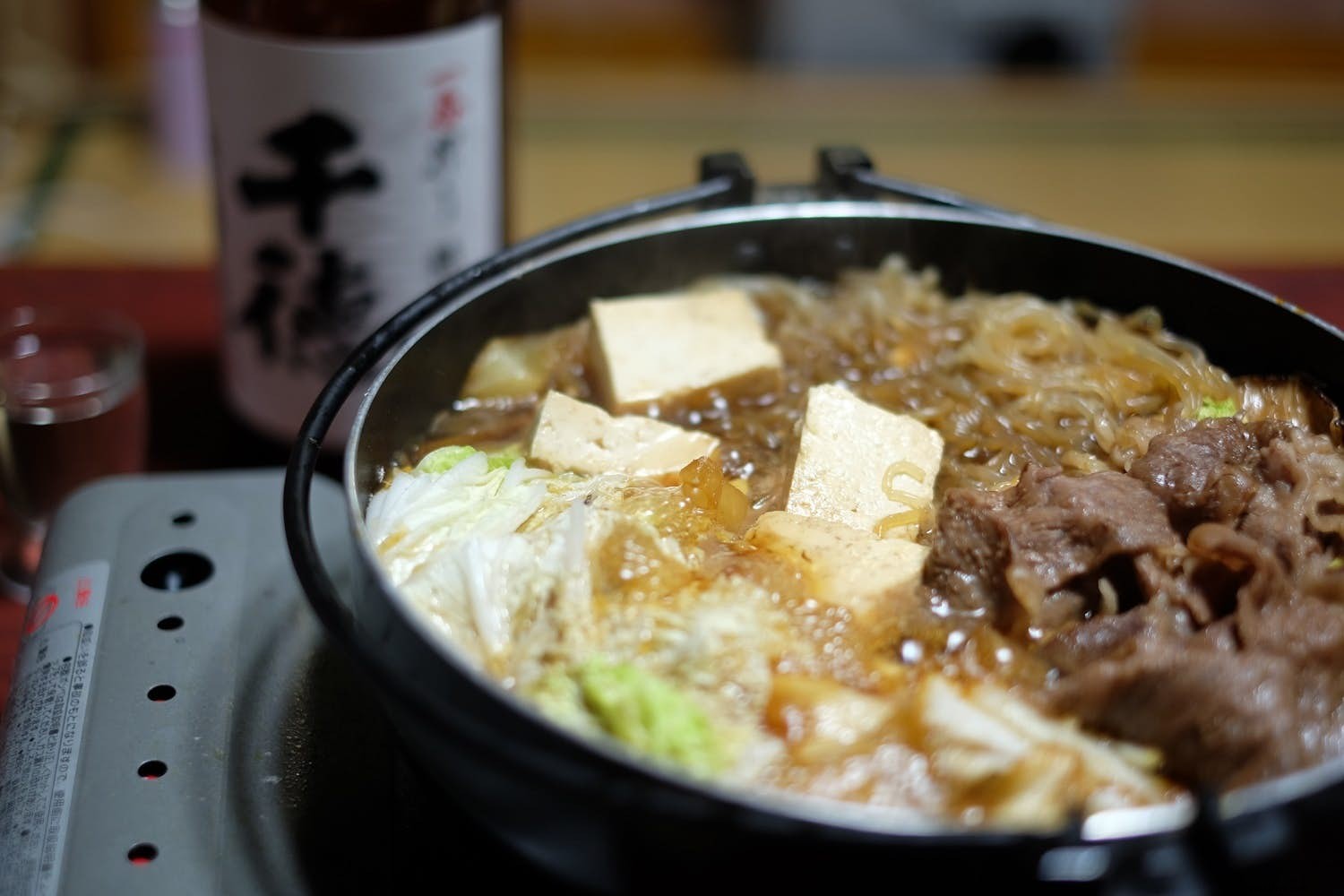
These nabe hotpot spots suit special occasions. Sukiyaki simmers beef, veggies, and noodles in sweet soy broth, dipped in egg. Shabu-shabu swirls ingredients in broth, paired with sesame-citrus sauces. Look for cow signs and traditional decor.
Try: Matsukiya (Tokyo), Mishima-tei (Kyoto), Kōbe Plaisir (Kōbe)
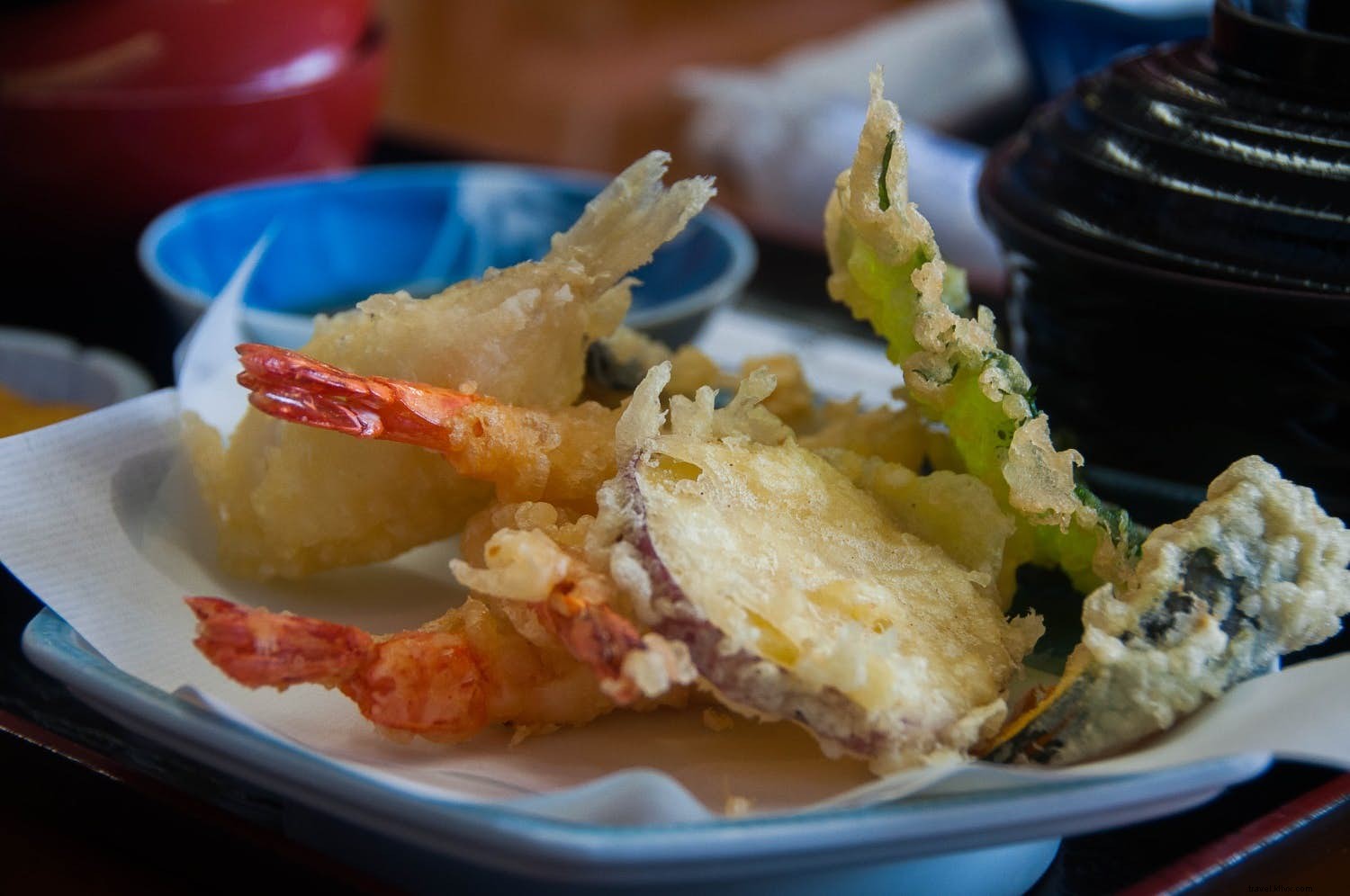
Tempura-ya: Morsels in Crisp Batter
Lightly battered seafood, veggies, and prawns arrive hot with dipping sauce and grated daikon. Opt for teishoku sets including rice, miso, and pickles.
Try: Tsunahachi (Tokyo), Daikokuya (Tokyo), Shunsai Tempura Arima (Kyoto), Yoshikawa (Kyoto)
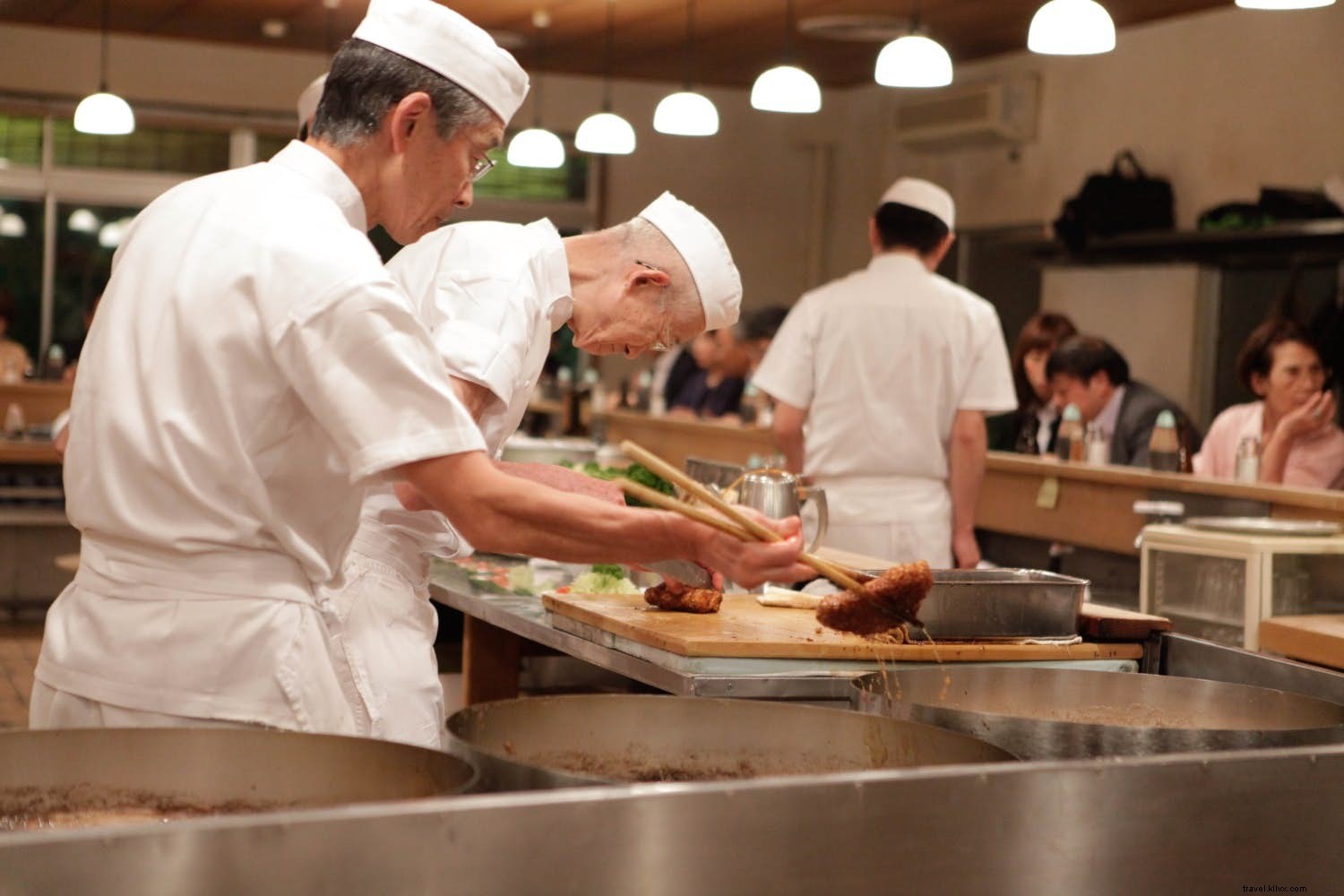
Tonkatsu-ya: Deep-Fried Pork
Mastering crumbed pork cutlets (tonkatsu) with sauce, cabbage, and sides. Choose rōsu (fatty) or hire (lean).
Try: Tonki (Tokyo), Yabaton Honten (Nagoya)
Ryōtei: Haute Cuisine
Elegant ryōtei deliver refined kaiseki multicourses with seasonal veggies and seafood. Expect tatami rooms, scrolls, ikebana, and kimono service.
Try: Kiyamachi Sakuragawa (Kyoto), Kikunoi (Kyoto)
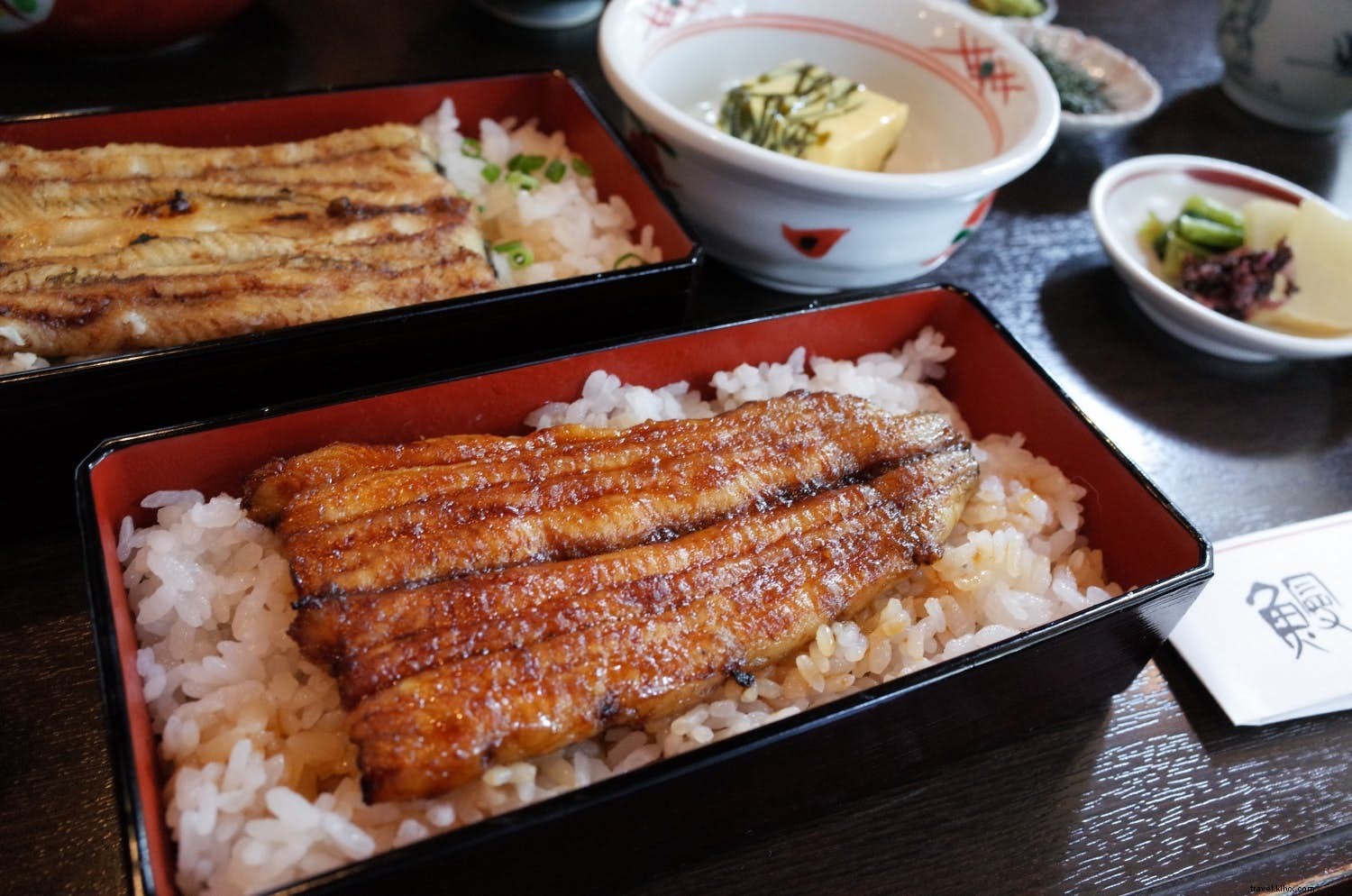
Unagi-ya: All About Eel
Unagi-ya grill eels in soy-sake glaze, served with rice. Popular in summer for stamina.
Try: Kyōgoku Kane-yo (Kyoto), Izu-ei Honten (Tokyo)
Shokudō: A Bit of Everything
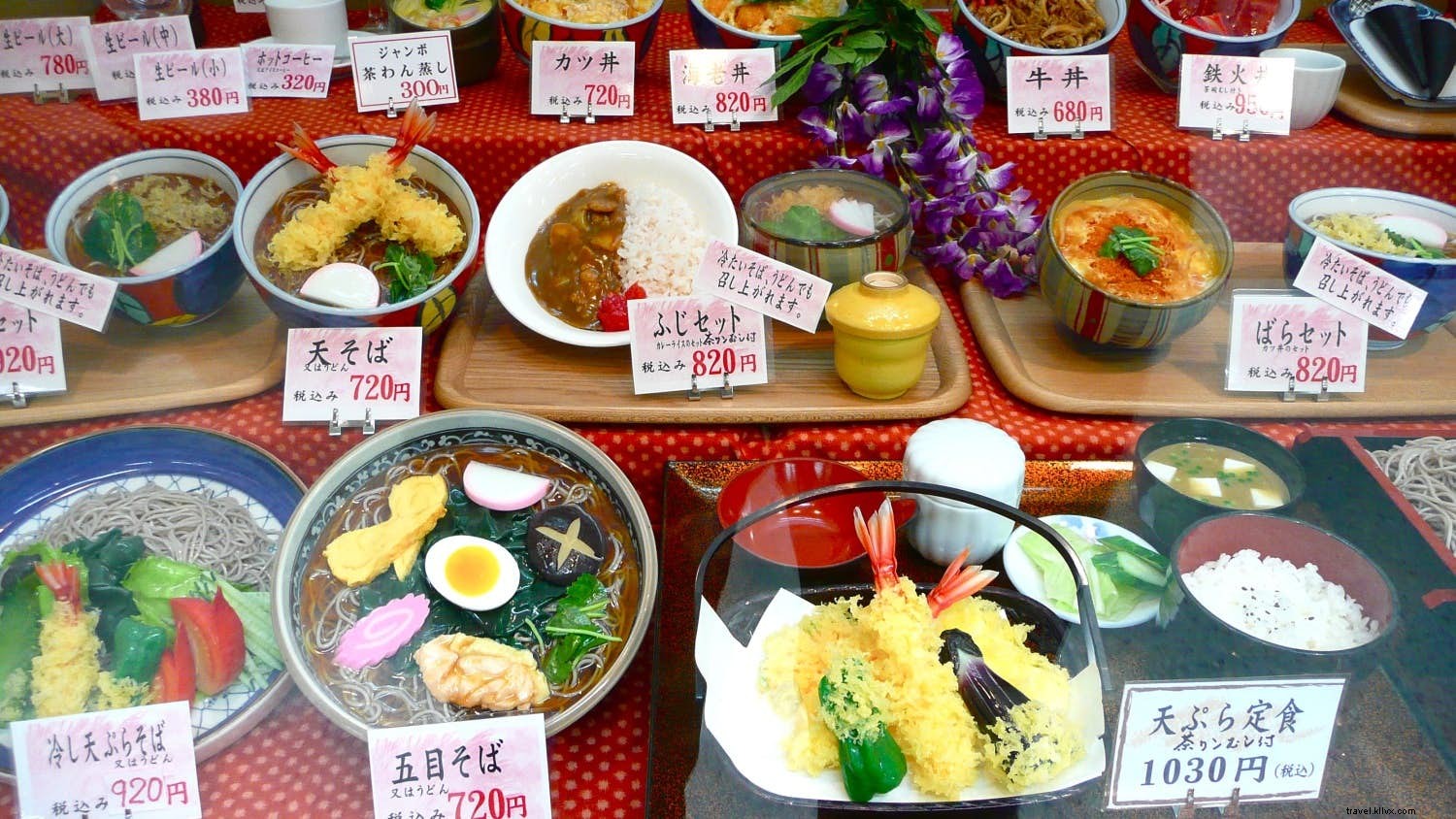
Casual shokudō near stations and malls offer affordable Japanese-Western mixes like donburi, noodles, omu-raisu, curry. Plastic models aid ordering; teishoku sets are lunch staples.