Discover Historic Huizhou: Escape Modern China and Unwind at West Lake
Legend has it that an immortal from the north, soaring on a goose, was so enchanted by Huizhou’s West Lake scenery that she descended and transformed into Flying Goose Mountain. This tale inspired the city’s endearing nickname, the “City of the Goose.”
Situated on the eastern edge of the Pearl River Delta in Guangdong Province, Huizhou provides a peaceful retreat from the industrial bustle of China’s manufacturing hub.
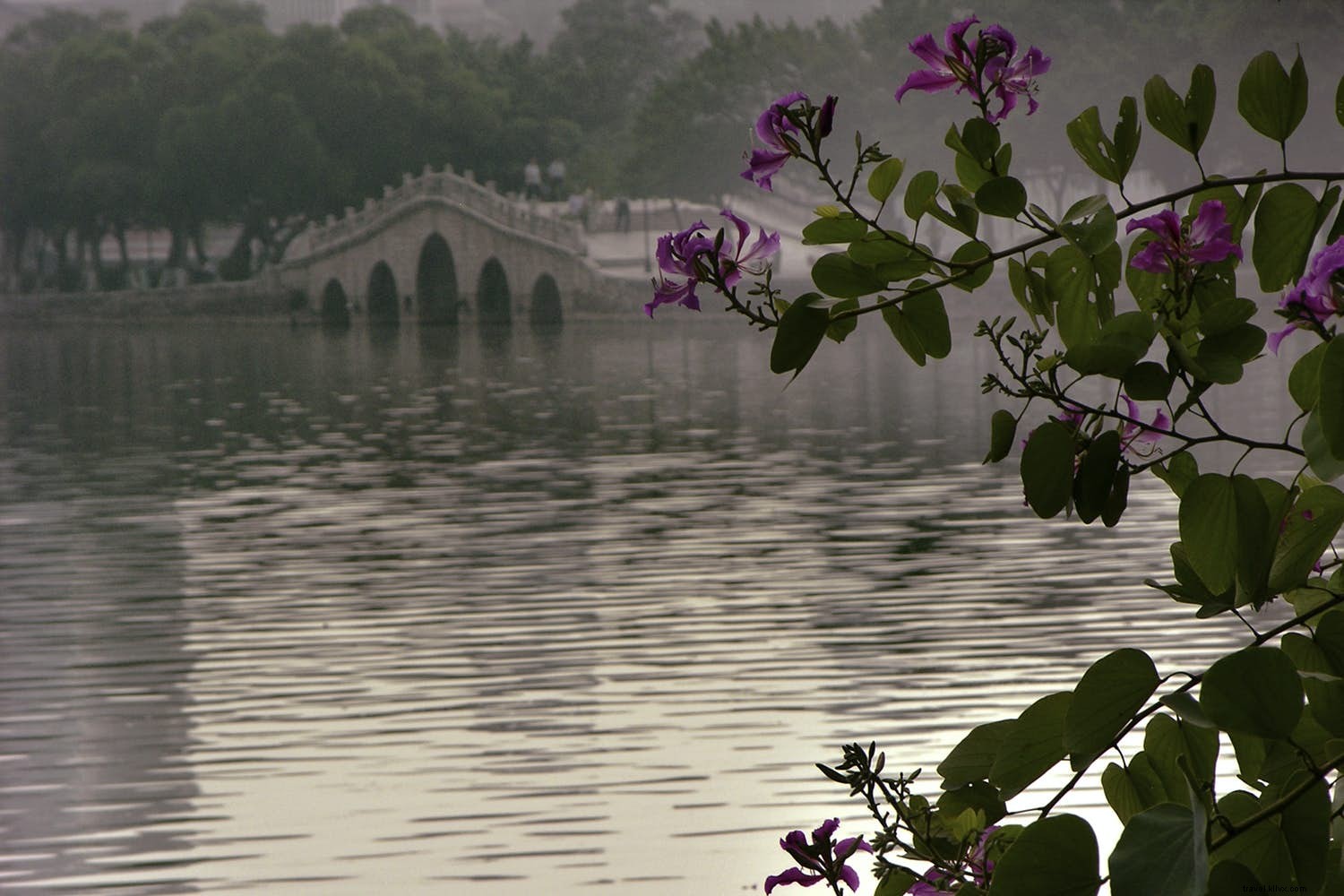
Though nearby powerhouses like Dongguan and Shenzhen eclipse Huizhou (pronounced “hway-joe”) in scale and speed, this storied “Goose Town” enchants with its serene lakes, winding waterways, verdant hills, and abundant historic treasures—the perfect antidote to modern China’s relentless pace.
Poet’s Path
Visitors today echo the awe of Song Dynasty poet Su Dongpo (also Su Shi), who was exiled from the imperial court for his bold views. Hailing from Sichuan but rising to fame in Hangzhou, Su found unexpected beauty in Huizhou—then considered a remote, malarial frontier south of the Nanling Mountains. During his three-year exile starting in 1094, he composed over 500 poems celebrating the local landscapes, wine, tea, and fruits.
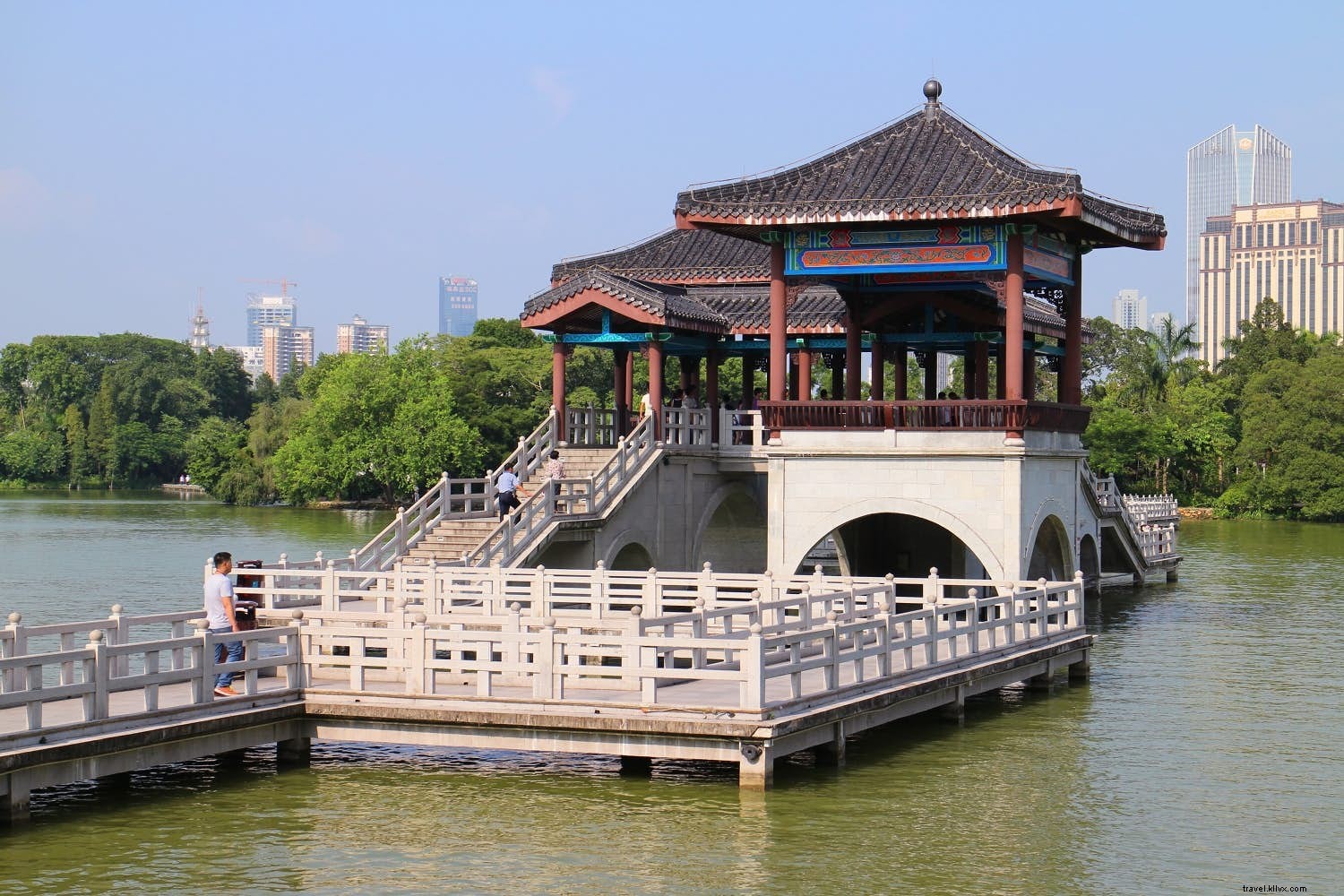
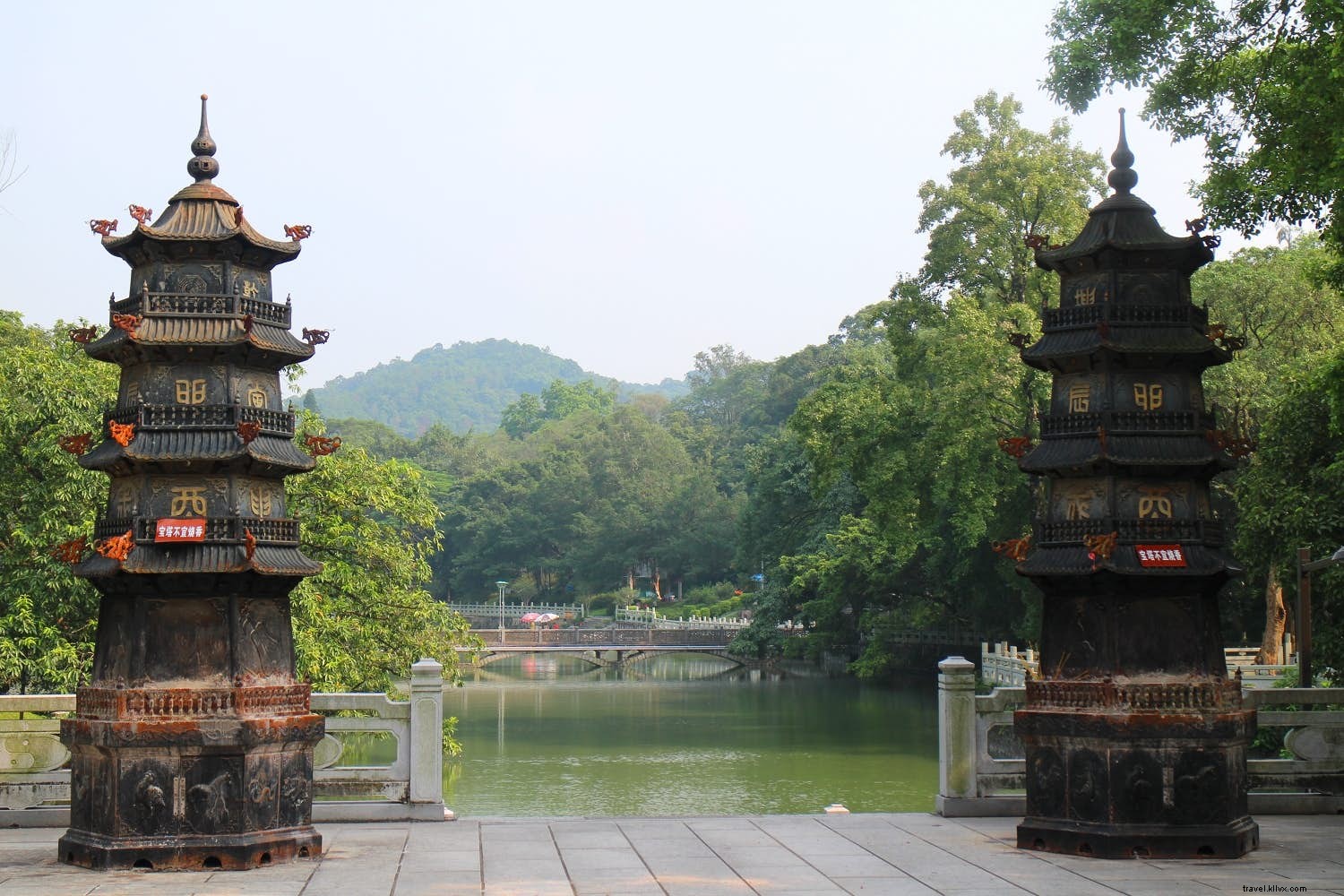
Su’s legacy lives on in the Huizhou West Lake Scenic Area. His verses are etched into sculptures along the Su Embankment, guiding visitors to the iconic Sizhou Tower—an 80-meter-high, seven-story hexagonal pagoda from the Ming Dynasty, perfect for photos.
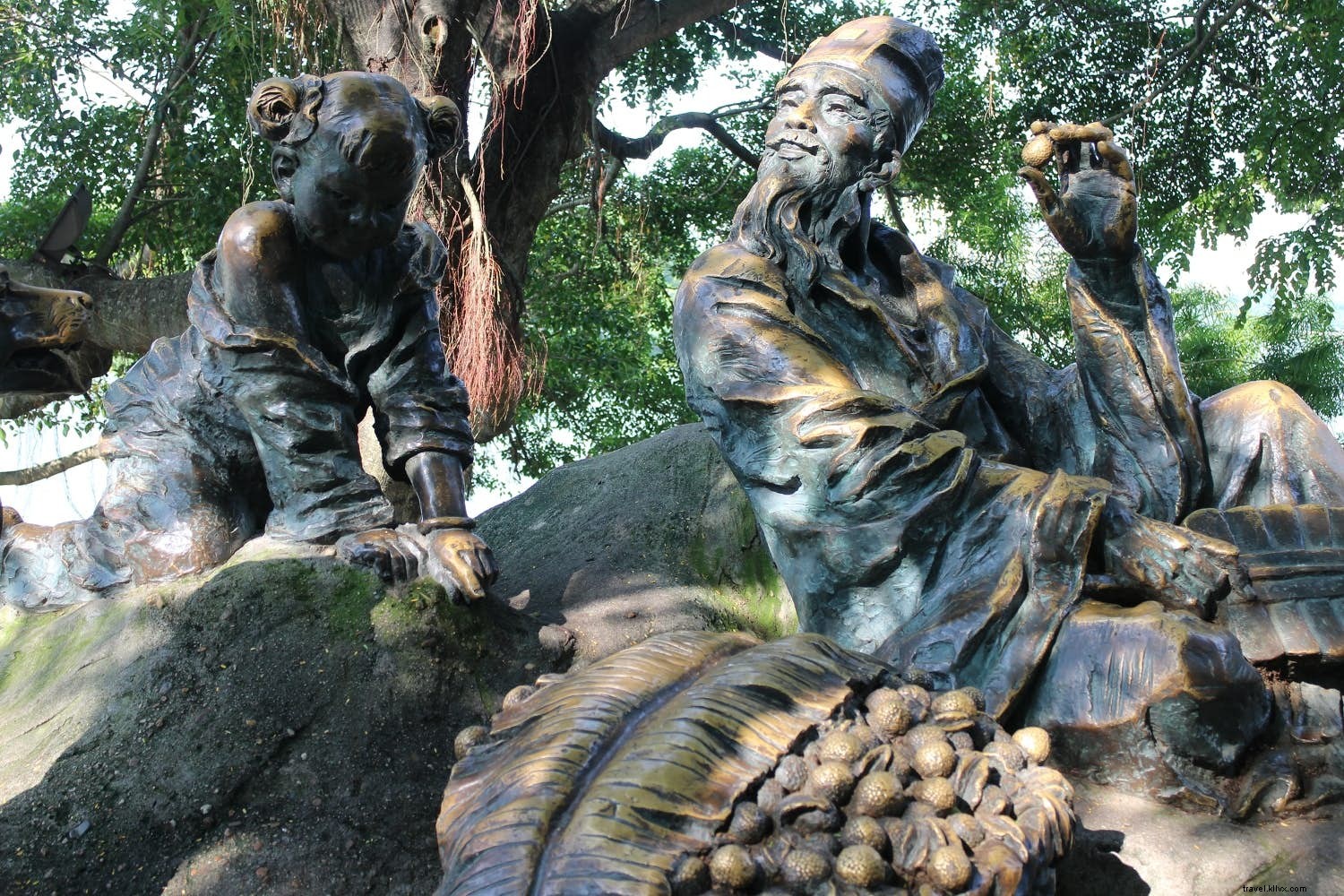
Nearby, the Su Dongpo Memorial Hall features sculptures of the scholar savoring southern life and displays his calligraphic works. Though English signage is limited, the Song Dynasty-inspired gardens make for a delightful stroll. Across from the hall, the Jiuqu (“nine bends”) Bridge connects Diancui and Fenghua Islands—shaded havens ideal for watching pedal boats glide by.
Religion and Revolution
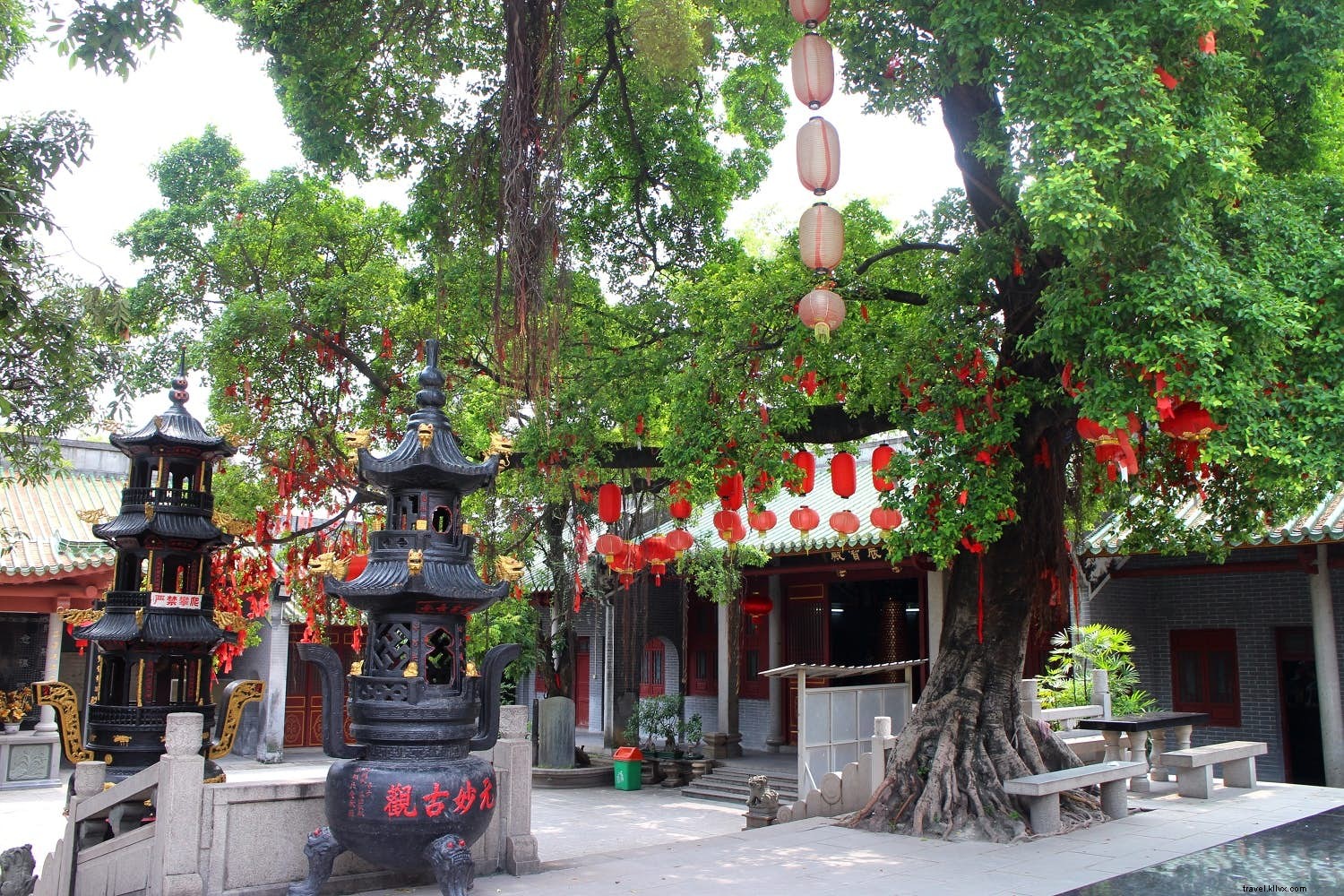
On the lake’s north shore, history unfolds in Yuanmiao Temple, founded in 748 during the Tang Dynasty. Damaged in the Cultural Revolution and rebuilt in 1990, this active Taoist shrine honors Lao Tzu and draws locals seeking blessings amid fragrant incense.
Behind it, Revolutionary Martyrs Park contrasts stark socialist statues with timeless Taoist icons, highlighting China’s cultural renaissance favoring ancient traditions over past ideologies.
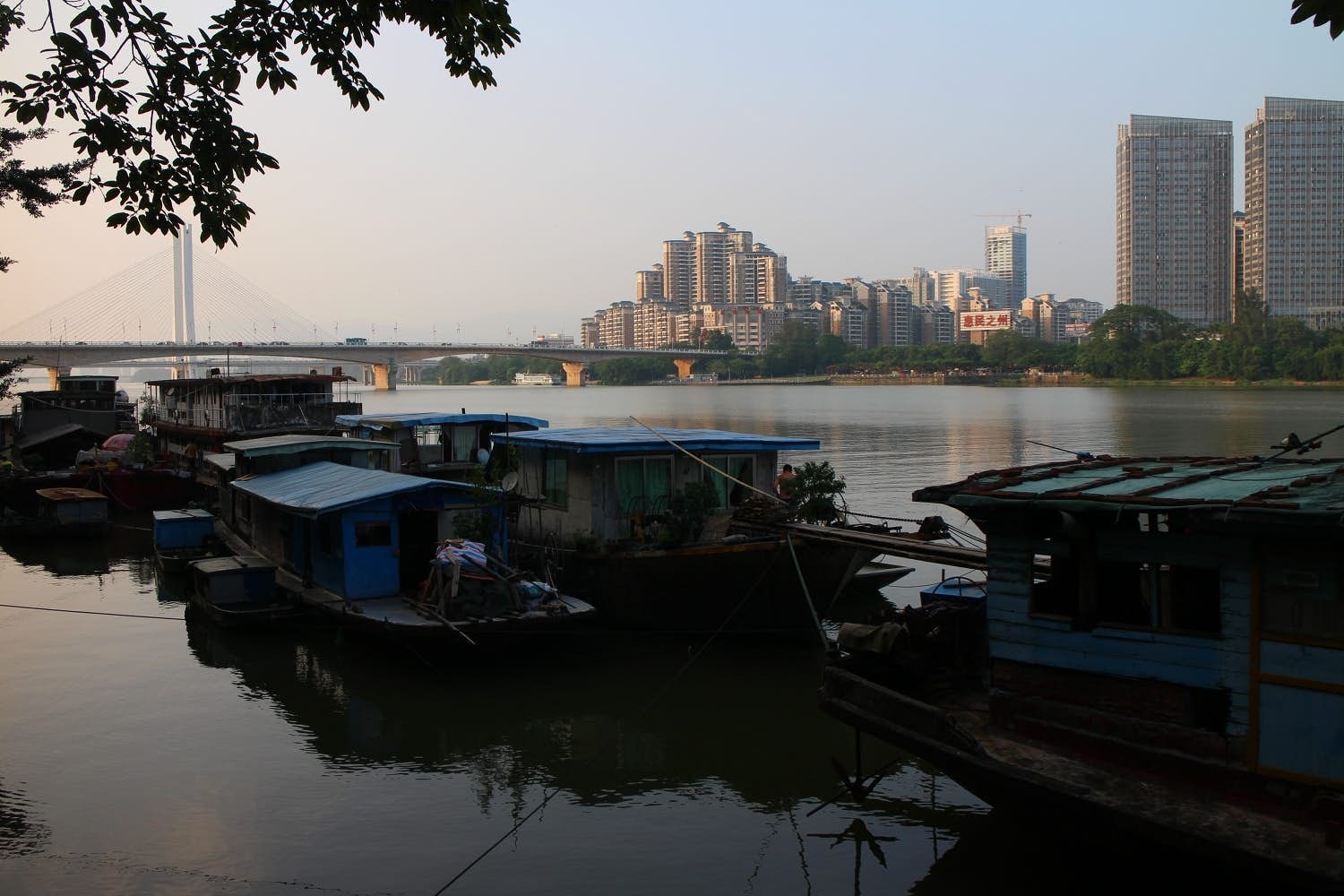
A reconstructed Ming Dynasty city gate symbolizes Huizhou’s revival. Beyond it, the Dong River separates the preserved Ming wall and old town from the gleaming Jiangbei district—a vivid divide between heritage and modernity. Nearby, a statue of Sun Yat-sen, “father of the nation” and Guangdong native, commemorates his 1900 uprising from Huizhou that helped end the Qing Dynasty.
Golden Belt Road
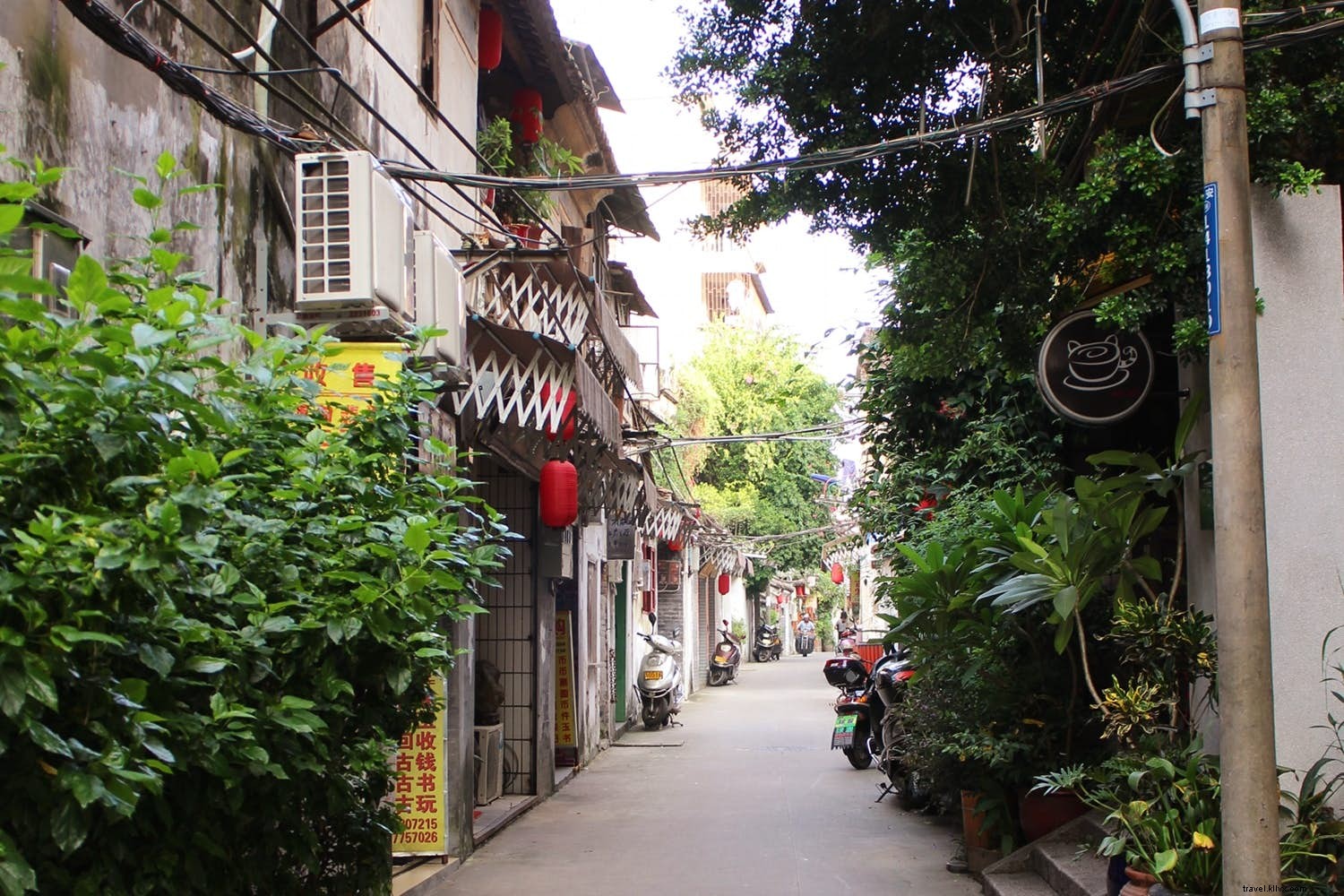
Refuel at Miss X’s Café near the scenic area entrance—a charming two-story spot with local décor. Over a refreshing ¥30 fruit juice, owner Miss Xia shares tips on nearby lanes. Adjacent Jindai Jie (“Golden Belt Road”), built in 1389, was once Huizhou’s commercial heart. Lined with ancestral homes and shrines, it now hosts antiques shops offering Mao posters to Ming porcelain—a fading glimpse of traditional life.
Sacred Slope
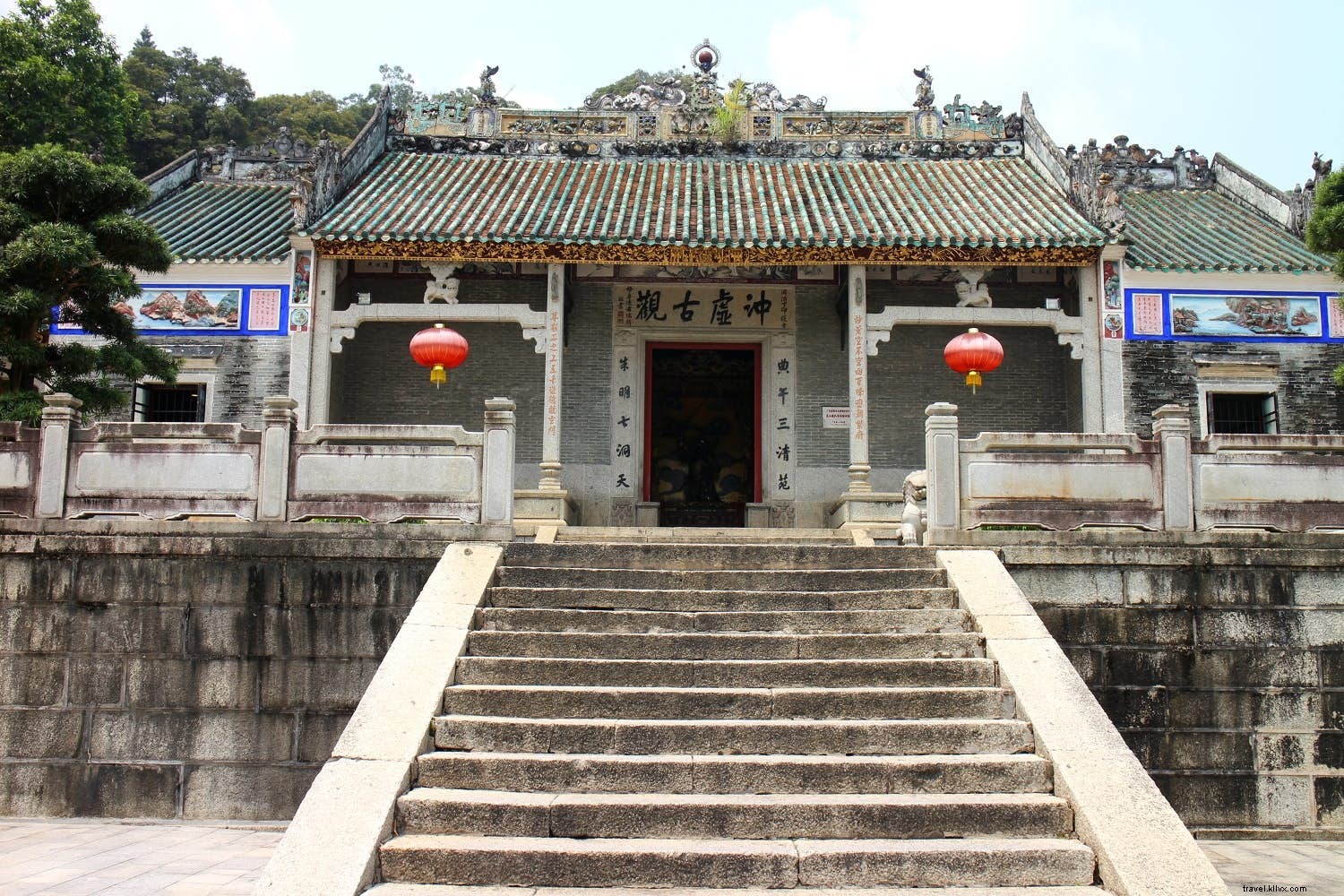
Su Dongpo praised Mount Luofu in his poem Huizhou Yi Jue, an easy day trip from the city. A two-hour bus ride through industrial areas belies the magic ahead. This top-tier site boasts Chongxu Temple, founded by Taoist Ge Hong in 327 and rebuilt in the Qing era. Su reportedly savored his first lychee here, marked by the Lychee Virtue Garden.
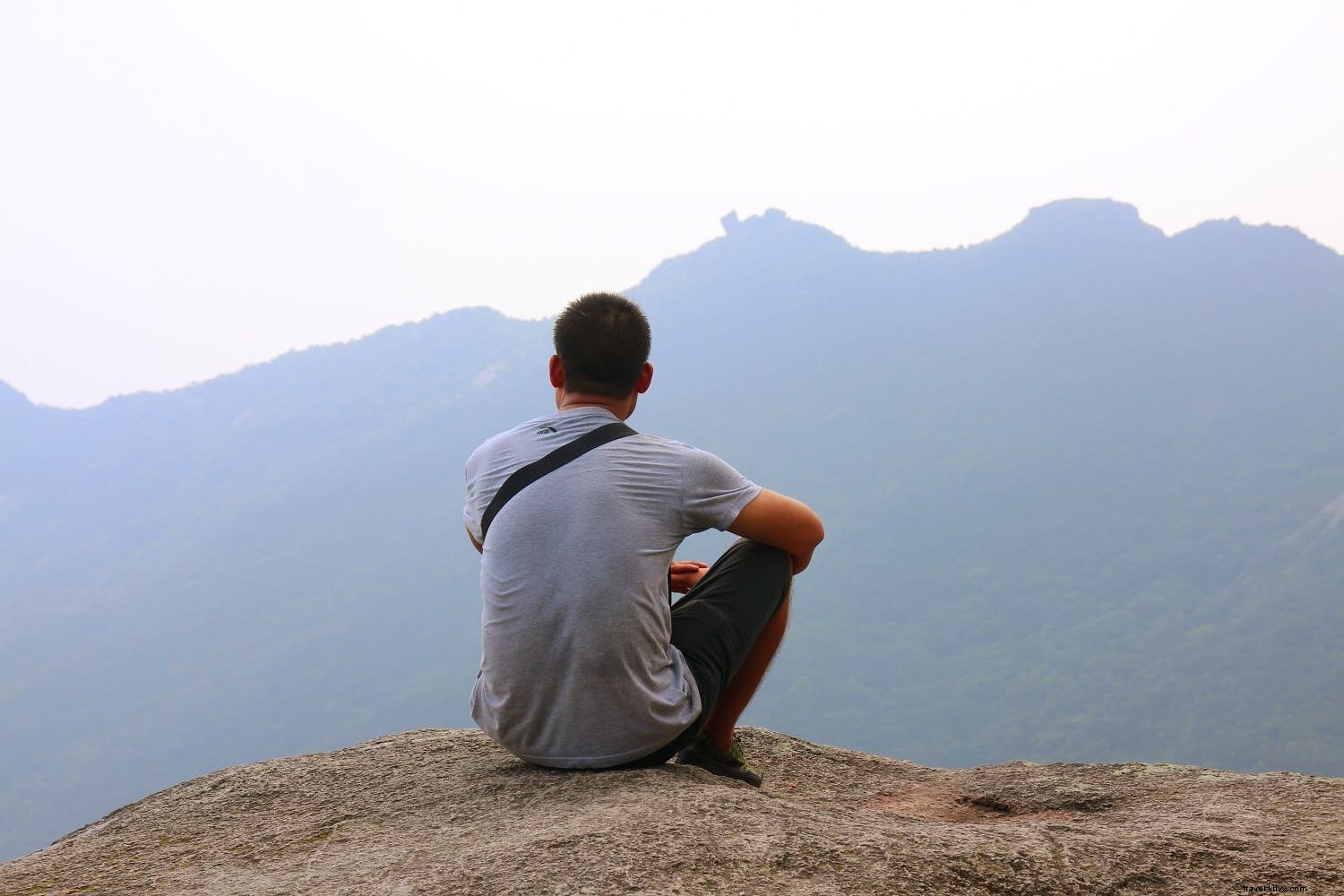
Summer heat deters hikes, but a chairlift reveals lush forests, defying the nearby factories. The final walk to the summit feels poetic.
Make It Happen
Frequent buses run from Hong Kong’s Chen Leng, Shenzhen’s Luohu Station, and Guangzhou’s Tianhe Station. Huizhou connects via the Xiamen-Shenzhen high-speed rail; the Dongguan-Huizhou intercity line opened post-2015.
City Inn Yuandong Branch (octhotels.com) offers clean, affordable rooms centrally. Kande International Hotel provides luxury opposite West Lake.