Discover Ancient Cinder Cones and Lava Tubes in Mojave National Preserve
Traveling the back roads of the Mojave Desert along Interstate 15 or Kelbaker Road reveals stunning geological wonders. Among them are dramatic remnants of ancient volcanic activity, including vast lava flows that covered massive areas millions of years ago and striking volcanic cones rising from the desert floor.
As you explore this region, you'll spot a horizon lined with 32 distinct cone-shaped mounds of red and black volcanic rock. These cinder cones began erupting nearly 8 million years ago, with their last lava flows around 10,000 years ago. Recognized as the Cinder Cone National Natural Landmark in 1973, these well-preserved features offer a glimpse into Earth's fiery past.
Volcanic activity here stems from the area's active faulting, which fractured the Earth's crust, causing blocks to shift and generate intense heat that melted rock into magma. Surrounded by hardened lava fields, these formations are rare spectacles in California's desert landscape.
Adventure Awaits: Explore a Lava Tube
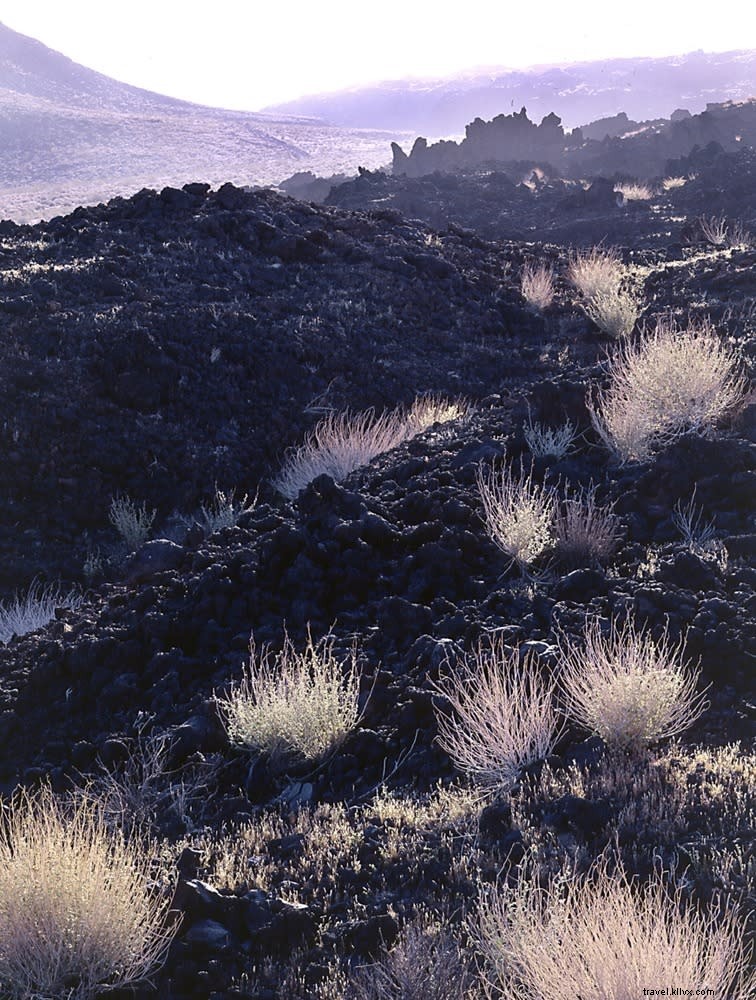
Not all lava flows the same way. The smooth, syrupy lava in Mojave National Preserve traveled far across the desert, even alongside roads. As the surface cooled, molten lava continued flowing beneath, carving out tunnels and tubes.
For thrill-seekers, descend into an ancient lava tube off Kelbaker Road, about 15 miles north of Kelso. Access it via Aiken Mine Road: drive roughly 5 miles past an old water tank and corral, bear left at the fork about 4.5 miles in, and park. Hike 300 yards uphill to a fence, then turn right along a path to a metal ladder dropping into the tube through a collapsed roof section. This rare viewpoint showcases volcanic history up close. Note: The National Park Service does not maintain the site, so enter at your own risk—watch for snakes and uneven terrain.