La Serena and Elqui Valley: Chile's Beaches, Pisco, Papaya Farms, and Stargazing Paradise
U.S. citizens face significant reciprocity fees for many South American countries, as these nations mirror U.S. visa charges. Chile requires a $160 tourist visa, with Bolivia at $135, and Argentina, Brazil, and Paraguay each at $160.
As full-time travelers with my partner Dani for nearly four years, we prioritize maximizing value from every expense. Returning to Santiago in November on our round-trip ticket, we resolved to explore more of Chile before crossing into Bolivia, ensuring the visa fee was well-spent.
 Our first stop—La Serena and the Elqui Valley—proved the visa's worth many times over.
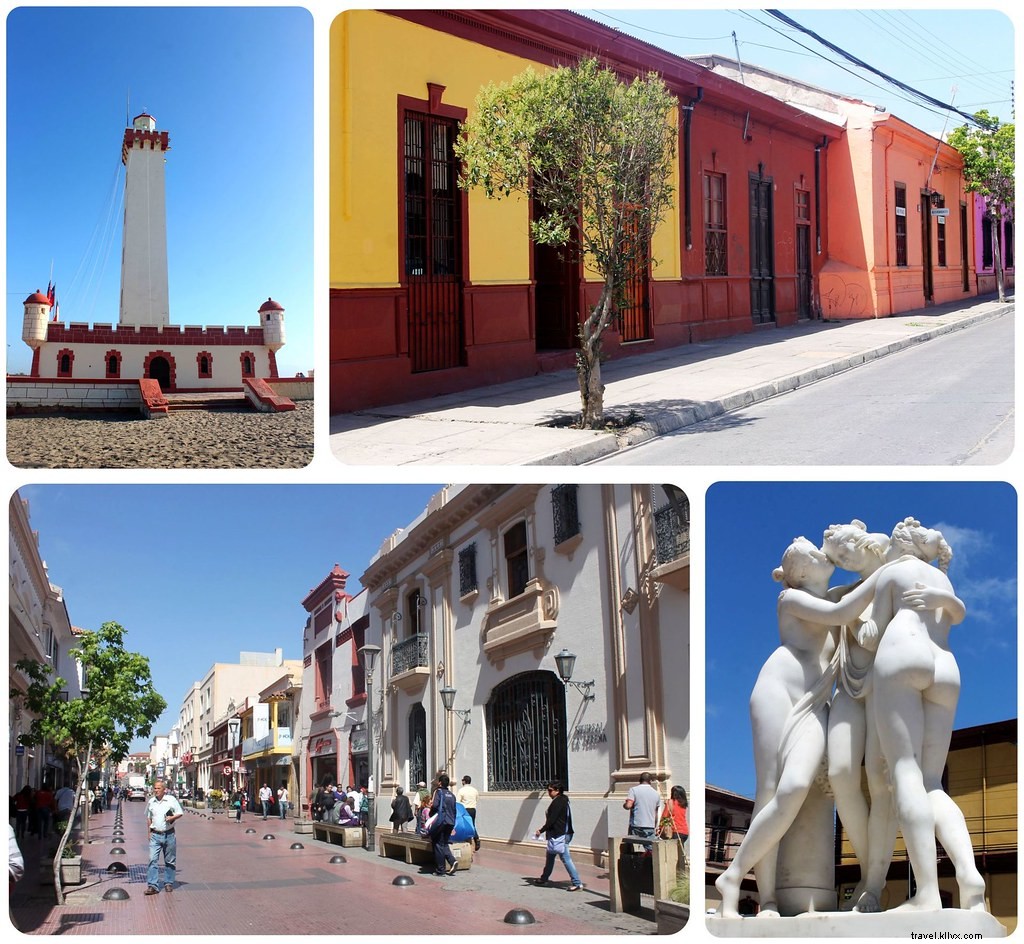
 Chile's second-oldest city after Santiago, La Serena lies seven hours north by bus. With about 300,000 residents, it's ideally sized for easy exploration, never feeling crowded or overwhelming.
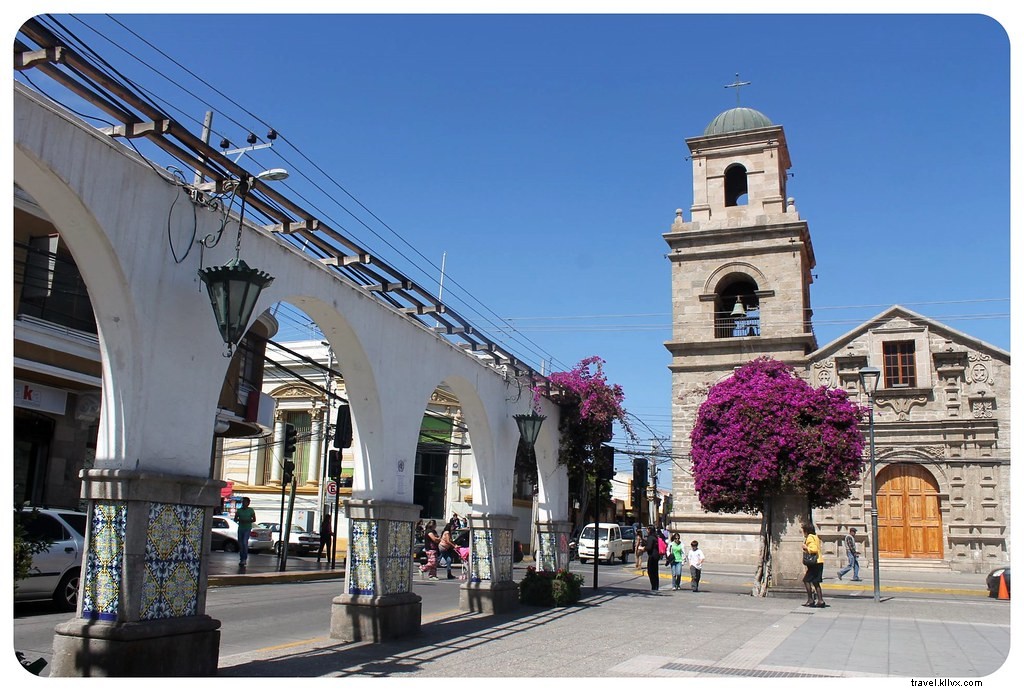
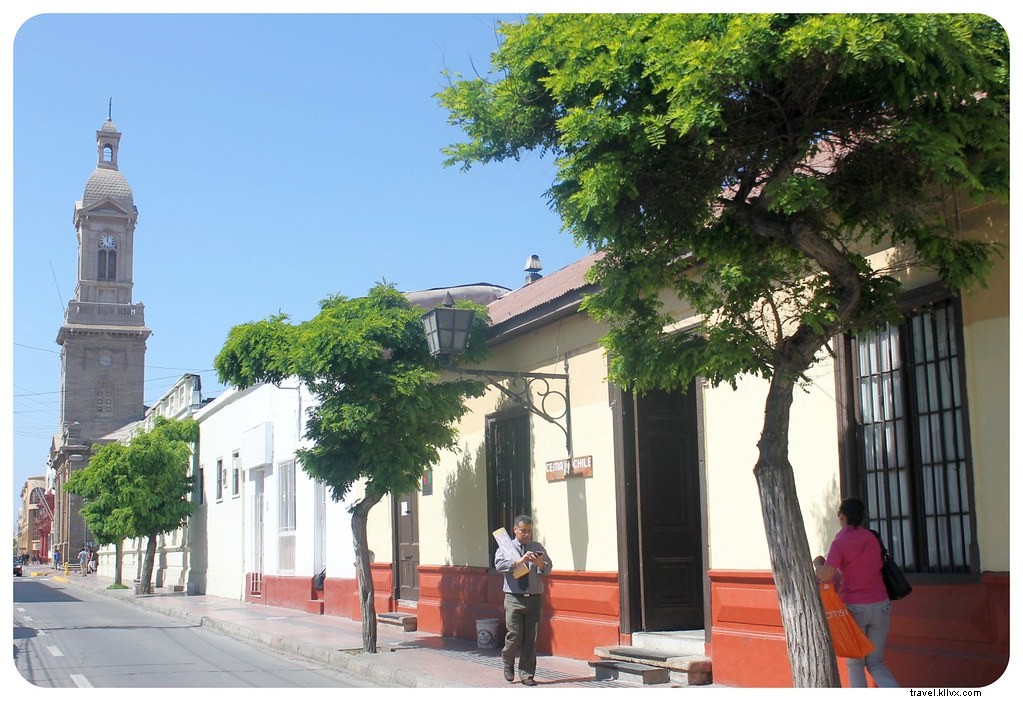 Stunning neoclassical architecture lines wide pedestrian avenues reminiscent of Spain. Known as the "City of Churches," it features a house of worship on nearly every block.
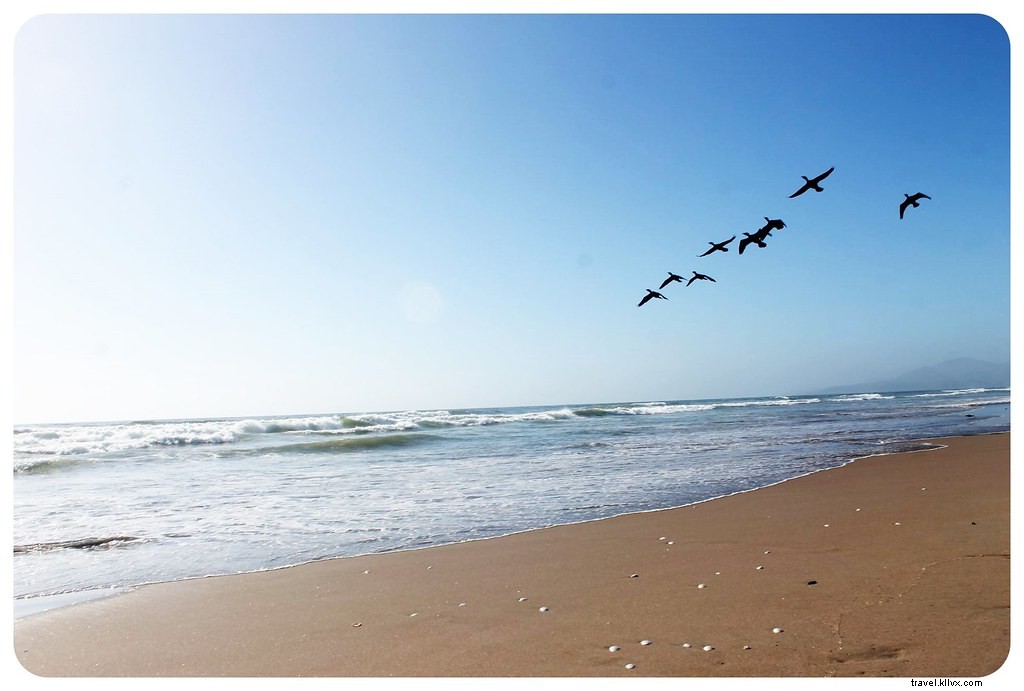
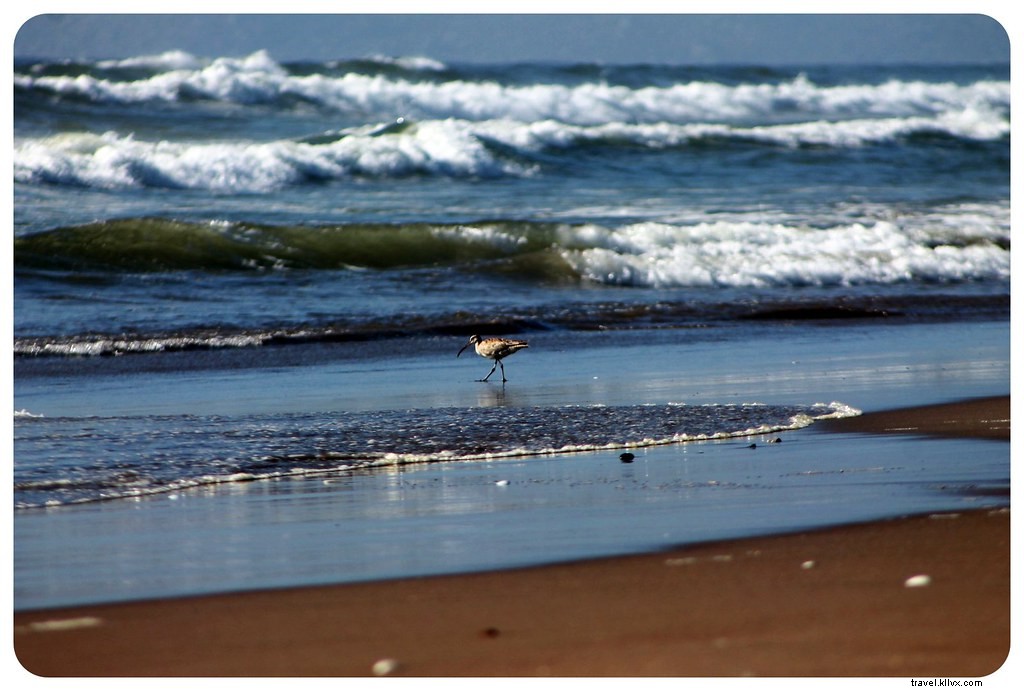
 Enjoy quality restaurants—including vegetarian options—and quirky cafés with excellent coffee. Though Chilean cuisine varies, La Serena's breezy vibe shines. As a premier beach destination with Chile's longest golden sands along its 4,000km coastline, you can stroll uninterrupted for hours.
 January and February bring crowds, but our November visit (early spring) was serene. Even peak season favors La Serena over Viña del Mar, Chile's popular resort we found generic next to beloved gritty-stylish Valparaíso. La Serena offers authentic relaxation. Though farther (5.5 hours more), frequent buses (hourly from Santiago) and 4-5 daily flights to La Florida Airport make access simple.
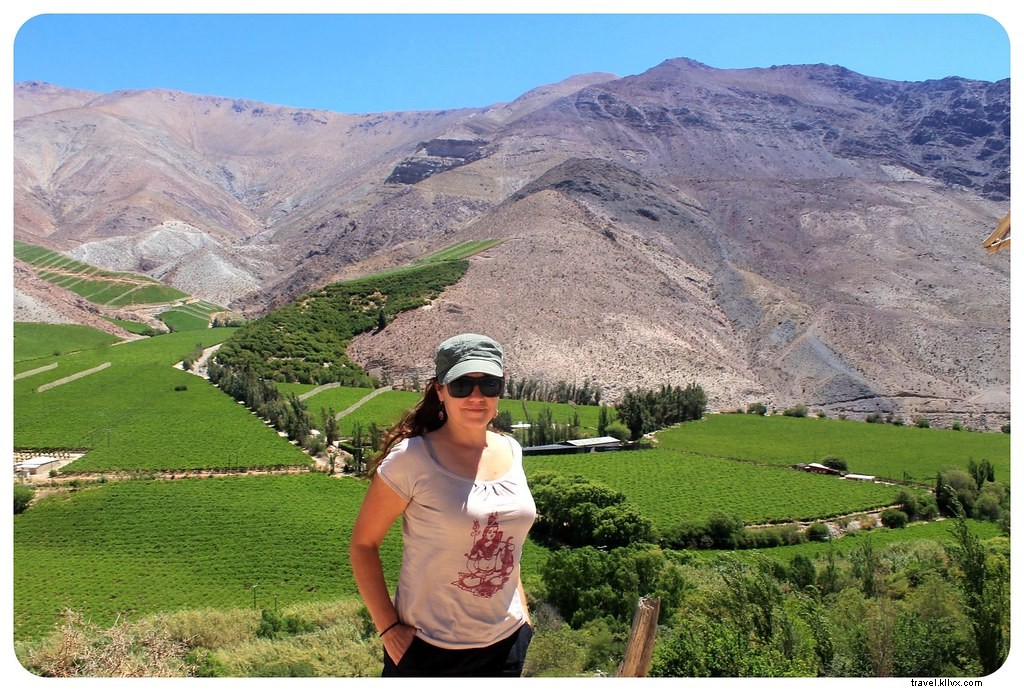
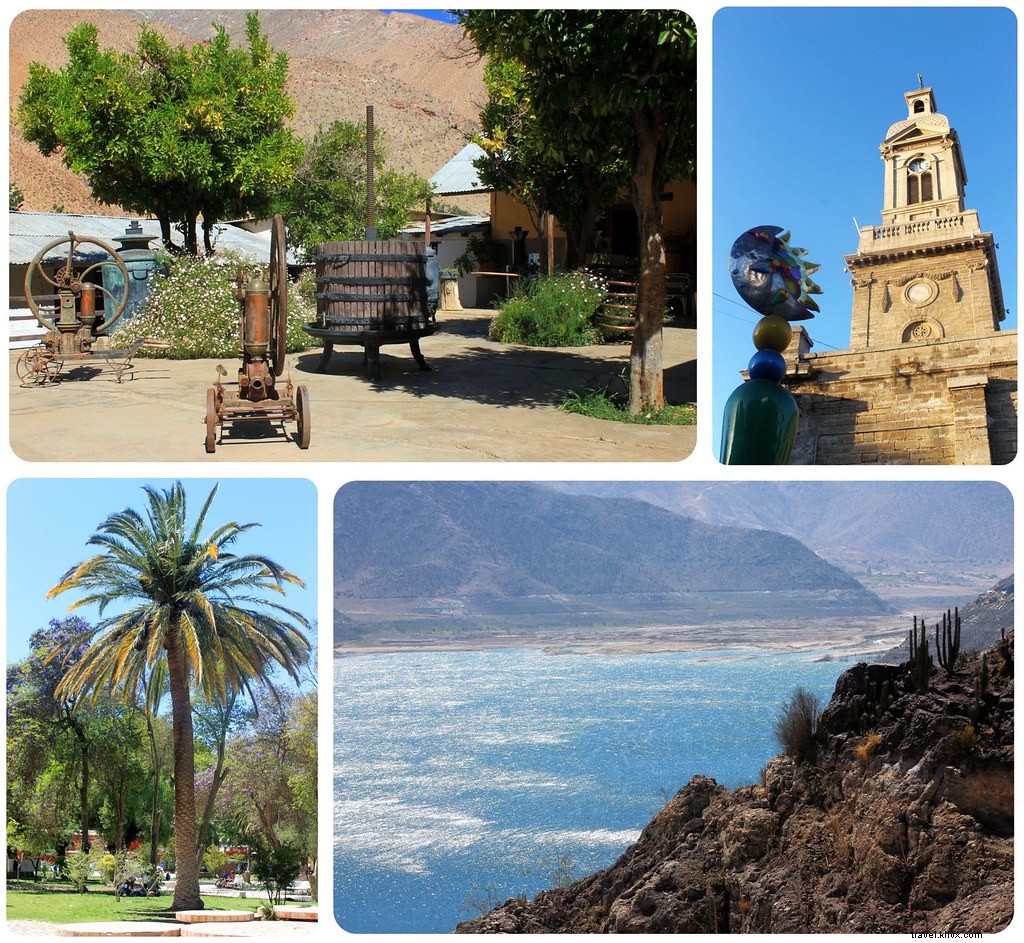
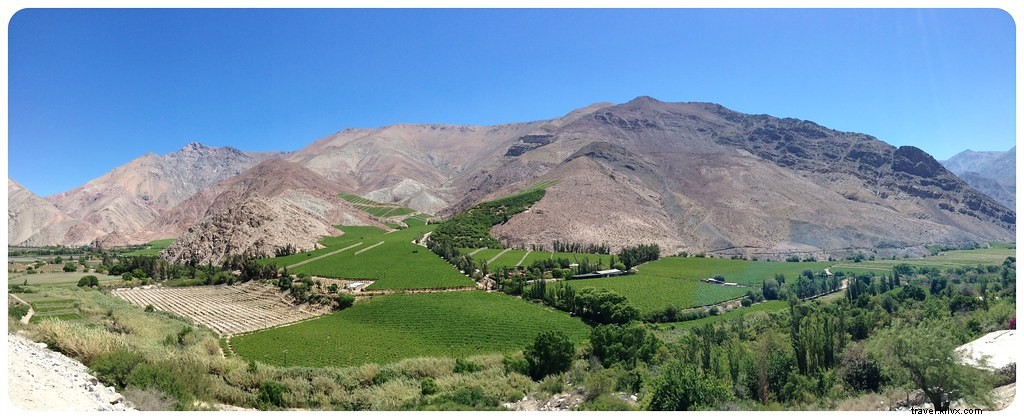
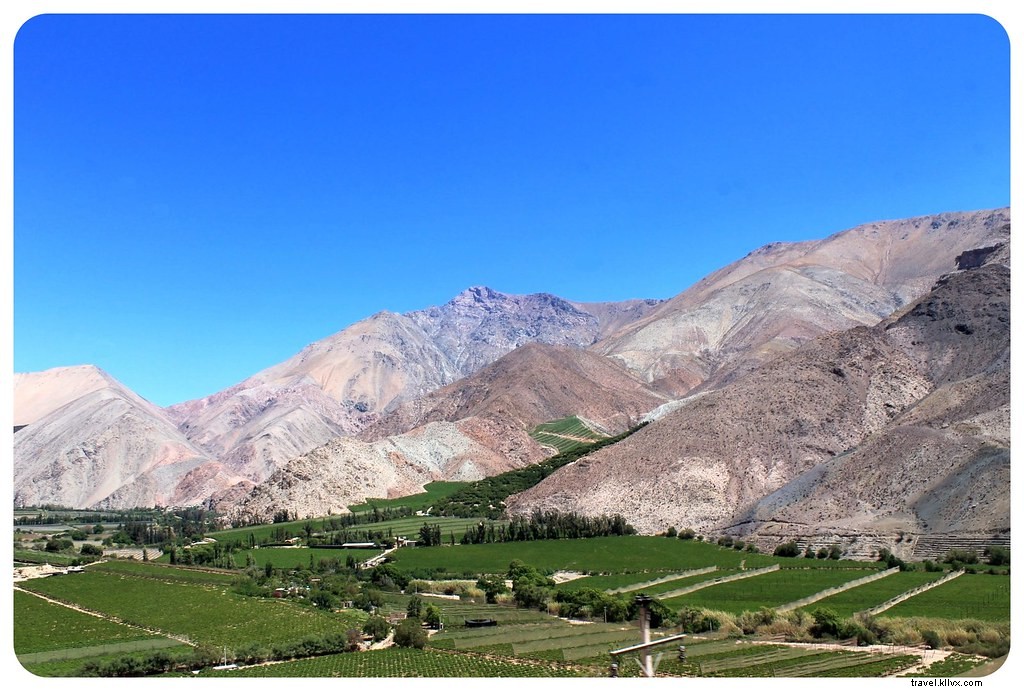
 La Serena gateways the Elqui Valley, one of Chile's top five must-visits. Our day tour captivated us; next time, we'd rent a car for 3-7 days traversing its 137-mile lush expanse amid arid mountains under vivid blue skies. Vineyards (wine and pisco grapes), avocados, alfalfa, and more patchwork charming villages.
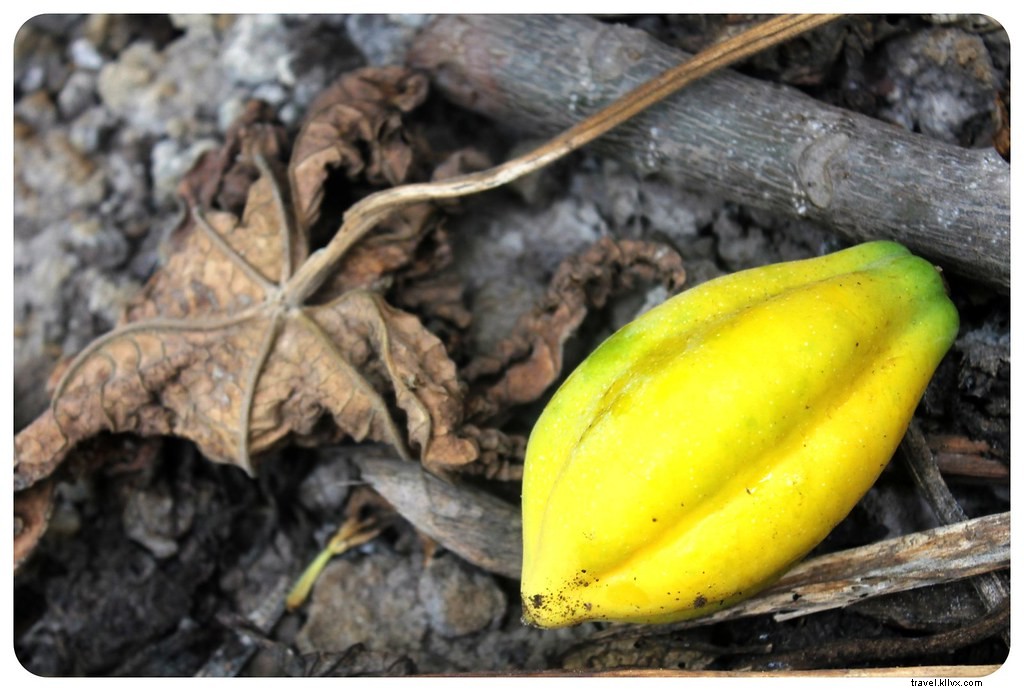
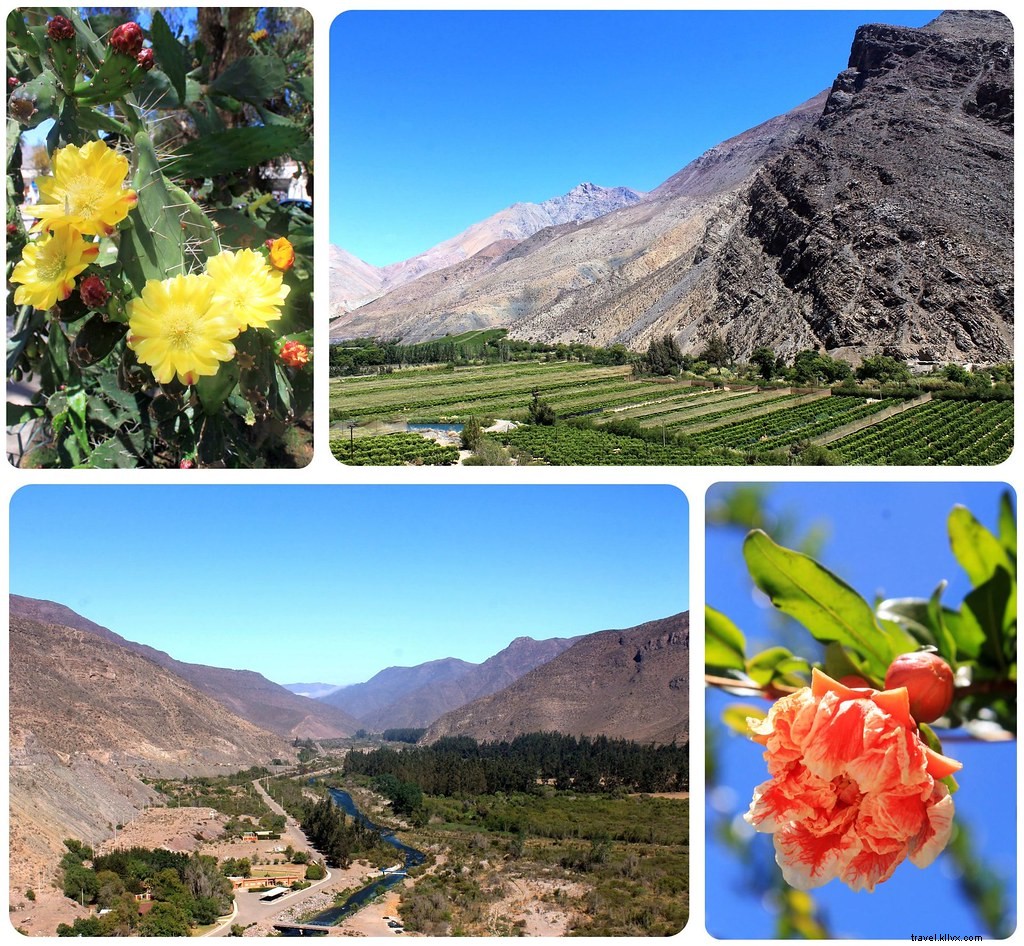
 We began at a papaya plantation. Unlike Central America's giants, Elqui's are small, yellow, sour orbs akin to starfruit—though we didn't recognize them at first.
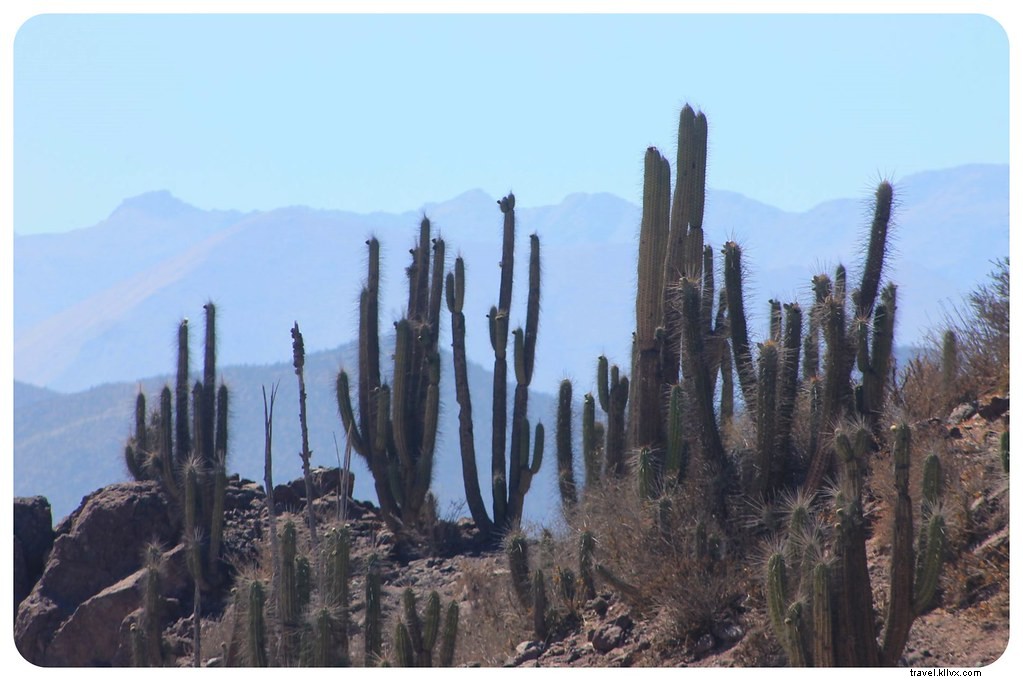
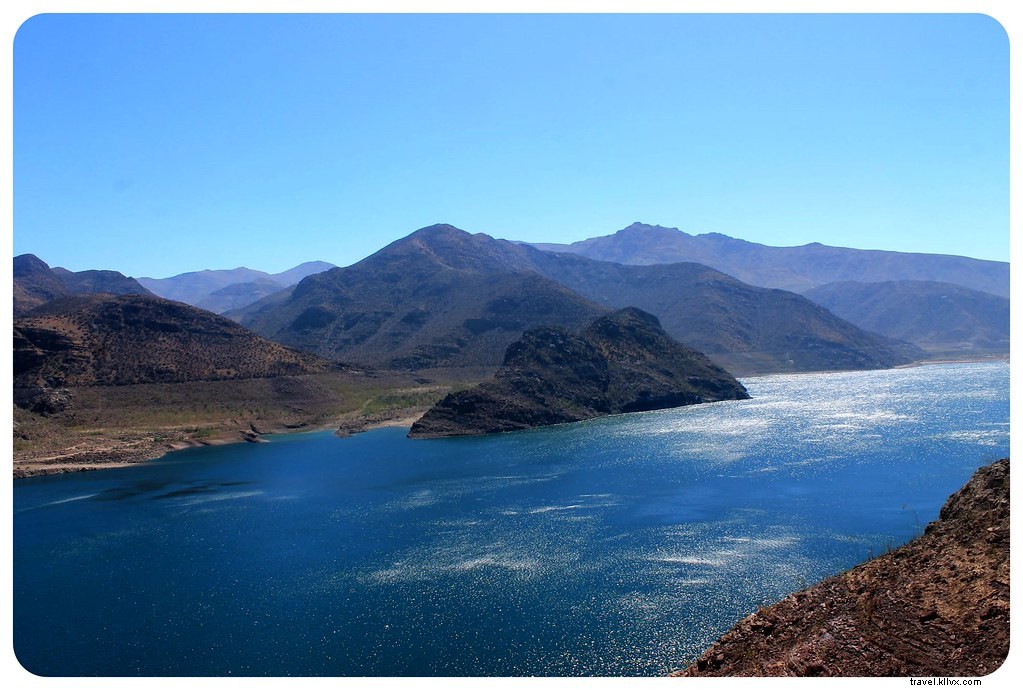
 Next, the Elqui River hydroelectric dam offered sweeping valley views dotted with Arizona-like cacti.
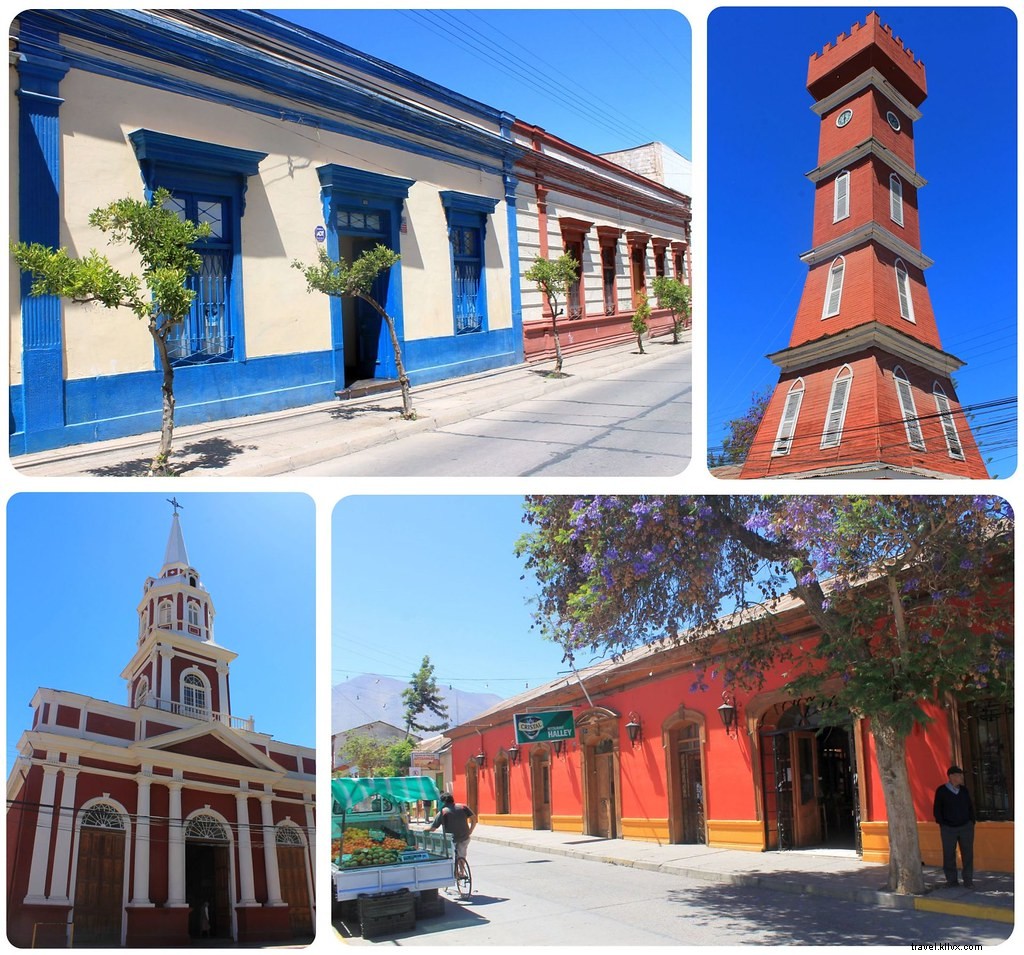
 In Vicuña—birthplace of Nobel poet Gabriela Mistral—we wandered the historic center.
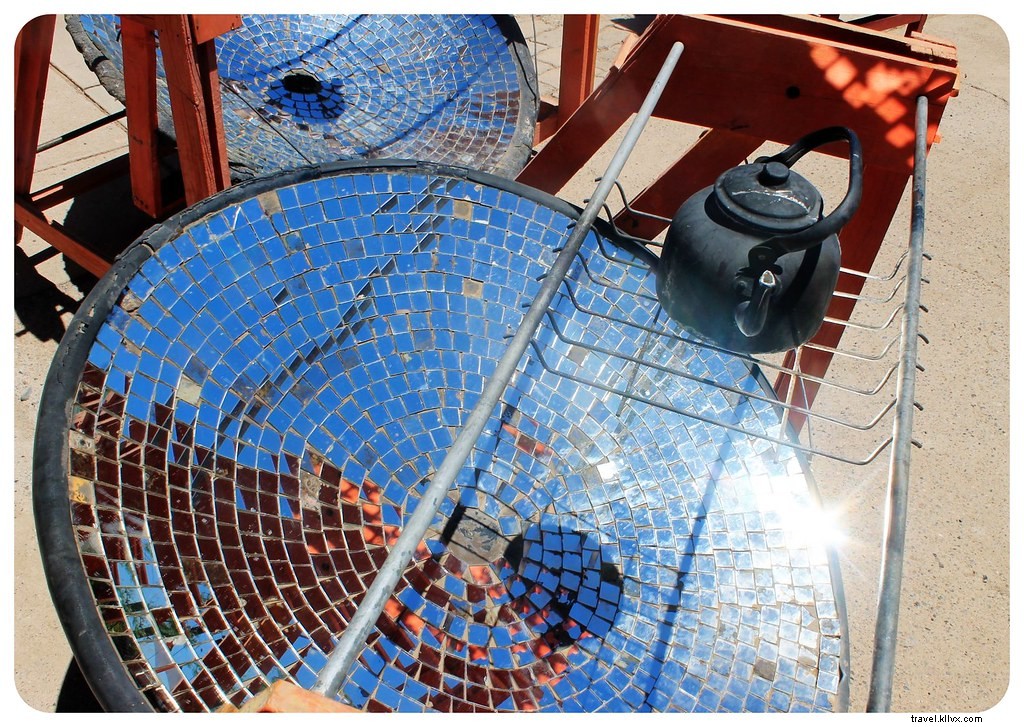
 The intense sun prompted lunch at a solar-powered restaurant before touring Pisco Peralta distillery near Pisco Elqui for tastings. Cobblestone lanes charmed us; we'd linger overnight next time. The valley boasts world-class stargazing—astronomers wait two years for observatory shifts, with tours for all levels.
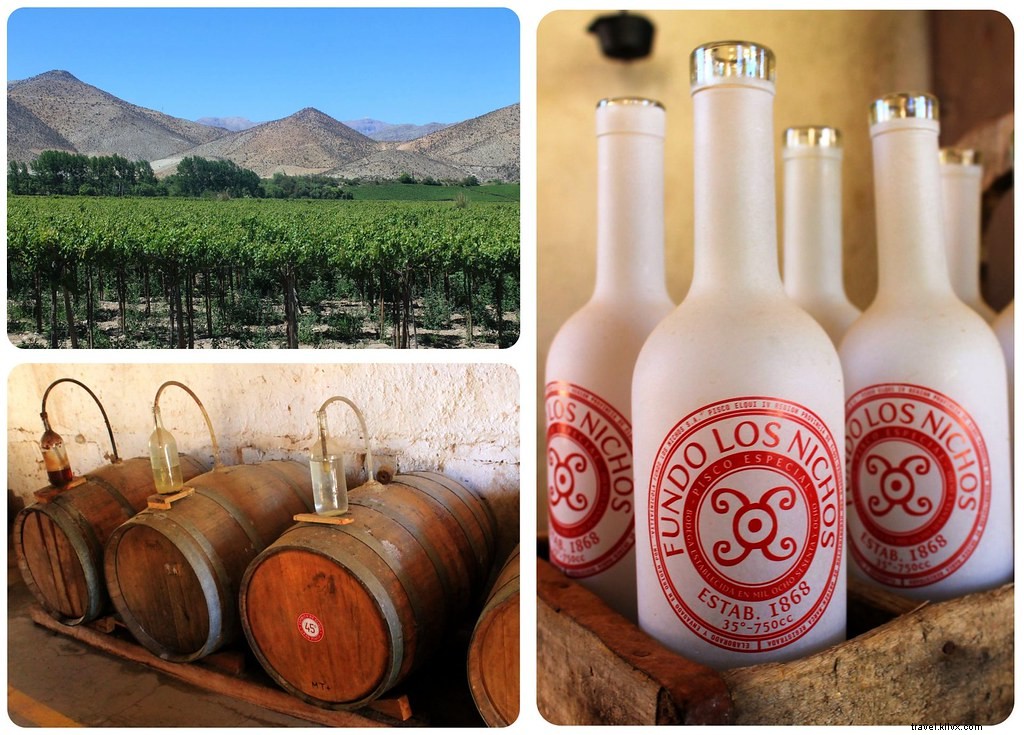 Pisco Elqui evokes a bohemian aura from 1960s hippies drawn to its energy, now new-age tourism hub.
Science backs it: 1982 measurements pinpointed Earth's strongest magnetic anomaly shifting to 30°S near Elqui Valley—from Tibet's 30°N.
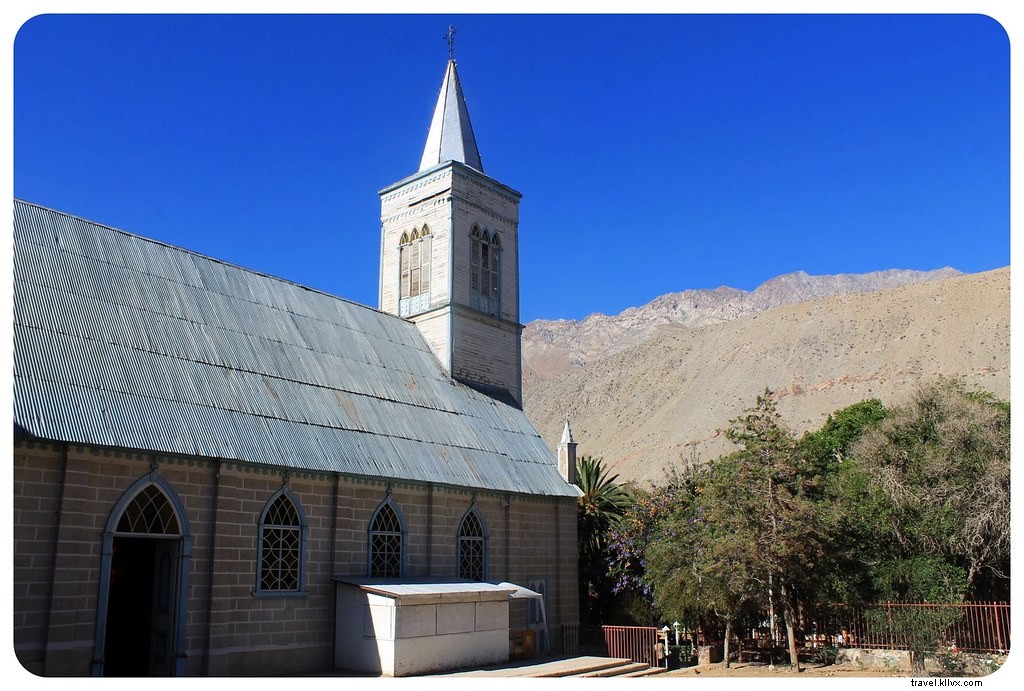 Whether energy or not, La Serena's sun, sands, fresh air, and small-town serenity won us over.
 Practical Information
Stayed at Hostal El Punto (German-run, near main square/bus station: ~CLP17,000/$34 double, CLP8,000/$16 dorm—prices circa visit). Booked Elqui tour there (CLP20,000/$40 pp).
Favorite: Polen vegetarian spot (set lunches ~CLP1,800/$3.60).
Café Colonial: 2x1 happy hour coffees afternoons (skip food). Coffee Express: good with free WiFi.
Agencies offer Elqui tours; frequent buses to Vicuña/Pisco Elqui. Rent cars ~CLP25,000/$50/day (Jeep CLP38,000), hotel pickup.
 Suggested Itinerary
Ample time: 3-4 days La Serena (sun/atmosphere), rent car, 2 nights Pisco Elqui base for 3 days valley drives.
Rushed: 3 days La Serena—city, beach, Elqui tour.
 More photos of La Serena and Elqui Valley:
[flickrslideshow acct_name="globetrottergirls" id="72157639492683476"]