German Heritage in Chile's Lake District: Tracing Immigrant Roots in Puerto Varas, Frutillar, and Bariloche
Planning a journey through southern Chile and Patagonia led us to Chile's Lake District, a region settled by German immigrants in the mid-19th century. This area retains a strong German cultural influence, sparking curiosity about its depth. From architecture to cuisine, discover what drew thousands of Germans here and how their legacy endures today.
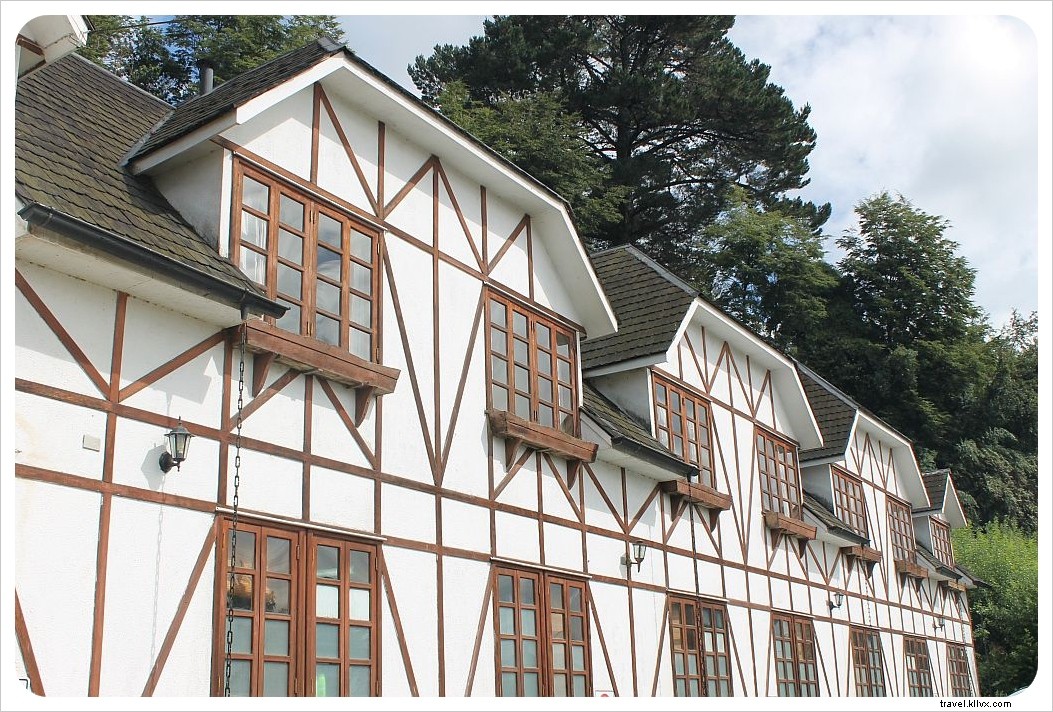
Our first stop was Puerto Varas, known for its historical German-style architecture. Sites like the Sacred Heart Church, Kuschel House, German House, Schwerter House, and Niklitschek House are cultural heritage landmarks, as noted in historical records.
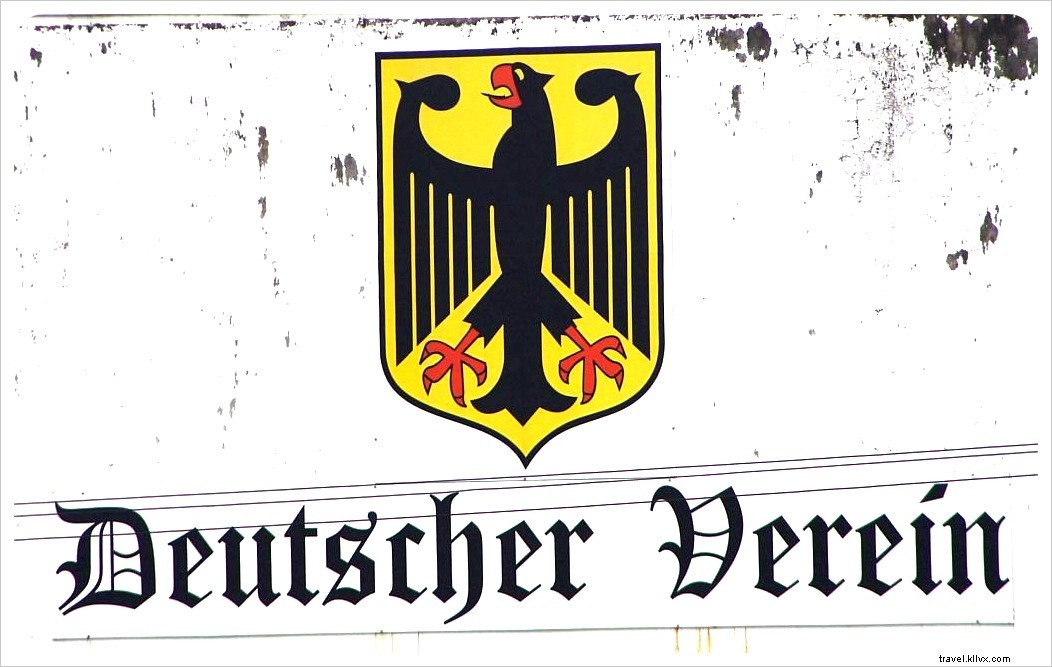
Upon arrival, the blend of Bavarian-inspired wooden cabins and typical Chilean cement structures was striking. Nestled on a lake reminiscent of Austria's Wolfgangsee, Puerto Varas evokes Alpine villages like St. Gilgen.
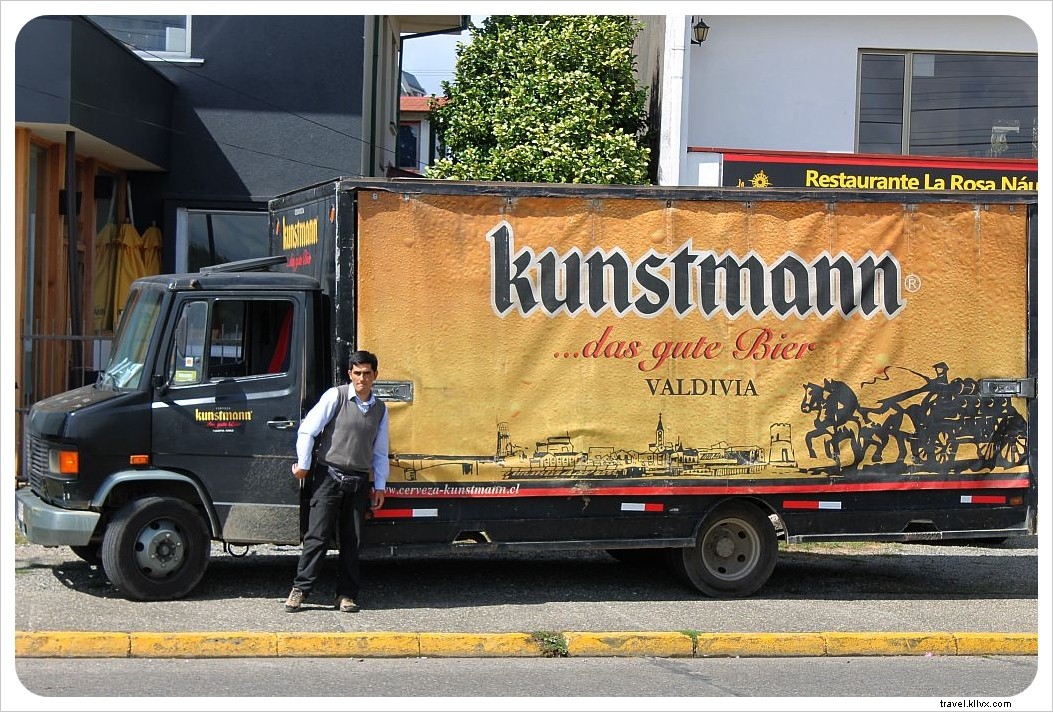
In the 1850s, the Chilean government invited German settlers amid Europe's revolutions, offering free land to develop remote areas. Between 30,000 and 40,000 Germans arrived, enduring weeks-long sea voyages for an uncertain future—a chapter often overlooked in standard histories.
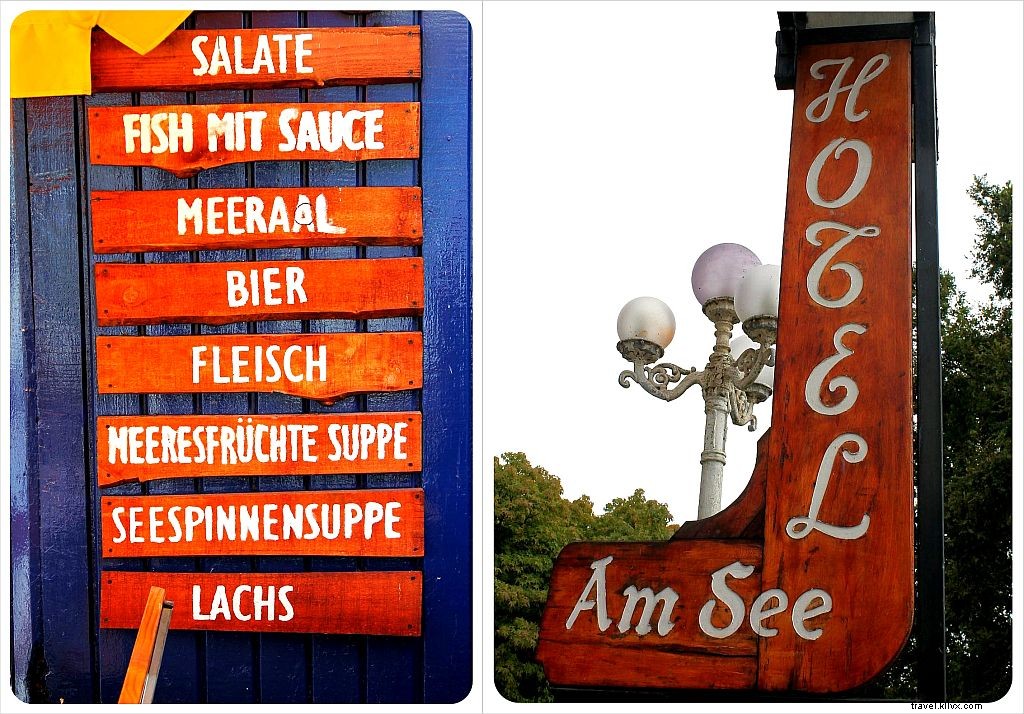
Today, while blonde hair is less common and German language rare, original settler names adorn plaques on grand buildings and cemetery gravestones: Beck, Bittner, Hoffmann, Gebauer, Klenner, Kuschel, Lückeheide, Minte, Mittesteiner, Müller, Nettig, Schminke, Schwabe, Schwalz, Strauch, Tampe, Vyhmeister, Von Bischoffshausen, and more.
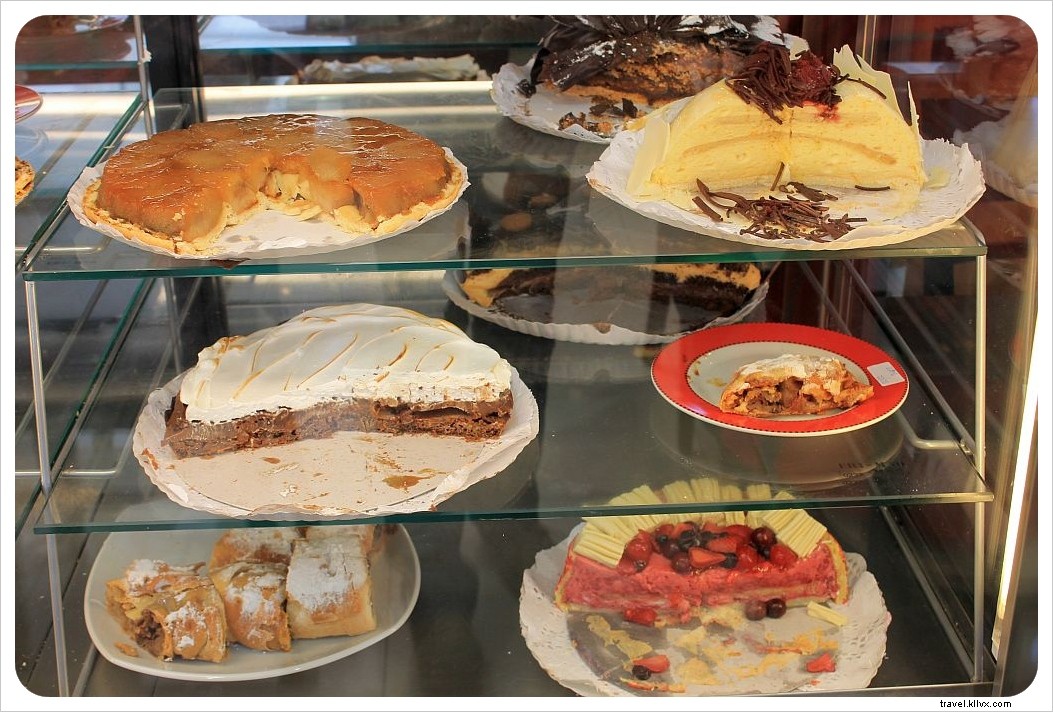
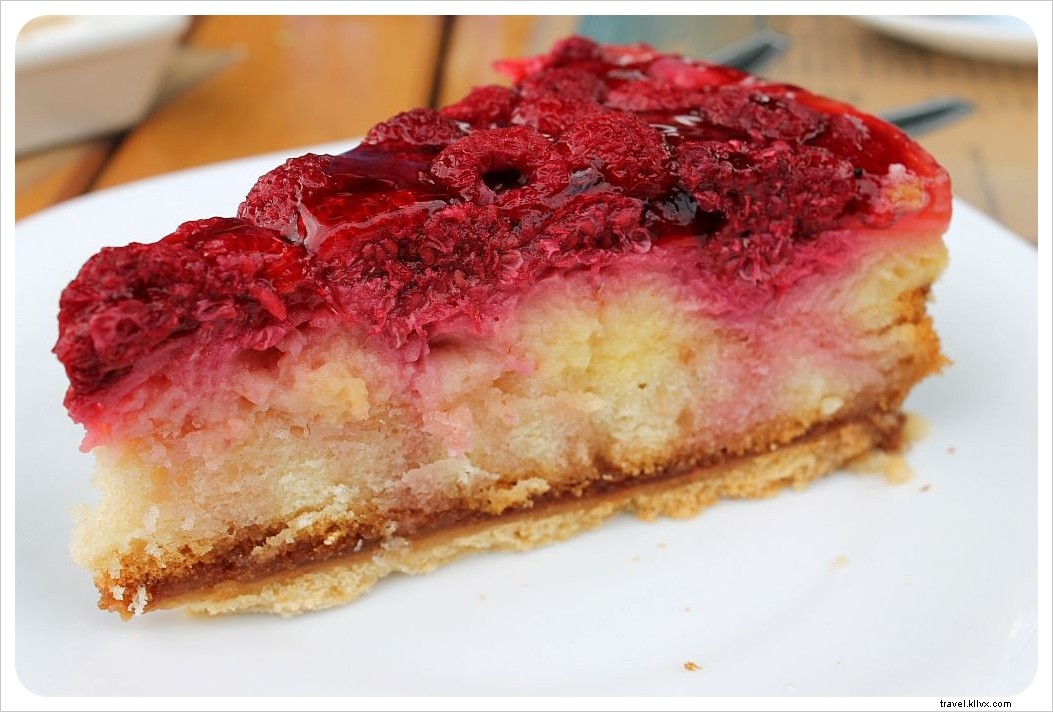
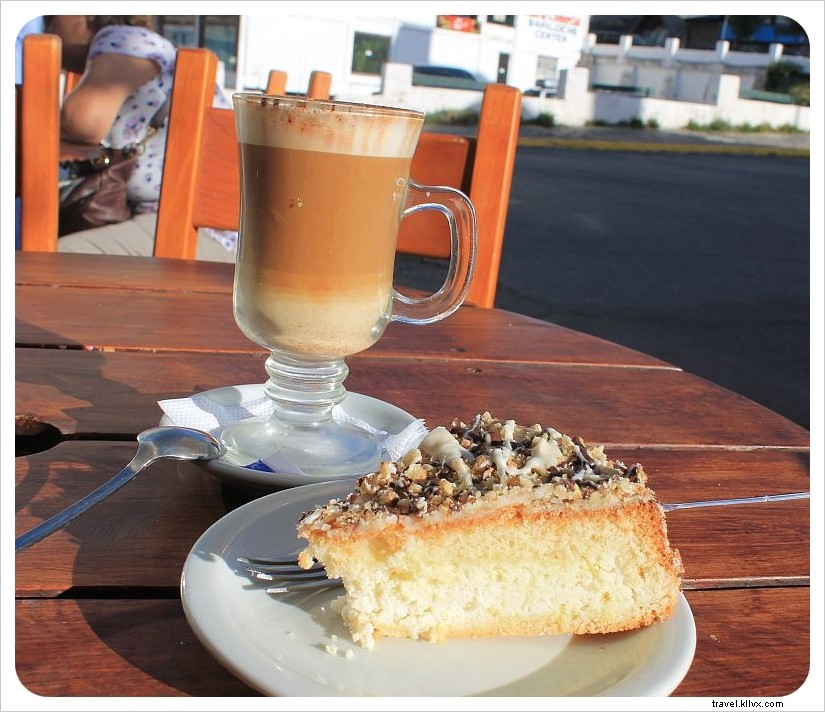
The word "Kuchen" (German for cake) persists uniquely for decadent layered cakes and fruit-topped cheesecakes found in every café, distinct from Chilean terms like torta or pastel. This authentic treat offers a taste of German tradition.
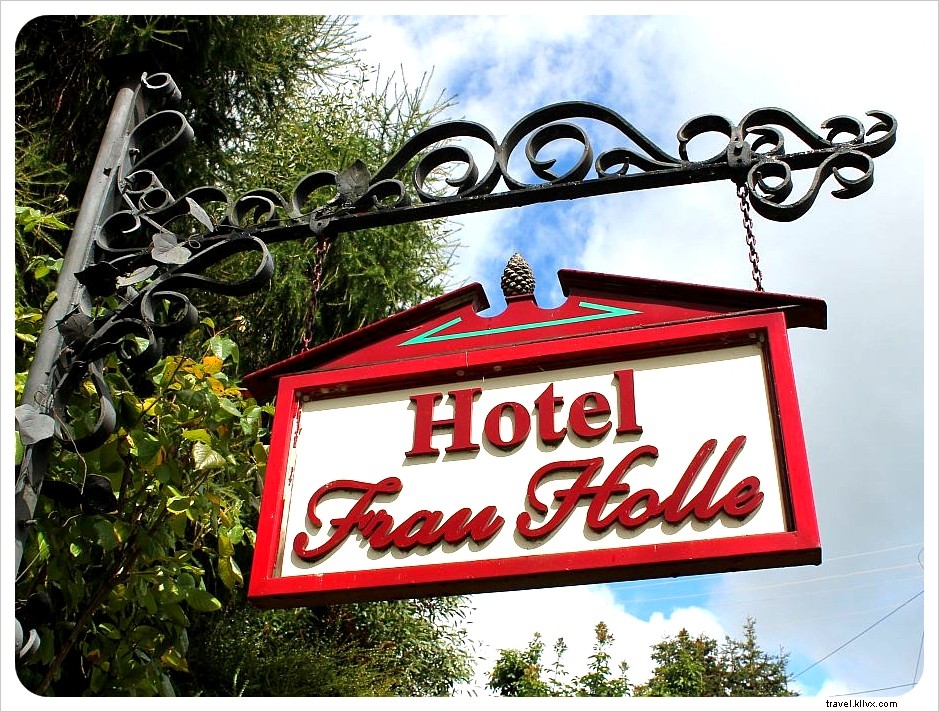
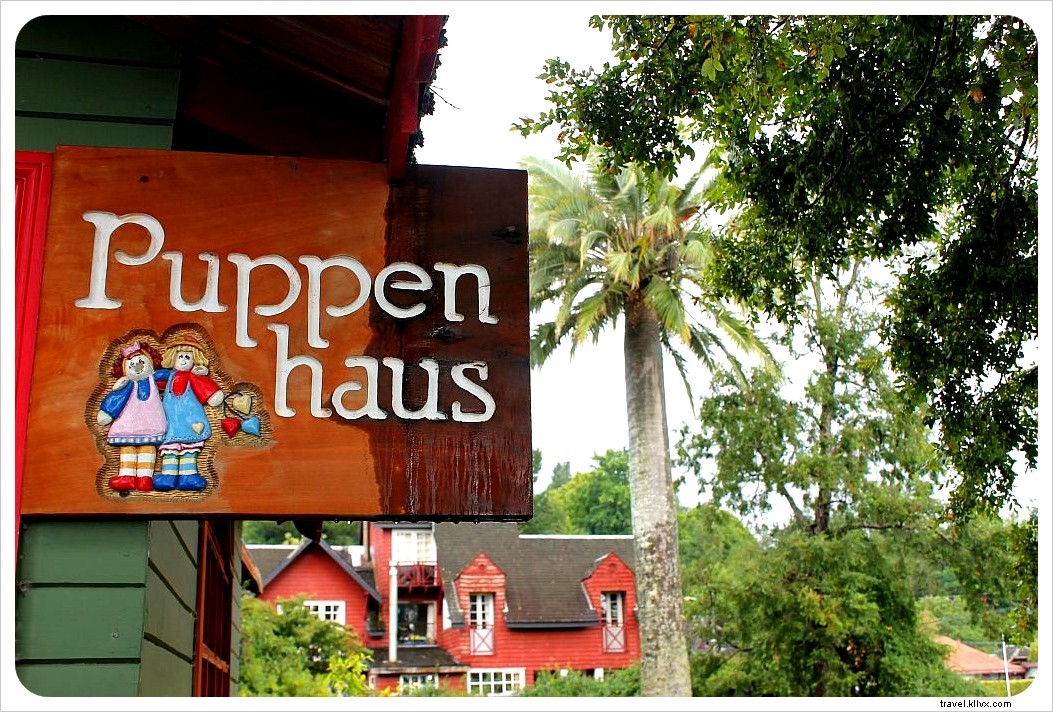
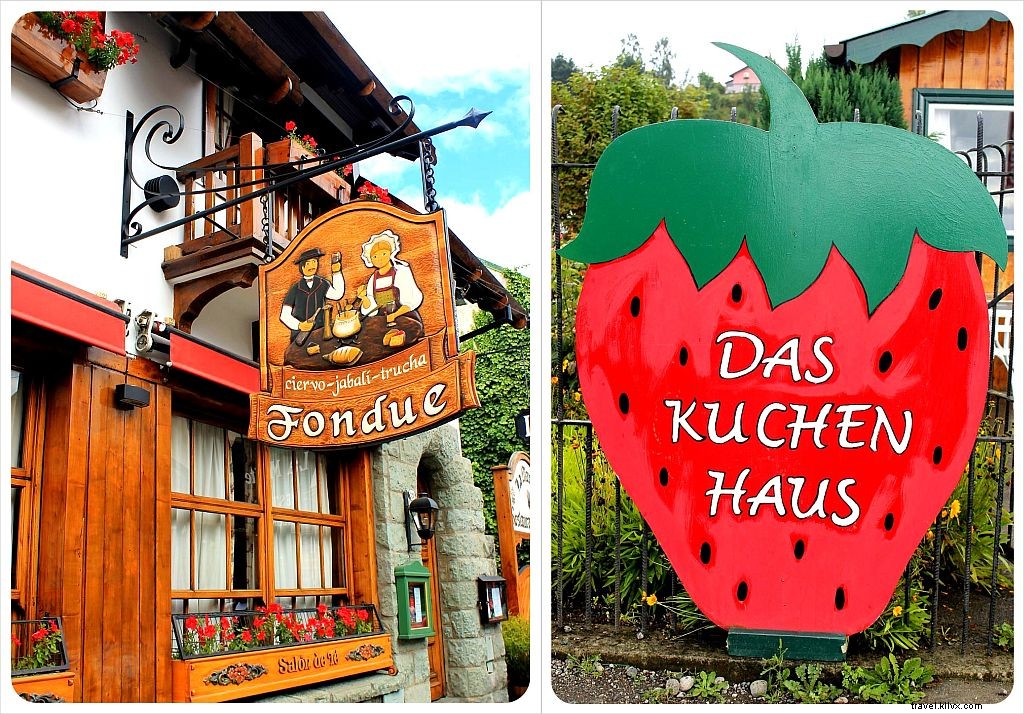
Local recommendations led us to Frutillar, a smaller town with even stronger German vibes. Lined with wooden houses along volcanic Lake Llanquihue, signs for Frau Holle Hotel, Das Puppenhaus, and Das Kuchenhaus evoke Bavarian villages.
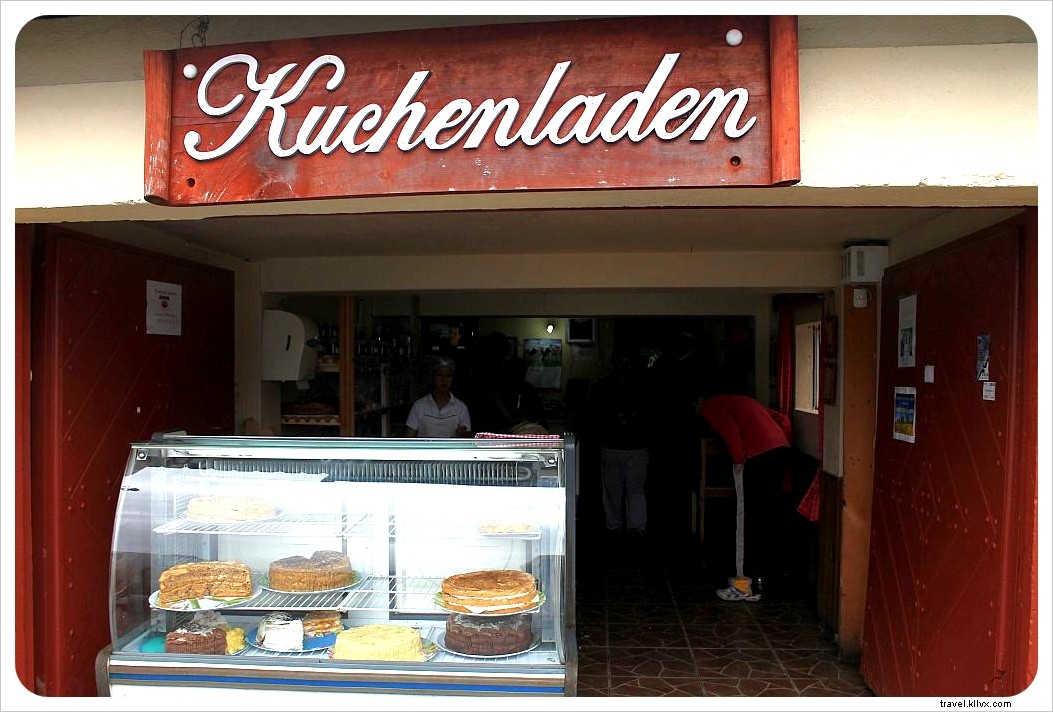
The German Colonial Museum showcases furniture, machinery, and buildings from second- and third-generation settlers who established farms and introduced traditional foods to Chile's market. A half-day visit of coffee and kuchen feels like a trip to southern Germany—though Osorno Volcano across the lake grounds you in Patagonia.
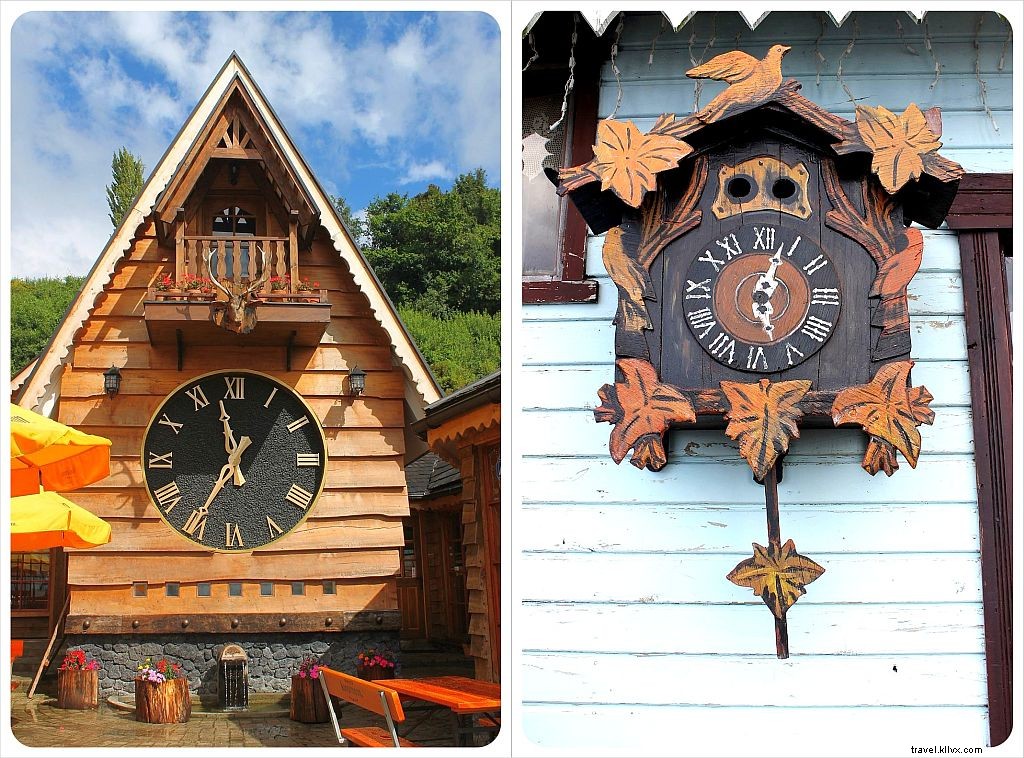
Crossing into Argentina's Bariloche—a five-hour drive over the Andes—we found similar appeal. Surrounded by mountains and lakes, it attracted German settlers. A neo-Gothic church towers over the skyline, mirroring those in Germany.
Bariloche's history includes a darker chapter: post-WWII Nazi fugitives like Erich Priebke, who led the 1944 Ardeatine Caves massacre, lived freely here for decades as a school director until extradition in 1994.
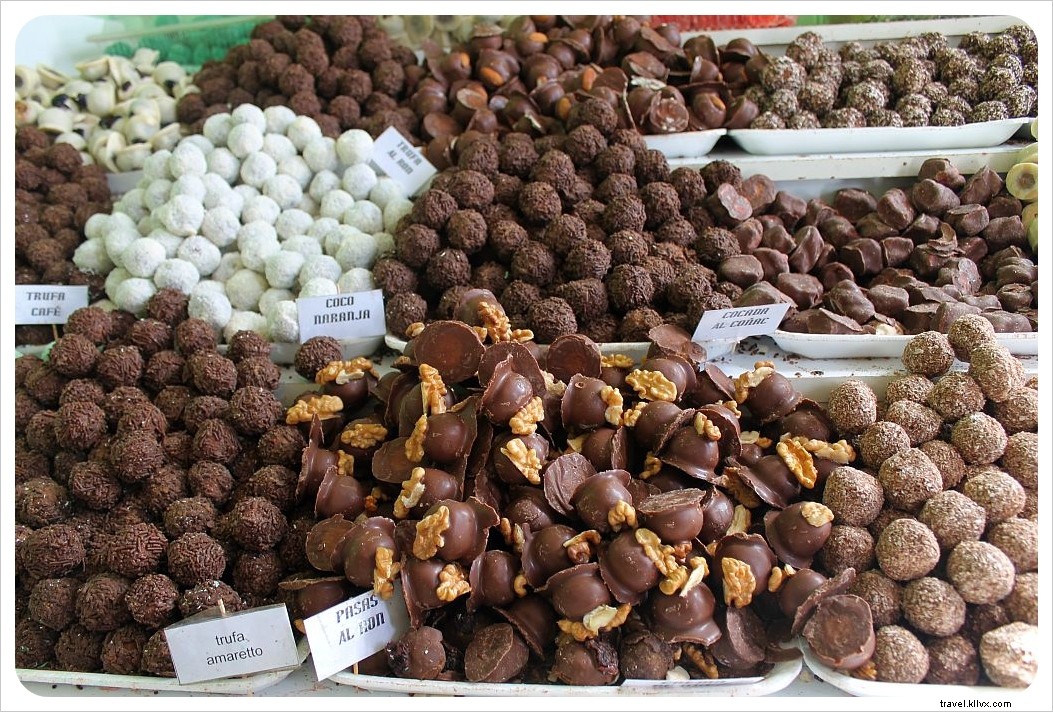
Today, German-style breweries, abundant chocolate (home to the world's largest Easter egg at over 4 tons), and kuchen define the scene, alongside Swiss and Austrian influences. Italian culture, however, dominates gastronomy with pasta and pizza.
While breads and savory dishes like Spätzle or Bratwurst are absent, the German footprint—from beer to sweets—offers a nostalgic echo. Tracing these immigrants' paths provides a profound sense of connection outside Europe.