Sucre, Bolivia: Colonial White City Bliss, Vegetarian Heaven, and Our Unexpected Health Nightmare
Expectations often lead to surprises, and Sucre, Bolivia, was no exception. We arrived with high hopes: tales of delicious vegetarian cuisine, a relaxed atmosphere, stunning architecture, and relief from the high altitudes of other Bolivian cities. At 2,810 meters (9,220 feet), Sucre was our only stop below 4,000 meters, promising easier exploration without constant breathlessness. 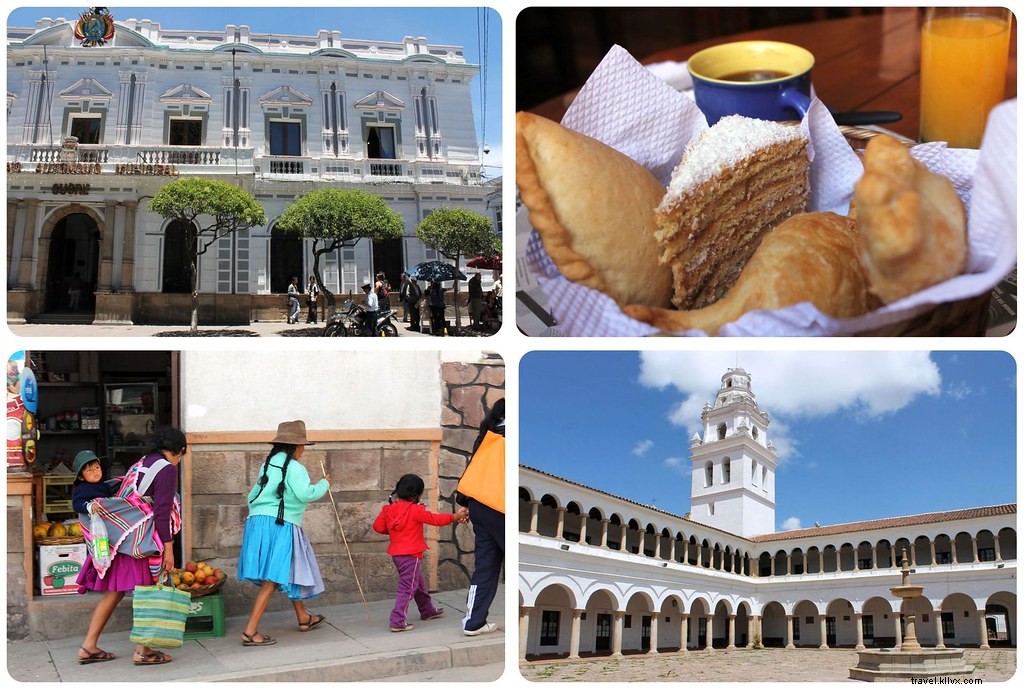 Yet, despite its charms, our visit turned challenging—not due to the city, but our health. Sucre welcomed us with pleasant walks through whitewashed streets, manicured plazas, and a refreshing change from Potosí's altitude strain.
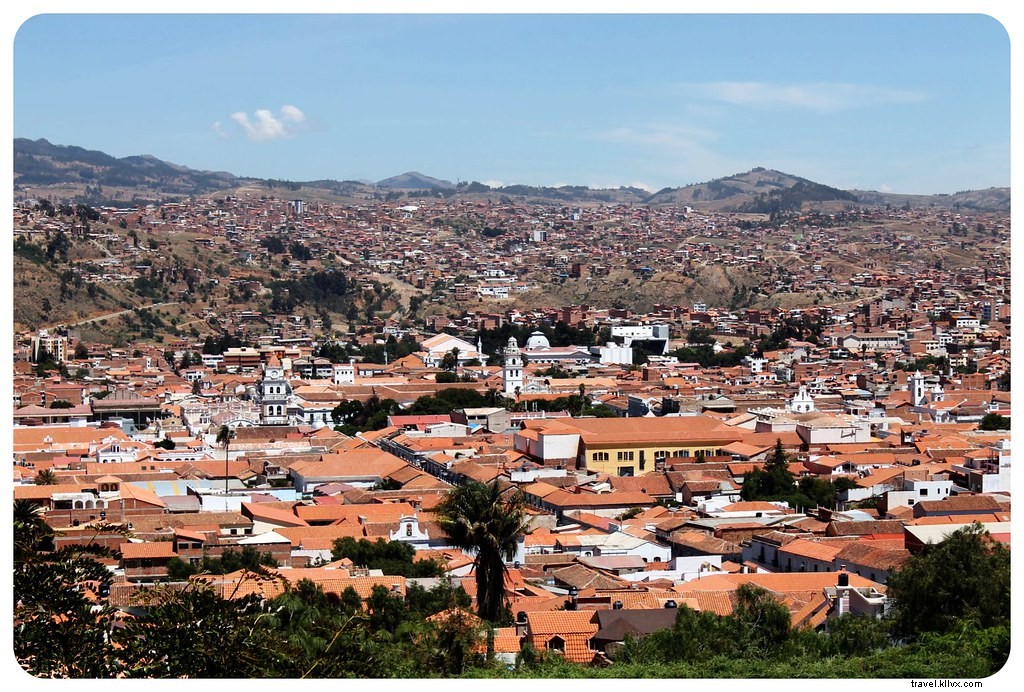
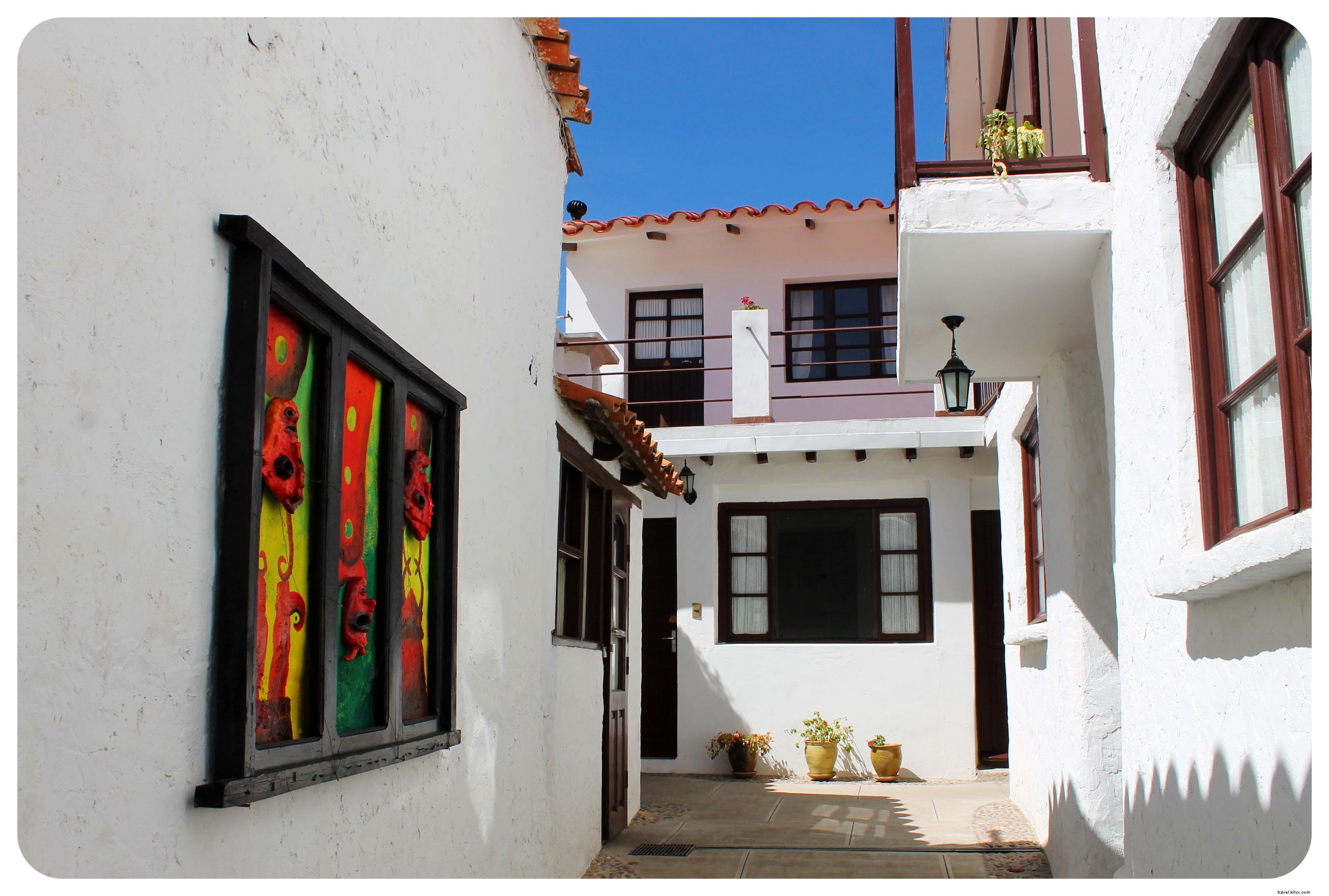
 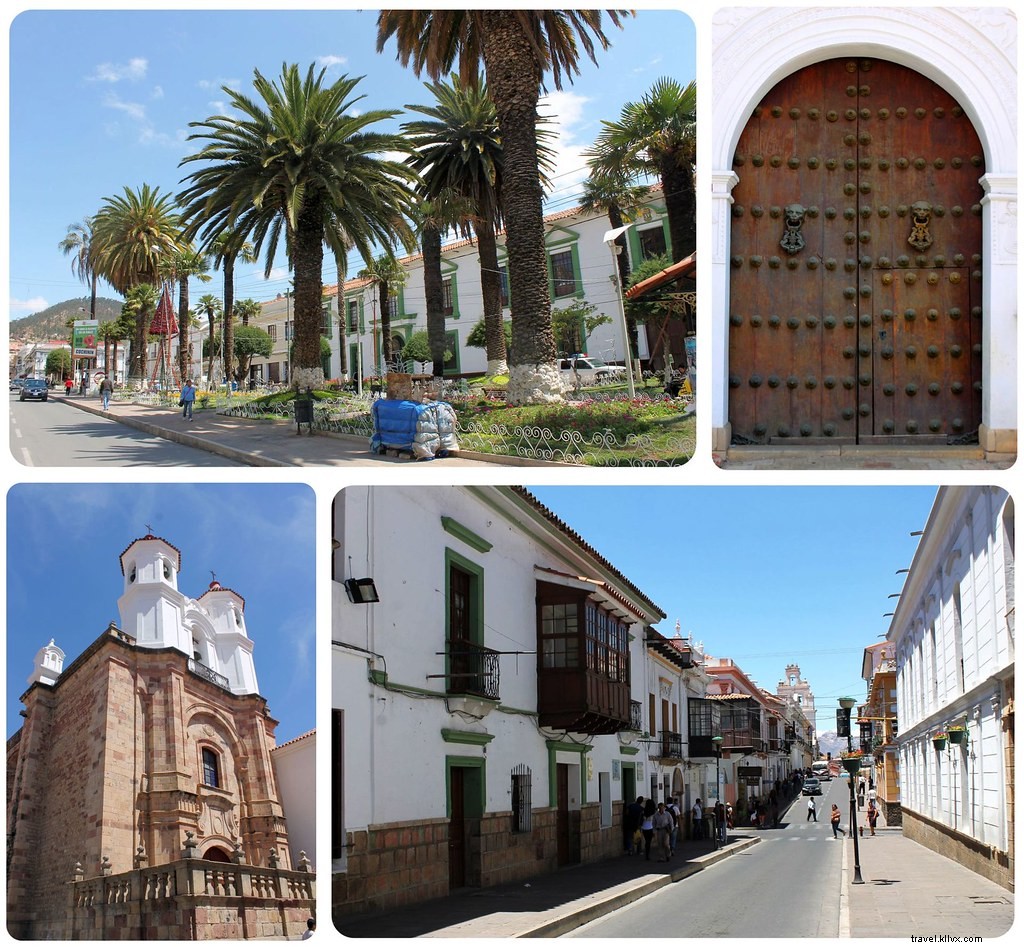 Initially healthy, we savored the historic center, earning its 'White City' nickname from pristine white buildings and churches. Founded in 1538 by the Spanish, Sucre features a classic grid layout around a grand main square, evoking Andalucía's pueblos blancos with red-tiled roofs and palm-lined plazas.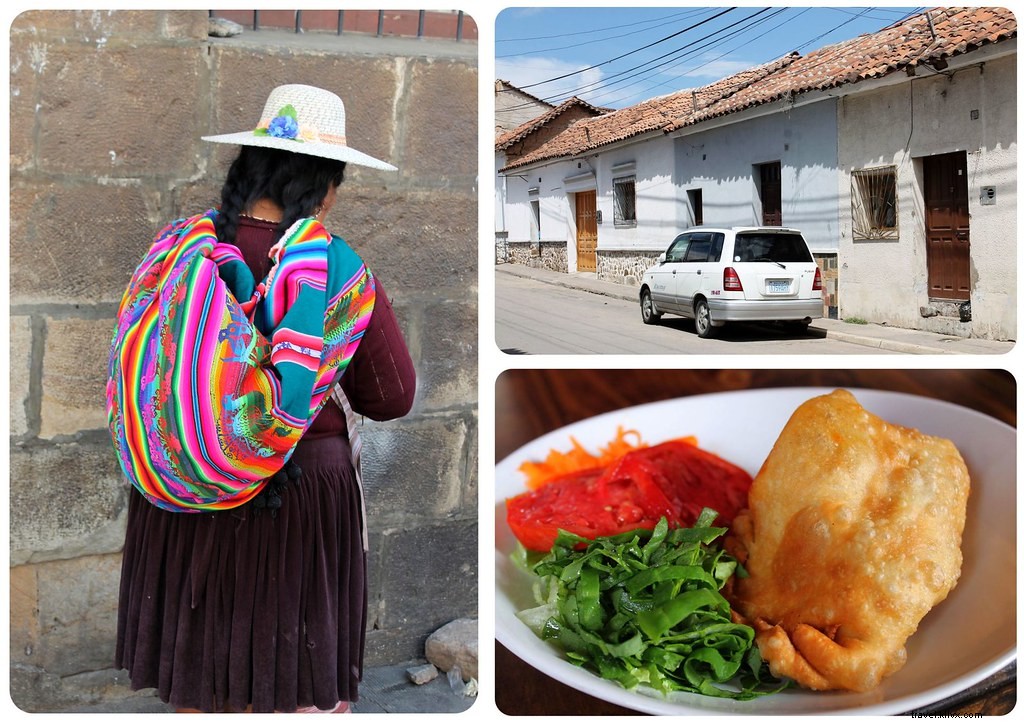
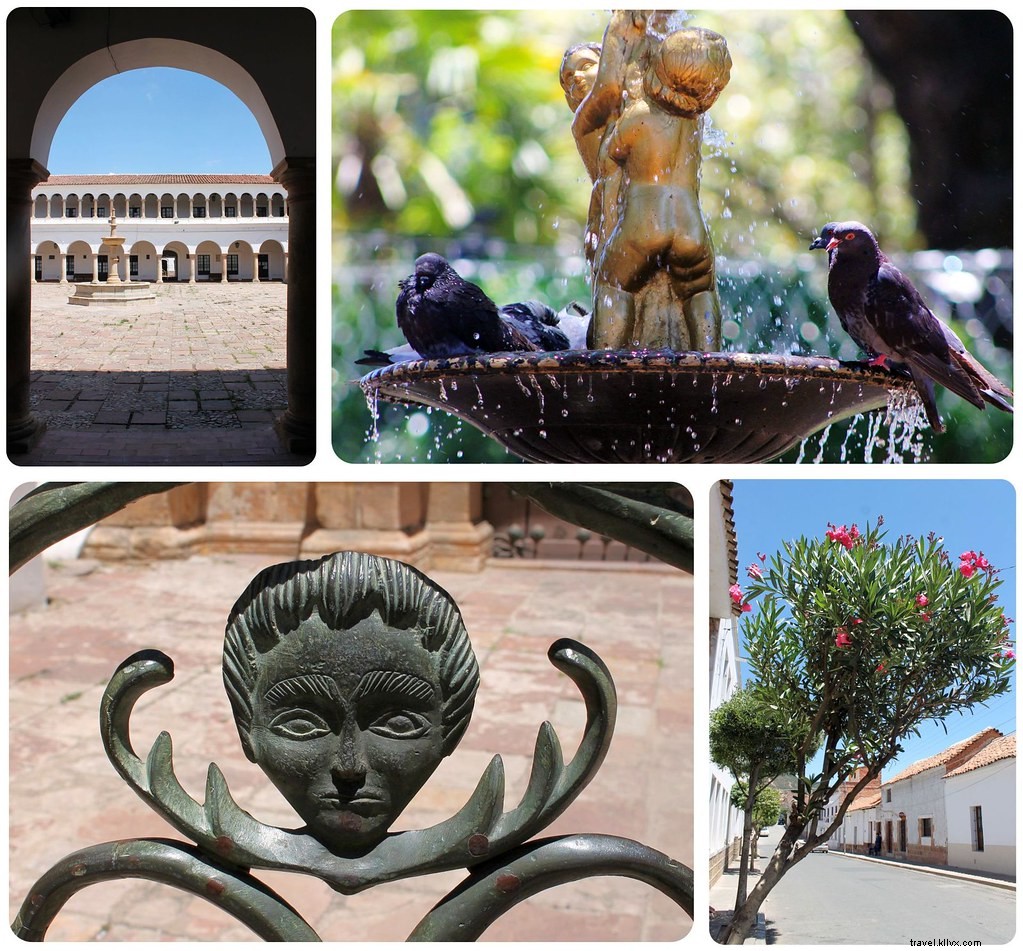
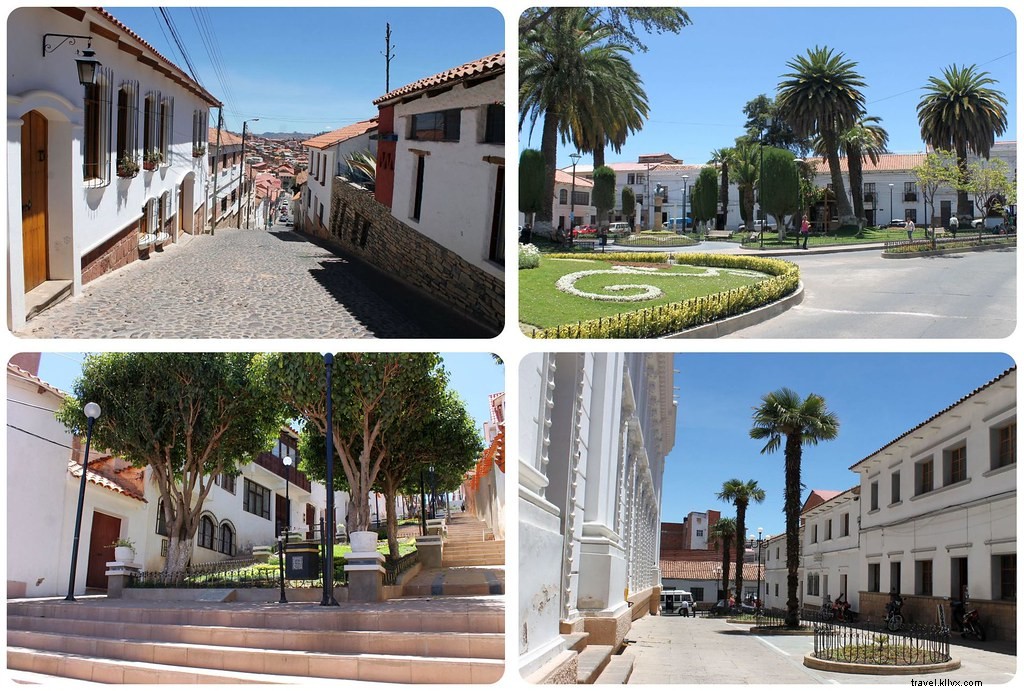 As Bolivia's constitutional capital (administrative seat in La Paz), the UNESCO-listed historic center feels like a serene provincial town. Beyond it, newer areas are less polished but safe and appealing.
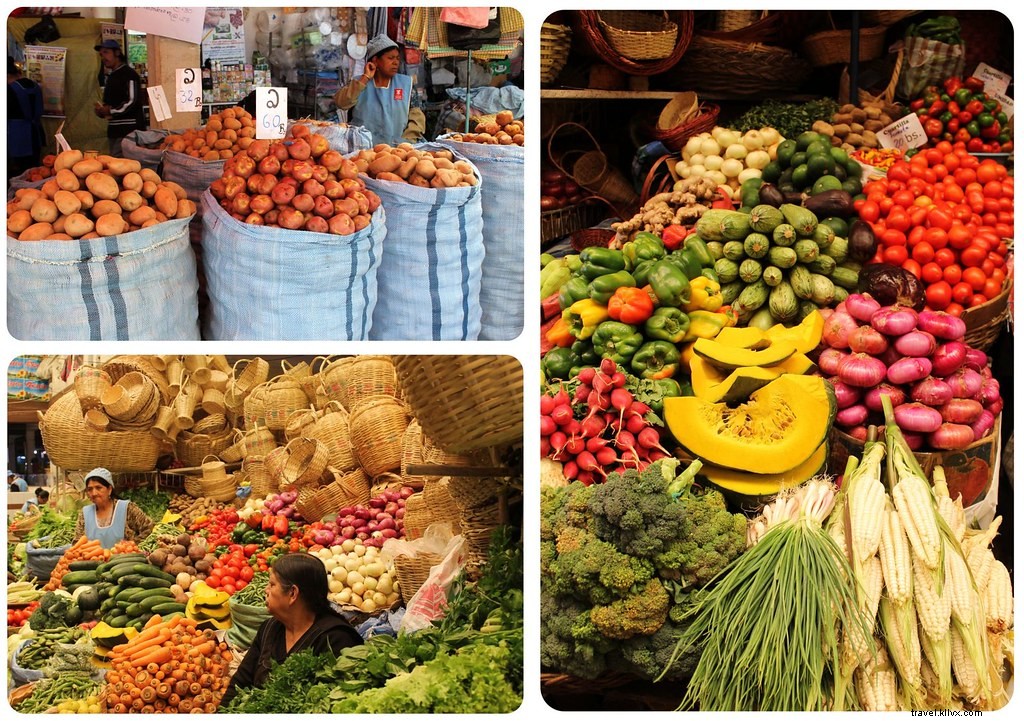
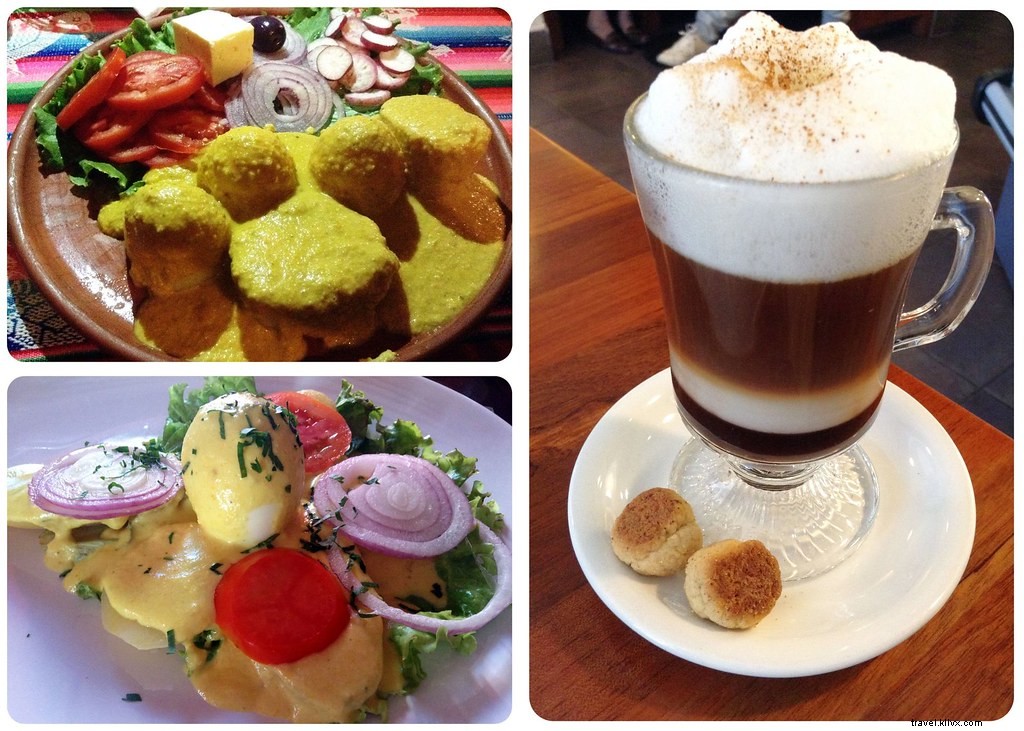
 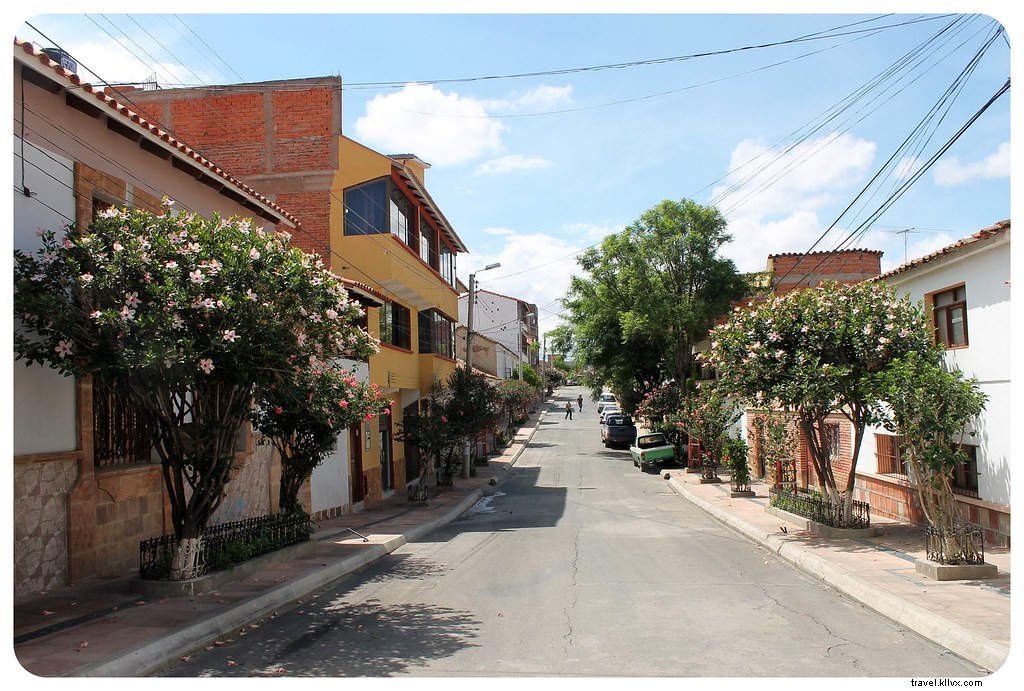 After weeks of subpar meals and stays elsewhere, Sucre felt like paradise: abundant vegetarian options, an ideal hostel (see our Casarte Takubamba review), nearby English cinemas, spotless markets, and quality coffee—rarities in Latin America. These alone make it essential for South America travelers.
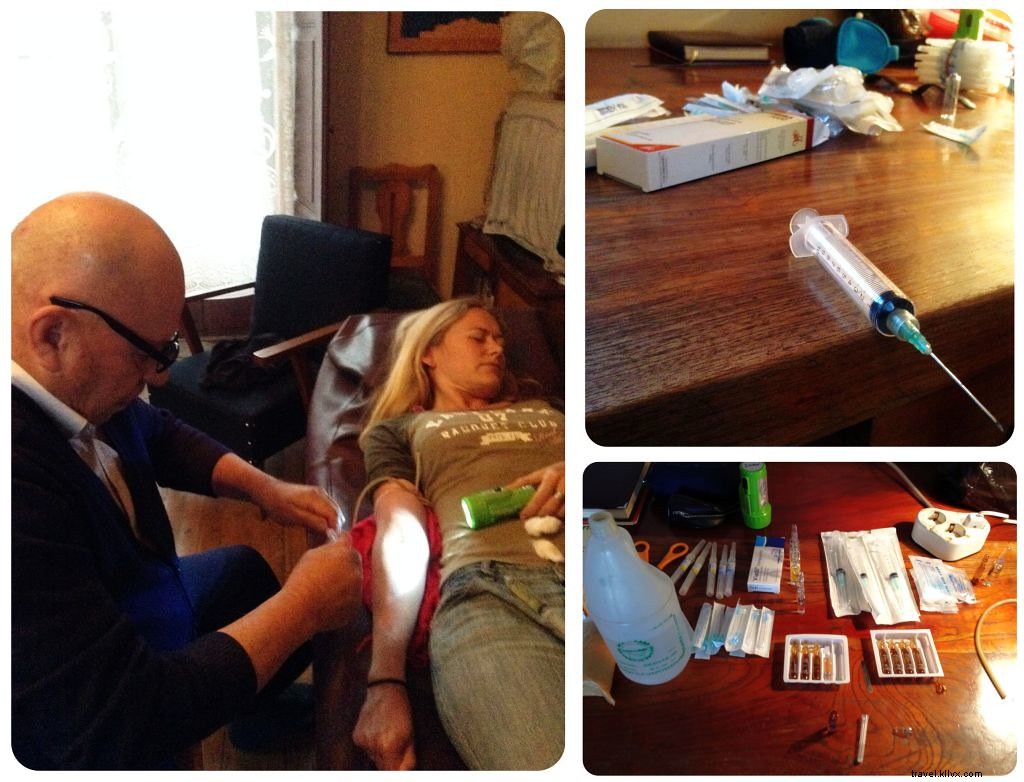
  Unfortunately, illness from Potosí worsened here, coinciding with our plan to work (noting laptops' ~3,000m limit). A stomach bug led to antibiotics, then parasite treatment, but I deteriorated further. Bedridden until afternoon, I sought medical help: diagnosed with tonsillitis, lung infection, and gastroenteritis, enduring four days of IVs, shots, and antibiotics. The bill shocked us in budget-friendly Bolivia, courtesy of an opportunistic doctor.
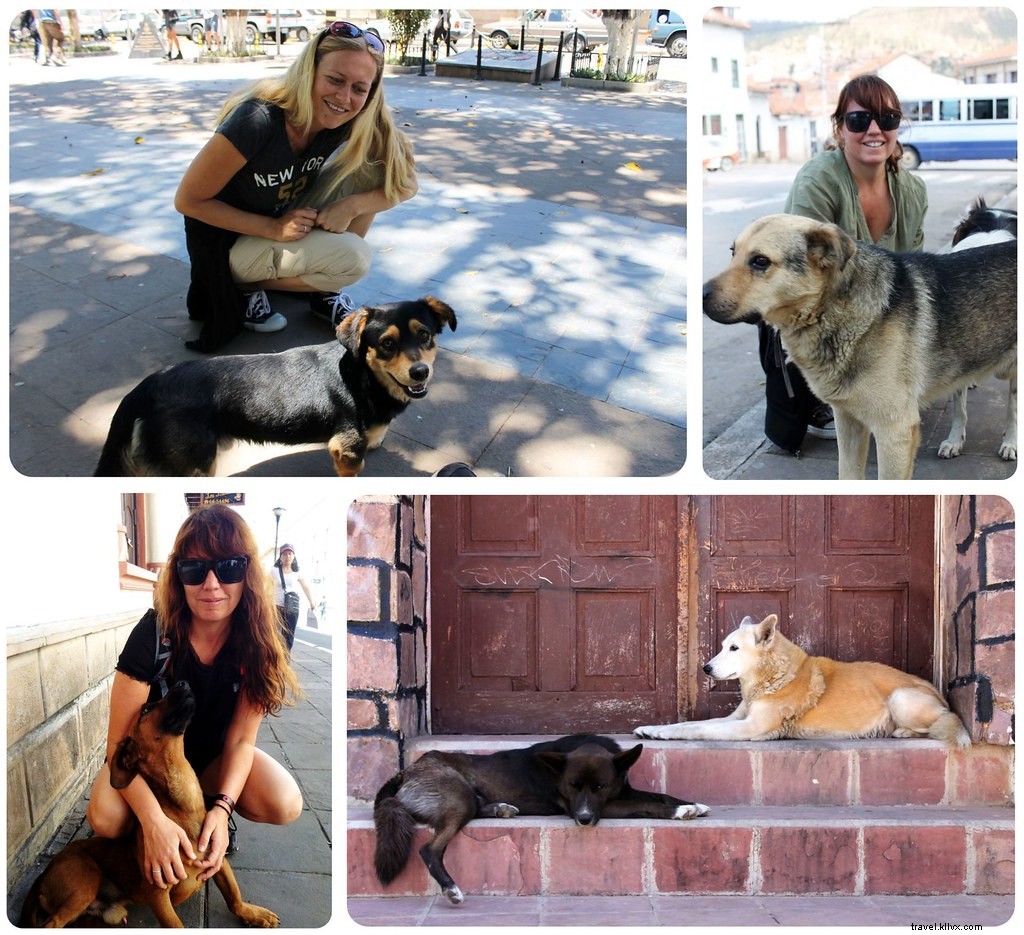
  Despite this, we explored: the ornate 18th-19th century cemetery, a romantic student haunt; midweek cinema deals (2 tickets for 30 BOBs/$4.34 at Calle Perez cinema); dog-filled Simón Bolívar Park; Recoleta Mirador views; and Dutch Flavour Café brunches. We skipped Parque Cretêcio's dinosaur footprints and museums.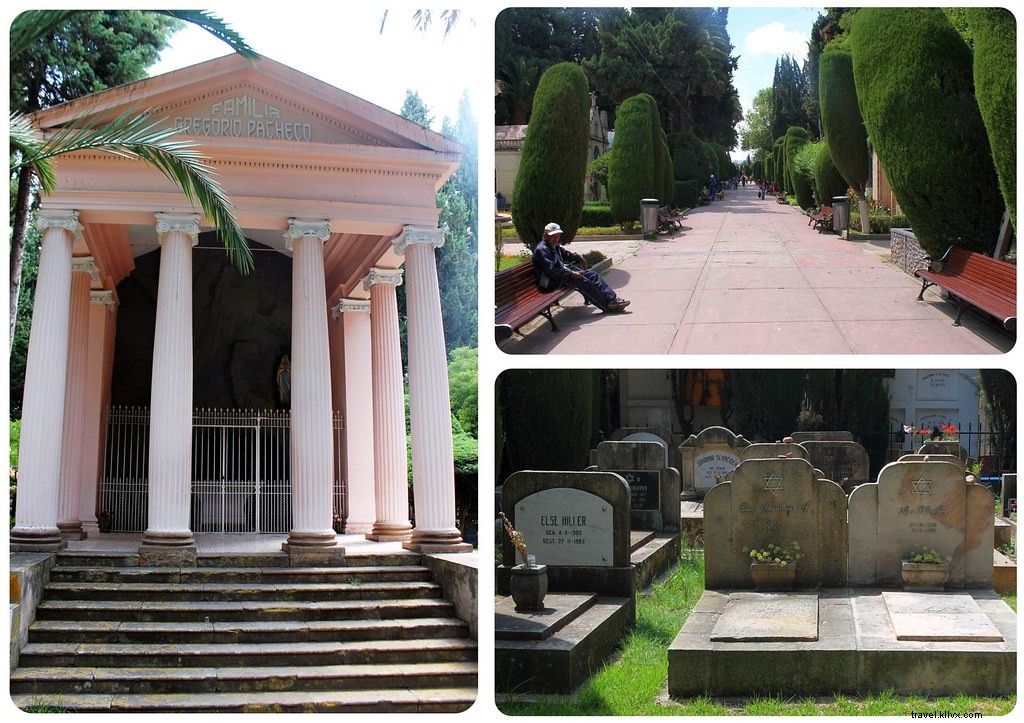
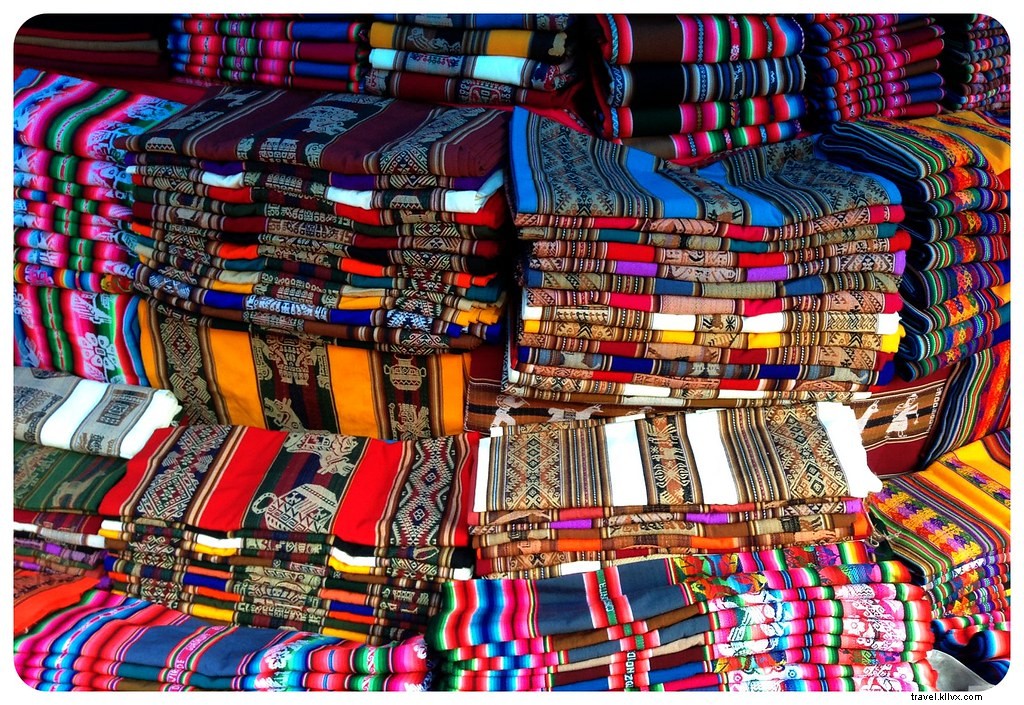
 Tarabuco's Sunday market disappointed—no standout from other Bolivian markets, with indifferent locals.
  Healthy, we'd have lingered. Ideal for digital nomads (affordable apartments) and Spanish learners (cheapest in Latin America), with Western/Bolivian dining, cafes, and sights. Don't skip it like many heading to Titicaca, La Paz, or Uyuni.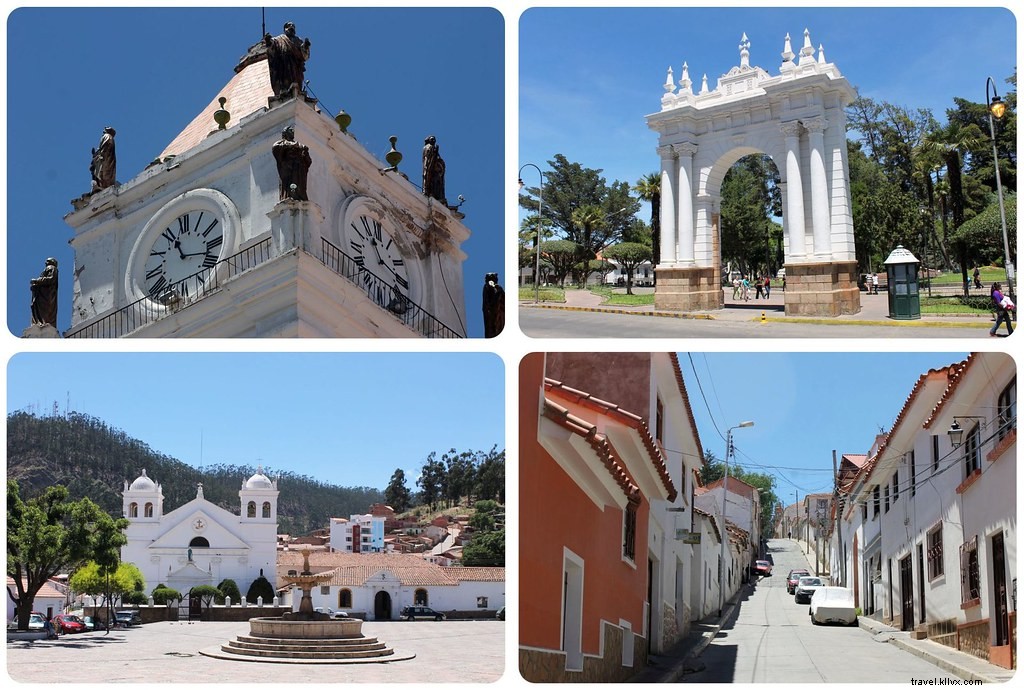
Visit Sucre: Practical Information
Where to Eat in Sucre
- El Germen: Extensive vegetarian menu, 20 BOB ($2.90) lunch specials.
- Condor Cafe (vegetarian): 8 BOB ($1.16) tucumanas, set lunches 25 BOB ($3.62).
- Flavour Café: Strong Wi-Fi for calls; banana yogurt shakes, Saturday all-you-can-eat brunches 40 BOB ($5.80).
- Abis Café: Best cappuccino, reliable Wi-Fi; second location on Plaza 25 de Mayo.
- Joyride Café: 'Gringo' fare, nightly upstairs movies; tasty veggie potatoes and salads.
- El Tapado: Bolivian dishes with excellent veggie options like quinoa black bean salad.
Where to Stay in Sucre
Budget:
- Ajayu Sucre: Charming guesthouse near center. Doubles $15, deluxe suite $20.
- Casa Los Jazmines: Family-run, kitchen-equipped. Doubles from $16, studios $26.
- The Beehive Hostel: Cozy with hammocks, veggie breakfast. Dorms $7, doubles $19; Spanish classes available.
Mid-range:
- Viejo Olivo B&B: Rustic colonial house, garden terrace. Doubles $35+ with breakfast.
- El Jardin de su Merced: Traditional rooms, modern baths. Doubles $36+ with breakfast.
- Wasi: Historic center apartment with kitchen/fireplace. ~$35/night.
Splurge:
- Hotel Villa Antigua: 1860s mansion with sauna/gym. Doubles $74+ with breakfast.
- Hotel San Felipe: Modern with rooftop, buffet breakfast. From $51.
- Hotel Boutique La Posada: Restored mansion. Doubles $68+ with breakfast.
Have you visited Sucre? Share your favorite spots in the comments!