Exploring the Ancient Via Amerina: Pilgrim Trail Highlights from Assisi, Part 1
It was a profound moment receiving my pilgrim’s passport at the Papal Basilica of St. Mary of the Angels in Assisi—even as a non-religious traveler. This marked the official start of my six-day journey along the historic Via Amerina, culminating in Rome, the eternal pilgrimage destination.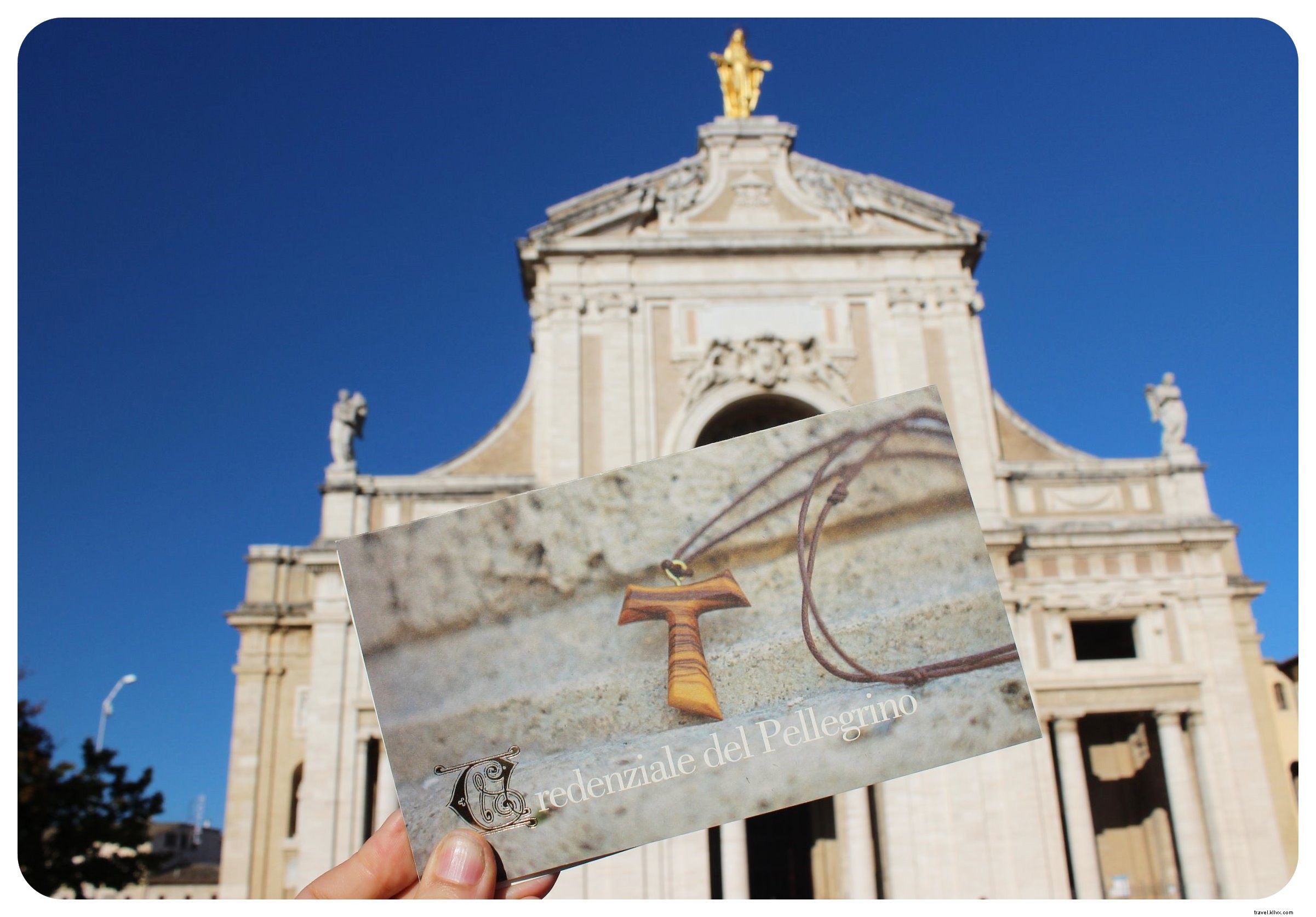
Assisi holds deep spiritual significance as the birthplace and resting place of St. Francis, founder of the Franciscan orders and Custody of the Holy Land—one of history’s most revered figures.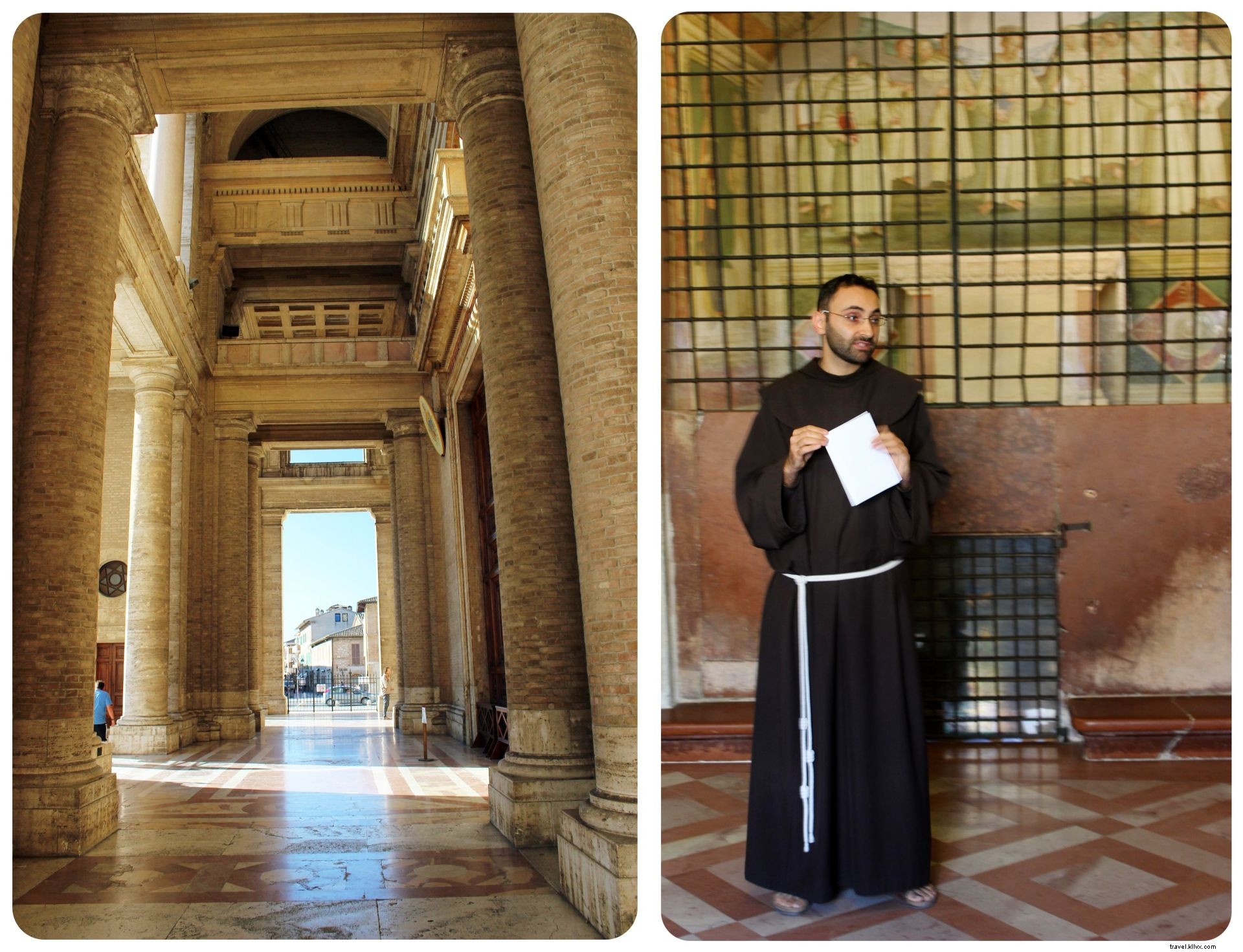 Numerous trails originate or pass through here, inspired by his life, including the renowned 340-mile (550 km) St. Francis Way from Florence to Rome.
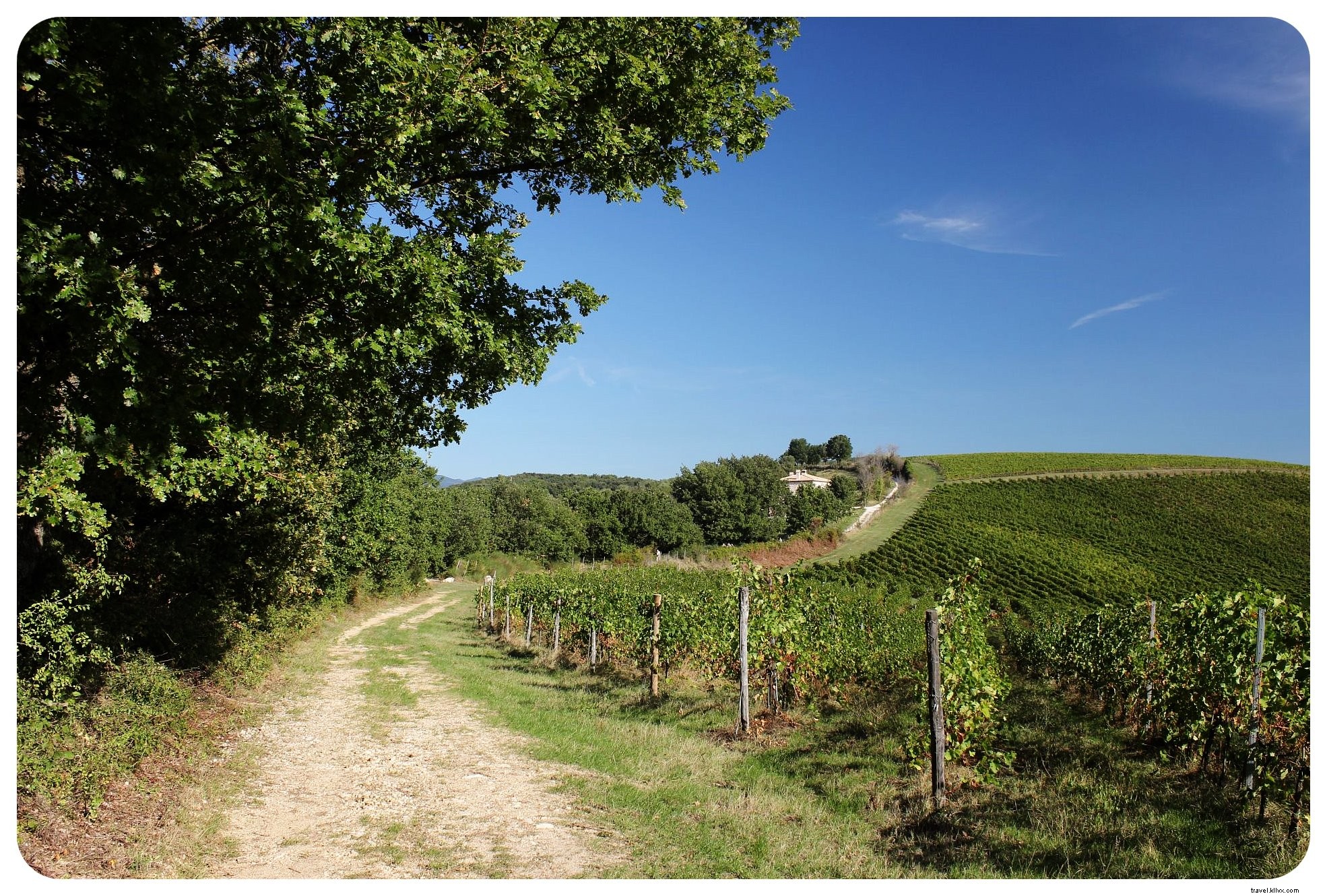 While the Via Amerina features spiritual sites like churches and monasteries, it appeals to all walkers, regardless of faith. Much like Spain’s Camino de Santiago, it attracts diverse hikers—from those seeking life direction, processing personal challenges, pursuing spirituality, or simply savoring the adventure.
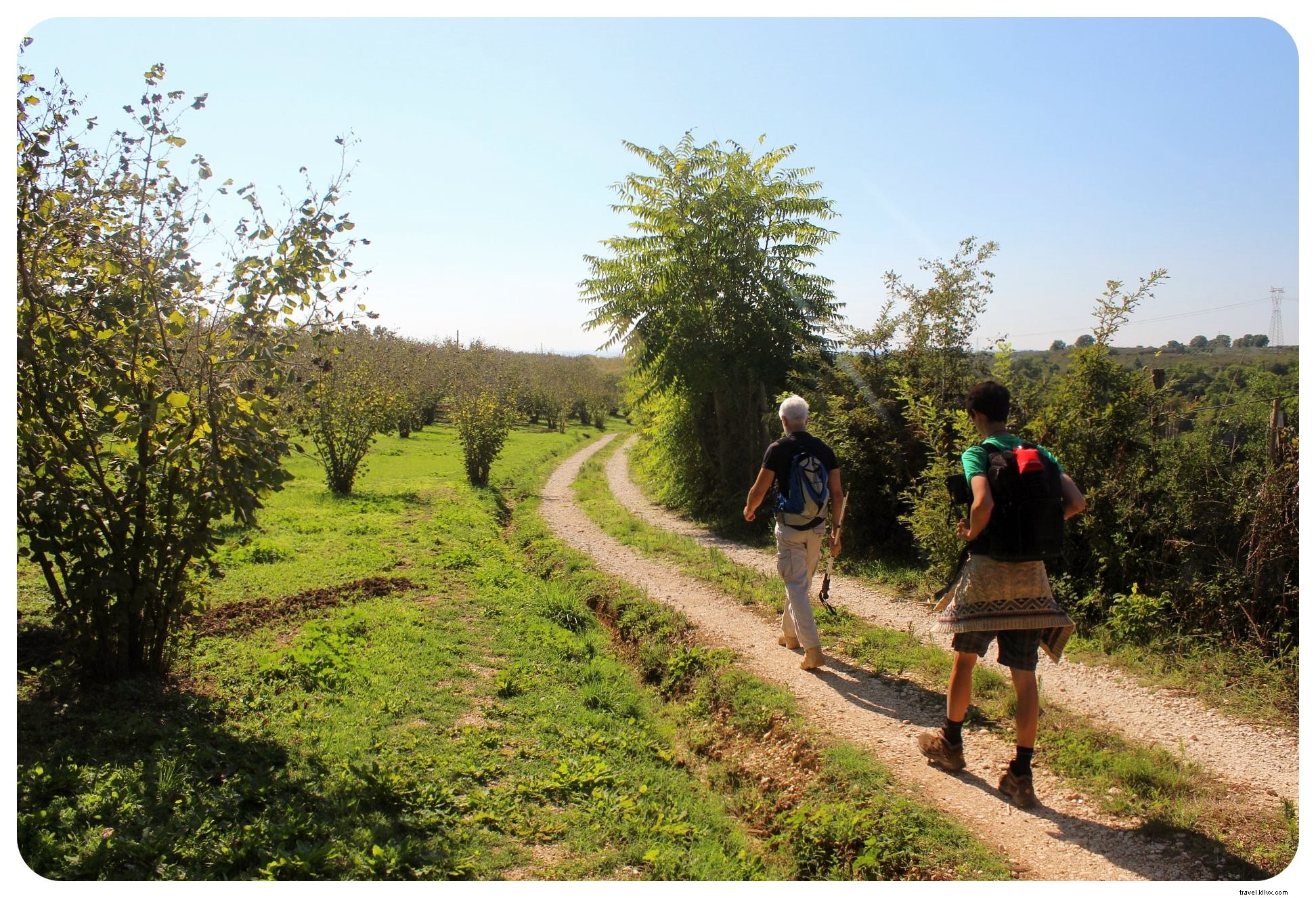 We all shared the transformative journey: Umbrian dirt paths over hills, vineyard trails laden with ripe grapes, quiet country roads through golden fields, and charming villages rarely visited by tourists.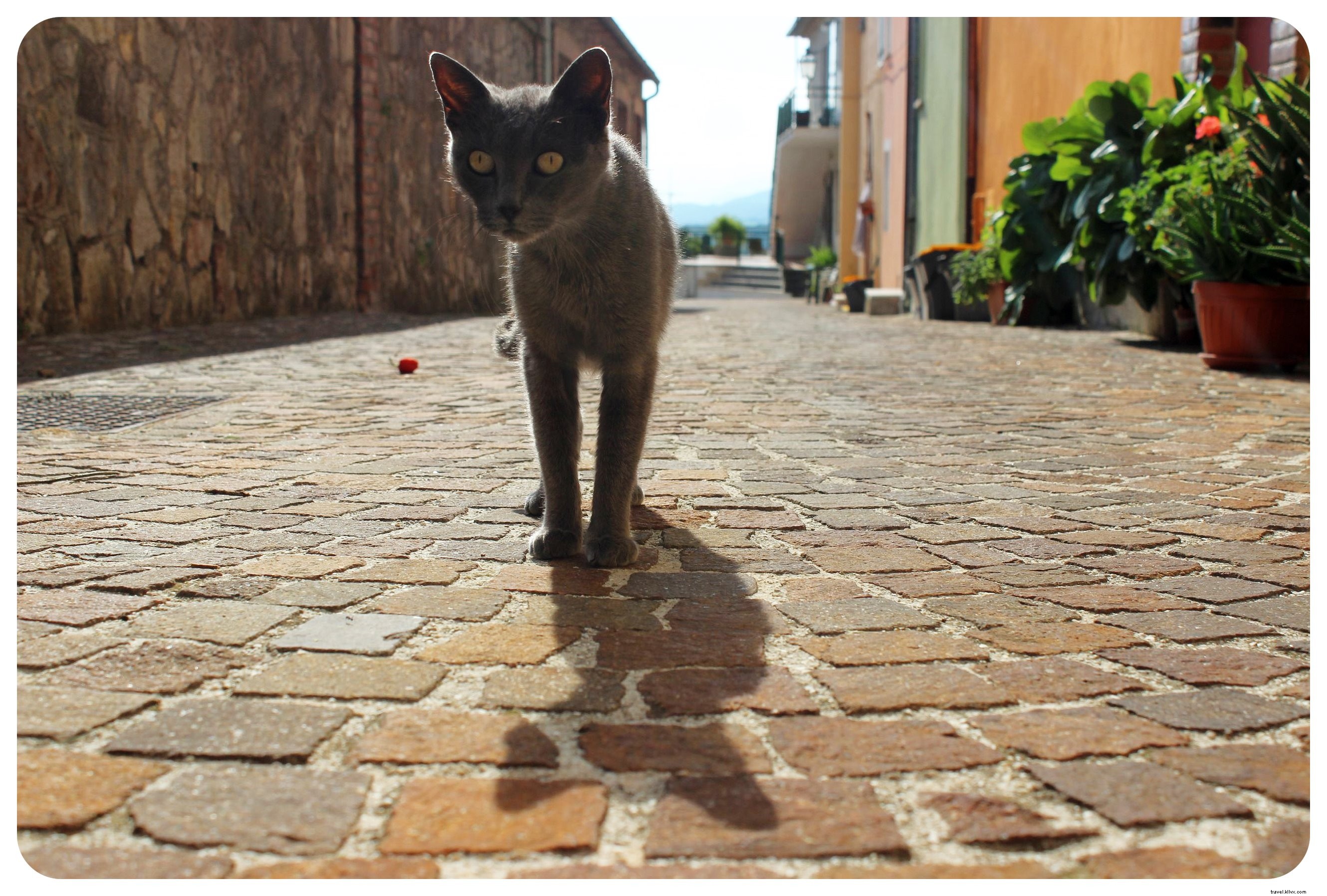
The Via Amerina: A Roman Legacy
Dating to Roman times, the Via Amerina followed an ancient Etruscan trade route, paved with durable basalt stones—many still visible today, underfoot during my hikes.
 In medieval eras, it was vital as the sole open route from Rome to Ravenna, then the Byzantine capital.
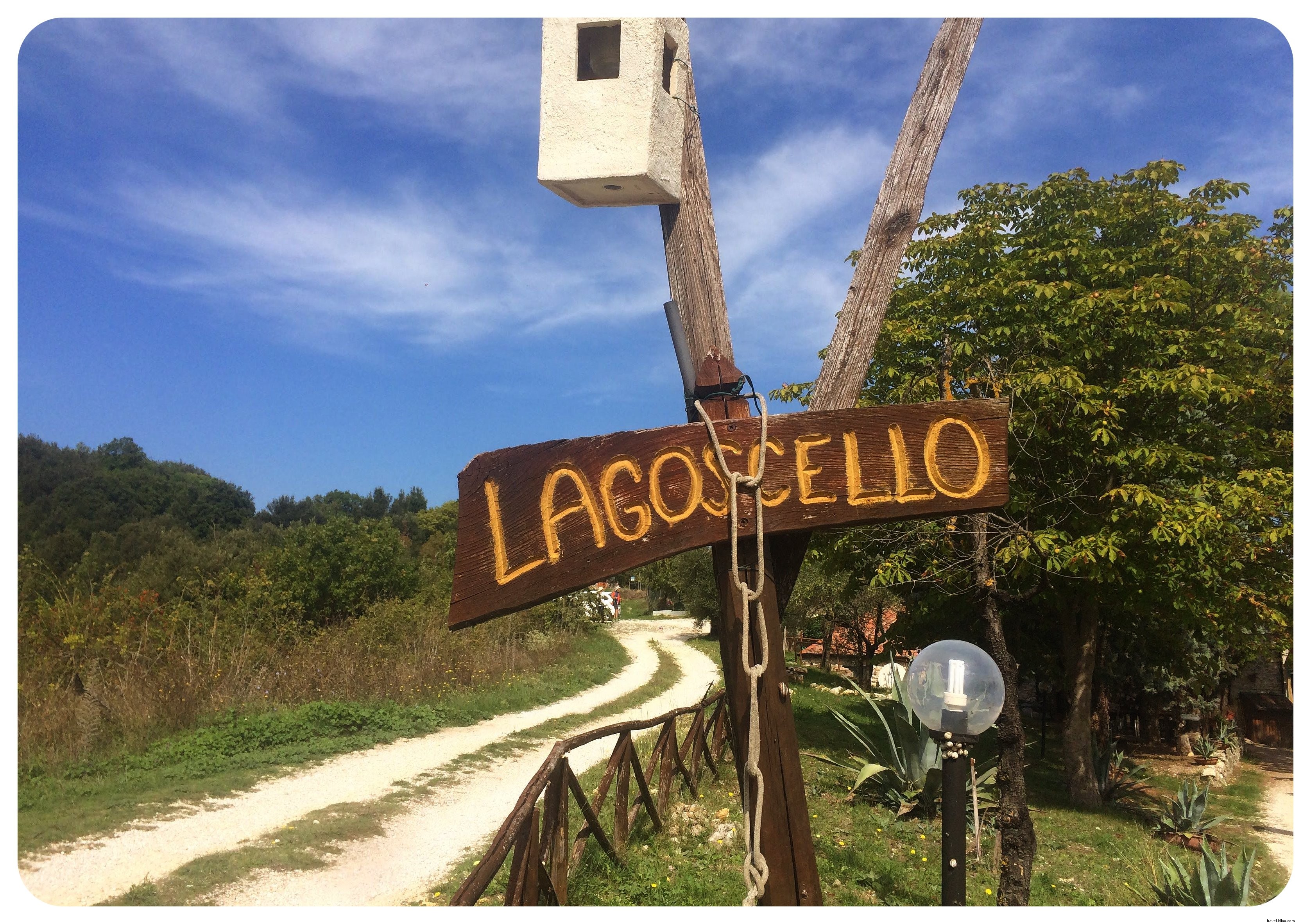 It intersects Europe’s Via Francigena near Rome, merging ancient paths toward the Vatican.
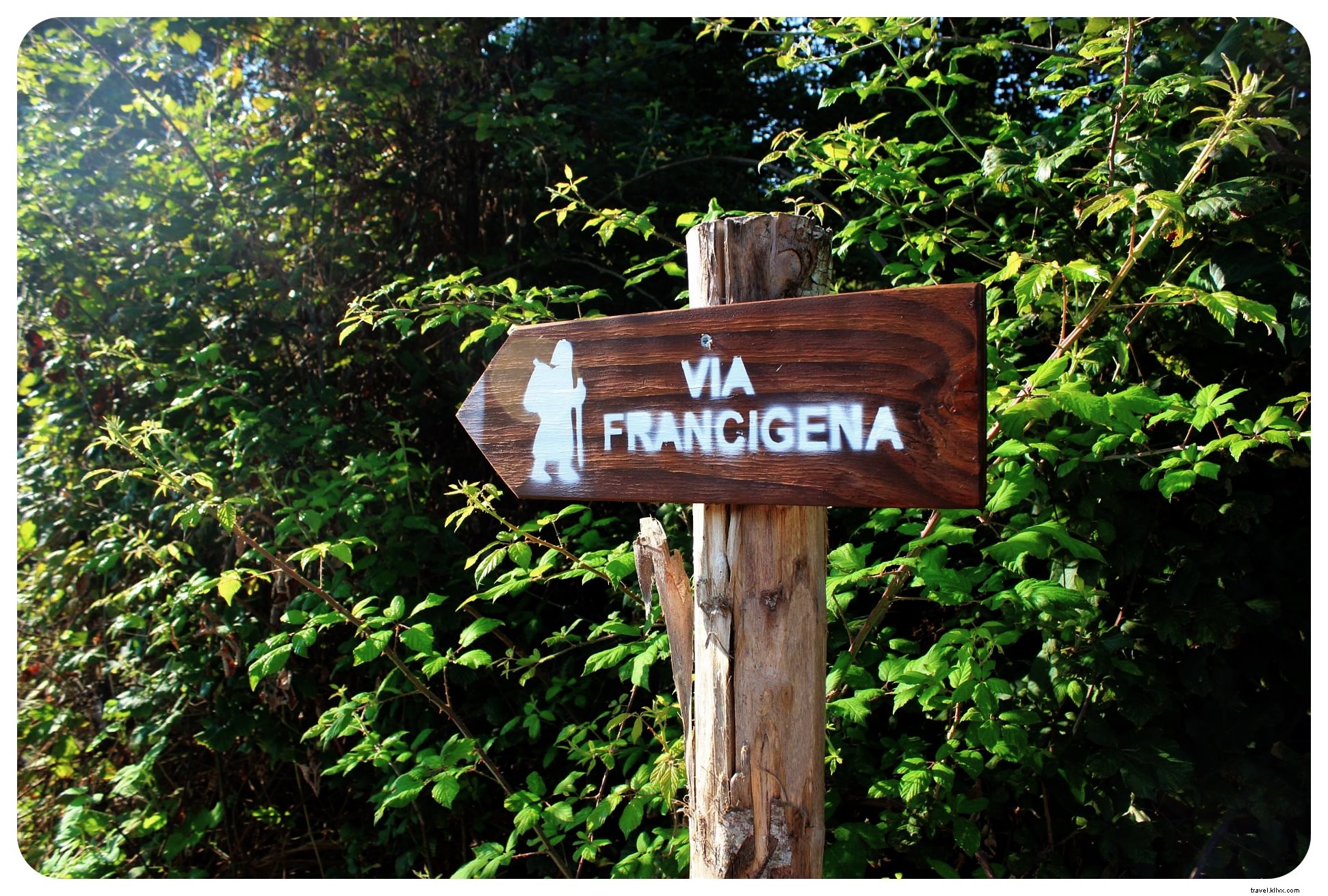 Among Italy’s key Roman roads to Rome—vital for trade and faith—are the Way of St. Francis, Benedict’s Path, Via Lauretana, Via Francigena, and Via Amerina.
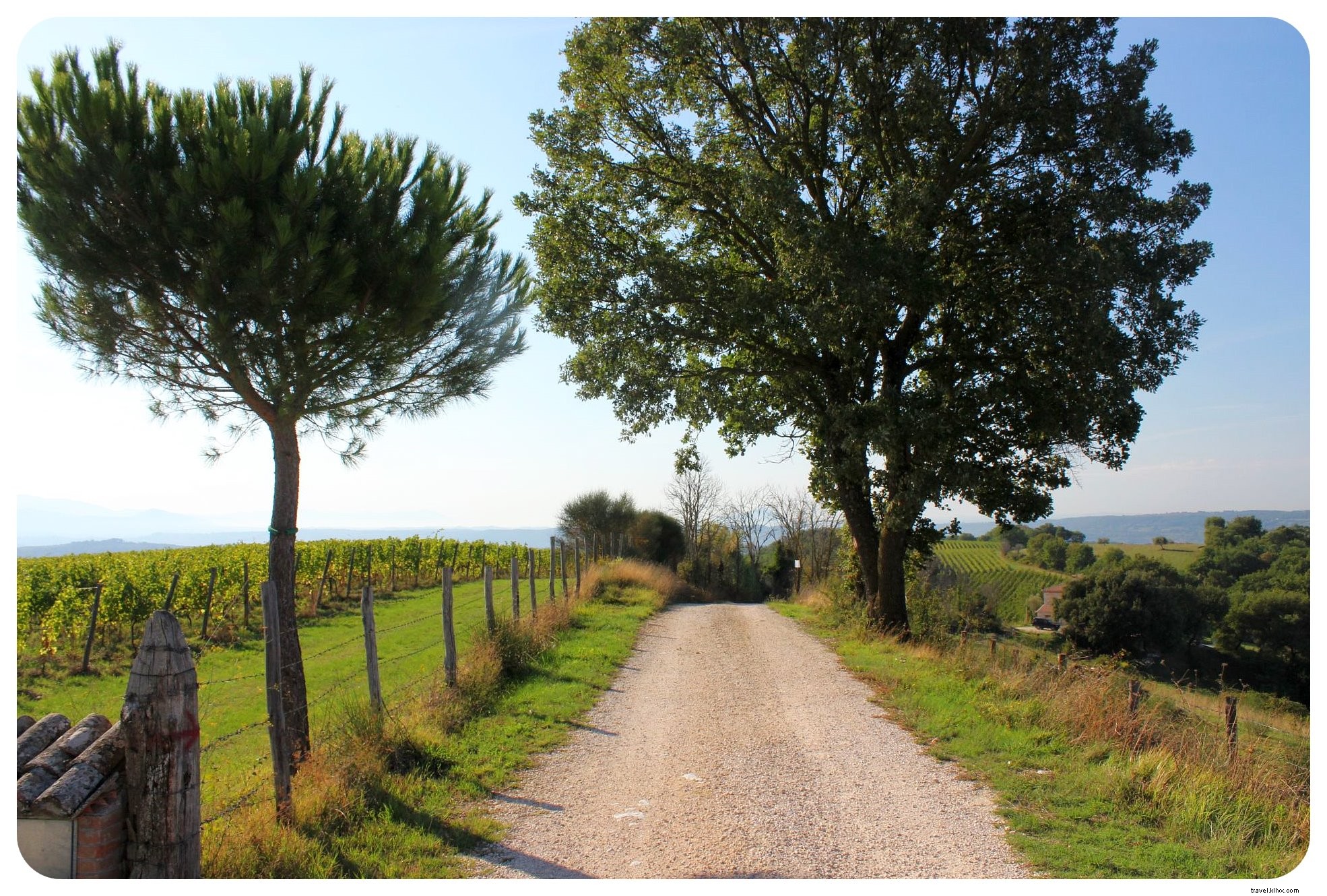 Each day, we rose early, laced up, and tackled demanding sections. Surprisingly solitary compared to popular routes like the Camino, Canterbury Way, or full Via Francigena, the Via Amerina offers uncrowded authenticity.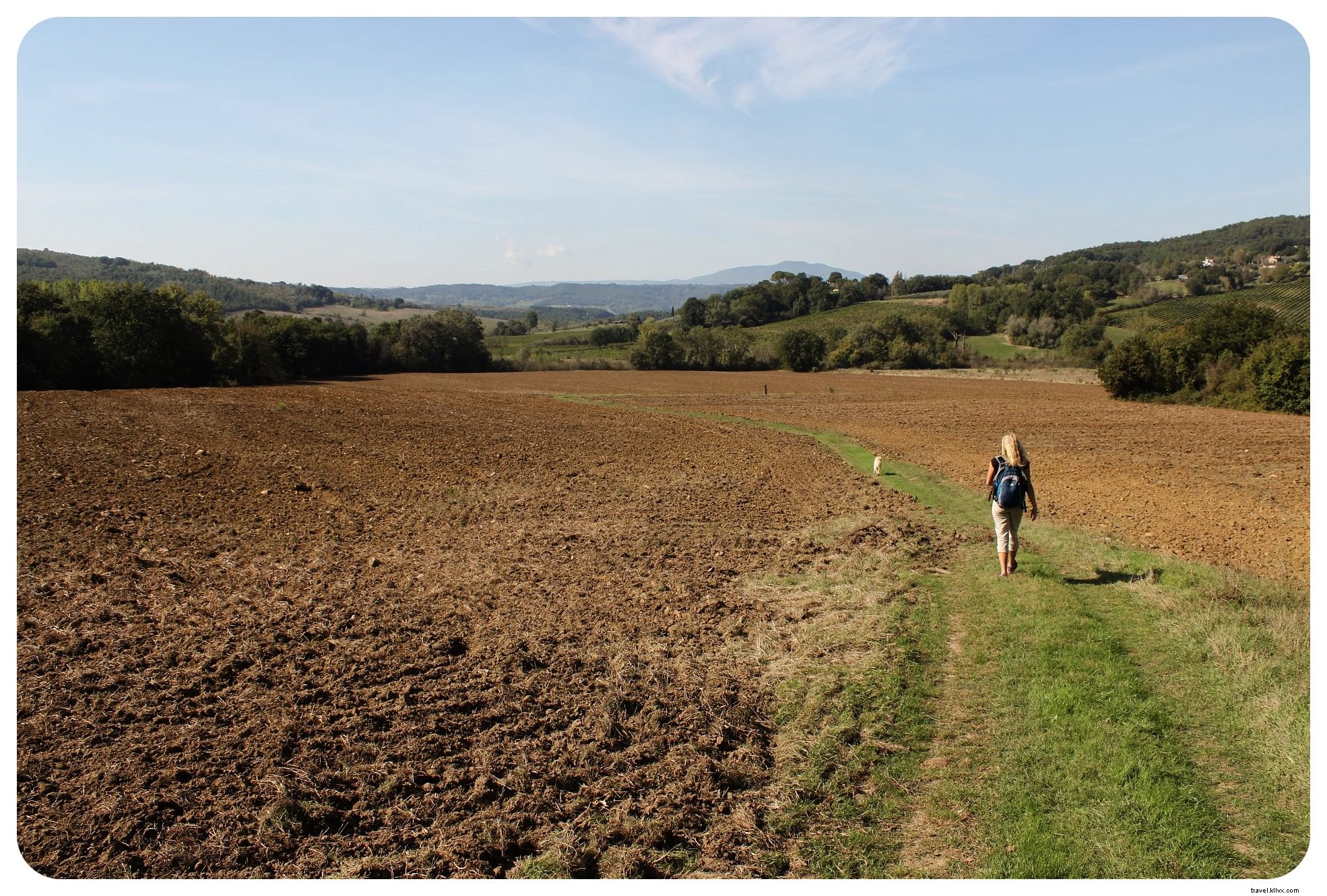
Italy’s Authentic Heartlands
Our stops—Nepi, Gallese, Orte—reveal Italy beyond tourist hubs like Florence or Venice. Experience genuine village life: farm-fresh cuisine in trattorias, neighbors chatting in piazzas, espresso at local bars.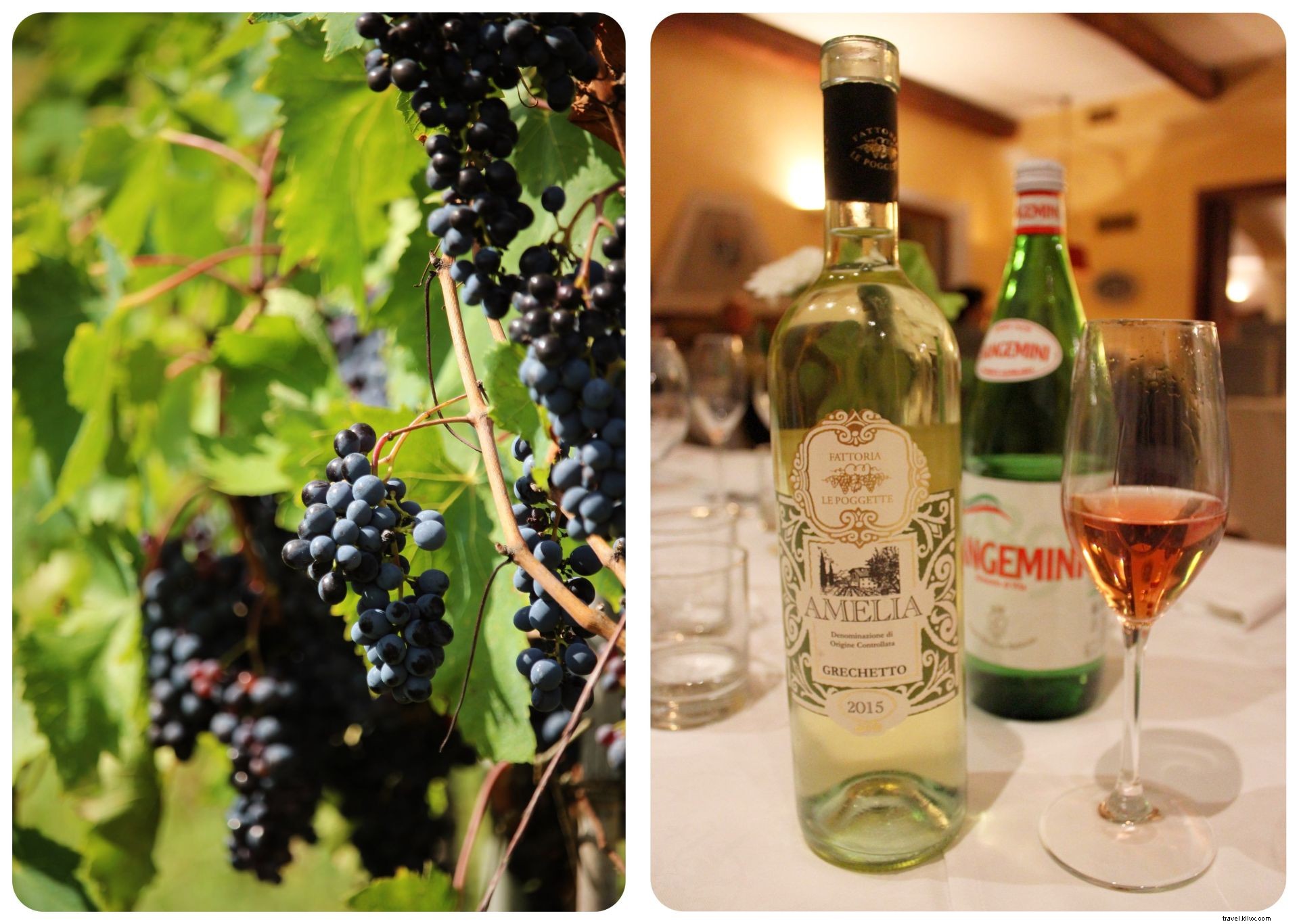 This trek unveiled “real” Italy, far from icons like the Colosseum. For me, it was a cultural and culinary odyssey through Umbria and Lazio, uncovering overlooked gems.
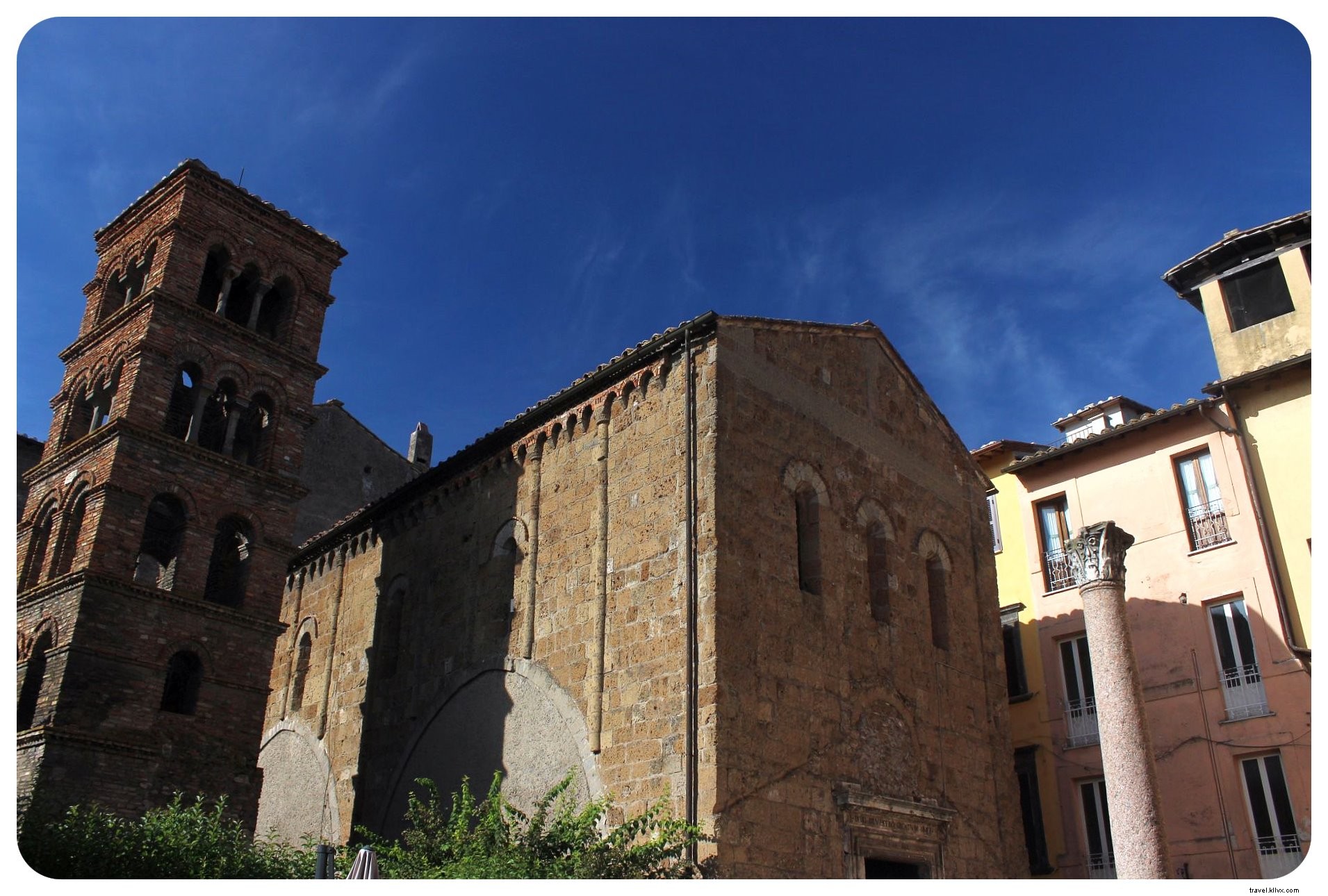 Spanning 59 miles (95 km) from Amelia (ancient Ameria) to Rome, it converges north of Amelia with Via Flaminia and Via Cassia; the superior Flaminia later overshadowed it.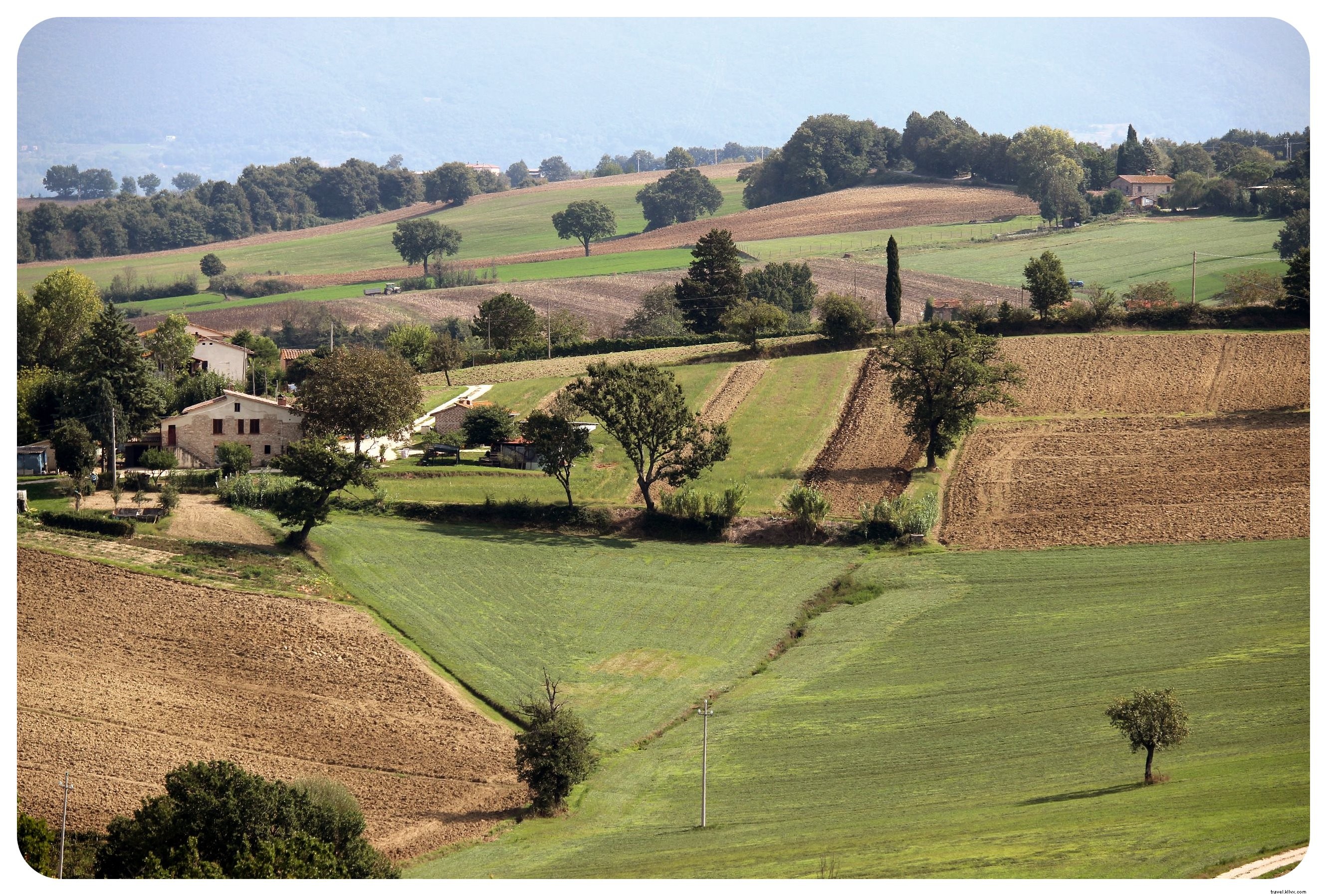
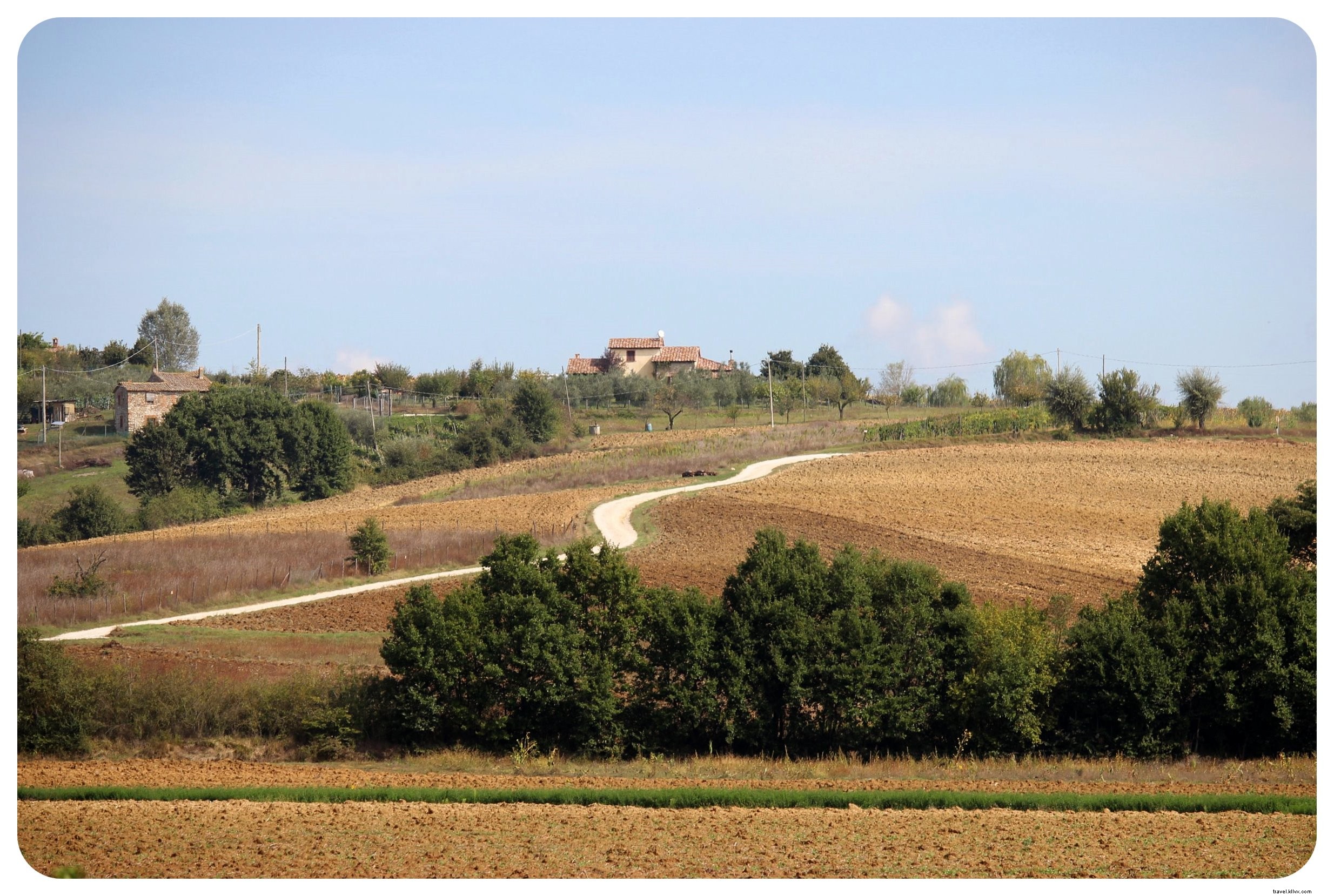 Revived today, it draws hikers and cyclists; tackle the full route or day sections from bases like Amelia or Civita Castellana.
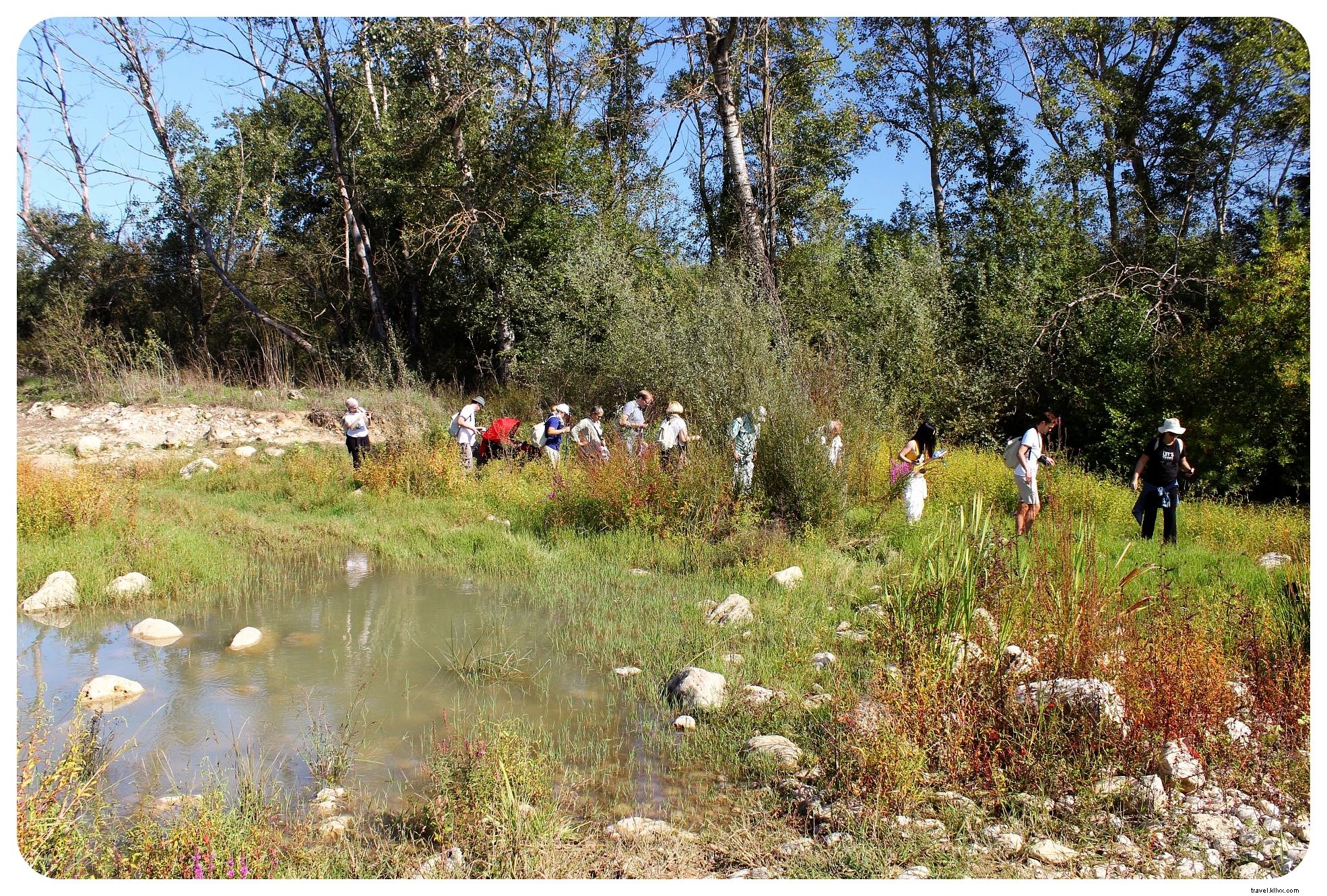 Before practical tips, here are my top highlights.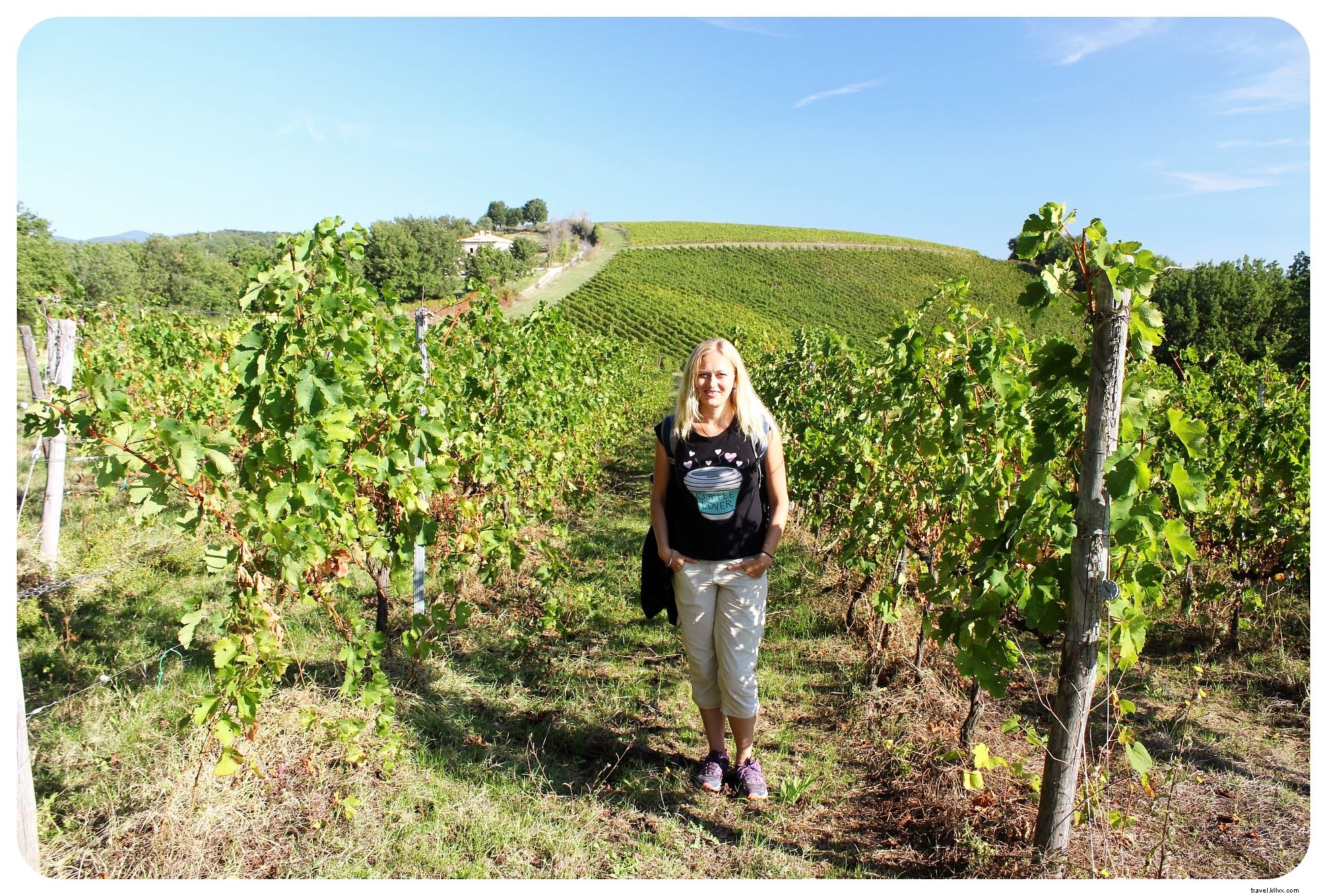
Assisi: Pilgrimage Origins
Limited time prevented visiting the UNESCO-listed Papal Basilica of St. Francis, but we stamped passports at St. Mary of the Angels—seventh-largest Christian church, where young Francis embraced poverty, birthing Franciscanism.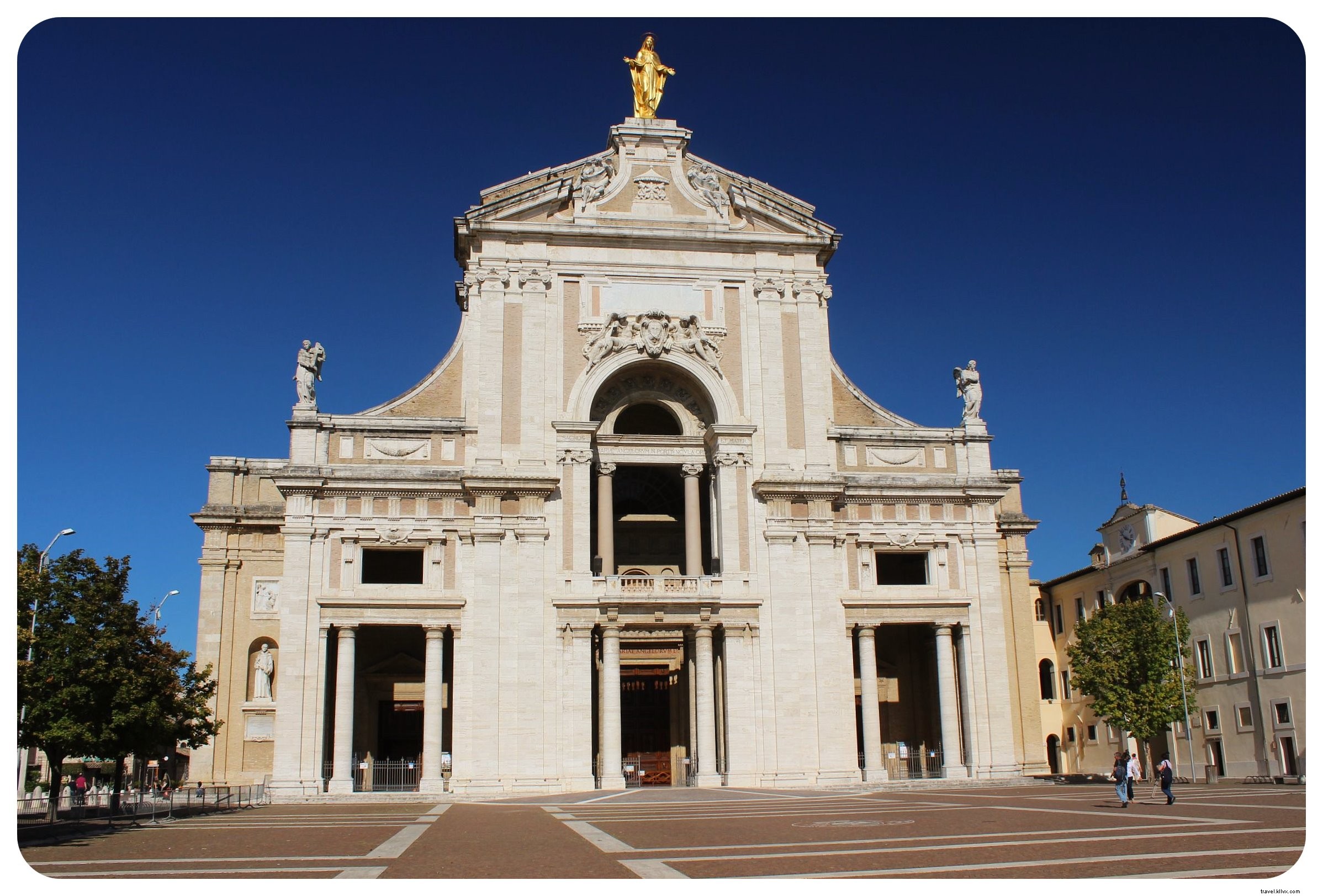
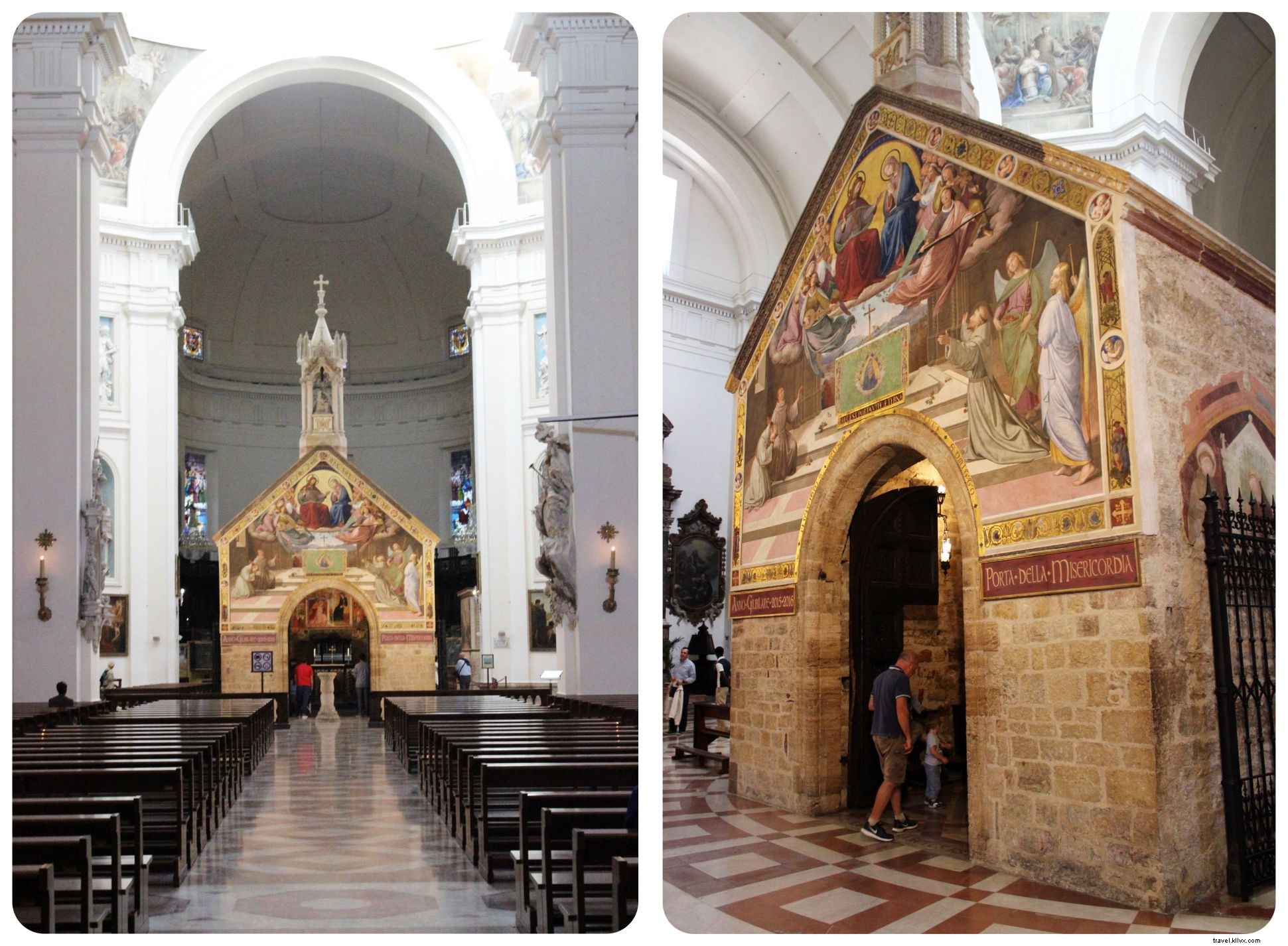
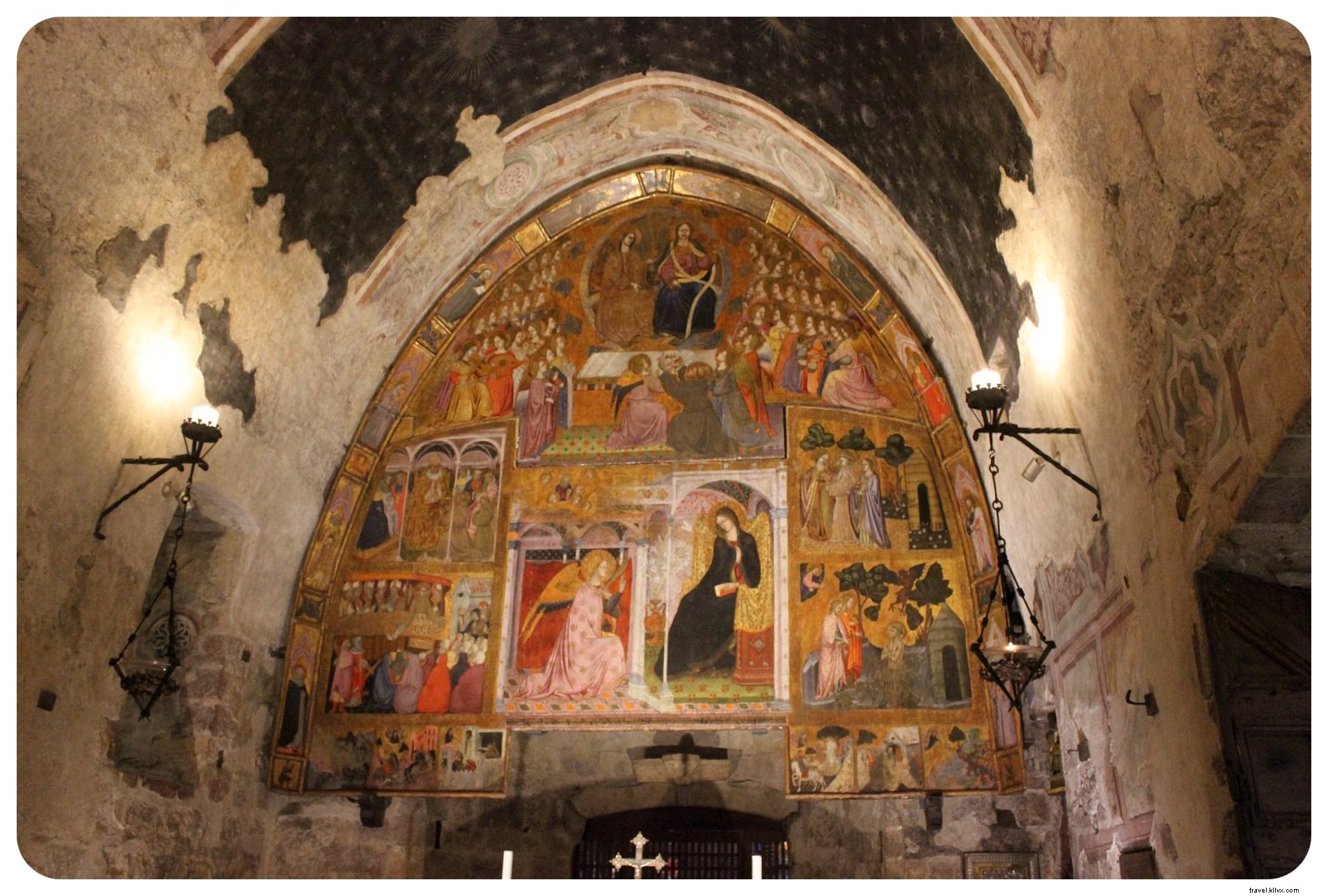 Highlights include the sacred 9th-century Porziuncola chapel, gifted to St. Francis by Benedictines.
 Our hike began at Castel dell’Aquila, exiting via the medieval Porta Amerina toward Rome.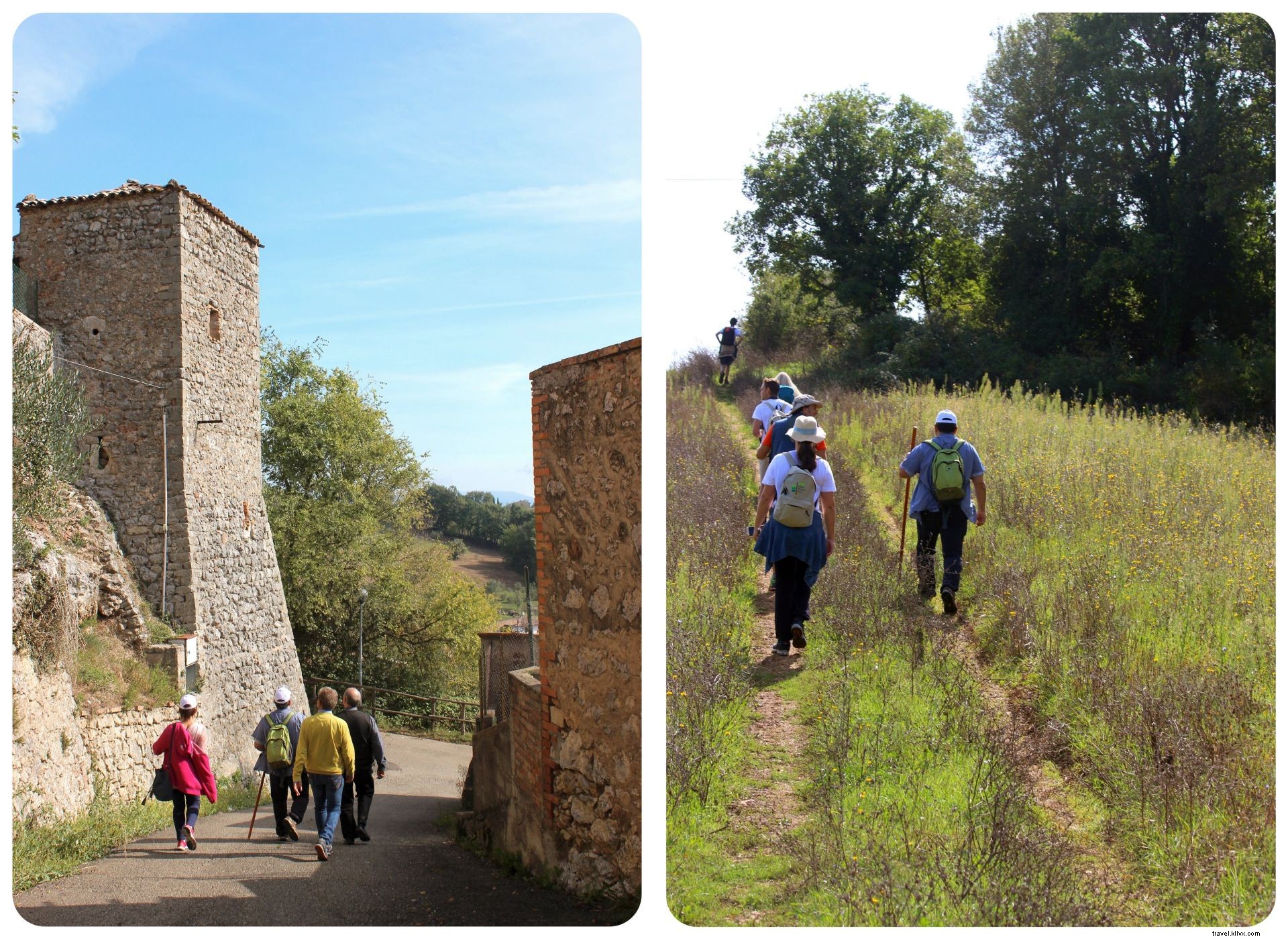
Umbria’s Stunning Landscapes
Previously underexplored, Umbria rivaled Tuscany’s beauty.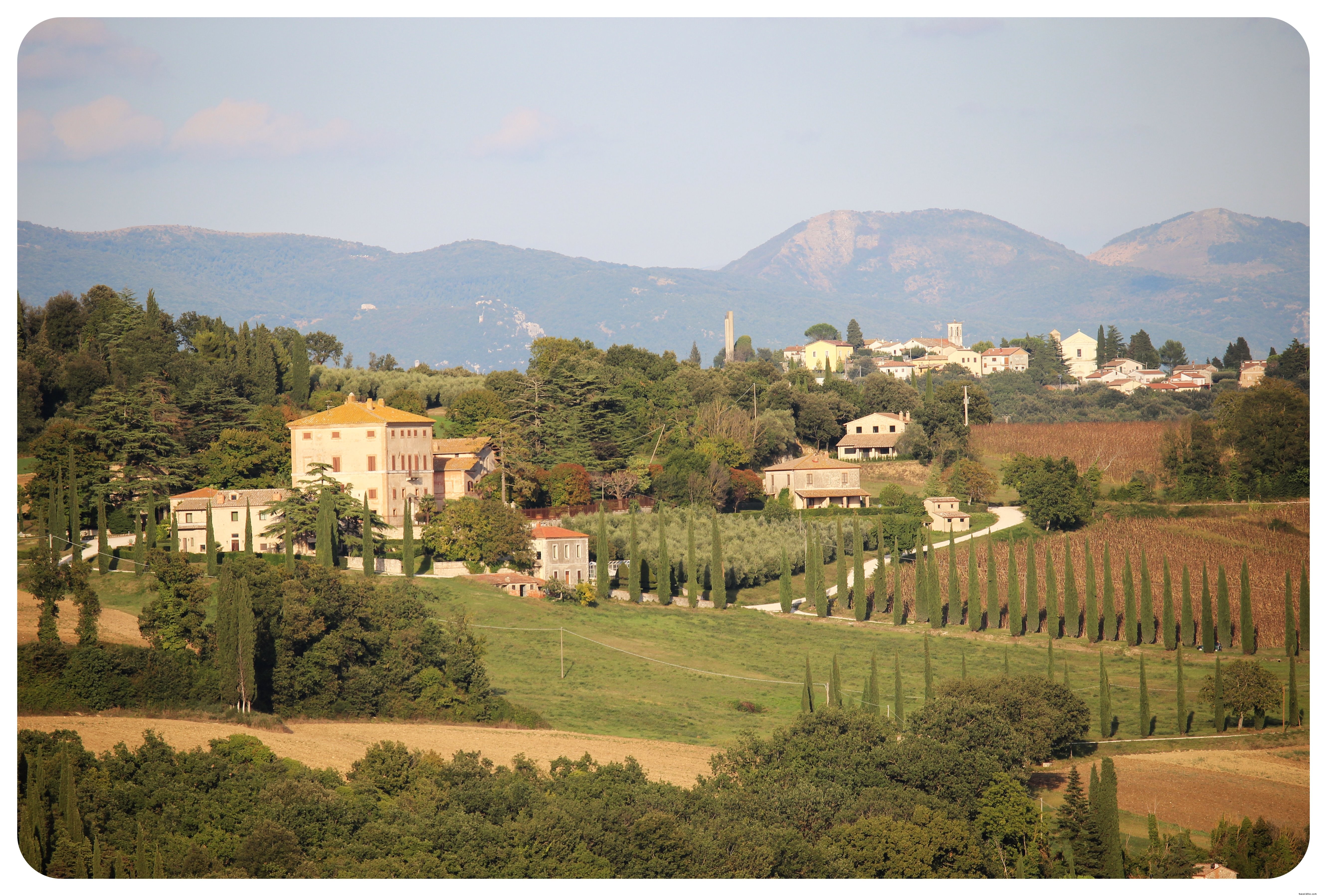 The 10-mile (15.4 km) Castel dell’Aquila to Amelia stage was breathtaking: hilltop sandstone villages crowned by campaniles, fields, vineyards, olive groves.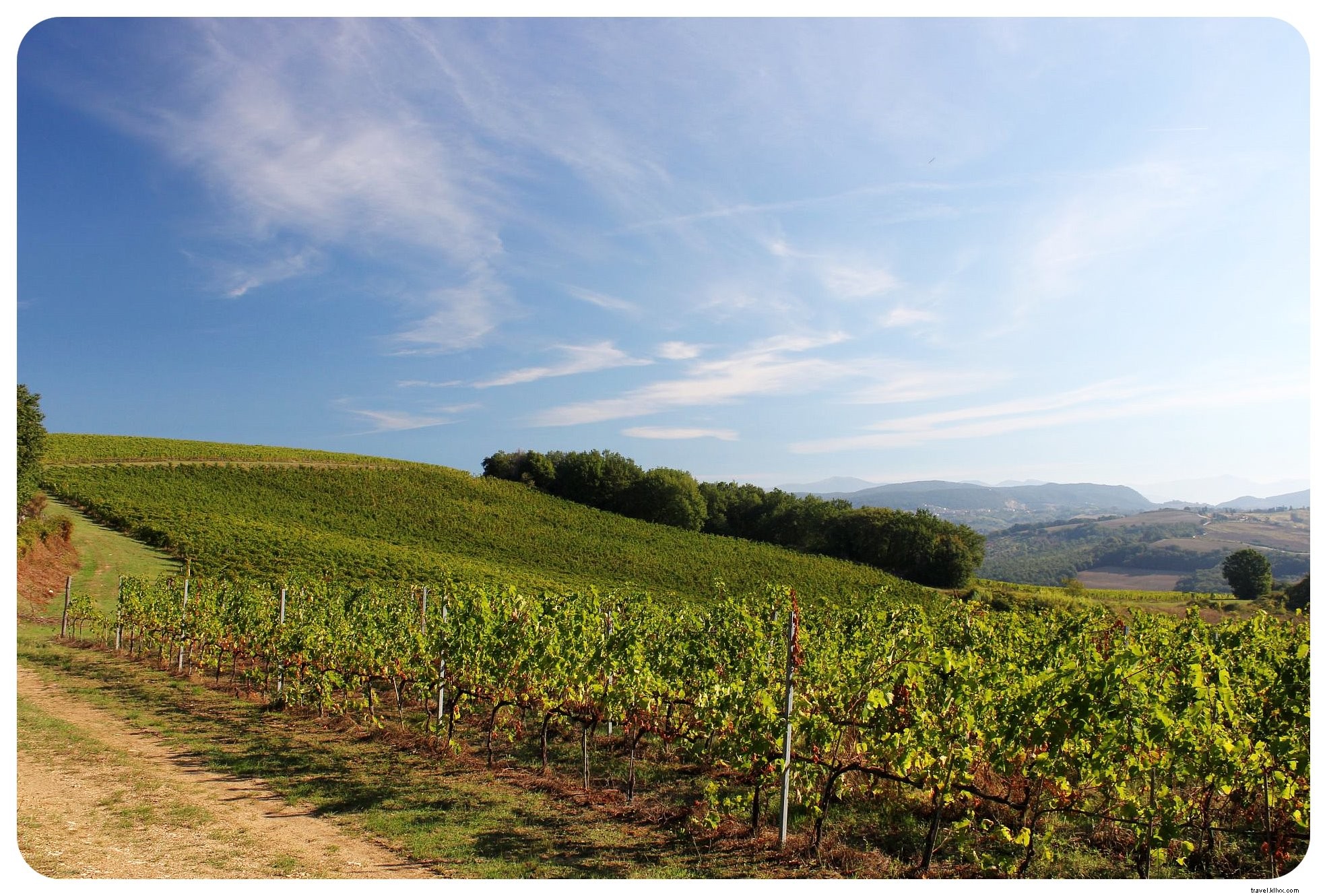
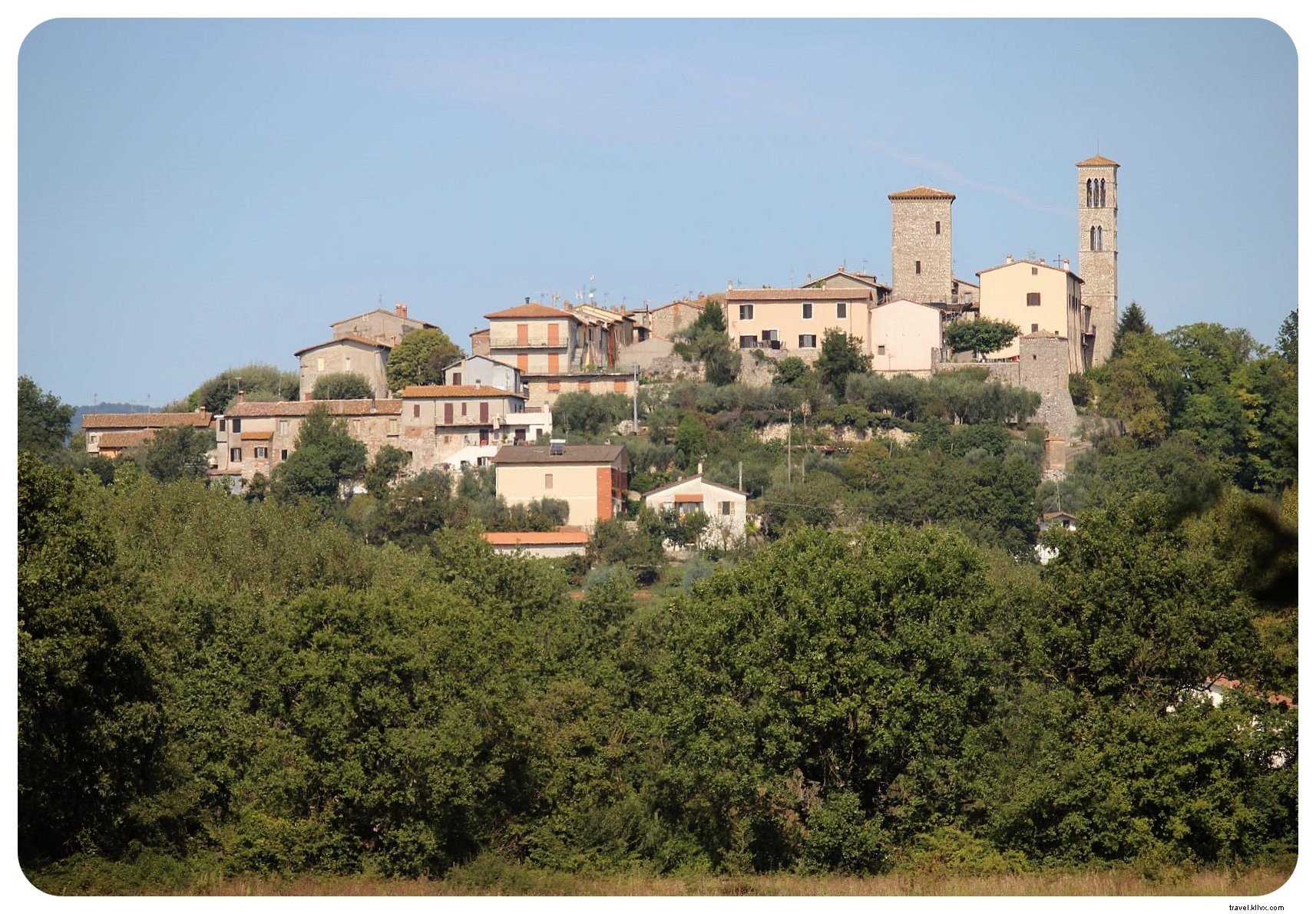 Every bend revealed postcard vistas, embodying “it’s about the journey.”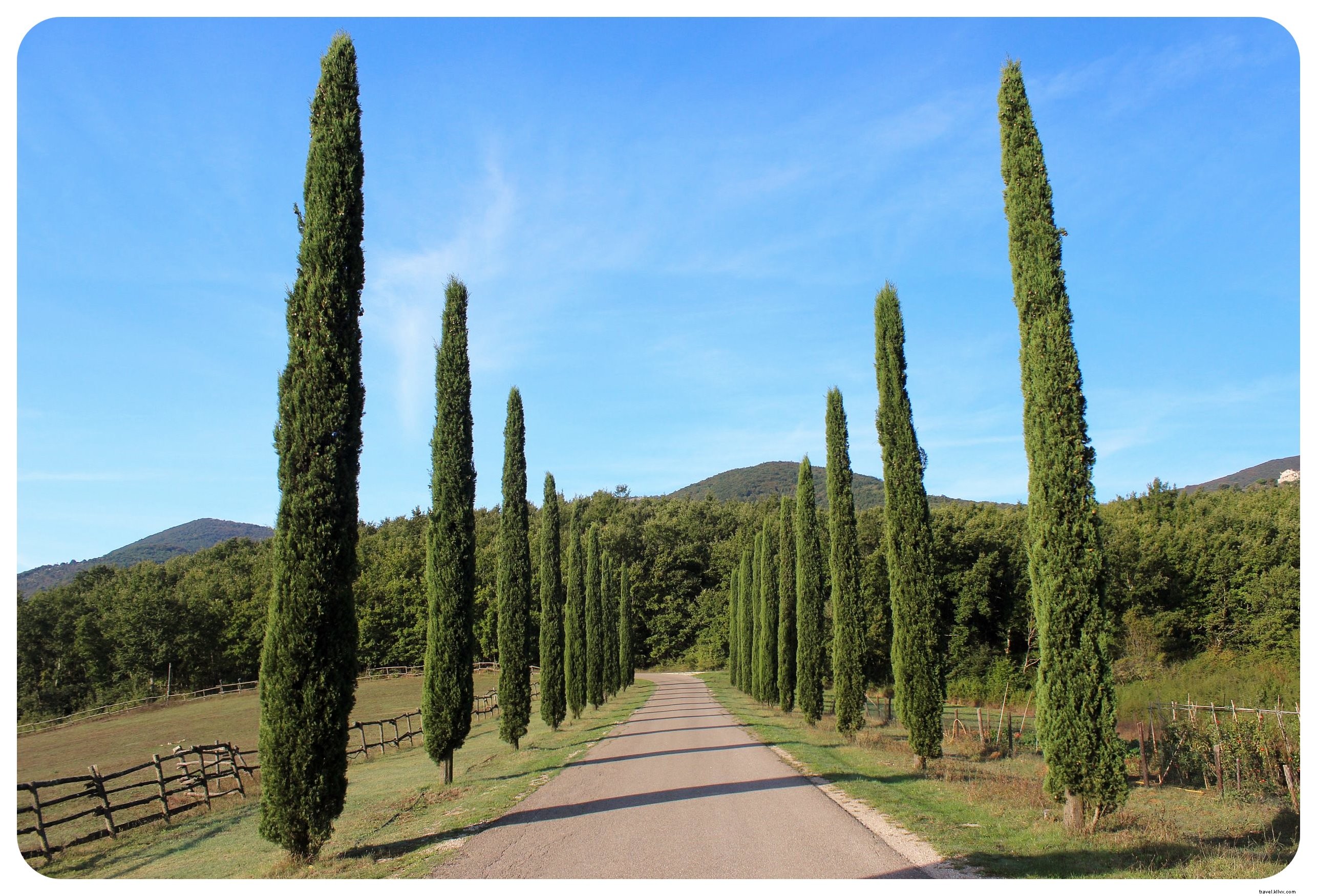
Amelia: Tiber Valley Panorama
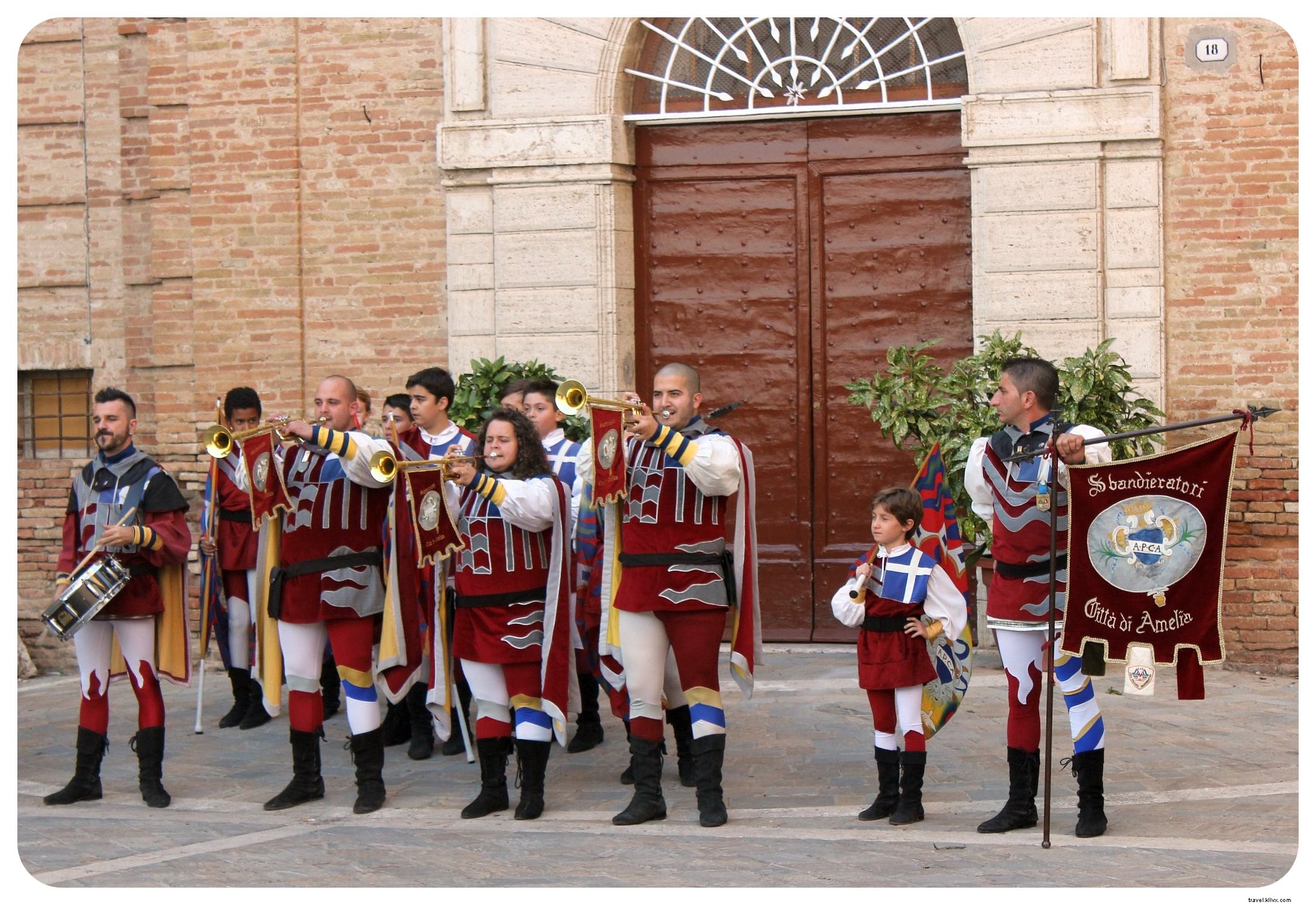
Perched above the Tiber, Amelia (ancient Ameria) welcomed us with flag-twirlers in costume—Umbria’s compete globally. Medieval contrade enliven summer festivals.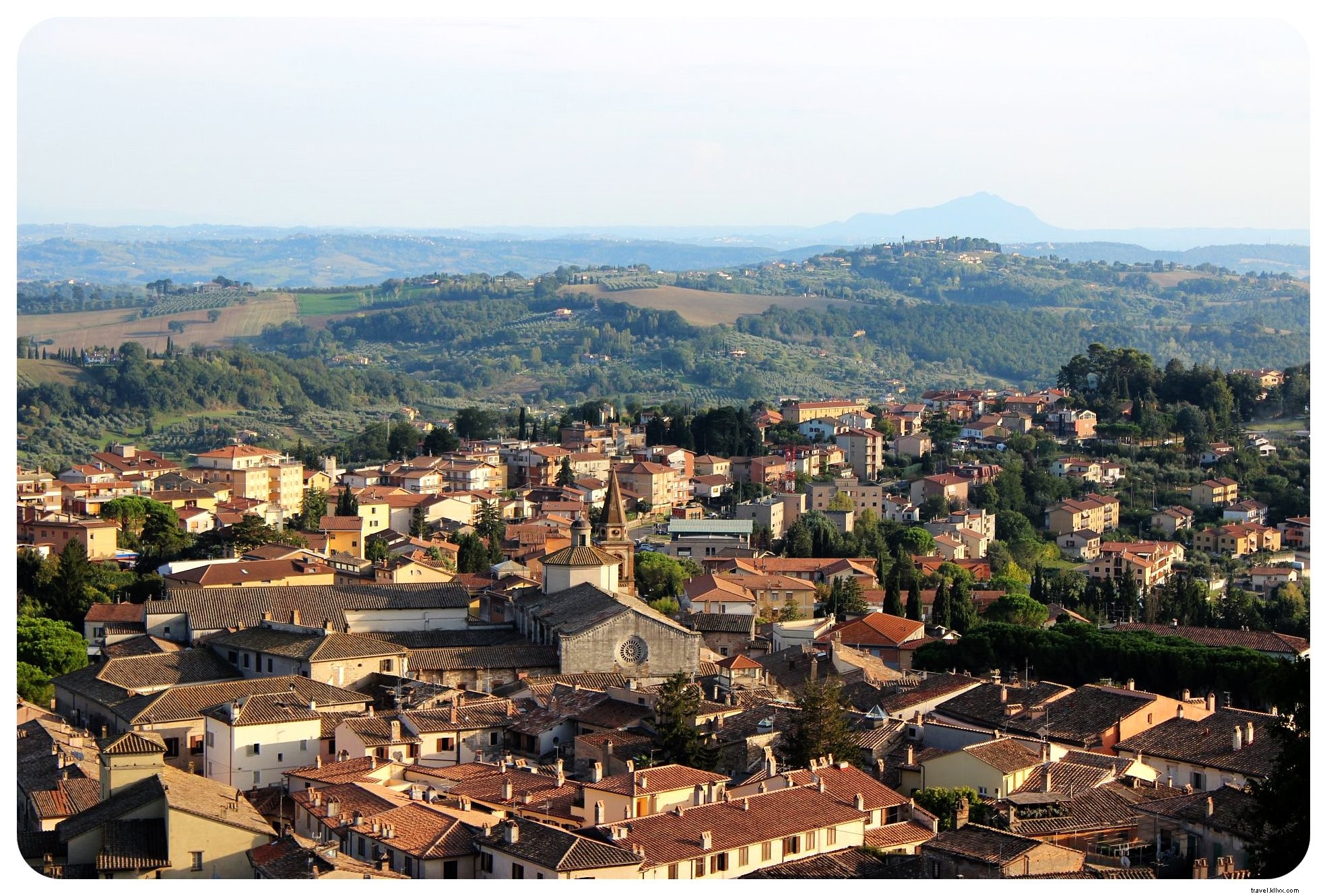
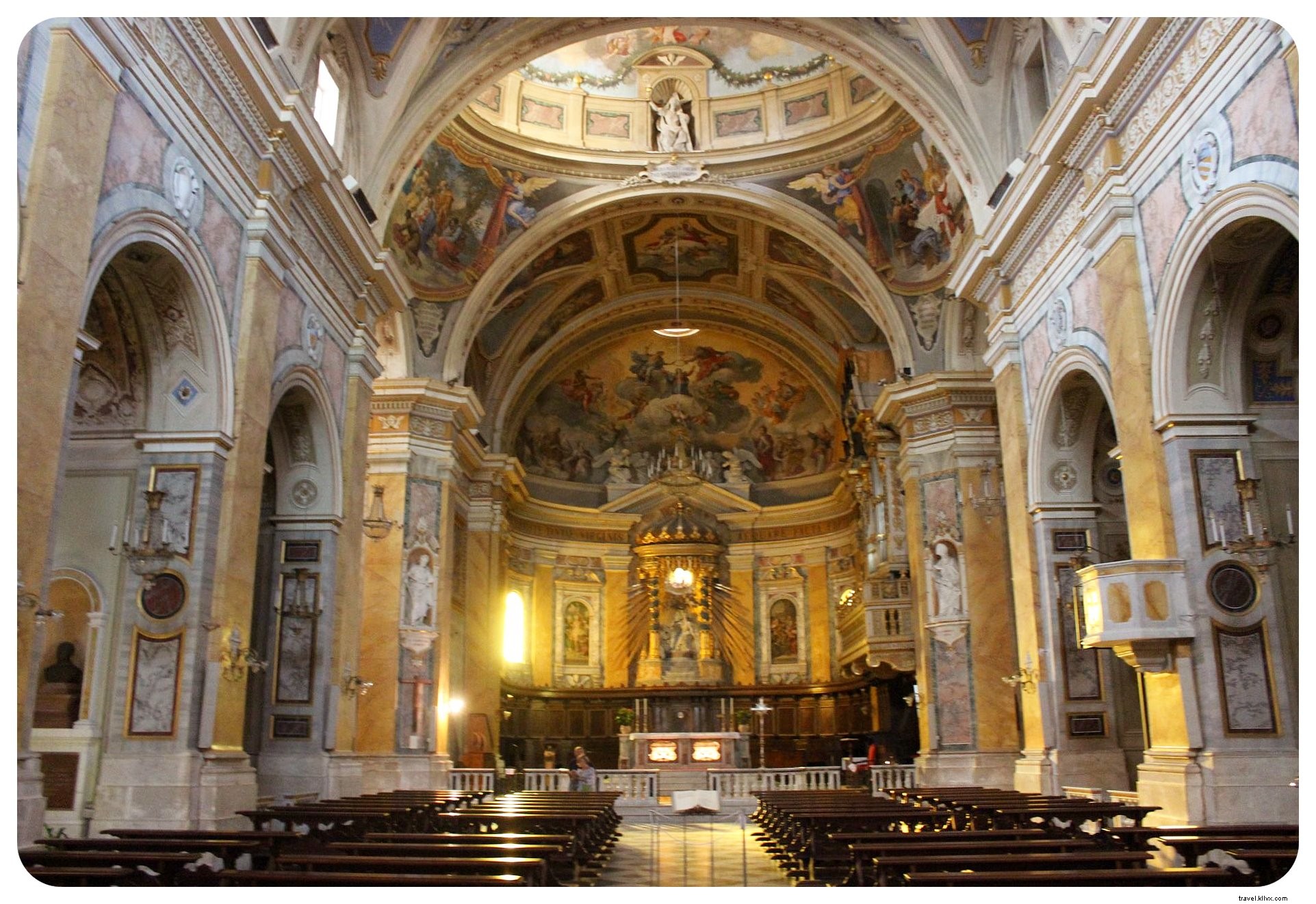
 The Baroque cathedral dazzled with opulent art. Though not devout, I admired these ancient sanctuaries en route to Rome.
 Reluctantly onward 10 miles (17 km) to Orte.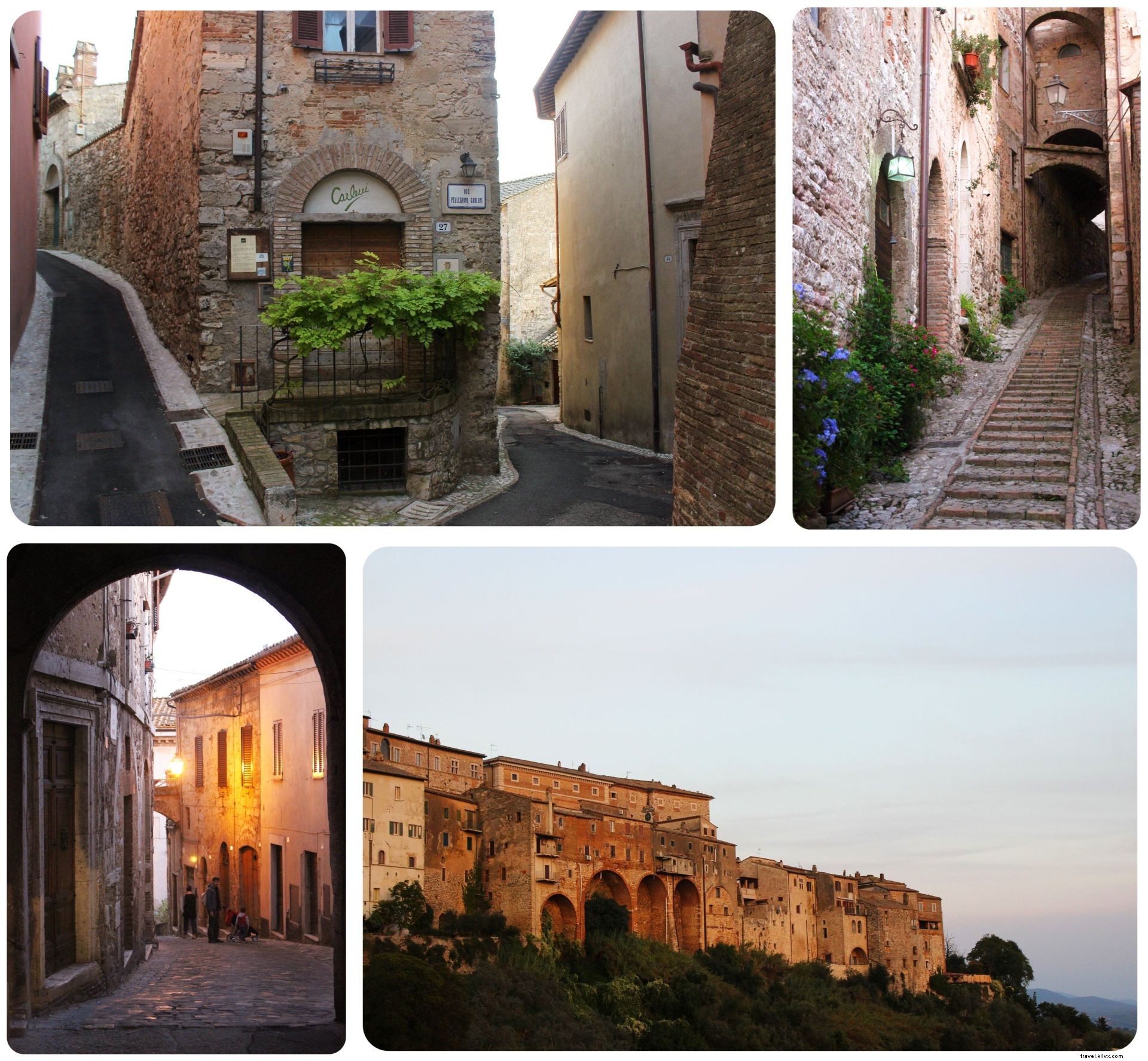
Continue to Part II: Walking Through Italy: Highlights from the Via Amerina, Part II