Cycling Bolivia's Death Road: My Thrilling Descent on the Yungas Road
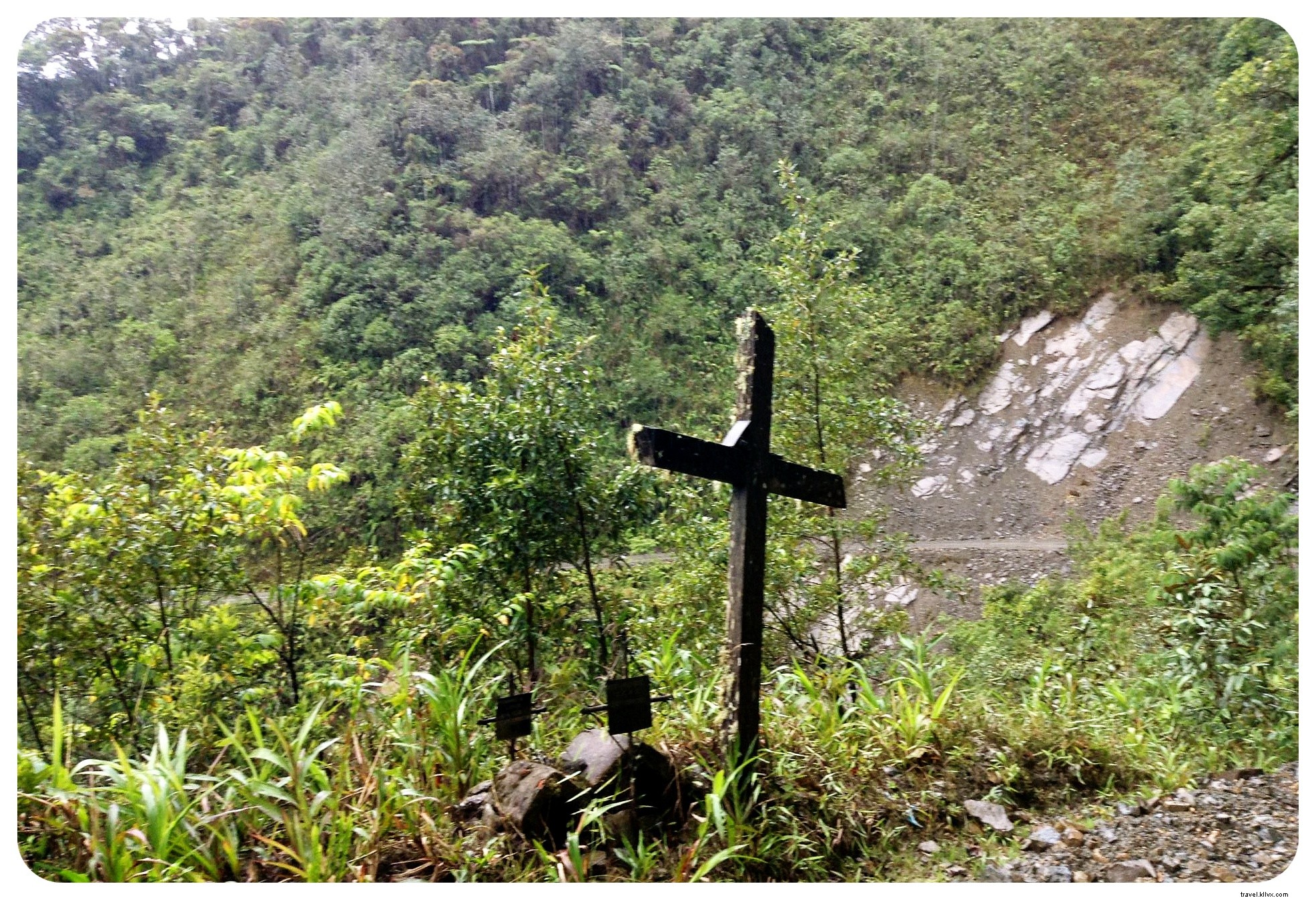
A road notorious for claiming 200 to 300 lives annually. Officially known as the Yungas Road, this narrow, unpaved route winds through Bolivia's Yungas mountains from La Paz down to Coroico in the Amazon jungle. Spanning just 43 miles (69 km), it's marked by countless roadside crosses commemorating tragic accidents, including buses and trucks plummeting off cliffs. In 1995, it earned the grim title of the World's Most Dangerous Road.
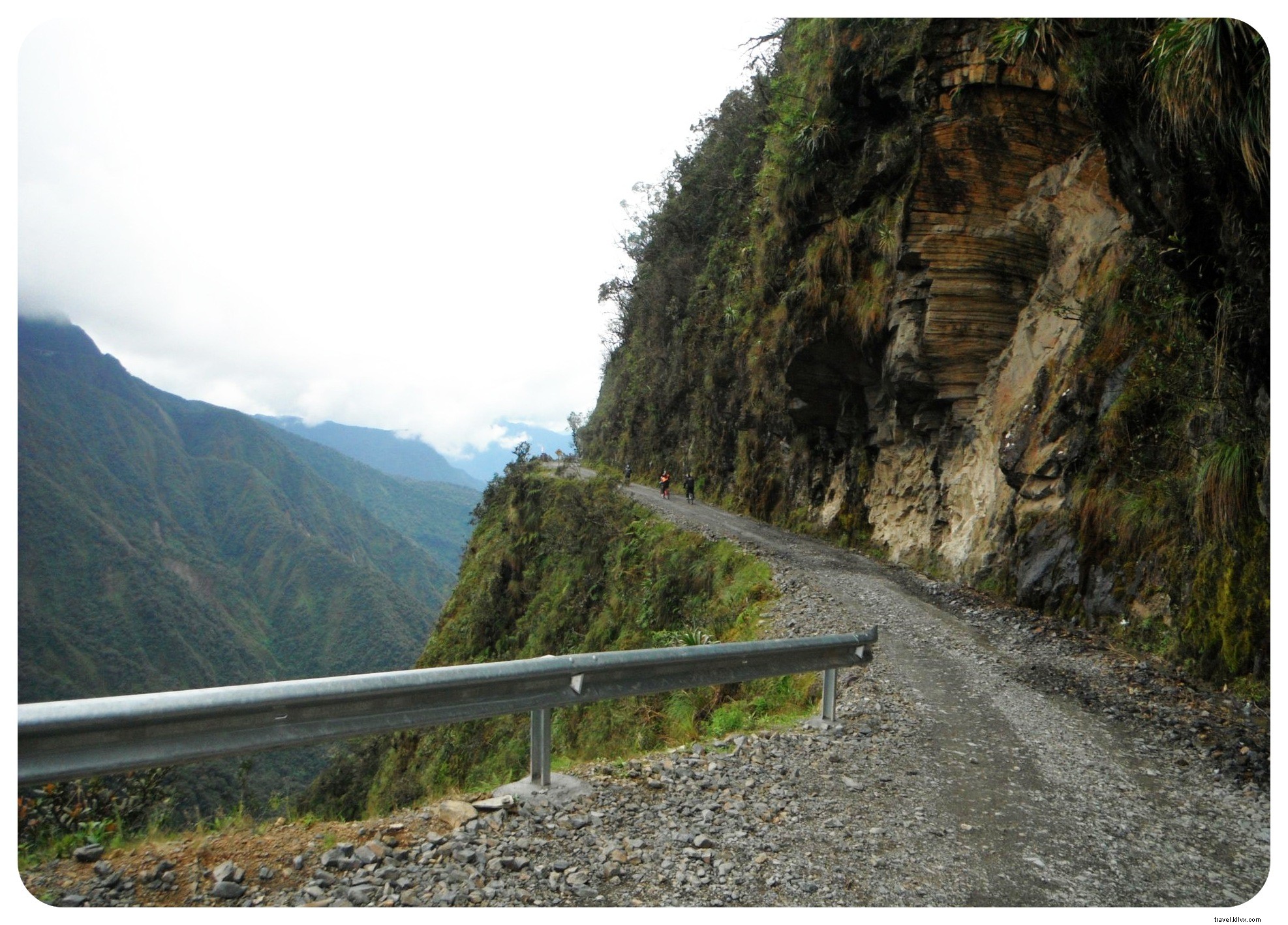
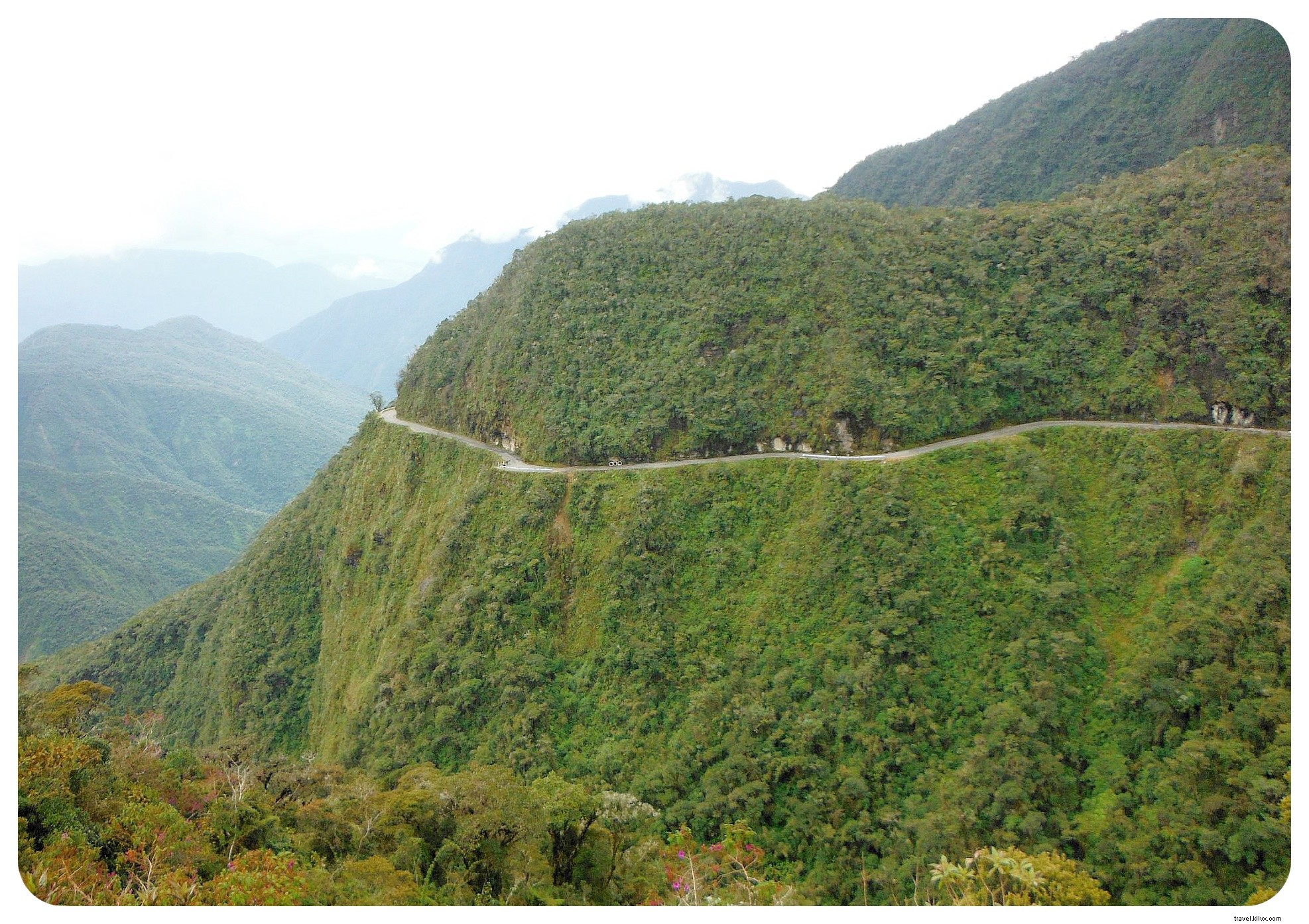 Planning our South America trip, I discovered tours offering a 40-mile (64 km) bike descent along 2,000-foot (600 m) sheer cliffs amid Bolivia's stunning scenery. Terrified yet intrigued, I learned a safer asphalted road had replaced it years ago, now primarily used by adventure cyclists with minimal vehicle traffic. Risks remained—no guardrails in spots—but caution seemed key. Accidents often stemmed from narrow passes forcing vehicles off the cliff side.
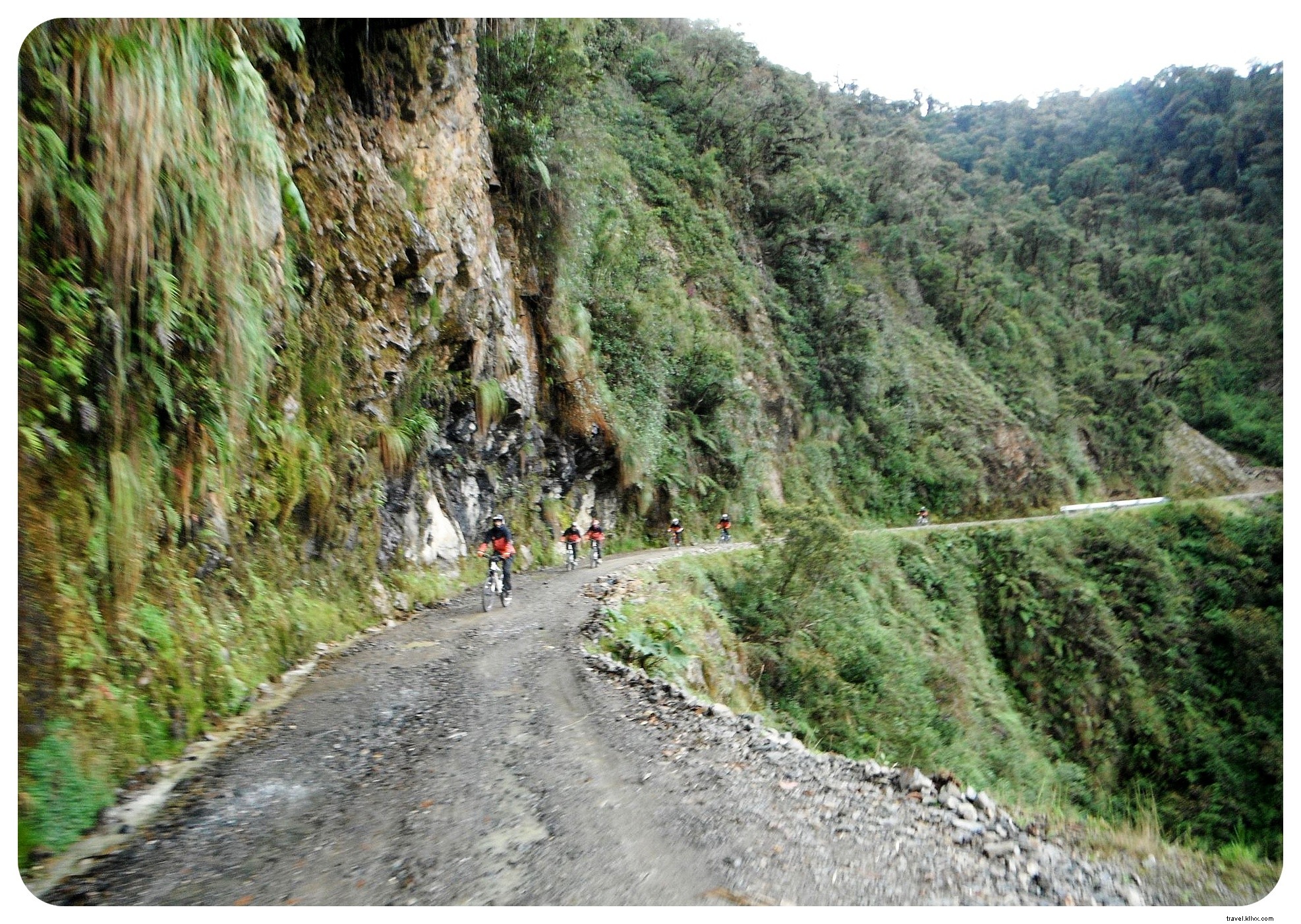
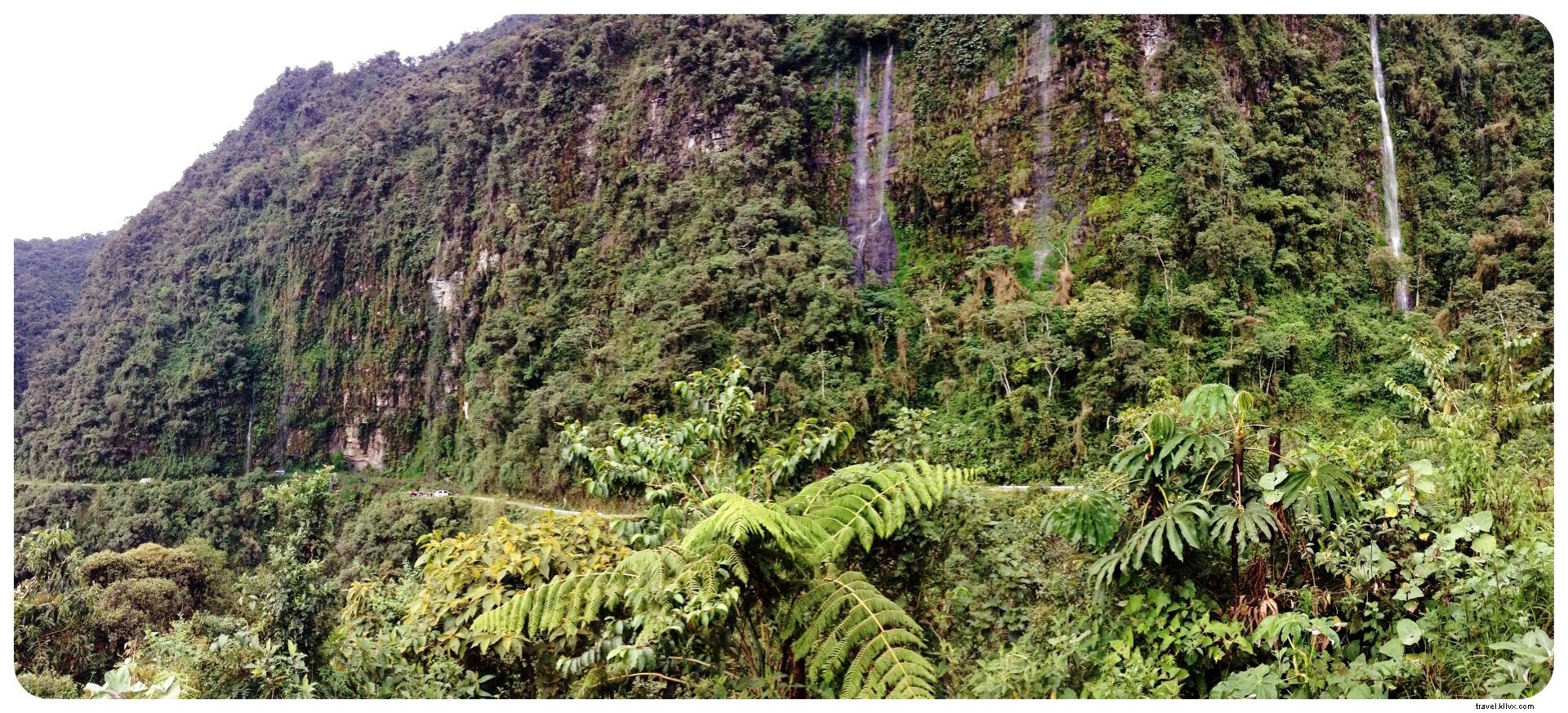
A bike descent along 2,000-foot cliffs
On a cloudy morning, our minivan departed La Paz with a group of adventurers: my companion Jess and me, a German couple, a French couple, a Bolivian couple, a young American solo traveler, and a Brazilian. Equipped for safety, we set off.
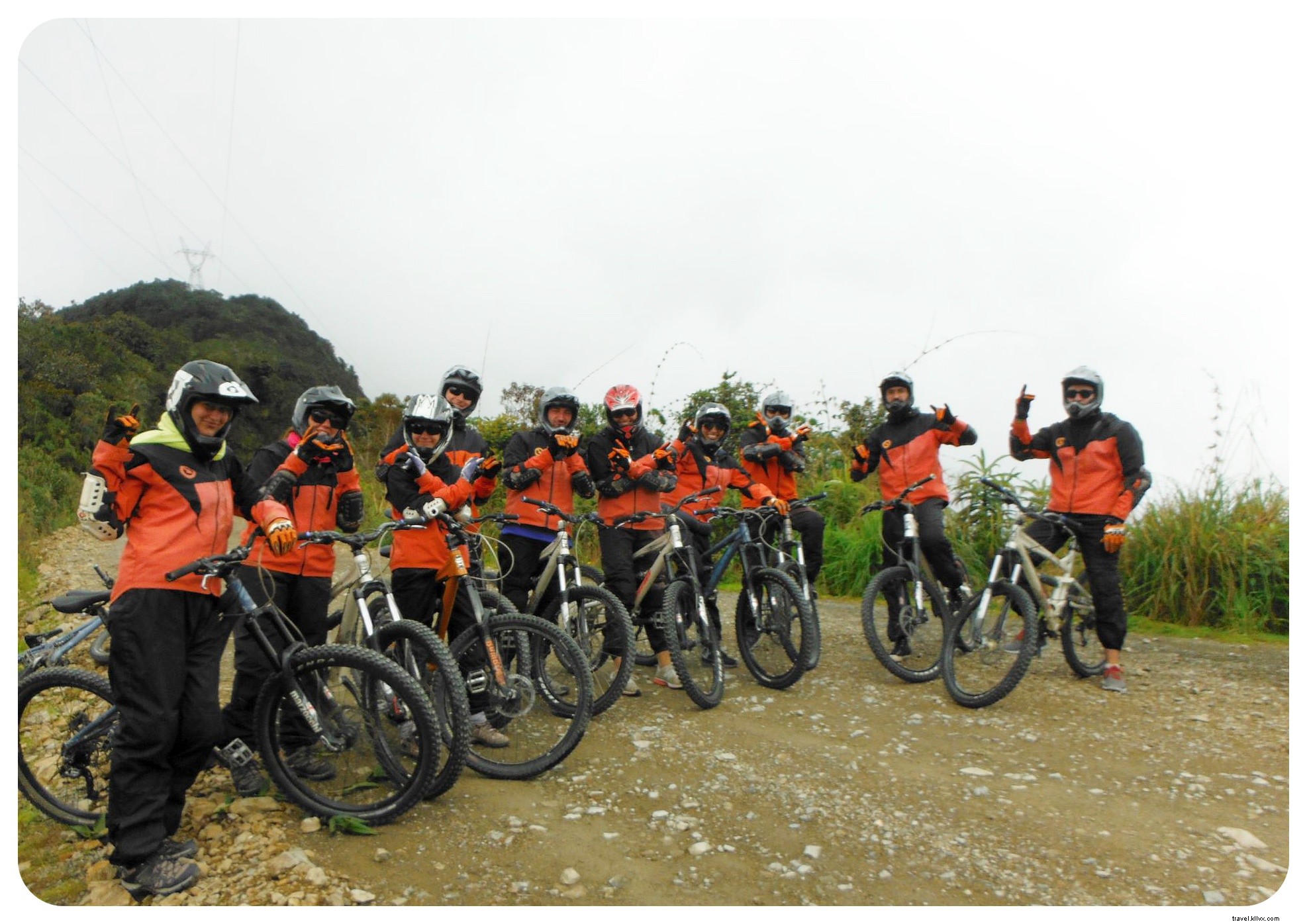
Cycling Bolivia's Death Road
We launched from La Cumbre at 15,320 feet (4,670 m), descending to Coroico at 2,950 feet (900 m)—a dramatic 12,000-foot drop. Guides suggested swimsuits for post-ride pool relaxation, a surreal contrast to the frigid summit.
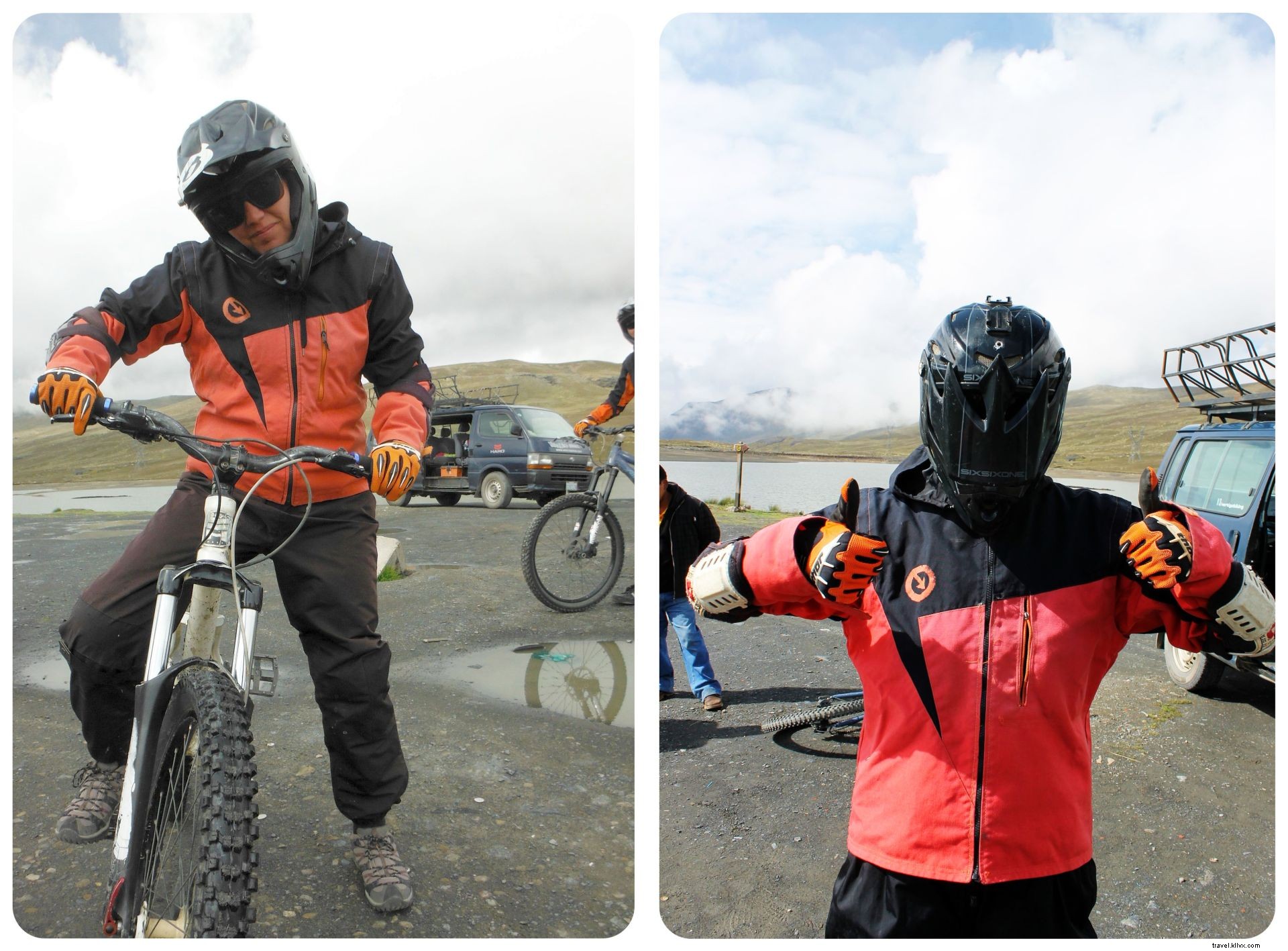
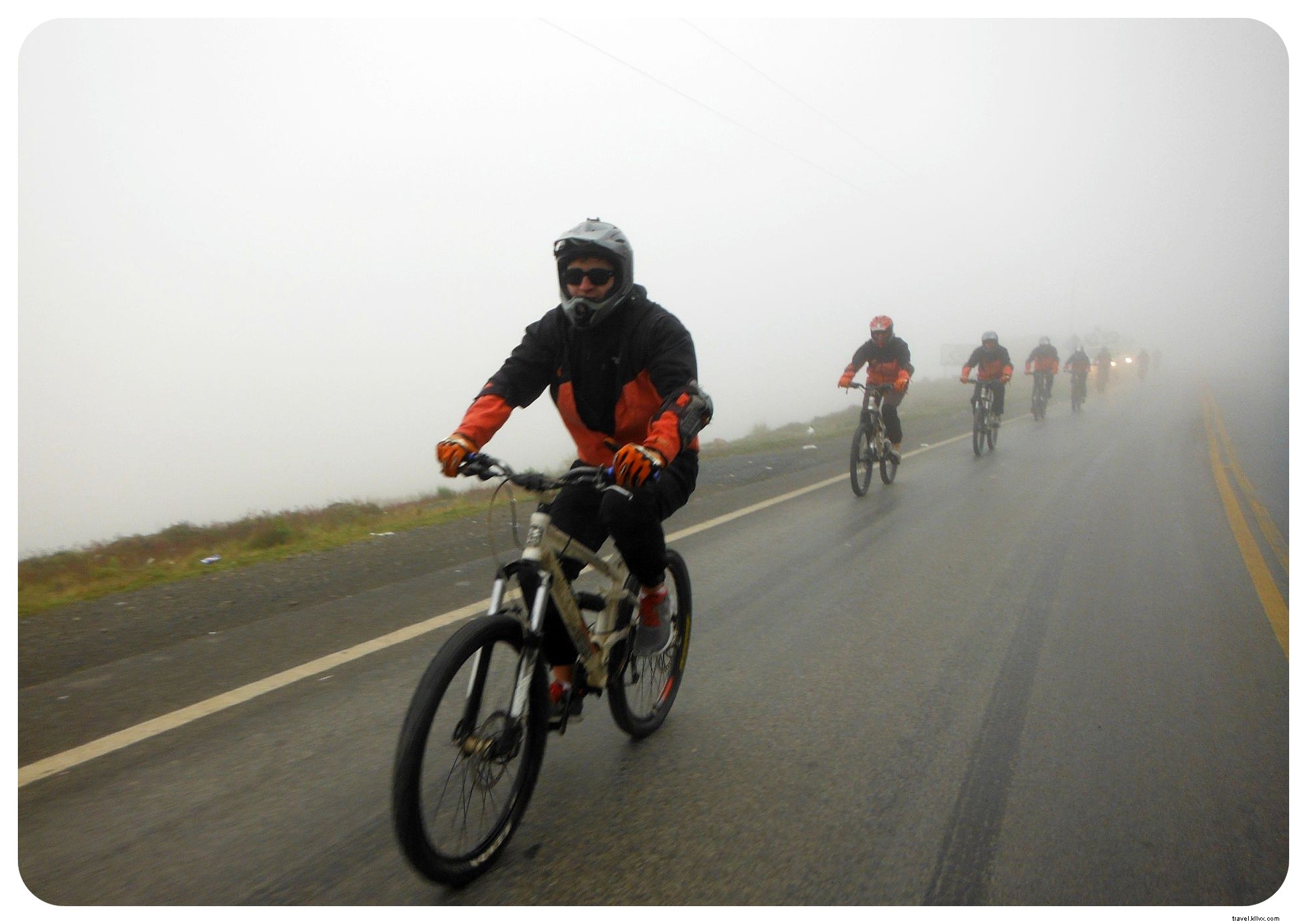 Fitted with padded jackets, pants, gloves, and full-face helmets, we tested reliable mountain bikes and began. The first 20 km followed the new paved road to acclimate, but dense fog obscured visibility. I hoped it would clear for the infamous section.
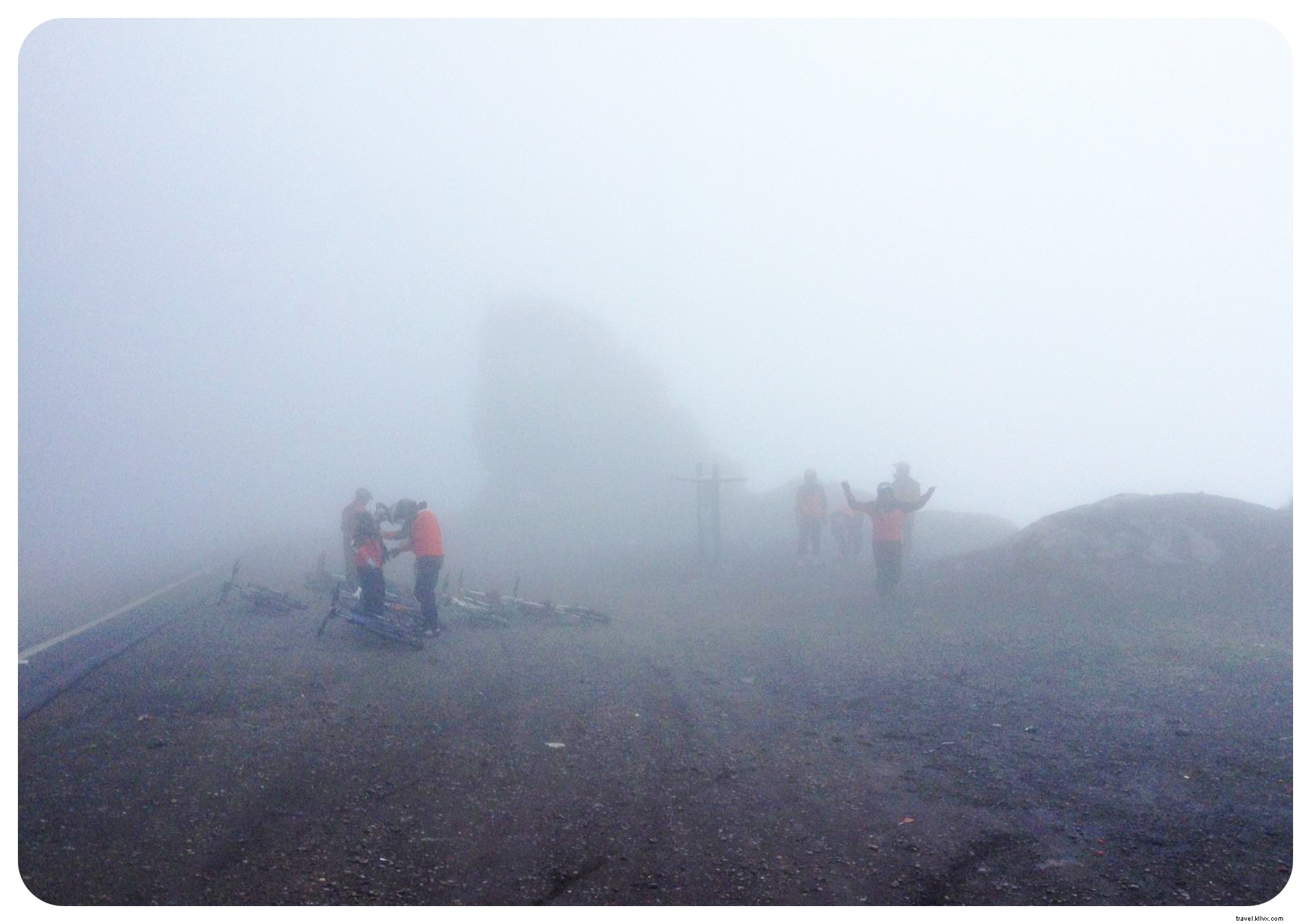
Fog and rain: The first challenge
Descent was brake-heavy, leaving fingers numb from cold. Rain joined the fog, amplifying discomfort. We paused for snacks in a village, vans transporting bikes uphill through downpour before reaching the original road.
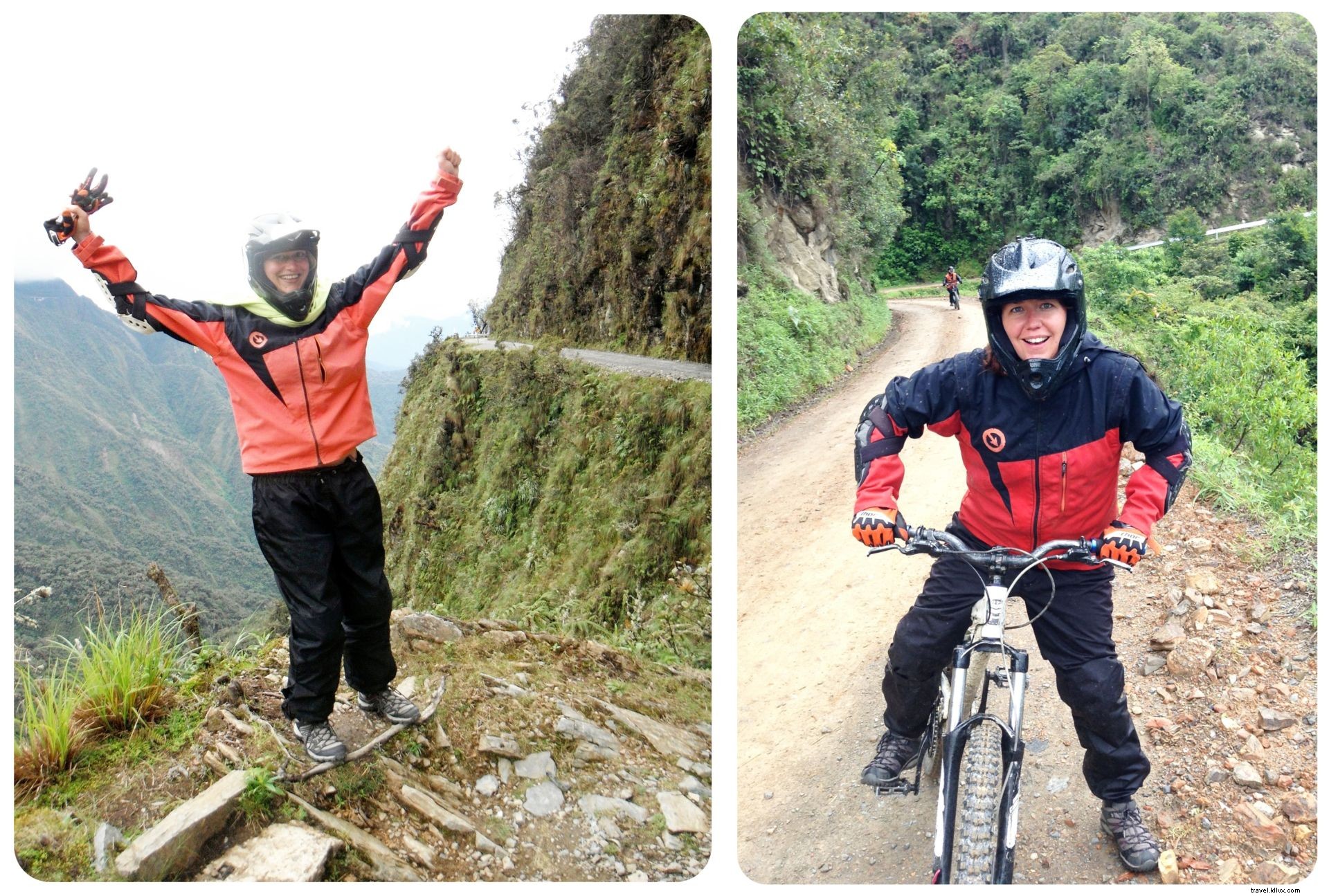
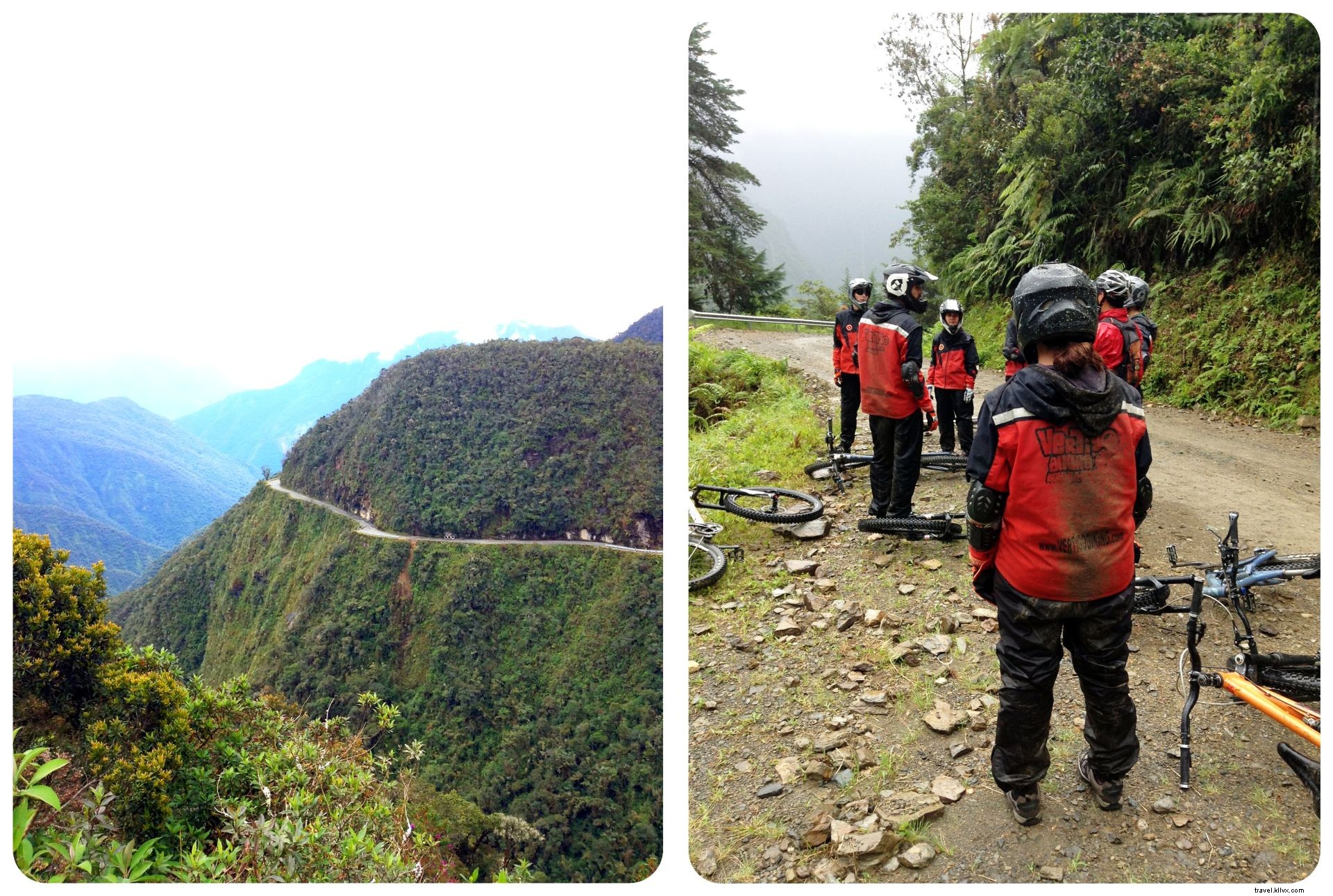
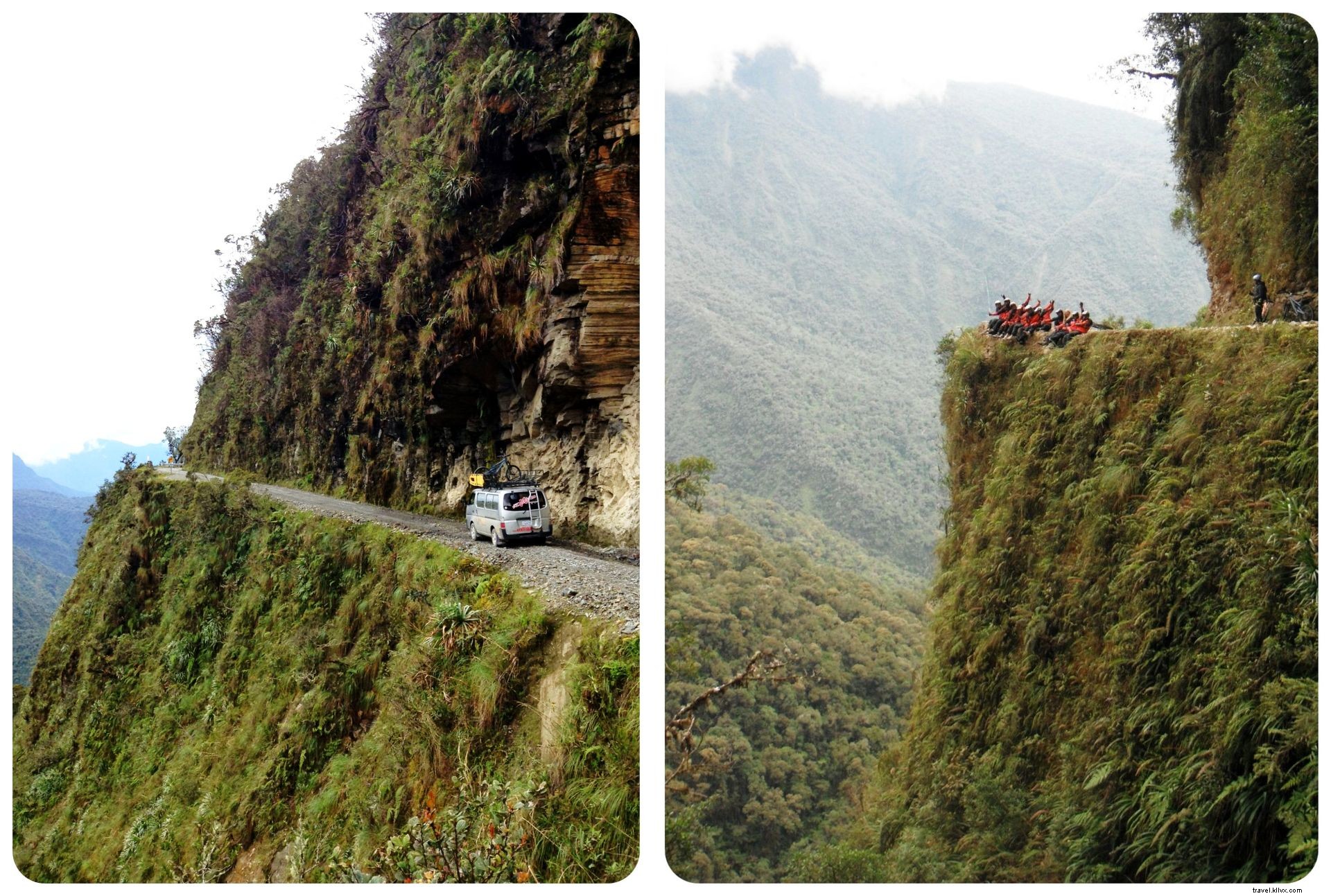
 Fog lifted, revealing the road hugging mountainsides with vertiginous drops. Our guide mandated left-side riding (Bolivia's only left-hand traffic road) for better cliff visibility from the driver's left-side steering.
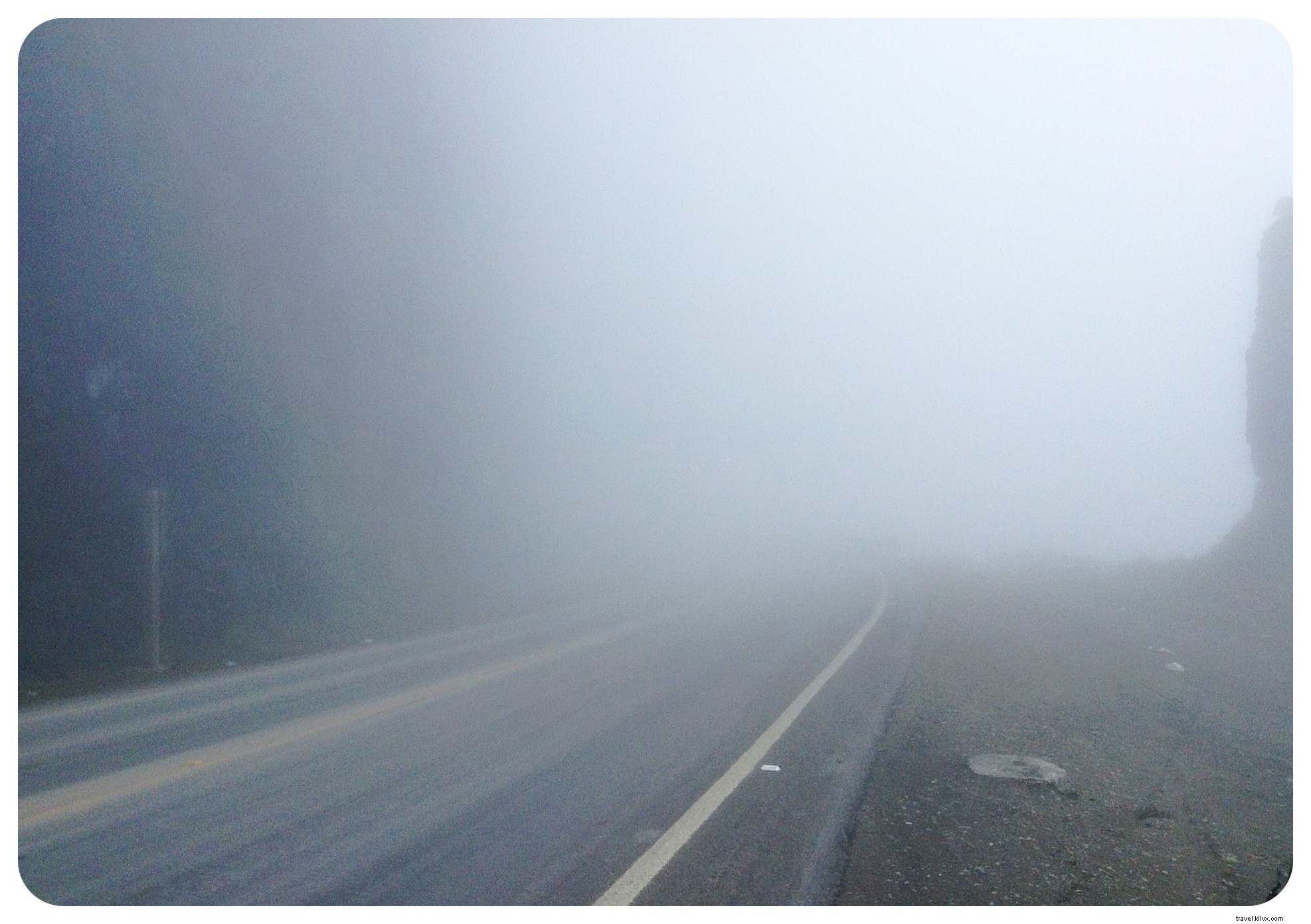
Oncoming traffic: Challenge two
A landslide had diverted trucks and locals back onto the old road. Unaware beforehand, I was uneasy, but our guide emphasized: "This is a tour, not a race—take your time and enjoy the views." Faster groups raced ahead.
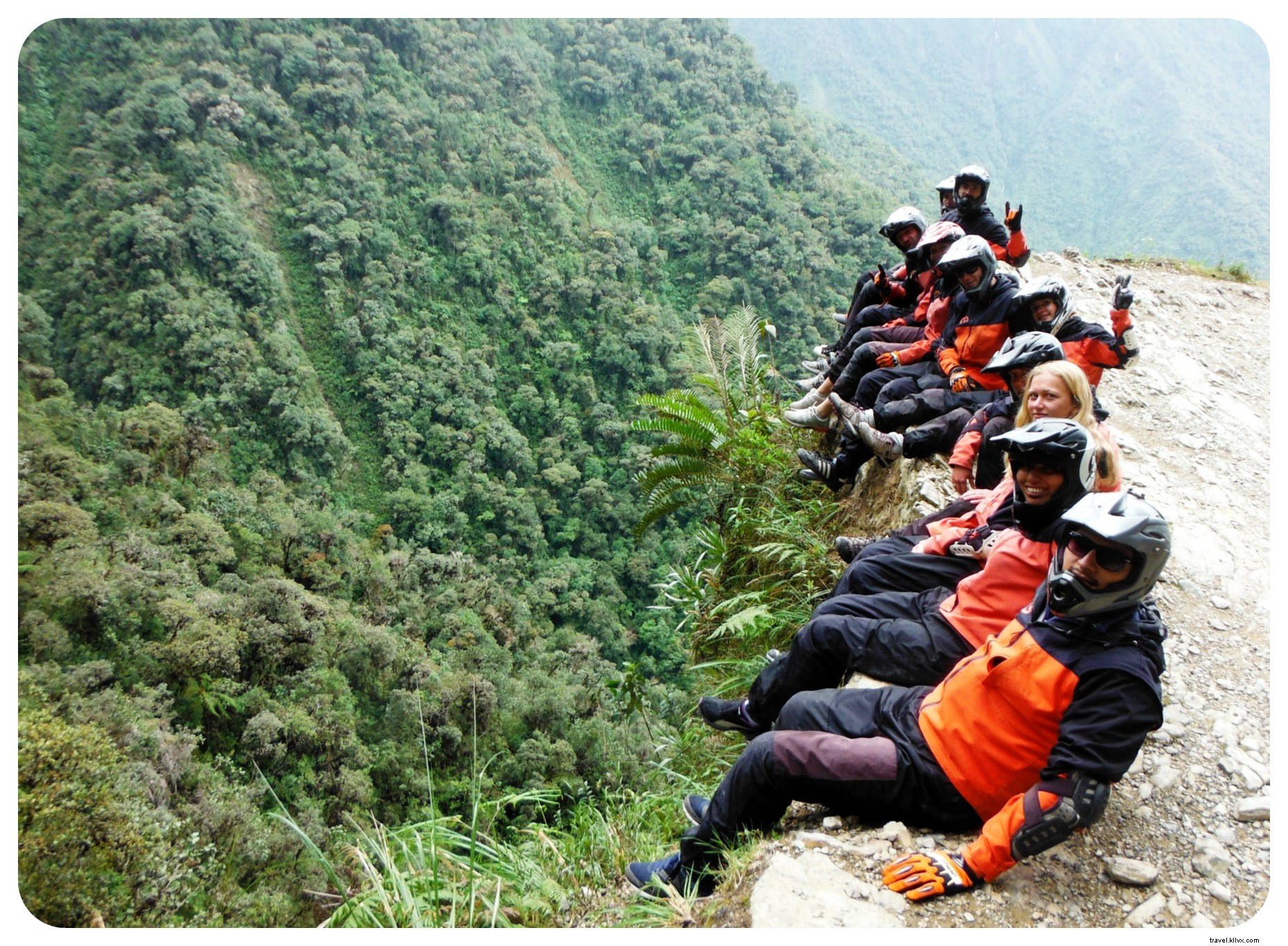
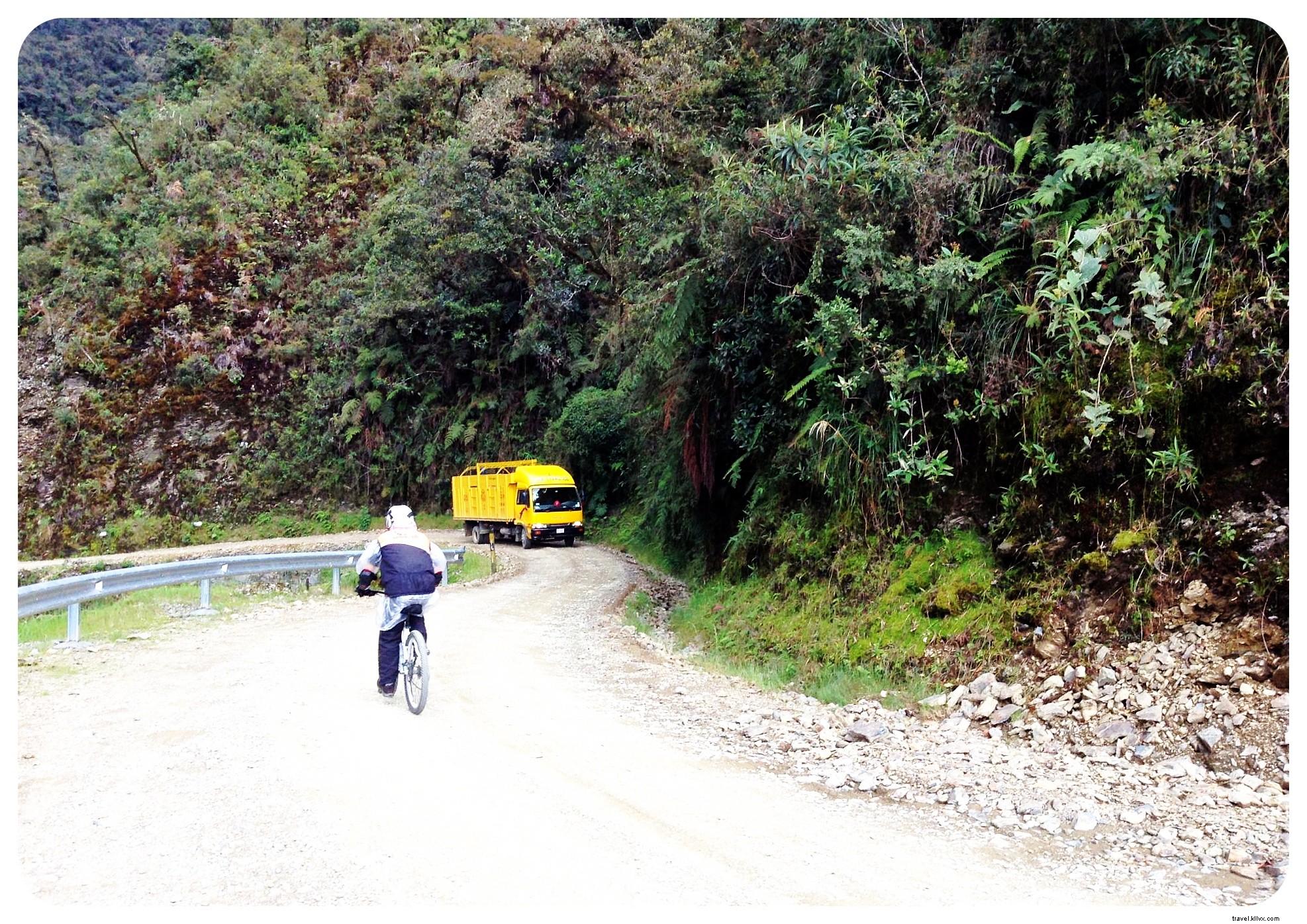 Rain ceased; we rode cautiously. Glimpses leftward spiked adrenaline—bottomless drops. Stops allowed group photos, easing nerves for playful shots.
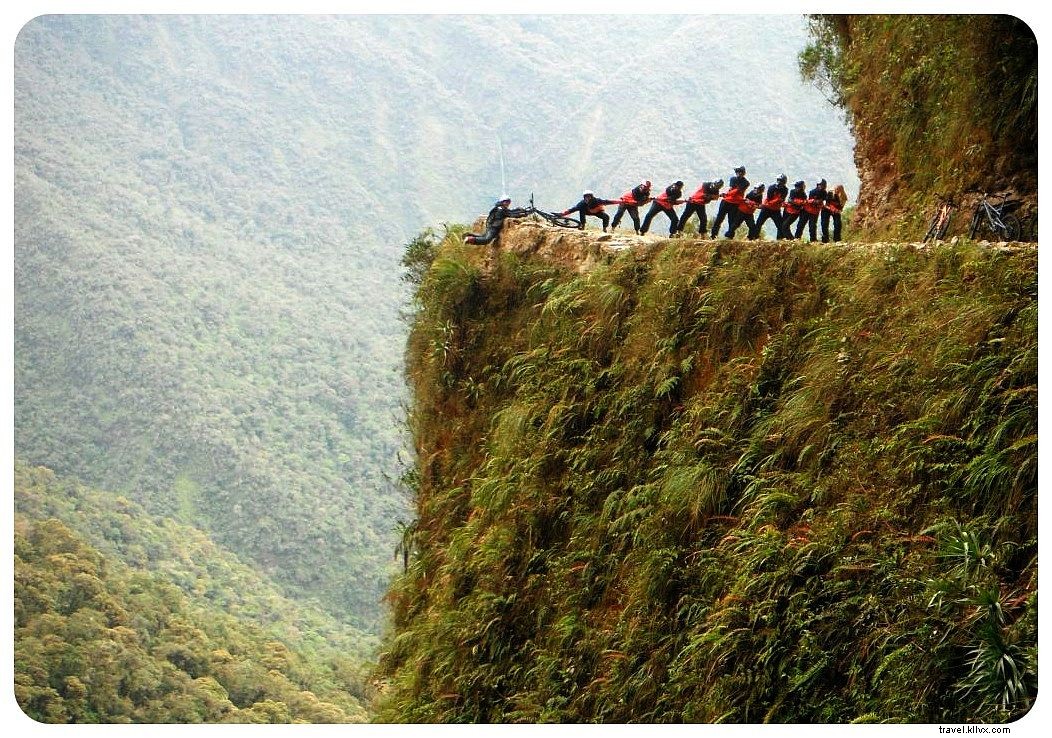
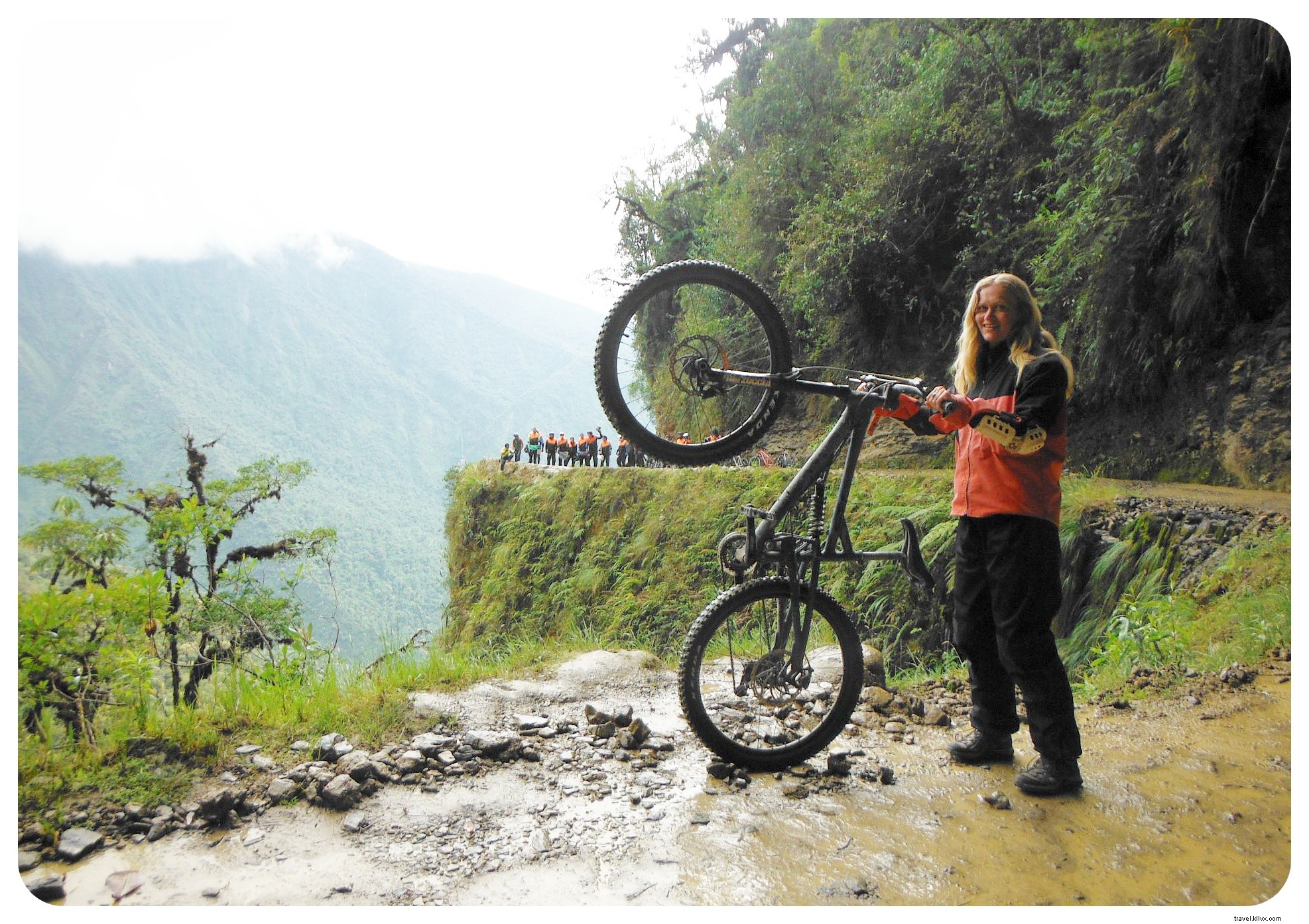
Two close calls
With 100+ cyclists daily, passing was hazardous. Some overtook silently, kicking up rocks. Our group of 10 split: speedsters ahead, us slower riders with rear guide.
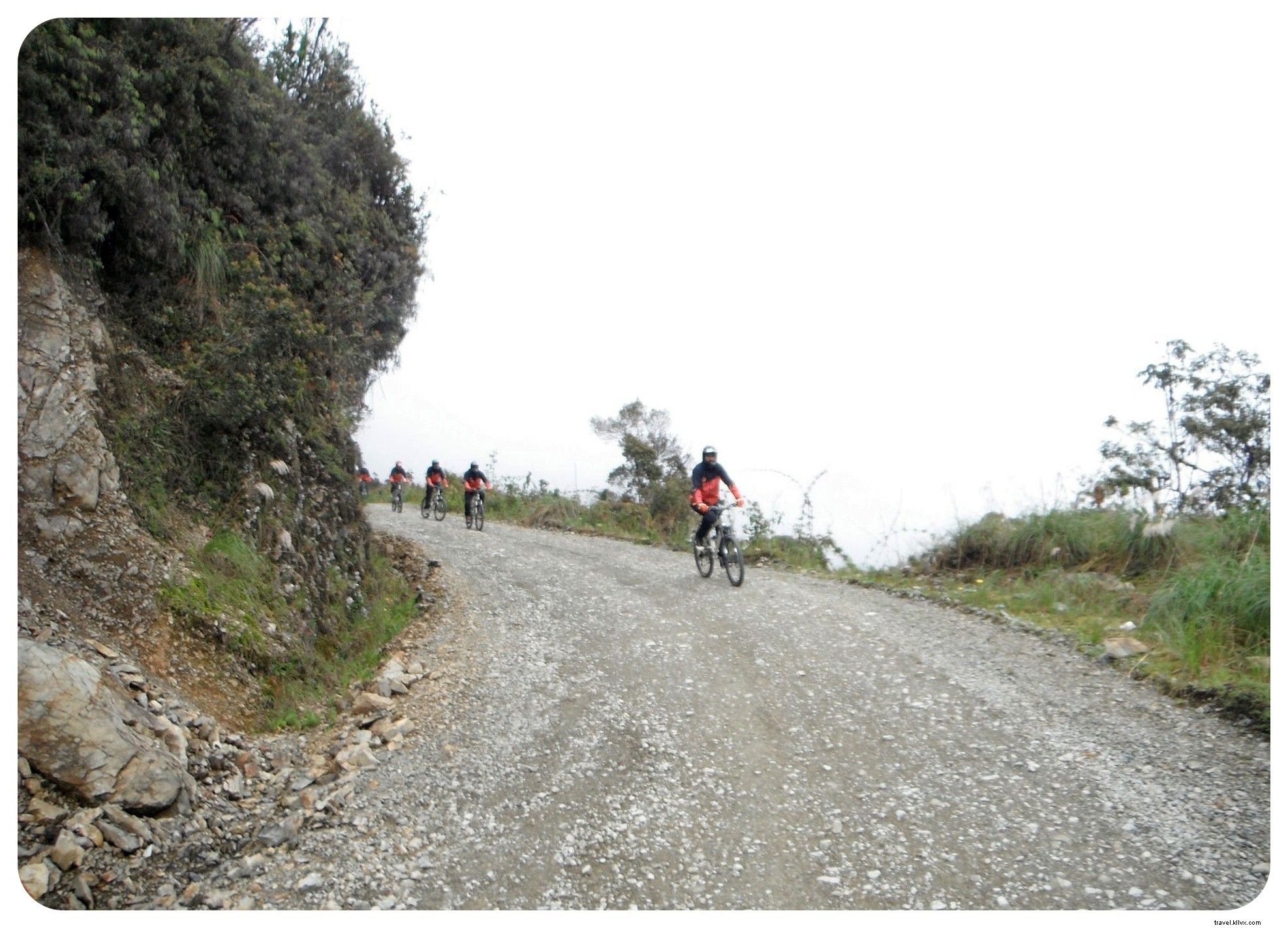
 On a flat stretch requiring pedaling, a sudden honk startled me into a hard brake— I flew over handlebars but recovered safely. Moments later, Jess crashed mildly behind but remounted confidently.
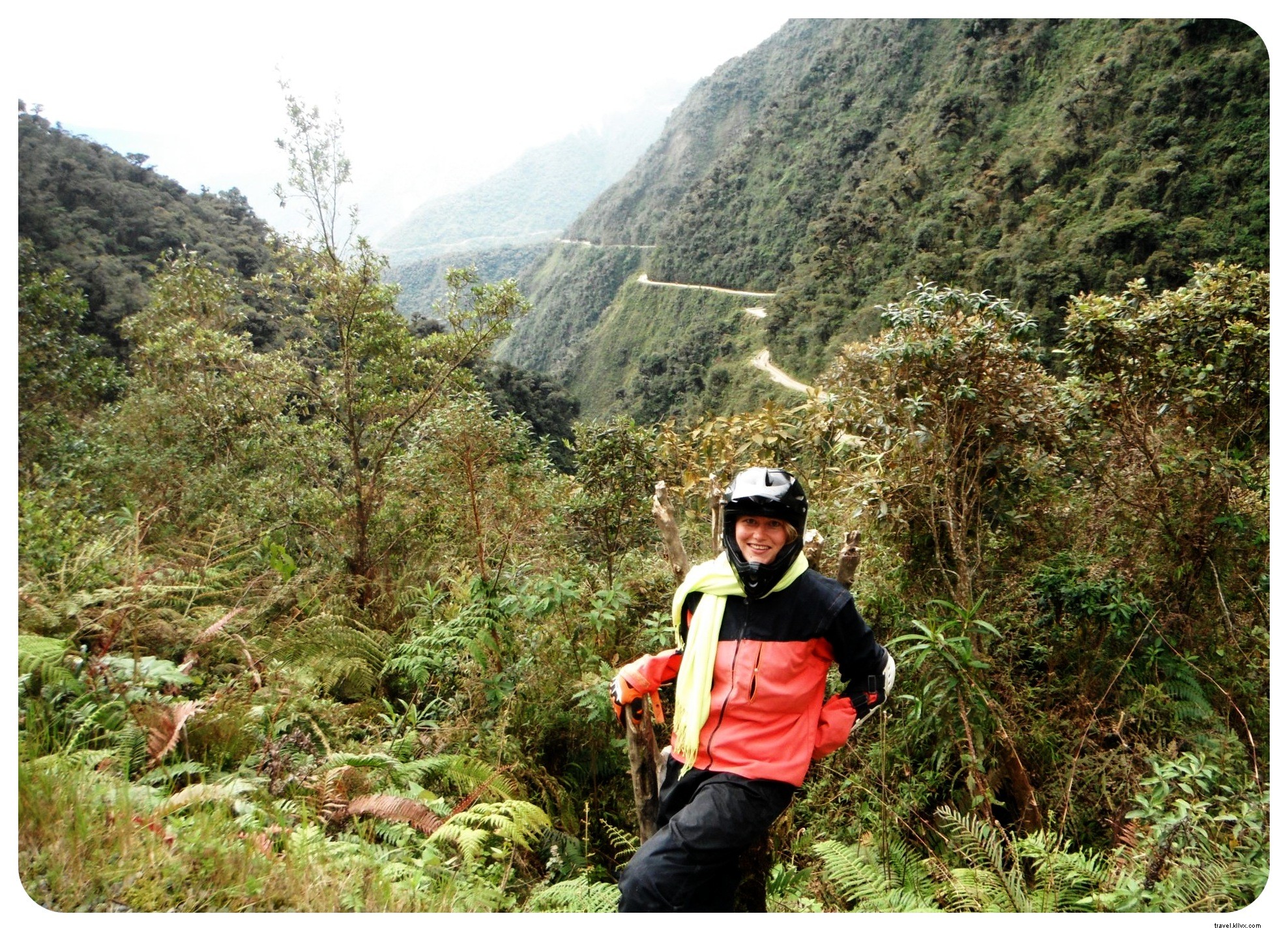
 We reached the main road intact, celebrating survival.
All tours end with a buffet lunch and pool at a valley hotel. Beers flowed late afternoon—our prudent pace extended the 2-3 hour estimate.
The risks persist
The prior day, a cyclist from a speed-focused group (Overdose) fell, surviving with breaks. Since biking tours began, 21 cyclists and 5 guides have died—proving its deadly legacy.
Essential tips for Death Road cyclists
Daily, 100-200 riders succeed, but accidents happen. Select tours with full gear, especially full-face helmets (avoid Gravity's inconsistent provision).
- Ride your pace; announce passes.
- No photos while riding—a top crash cause.
- Check recent TripAdvisor reviews.
Recommended tour: Vertigo Biking
We chose Vertigo Biking—excellent Haro bikes, full-face helmets, and service. At 530 Bolivianos (~US$77), it includes snacks, lunch, T-shirt, and photo CD.
Have you conquered Bolivia's Death Road? Share your story below!
 ***
***