
Parque Nacional Isla Contoy: Pristine Wildlife Sanctuary Near Cancún
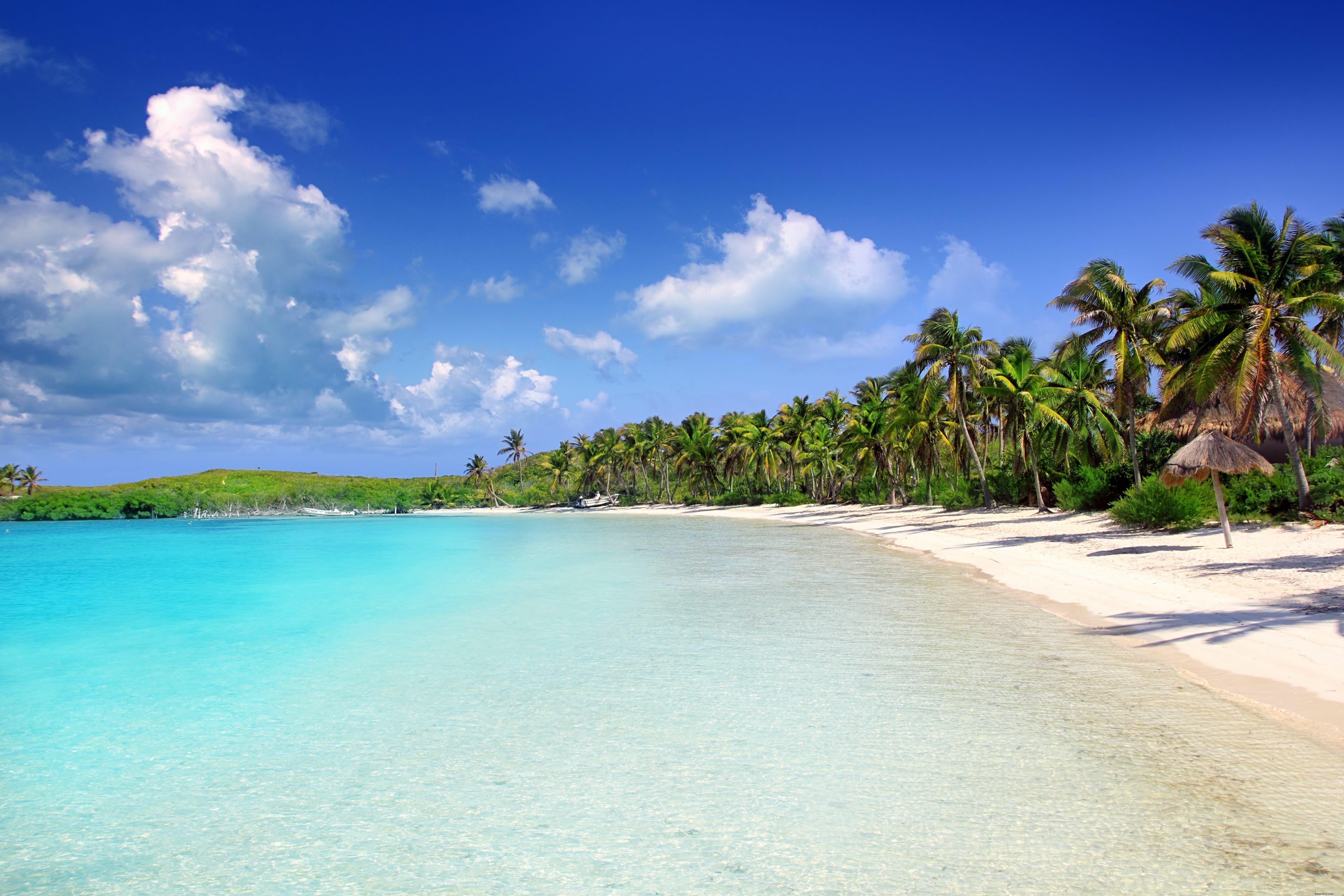
Picture pristine white-sand beaches where manta rays glide gracefully through crystal-clear turquoise waters. No hotels, nightclubs, roads, or cars mar this paradise. Remarkably, it's just 40 km (25 miles) from Cancún. Welcome to Isla Contoy, a slender island and national park serving as a wildlife sanctuary and research site for over 60 years. For discerning visitors, it offers an exclusive day trip to discover rare birds, marine life, and the region's timeless natural splendor.
Location of Isla Contoy
Parque Nacional Isla Contoy sits at the meeting point of the Caribbean Sea and Gulf of Mexico, a short distance north of Cancún’s Isla Blanca. Measuring only 8 km long and 20 m wide at its narrowest, it's a compact haven of biodiversity.
The Meaning Behind Parque Nacional Isla Contoy
Parque Nacional Isla Contoy translates to Contoy Island National Park. The name 'contoy' has Maya roots, with debated origins. Some interpret it as a blend of 'Kom' and 'To’oy,' meaning 'low shelter'—referring to the shallow waters that have sheltered fishers, sailors, and pirates for centuries. Others suggest it's a mispronunciation of 'pontó,' Maya for 'pelican,' a bird abundant on the island.
Exceptional Ecology
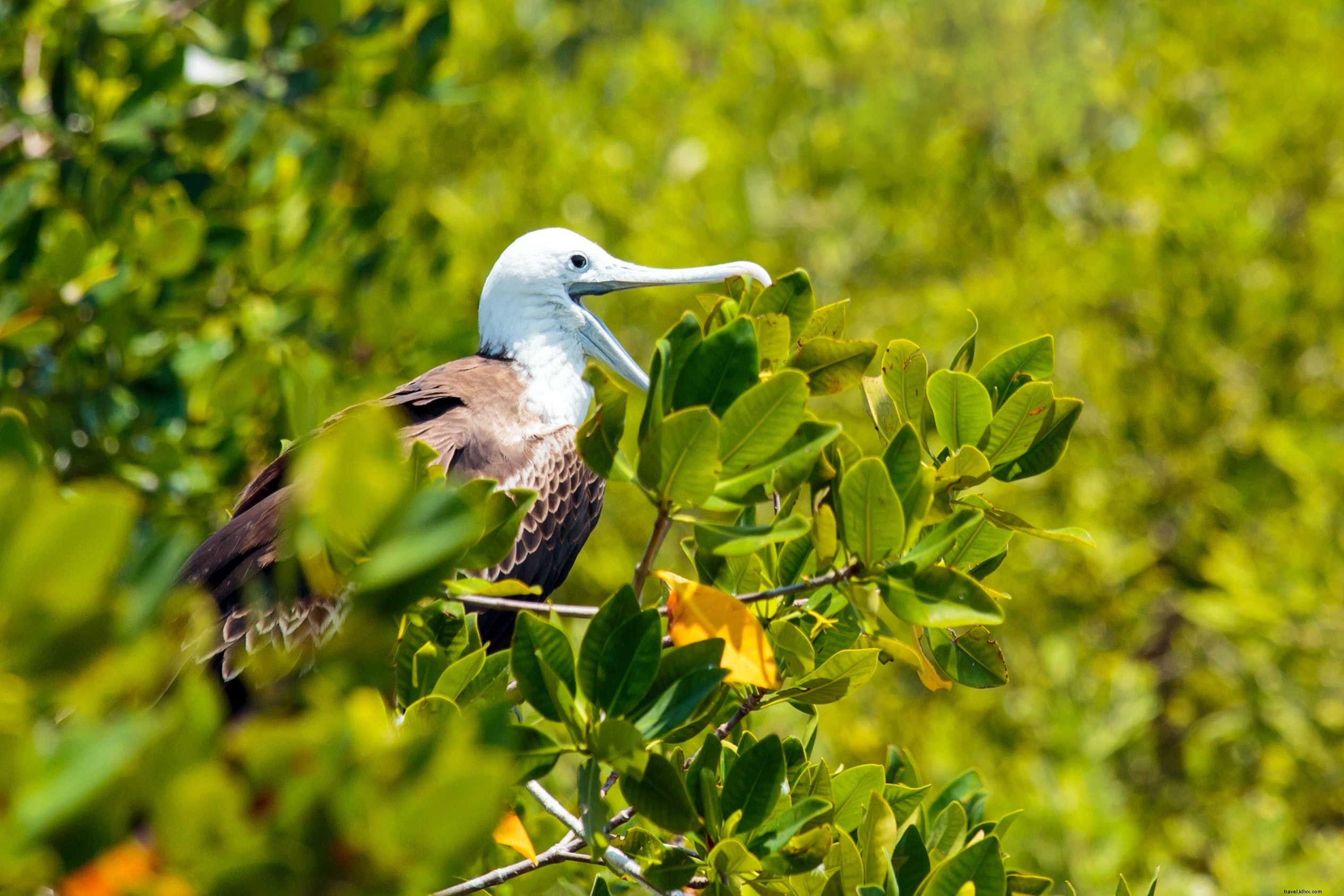
One of the Mexican Caribbean's premier seabird nesting sites, Parque Nacional Isla Contoy boasts dense mangroves and lagoons sheltering over 170 bird species, including brown pelicans, olive cormorants, brown boobies, red flamingos, and white herons. In winter, more than 10,000 birds inhabit this tiny island.
Its turquoise waters form part of the Mesoamerican Barrier Reef, the world's second-longest after Australia's Great Barrier Reef. Home to over 240 tropical fish species, crustaceans, and eight ray species, the park's northern shores are key nesting areas for hawksbill, loggerhead, and white turtles in summer. Whale sharks appear nearby from May to September. Protected from development for over 60 years, its ecology thrives.
History of Isla Contoy
From 300 BC, the Maya visited Isla Contoy for fishing, shell collection, and stingray spines used in rituals, jewelry, and tools. Lacking fresh water, they built no permanent settlements—only a shelling station ruin remains, with carved shells and pottery nearby. Spanish arrival in the 16th century ended Maya use due to diseases, turning it into a rest stop for conquistadors. By the early 1800s, it served local fishers.
In 1892, explorer John L. Stephens noted its extraordinary bird diversity, drawing ornithologists who dubbed it 'Isla de Pájaros' (Island of Birds). Designated a nature reserve in 1961—the first in the Yucatán Peninsula—it became a national park in 1998, covering 230 hectares (640 acres) of land and 49 sq km (19 sq miles) of ocean.
How to Reach Isla Contoy
Access Parque Nacional Isla Contoy exclusively via guided tours from Cancún or Isla Mujeres. Daily visitor limits of 200, allocated to approved operators, ensure preservation of this delicate ecosystem.
Tour Excursions
Cancún operators offer similar full-day trips: early boat from Cancún with an Isla Mujeres stop, snorkeling at Ixlache Reef en route, then 3-4 hours on Isla Contoy for self-guided or bilingual-led trails, a 27 m (88 ft) observation tower, beach relaxation, and a habitat museum. Includes continental breakfast, buffet lunch, and open bar. Prices: ~US$100 adults, US$80 kids; add hotel pickup. Recommended: Asterix Tours for reliable service.
Dining and Accommodations
No hotels, restaurants, or camping on Isla Contoy—it's uninhabited except for rangers and biologists. Tours provide all meals and drinks.
Admission Fees and Practical Tips
Entry: US$15/person (docking and reef tax), paid on arrival in cash (exact change preferred). Not always included in tour prices.
What to Know and Bring
- Only biodegradable sunscreen permitted to safeguard reefs and marine life; otherwise, use rash guards and hats.
- Pack binoculars for prime birdwatching.
- Comfortable shoes and mosquito repellent for easy trails.
- Bathing suit and towel essential.
- Snorkel gear provided by tours.