
Understanding Typhoons: Formation, Impact, and Global Significance
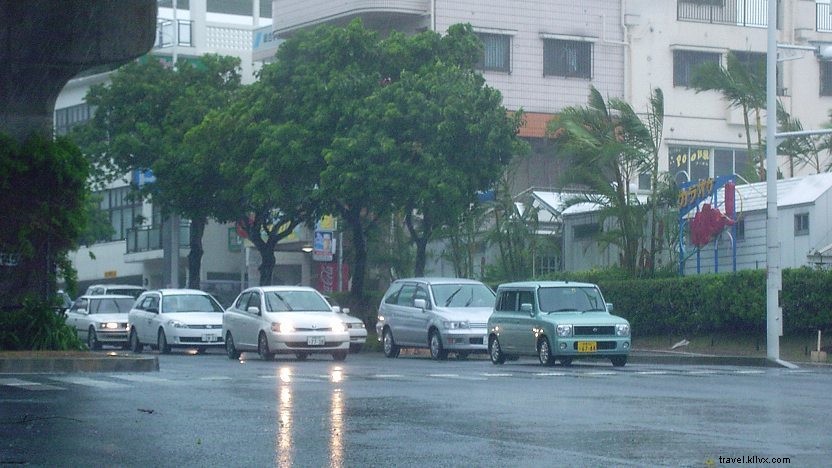
A typhoon (�䕗, taifū) is a large low pressure system, originating over the Northwest Pacific Ocean. It is accompanied by strong winds of up to around 200 km/h, a rise of the sea level and torrential rainfalls. Over the Atlantic Ocean, typhoons are known as hurricanes.
About 30 typhoons form each year over the Northwest Pacific Ocean, of which an average of about seven or eight pass over Okinawa Prefecture, and about three hit the Japanese main islands, especially Kyushu and Shikoku. But any region of Japan, including Tokyo, Osaka and Hokkaido can be visited by typhoons.
Most typhoons hit Japan between May and October with August and September being the peak season. Typhoons later in the season tend to be stronger than typhoons earlier in the season. In Japan, typhoons are numbered rather than being given a personal name. For example, the twelfth typhoon of the year is known as "typhoon number 12".
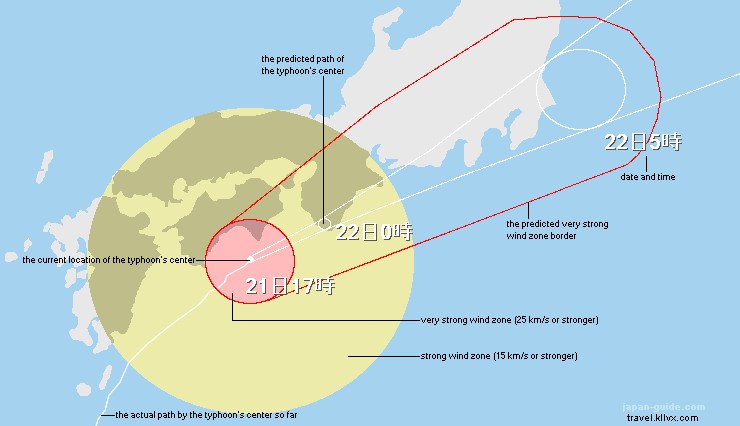
A typhoon moves at a relatively slow pace (around 20 km/h), and its path can be predicted quite accurately. Japanese media provides detailed typhoon coverage, informing the public about the predicted path, weather warnings and impact on transportation.
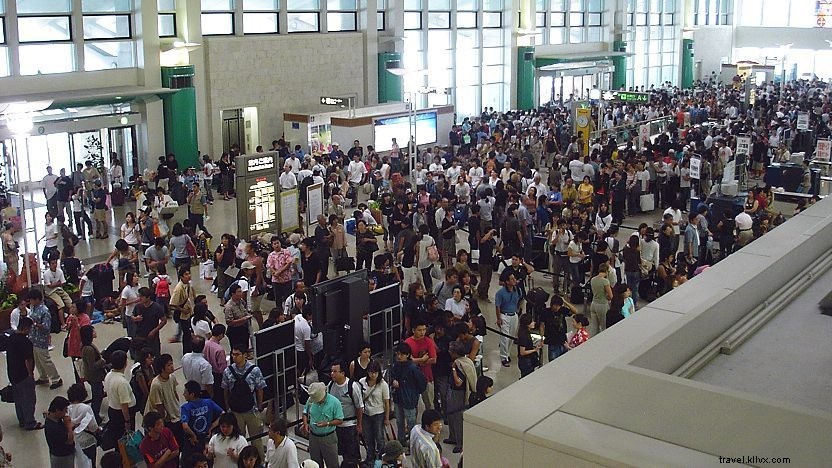
Strong typhoons often bring the region's transportation system to a standstill, with airplanes and trains being stopped and expressways being closed. Yet, transport and accommodation operators are usually cooperative in rescheduling or canceling typhoon-affected reservations at no cost.
In the past, catastrophic typhoons have sometimes caused hundreds of casualties, such as the Isewan Typhoon in 1959, which cost the lives of more than 5000 people. In recent decades, the number of people killed by typhoons has been much lower. The biggest dangers posed by typhoons are landslides and the sudden rise of water levels along rivers due to torrential rainfalls and along the coast due to storm surges, especially when the typhoon coincides with high tide.