
8 Low-Impact, Eco-Friendly Activities in the Dominican Republic
In today's world, responsible travel is more important than ever. Traveling allows us to gain invaluable experiences, learn from diverse cultures, and appreciate nature's wonders. This guide shares my top eight low-impact activities in the Dominican Republic, chosen for their minimal ecological footprint and authentic connection to the island's beauty.
The Dominican Republic is a safe destination for independent exploration. Venture beyond all-inclusive resorts to uncover its true charm—don't limit yourself to hotel excursions.
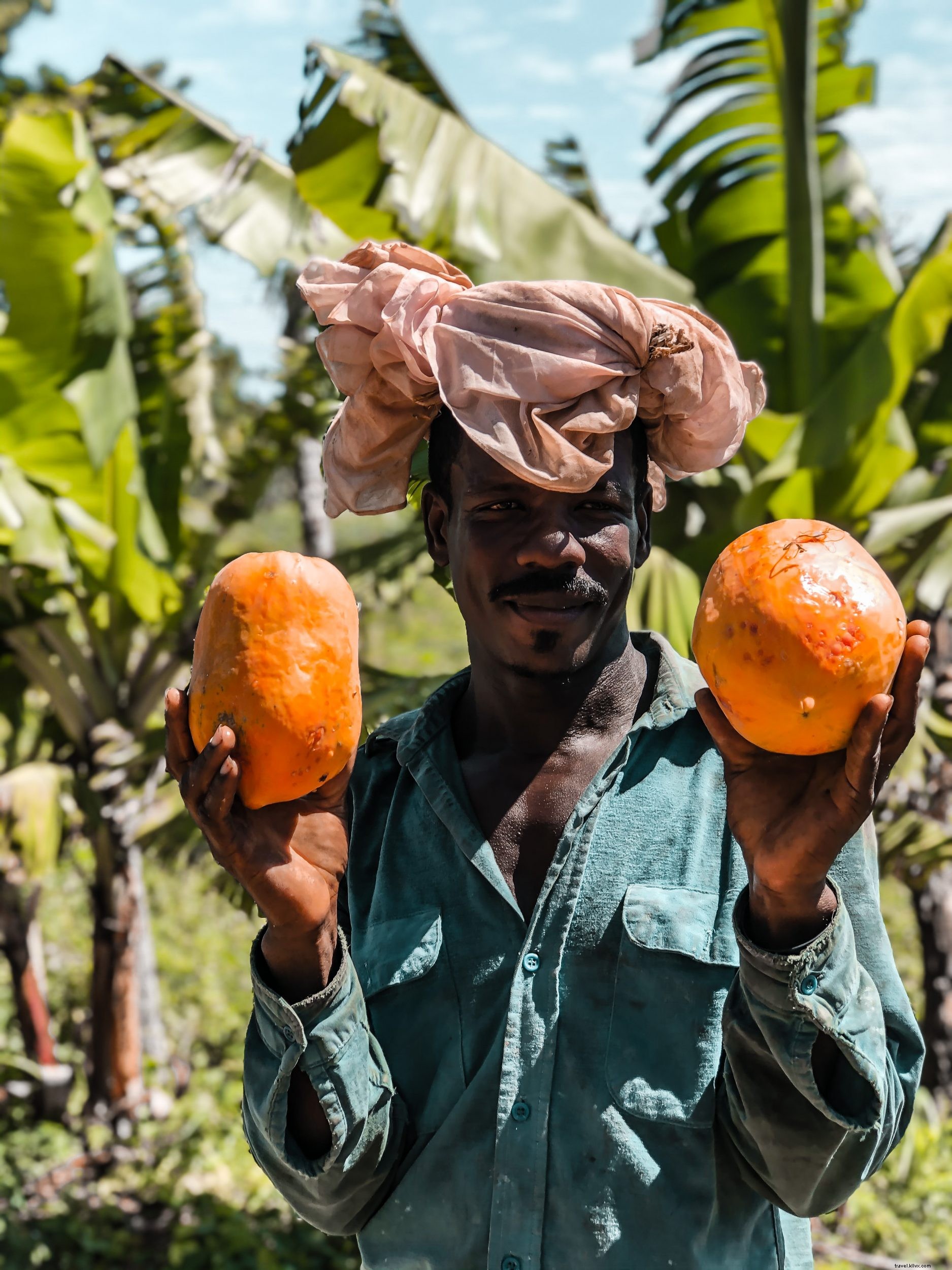
While distances can be long without a passenger railway, options include rental cars, buses, or cycling for the adventurous (prepare for hilly terrain). Stop at vibrant roadside stands for fresh, local produce.
Here are eight eco-friendly activities with practical tips:
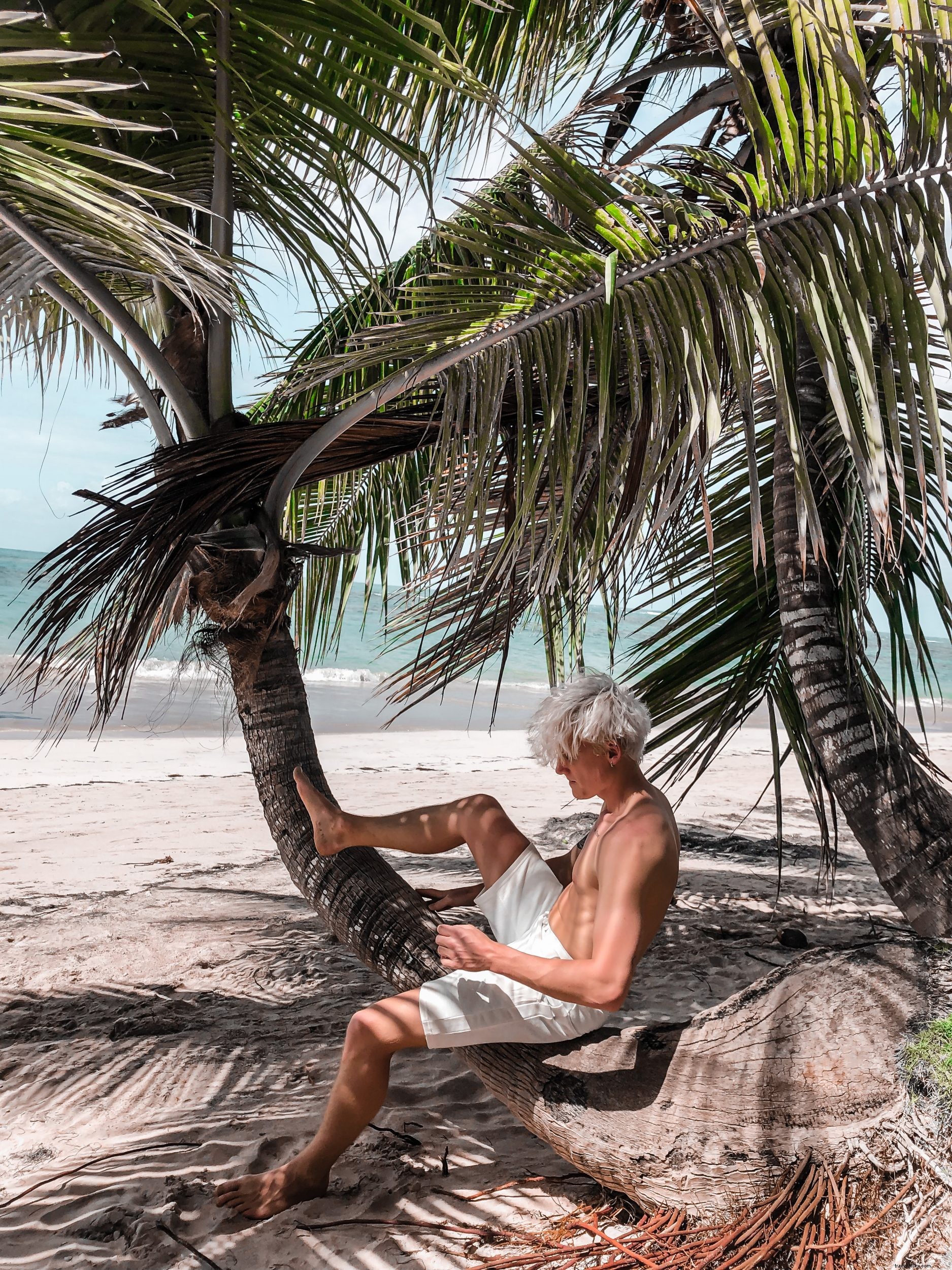
- Watching sunsets from the beach
- Bird watching
- Scuba diving
- Snorkeling
- Whale watching
- Mountain cable car
- Surfing
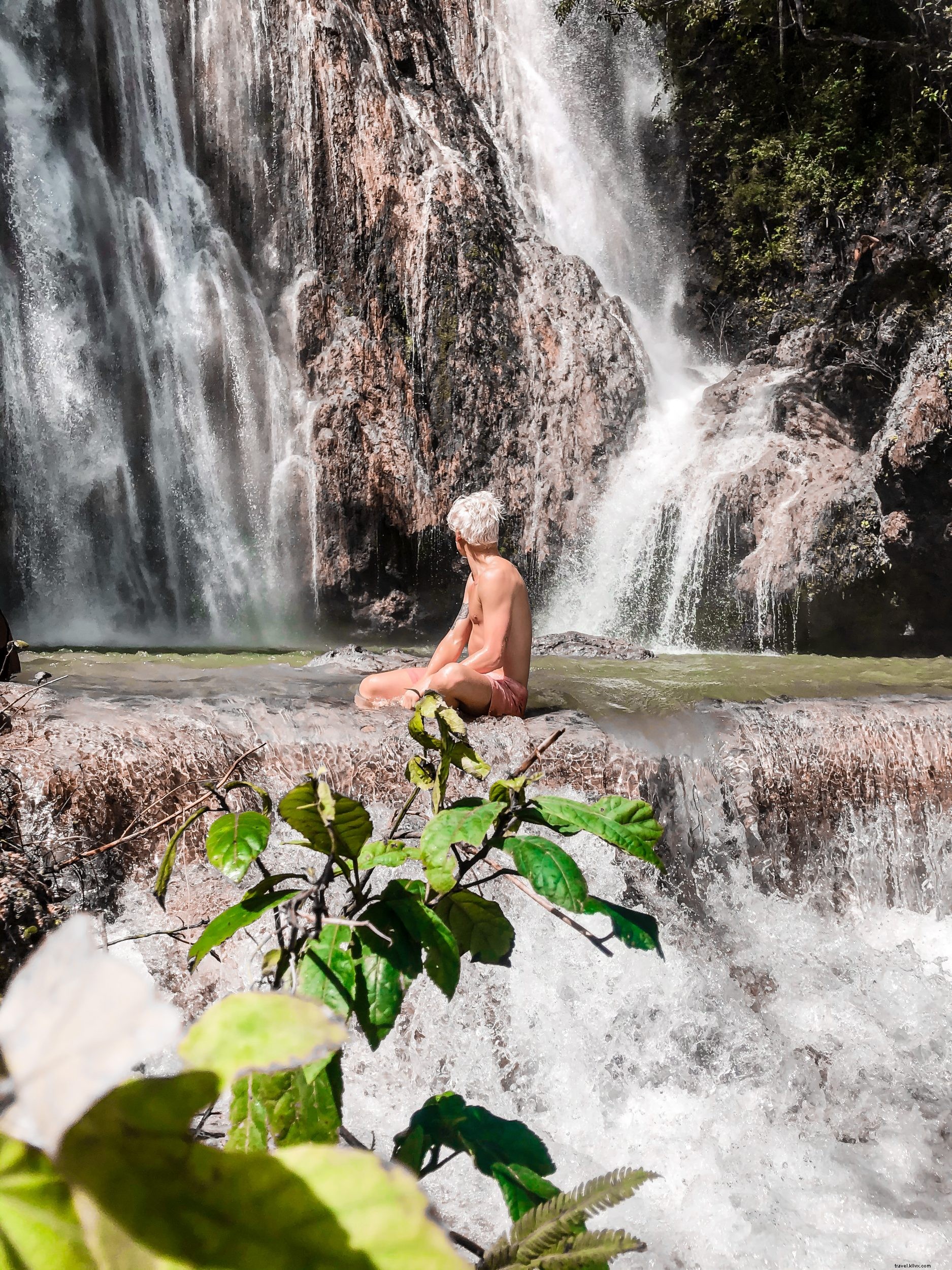
- Waterfalls
Watching Sunsets from the Beach
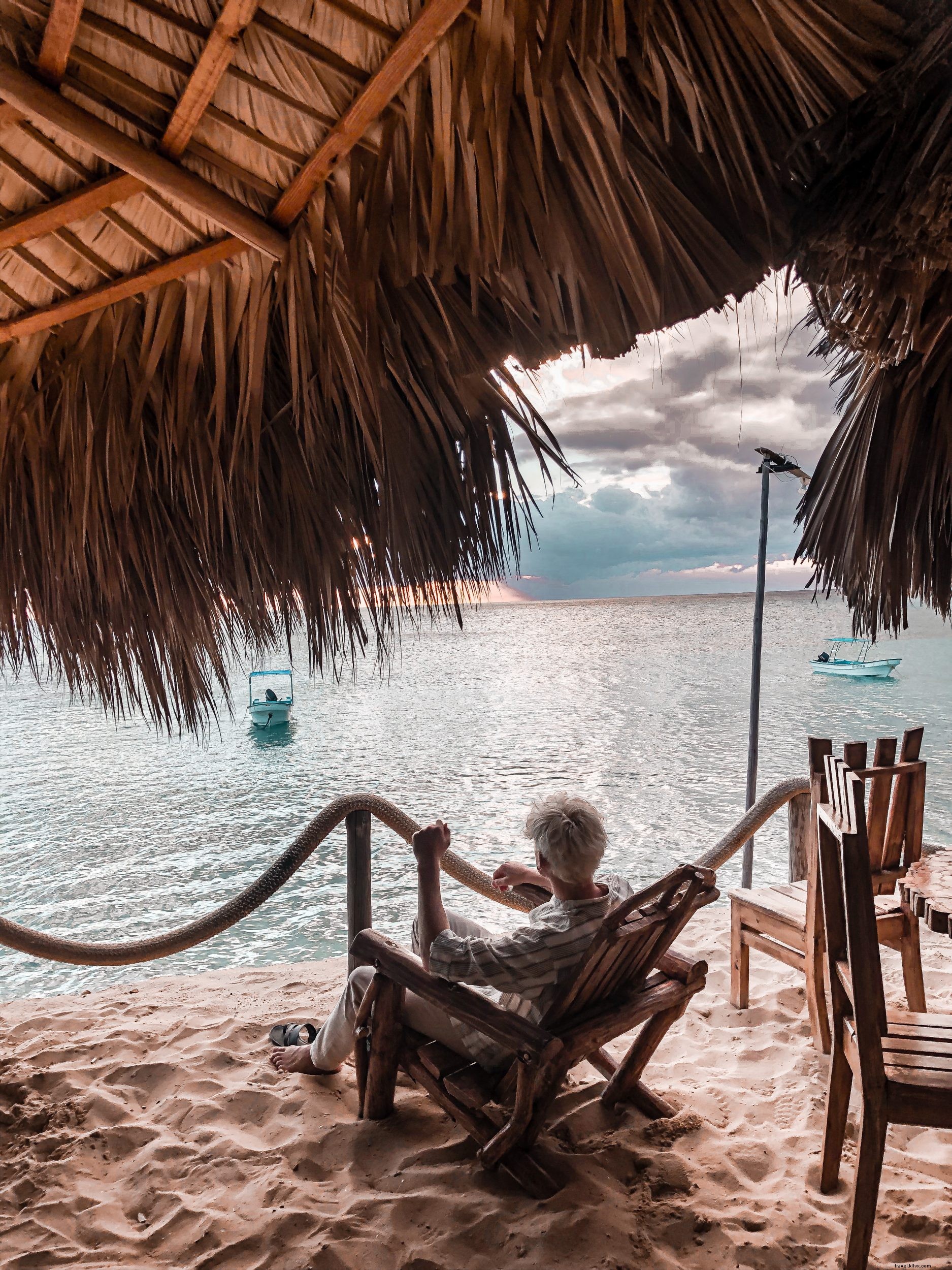
Each beach offers a unique sunset vibe, with Caribbean sunsets ranking among the world's most stunning.
Bahía de las Águilas (Eagle's Bay), an 8km stretch in Jaragua National Park near Pedernales (20 minutes from Haiti), is a top spot. Dominicans call it their most beautiful beach. Drive there easily and stay overnight at Rancho Típico Cueva de las Águilas for glamping with sea views, fresh seafood, and luxury tents.
Bird Watching
Spot over 300 species, including 32 endemics like the Hispaniolan Trogon, Broad-billed Tody, and rare Bicknell's Thrush.
Prime areas: Independence, Bahoruco, Barahona, Pedernales. Sierra de Bahoruco National Park boasts rich diversity. In Jaragua, visit Lago de Oviedo for flamingos along the "Flamingo Trail" (Paseo de los Flamencos).
Scuba Diving
Explore vibrant reefs, caves, shipwrecks, and marine life. As an experienced diver (from Oceania to Europe), I recommend the Dominican Republic's underwater treasures.
Beginners: Punta Cana. Experts: The Aquarium (Catalina Island), Airport Wall (Puerto Plata), Playa Blanca (Punta Cana), Peñón Reef (Saona Island), Enriquillo Wreck.
Requirements: PADI certification; never dive alone—buddy up or join guided tours in unfamiliar areas.
Snorkeling
No license needed—just mask, snorkel, fins, and curiosity. Every beach offers new discoveries, making it endlessly repeatable.
Whale Watching
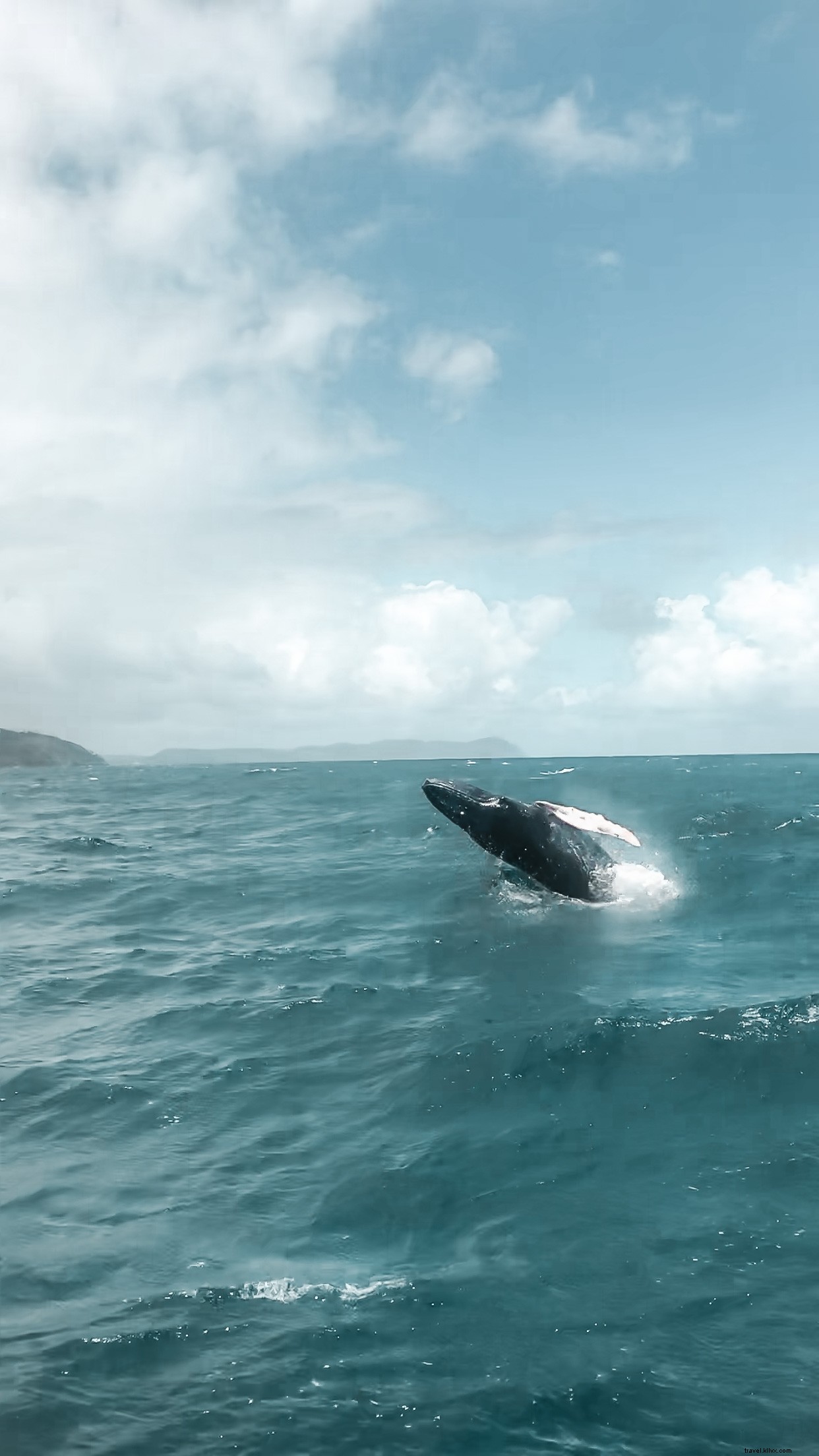
A highlight: Spot humpback whales (January 15–March 31). I saw a mother-calf pair despite showers.
Low-impact: Regulated by the Ministry of Environment; fees fund research. Official boats only to prevent overcrowding.
Recognize humpbacks by long fins, knobbly heads (hair follicles for sensing). Book via Whale Samaná for sustainable practices.
Mountain Cable Car
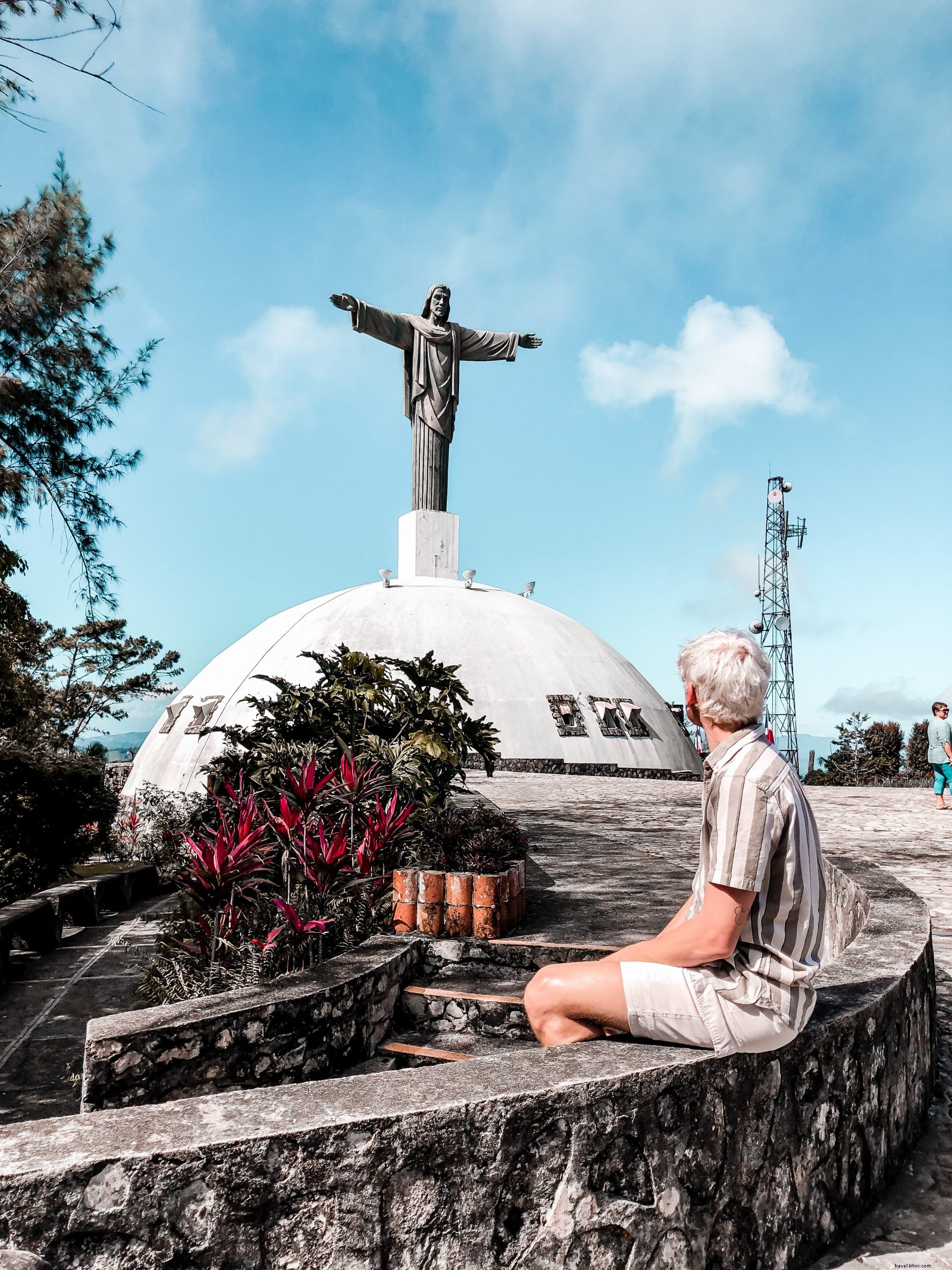
In Puerto Plata, ride the teleférico to 800m (2,625 ft) in Isabel de Torres National Park. See Christ the Redeemer replica and 600+ plant species in botanical gardens.
Surfing
Caribbean calm suits beginners, but north coast spots like Cabarete (Atlantic side), Encuentro, Puerto Plata, and Playa Preciosa offer bigger waves.
Waterfalls
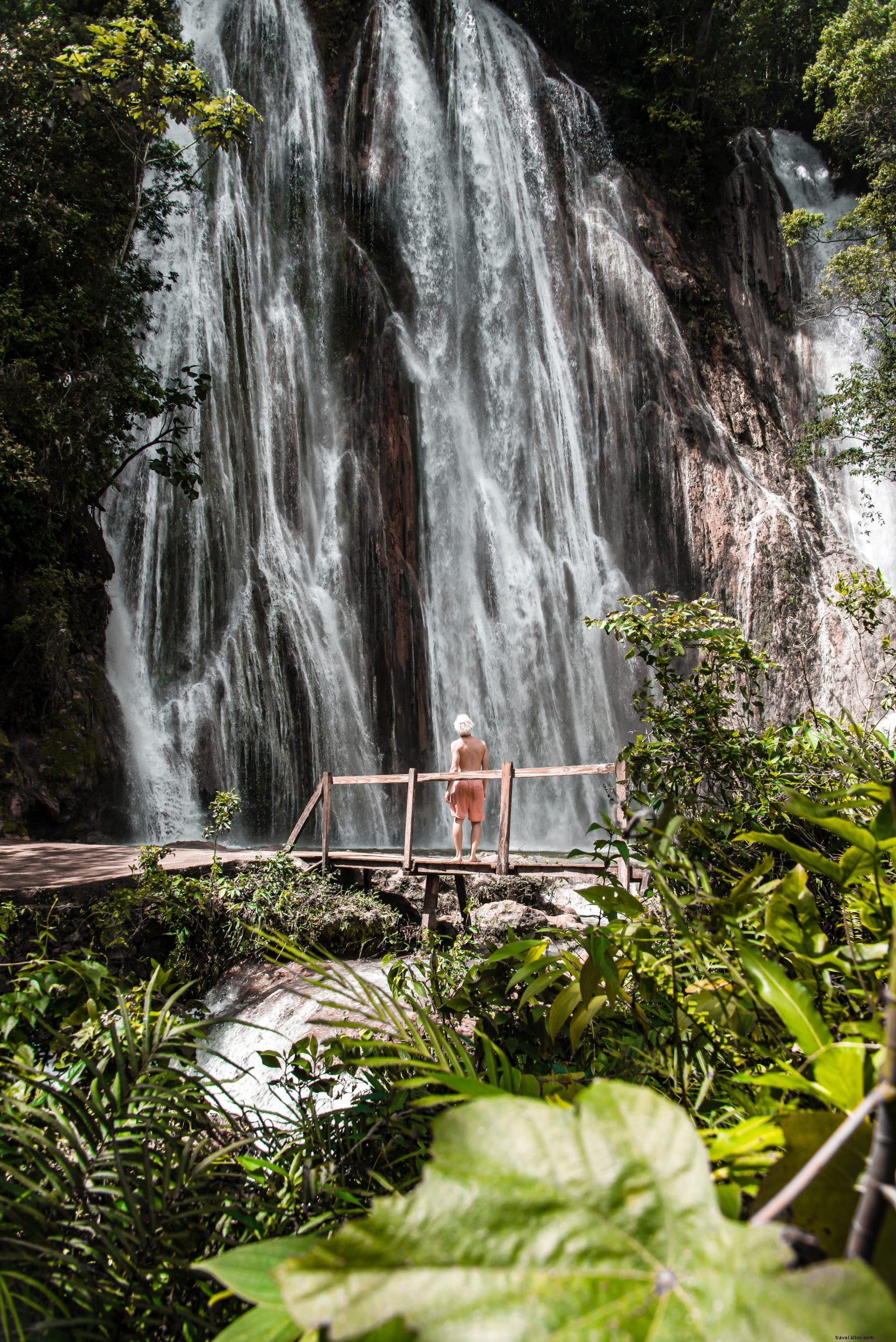
El Limón (Samana, near Las Terrenas) is breathtaking at 50m amid lush greenery. Swim in the emerald pool.
Access: 40-min hike, crossing rivers—wear sturdy, waterproof shoes. Skip horses; walk to minimize impact.
These favorites promote sustainable discovery. Explore responsibly—one planet, travel lightly. Happy adventures!