Ultimate Beginner's Guide to Brazil: Beaches, Rainforests, Culture & Essential Tips
Discover the magic of cinematic landscapes, vibrant kaleidoscopic culture, extraordinary biodiversity, and an infectious rhythm of carefree living. Welcome to Brazil!
The world's fifth-largest country dominates South America, stretching from the Amazon Basin—the planet's largest tropical rainforest—to the pampas of southern Rio Grande do Sul, with 7,500 km of sun-kissed beaches in between.
Brazil's iconic postcard-perfect shores are legendary, but this Latin powerhouse offers much more: lush jungles, colonial villages, unparalleled wildlife, world-class dining, pulsating nightlife, stunning waterfalls, canyons, mountains, and dunes.
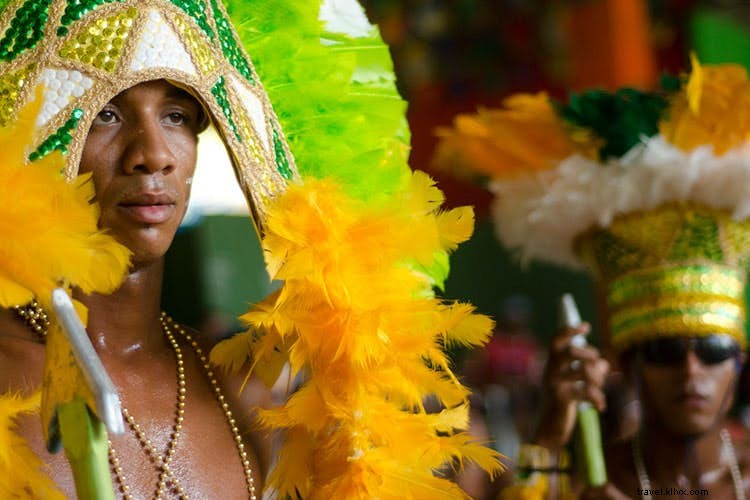
Brazil's Portuguese language and cultural diversity stem from Portuguese explorers who arrived in the 1500s, encountering 2-4 million indigenous people. Subsequent waves of African, European, and Middle Eastern immigrants have enriched its tapestry. Today, with over 214 million people, Brazil is one of the world's most diverse nations.
A Tropical Wonderland
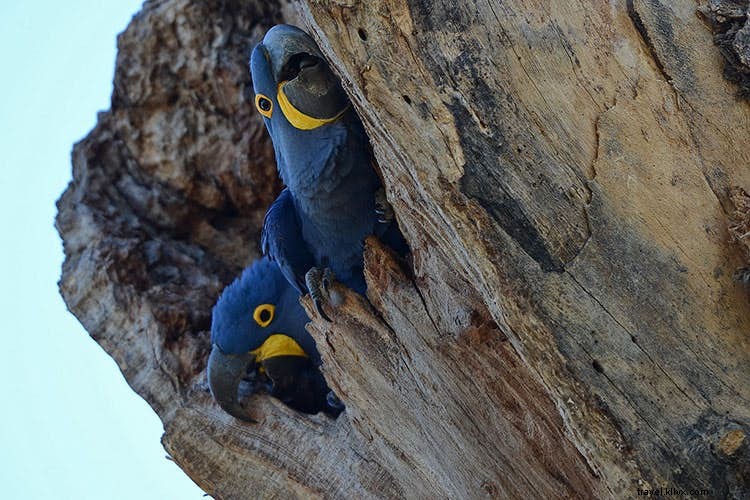
Most journeys start in Rio de Janeiro, a vibrant city framed by rainforest-crowned peaks between jungle and sea. The Amazon region boasts the greatest collection of plants and animals, captivating explorers and travelers. The Pantanal, the world's largest wetland, delivers endless wildlife encounters with colorful birds and animals.
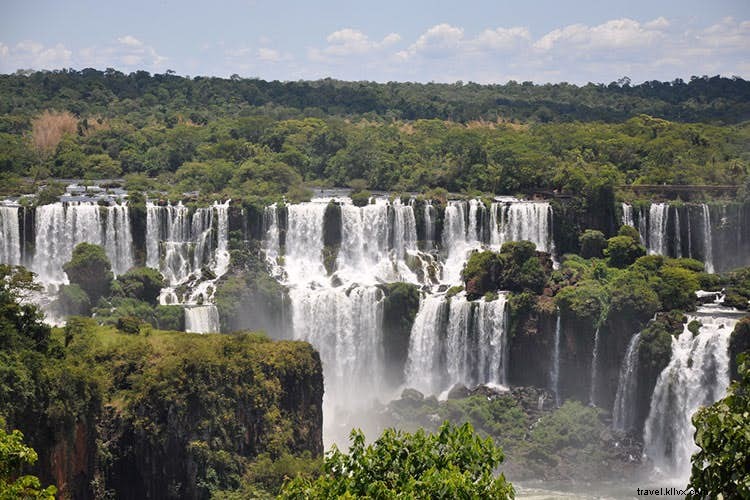
Iguaçu Falls' thunderous roar showcases nature's raw power like no other. For beaches, Fernando de Noronha offers world-class diving, surfing, sea turtles, and spinner dolphins.
Explore preserved colonial gems like Ouro Preto, Tiradentes, Paraty, and Olinda; scenic parks such as Lençóis Maranhenses (parquelencois.com.br), Chapada Diamantina, Chapada dos Veadeiros (whc.unesco.org/en/list/1035), and Chapada dos Guimarães; idyllic islands including Ilha Grande, Ilhabela, Ilha de Santa Catarina, Morro de São Paulo, Boipeba, and Ilha do Mel. Savor diverse cuisines from Bahia's African influences to Santa Catarina and Rio Grande do Sul's German-Italian flavors.
2016 Olympics Legacy
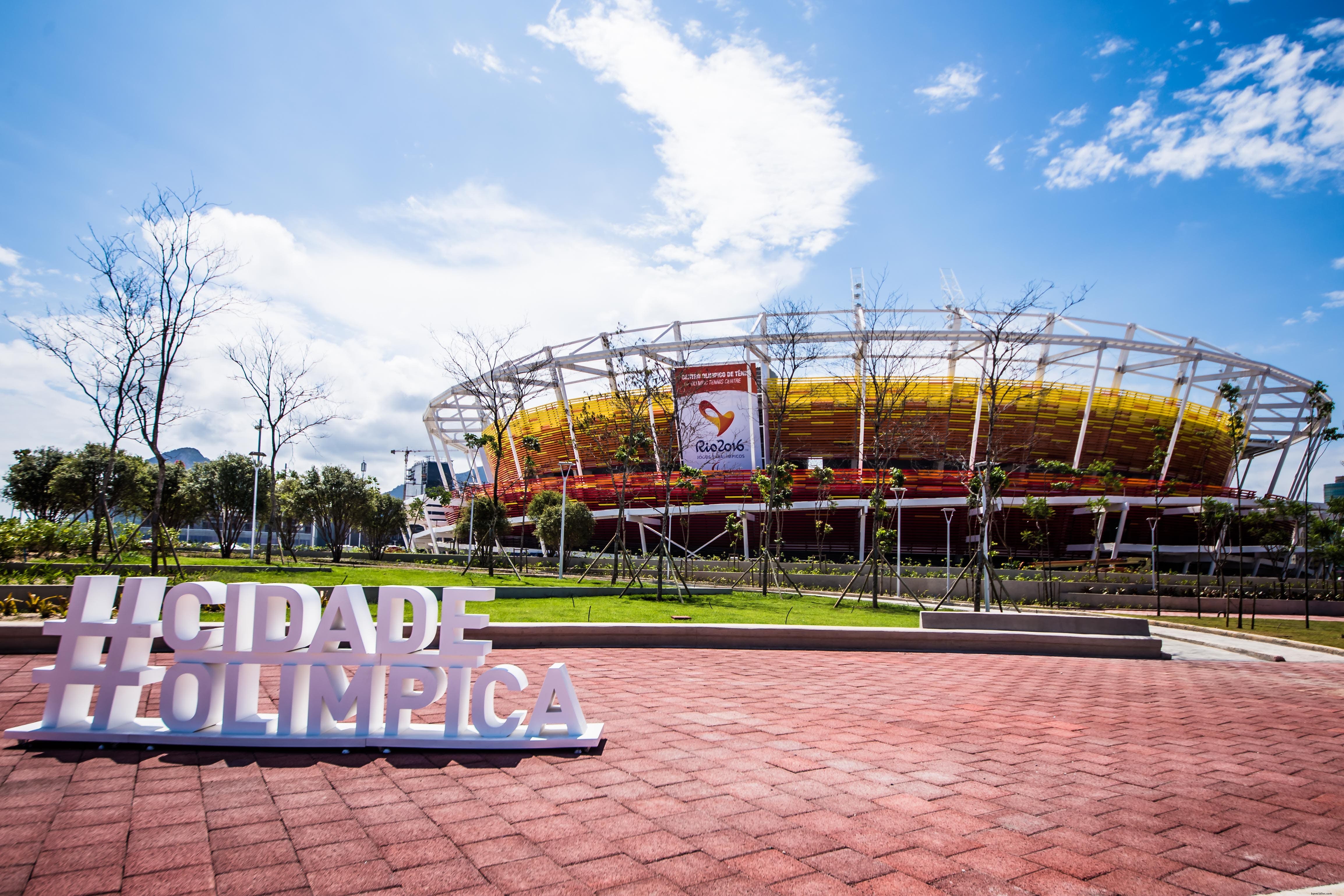
Brazil hosted the 2016 Olympic Games in Rio de Janeiro—the first in South America (August 5-21). Despite pre-event challenges like economic issues, construction delays, and water quality concerns, Brazil delivered a spectacular event, much like the successful 2014 FIFA World Cup. The nation's hospitality and pride shone through against Rio's stunning backdrop.
Visa Requirements
Visa policies evolve; citizens of the US, Canada, Japan, and Australia enjoyed a temporary waiver until September 2016 (up to 90 days). Always verify current rules via official sources before travel.
Costs
Brazil's economy fluctuates, but it's often a value destination. The real (R$) hovers around R$5-6 to US$1 recently, making experiences like gourmet meals more affordable. Shop sales and compare for best deals.
Language
Portuguese is official; English is limited, even in tourist areas. Learn basics or use translation apps for smoother interactions.
Transport
Extensive air and bus networks connect Brazil. Key airlines: LATAM (latam.com), Gol (voegol.com.br), Azul (voeazul.com.br), Avianca (avianca.com). Major airports: Rio's Galeão (aeroportogaleao.net/en), São Paulo's GRU (aeroportoguarulhos.net/en), plus Brasília, Fortaleza, etc. Airpasses via BR Online Travel (brol.com) suit multi-stop trips.
Buses: Itapemirim (itapemirim.com.br), Cometa (viacaocometa.com.br). Book via Busca Ônibus (buscaonibus.com.br) or ClickBus (clickbus.com.br). Fares start ~R$10-12/hour.
Health
Malaria risks in Amazon/northwest; use repellents, coverings, consult for prophylactics (chloroquine ineffective). Dengue is widespread (Rio, Bahia); Zika/microcephaly risks peaked in 2015—pregnant travelers beware mosquitoes. Yellow fever vaccination recommended for many areas. Tap water safe in cities but opt for bottled.
Safety
Brazil is tourist-friendly but urban areas (Rio, Recife, São Paulo) require vigilance. Avoid valuables at beaches, use secure ATMs, skip empty streets/parks/beaches at night.
Originally published December 2013, updated for 2024 with current insights.