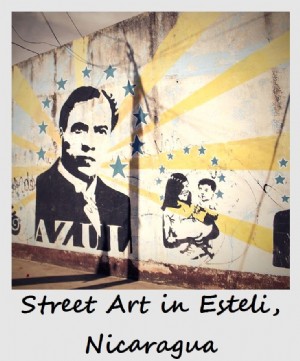
Bogotá's Street Art Revolution: Masterpieces Without Fear
In Bogotá, street artists now craft stunning masterpieces on city walls without fear of arrest. These vibrant works vary in technique, scale, and message, often weaving in deep cultural nuances and historical references.
To showcase these talents globally and decode their layered messages for visitors, the Bogotá Graffiti Tour was launched. This rewarding 2½-hour walking tour runs twice daily. Simply head to Parque de los Periodistas in the city center and join the street art adventure.
From Crime to Celebration
Until 2011, graffiti was illegal in Bogotá, forcing artists to work covertly at night. The turning point came on August 19, 2011, when 16-year-old artist Diego Felipe Becerra was fatally shot by police while painting his signature Felix the Cat on Boyacá Avenue. Despite evidence of paint on his hands and a bullet in his back, officers claimed self-defense amid robbery accusations. The international outcry—including UN condemnation and the officers' eventual arrest—sparked a policy shift. City leaders, including the mayor, embraced graffiti as legitimate cultural expression, decriminalizing it.
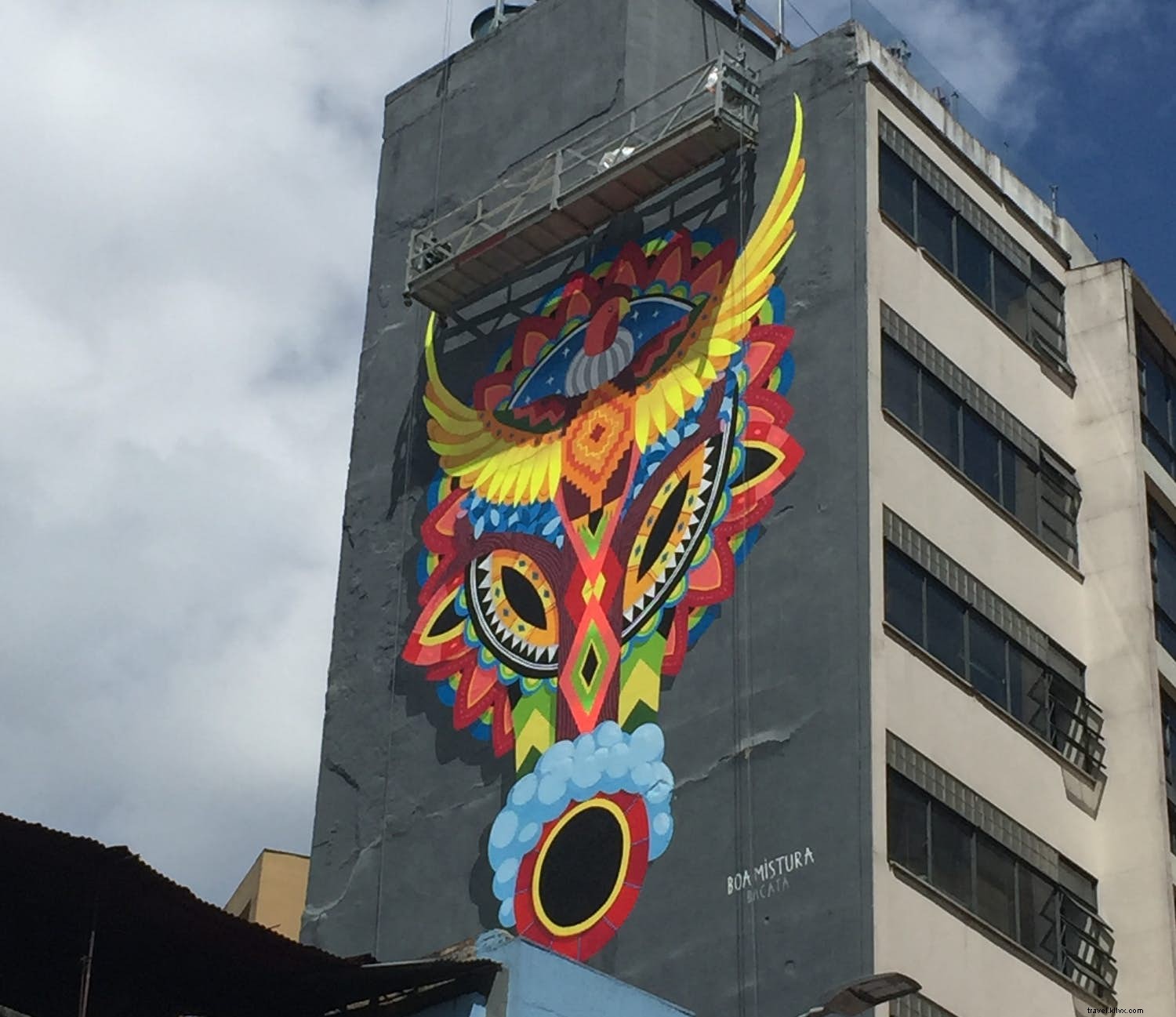
The local government now funds artist grants and commissions murals on walls up to seven stories high. Boundaries exist—monuments and public buildings remain off-limits—yet exceptions occur. As The Guardian reported, two artists painting festive graffiti on a police station in an affluent area faced no charges; senior officers had commissioned the work to brighten the walls.
The Unwritten Code
Street art thrives on rebellion, so strict rules are challenging to enforce. Bogotá's artists, however, honor an unwritten code: never paint over others' work. This respect encourages property owners to invite murals, minimizing unwanted tags and beautifying facades.
International artists flock here, collaborating with locals. Australian artist Crisp has made Bogotá home, creating wildlife portraits and death masks—symbols of societal reflection, as noted on the Bogotá Graffiti Tour.
DJ Lu
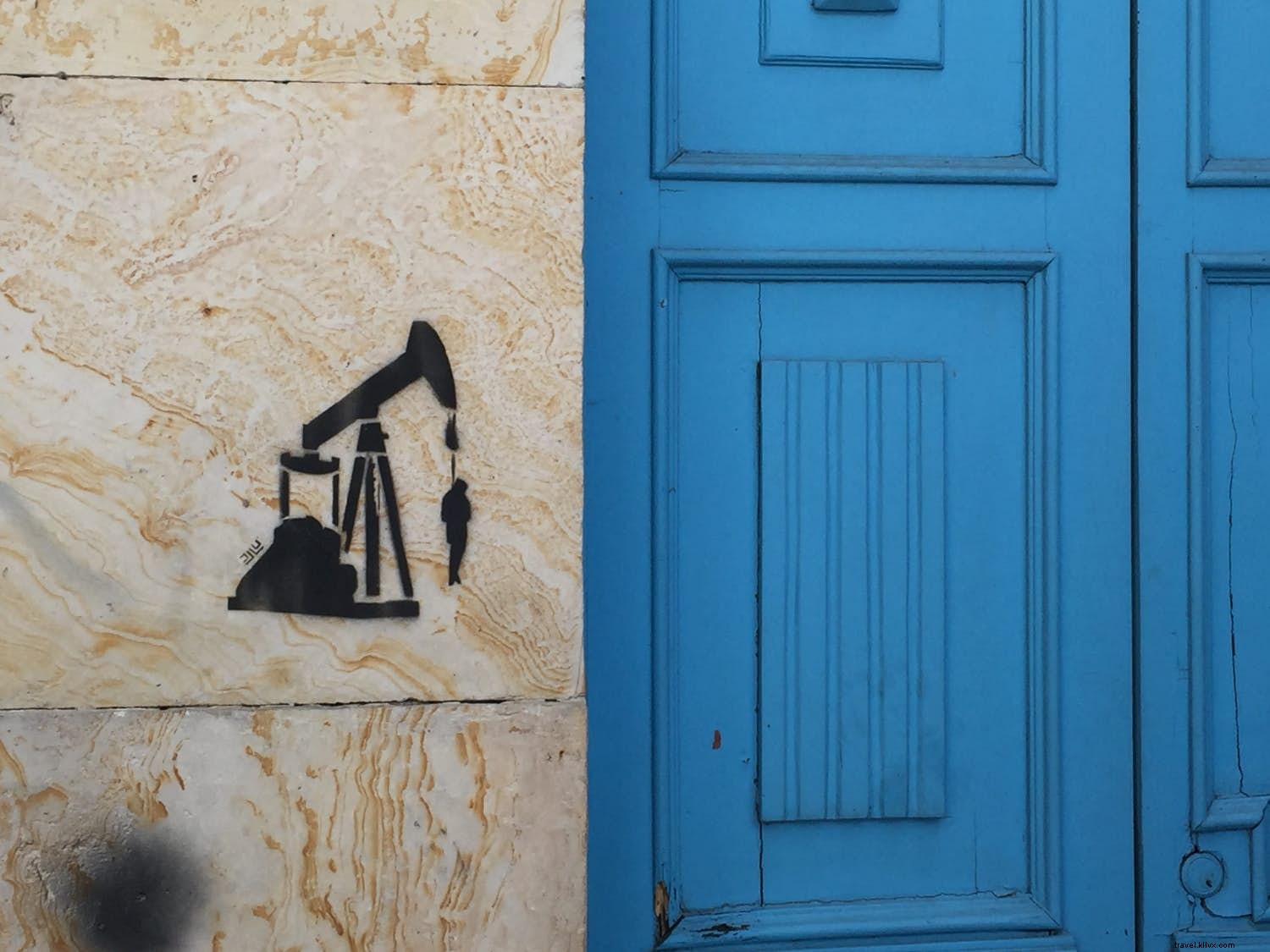
Fine arts graduate, architect, and professor DJ Lu is among Bogotá's most active stencil artists, using his off-hours for politically charged works while guarding his identity. A stencil of a figure hanged from an oil pump critiques oil industry exploitation and environmental damage from foreign investments. His portrait of Marco Tulio Sevillano, burned alive while homeless, spotlights societal neglect. A pineapple-hand grenade fusion addresses landmine dangers in Colombia's farmlands. Gentler pieces, like roses from gun barrels or soldiers shooting hearts, advocate peace.
Animal Poder Collectivo (APC)
Known as Animal Power Crew/Cult, this collective—alongside the Bogotá Street Art Collective—leads the scene. Formed over a decade ago in Colombia, APC has gone global. Key Bogotá figures include Stinkfish, Pez, Franco, and Temor, united by animal themes despite diverse styles.
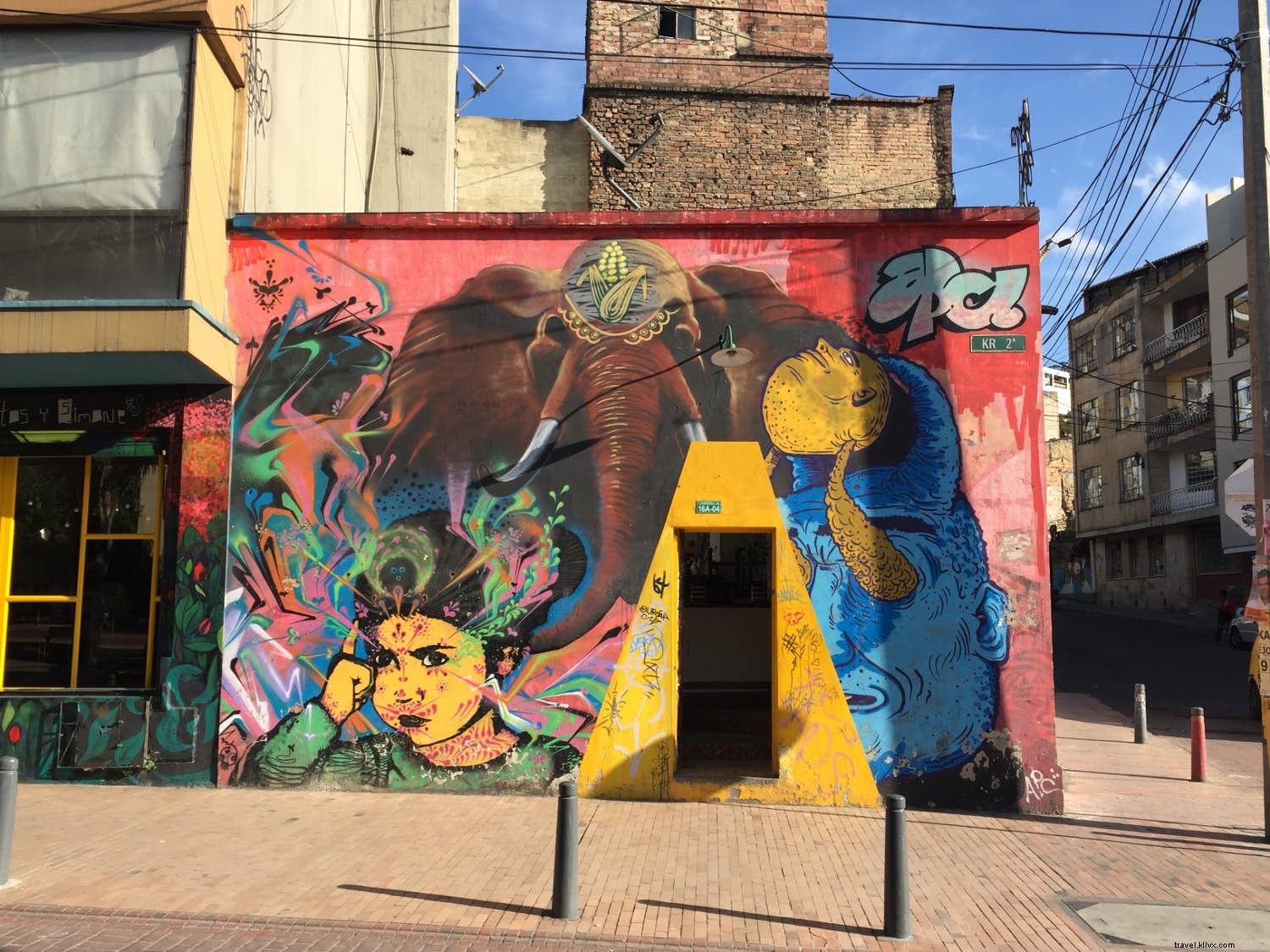
Founder Stinkfish, with Colombian-Mexican roots, blends face stencils, freestyle sprays, paste-ups, stickers, and characters. His art has graced LA, New York, London, and Paris.
Other Notable Bogotá Street Artists
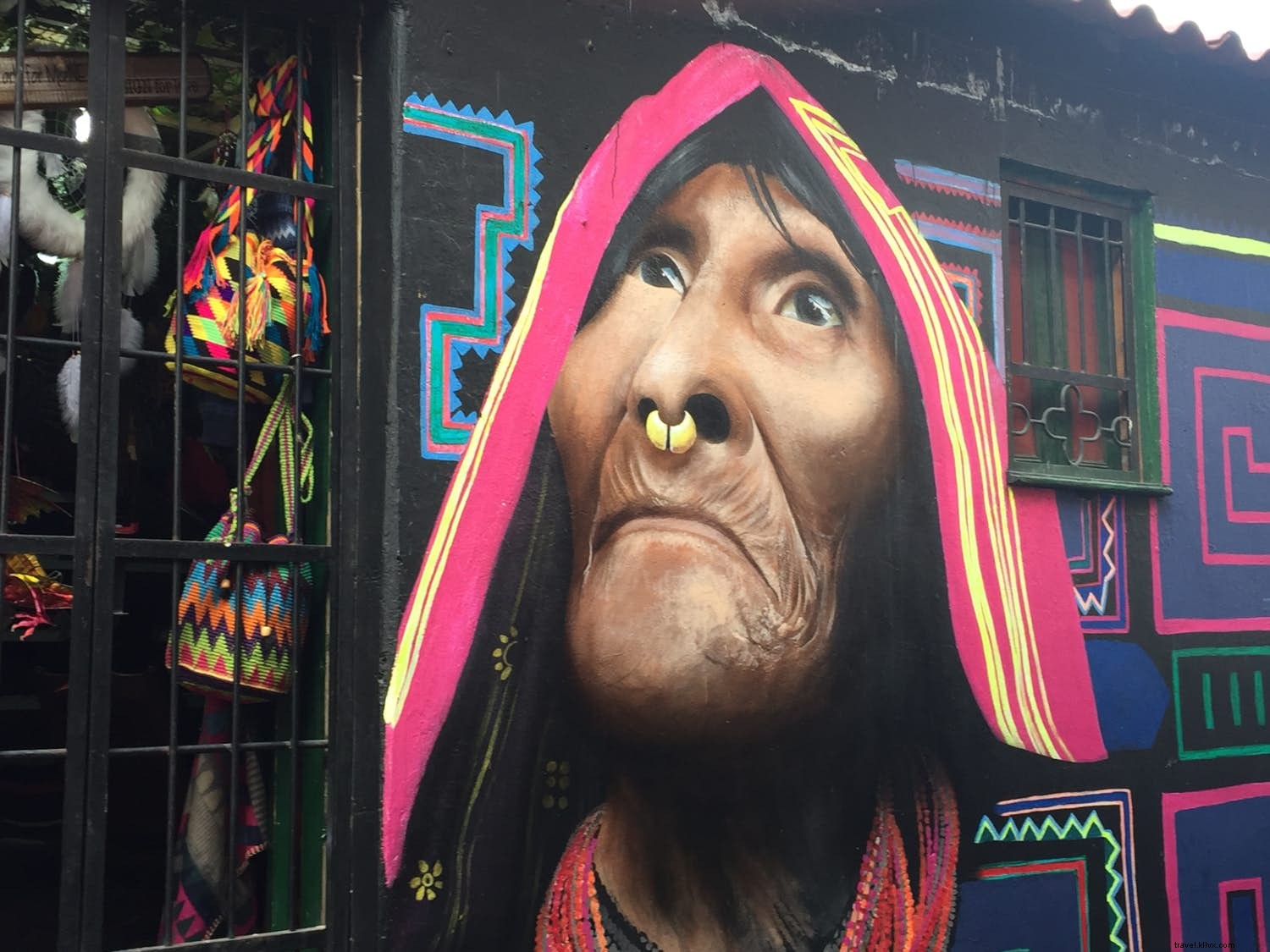
Guache (Bogotá Street Art Collective) crafts detailed murals of indigenous peoples, flora, and fauna. Book publisher Rodez paints vibrant, eye-centric freehand works; his sons Malegria and Nomada are rising stars. In a male-dominated field, Bastardilla shines with vivid pieces on feminism, poverty, and violence's scars, injecting color into underserved areas.