Beginner's Guide to Korean Temple Stays: Authentic Zen Retreats in Serene Mountains
Imagine waking at 3 a.m. to stars over a misty mountain temple, a gong echoing as you rise from a simple floormat.
Your footsteps crunch in the darkness toward the daeungjeon, the main hall. Remove your shoes at the entrance, select a cushion, clasp your hands, kneel, bow your forehead to the floor, rise, and bow again. Outside, crickets chirp and a brook splashes—a perfect dawn chorus. This is the essence of a Korean temple stay.

Buddhism arrived in Korea from China 1,700 years ago and evolved into Seon Buddhism—known globally as Zen. South Korea hosts dozens of active temples, many participating in the official Templestay program (templestay.com), offering immersive experiences in monastic life.
Nestled in tranquil mountain greenery, these temple stays provide an ideal escape from urban hustle, rejuvenating mind and body. No prior experience is required; programs introduce newcomers to temple life. All backgrounds are welcome, with options from intensive spiritual practices to relaxed sessions on meditation or temple cooking.
Temple Stay Essentials
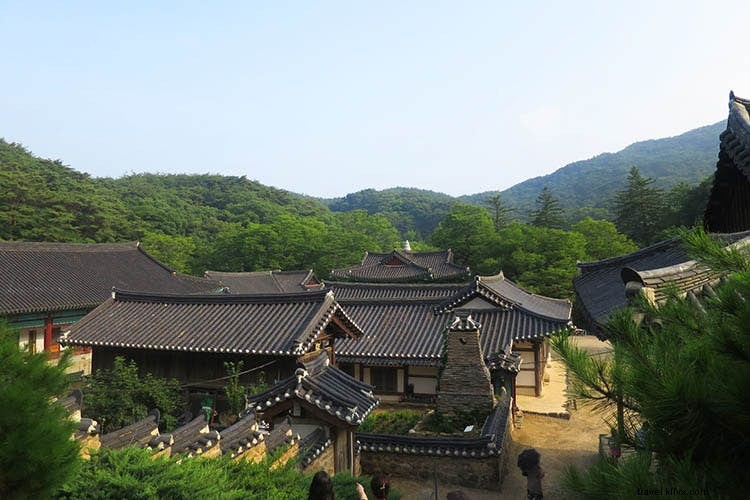
Official Templestay programs typically span one or two days, including overnight stays. Participants don simple cotton uniforms and fully engage in monastic routines. Schedules vary but often include meditation, prostrations (bowing to the Buddha), and etiquette lessons. Many programs offer English instruction or interpreters, with monks and staff often fluent in English. Confirm international availability via the temple or Templestay before booking.
Key Temple Stay Activities

Temples tailor programs to their settings and traditions, but core activities include:
Meditation
Experience profound stillness through guided seated meditation in temple halls or scenic outdoor spots, with monks teaching proper posture for mental clarity.
Prostrations
Master the ritual of bowing before prayer services. Intensive programs may involve 1,080 daily prostrations; others are more gentle.

Tea Ceremony
Learn the art of preparing tea with a monk, often paired with thoughtful dialogue and Q&A.
Additional offerings may include nature walks, foraging, cooking classes, lantern-making, or prayer bead crafting.
Temple Accommodations

Expect clean, modern, minimalist rooms with separate quarters for men and women (2-3 per room). Sleep on provided floormats with blankets and pillows; amenities include lights and fans. Schedules align with sunrise, meaning early bedtimes and pre-dawn wake-ups. You'll receive a cotton uniform on arrival, remove shoes indoors, and tidy your space before leaving. Communal bathrooms are well-maintained with modern showers, similar to quality hostels.
Temple Cuisine
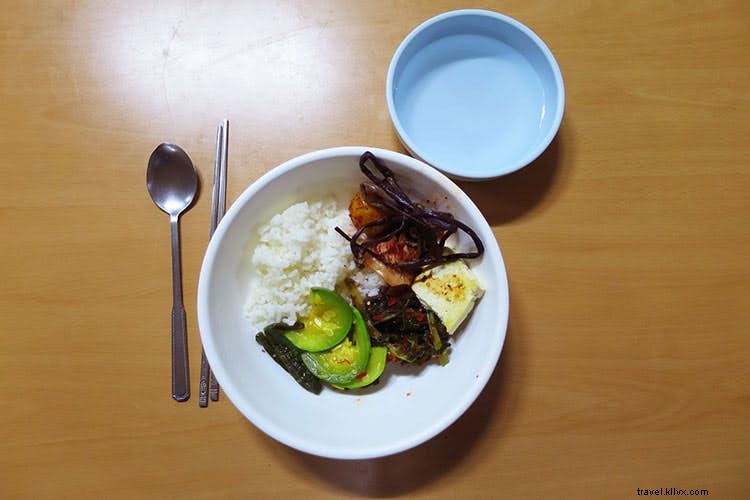
Korea's temple food is a flavorful vegetarian tradition, often featuring foraged and home-grown ingredients for optimal health and taste. Take only what you can eat, finish everything (especially rice), and help yourself to seconds. Clean your own dishes post-meal to honor the no-waste principle.
Tips for First-Time Visitors

- Wear comfortable socks and slip-on shoes to avoid constant lacing.
- Pack flip-flops for communal showers.
- Bring insect repellent, especially in summer.
- Respect rules: no smoking, alcohol, intimacy, or loud behavior.
- Check family/child policies in advance.
- Layer clothing for cool mountain evenings.
Top Temple Stay Recommendations

Over 100 temples offer English-friendly Templestay programs, from remote sanctuaries to Seoul-accessible escapes.
Guin-sa: Immersive stays in Sobaeksan National Park.
Jikji-sa: Historic site (oldest building from 1602) with onsite Buddhist art museum.
Golgul-sa: Traditional program plus sunmudo martial arts training.
Geumsun-sa (geumsunsa.org): Temple life with Mt. Bukhan trekking, easy Seoul access.
Magok-sa (magoksa.or.kr): Riverside dawn walks and deep monastic immersion.
Book via eng.templestay.com or visit the Seoul information center opposite Jogye Temple.