Explore Happy Valley's Agricultural Heritage on the Scenic Driving Tour
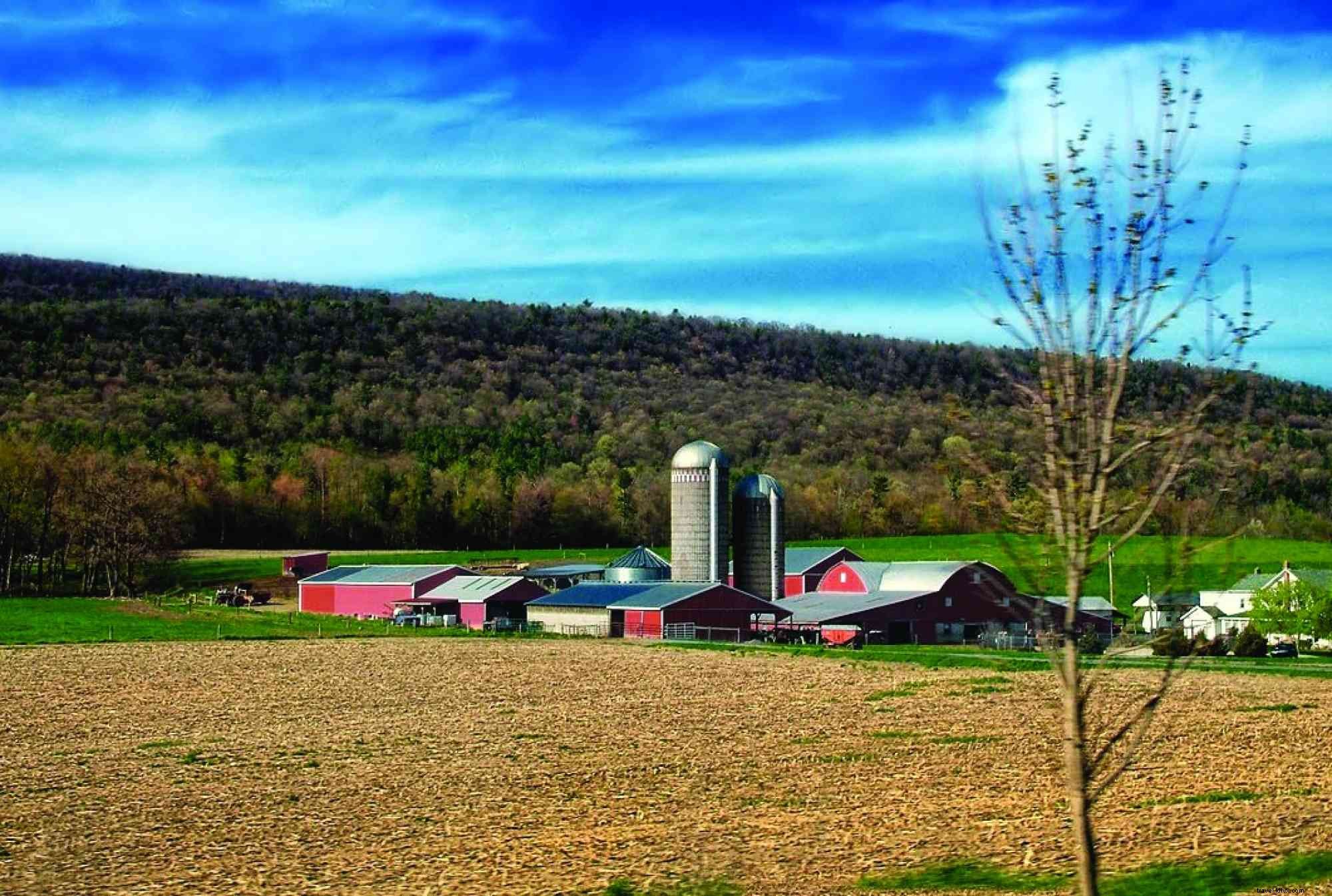
Overlooking Penns Valley in 1764, James Potter exclaimed to his traveling companion, "My Heavens, Thompson, I have discovered an empire!" He soon began carving one out, which ultimately led to an ironworks that provided half of the iron used in America in the 1850s. As ironmaking moved on, the deforested land used for charcoal was transformed into farmland, making Pennsylvania the breadbasket of America.
The Happy Valley Agricultural Heritage Driving Tour guides you along the area's most beautiful roads, lined with working farms, Amish homesteads, and family restaurants sourcing menus from bountiful local harvests. Discover Happy Valley's rich agricultural history while taking a well-deserved break from everyday hustle. This 12-stop tour highlights key sites detailed below. To fully experience agriculture history dating back to Pennsylvania's earliest years, see family farms spread across serene landscapes, and explore communities founded nearly 250 years ago, start your drive today!
An agricultural college is established
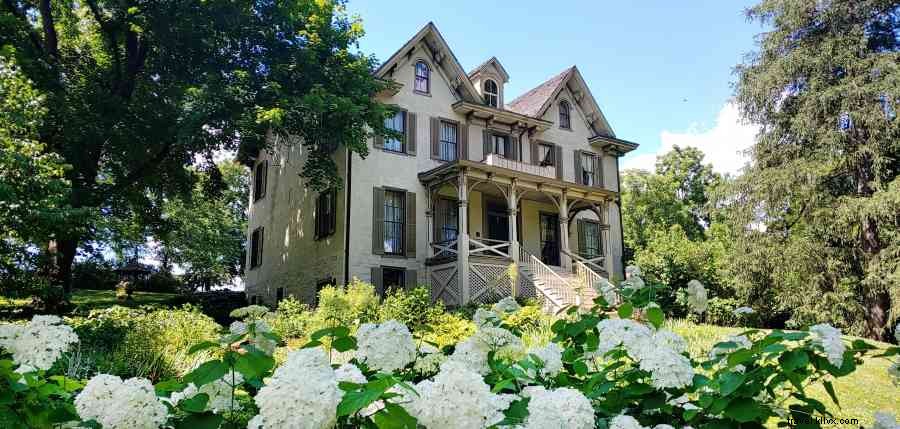
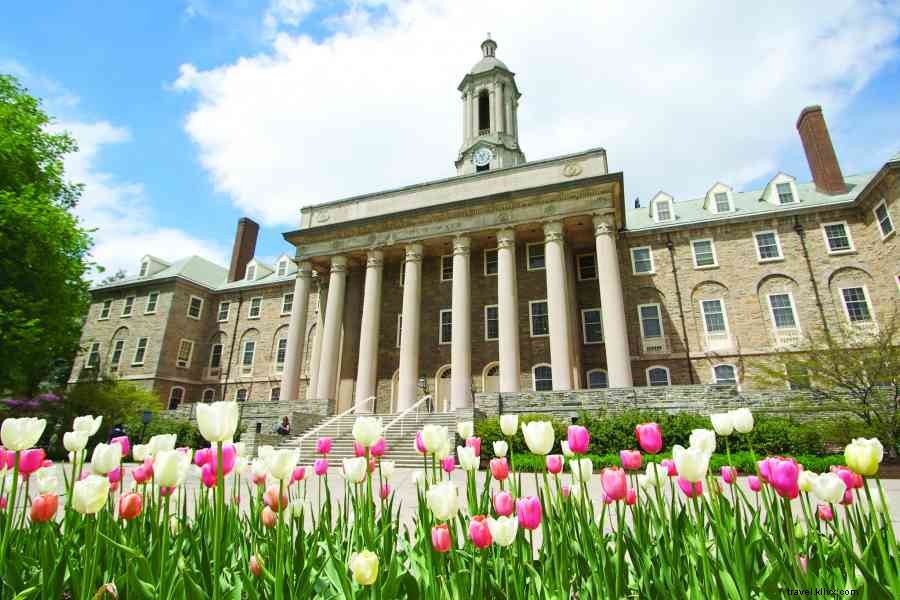
As Happy Valley transitioned from ironmaking to farming, Centre County leaders founded the Farmers' High School of Pennsylvania in 1855 to elevate farming practices. Today, it thrives as Penn State University, one of the nation's largest universities and a premier public research institution, with enduring agricultural roots. The Centre Furnace Mansion, home of ironmaster Moses Thompson, is the site where local dignitaries met to sign the charter establishing the Farmers' High School. These are the tour's first two stops. (For extra campus time, here are some tips.)
The Grange Fair tradition is born
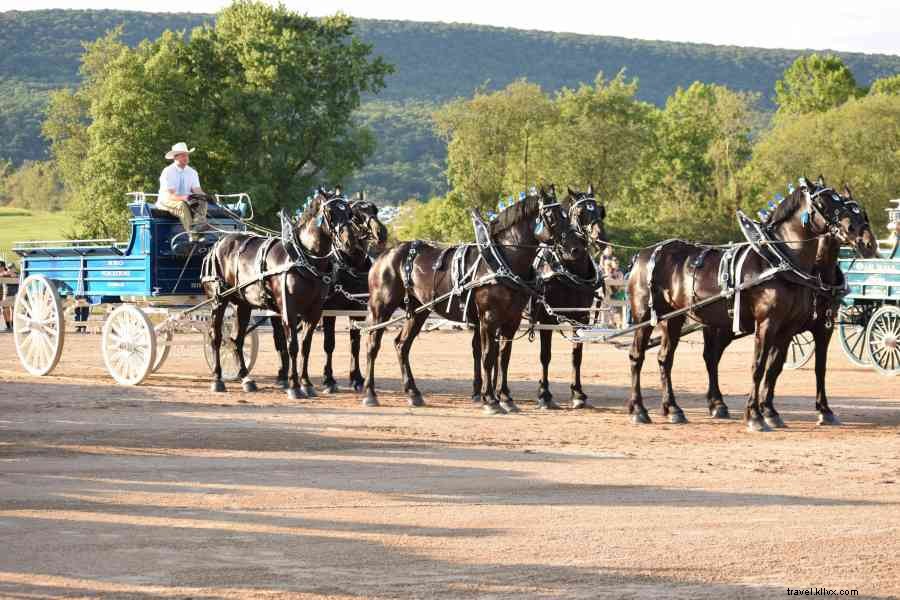
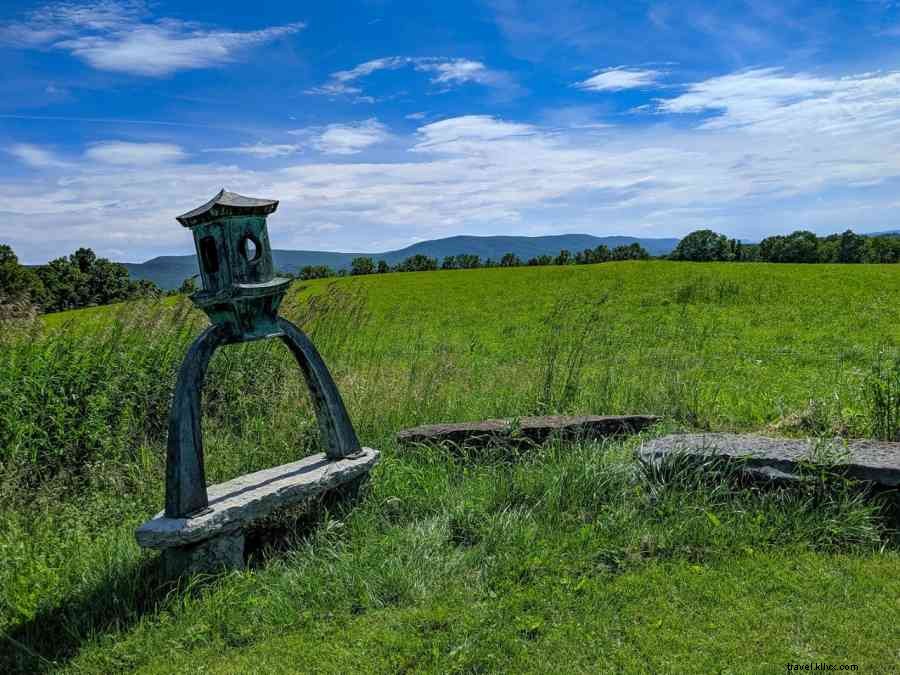
Leonard Rhone, a charter member of Centre County's first grange and founder of the Grange Fair—one of the nation's last remaining encampment fairs—left a lasting legacy. His homestead, Rhoneymeade (Rhone's Meadow), offers a peaceful retreat with unique sculptures amid gardens, fields, woodlands, and hedgerows. The Grange Fair has been a cornerstone of central Pennsylvania's agricultural community since 1874, held the last week of August. The tour visits both sites.
Boalsburg's agricultural connection
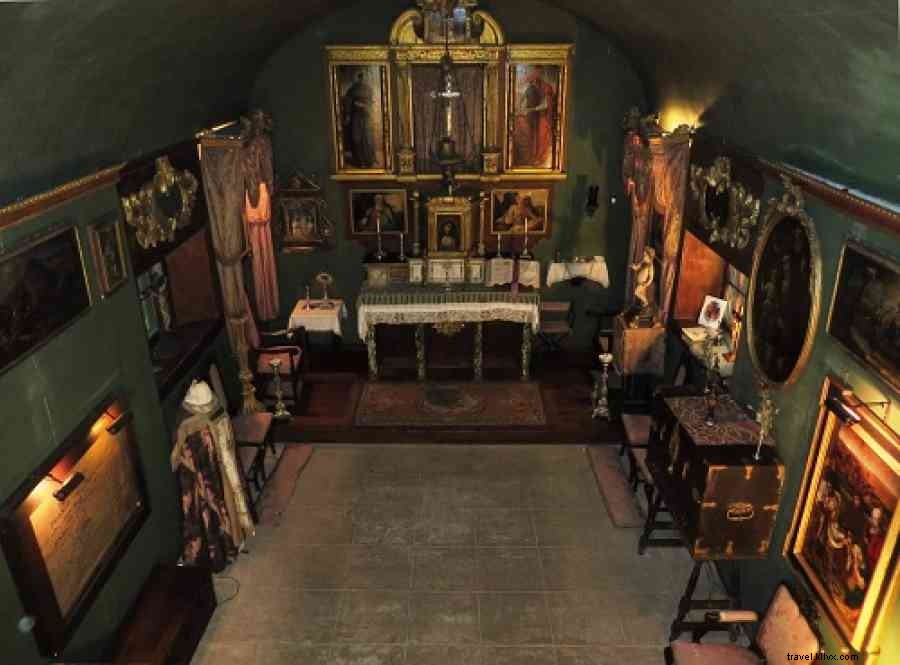
Once the heart of a 10,000-acre farm, the historic Boal Mansion was home to David Boal, founder of Boalsburg, and his son George, who helped establish Penn State through the Centre County Agricultural Society. A visit to Columbus Chapel & Boal Mansion reveals even more. Include it in your driving tour when the museum is open.
Rural charm abounds
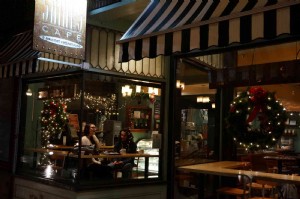
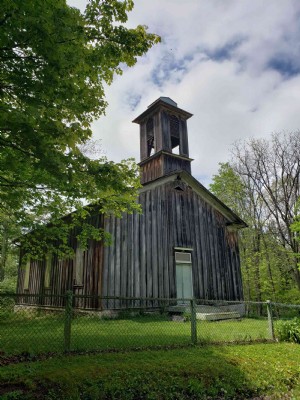
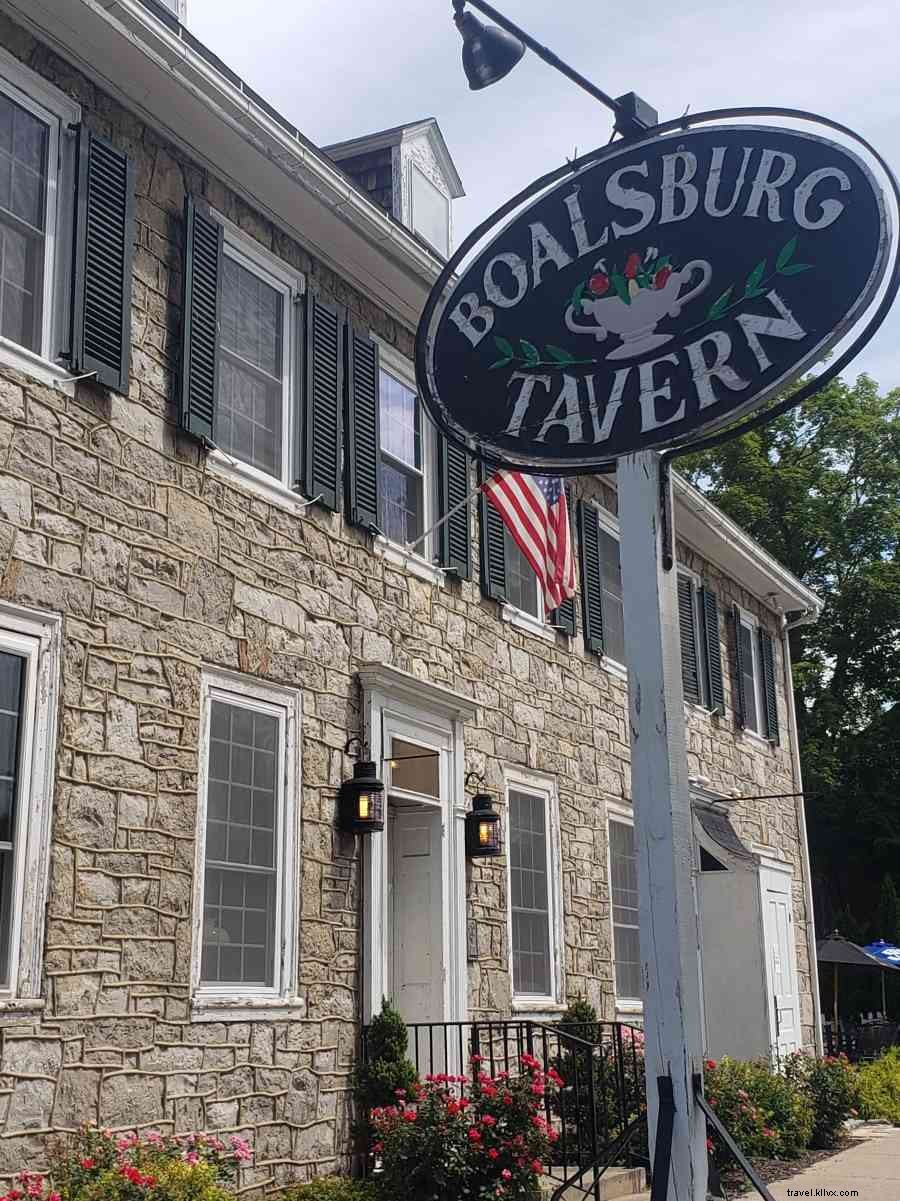
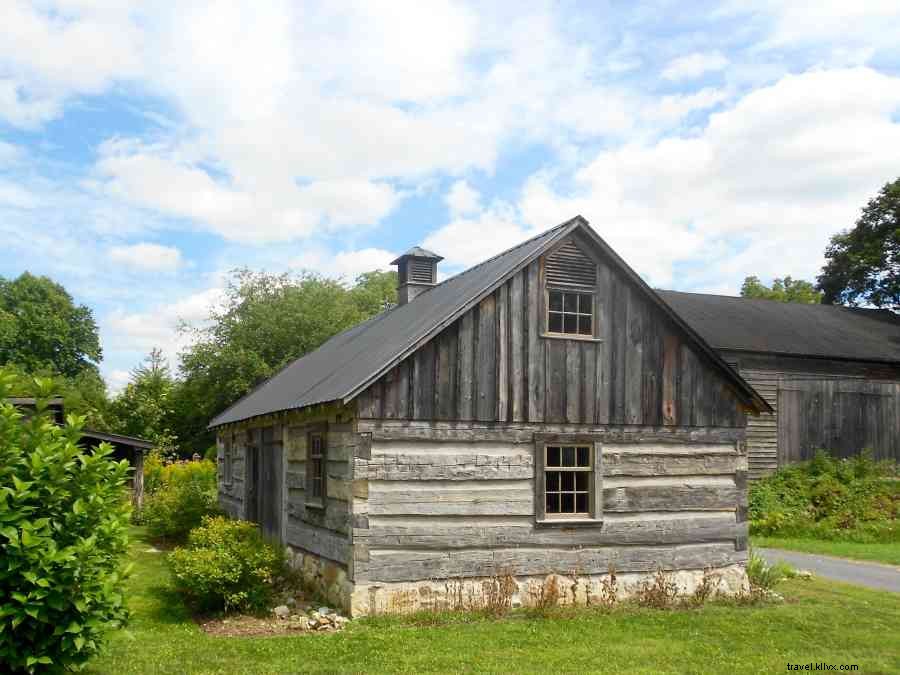
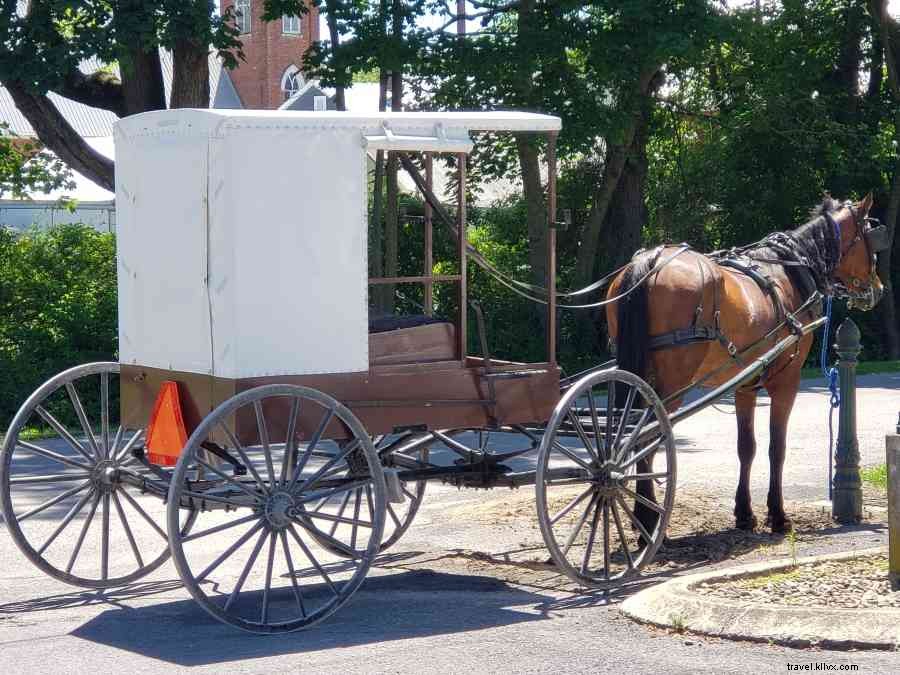
Three towns on the Agricultural Heritage Driving Tour embody Happy Valley's agricultural heritage: Millheim, Aaronsburg, and Hublersburg. They radiate historic character and small-town charm. Amish buggies share roads with pickup trucks; museums chronicle frontier settlers' lives; and former stagecoach stops offer hearty American fare. Cruise scenic Route 45 and Route 192 through Penns and Brush Valleys, plus picturesque Route 64 in Nittany Valley, to glimpse over 1,000 farms where time seems to stand still.
Continue your agventure
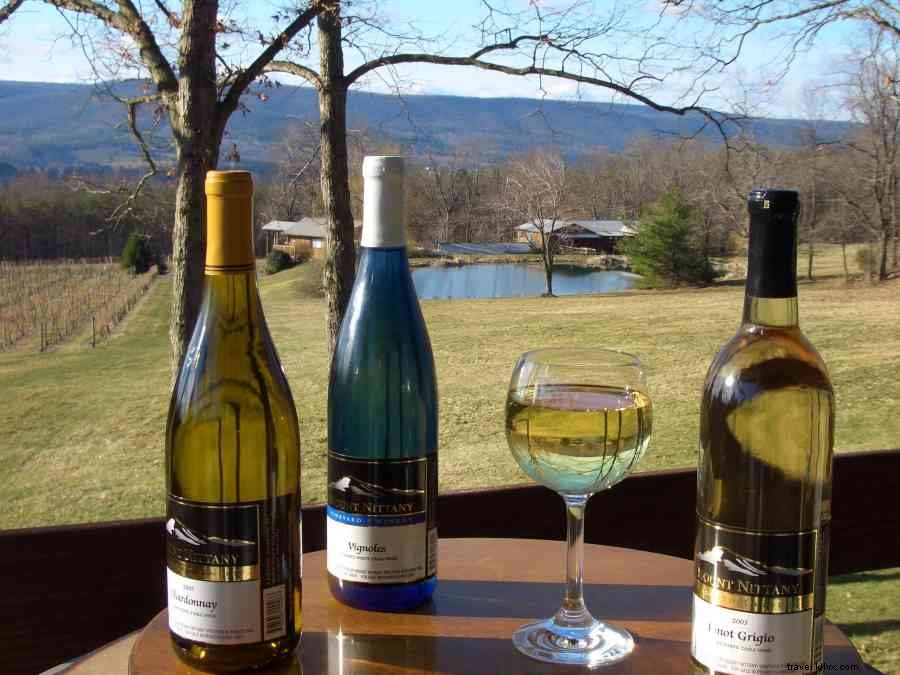
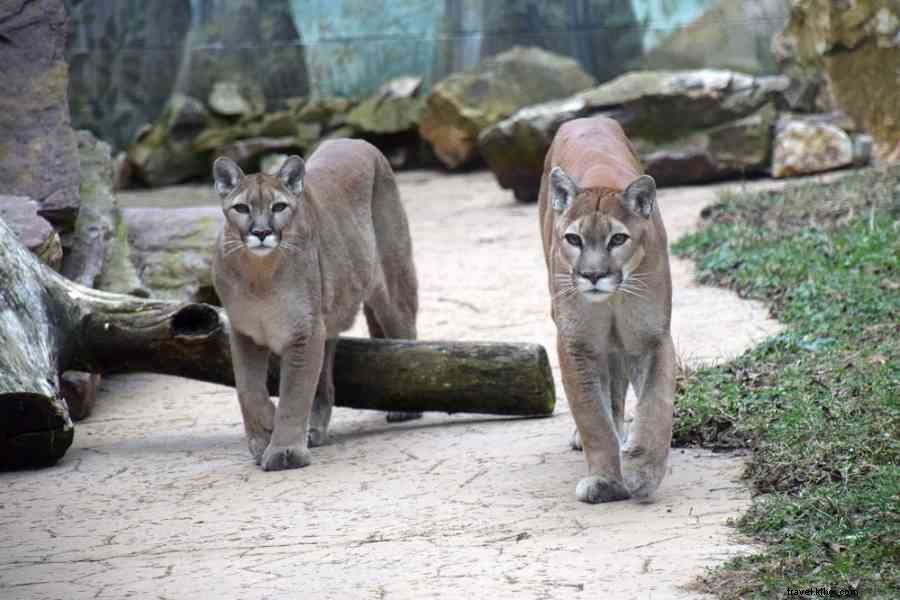
The Happy Valley Agricultural Heritage Driving Tour uncovers the area's agricultural roots, spawning vibrant farm markets, craft beverages, farm-to-fork dining, wildlife encounters, and natural wonders. Here in Happy Valley, history meets cheers, yum, fresh-picked delights, and exploration. Plan your next agventure at www.happyvalleyagventures.com.