
First in Freedom: African American Heritage and Diversity on the Outer Banks
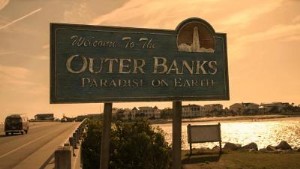
The African American Experience of Northeast North Carolina (AAENENC) launched its self-guided First in Freedom tour on Juneteenth, Saturday, June 19, 2021, to foster greater appreciation for the Black community's vital contributions in one of America's most historic regions. Begin your journey online at NCBlackHeritageTour.com, connecting dozens of visitable sites highlighting African American influence across a six-county area, including the Outer Banks islands, the legendary Dismal Swamp, and early riverfront towns like Elizabeth City, Hertford, and Edenton. Explore the Outer Banks' profound African American legacy.
Today’s celebrated Outer Banks family beach destination hides a compelling backstory. Beyond the Lost Colony of Roanoke and the Wright Brothers' first flight at Kitty Hawk lies the heroic narrative of resilient individuals who forged early paths to freedom and equality for African Americans amid the nation's Civil War era.
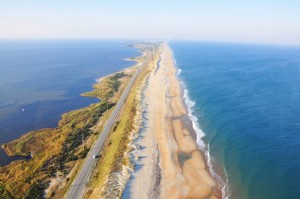
Historically, the Outer Banks were a sparsely treed, sandy frontier for a few thousand residents sustaining themselves far from urban centers. From the English arrival at Roanoke around 1587, through Blackbeard's piracy in the early 1700s, to pre-Civil War fishing villages, life was rugged. Agriculture existed near Manteo, but no large plantations meant limited enslaved populations in areas like Kitty Hawk, Nags Head, or Hatteras. Local sentiments leaned Union, yet Confederate strategy held these barrier islands for seaborn supply lines. Here begins our story of freedom.
Roanoke Island
Etheridge Homestead | Island Farm
Visit Island Farm, a living history museum depicting mid-1800s Roanoke Island life. Islanders thrived on seafood and crops, trading with northern communities. The Etheridge family, documented since 1757, exemplifies this self-reliant spirit.
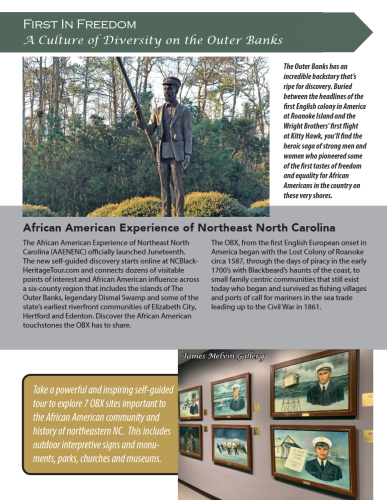
The Etheridges owned slaves, including Richard Etheridge, born enslaved around 1842 as the illegitimate son of influential white planter John B. Etheridge, who built the farm's mansion. Favored by his father, Richard was literate—rare for African Americans then—and an expert waterman. These skills propelled him to become America's first African American captain of an all-Black U.S. Lifesaving Station at Pea Island, paving the way for the modern Coast Guard.
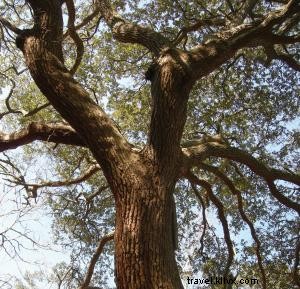
Island Farm also honors Crissy Bowser, "Aunt Crissy," born around 1820 (status unclear). She served the Etheridges lifelong, building her own cabin under a 200-year-old oak, living independently, raising animals, and cooking for the family into the 20th century.
The Freedmen’s Colony 1862-1867 | Fort Raleigh National Historic Site
-National Underground Railroad Network to Freedom-
Following the Union's early Civil War victory at Fort Hatteras in August 1861, Roanoke Island fell in February 1862. Escaped slaves sought refuge, prompting the army to establish the Freedmen’s Colony on seized land near today's NC Aquarium. Former slaves rebuilt forts, worked as cooks, woodworkers, blacksmiths, scouts, spies, or soldiers. Peak population: nearly 4,000. Post-war, land returned to owners; Richard Etheridge sold plots to some, enabling descendants to remain—many still live on the Outer Banks.
Though the colony is gone, relive its legacy at Fort Raleigh National Historic Site, part of the National Underground Railroad Network to Freedom. The Lindsay Warren Visitor Center features dedicated exhibits. Join ranger programs on the Civil War battle and colony at the First Light of Freedom Monument; check Calendar - Fort Raleigh National Historic Site (nps.gov) for summer schedules.
The Freedmen’s Colony 1862-1867 | NC Aquarium on Roanoke Island
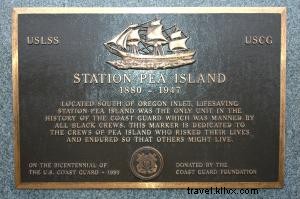 Richard Etheridge (1842-1900) and family rest on land he bought near the former colony. Visit his gravesite and memorial beside the NC Aquarium, which displays local artist James Melvin's tribute portraits. Pea Island Station (1880-1947) logged 609 rescues, including the famed 1896 E.S. Newman crew save in a hurricane. As the first Black Keeper, Etheridge commanded an all-Black crew under era's racial norms.
Haven Creek Baptist Church | Manteo
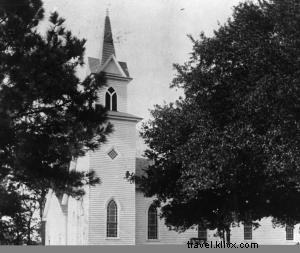 Freedmen's Colonists worshipped under a tree during the war; word spread of safe haven "across the creek." Escaped from churches with slave galleries, they formalized Haven Creek Church post-war on land deeded to Richard Etheridge by John B. Etheridge, naming it to commemorate refuge.
The Pea Island Cookhouse Museum | Manteo
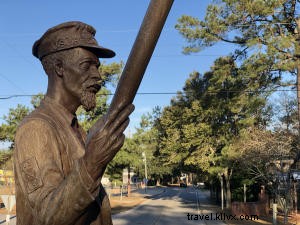
The all-Black Pea Island crew, among the U.S. Coast Guard's most decorated, earned posthumous Gold Lifesaving Medals, notably for the E.S. Newman rescue. From 1880-1900, Civil War veteran Richard Etheridge commanded this segregated station near today's Captain Richard Etheridge Memorial Bridge at Pea Island National Wildlife Refuge. The preserved cookhouse, now a Manteo museum, evokes crew meals and tales. Pre-1915 U.S. Lifesaving Service crews were vital first responders amid frequent shipwrecks.
Surrounded by Dellerva Collins Memorial Gardens—honoring the trailblazing commissioner and Pea Island descendant—the museum at 622 Sir Walter Raleigh Street adjoins Collins Park near downtown Manteo.
Herbert Collins Boathouse | Downtown Manteo
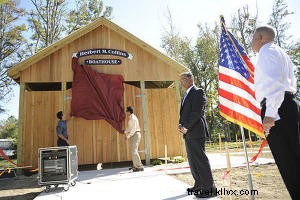 Dedicated in 2010 to Lt. Herbert Collins (1921-), last Pea Island Keeper (1940-1947) with 34 Coast Guard years. Displays a Monomoy Surfboat like those used by Collins and crew. His Roanoke Island family boasts 400+ years of service—one of the longest in Coast Guard history. Located at 622 Sir Walter Raleigh Street with the Cookhouse Museum and Etheridge statue.
Hatteras Island
Hotel De Afrique | Graveyard of the Atlantic Museum
-National Underground Railroad Network to Freedom-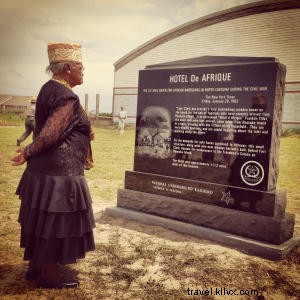
Union victory at Forts Hatteras and Clark (August 29, 1861) drew fugitives, birthing "Hotel De Afrique" (New York Times, Jan. 29, 1862)—North Carolina's first fugitive haven (1861-1865). Refugees traded skills for shelter. A memorial at the museum recounts this and the battle.
People in Spotlight
Remembering Mrs. Virginia Tillett | Manteo
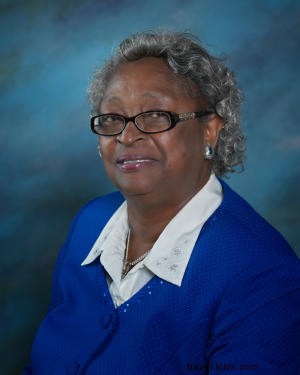 Freedmen’s descendant Virginia Tillett pioneered as Dare County's first African American on the School Board and Board of Commissioners. Honored with Outer Banks Chamber Citizen of the Year and NC's Order of the Long Leaf Pine.
Download a printable version of this article by clicking below.