Explore Chattanooga's Native American Heritage: Tracing the Trail of Tears
Have you ever taken a walk that transports you back 12,000 years? Or sipped a latte near sites tied to Cherokee missionaries?
Discovering Native American history in Chattanooga offers these experiences and more. Start at the Trail of Tears origin, peer into the ancient Blue Hole Spring, and picnic where Native Americans first met Spanish explorers.
Follow this curated one-day itinerary to experience Chattanooga's Native American heritage, with a focus on the Trail of Tears—the tragic forced relocation of Southeastern tribes.
Chattanooga Native American History Itinerary
First Stop: The Passage

Ross’s Landing, Downtown
Situated downtown near the Tennessee Aquarium, this poignant outdoor exhibit honors Chattanooga's original inhabitants through their culture, art, and achievements. Featuring a stairway waterfall flowing into the Tennessee River, it includes a weeping wall symbolizing the tears of the Cherokee during their forced removal. Water collects in a reflecting pool before cascading back into the river via "cannon" jets.
Second Stop: Moccasin Bend Archeological District
GPS Coordinates: 35.03813, -85.337763
The National Park Service highlights Moccasin Bend as a standout site in its system. Currently featuring the 3.22-mile Blue Blazes Trail, it offers stunning views of the Tennessee River and Lookout Mountain despite nearby noise from a shooting range. Archaeological evidence reveals human activity dating back 12,000 years.
Third Stop: Brainerd Mission Cemetery
 5600 Brainerd Road
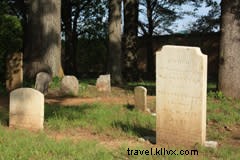
Hamilton County's oldest cemetery, Brainerd Mission Cemetery marks the site of a 1817 mission established by New Englanders under federal auspices to educate Cherokees in Christianity, classical studies, and Western ways. The one-acre site, once including a church, dormitories, mills, and gardens, now invites quiet reflection amid gravestones shaded by Southern red oaks.
Fourth Stop: Audubon Acres
 900 North Sanctuary Road
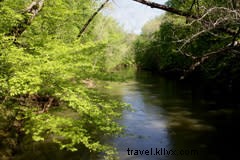
This 132-acre urban oasis near Hamilton Place Mall was preserved from development. Enjoy over four miles of trails, picnic areas, a Visitor Center with a timeline museum, and the restored Spring Frog Cabin from the 1700s using Native techniques. The southeastern corner holds Little Owl Village, a Mississippian-era site (1400s-1500s) believed to be the first contact point with Spanish explorers. Ideal for photographers, historians, artists, and nature lovers.
Fifth Stop: Red Clay State Historic Park
 1140 Red Clay Park, Cleveland, TN
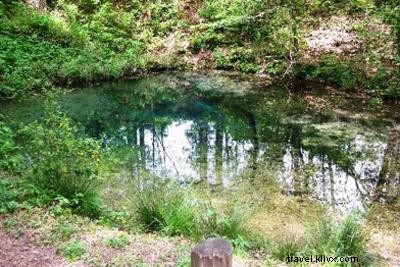
Just 20 minutes east of Audubon Acres, this 263-acre park served as the Cherokee Nation's capital from 1832-1838, where they learned of their impending removal. Explore hiking trails, reconstructed huts, homesteads, council houses, and the Blue Hole Spring used during meetings. The on-site museum and visitor center provide deeper insights into its history.