Discover Guadeloupe's Authentic Rustic Charm: Wildlife, Pristine Beaches, and Rum Delights
Guadeloupe blends French elegance with vibrant Creole culture, offering a refreshingly authentic and rustic escape.
Spanning two main butterfly-shaped islands—volcanic Basse-Terre with its lush, waterfall-draped rainforests and flatter Grande-Terre with powdery white sands—this French overseas department dazzles with diversity. Dive into adventures like hiking, diving, wildlife spotting, and rum tasting, complemented by a rich fusion of Creole, African, Indian, and French influences that elevate its food and cultural scenes.
Guadeloupe remains a hidden gem, largely untouched by mass tourism. You'll encounter a relaxed vibe with pastel-painted ramshackle homes, soca rhythms on lively streets, and welcoming locals embracing a slower mode de vie away from mainland France.
Swap luxury resorts for nature's embrace with these top highlights.
Hike the Active La Soufrière Volcano
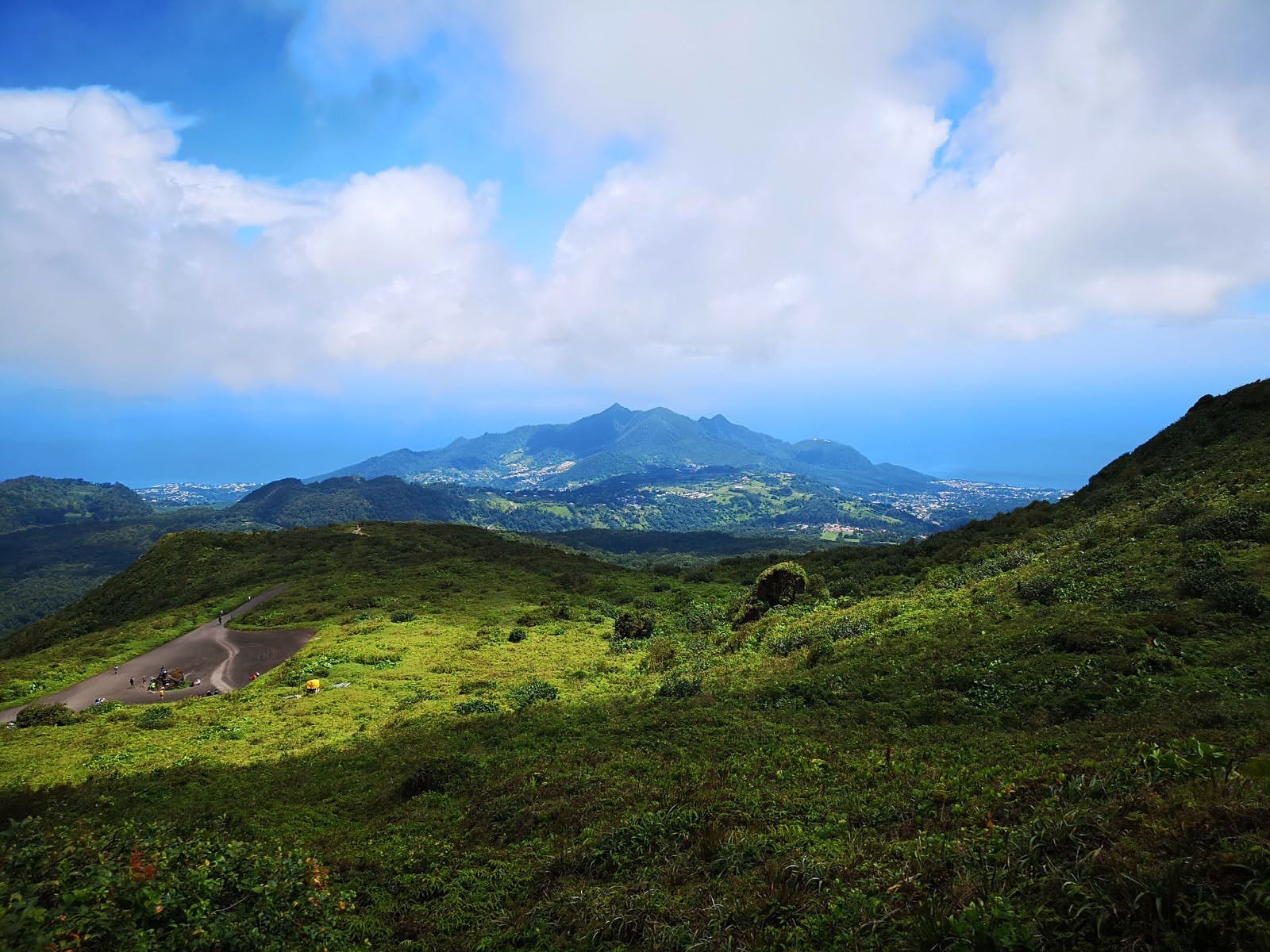
At Basse-Terre's core lies La Soufrière, a 4,813-foot (1,467m) peak rising from misty rainforests in the UNESCO Biosphere Reserve Parc National de Guadeloupe.
Though active (last eruption: 1976), it's climbable via the popular Chemin des Dames trail—from vine-draped forests to stunning island vistas and steaming, yellow-rimmed craters emitting gas jets.
For deeper insights into its history and monitoring, join Otantik Tours. Guides lead the ascent, with a rewarding stop at the Yellow Baths for mineral-rich soaks in 86°F (30°C) waters.
Sail to the Îles des Saintes
This archipelago of nine islands—only two inhabited—exudes a unique Franco-Caribbean fishing village charm, once under British rule.
Terre-de-Haut, the lively hub, is a quick ferry from Grande-Terre or Basse-Terre. Drawing upscale French visitors and yacht enthusiasts, its car-free hills buzz with scooters, boutique-lined streets, candy-colored homes, and cobalt-blue waters.
Explore secluded beaches, palm-fringed shores, and Fort Napoleon—a 1867 hilltop citadel now housing a museum on naval battles between French and British forces.
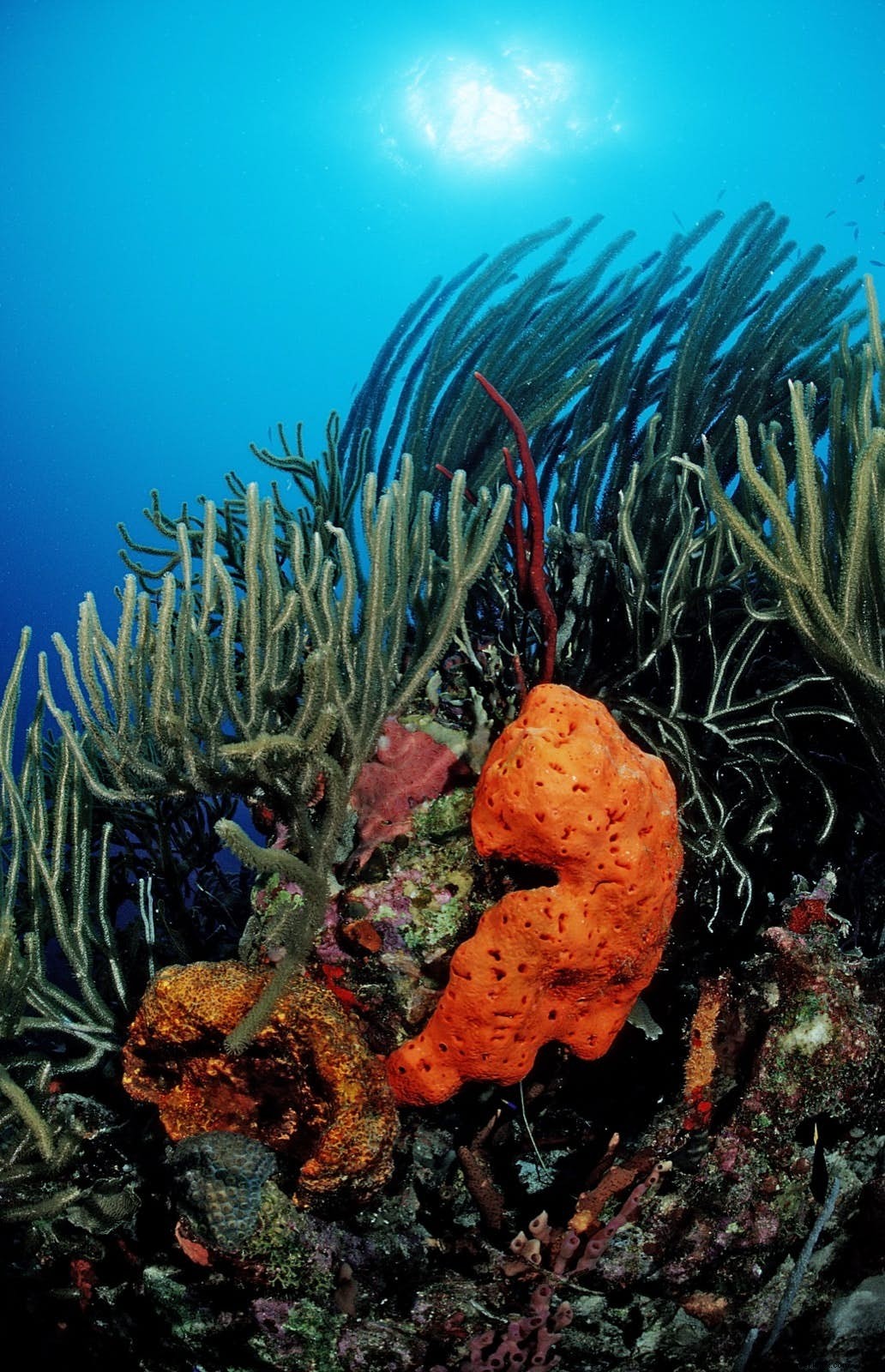
Dive the Jacques Cousteau Reserve
Named Karukera ('island of beautiful waters') by indigenous peoples, Guadeloupe's seas boast vibrant reefs teeming with life.
Near Basse-Terre, the protected Cousteau Reserve features turtles, seahorses, starfish, and colorful fish amid tube sponges and corals—championed by Jacques Cousteau in the 1970s.
Malendure Beach's dive centers, like Plaisir Plongée Karukera, offer introductory dives and PADI courses for all levels.
Uncover Slavery's History at Memorial ACTe
This striking 2015 museum on a former sugar factory site explores Guadeloupe's slavery legacy through artifacts, letters, interactive exhibits, and audio tours—from French colonization and African trade to Indian indenture and modern times. A poignant, essential visit.
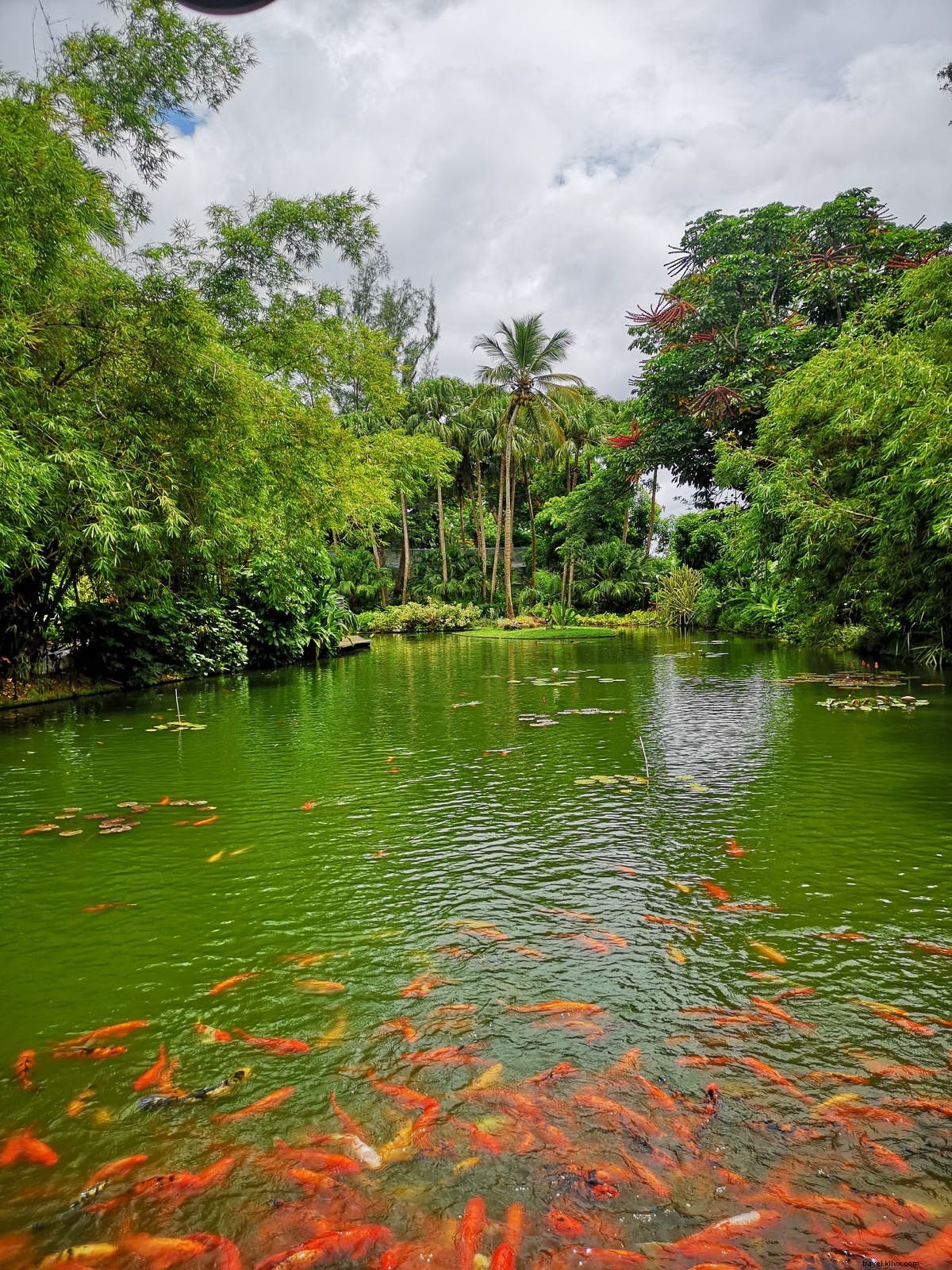
Wander Deshaies Botanical Garden
Basse-Terre's Deshaies blends beaches and a quaint fishing port with colorful homes and fresh seafood.
The star is its botanical garden: exotic plants, serene ponds, and aviaries where parrots perch on shoulders. The on-site restaurant serves Creole specialties like boudin (blood sausage) and accras (fish fritters) amid lush views.
Savor Rum at a Distillery
Indulge in Caribbean rum culture with ti' punch everywhere. Visit one of nine distilleries, like famed Damoiseau on eastern Grande-Terre (producing half the island's rum). Tour the humming machinery and taste selections in the shop—perfect souvenir.
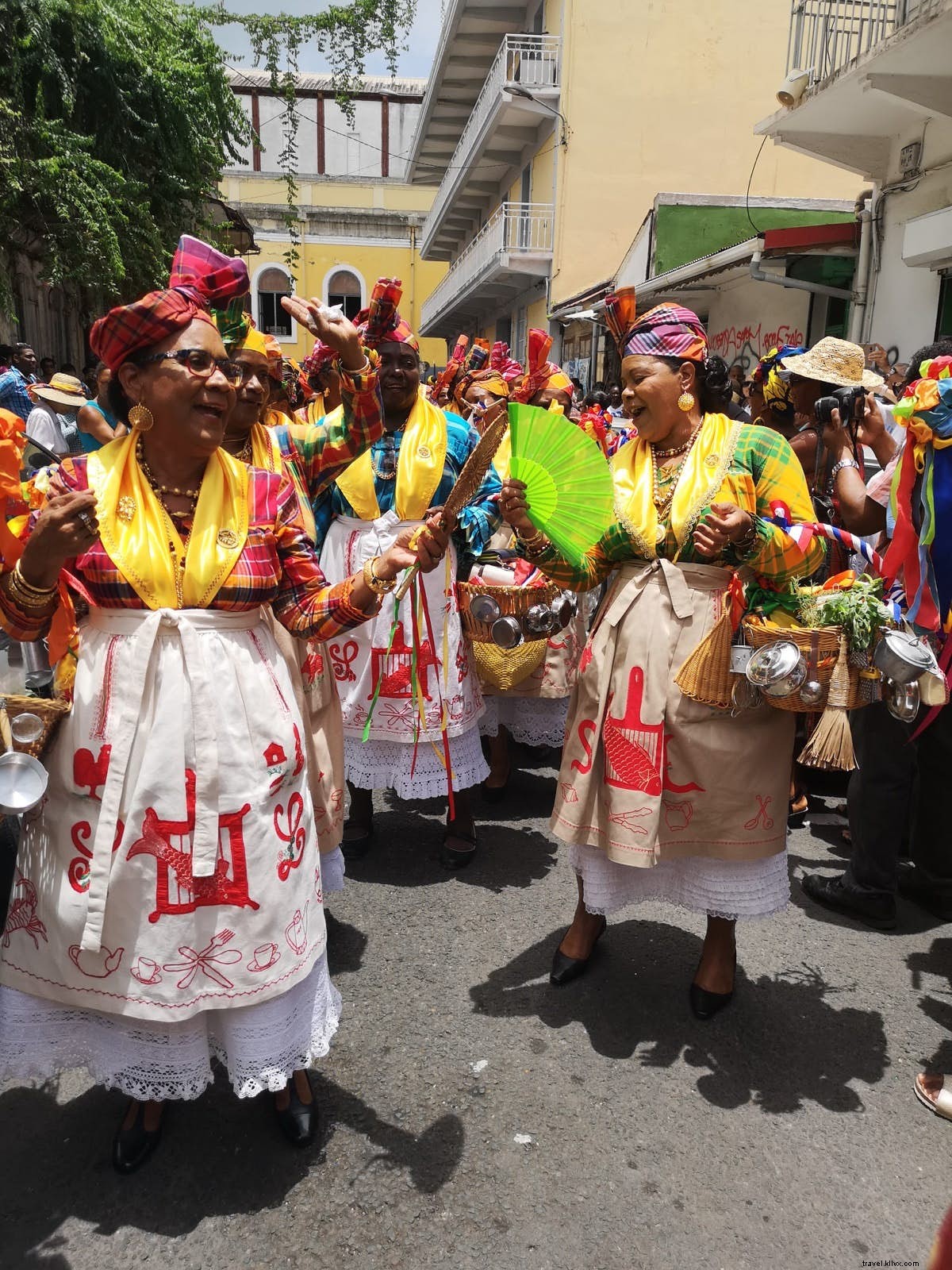
Immerse in Pointe-à-Pitre's Culture
Grande-Terre's bustling capital pulses with traditional Caribbean life: spice-laden markets, trinket stalls, and rum amid weathered wooden homes.
Early August brings the iconic Fête des Cuisinières—women in checkered attire parade from the cathedral with homemade treats, reggae beats, and joyful crowds. Raw, vibrant, and worlds from glossy resorts.
Laura French visited Guadeloupe with support from Atout France (guadeloupe-islands.com). Lonely Planet contributors do not accept freebies for positive coverage.