Ultimate Guide to Wildlife Safaris in India: Best Parks for Tigers, Elephants & More
India's deep connection to nature is evident in its ancient scriptures, where Hindu gods ride celestial animals and embody hybrid forms. Today, sacred elephants, monkeys, peacocks, and bulls still roam this land of extraordinary habitats and biodiversity.
While poaching and habitat loss have reduced populations—tigers dropped from around 100,000 a century ago to about 3,167 in the wild as of the latest 2022 census (roughly 75% of the global total)—India's wildlife remains remarkably diverse. Ranking ninth globally for mammals with 412 species and hosting 12% of the world's fish and birds, the country boasts nearly 500 wildlife sanctuaries, 100 national parks, and 14 biosphere reserves, making wildlife encounters accessible for travelers.
Top Wildlife Sightings and Prime Locations
Tigers: Conservation efforts continue amid challenges. A 2012 Supreme Court ban limited tourism in core tiger reserve areas (but not buffer zones)—always verify current access rules. Karnataka leads with around 563 tigers across its reserves; Bandipur National Park is a top choice. Madhya Pradesh follows closely, with Bandhavgarh National Park offering India's highest tiger density and near-guaranteed sightings, alongside Kanha National Park.
 Kanha National Park by Ashish Gautamm. Creative Commons Attribution Licence
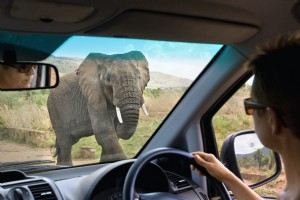
Elephants: Once abundant, Asian elephants now cluster in key areas, with the largest population (about 10,000) in the Nilgiri Hills at the southern Western Ghats. Explore the Nilgiri Biosphere Reserve spanning three states. Wayanad Wildlife Sanctuary in Kerala offers uncrowded elephant views amid stunning landscapes. Mudumalai National Park (Tamil Nadu), Nagarhole, and Bandipur (Karnataka) also host significant herds.
Leopards, Lions & Other Mammals: Bandhavgarh shelters 40+ leopards, nilgai antelopes, sambar deer, and porcupines. Uttarakhand's Govind Pashu Vihar Wildlife Sanctuary features black and brown bears plus elusive snow leopards. Gujarat's Sasan Gir National Park protects the world's last ~700 Asiatic lions, with a strong chance of sightings on morning safaris as the population thrives.
 Asian One-horned Rhinoceros by Lip Kee. Creative Commons Attribution Licence
One-Horned Rhinos: Upgraded from endangered to vulnerable, fewer than 4,000 remain worldwide, with two-thirds (~2,600) in Assam's Kaziranga National Park—a UNESCO site. Elephant-back safaris provide thrilling views.
Birds: Urban hotspots like Bangalore and Mumbai offer easy spotting, but dedicated birders head to Gujarat's Nal Sarovar for flamingos, Rajasthan's Keoladeo Ghana National Park (a UNESCO site) for migrants like sunbirds and parakeets via bike, or southern sanctuaries like Vedantangal and Ranganathittu for herons, storks, and ibises.
 Porcupine by wildxplorer. Creative Commons Attribution Licence
Essential Safari Tips
Opt for small, open-sided 4WD vehicles with roofs for optimal viewing and comfort—buses and rickshaws struggle on rough terrain. Book knowledgeable guides in advance, as some mandatory ones may lack expertise. Pack sunscreen, binoculars, neutral-colored clothing, and maintain silence. Get inspired at www.indianaturewatch.net.
Best Time to Visit
For large mammals, target the dry season (March–May in most areas) when thinning foliage draws animals to waterholes. Birdwatching peaks October–February. Confirm peak seasons per park.

From wildlife safaris to cultural retreats, Lonely Planet's India guidebook is your trusted companion for authentic adventures.