India's Hill Stations: Historic Gems Adapting to 21st-Century Challenges
India's hill stations, first established by the British during the Raj era, continue to captivate visitors with their cool climate, offering respite from the scorching plains in summer and, in northern regions, snow-capped peaks for winter skiing.
However, their immense popularity threatens overcrowding. Shimla, once the summer capital of the British Raj and a Bollywood favorite for its scenic Victorian architecture, faces heavy traffic and strain on its historic infrastructure. How are these destinations responding?
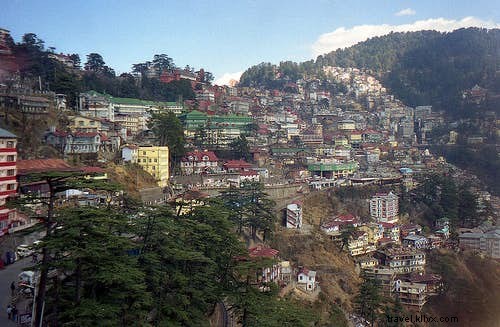 'Shimla' by ruffin_ready. Creative Commons Attribution Licence
Shimla is embracing sustainability through adaptive reuse of colonial-era buildings. The grand 1888 Viceregal Lodge, now home to the prestigious Indian Institute of Advanced Studies, welcomes the public to its stunning grounds. The iconic Gaiety Theatre, a social centerpiece of the Raj, has been meticulously restored and now hosts theater workshops, international performers, and local productions.
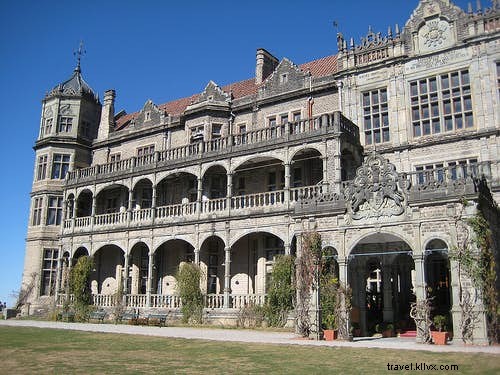 'Institute of Advanced Studies' by shradda chaudhari. Creative Commons Attribution Licence
Green initiatives are gaining traction. The UNESCO-listed Himalayan Queen toy train, which winds its way to Shimla daily, powers its coaches with solar panels to cut fuel use. Plastic bags have been largely banned in shops, boosting newspaper recycling for paper alternatives. While litter persists, monsoon rains help break it down—and the town's monkeys contribute their own natural recycling.
Local residents cherish the colonial aesthetic, resisting modern designs, yet recognize the maintenance challenges of century-old structures built for large staffs. Charming mock-Tudor cottages, some elegantly restored as heritage hotels, others charmingly weathered ruins with wild gardens, dot the landscape—perfect for photography. The Ridge's historic bandstand, once alive with police band performances into the 1960s, now offers dining with panoramic valley views.
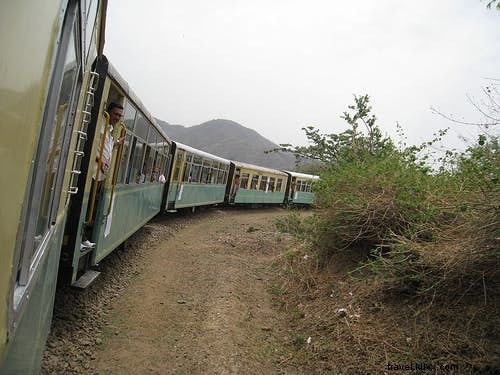 'Himalayan Queen' by mkosut. Creative Commons ShareAlike Licence
Similar transformations unfold in other northern hill stations like Manali and Mussoorie, while quieter spots such as Kasauli and Chail maintain an intimate charm. In the Western Ghats, destinations like Kodaikanal, Ootacamund (affectionately 'Snooty Ooty'), and Coonoor provide serene escapes amid rolling tea plantations.
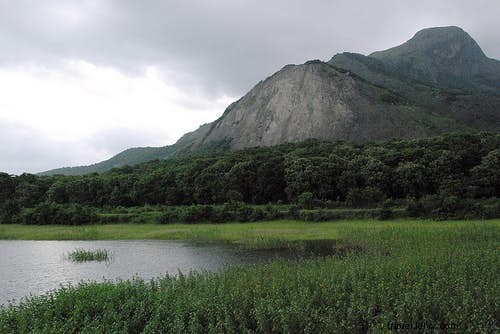 'Western Ghats' by aloshbennett. Creative Commons Attribution Licence
Raj-era pastimes endure: well-marked trails for hiking, expert-guided wildlife tours, horse riding, golf, and cricket. Though history has evolved, these timeless hill stations remain irresistible.

Discover India's wonders with Lonely Planet's India guide book.