Essential Regional Cuisines of China: Iconic Dishes and Their Stories
Chinese cuisine varies richly across regions, reflecting centuries of history influenced by trade routes like the Silk Road, Portuguese explorers, and wandering monks. Dishes such as leaping Buddhas, lion heads, and lychee pork offer a flavorful journey through China's diverse culinary heritage. This guide highlights must-try specialties to inspire your gastronomic adventures.
Cantonese Dim Sum
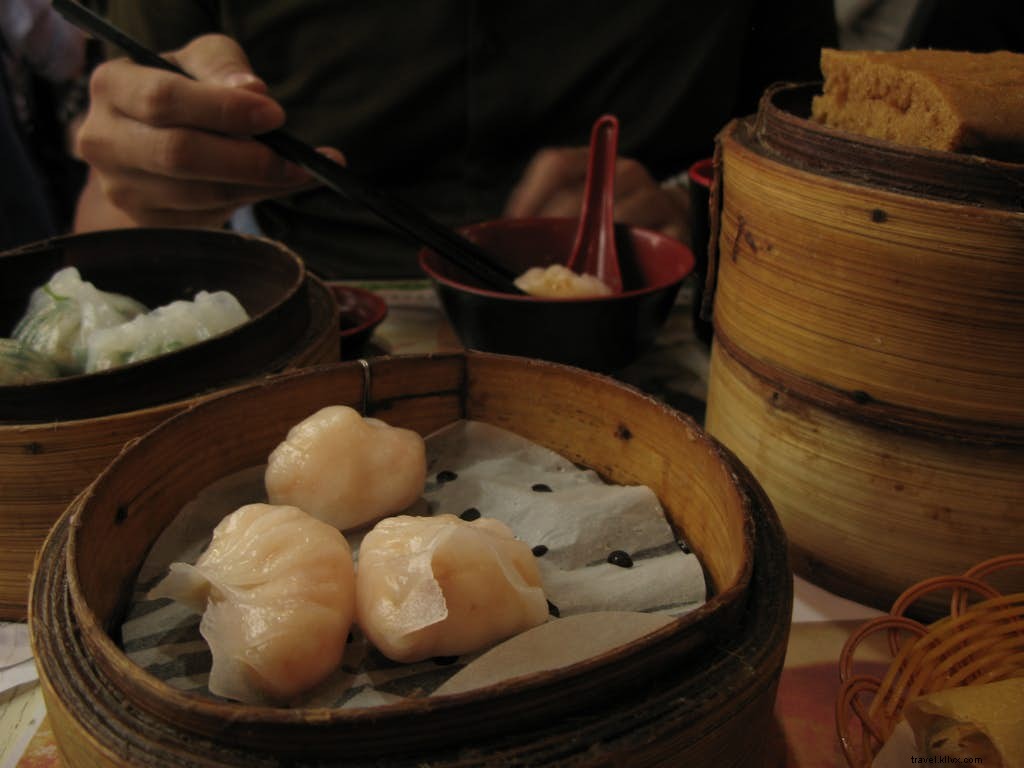
Experience the vibrant energy of a Hong Kong dim sum parlor, where carts brimming with bamboo steamers are wheeled by skilled servers. Start with crowd-favorite siumai—juicy dumplings filled with pork, prawn, and Chinese black mushrooms, topped with an orange dot. Follow with silky scallop and snow pea sprout dumplings, enhanced by red wine vinegar, or cheong fun: rice noodle rolls stuffed with prawns (or variations like chicken and bitter melon), drizzled with sweet soy sauce and shallot oil. At Tim Ho Wan, savor the signature baked char siu bao, barbecue pork buns.
The allure lies in the traditions: clattering carts alongside jasmine tea on crisp white tablecloths, stamped menu cards tracking your selections, and opulent decor with red and gold dragons. Dim sum originated over a millennium ago in teahouses serving Silk Road travelers, where dumplings complemented yum cha (tea drinking).
Fujian ‘Buddha’s Temptation’
Fujian cuisine, particularly from Fuzhou, is renowned for its subtle, clean profiles that highlight natural flavors of seafood, mushrooms, and bamboo shoots with minimal salt and a touch of shrimp oil. Simplicity shines in dishes like oyster omelettes at Lóngtóu Fishball, while complexity defines ‘Buddha Jumps Over the Wall’ (Fó tiào qiáng), a lavish soup tempting even monks from vegetarianism. It features pork tendon, sea cucumber, quail eggs, ginseng, abalone, and controversially shark fin—which is inhumane, unsustainable, and unnecessary amid the robust flavors. Ethical dining avoids shark fin, as its harvest leaves sharks to suffer.
Preparation takes one to two days, and the cost reflects its rarity. For an accessible taste of Fujian's sour-sweet mastery, try gēng, thick soups like mussels in chicken broth. From Fuzhou, lìzhī ròu (lychee pork, sans lychees) showcases precise knife work: pork tenderloin scored to mimic lychee skin, fried, and braised with water chestnuts in a tangy tomato sauce.
Macau Egg Tarts
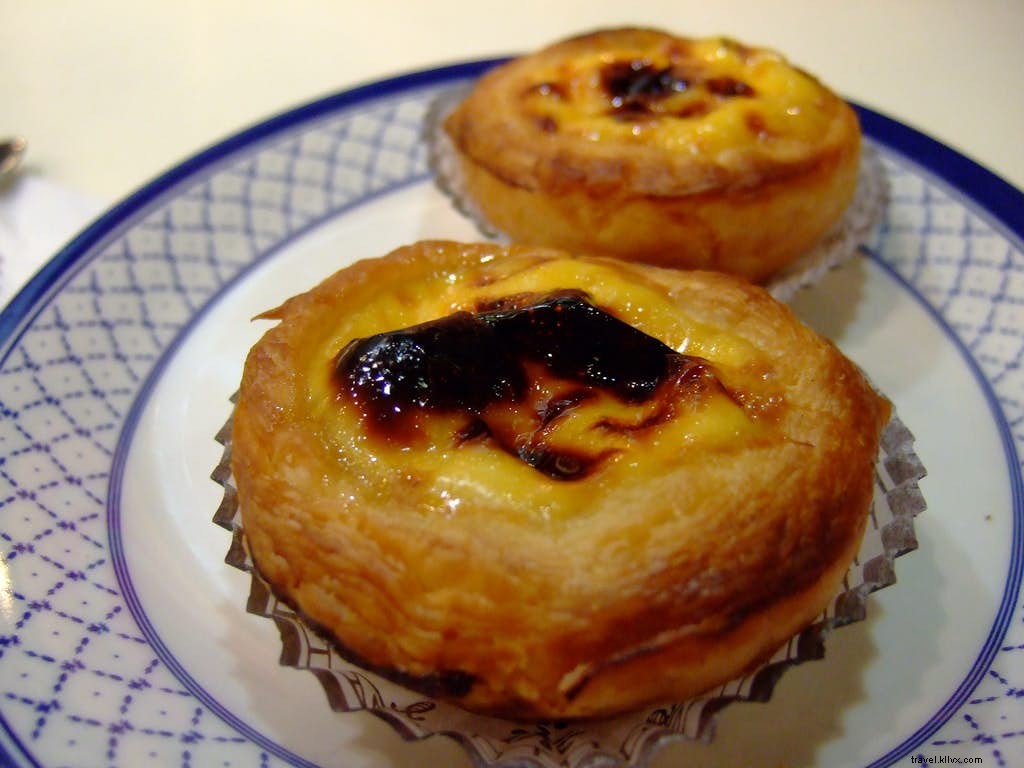
Dim sum desserts feature dan gao (or dàntǎ)—golden shortcrust tarts with creamy egg custard. Ideal versions boast a lightly bronzed top, flaky pastry, and warm, oozy filling with a subtle savory note, distinct from sweeter Western adaptations. Sample varieties at Lord Stow’s Bakery.
Rooted in Portuguese pastel de nata, these tarts reflect Macau's colonial history across the Pearl River Delta from Hong Kong. Portuguese traders from the 1550s to 1999 influenced this fusion, exemplifying Chinese culinary adaptability.
Beijing Roast Duck
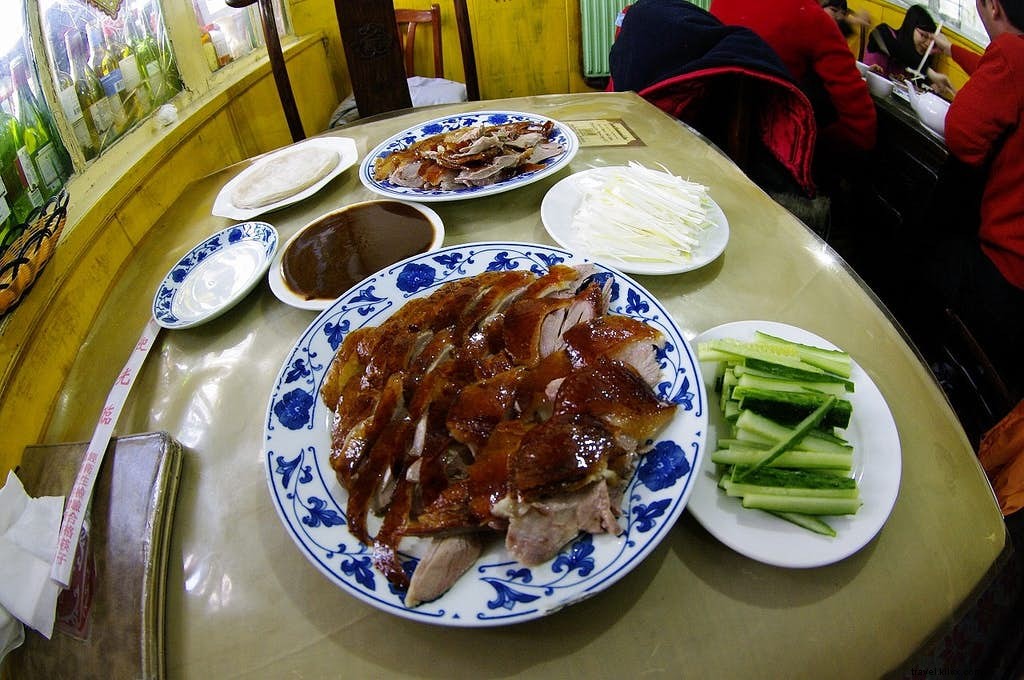
Authentic Beijing roast duck surpasses Western versions in juiciness and fat content. Chefs often brush the skin with malt sugar for a radiant golden crispness. Journey through historic hútòng alleys to Lìqún Roast Duck Restaurant for an unforgettable experience.
A imperial delicacy since the 13th century, it became accessible in the early 1900s via former palace chefs. At Qiánmén Quánjùdé, fruitwood-fired ovens impart unique aroma. Serve with pancakes, fermented bean paste, cucumber, and scallions.
Sichuan Málà Rabbit
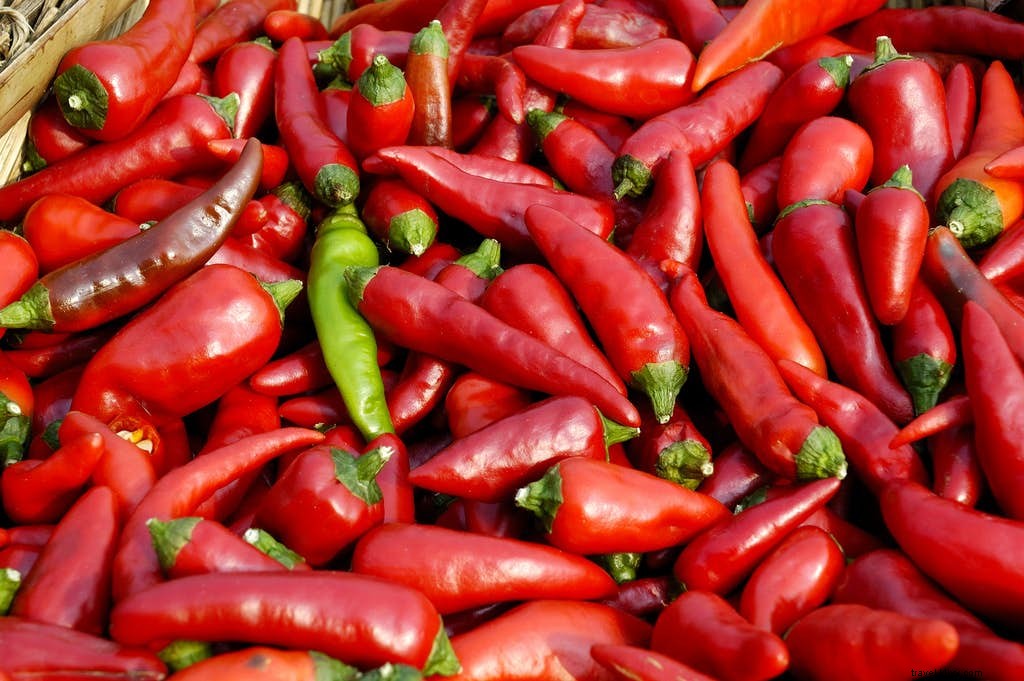
Sichuan's humid climate popularized chilies (introduced by Portuguese from South America in the 16th century) for their warming effects. Pairing them with Sichuan peppercorns creates málà—numbing spice—as in rabbit or kung pao chicken (gōng bǎo jī dīng) with peanuts, chilies, and peppercorns (often skipped abroad). Try mápó dòufu at Chén Mápó Dòufu.
Dishes balance smoky star anise, sweet sesame, grassy cardamom, ginger, floral peppercorns, bright chilies, and pungent garlic. Sample málà rabbit (or crayfish) at Zìgōng Càiguǎn.
Jiangsu ‘Lion’s Head’ Meatballs
Jiangsu, the ‘land of fish and rice,’ excels in refined Sū cài with artistic presentations like melon-carved peacocks and masterful seafood.
Head to Huái yáng, Sūzhōu, or Nánjīng for shīzǐ tóu: oversized pork-crab meatballs braised with ginger, wombok cabbage, and scallions, lightened by optional crab roe. Variations add soy for color or tofu for moisture. Shanghai adapts it with vermicelli at Xian Yue Hien.
Xi’an Yángròu Pào Mó and Chinese Burgers
Xi’an, Silk Road terminus, blends Turkish, Iranian, and Egyptian influences in its Muslim Quarter. Enjoy sesame brittle (huāshēng gāo), grilled lamb skewers (yángròu chuànr), or lamb stew.
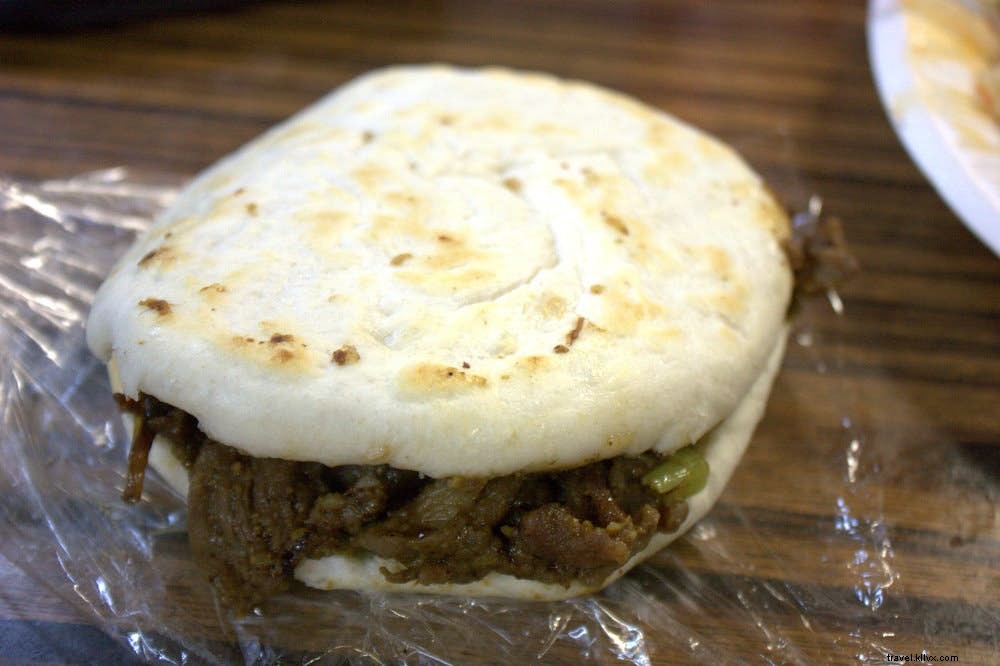
Yángròu pào mò marries Hui Muslim and Chinese flavors: soft mutton with vermicelli, chili paste, and pickled garlic. Dip torn pita-like bread at Muslim Family Restaurant. For fusion, ròu jiā mò (Chinese burger) packs cumin-chili mutton into flatbread.