48 Hours in Jeonju: Explore South Korea's UNESCO Foodie Capital
Jeonju ranks among South Korea's premier destinations, yet it remains a hidden gem for international travelers. As the largest city in the southwest, it features a vibrant historic district and an exceptional culinary landscape. Koreans proverbially say, 'Eat once in Jeonju, and you'll be spoiled for life.'
Designated a UNESCO City of Gastronomy in 2012, Jeonju's sprawling urban area belies its compact core of attractions, making it an ideal, manageable weekend getaway from major cities.
Stroll cobblestone lanes, sample street food stalls, overnight in a traditional hanok home, and join locals for a spirited evening out. Our expert-curated 48-hour itinerary unlocks the best of this Korean culinary paradise.
Day One
Morning
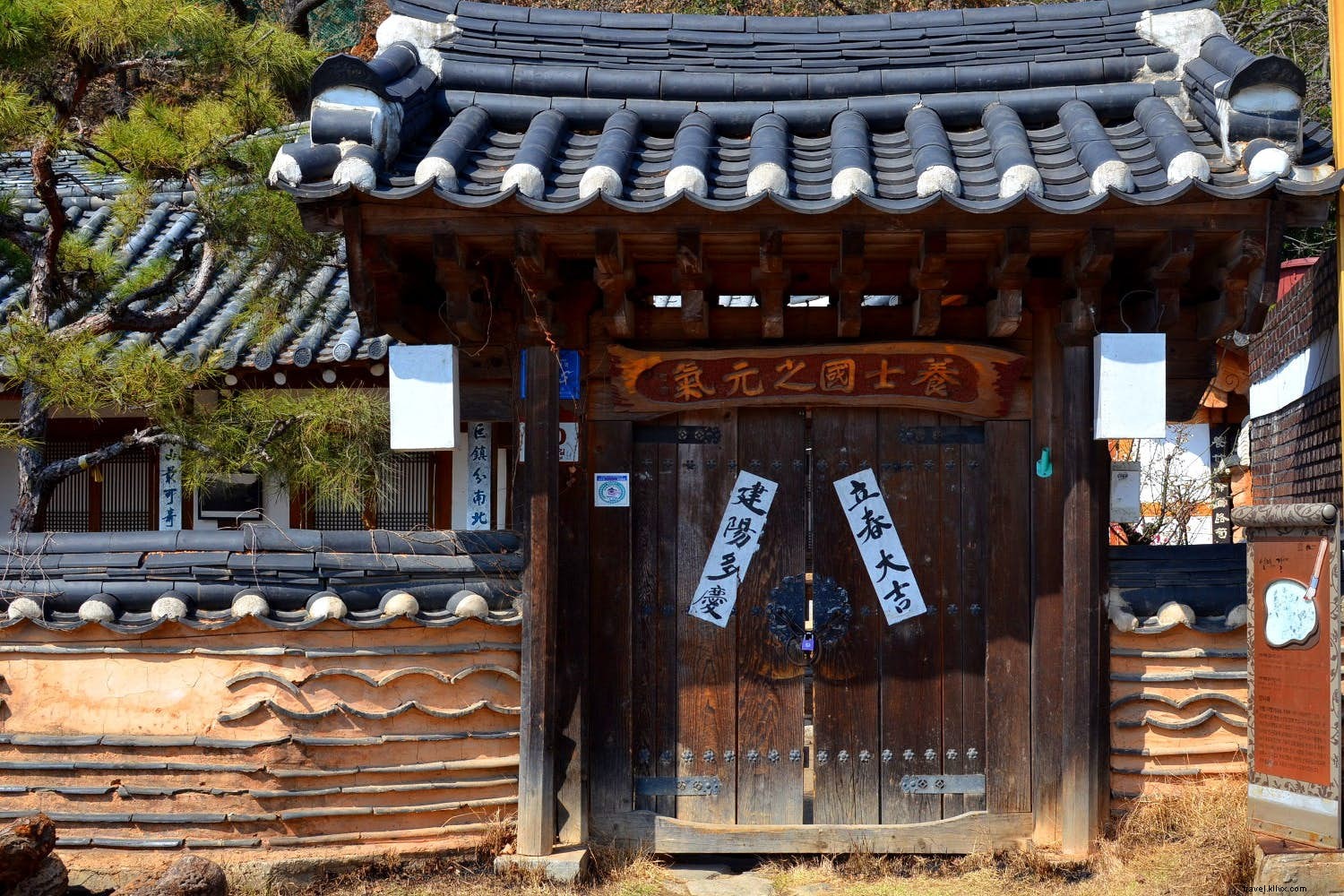
Begin in Jeonju's historic heart, Hanok Maeul village. These elegant hanok homes, with their iconic sloping slate roofs, once housed Korea's upper class. This expansive collection—hundreds strong—forms a maze of alleys, immersing you in a serene, neon-free Korea. Many are restored as guesthouses, eateries, shops, or workshops. Fuel up with a superior latte at Story café amid numerous options.
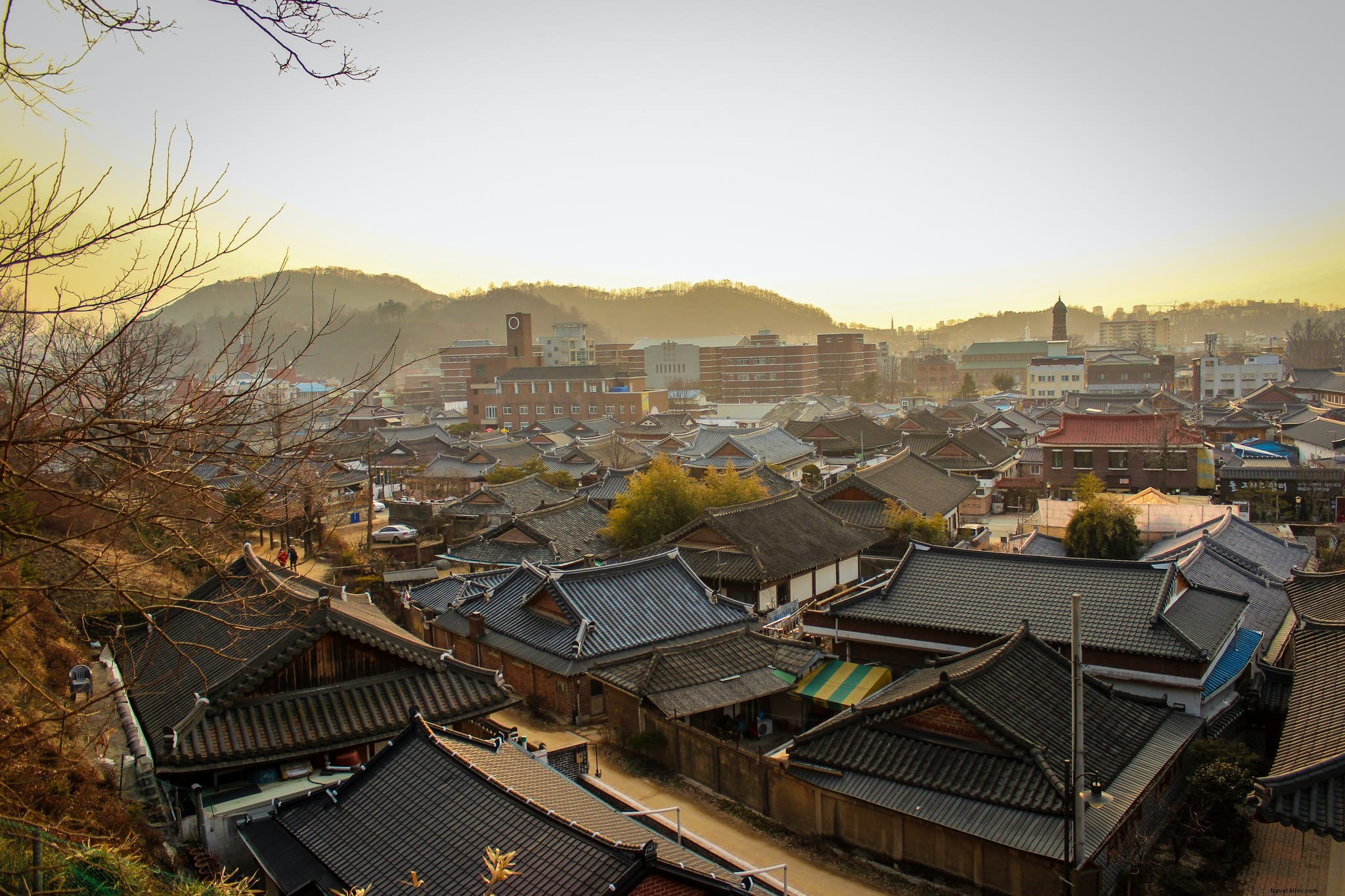
At the village center lies Gyeonggijeon Shrine, built in 1410 (rebuilt 1614) to honor Joseon Dynasty founder Yi Seong-gye, from a Jeonju family. Nearby, small museums like the Traditional Wine Museum showcase local liquor distillation. The true magic, however, unfolds wandering the narrow, winding lanes.
Afternoon
Hanok Maeul buzzes with street food vendors offering fried and grilled skewers. Traditional favorites like fluffy, brown sugar-filled hotteok pancakes at Jeondong Hotteok (75 Eunhaeng-ro) blend seamlessly with modern twists, such as spicy pork baguettes at Gilgeoriya (124 Gyeonggijeon-gil). Indulge in meatballs, mandu dumplings, churros, or fried squid. Refresh with rare golden tea, once fit for kings, at historic Gyodong Dawan (65-5 Eunhaeng-ro).
For souvenirs, browse hanji paper crafts at the Handicraft Exhibition Hall or naturally dyed clothes at Demiseam (100-7 Hanji-gil).
Evening
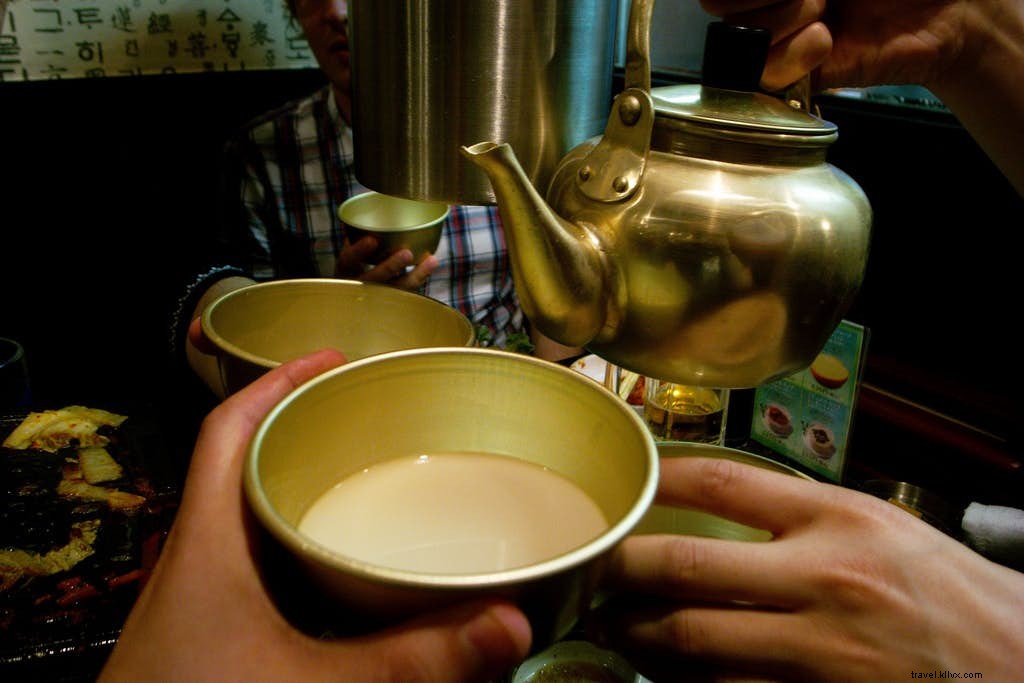
Jeonju reveres makgeolli, the milky rice-fermented spirit deemed a 'food' by locals. Seven dedicated makgeolli towns feature bars serving it in copper kettles, with free side dishes scaling with orders—best shared in groups of four+. At renowned Yetchon Makgeolli (8 Jungsanjungang-ro), exceptional cuisine rivals the drinks; expect queues.
Stay authentically in Hanok Maeul: regal Seunggwangje or 100-year-old thatched Cho Ga Jib (25 Omokdae-gil, Wansan-gu; 063 288 2403). Budget travelers, opt for nearby Carpe Diem hostel.
Day Two
Morning
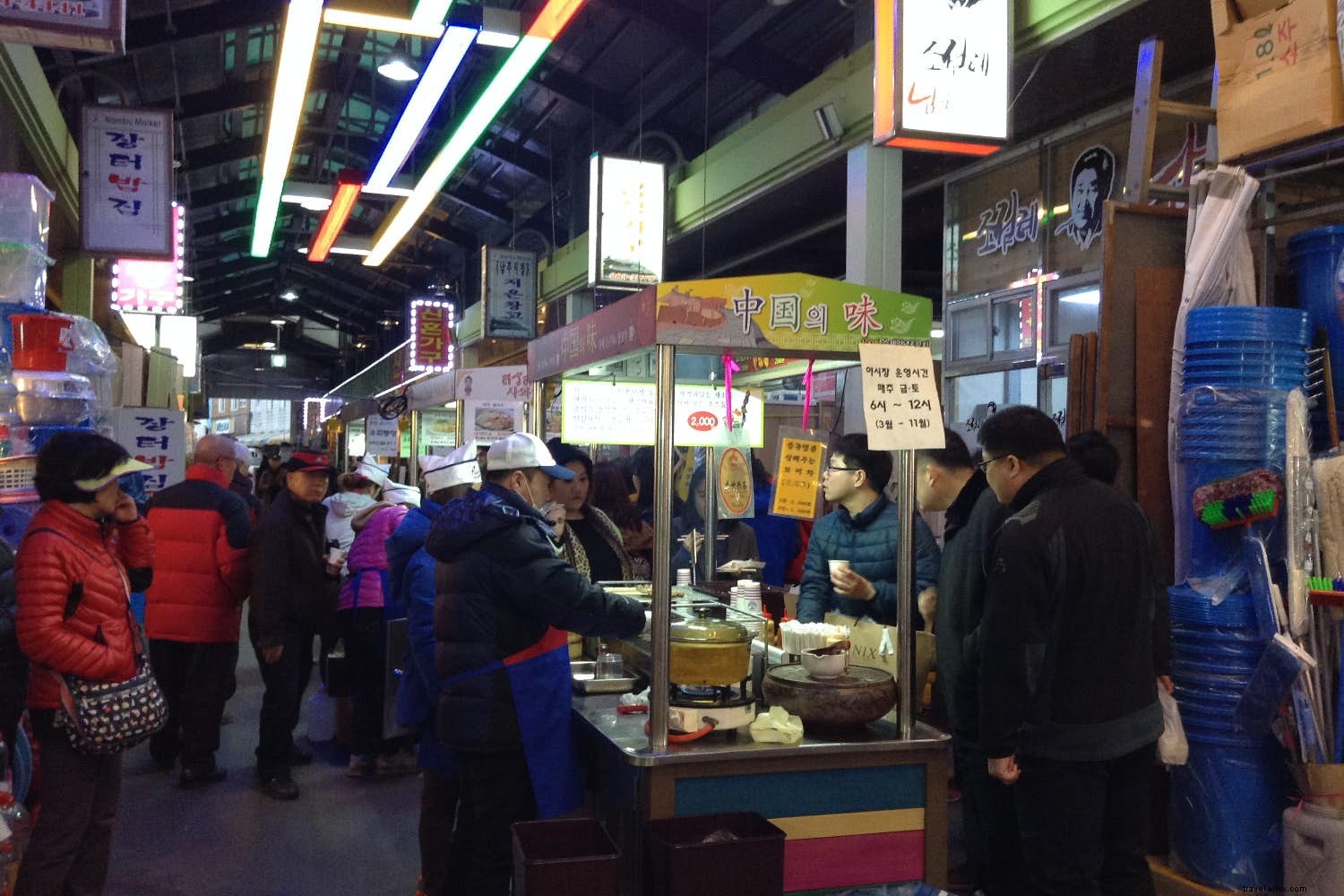
Counter makgeolli hangovers with kongnamul gukbap (bean sprout rice soup) at Hyundai-ok in Nambu Market (63 Pungnammun 2-gil, Wansan-gu; hours vary). Arrive 9-10am for shorter lines, then explore the market's maze, upstairs hipster cafés, and Friday/Saturday night stalls.
Afternoon
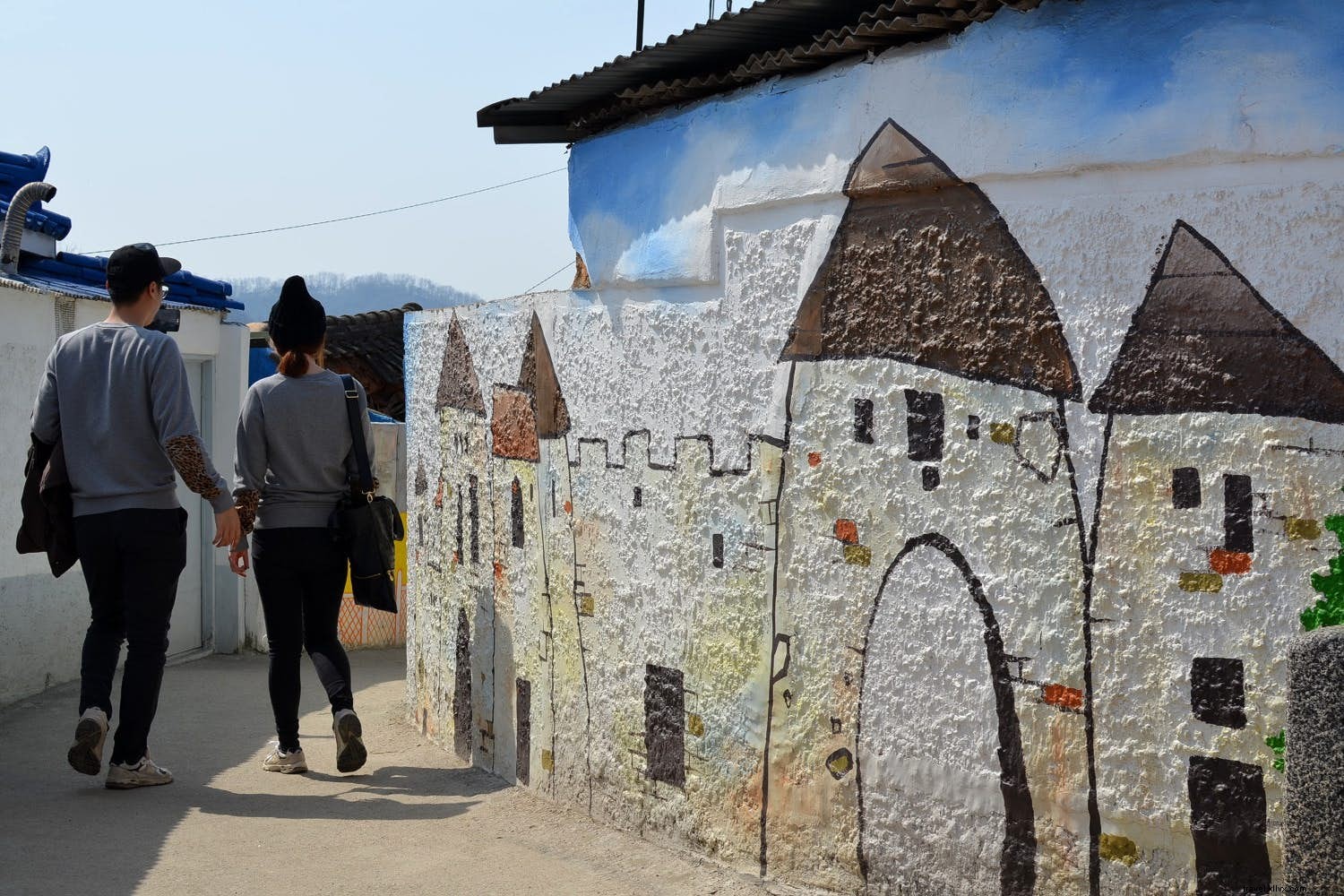
Ascend Omokdae Pavilion for sweeping Hanok Maeul, skyline, and hill views. Cross to Jaman Art Village, a revitalized post-war shantytown alive with murals, sculptures, galleries, and cafés like selfie-friendly Kkojittappong (31 Jamandong 2-gil).
Continue to Martyr's Mountain summit, honoring 13 executed Catholics with hilltop crosses and church— a poignant sunset vantage superior to Omokdae (south via Girin-ro; English signs).
Evening
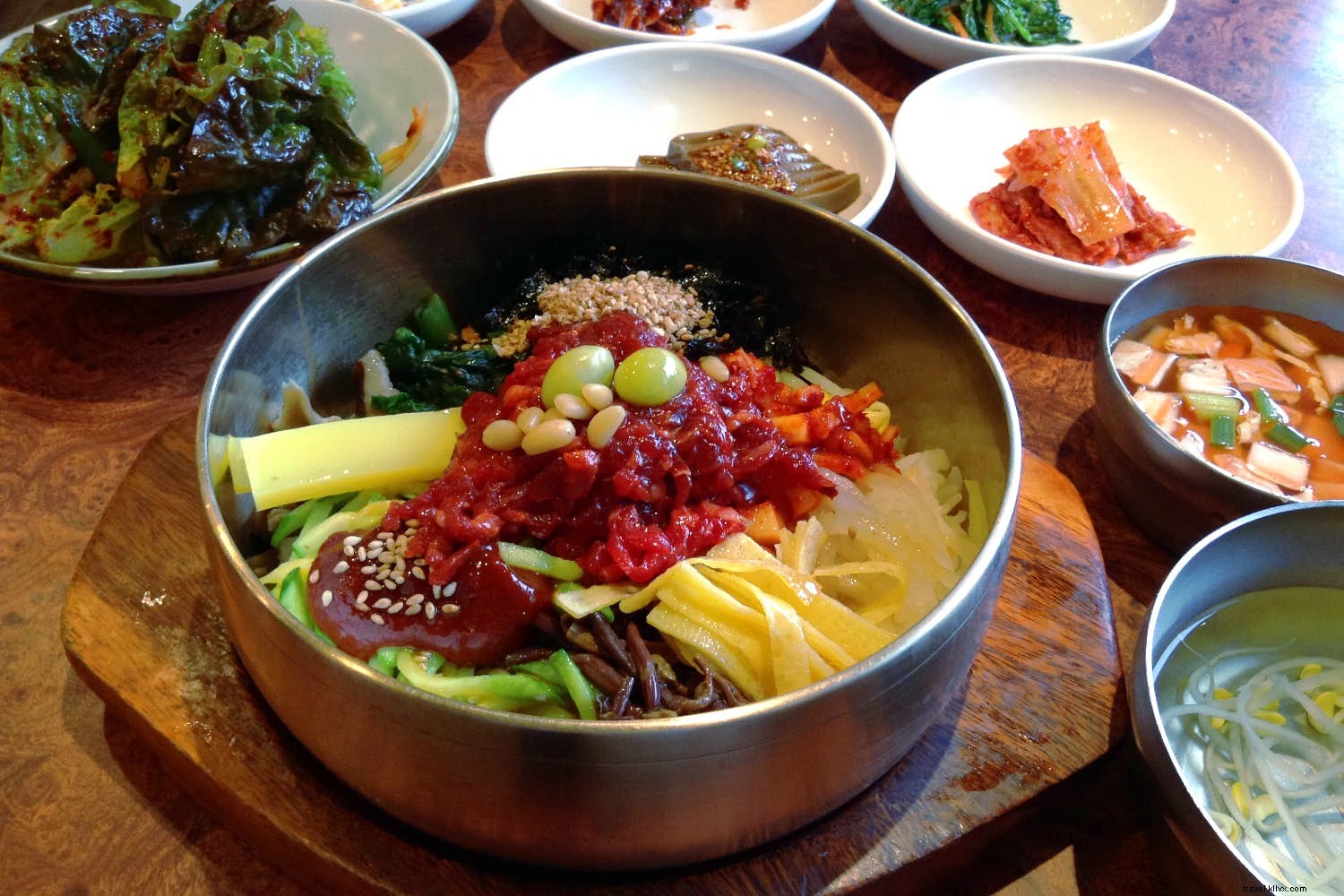
No visit skips Jeonju-style bibimbap: rice, egg, veggies, and chili, elevated by local jellyfied greens. Top pick: Hanguk-jip (119 Eojin-gil, Wansan-gu).
Cap with cinnamon-infused moju at Jeonju Stream's gazebo.