Red Tourism in Zunyi, China: Mao's Historic Legacy and Scenic Wonders
Nestled in the rugged mountains of landlocked Guizhou province in southwest China, Zunyi may seem remote on a map. Yet, its name resonates across the nation due to a pivotal moment in 1935, when the battle-hardened Red Army convened the Zunyi Conference, altering China's revolutionary path forever.

At this legendary gathering, Mao Zedong rose to leadership within the Communist Party. Today, amid China's market-driven economy, Zunyi capitalizes on its 'red' heritage, drawing waves of domestic tourists eager to connect with revolutionary history.
Green River
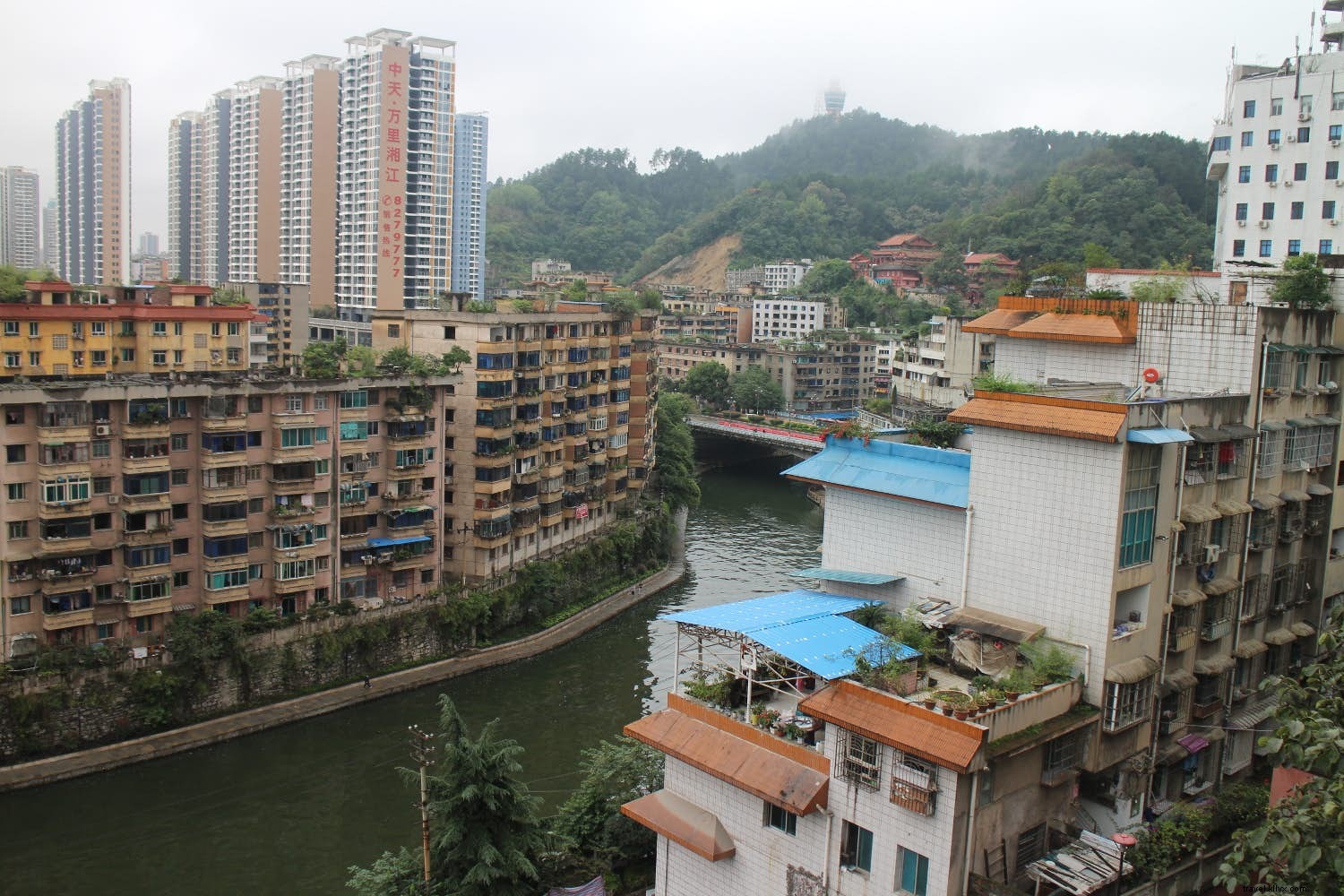
Zunyi's old town buzzes with life, far from its revolutionary fame. Ethnic minority farmers in traditional dress sell handmade crafts beside shops flaunting renowned local Moutai baijiu, China's celebrated fiery spirit.
In the heart of the old town, Xiangshan Temple clings to a steep hillside. The strenuous climb and modest ¥15 entry fee reward visitors with sweeping views of Zunyi's skyline—high-rises mingling with forested hills—accompanied by soothing Buddhist chants.
Strolling the tranquil, jade-green Xiang River banks offers respite from the city's motorbike clamor. Locals swim here, and riverside cafés invite relaxation with tea amid Guizhou's vibrant birdlife.
Red Tourism
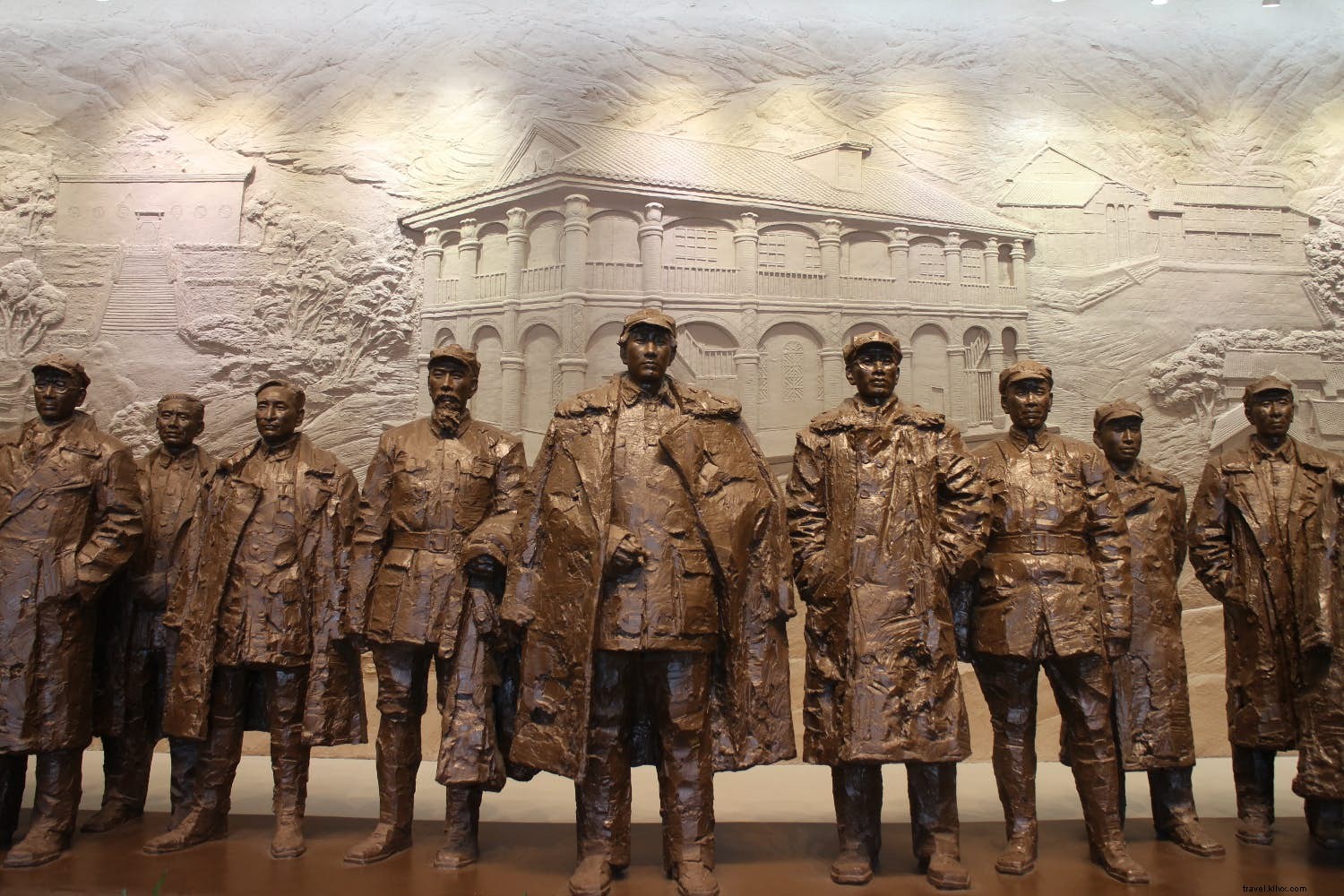
Revolutionary landmarks cluster in an upscale district of boutiques and luxury stores. As a national patriotic education base, entry to key sites like the Zunyi Conference Site is free, with tickets available nearby.
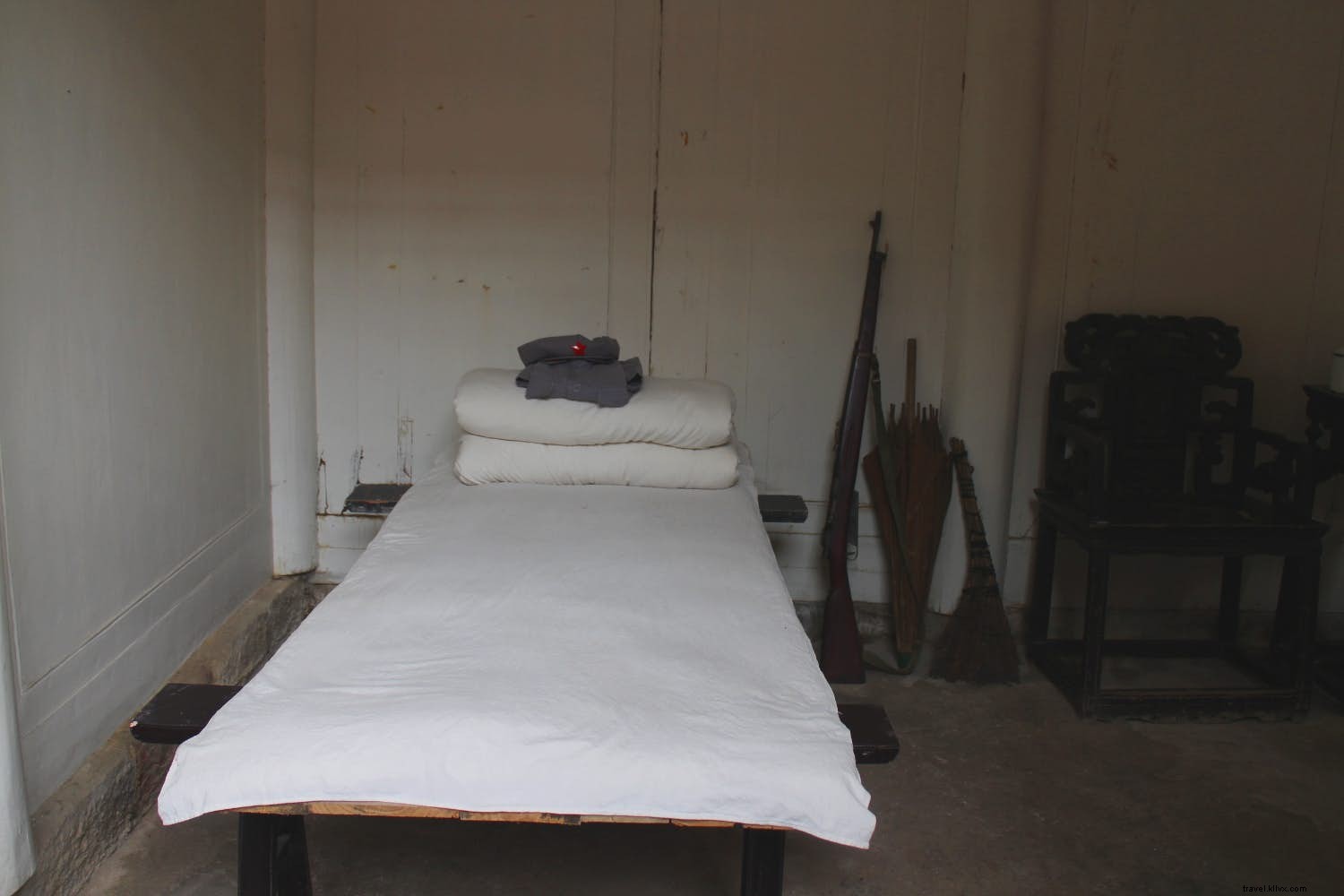
Step into this impeccably preserved former merchant's residence for an immersive glimpse into history. The scent of aged wood fills rooms staged with folded uniforms, a soldier's rifle, and a tin mug—evoking the dreams of China's founders. Imagine Mao and his comrades debating amid military setbacks.
Across the street looms the grand Zunyi Conference Memorial Museum, detailing the site's role in the Long March—a grueling 6,000-mile trek through China's wildest terrains, now legendary in films, books, and even rocket names.
Though English signage is sparse, exhibits offer a detailed, party-aligned narrative with evocative photos of leaders like Zhou Enlai and Zhu De, wax dioramas of battles, and heroic murals.
Upstairs, a gift shop brims with Mao memorabilia: badges, lighters, T-shirts, blending ideology with commerce.
Nearby Red Army Street, restored in the 1980s, features sites like China's first Soviet State Bank, Deng Xiaoping's quarters, Bo Gu's residence, the Red Army Political Department, and a surprising French missionary church.
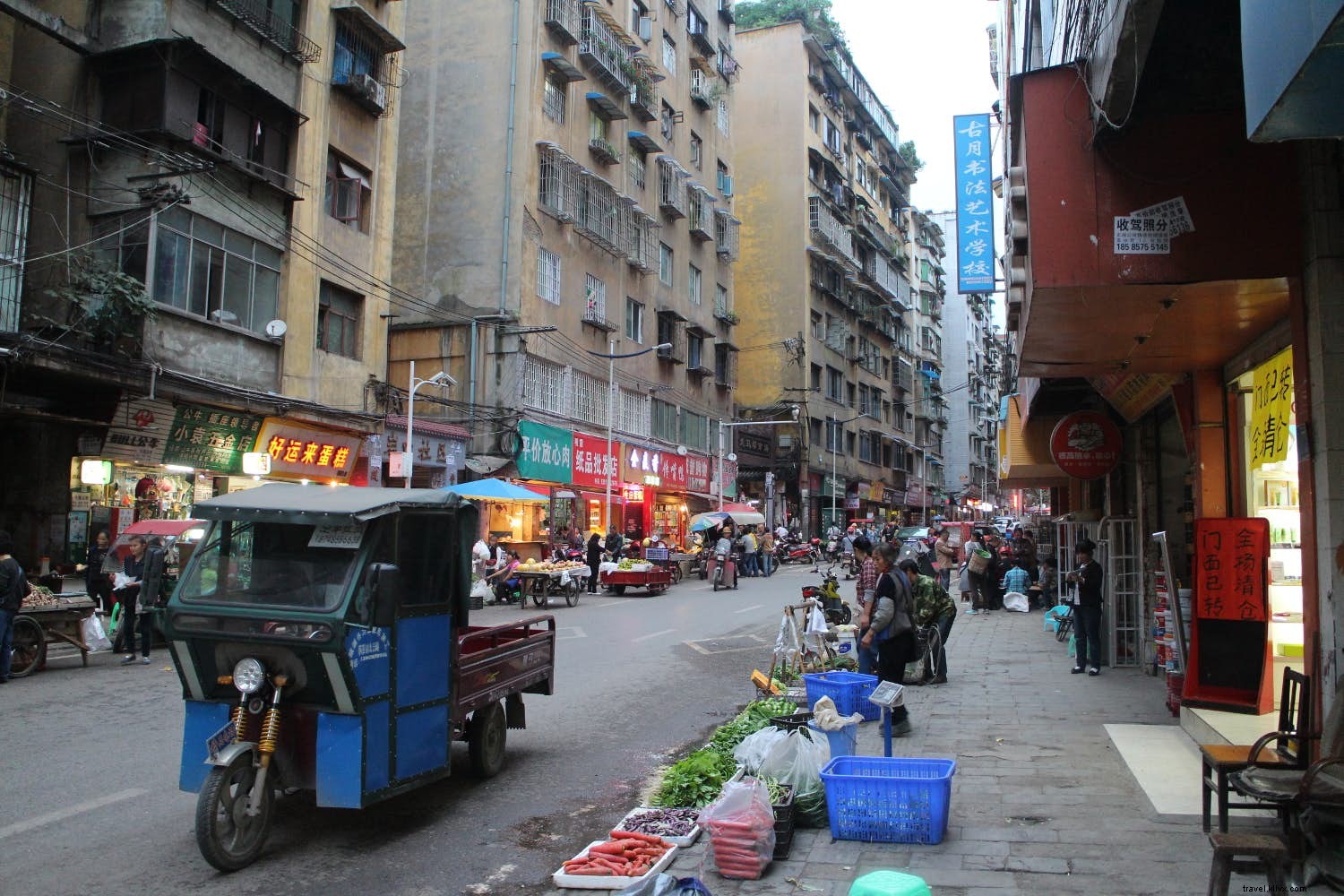
Modernity weaves in—a 1930s-style Fashion Red Square and souvenir stalls en route to the Revolutionary Martyrs Cemetery. The journey peaks at Phoenix Park's summit, crowned by a hammer-and-sickle monument. Unwind at the Old Town's Red Romance Bar with Moutai and revolutionary tunes like 'The East is Red.'
Red Earth
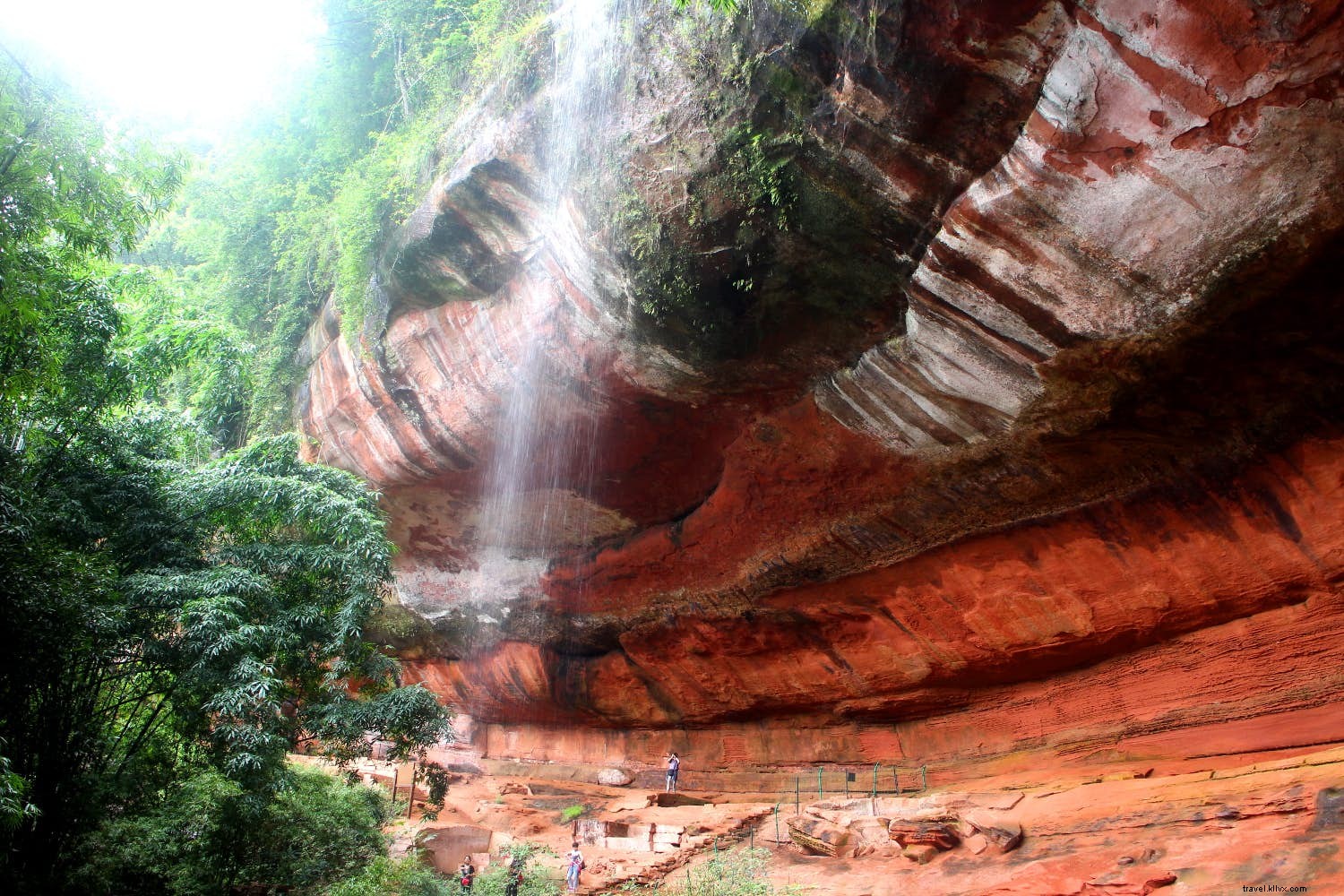
One day covers Zunyi's core; extend to Chishui, northwest, for red-hued rivers from iron-rich soils cascading over thousands of waterfalls, framed by ancient Jurassic forests.
New roads boost tourism with guesthouses and eateries. Highlights include the 76m Shizhandong Waterfall, Red Rock Gorge, and Jinshagou Reserve—offering hikes past dinosaur statues, terraced fields, and timeless danxia formations.
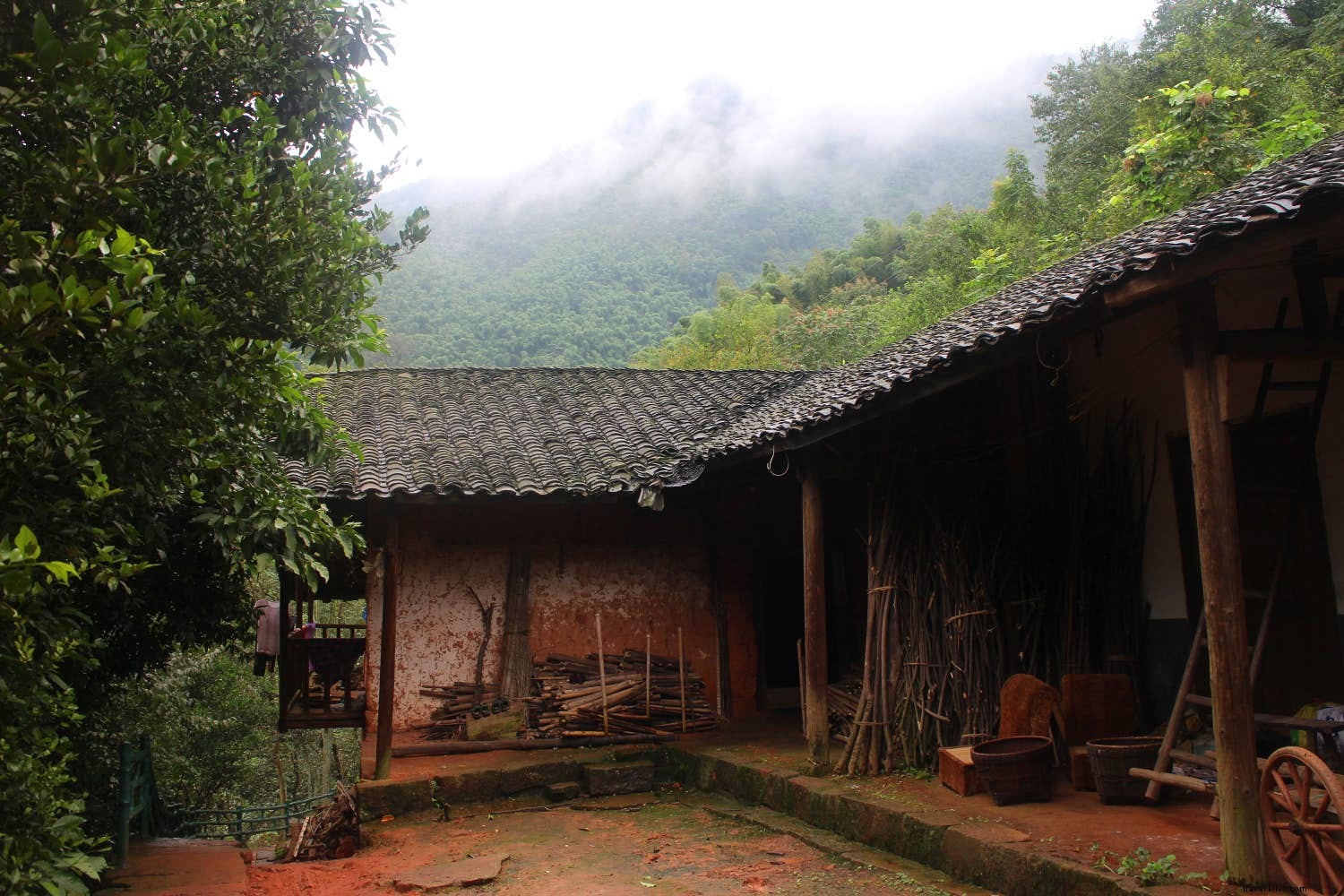
These ancient landscapes humble human history, reminding us of nature's enduring march.
Make It Happen
The Chongqing-Guiyang High-Speed Railway serves Zunyi East. Buses run daily from Guiyang, Chongqing, Chengdu to Zunyi and Chishui.