Why Now Is the Perfect Time to Visit Uzbekistan: Silk Road Wonders and Easing Travel Barriers
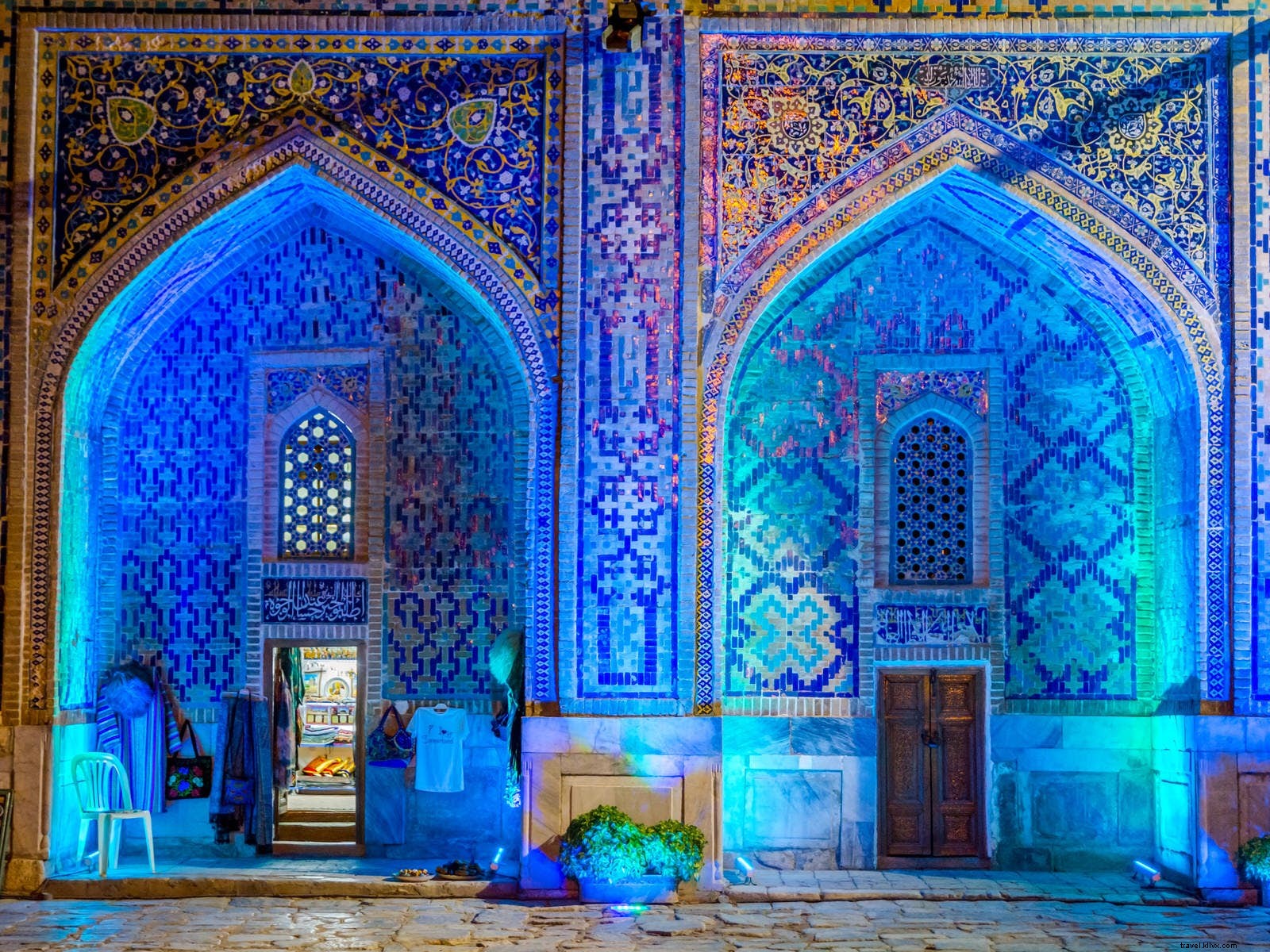
Uzbekistan has long enchanted adventurous travelers with its Silk Road treasures. The historic cities of Bukhara, Samarkand, and Khiva showcase some of the world's most stunning Islamic architecture. Vibrant bazaars, remote desert citadels, traditional silk workshops, and the poignant Aral Sea offer world-class experiences. It's also an ideal base for treks and explorations across Central Asia.
Past deterrents—complex visas, Soviet-era restrictions, and human rights concerns—are changing rapidly for the better.
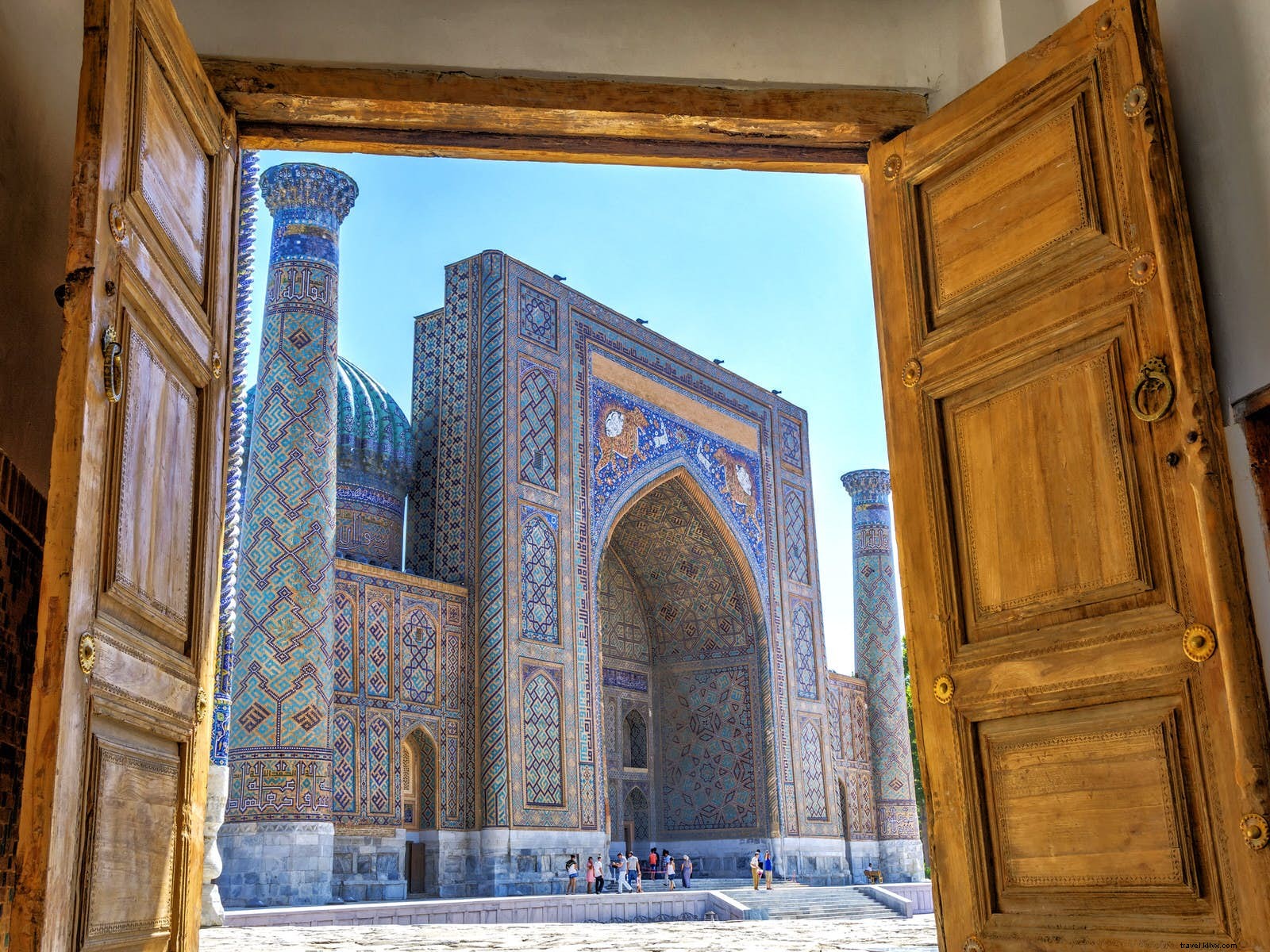
As Uzbekistan opens to global visitors, there's no better moment to discover Central Asia's heart before the crowds arrive.
Uzbekistan in Context
Following President Islam Karimov's death in 2016, reformist leader Shavkat Mirziyoyev has driven significant changes. Reforms to security services and a May 2018 meeting with the U.S. president signal progress. A palpable sense of hope and optimism now permeates the country.
Challenges remain, including human rights issues and cotton industry concerns, with no formal opposition. Yet, positive momentum is clear: tourism surged 25% post-reforms. As Uzbekistan embraces its Silk Road heritage, visit now while it's accessible and uncrowded.
Visas
A 2017 visa-free plan was deferred to 2021, but access has improved dramatically. Since 2018, 30-day visas replaced 15-day ones. Visa-free entry now applies to citizens of Israel, Malaysia, Japan, South Korea, Indonesia, Turkey, and Singapore.
No 'Letter of Invitation' is needed for over 40 countries, including the U.S., Canada, EU nations, Australia, New Zealand, India, and China. Tourist visas process in 2-3 days at embassies. E-visas launched in July 2018 for Indians, expanding to others.
Border Crossings
In 2018, key borders with Tajikistan reopened, including Samarkand-Penjikent. Use Samarkand for day trips to ancient Penjikent ruins or multi-day Fan Mountains treks, just hours away.
These openings simplify overland journeys across Central Asia, eliminating past flight costs, visa hassles, and delays.
New Train Links
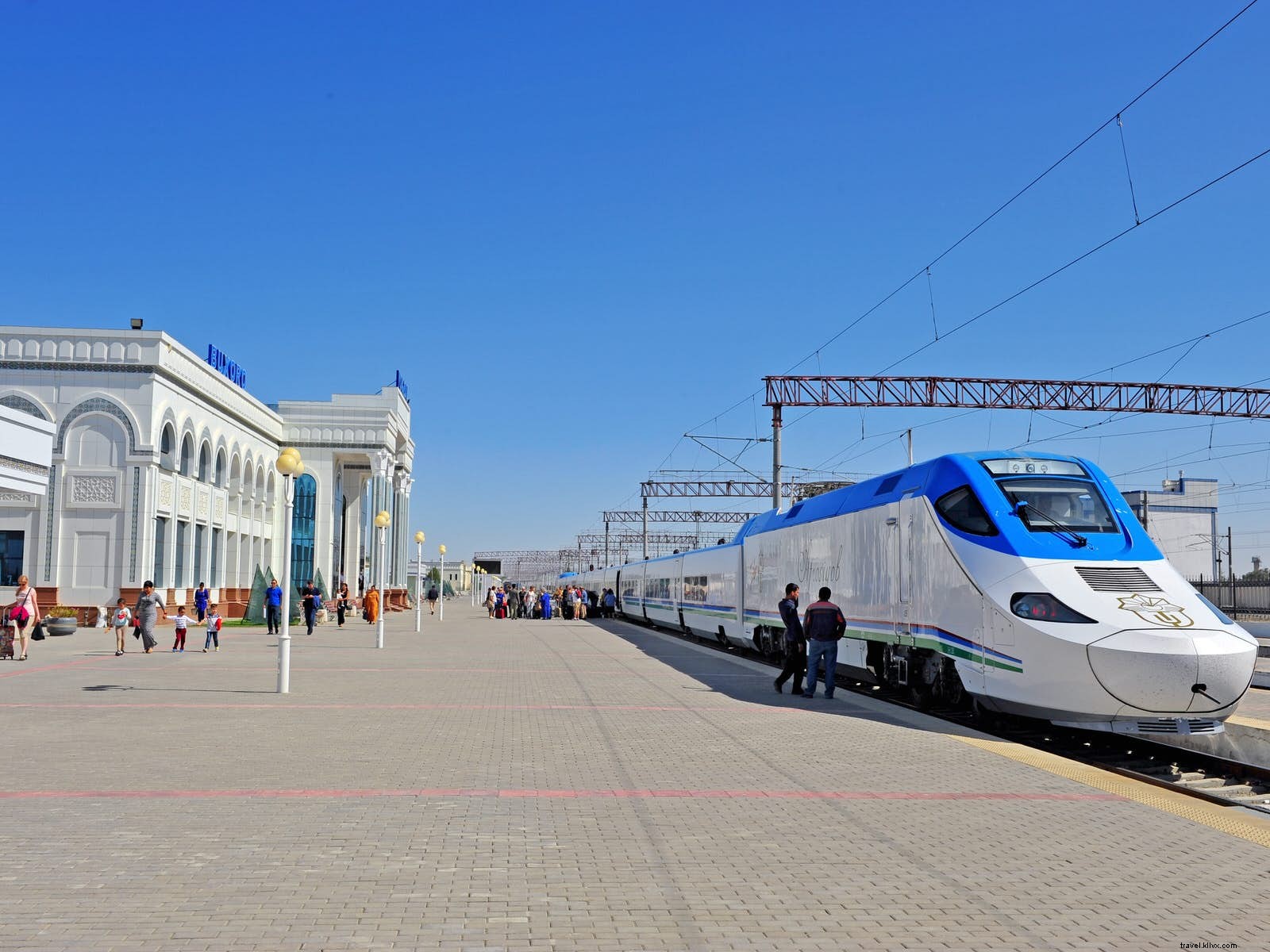
Travel within Uzbekistan is smoother yearly. High-speed trains link Tashkent to Bukhara and Samarkand (since 2016), extending to Khiva by late 2018—bypassing long desert drives. Routes avoid Turkmenistan and Tajikistan, skipping extra visas.
In 2017, Tashkent-Andijon service via Kamchik Tunnel eased Fergana Valley access. A June 2017 Uzbekistan-Kazakhstan line to Astana enhances regional options.
Flights
Tashkent-Dushanbe direct flights resumed in 2017 after 25 years. Turkish Airlines launched twice-weekly Samarkand-Istanbul flights in 2018, skipping Tashkent. Tashkent-Kabul started in 2018; Ashgabat links are planned, reconnecting Turkmenistan.
Silk Road connections are revitalizing, boosting regional travel.
Money
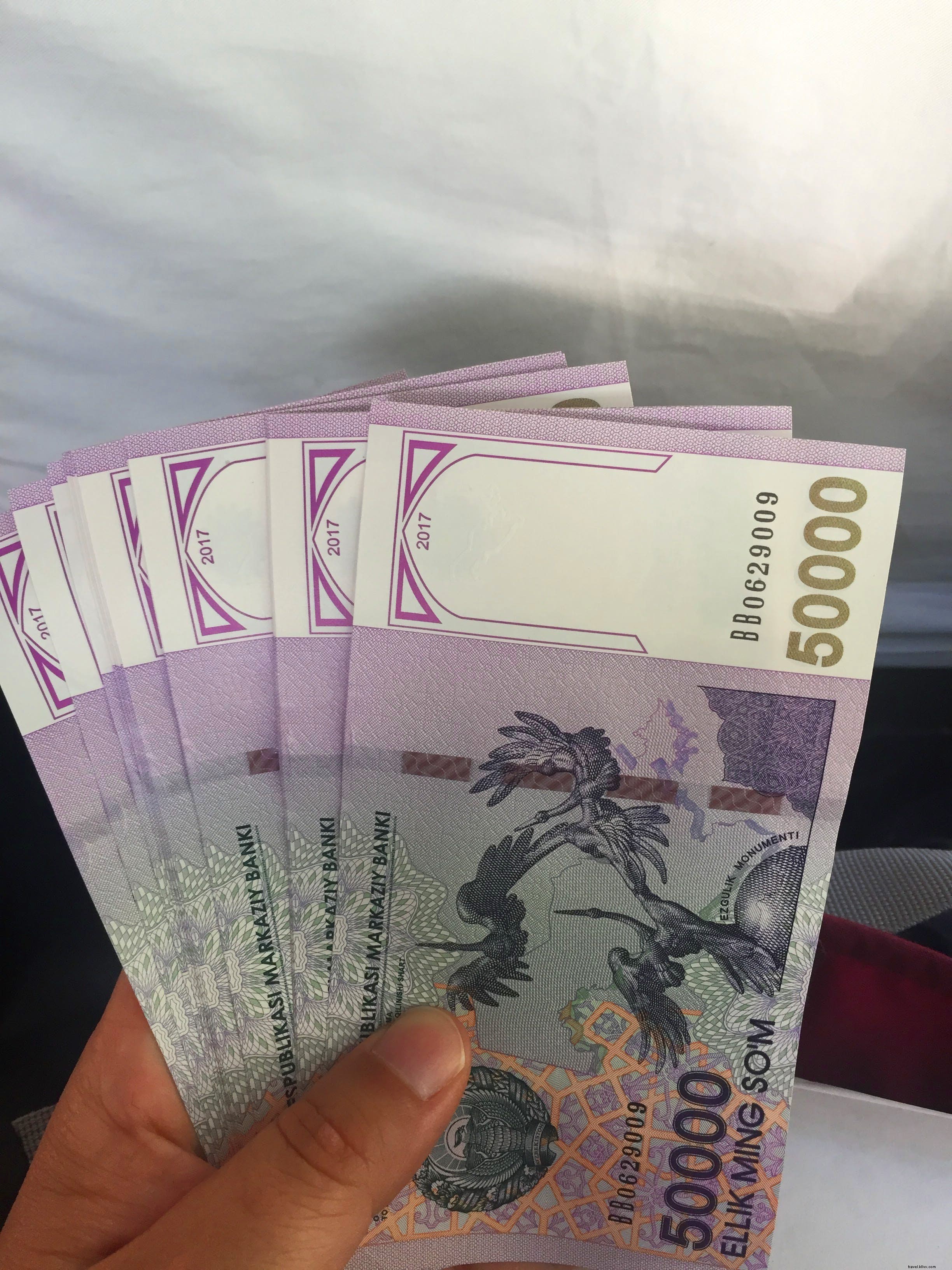
Uzbekistan eliminated its black market in 2017 overnight. Exchange U.S. dollars at banks matching open rates. ATMs are now reliable and practical.
Communications
Skype, Viber, and WhatsApp resumed in 2018 after three years. Facebook, Instagram, and others work seamlessly—perfect for sharing Registan sunsets.
Relaxed Atmosphere
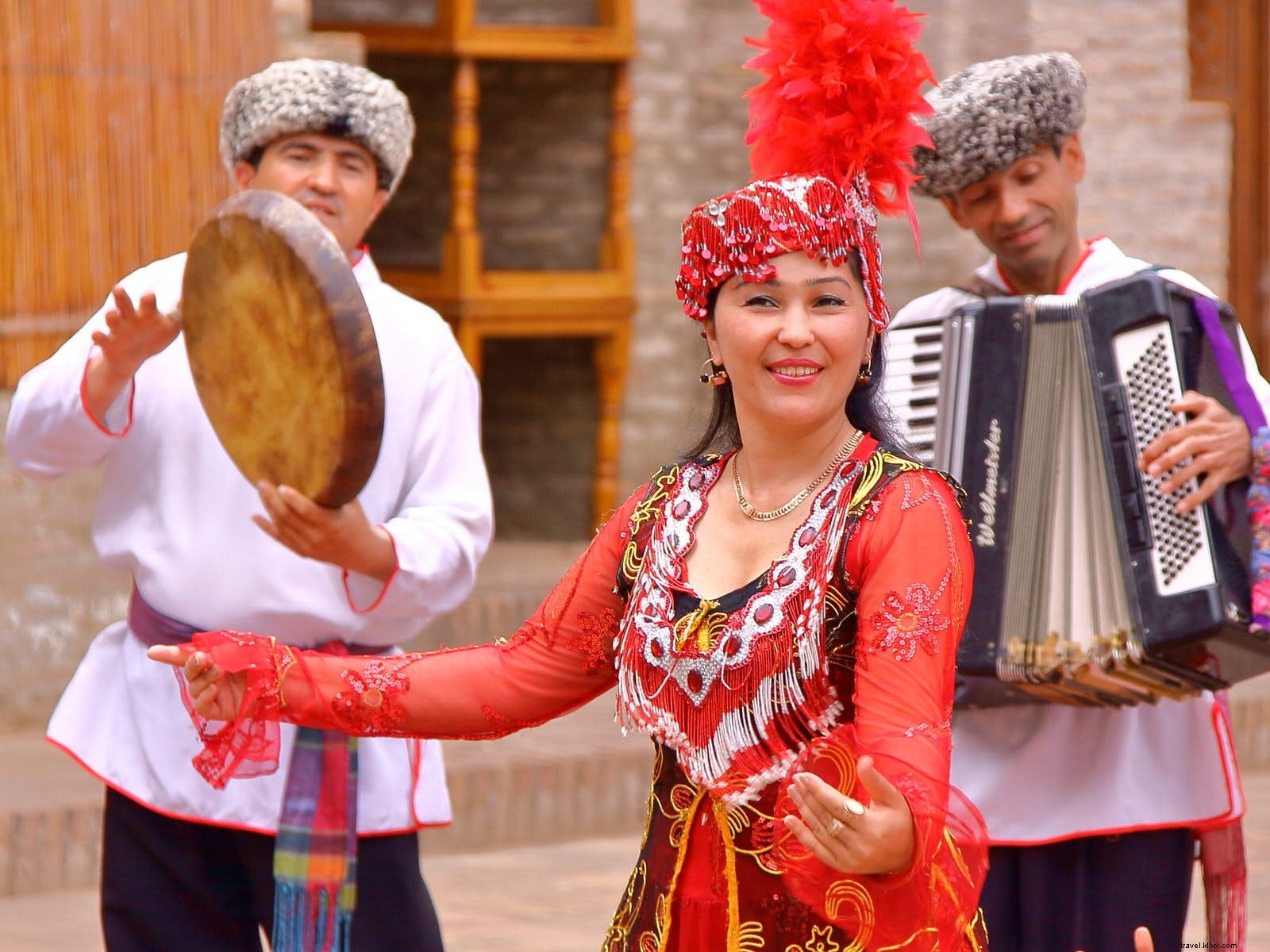
The vibe has shifted: police and officials are approachable, bribery reduced. Photograph Tashkent's metro stations freely for the first time since Soviet days.
Uzbekistan trails some neighbors on human rights, but reforms continue. Travelers sense growing optimism; we hope it fosters lasting openness to all.