7 Compelling Reasons to Visit Tunisia Right Now: Beaches, Ruins, and Hidden Gems
While Mediterranean coasts swarm with tourists under the summer sun, Tunisia delivers uncrowded beaches, solitary Roman ruins, and the unique thrill of Saharan dunes and seaside sands in a single day.
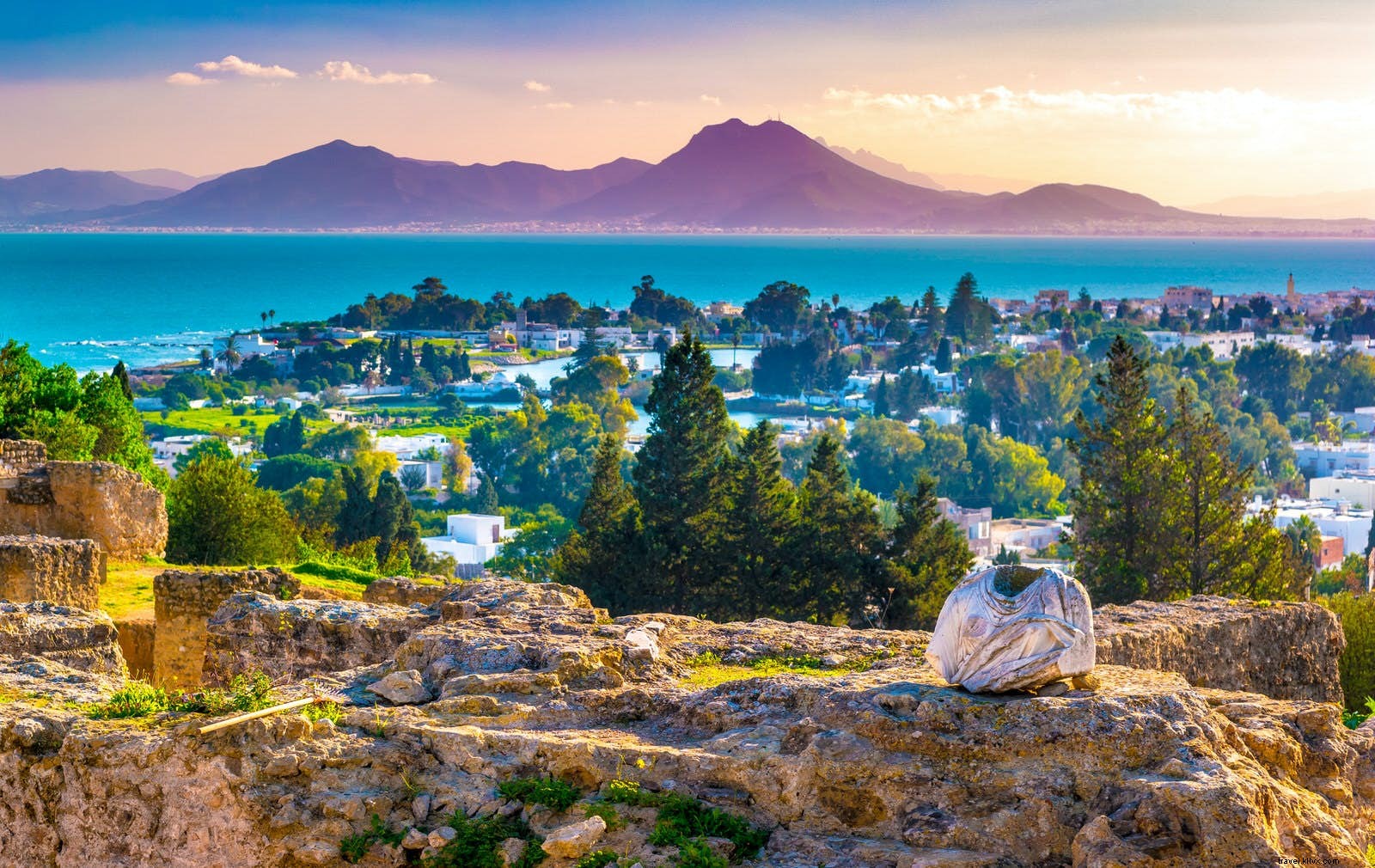
Tunisia eagerly welcomes travelers back. This compact North African gem is often eclipsed by its neighbors and past challenges, including 2015 terrorist attacks and the 2011 Arab Spring. A robust security overhaul prompted the UK's Foreign, Commonwealth & Development Office (FCDO) to ease travel advisories in July 2017 and again in June—recent updates confirm continued stability in tourist areas.
Lonely Planet revisited Tunisia after nearly a decade to refresh our guides, uncovering a destination that's hiding in plain sight. Here's why now is the ideal time to explore.
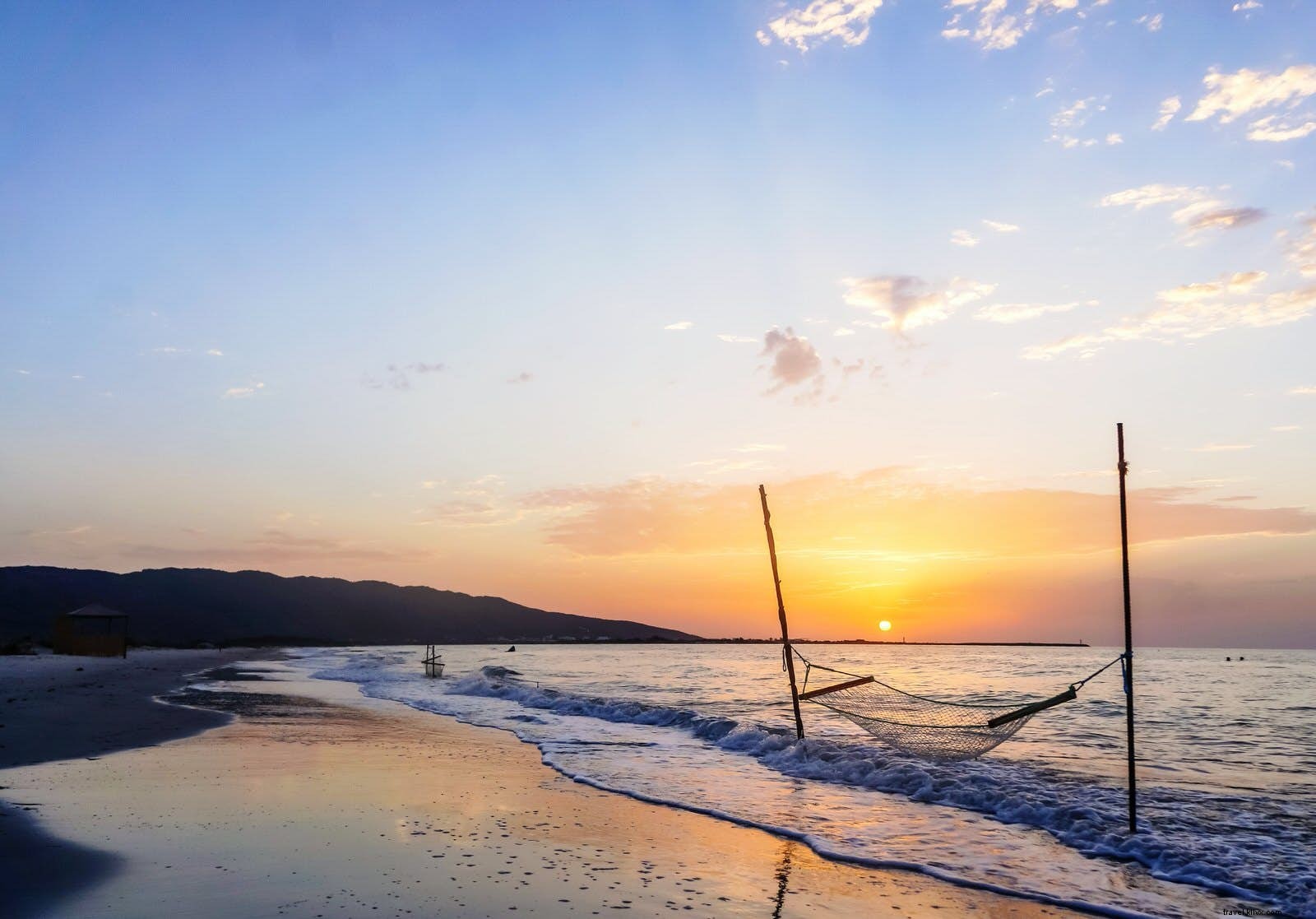
Sun, Sand, and Sea
Tunisia's Mediterranean coastline—stretching over 1,000 km—remains its top allure. Visitors relax for weeks on pristine beaches, many untouched by mass tourism. Wild stretches around Cap Bon see more fishermen and shepherds than sunbathers. Even near resorts like Hammamet, vast public beaches extend freely to the horizon, unlike overcrowded European counterparts.
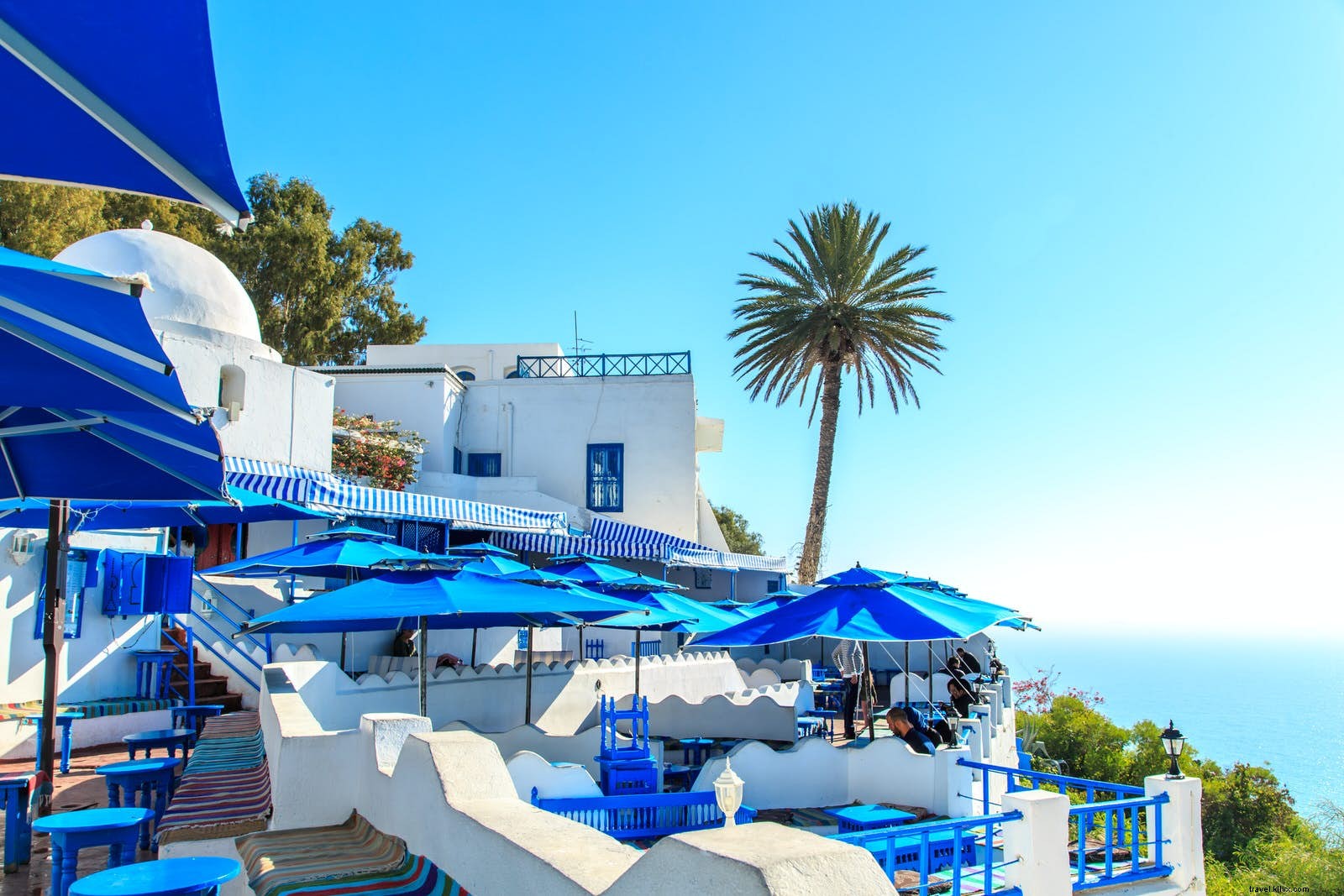
Tunis: The Photogenic Capital
Tunis stands out as North Africa's most relaxed capital. In the UNESCO-listed medina, vendors' calls feel welcoming, not pushy. Vibrant doors in blue, yellow, and green lead to ornate mansions and tiled eateries. The Bardo Museum boasts one of the world's finest Roman mosaic collections. Nearby, Carthage's ancient site impresses, while Sidi Bou Saïd—evoking Santorini with its white-and-blue hues and cobbled lanes—enchants artists and photographers alike.
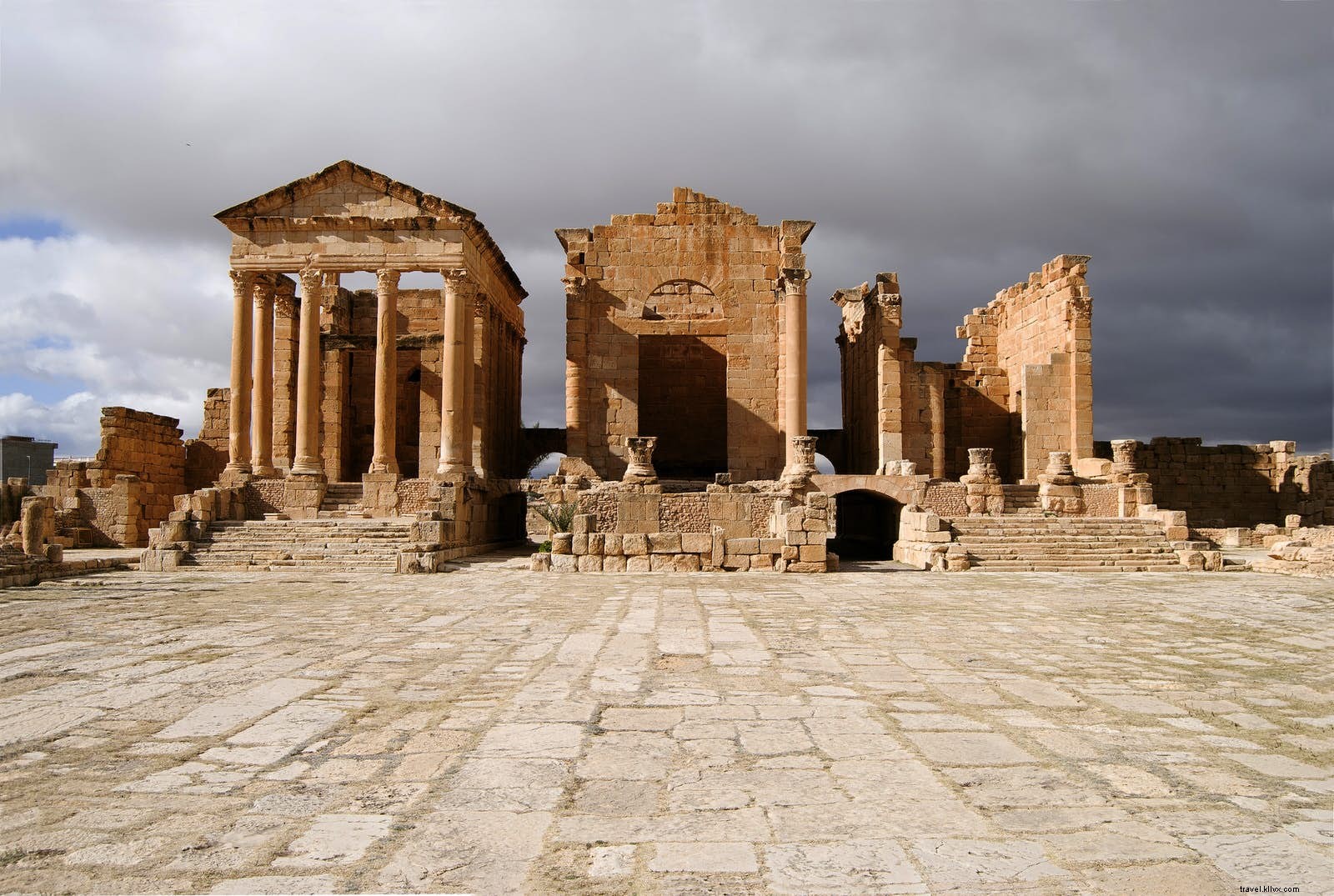
Secluded Roman Ruins
Ancient Romans called this land Africa, their vital grain-and-olive breadbasket. Exceptional sites like Dougga's hilltop theater with panoramic views, Sufetula's intact temples, and El Jem's massive amphitheater (nearly rivaling Rome's Colosseum) dot the landscape. These world-class ruins offer Italy-level splendor at a fraction of the cost and crowds.
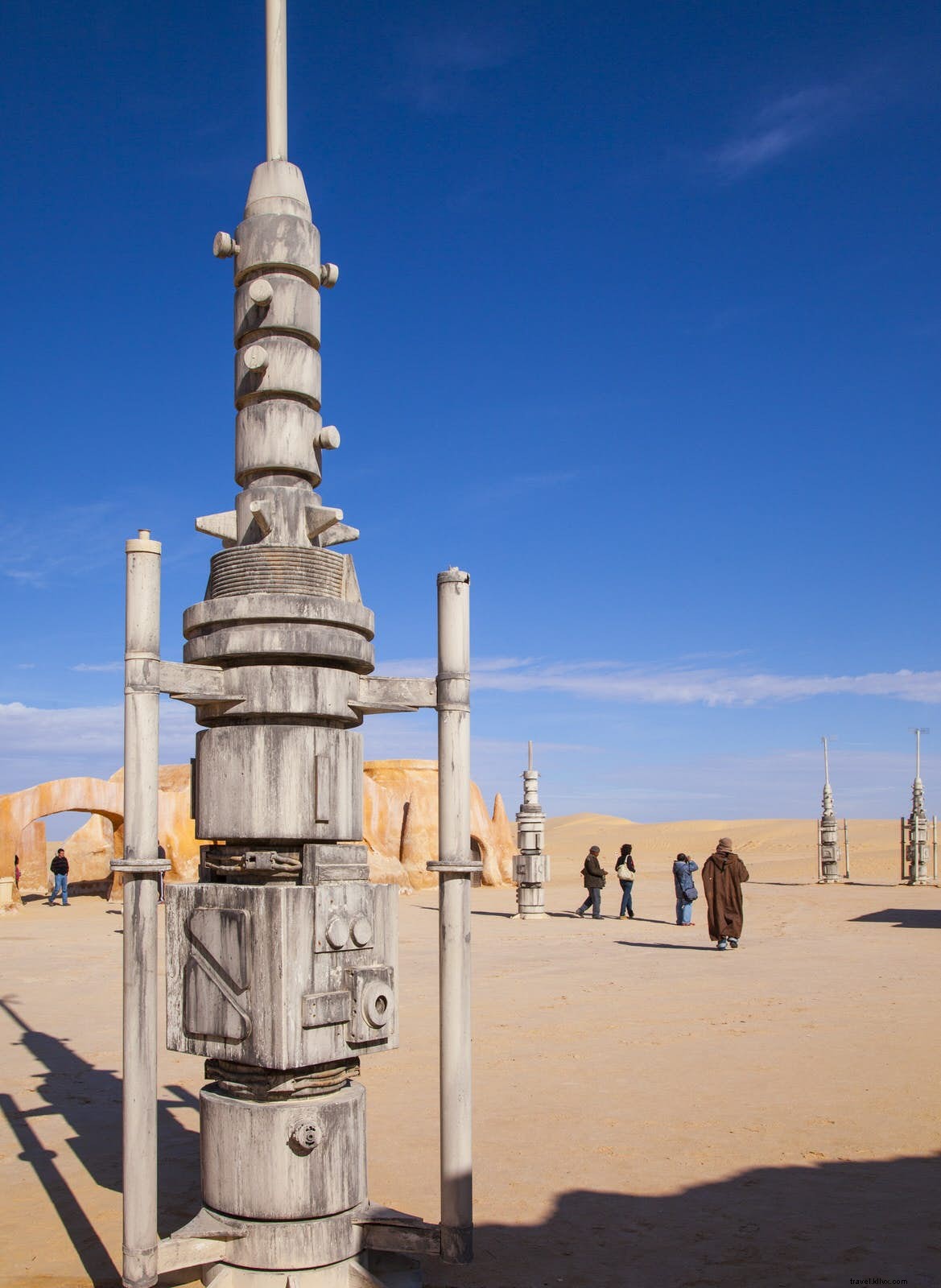
Star Wars Sets in the Sahara
Tunisia's otherworldly deserts inspired Star Wars. George Lucas filmed Tatooine (named after Tataouine town) here, with Berber djellabas as character robes. Stay in Luke Skywalker's childhood home at Hotel Sidi Driss in Matmata. Intact sets like Mos Espa's domed structures endure, blending cinema fantasy with real adventure.
A Cultural Powerhouse
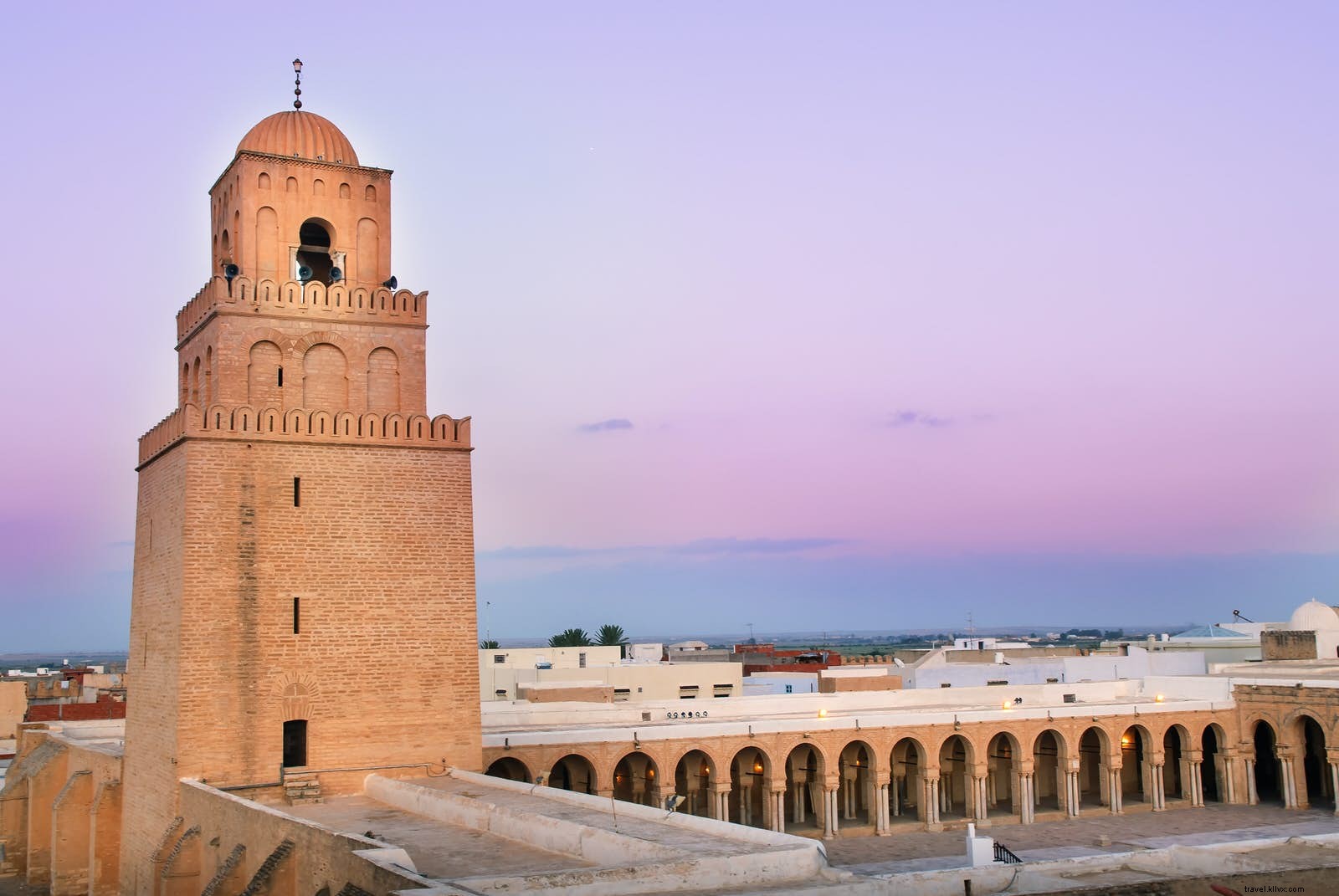
Tunisia's compact size packs profound culture. Kairouan's Great Mosque, Islam's fourth-holiest site, features Roman-sourced columns. Djerba's ancient Jewish community draws pilgrims to El Ghriba synagogue. Berber heritage thrives in hilltop villages like Takrouna, where cafes like Le Rocher Bleu offer sunset views with orange-blossom coffee.
Rich Historical Layers
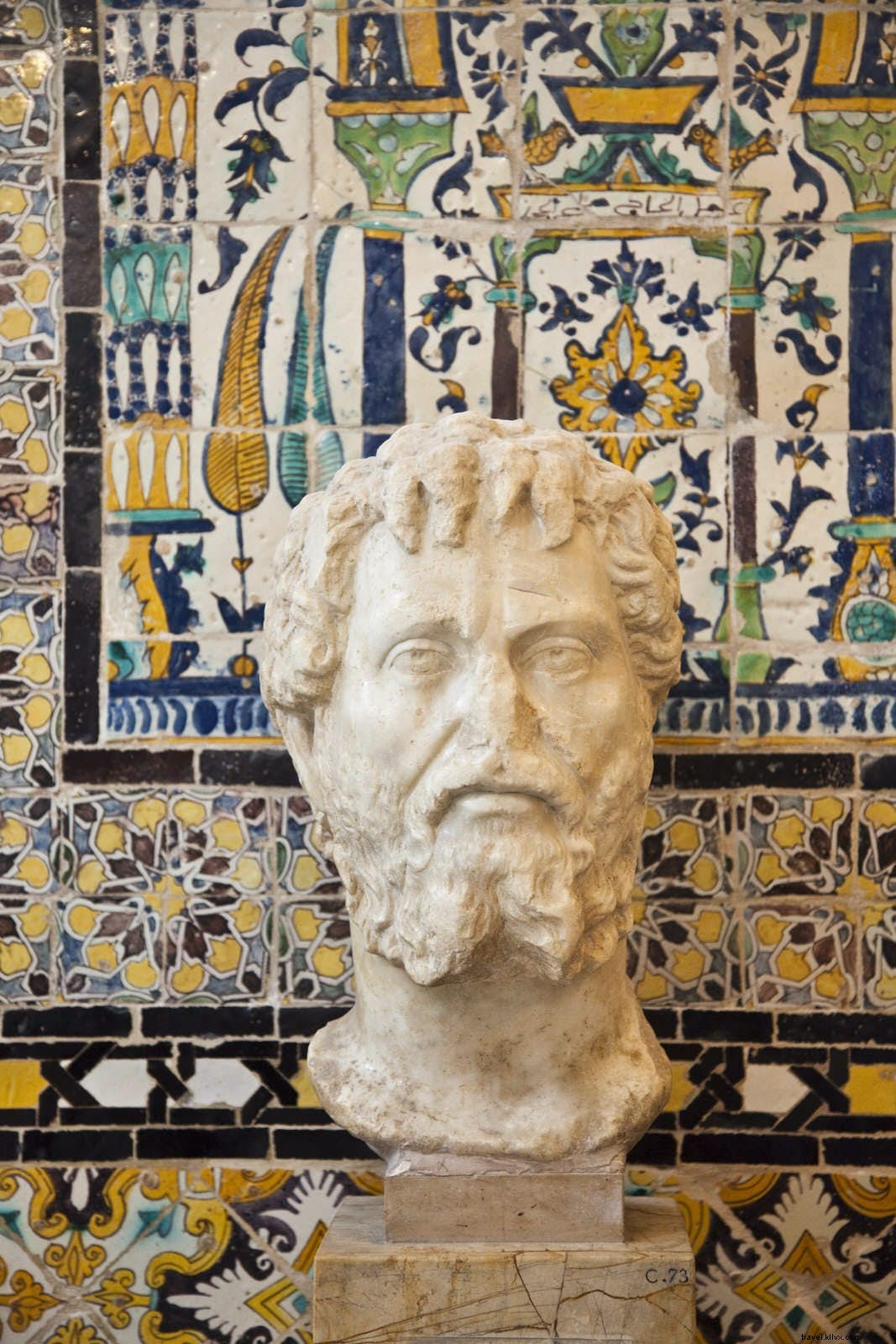
Tunisia's history spans Phoenician Carthage, Roman cities like Sufetula, Byzantine rebuilds, Arab conquests, and Berber resistance. Ottoman elegance graces the Bardo; WWII scars mark Takrouna. The Arab Spring began in Sidi Bou Zid, honored by a poignant monument.
Authentic Dar Guesthouses
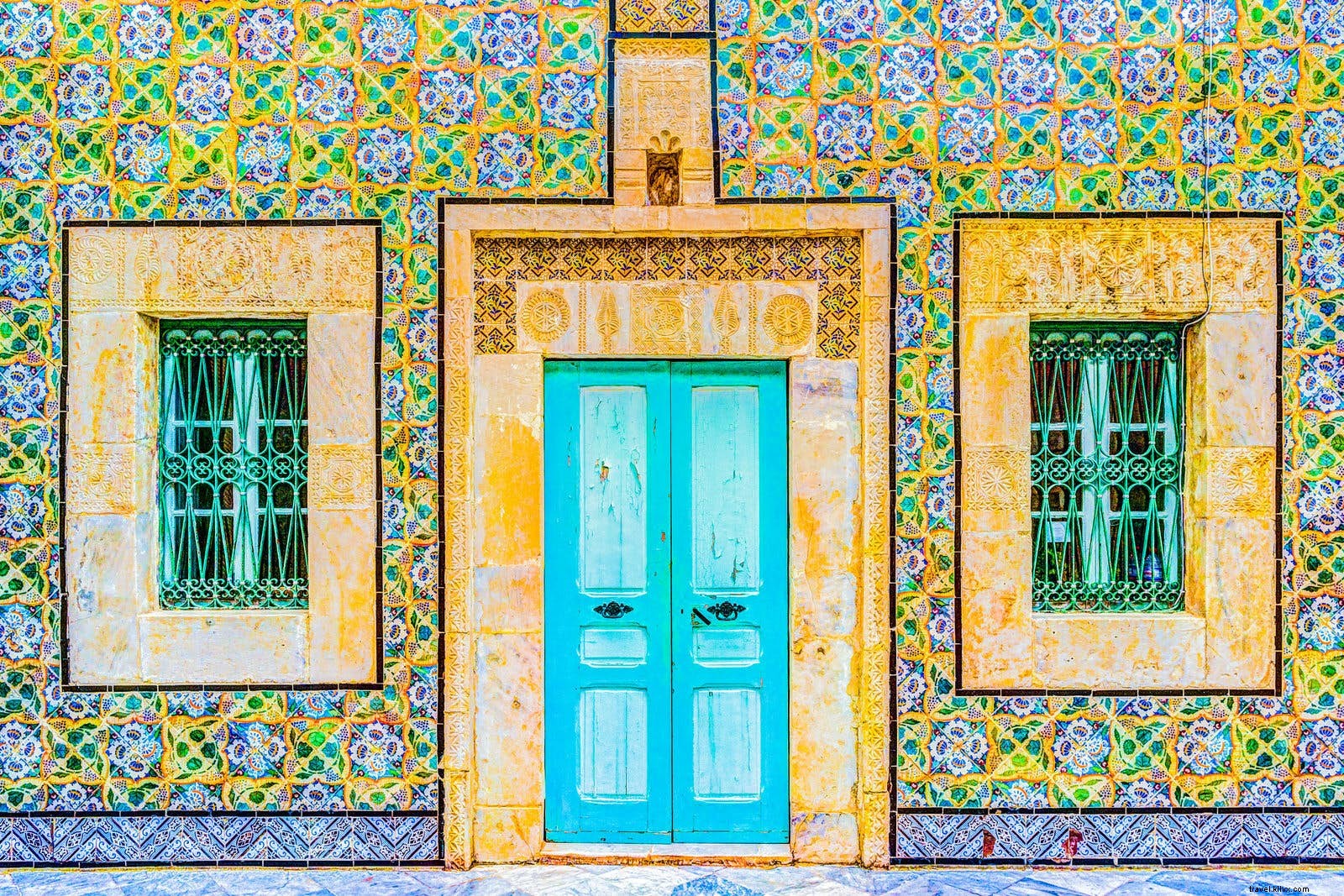
Post-Arab Spring, Tunisia excels in intimate dars—courtyard homes akin to Moroccan riads, adorned with tiles and textiles. Urban gems include Dar 24 in Tunis medina and Dar Antonia in Sousse. Rural retreats like Dar El Henchir and Dar Boumakhlouf offer seclusion and rare regional cuisine.
Is Tunisia Safe?
The FCDO has progressively relaxed advisories due to enhanced security. Post-2015 measures include coastal patrols and hotel checks. Avoid Libya border and Jebel Chaambi areas—always consult official travel advice.