Nine Iconic Coastal Ruins: Where Ancient History Meets Dramatic Seashores
For millennia, invading armies, explorers, and voyagers have traversed oceans to reach new shores. Islands and peninsulas have offered solitude and strategic vantage points to monks, traders, and wardens, resulting in a captivating array of wind-swept coastal structures worldwide.
Think seaside getaways lack depth in history and culture? These enigmatic, ancient, and rugged coastal ruins shatter that notion.
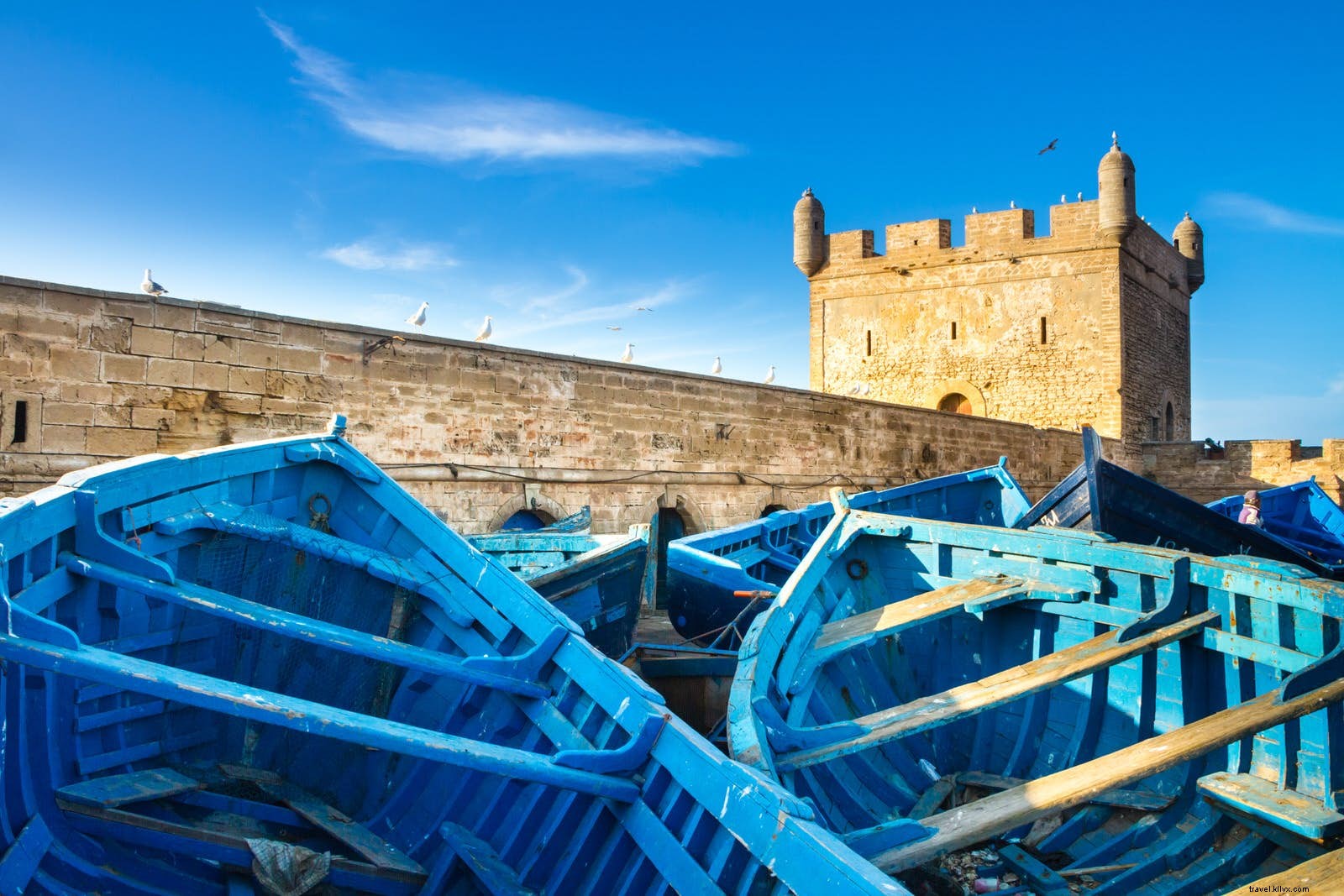
Essaouira, Morocco
Essaouira has drawn artists, filmmakers, and travelers for generations, much like the camel caravans that once carried gold and salt from Timbuktu. Orson Welles filmed Othello (1951) amid the UNESCO-listed medina's wave-battered ramparts, echoed later in Game of Thrones.
A local legend ties the fort's subsidence into the beach to Jimi Hendrix's Castles Made of Sand, though unverified. Regardless, the whitewashed medina and striking seafront fortifications blend Moroccan and European architectural influences into a mesmerizing tapestry.
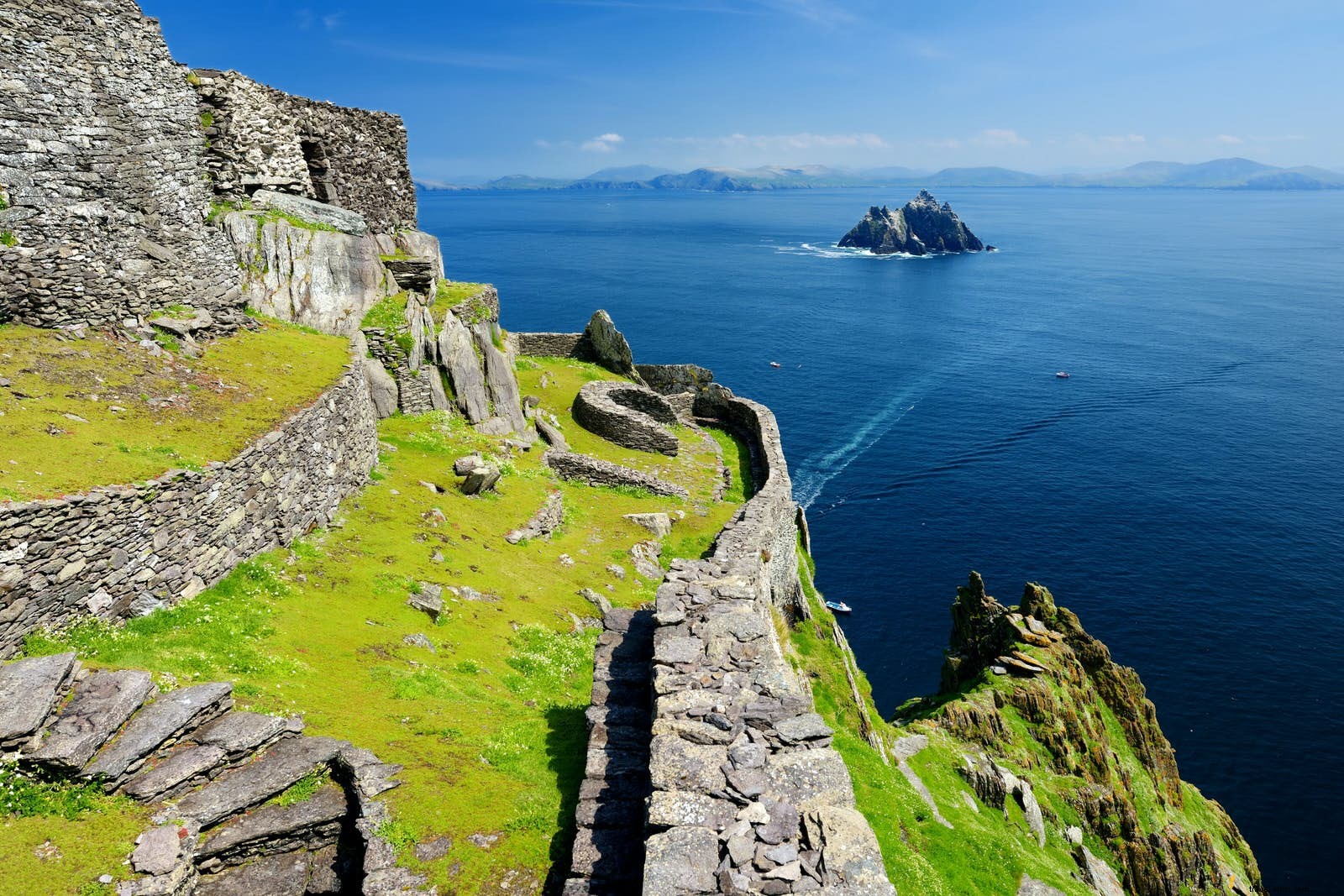
Skellig Michael, Ireland
From April to October, boats navigate the turbulent 12km crossing from Portmagee in County Kerry to Skellig Michael, the larger Skellig Island. En route, witness gannets swirling over Little Skellig's jagged cliffs, site of the world's second-largest gannet colony. Disembark to ascend the steep staircase to the 6th-12th century stone beehive cells built by ascetic monks.
The site's aura evokes profound devotion, akin to Mont St Michel in Normandy or St Michael's Mount in Cornwall—a mystique amplified by its role as Luke Skywalker's Jedi temple in recent Star Wars films. Eco-tours offer alternatives, or visit the Skellig Experience on calmer Valentia Island.
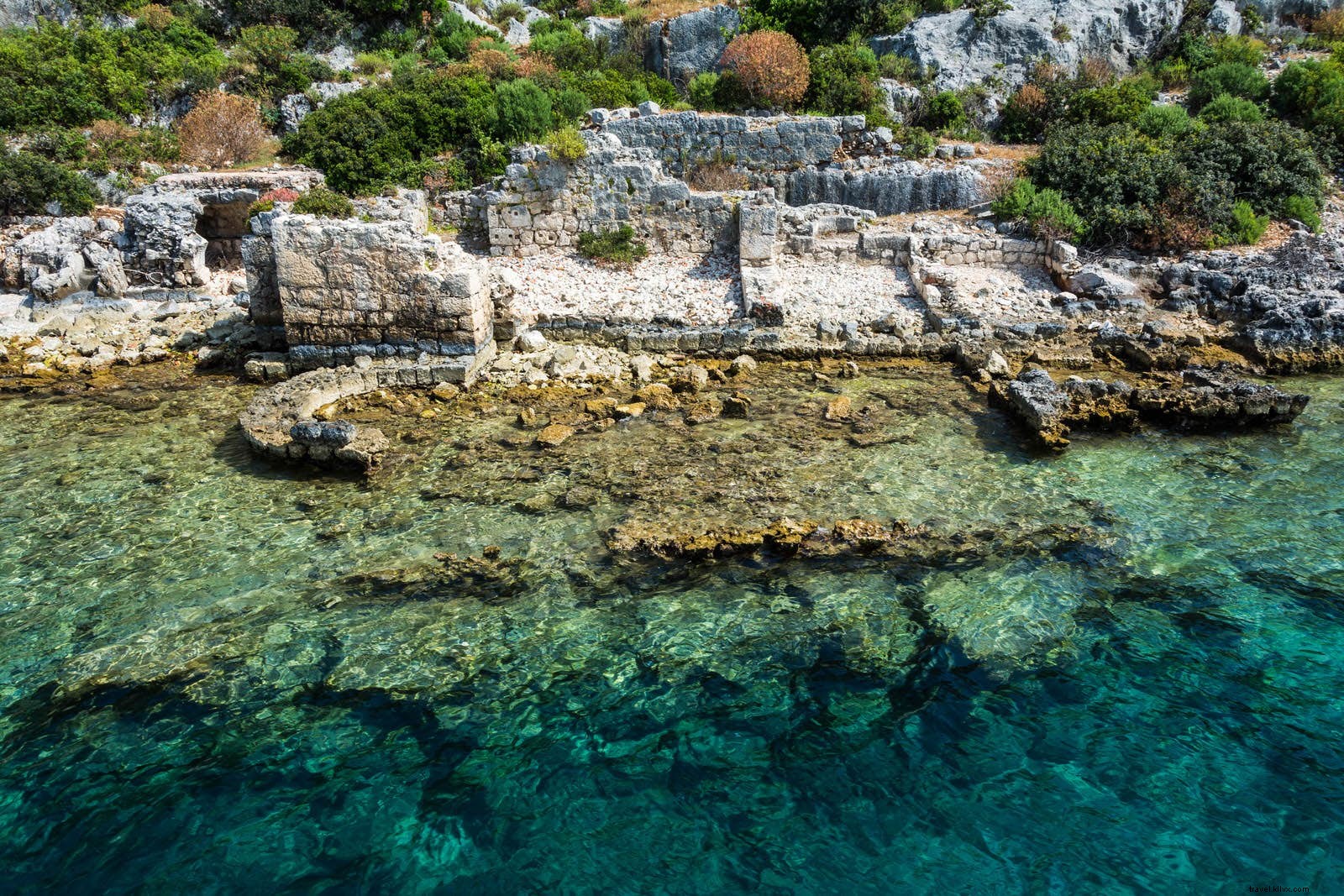
Kaleköy, Turkey
This Mediterranean fishing village, reachable only by boat or the Lycian Way trail, derives its name from the crusader castle overlooking its rustic cottages and the ancient world's smallest theater.
For a Turkish Atlantis, head to the harbor where Lycian house tombs emerge from turquoise waters—remnants of Simena, the sunken city (batık şehir) lost to 2nd-century AD earthquakes. Boat or kayak tours reveal submerged foundations, staircases, and amphorae near Kekova Island. Tours depart from Kaş.
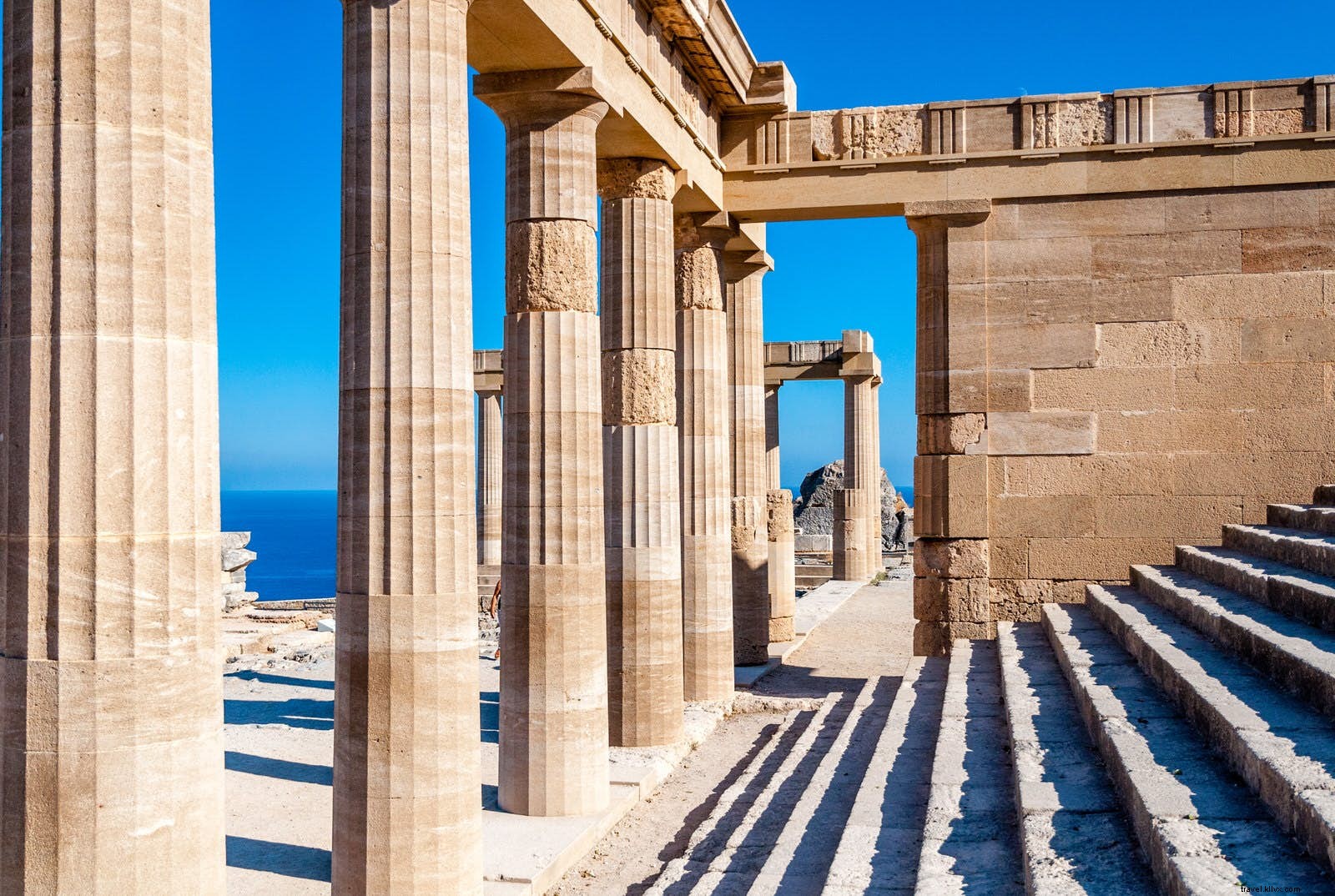
Acropolis of Lindos, Greece
One of Rhodes' two magnificent acropolises—fortified hilltop cities over 2,000 years old—this site on Greece's largest Dodecanese island dominates Lindos' whitewashed homes and azure bay like a medieval fortress, bolstered by the Knights of St John's 14th-century battlements.
Key ruins include the Temple to Athena Lindia, honoring the goddess's unique fireless rites, and a Hellenistic stoa with 20 gleaming columns. Panoramic views span the seas that lured legends like Odysseus and Alexander the Great.
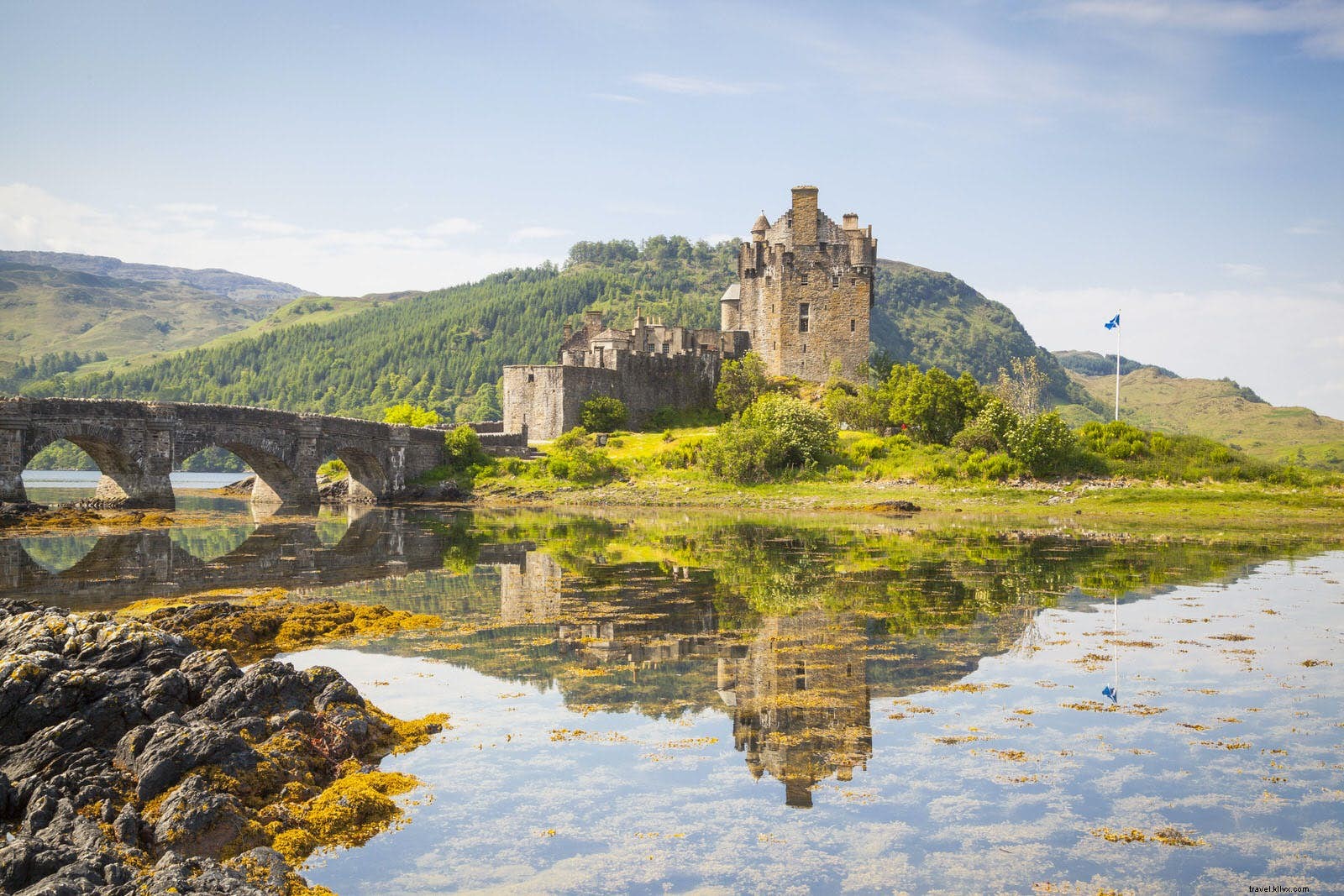
Eilean Donan Castle, Scotland
Perched on an islet at the confluence of three sea lochs on the road to Skye, Eilean Donan has starred in Highlander (1986) and The World Is Not Enough (1999). In 1719, English frigates bombarded it for three days before destroying it with 343 barrels of gunpowder, targeting Spanish Jacobite supporters.
Restored in the early 20th century, the resilient castle—recently voted Scotland's Best Heritage Tourism Experience—welcomes visitors via a stone bridge. Exhibits include a sword from the 1746 Battle of Culloden.
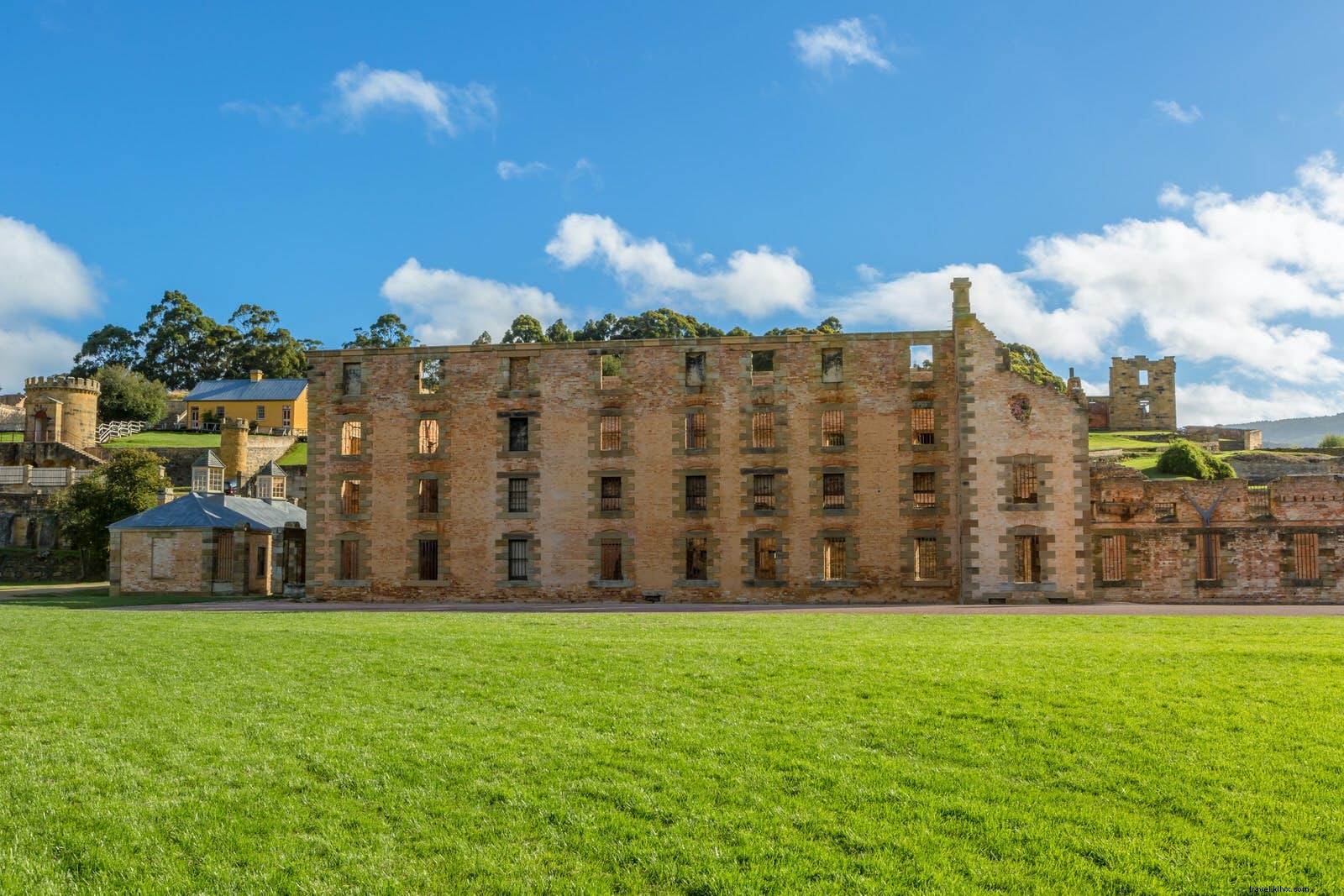
Port Arthur, Australia
On Tasmania's southeastern peninsula, in the last sheltered bay before the Tasman Sea, Port Arthur housed a notorious 19th-century penal colony. Reconvicted prisoners endured behind thick walls, accessed via shark- and dog-patrolled Eaglehawk Neck.
At its 1840s peak, over 3,500 convicts toiled in logging and shipbuilding. Lantern-lit ghost tours recount their harrowing tales; more than 1,000 deaths fuel reports of hauntings from colonial times to today.
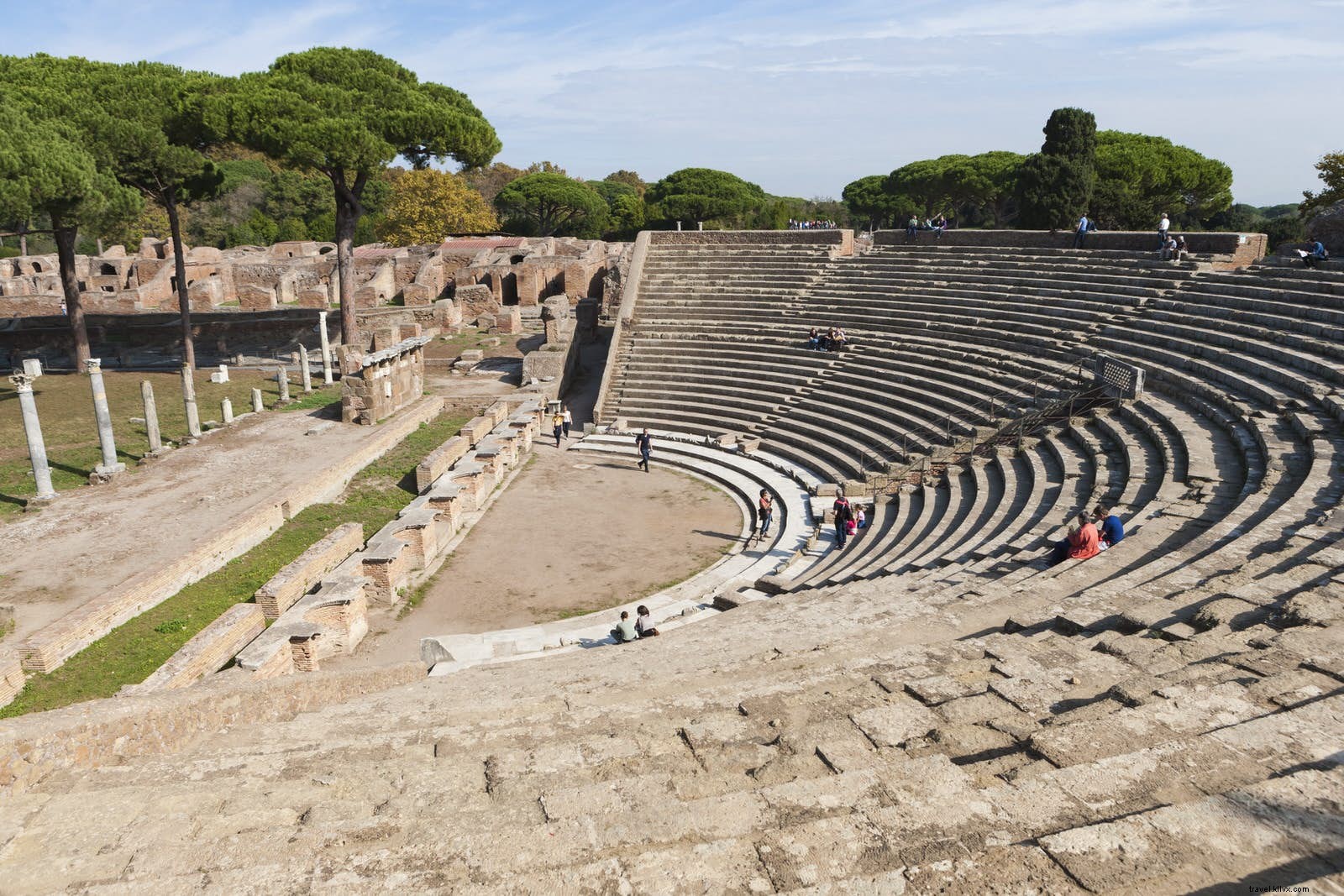
Ostia Antica, Italy
Ostia ('mouth'), Ancient Rome's harbor at the Tiber's estuary, was founded circa 4th century BC. It thrived as a bustling port of 100,000 despite pirate raids and civil wars, until imperial decline led to further sacking.
River silt preserved the ruins inland from the Tyrrhenian Sea. Mussolini-era digs unearthed gems like the Terme di Nettuno baths, amphitheater, Piazzale delle Corporazioni mosaics, and a frescoed thermopolium menu—ideal for a Rome day trip.
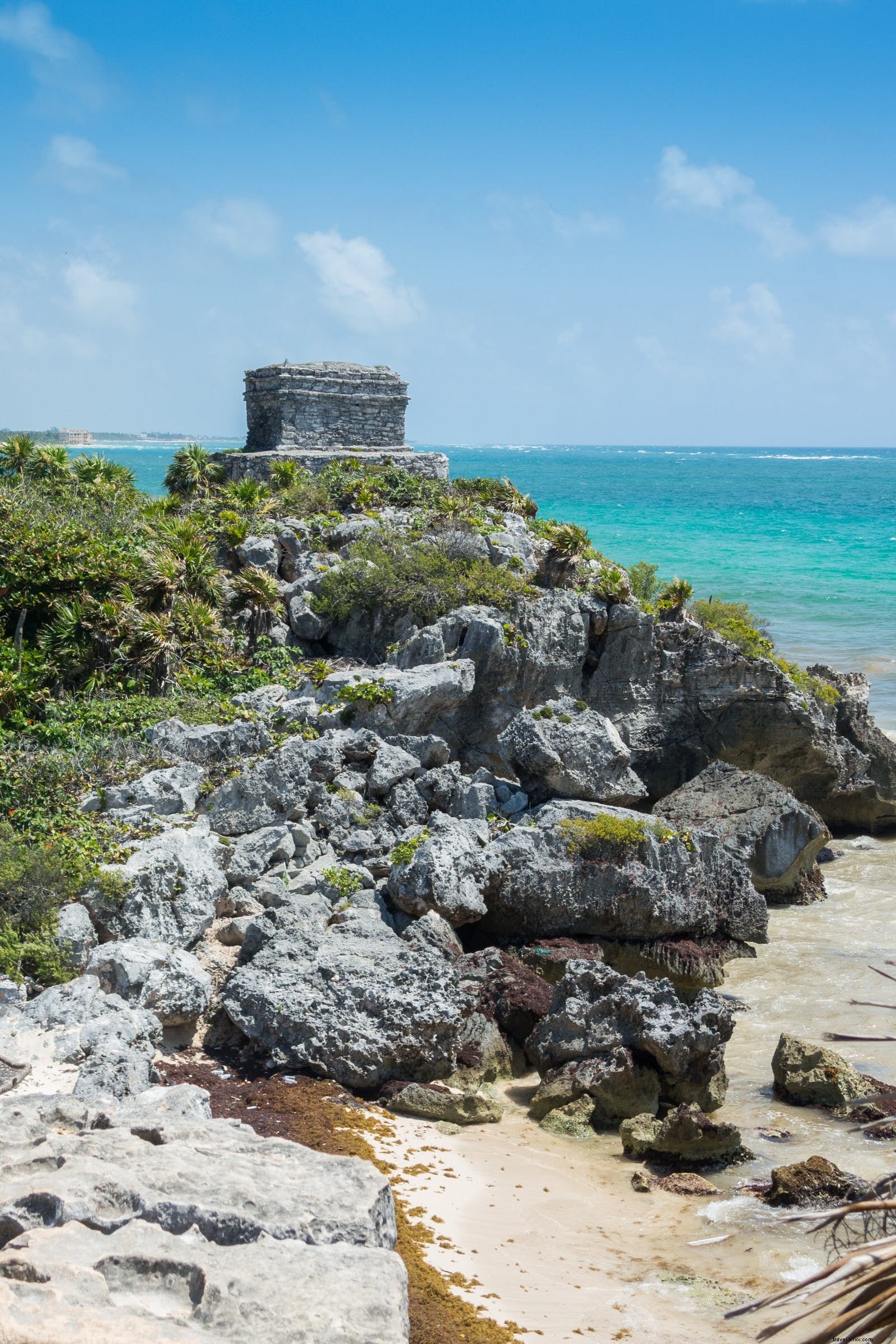
Tulum, Mexico
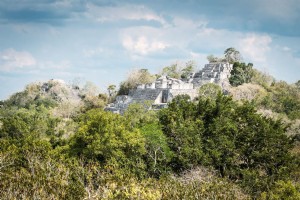
This walled Mayan port overlooked the Caribbean at its zenith when Spanish explorers passed in 1518, admiring its vibrant structures and sacred flames. 'Tulum' ('wall' in Yucatán Mayan) endured Spanish conquest for nearly a century, drawing pilgrims ever since.
Iguanas scamper amid temples like El Castillo, with its serpentine carvings and grand stairs; the Templo de las Pinturas, boasting murals and columns; and the Templo del Dios del Viento.
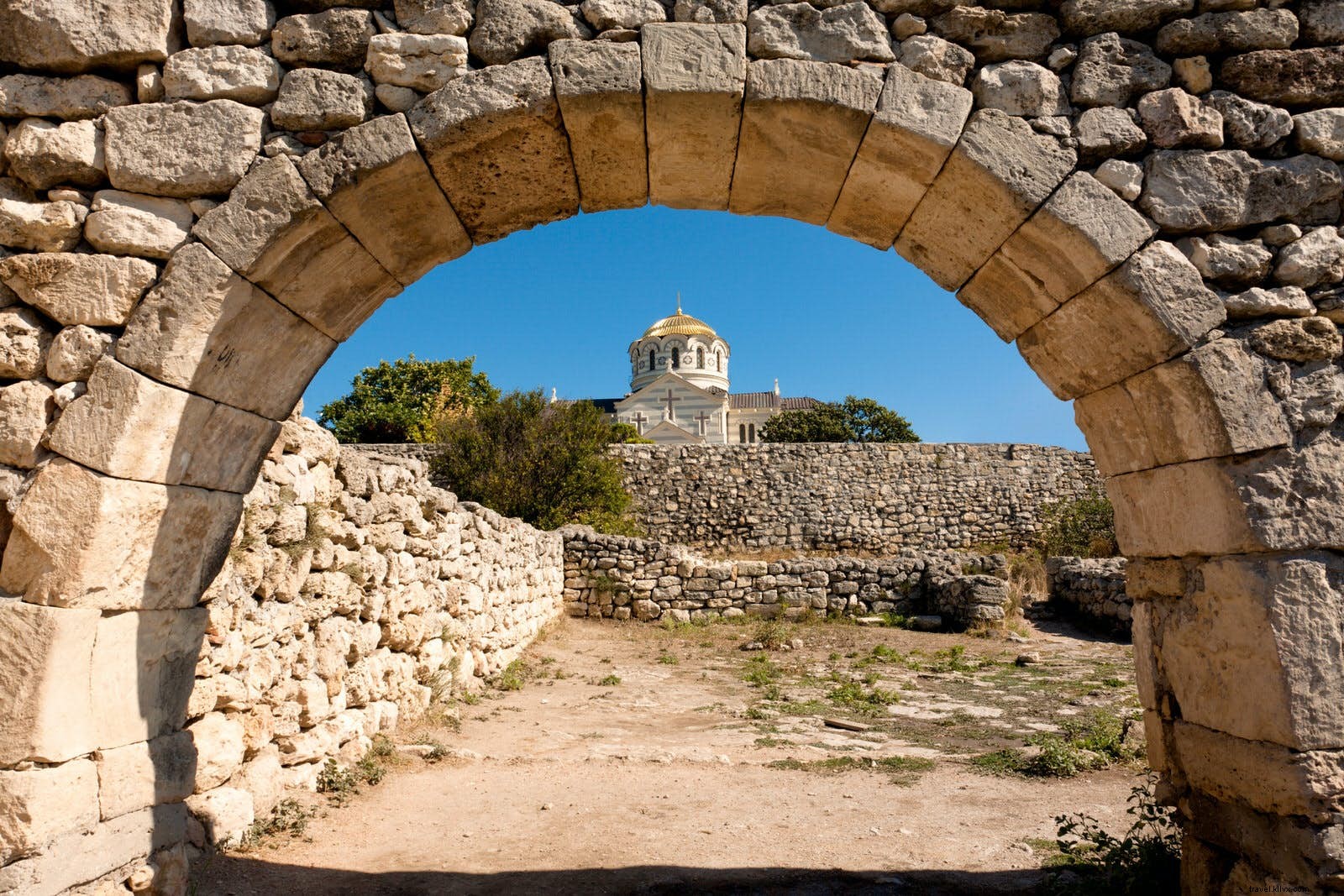
Chersonesus, Crimea
Dubbed the 'Ukrainian Pompeii,' this 2,500-year-old Greek colony on the Crimean Peninsula features Roman, Byzantine, and Greek ruins, including a basilica depicted on Ukrainian currency, shadowed by a Russian Orthodox cathedral.
Russia's 2014 annexation of Crimea raises travel logistics and ethical concerns. Yet, it remains accessible for those seeking insights into ancient Black Sea life.