Is Now the Right Time to Visit Egypt? Uncrowded Pyramids, Eerie Mummies, and Essential Safety Tips
'Do you have a strong heart?' asked the man at the Egyptian Museum’s bookshop counter. 'You need one here…'
'Yes, I think so,' I replied, nodding seriously.
I figured we were shifting from the museum's layout to Cairo's post-2011 revolution challenges. Tourism, vital to many livelihoods, plummeted after the uprising and is only gradually recovering amid lingering political tensions. Every local I'd met shared frustrations about the city's exhaustion, crippling traffic, dust, dirt, and noise—tough for living, let alone traveling.
He whispered, drawing me closer: '…because if you see the mummies today, soon you'll feel a tap on your shoulder. They'll say: "You visited us—now we visit yoooooou!"' Arms raised zombie-style, he collapsed in laughter. As I headed to the stairs, he called, 'Be careful!'
Cairenes endure hardships, but their humor endures too.
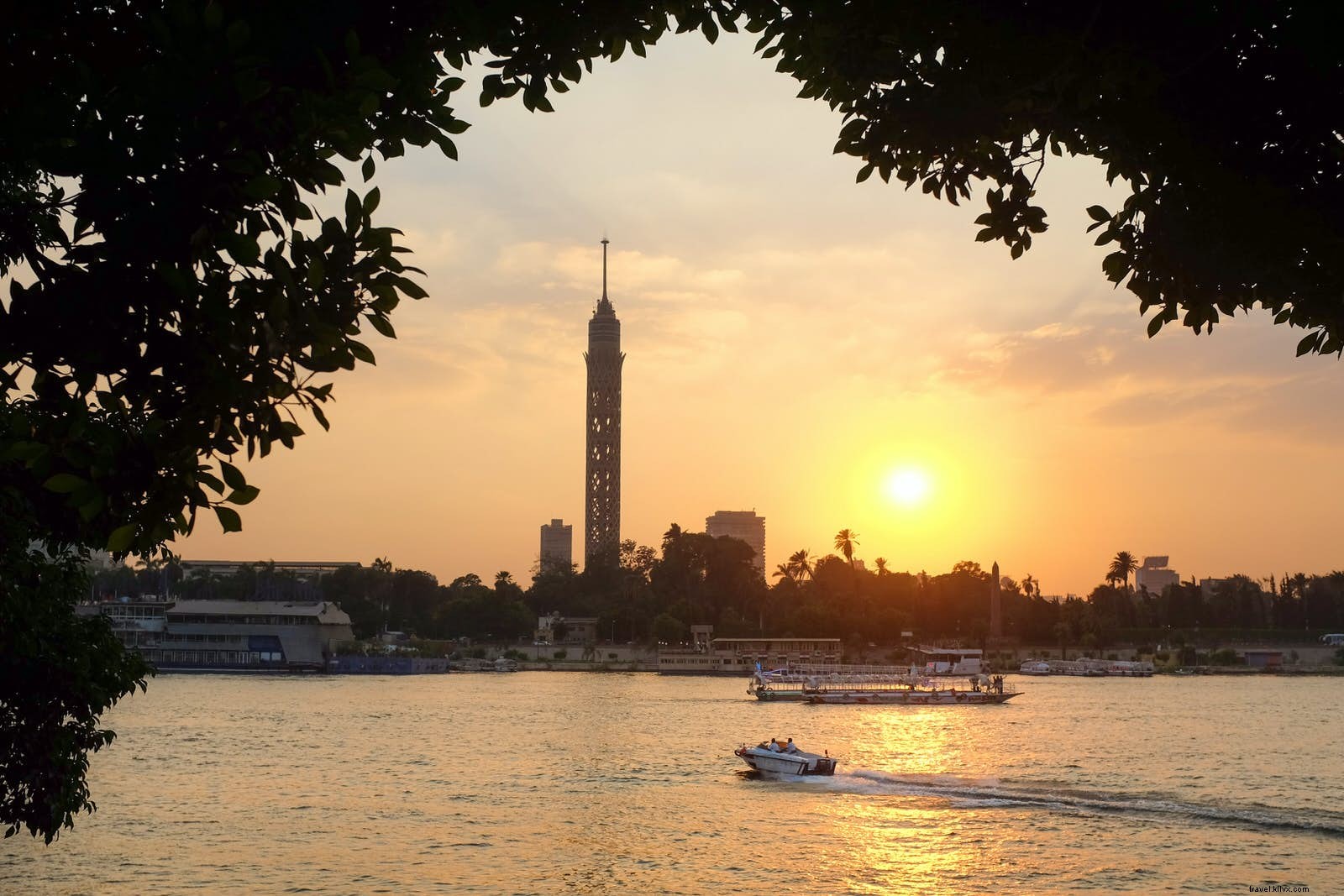
The Egyptian Museum overlooks Tahrir Square, epicenter of the 2011 revolution—site of protests, occupations, and clashes. My taxi driver had camped there to oust Mohamed Morsi.
While outsiders recall chaotic images, locals know it as a routine, traffic-filled roundabout, punctuated by the Omar Makram Mosque’s call to prayer.
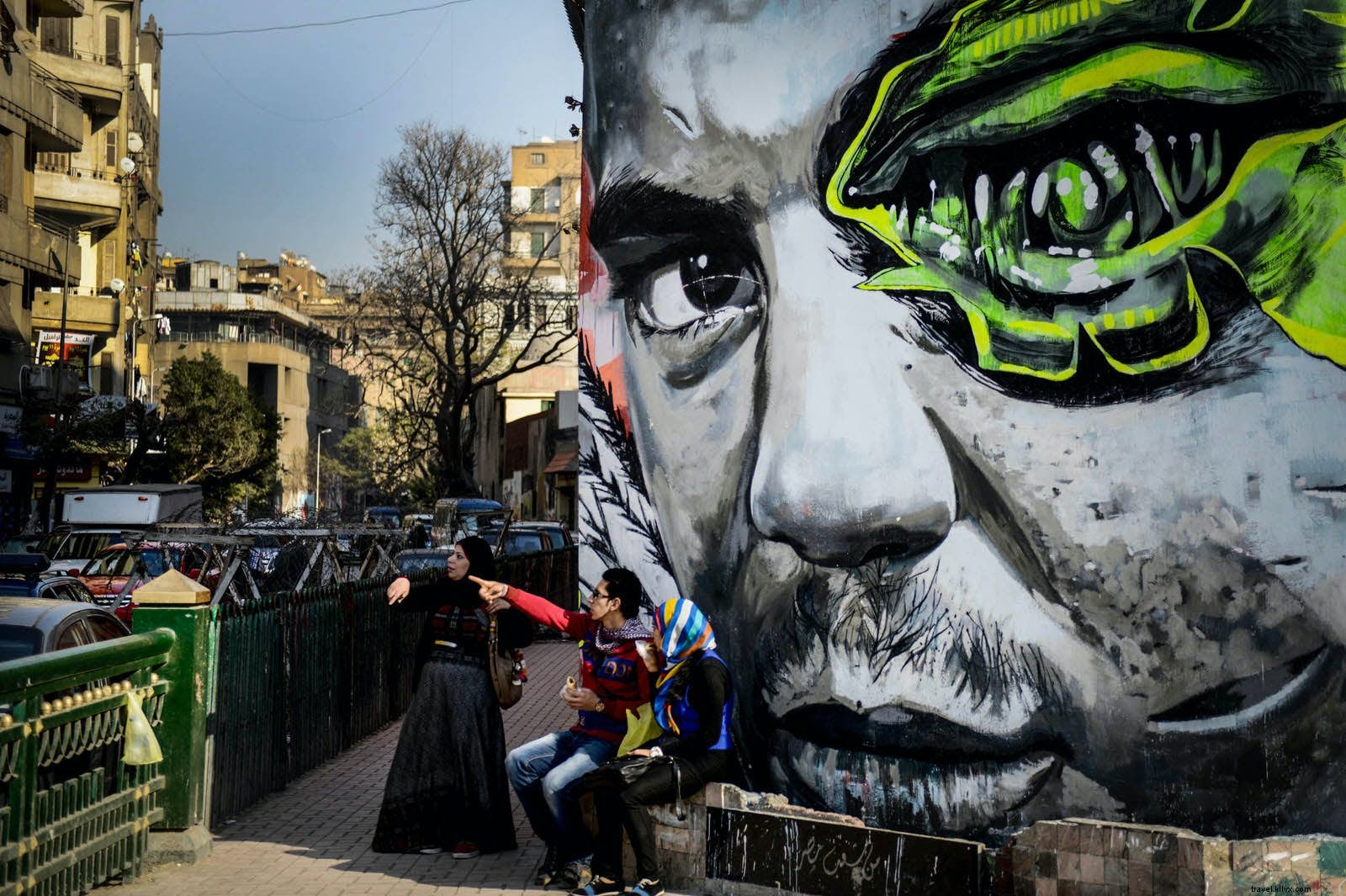
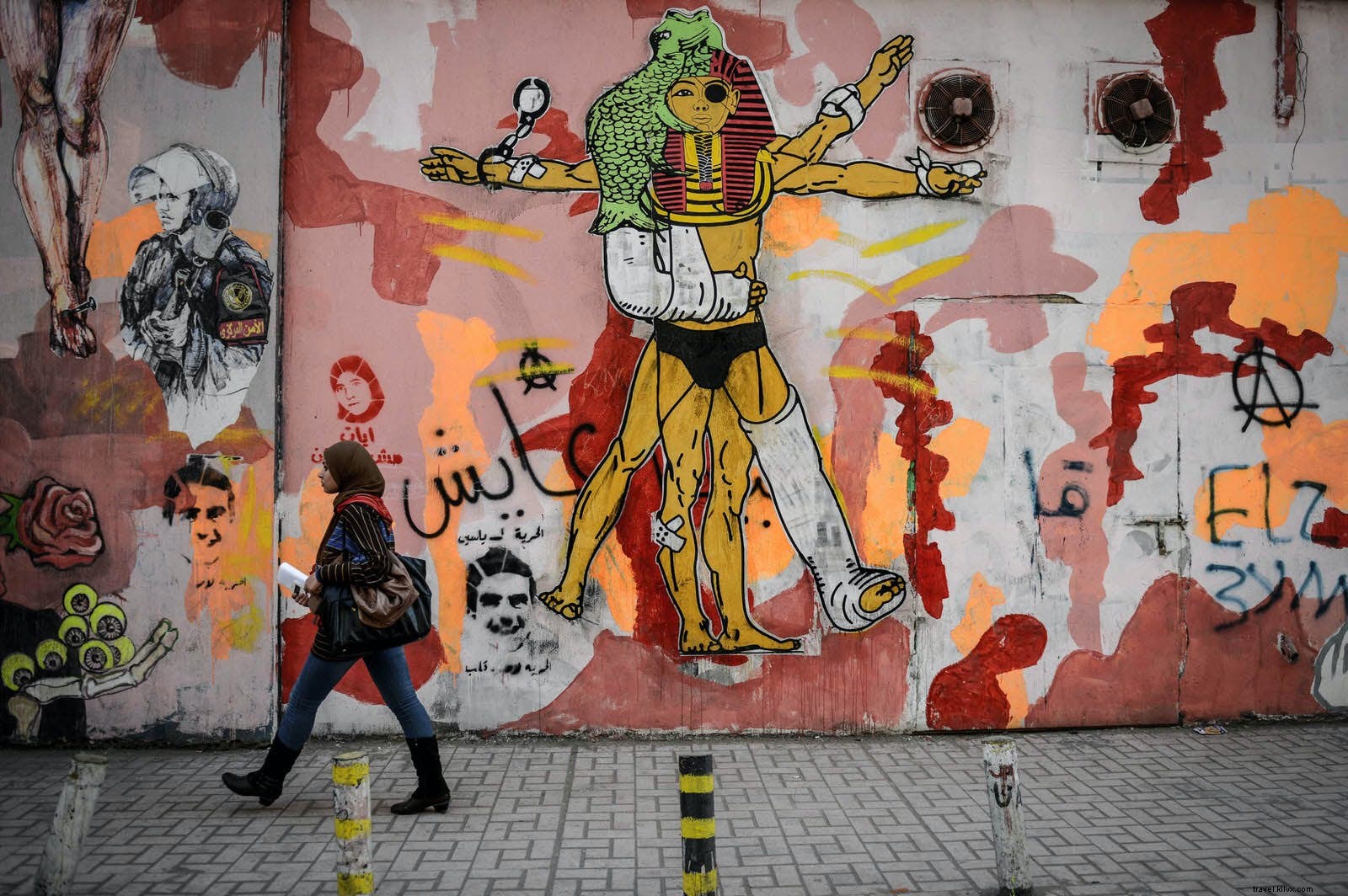
Subtle reminders linger, like revolutionary murals on Mohamed Mahmoud St—soldiers amid skulls, veiled women mourning youth.

The museum, soon eclipsed by the new Grand Egyptian Museum, houses treasures: pharaoh statues, sphinxes, Tutankhamun’s gold mask, Nefertiti’s bust, animal mummies, tomb jewelry. Amid dim lighting and sparse labels, small tour groups wandered—far from past crowds. (Tip: Lonely Planet Egypt guide unlocks deeper context.)
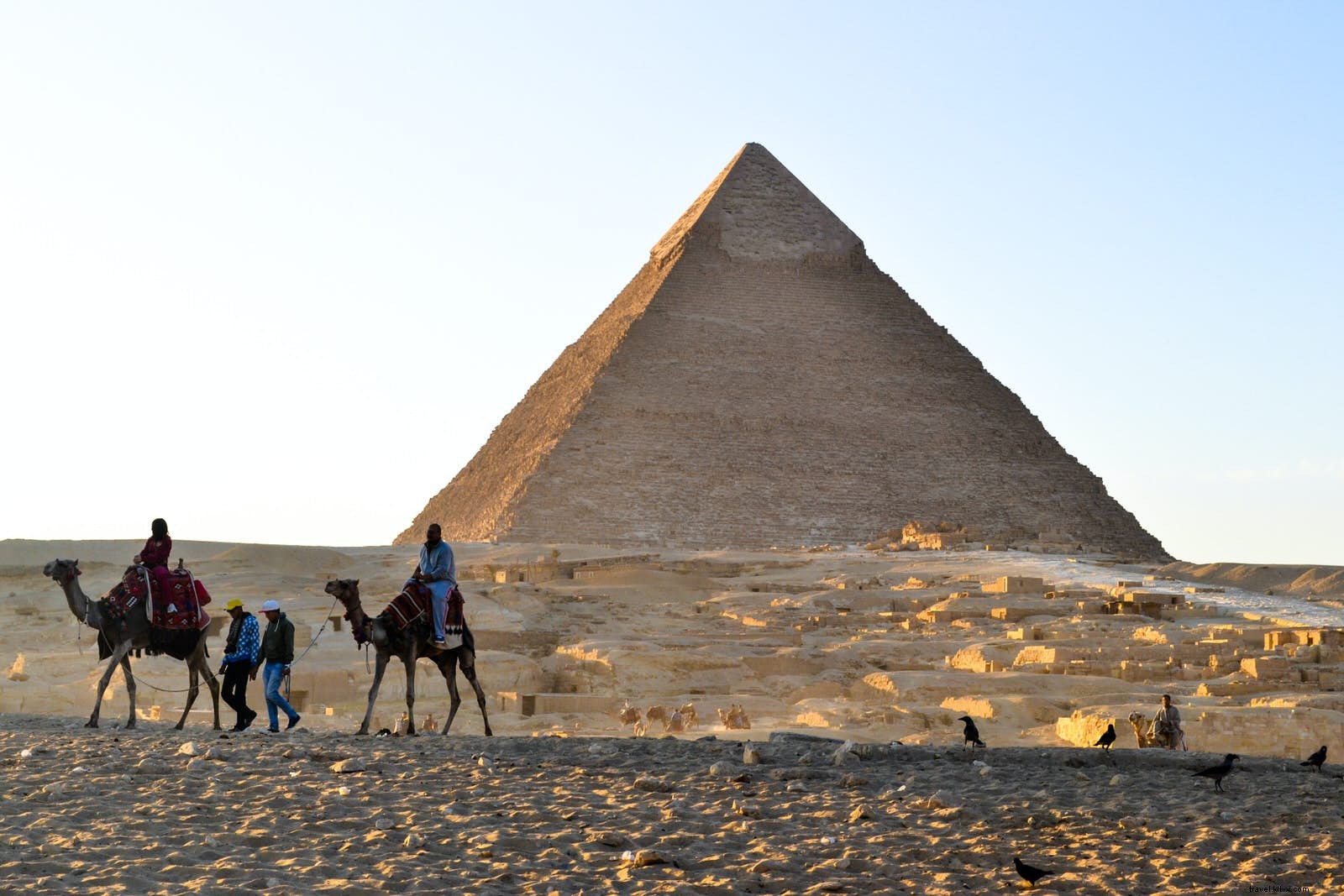
At the Pyramids of Giza the day before, hawkers swarmed, but post-haggle, I savored solitude under blue skies—rare amid history's millions of visitors.
Yet the museum's Royal Mummies thrilled most. Racing to Room 46, nerves hit amid emptiness. Alone with Ramses III, IV, V; Queens Tiy, Henettawy, Nesikhonsu, Nedjmet, Maatkare; even a baboon mummy.
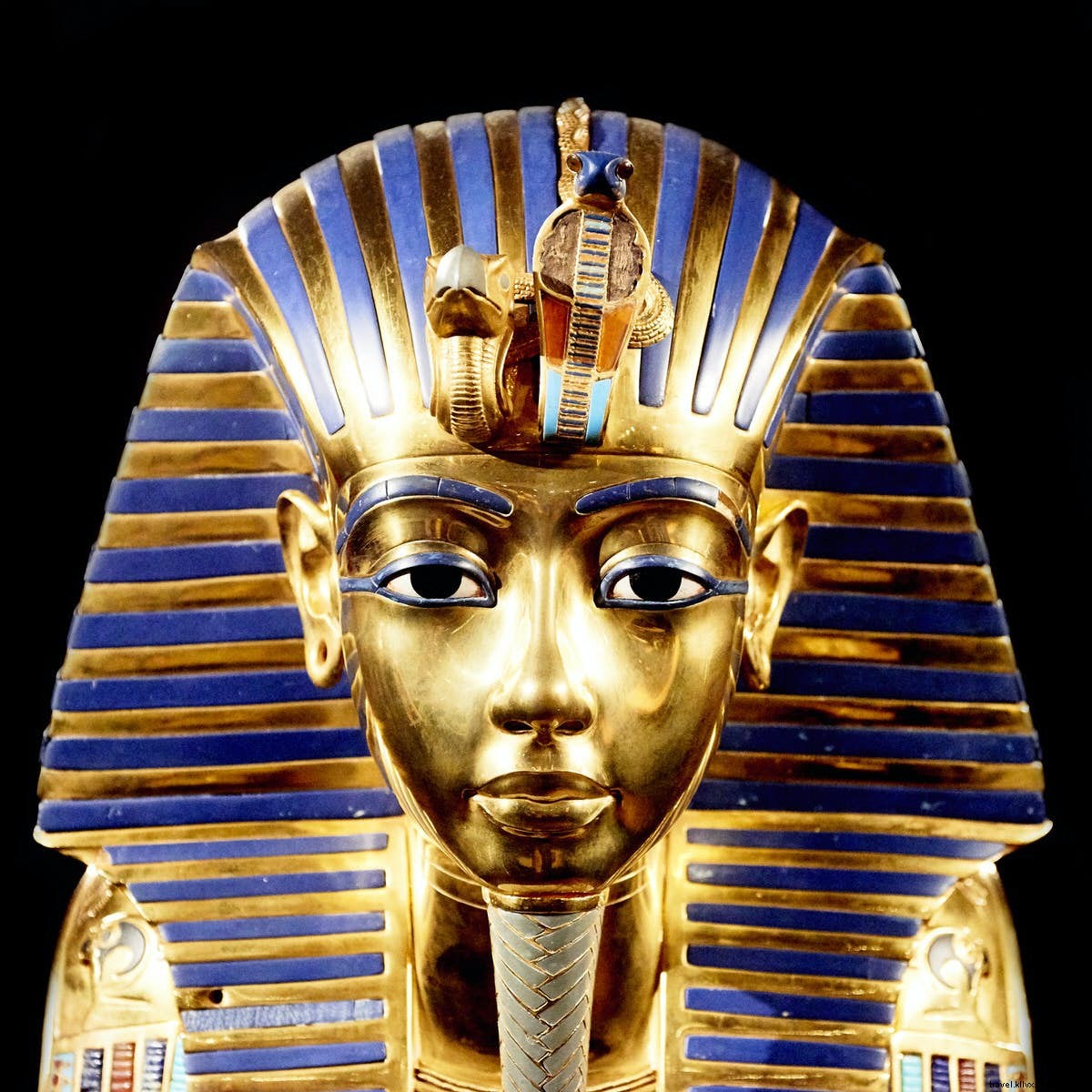
Staring at shriveled fingers, cheekbones, teeth, hair—my reflection startled me repeatedly. Queen Maatkare’s lifelike stone eyes sent me fleeing in adrenaline-fueled awe.
Egypt offers countless draws now—fewer crowds—and caveats. The UK’s Foreign, Commonwealth & Development Office (FCDO) doesn’t advise against Cairo travel but urges caution near protests or festivals. Past incidents like the 2017 church shooting or Sinai mosque attack (in restricted North Sinai) alarmed visitors, but no tourist-targeted violence in core areas recently.
Cairo’s chaos overwhelms yet exhilarates. Great travel demands resilience—like facing Ramses.
Latest Travel Advice for Egypt’s Key Tourist Areas
Cairo and Alexandria
Protests occur here; avoid religious sites, festivals, protest zones. No tourist-targeted violence; FCDO allows travel.
Luxor to Aswan
Nile cruises visit Valley of the Kings, Karnak, Luxor, Kom Ombo, Edfu. No incidents since 1997; FCDO permits travel.
South Sinai
Post-2015 Sharm El Sheikh crash (Isis-claimed), FCDO advises against non-essential air travel there; permits resort visits but cautions elsewhere (Taba, Dahab) due to past attacks.
Helen Elfer traveled with EgyptAir support. Lonely Planet contributors decline freebies for coverage.