4-Day Chernobyl Journey: Insights, Tips & Stunning Photos
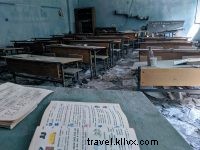
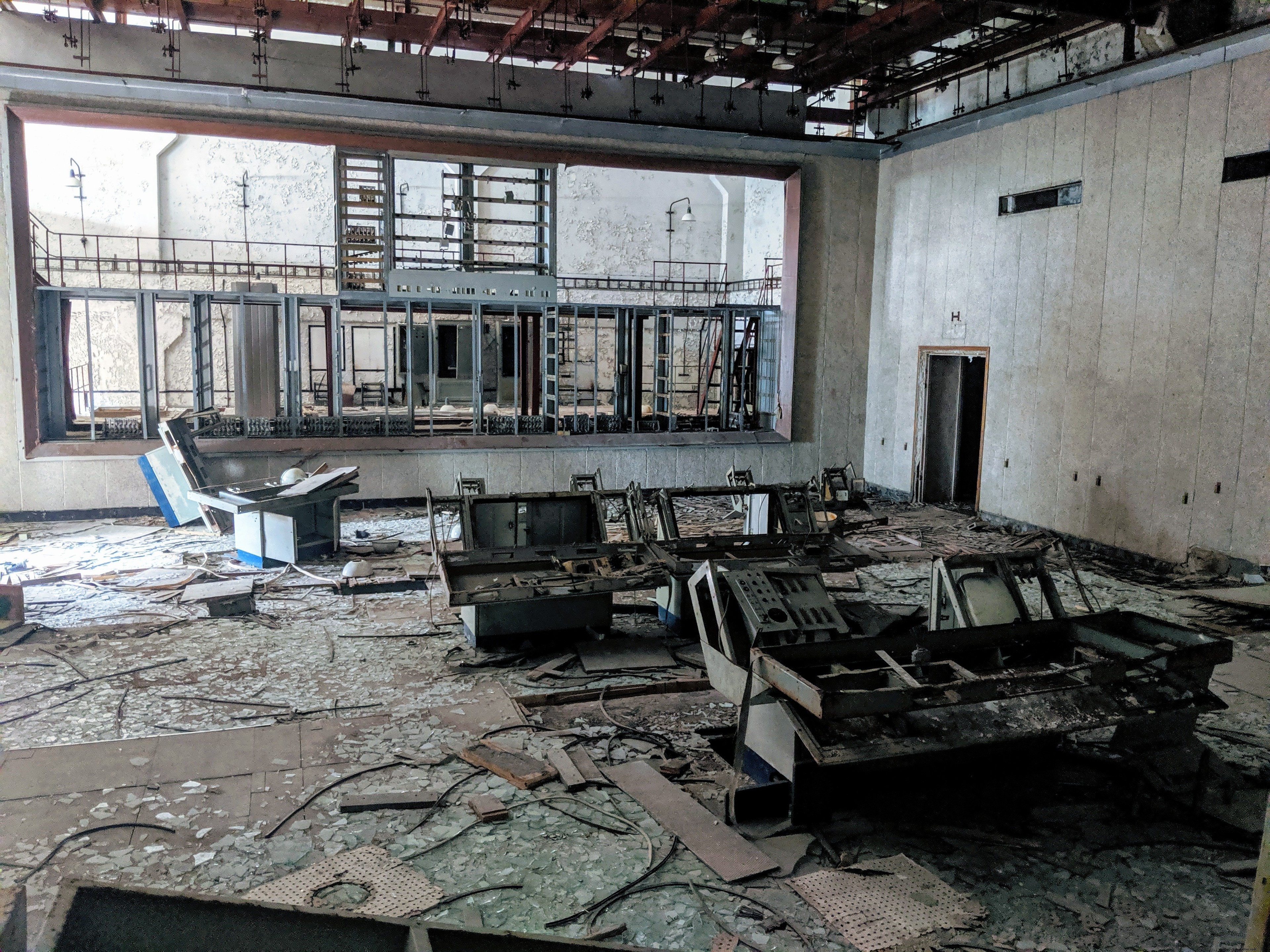
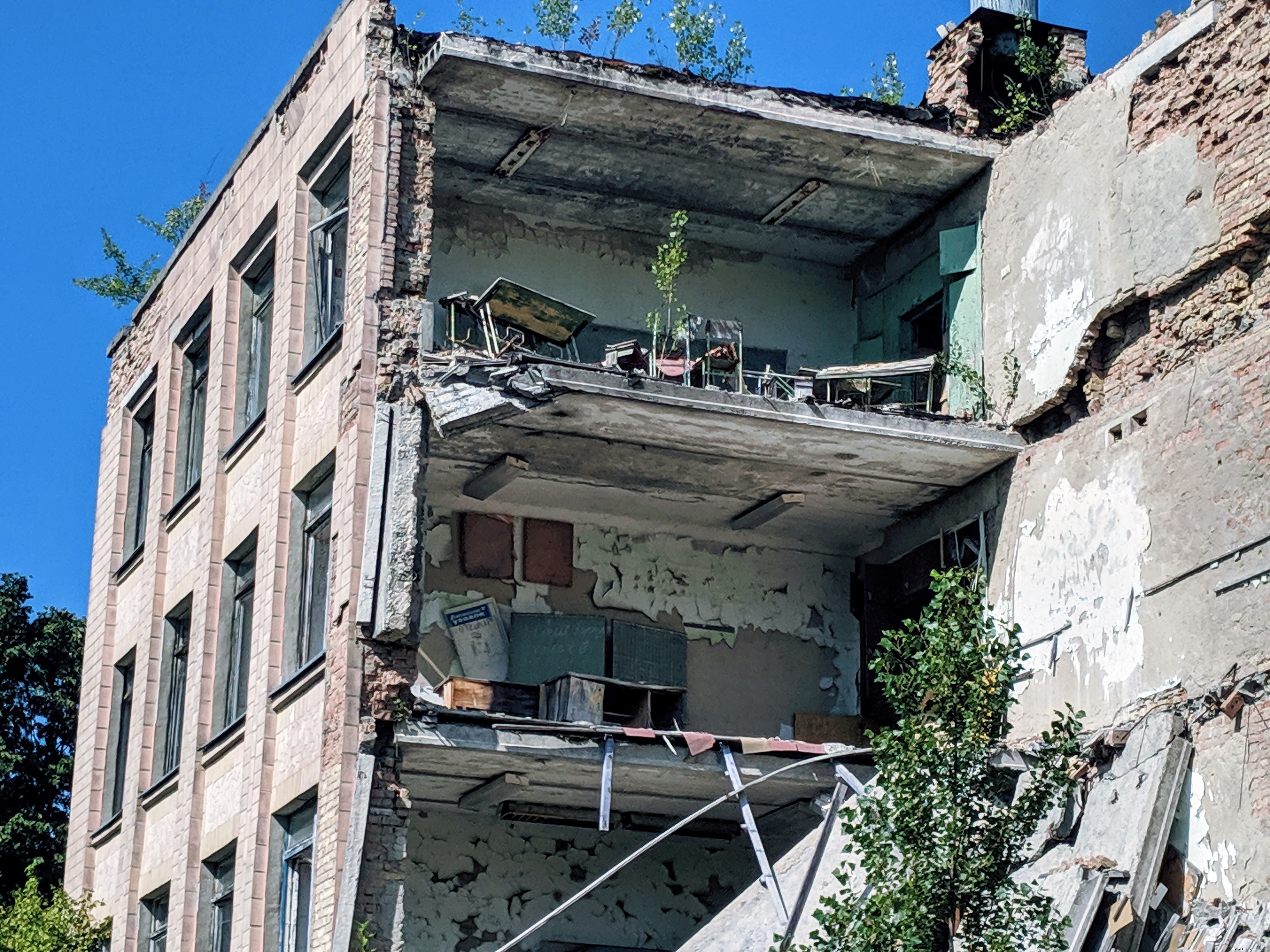
I thought it would only be about abandoned buildings. And while we did visit and wander through dozens of schools, cafes, bus stations, hospitals, hotels, boat houses, supermarkets, television shops, summer camps, and a ton of more places, the experience of a Chernobyl trip went far beyond all of that.
For 3 nights and 4 days we were in ‘the zone’.
It was eye-opening, educational and very raw, all in one. We stayed in an old Soviet hotel in Chernobyl city, the only working town in the exclusion zone and home to several thousand people, almost all of whom work in some power plant / disaster related job. The rest of the population in town run the shop, two hotels, restaurant and other small businesses that support the workers.
Each day of our Chernobyl trip we learned more about the 1986 disaster, with our excellent guide, Nazar, providing details and information about every single site that we visited.
In between the education, I was left to stare out the window of the van or walk quietly along paths that meandered through the spectacularly overgrown forest, pondering the remains of a once flourishing region. I was left to try to comprehend the masses of people whose lives were uprooted and left behind, all within a few quick days (or slow days depending on how you look at the response to the disaster).
Sure enough, I found myself equally affected by the stories of those who sacrificed their lives to ensure the disaster didn’t escalate even more. And by those who knew the risks but decided to play a major role in securing and cleaning the area nonetheless.
Even today, there are still a couple of thousand people who work at or near the nuclear reactor, in various capacities. They spend 15 days in the exclusion zone and then they’re required to leave the zone for 15 days before they can return. Such workers include scientists, security personnel, contractors, technicians, engineers and more.
Again, this Chernobyl trip was far from a mere stream of photo opportunities.
Did you know that Sweden played a crucial role in uncovering the disaster?
Sweden detected radiation soon after and in their search for the source, they put pressure on the Soviet Union to confess if something had occurred. Had Sweden not detected the radiation and forced the Soviet Union to admit the situation, who knows if we would ever know what actually happened. And that would have been even more dangerous.