
Beyond the Big Five: Discover Ethiopia's Rare Wildlife in Bale Mountains and Beyond
The journey from Addis Ababa to Bale Mountains National Park is long yet breathtaking—winding past donkeys, sunlit fields, rolling hills, expansive plateaus, red dirt trails, and traditional circular homes painted in vibrant purple, green, and blue. This scenic drive mesmerizes, with the sky shifting hues and roads turning rugged, culminating at the remote Bale Mountain Lodge.
A brief walk from the lodge leads into a dense forest. Navigate gnarled ancient trees, mossy clusters, pink bell-shaped flowers, and looping vines until emerging into a vast clearing—home to some of the world's rarest creatures, if fortune favors you.
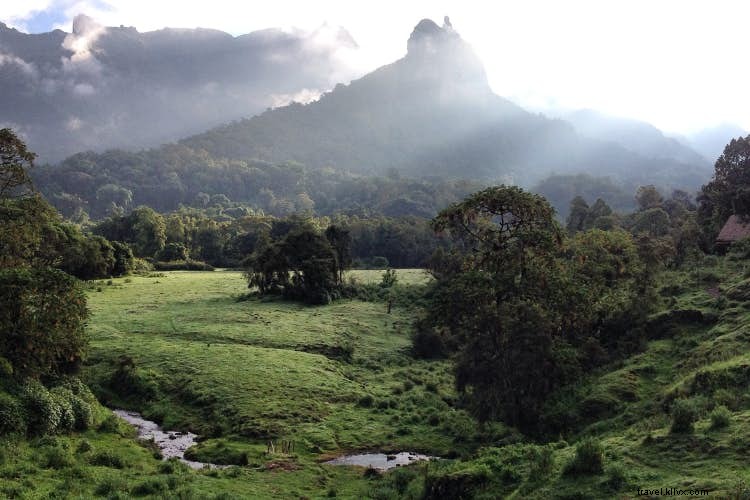
This clearing lies within the park's Harenna Forest, Ethiopia's largest cloud forest. Solemn colobus monkeys with striking white beards swing through the canopy, tending young and emitting hoots. Joined by noisy silver-cheeked hornbills, Abyssinian oros with bubbly calls, starlings, and iridescent tacazze sunbirds. On the ground, giant forest hogs forage cautiously, butterflies flutter, and bushbucks move silently through undergrowth—a scene evoking a fairy tale.
While African safaris traditionally chase the Big Five, Ethiopia offers off-the-beaten-path rewards. Its unique geography, especially isolated Bale Mountains areas, hosts numerous endemics and rare sightings. Explore these highlights:
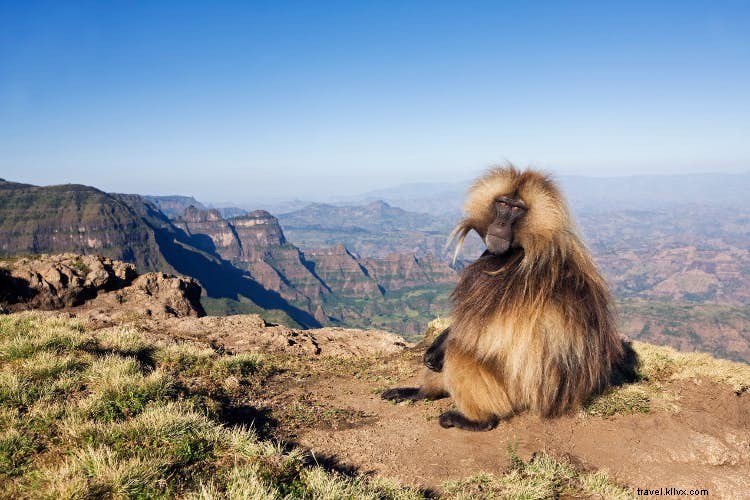
Gelada Monkeys
Exclusive to the Simien Mountains, geladas are the only grass-grazing monkeys, boasting primates' most diverse vocalizations—from shrieks to gurgle-like speech. Spot black-and-white colobus with snowy mantles or white-bearded Bale monkeys elsewhere in Ethiopia.
Birds
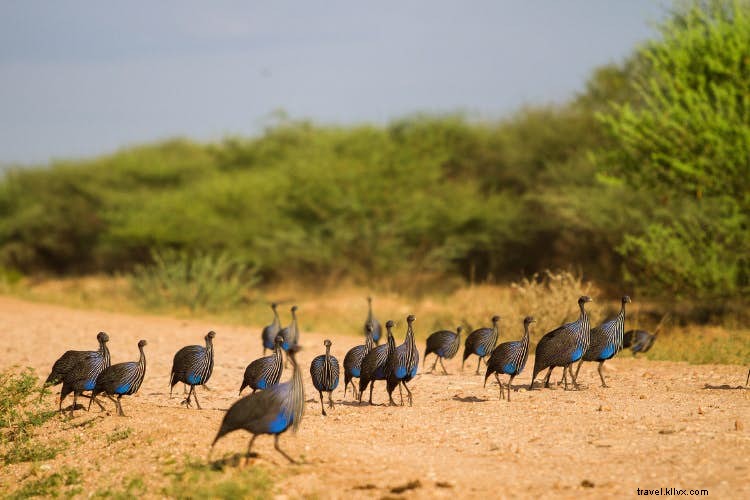
Ethiopia ranks among Africa's premier birding spots, with 835 species including 23 endemics. Experts recommend guides for rarities, but casual observers thrill at vivid plumage and massive wingbeats. Watch for red-cheeked cordon-bleu, Ethiopian guinea fowl, blue-winged goose. In Simien Mountains, listen for whistling winds over bearded vultures. Lake Awasa hosts marabou storks; Lake Shala, flamingos.
Hyenas
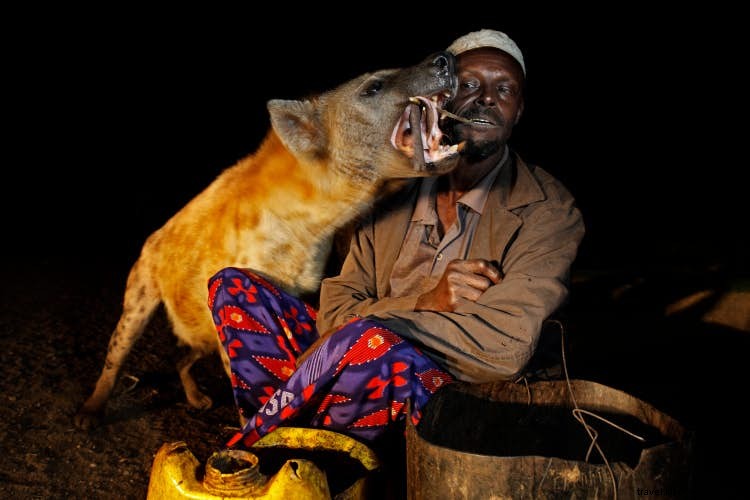
Harar's ancient walled city draws visitors for heritage, but hyena feeding is iconic. Started to protect livestock and later for luck, 'hyena men' now feed them nightly at city walls—a safe tourist draw. Observe or bravely hand-feed Africa's second-largest predator.
Ethiopian Wolves
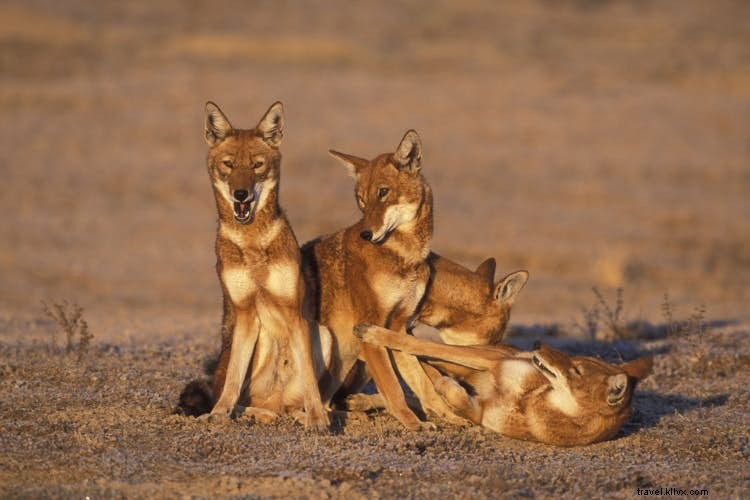
The world's rarest canid, with fewer than 500 wild individuals, thrives in Bale Mountains (60% of population). Resembling foxes with red fur, pointed ears, and long legs, they forage solo across the Sanetti Plateau.
Butterflies
Bale Mountains is an 'endemic utopia' for butterflies, with 22,000 moth and butterfly species in vibrant hues. Recent research uncovered over 20 new-to-science types; sustainable silk production from local silk moths shows promise.
Walia Ibex
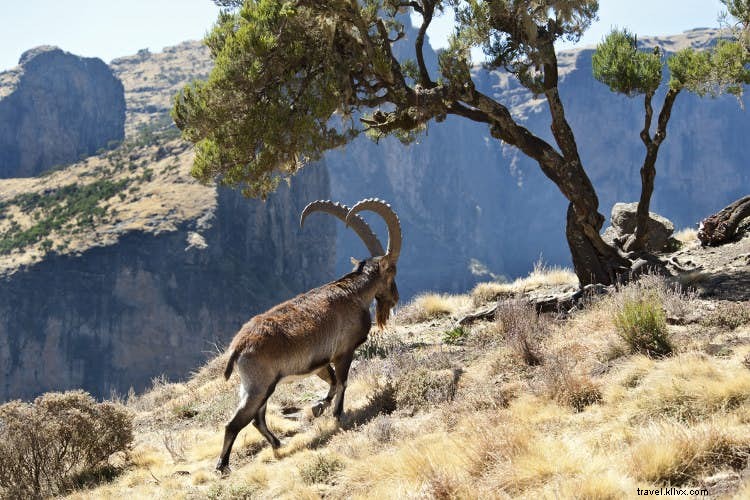
Endangered in northern highlands, especially Simien Mountains, males boast black beards and metre-long curved horns for dominance clashes on sheer slopes—echoing through thin air, often life-or-death.