
Top 5 Must-Visit Stops on a Nile River Cruise in Egypt: Ancient Wonders Await
Savvy travelers are discovering Egypt's legendary tombs and temples with minimal crowds—and the premier way to experience them is on a captivating cruise along the mighty Nile River.
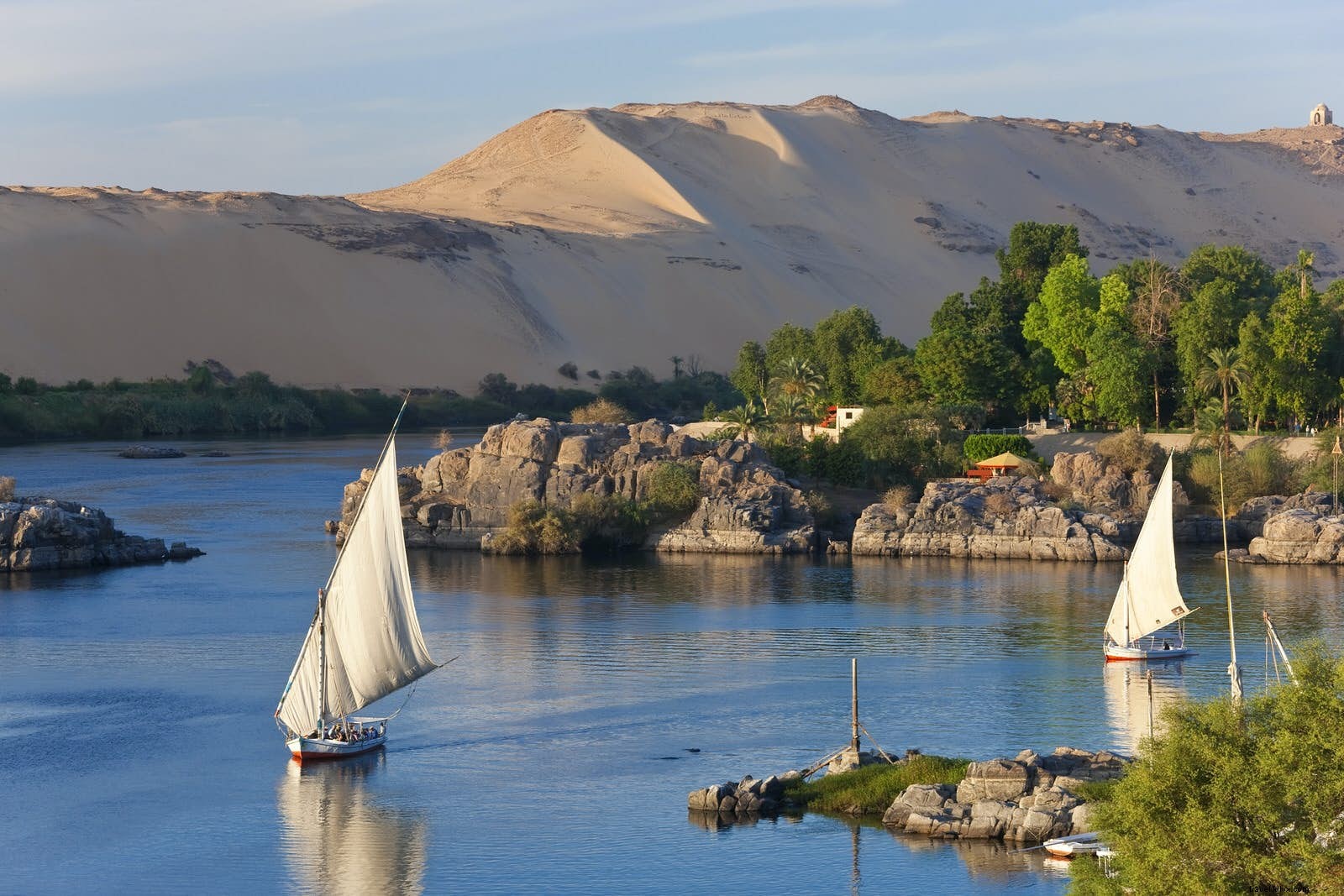
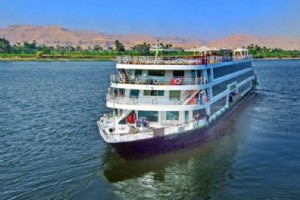
A Nile cruise is a timeless tradition for uncovering Egypt's treasures. For centuries, explorers have navigated the world's longest river, where riverside life captivates as much as the scheduled ancient sites.
Expect the unexpected: Spot a solitary fisherman gliding homeward, oars slicing the water. Moments later, enterprising locals might sidle up in a speedboat, hawking vibrant scarves amid playful banter.
At dawn on deck, a fresh breeze carries dew on handrails and lush riverbank foliage. Other days reveal arid yellow hills under dusty, heavy air.
Daily vignettes enchant: Men savoring tea and shisha in the sun, bougainvillea blooms, sugarcane fields, family farms, mud huts, waving children, and glowing minarets at dusk. This authentic Egypt, off the beaten path, makes any Nile cruise unforgettable.
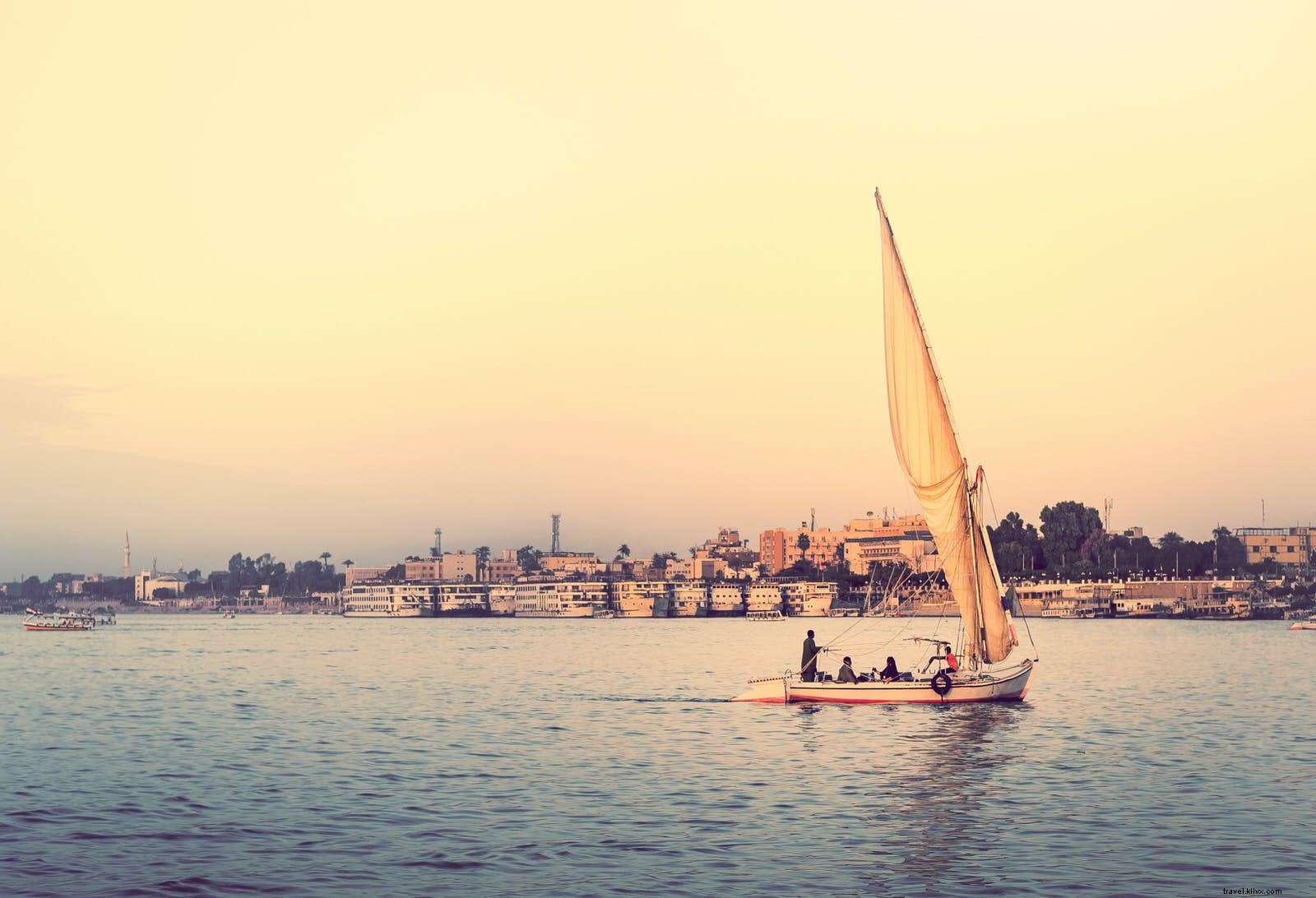
Yet the real highlights lie ashore. From the vivid murals in the Valley of the Kings to the precise hieroglyphs at Luxor Temple, prime sites between Luxor and Aswan are easily accessible from the Nile's banks.
Once swarmed by tour groups, these landmarks are now serenely quiet due to past unrest. Visible security is present, which may feel notable, but the UK's Foreign, Commonwealth & Development Office (FCDO) deems the Luxor-to-Aswan Nile stretch safe (check latest advisories below).
Visiting now supports Egypt's recovery while offering profound, uncrowded encounters with monumental history. Discover the top five Nile cruise stops.

Karnak Temple
Most cruises launch from Luxor, kicking off with the awe-inspiring Karnak Temple Complex—a vast expanse of carved pillars, obelisks, and walls evoking ancient power. As the earthly abode of sun god Amun-Re, it's the largest religious structure ever constructed.
Look out for: symbolism
Egyptian art abounds in natural motifs. Karnak exemplifies this: 134 hypostyle hall columns mimic palm trees, the floor evokes the Nile, pylons represent mountains, and the starry ceiling depicts Egypt's night sky.
Luxor Temple
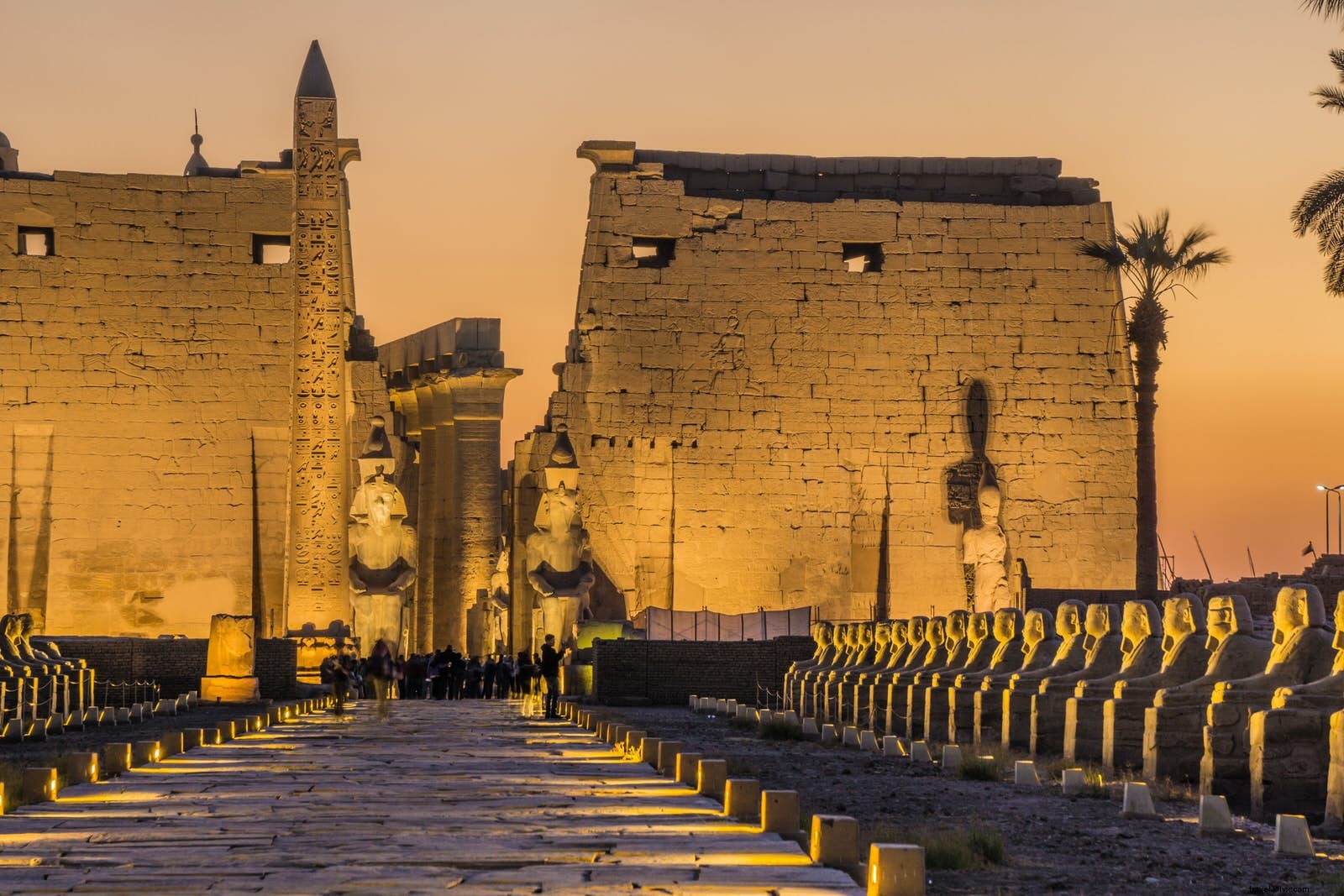
Luxor's other grand temple honors Amun-Re, Mut, and Khonsu (the Theban triad). Towering Ramses II statues guard the entrance. Marvel at dynamic carvings of revelers clapping, drumming, dancing, and acrobats, with boats borne to the Nile amid captains' calls—the scenes pulse with life.
Look out for: religious art
Traces of four faiths endure: Egyptian gods in the temple core; Roman frescoes; atop it, Abu El Haggag mosque for Islam; and Coptic Christian pillars in the Temple of Montu.
Valley of the Kings
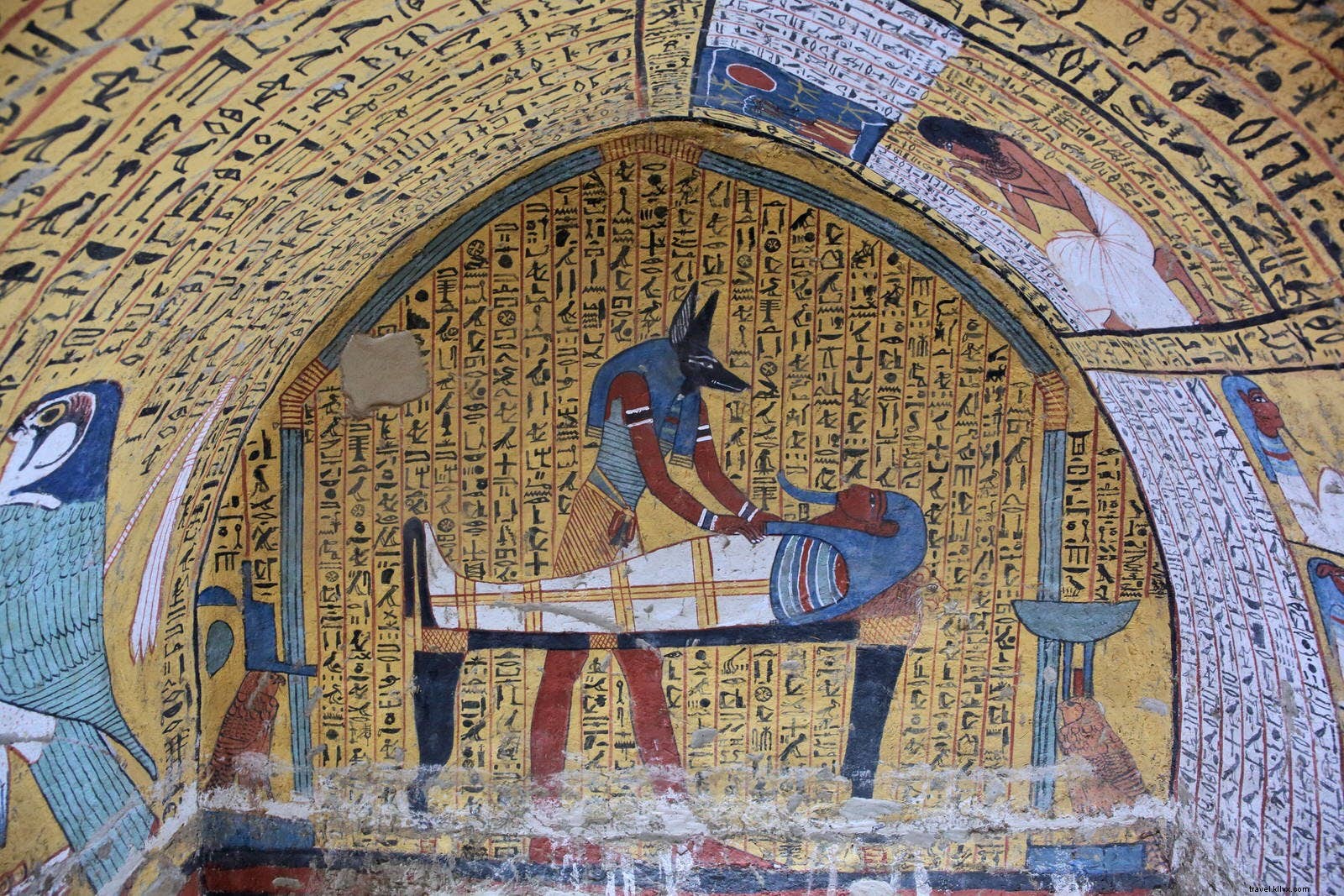
Relive childhood tales of Tutankhamun's tomb and treasures in this royal necropolis. Enter the real chamber or the acclaimed replica, designed to protect originals from tourism wear. Explore vast tombs of Ramses IX, Ramses II, Merenptah, and others, admiring intricate hieroglyphs and scenes.
Look out for: vivid paintings
While temples show faded paint, tomb interiors stun with brilliant hues—reds, yellows, blues, whites from natural pigments sealed by beeswax. Birds, snakes, and boats appear freshly painted after millennia.
Temple of Edfu
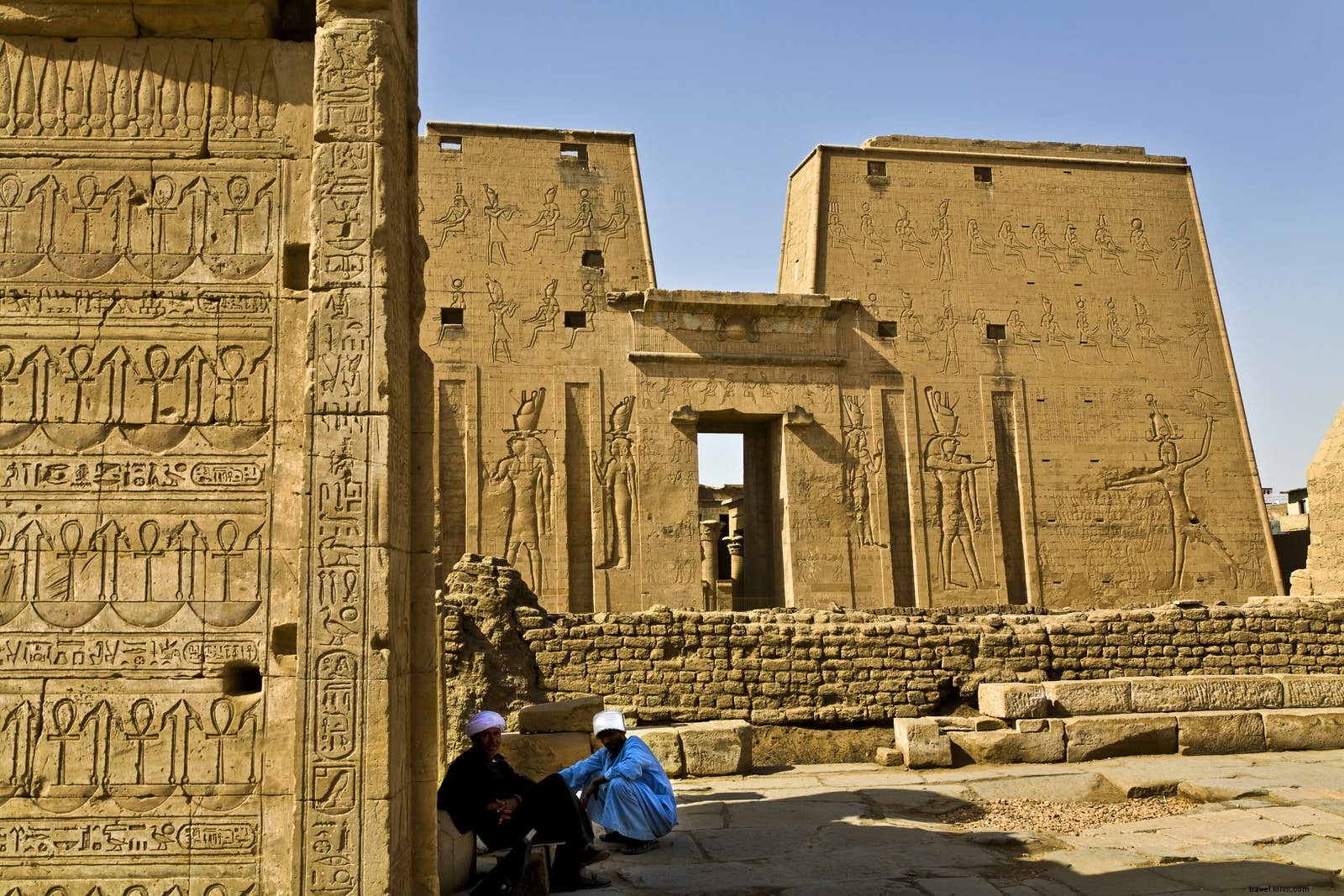
Edfu's massive temple venerates falcon-headed Horus, symbolizing nobility for shunning carrion. Exceptionally preserved, it features antechambers, halls, and a granite shrine that held Horus's gold statue.
Look out for: the courtyard
Linger in the courtyard's detailed reliefs, like directional boat sails (furled with the Nile's flow, open against it). Once, this open space blinded outsiders to sacred interiors reserved for elites.
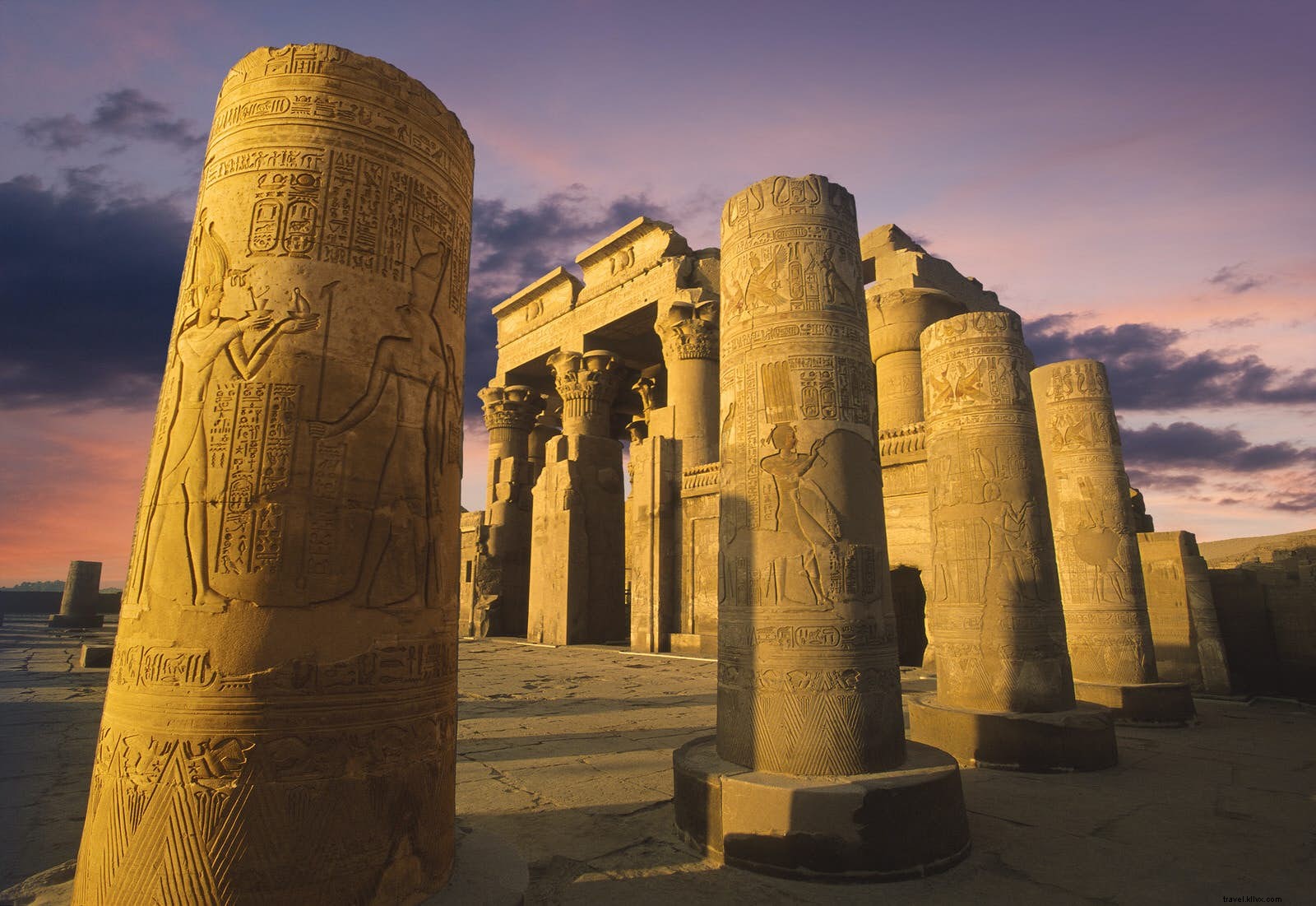
Kom Ombo
Honor Nile crocs at Kom Ombo's unique double temple—half for Horus, half for Sobek. Built to appease river reptiles that once terrorized locals.
Look out for: doubling up
Perfectly symmetrical: Dual courts, halls, and sanctuaries ensure equal reverence.
Travel safety
No FCDO warnings apply to the Luxor-Aswan Nile or listed sites. Always verify current advice before travel.
Helen Elfer visited Egypt with support from the Egyptian Tourism Authority and EgyptAir. Lonely Planet contributors do not accept freebies for positive coverage.