
Ethiopia's Ancient Christian Heritage: Mountaintop Churches and the Ark of the Covenant
Ethiopia is home to one of the world's oldest Christian traditions, tracing its roots to Old Testament times. Join Lonely Planet Traveller to explore its dramatic landscapes, hear tales of daring prophets, scale vertigo-inducing paths to mountaintop churches, and draw nearer to the Ark of the Covenant than Indiana Jones ever did.
The Legend of Father Yemata and His Church in the Sky
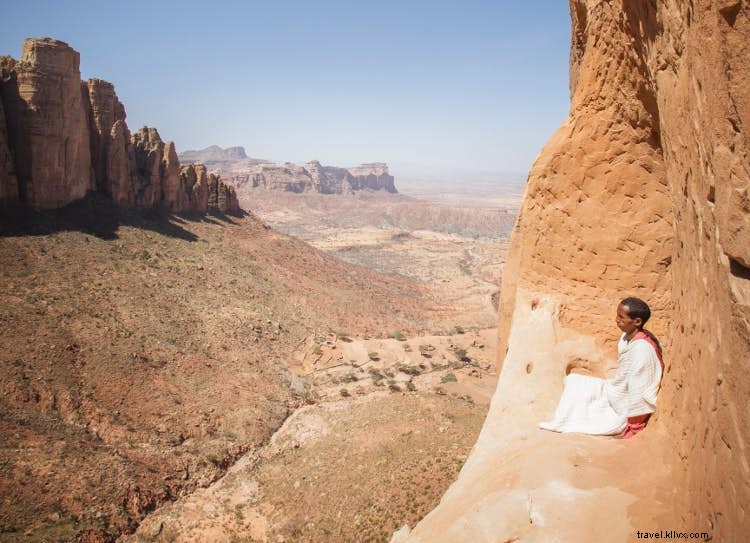
In the 5th century AD, Father Yemata journeyed south from Egypt, crossing the Red Sea and the Sahara until he reached Ethiopia's northern mountains. There, he carved Abuna Yemata Guh—one of Christendom's earliest churches—directly from the rock. 'Guh' means 'dawn' in the local tongue, evoking its timeless origins.
Today, the church retains its ancient allure: painted apostles gaze across incense-filled air, candle wax pools on the floor, and wind whispers through the wooden door. Yet, stepping outside means facing sheer 200-meter drops from its vertiginous spire. Father Yemata evidently embraced extreme devotion.
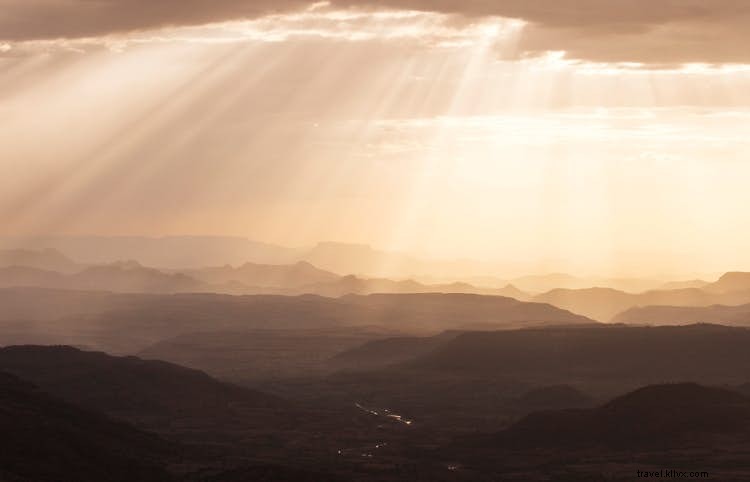
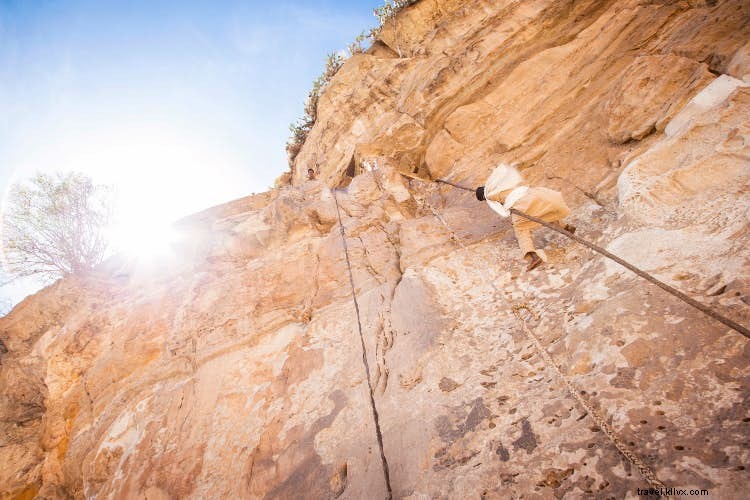
The ascent demands rope-free toehold climbs and narrow ledge traverses, with abyssal views testing one's nerve. As I climbed, vast biblical landscapes unfolded: cloud-shadowed farmlands and shepherds tending flocks near ancient cave campsites.
The final challenge is a six-meter sheer wall, akin to a novice Spider-Man's feat. The triumph inside is profound—adrenaline fades amid emerging angels in the dim light. Legends suggest Yemata sought solitude from raiders or simply heavenly isolation. Remarkably, burials and baptisms have occurred here for centuries.
Priest Kes Haile Silassie affirms: in 15 centuries, 'no one has ever fallen.'
Debre Damo Monastery and the Miraculous Snake
At Debre Damo's mountaintop monastery, under the midday sun, Abba Tekle Haimanot whistles prayers beneath an olive tree, shooing stray cats. Below, daily life hums in the valleys.
He gestures to the cliff: 'I haven't descended in two years—some monks stay 30 or 40. Up here, we're nearer heaven.' A lifelong resident, Abba Tekle recounts the founding: Archangel Michael commanded a holy man to build atop the peak. A giant snake served as a rope; today, monks scale a 15-meter cliff via a leather cord, guided by shouts from above.
'I climbed at 17 with my father,' he recalls with a grin. 'Terrified, but faith made me climb like a monkey.' The 10th-century church, Africa's oldest, features snake motifs amid self-sustaining monastic life.
The Ark of the Covenant and Aksum's Sacred Chapel
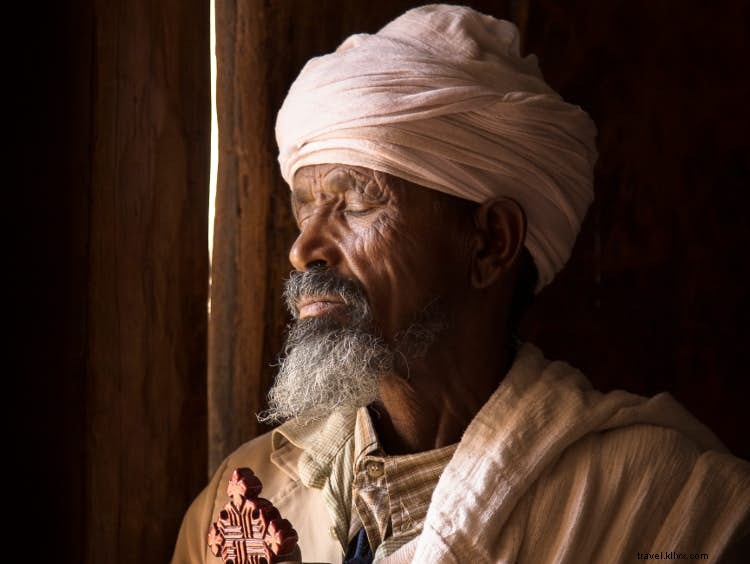
In Aksum, Kelemework Gebrehiwot grouts with pride in a tool-filled room—yet profoundly sacred space. 'Working here feels like standing at heaven's ladder,' he beams.
He's aiding a new chapel for Ethiopia's holiest relic: the Ark of the Covenant, believed to hold Moses' Ten Commandments tablets from Mount Sinai. Biblical lore credits it with miraculous powers, though not leak-proof—a roof drip prompted this build.
Ethiopian tradition holds King Menelik I, son of Solomon and Sheba, brought it from Jerusalem 3,000 years ago to Aksum, ancient capital amid obelisks and ruins. Pilgrims pray outside; only a lifelong virgin guardian views it, ensuring its mystery.
'I sense its presence in the air,' says Kelemework.
King Lalibela's Rock-Hewn African Jerusalem
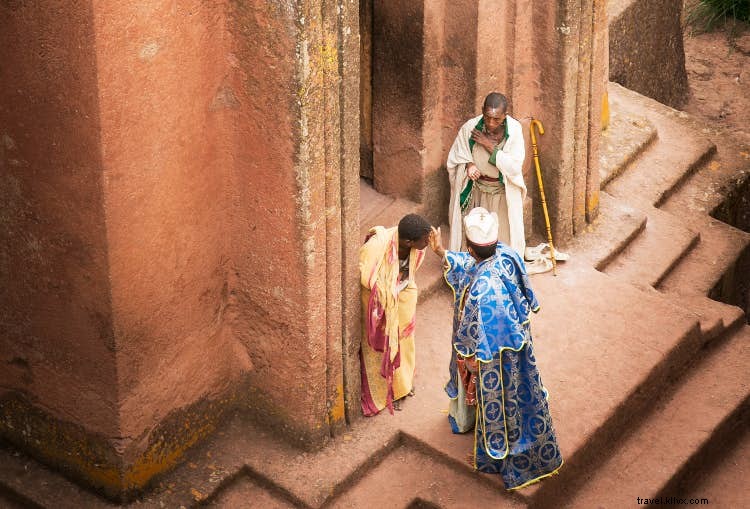
Pre-dawn in Lalibela stirs with roosters, hymns, and bells rising from earth. White-robed pilgrims emerge from tunnels into sunlight—a scene evoking epic films.
Ethiopia's holiest city rivals Machu Picchu or Angkor Wat, but uniquely subterranean: 11 churches carved from volcanic rock by 12th-century King Lalibela, per divine dream, as an African Jerusalem. No mortar, no errors—pure excavation.
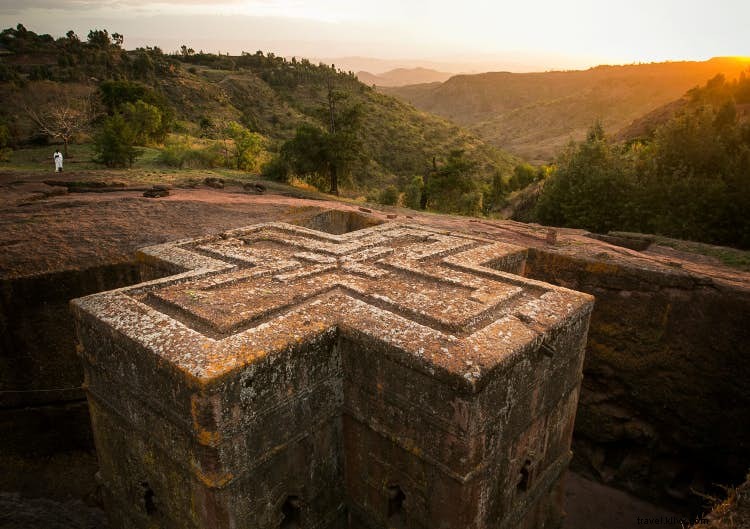
A subterranean labyrinth links them, worn by pilgrims like Awetu Getawey, who trekked four days: 'Hardship vanished upon entering.'
Bet Maryam, perhaps the oldest, boasts organic arches mirroring strata, holy water, and frescoes. A cloth-wrapped pillar hides Lalibela's history and apocalypse prophecy.
Dating is debated—late 12th century or earlier—due to absent sediment layers. Yet its bedrock endures as ancient as Earth itself.