
Exploring the Northern Wilderness: A Villmark Expedition
‘There’s a problem, a bloody big problem. Out there, where you’re going, there’s only one way in, maybe one way out. Us locals don’t even venture in that far.’
This was how the Villmark Expedition began, with dire warnings and scare tactics from a local guide in the foyer of our accommodation. As she scrolled through digital mapping software, we hovered over her shoulder, anxious and deflated, clinging to the hope she might say something at least a little ambitious about the region. No such positivity came. Like an infection, doubt bled through me. One of the expedition members, Jamie, had sculpted the route meticulously for us. His carefully-crafted map came from many hours of hard work. Days before the expedition started, we’d studied the route methodically with our photographer, Emma, and knew it inside out. But of course we hadn’t accounted for this additional information. There was no plan B. As the accommodation foyer fell suddenly silent, I bolted between optimism and indecision with each breath. The only noise I could hear was the scroll of a mouse wheel.
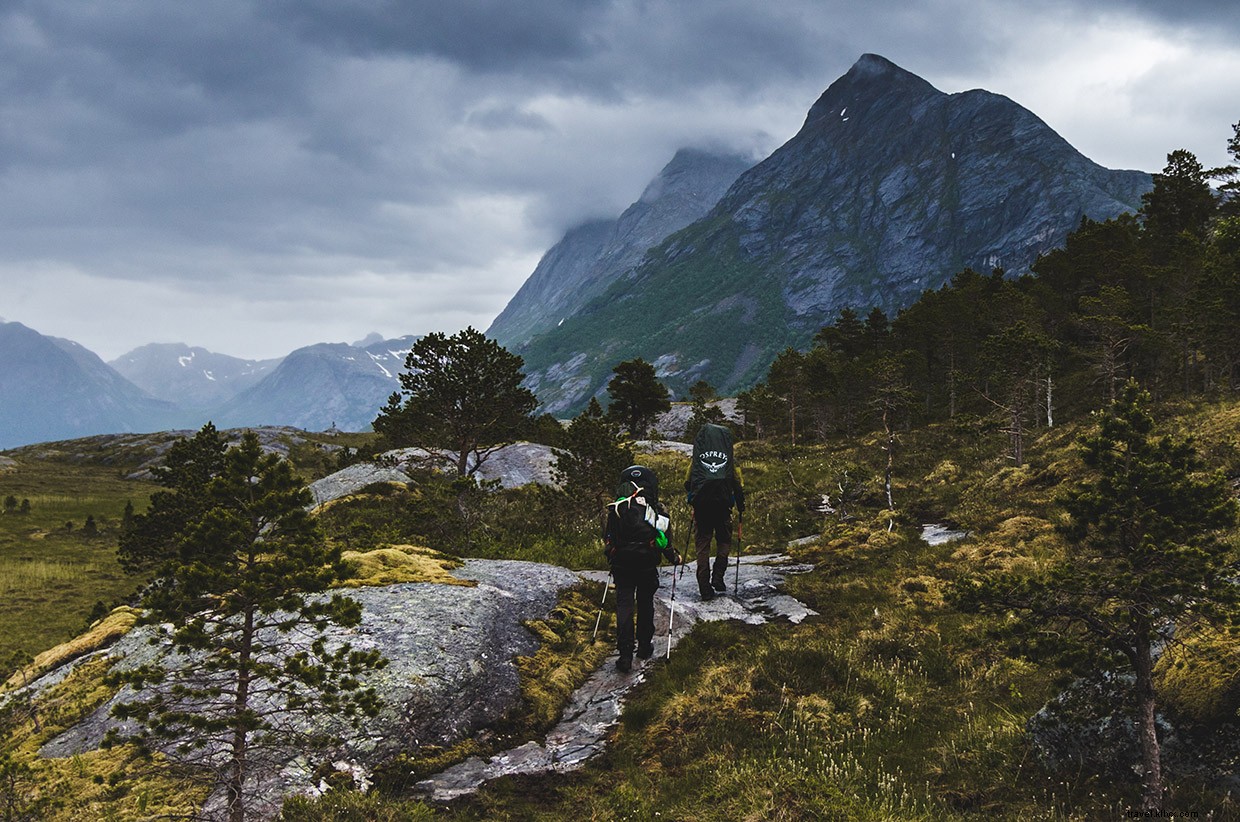
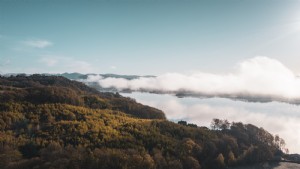
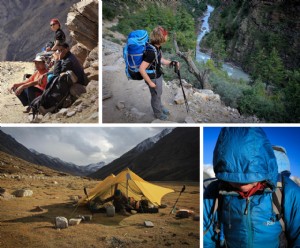
Those warnings still echoing in our ears, stooped beneath the crippling weight of our packs, we stood on the undulating hills outside of Bodø. On the slate-grey horizon Sjunkhatten National Park loomed like a jagged blockade of teeth-like summits. Immense fjords act as deep, impenetrable buffers to a colossal interior. The only known trail linking a coastal route to its remote ski-huts weaves a serpentine path through the south of this vast, isolated region. No other paths penetrated further, as far as we knew. Hidden valleys held saturated marshlands and small, glacial ecosystems. From aerial photography, we found that weather-smoothed, granite mountains stood guard, protecting an otherworldly land of forest, rock, and water. Cross-referencing our visual route with the Viewranger, we could see why nobody ventured into this fortress. It was cut-off. Desperately secluded.
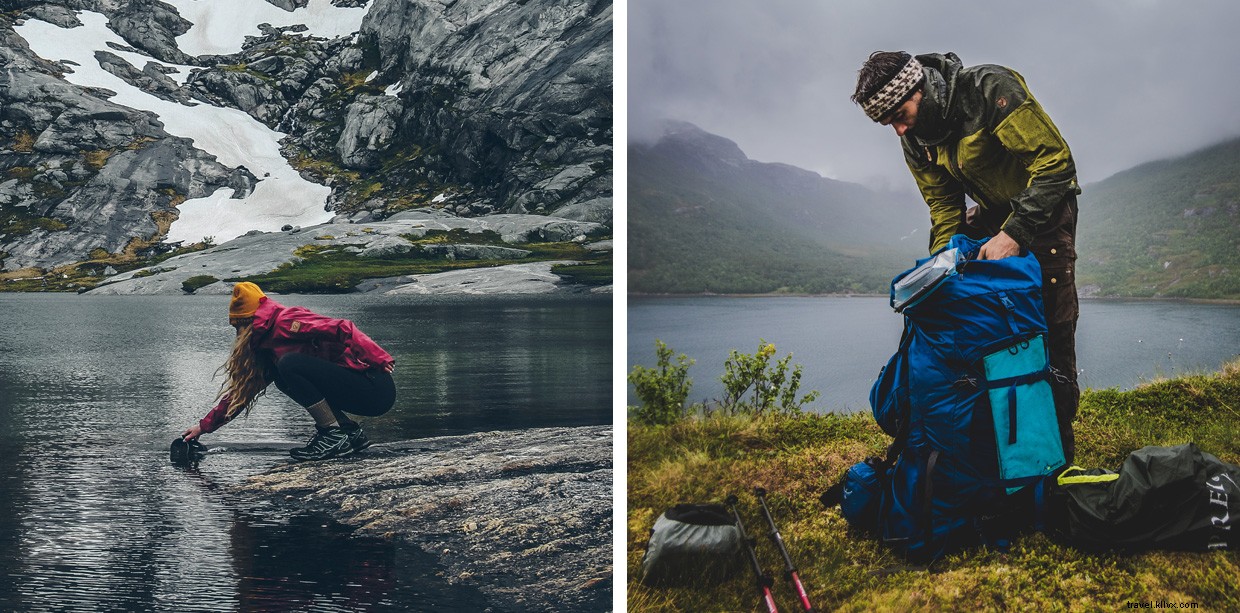
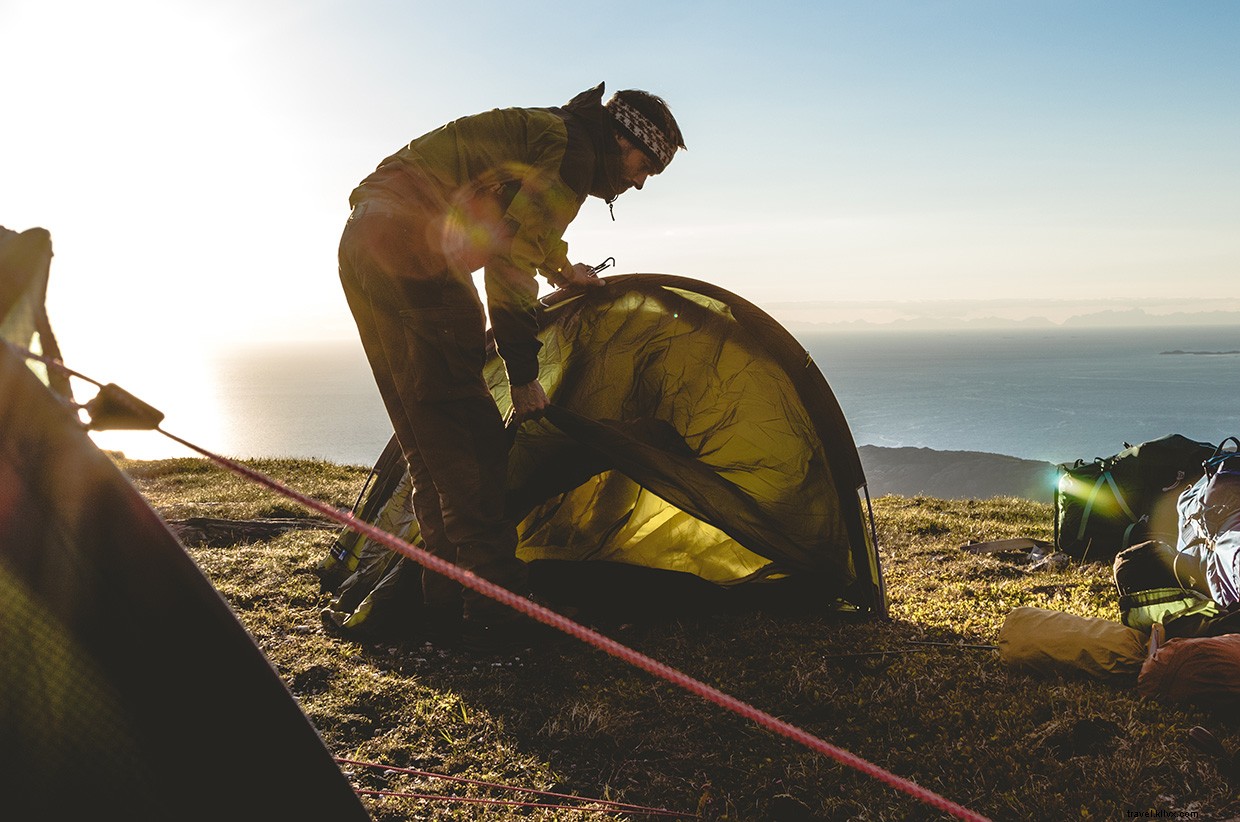
The long trail along Sjunkhatten’s western coast snaked through tight birch thickets and wound its way up around small, glacial lakes. The tinkle of cowbells sporadically broke the silence as mountain goats appeared from behind summit boulders. As I picked my away along the trail, I watched the sun’s afterglow cling to nunatak peaks. Down to our west floated a coastal breeze, drawn into the valley by warm, rising air; swept across the landscape it knew like an old friend. This visceral beginning to our expedition acted as a mental buffer for the tough decisions I knew were heading in my direction. I’d learned the hard way to trust local knowledge and to ignore it at my own risk. Yet, with each step this foreknowledge worked against me: I simply couldn’t forget what we’d been told by that mountain guide. At night her words haunted me as I lay in the sun-drenched glow of my tent.