
Ultimate Guide to Trekking Ethiopia's Simien Mountains: Dramatic Landscapes and Unique Wildlife
Ethiopia, cradle of ancient legends like the Queen of Sheba and the Ark of the Covenant, boasts mesmerizing landscapes. In the northern Simien Mountains, a UNESCO World Heritage site, primeval forests, misty peaks, bizarre plants, and rare wildlife create an otherworldly trekking paradise.
Dramatic Landscapes
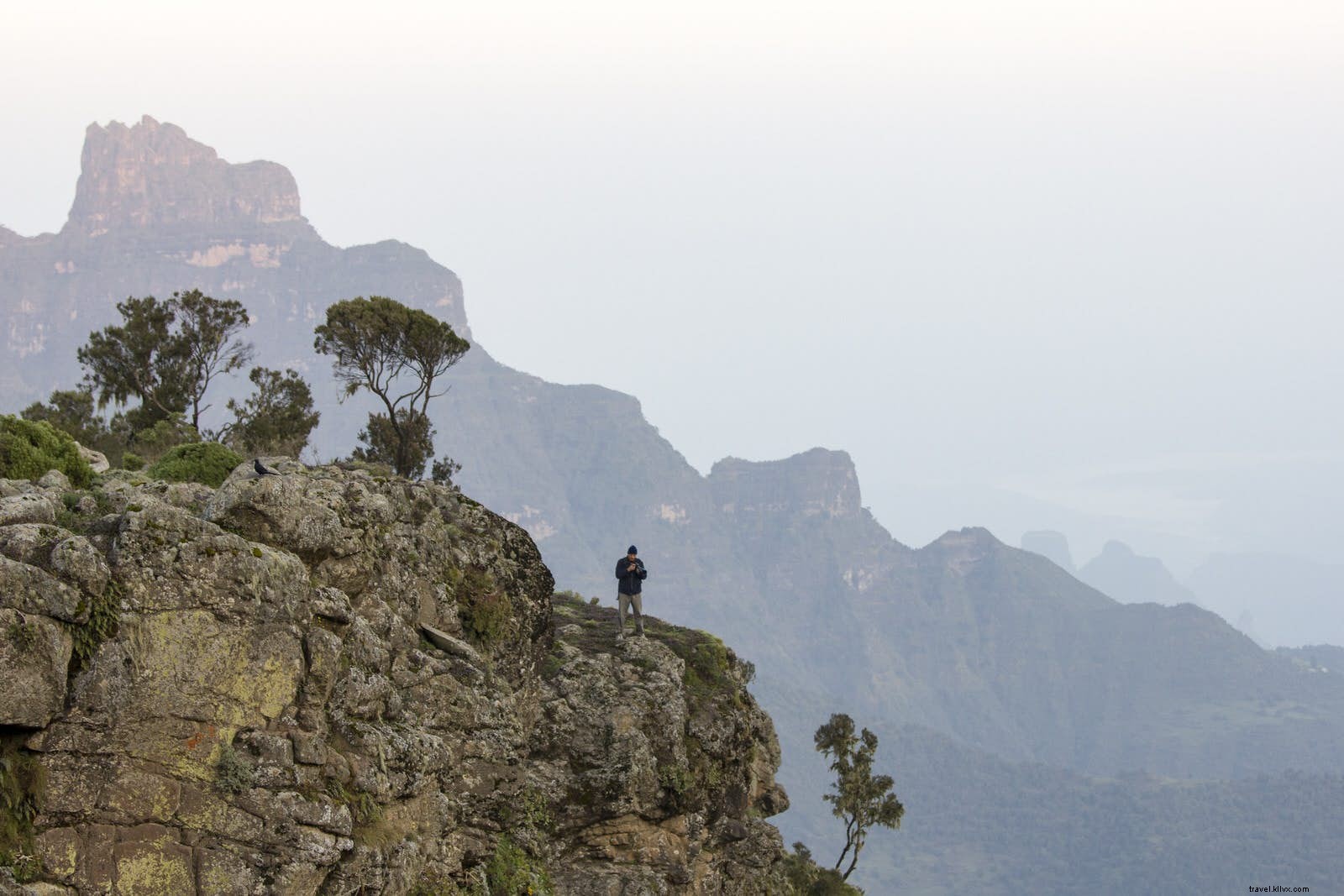
Formed by volcanic eruptions 40 million years ago, the Simien Mountains massif rises above 4,500m in northern Ethiopia. Erosion has carved jagged pinnacles, deep ravines, and volcanic plugs. Multi-day treks (5-10 days) along high escarpments, alpine meadows, and lowlands reveal the park's biodiversity, protected within Simien Mountains National Park.
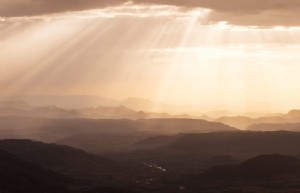
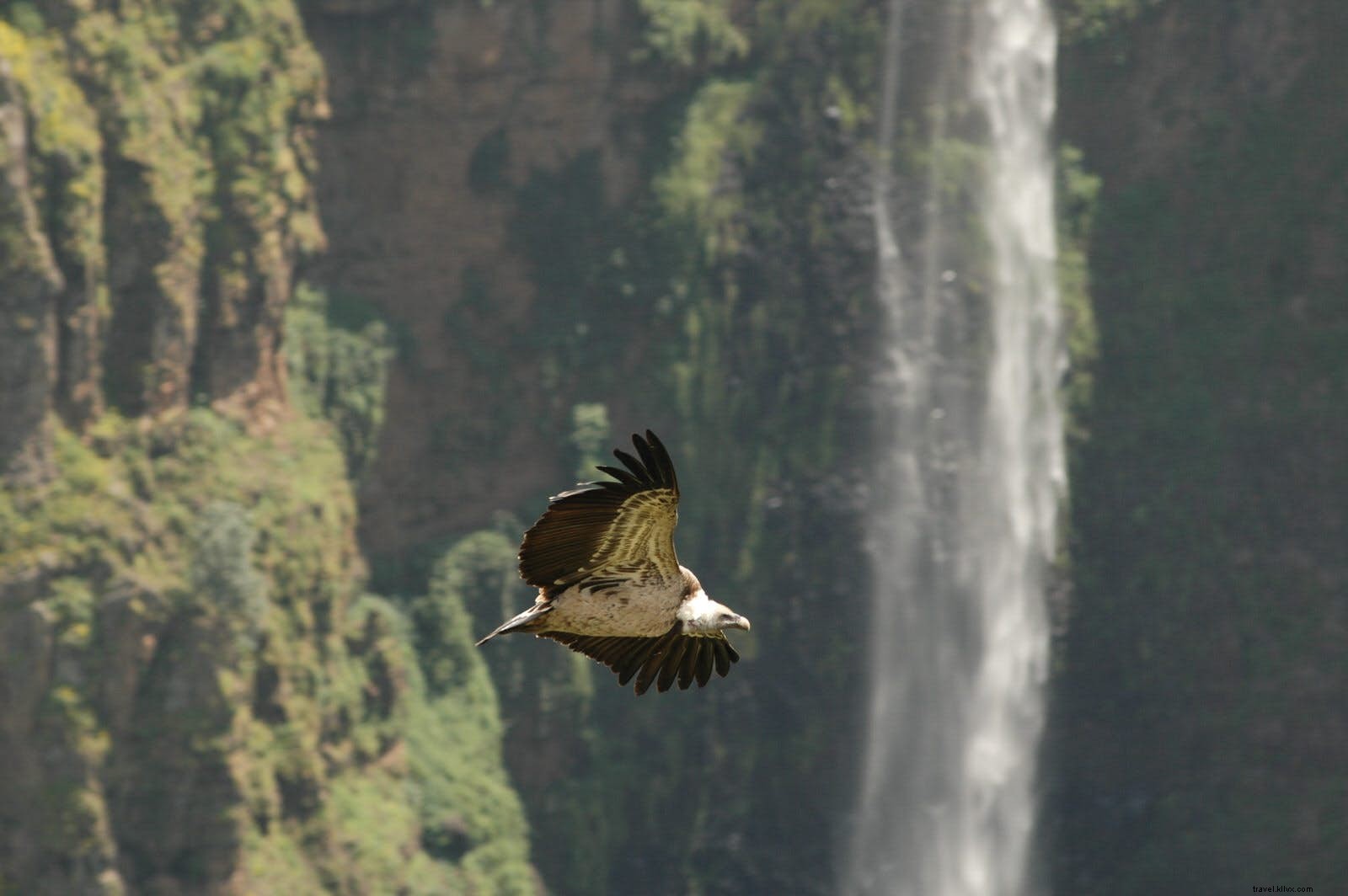
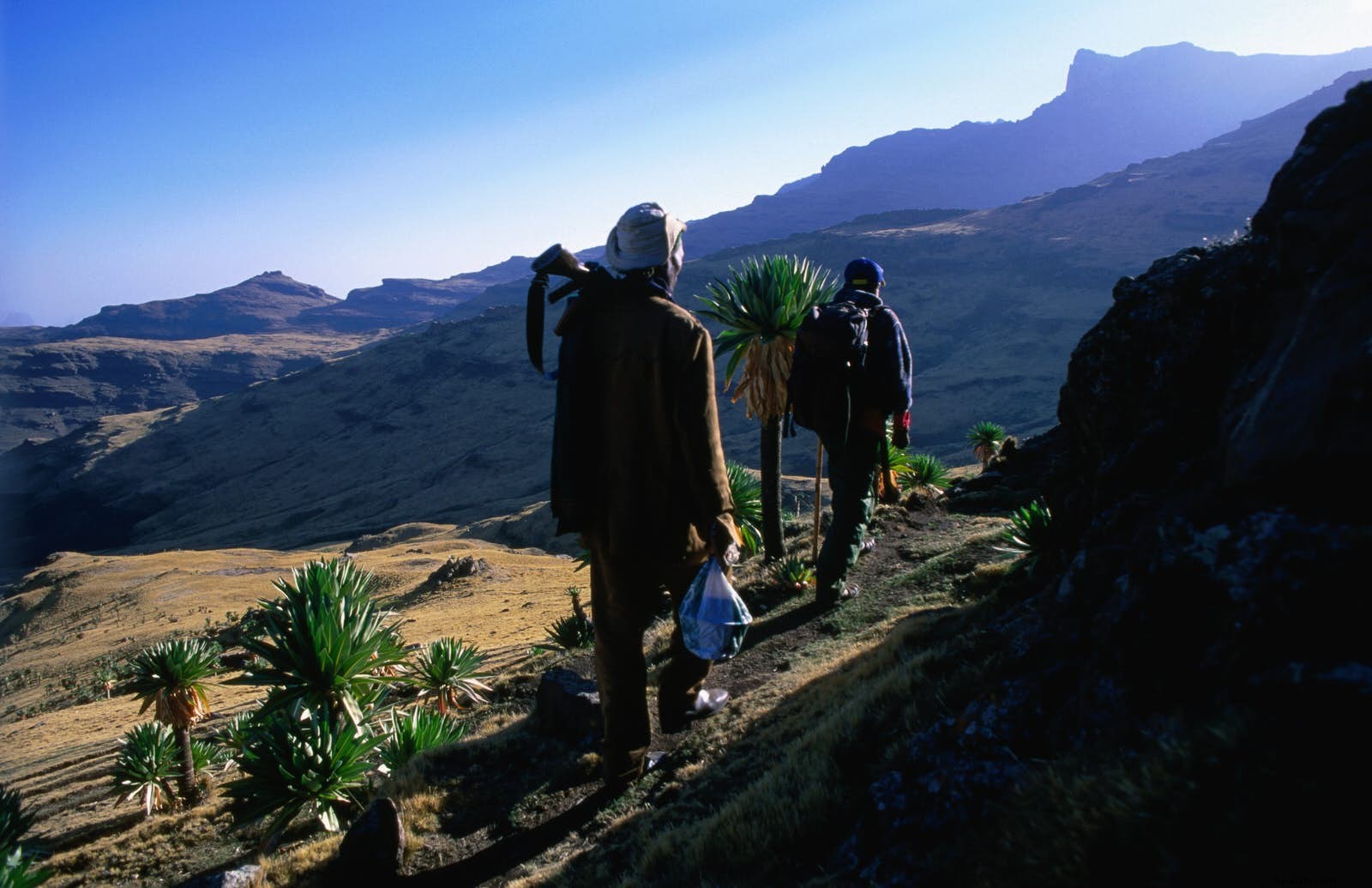
Steep trails ascend to plateaus dotted with giant lobelias—towering, fleshy plants up to 3m tall that evoke prehistoric scenes. Escarpment views feature sheer cliffs, cascading waterfalls, and rocky spires amid forested valleys, with mist drifting below. Vultures and ravens soar overhead in this primal, breathtaking realm.
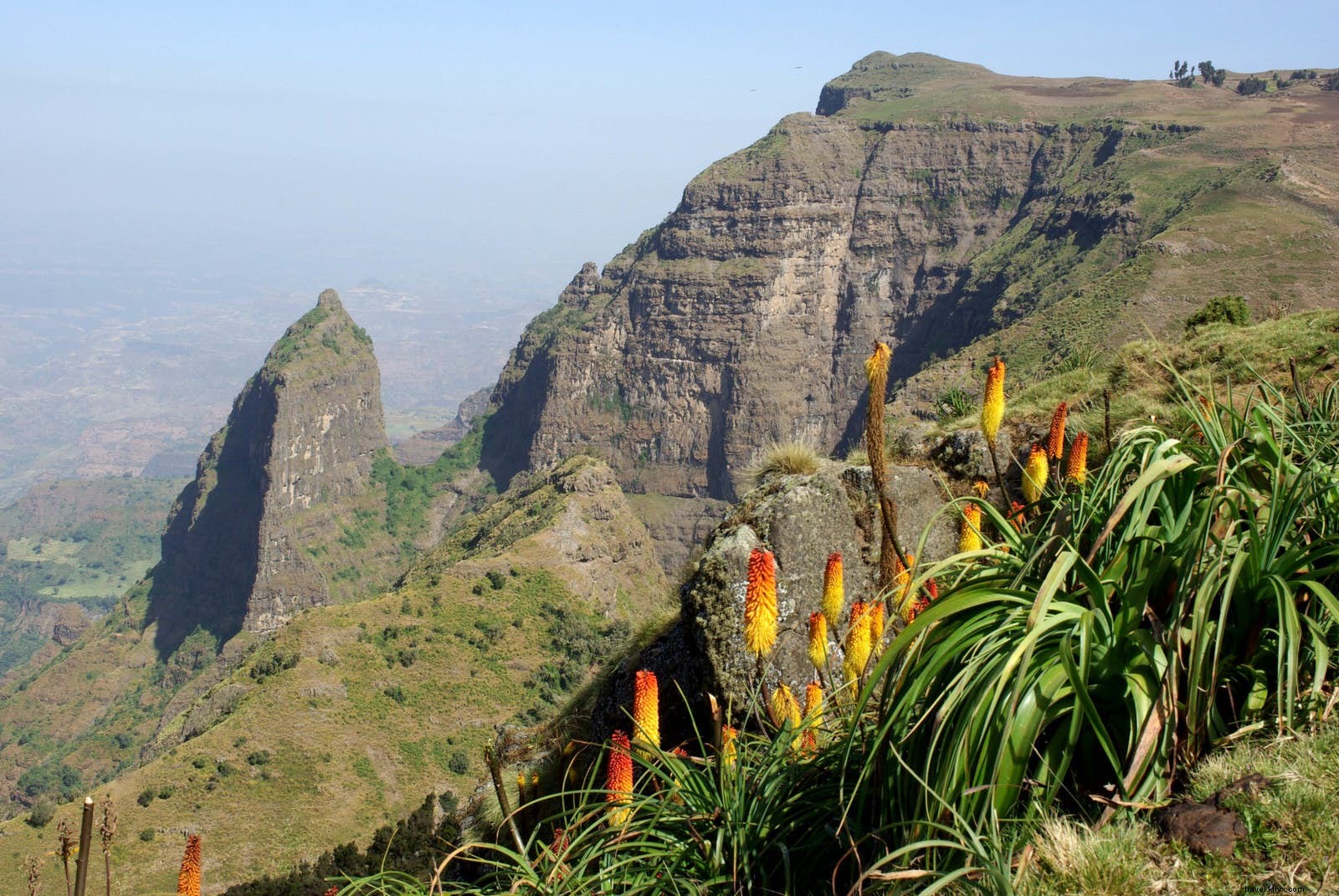
Descending the escarpment drops 2,000m into verdant lowlands (still over 2,000m elevation). Red hot pokers blanket slopes, while cactus trees, aloe groves, canola fields, tef crops, giant ficus, and palms add vibrant tropical flair.
Endemic Wildlife
The Simiens host rare species: gelada baboons ("bleeding heart baboons"), elusive Ethiopian wolves, Walia ibex, and giant lammergeiers (bearded vultures with 3m wingspans). Trekkers often spot these icons and more.
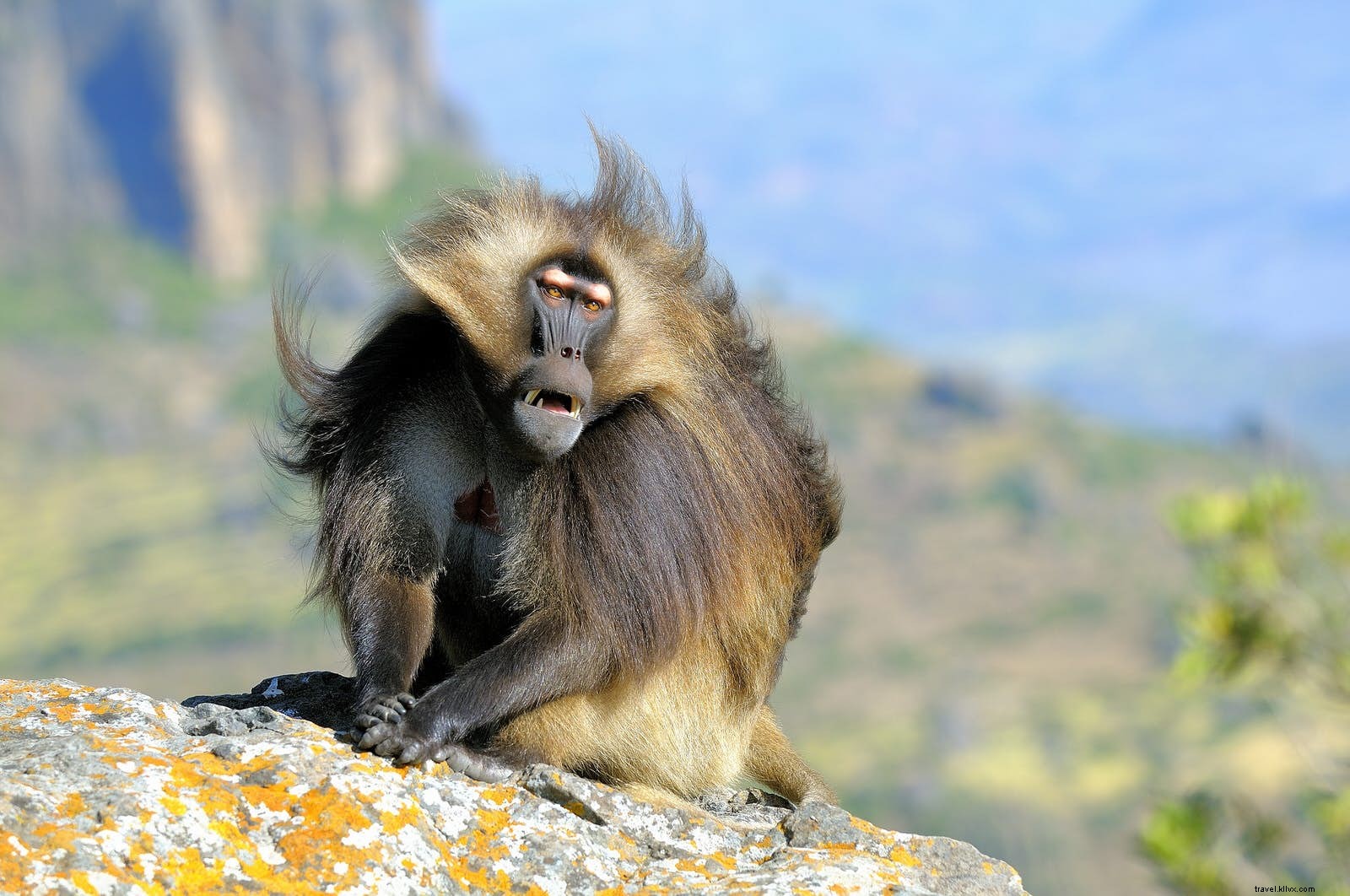
Geladas, with expressive faces, playful behavior, and silver manes, thrive in groups of 100+ on escarpments. Endemic to the Simiens and once nearly extinct, they feature a unique scarlet chest patch. Approach within meters at Sankabar (3,600m) and Chenek (3,620m)—note: they are true baboons, despite historical misnomers.
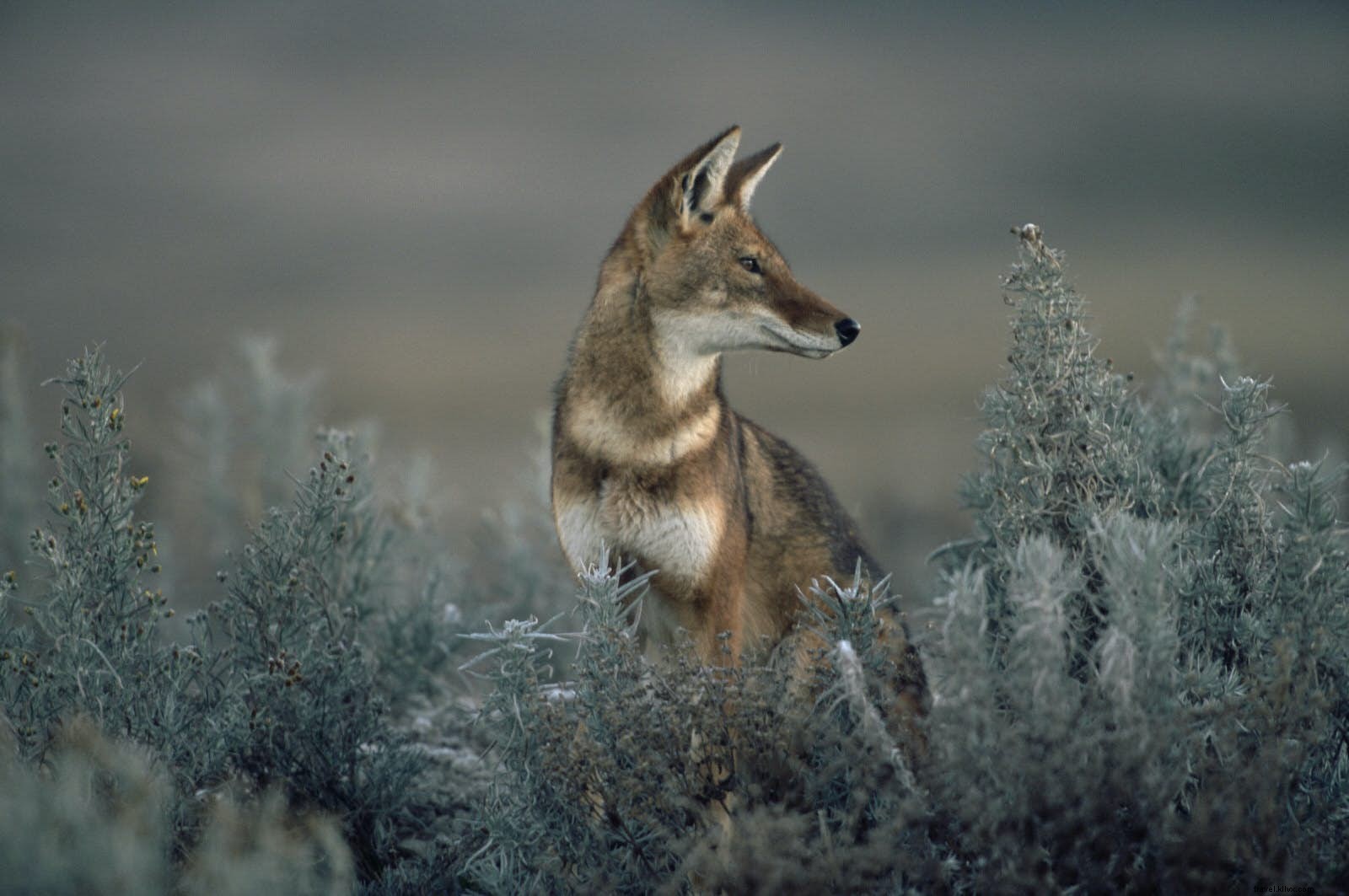
The Ethiopian wolf, world's rarest canid (<50 in Simiens, ~400 nationwide), faces threats from habitat loss to agriculture. The endangered Walia ibex, a goat with long ridged horns resembling a deer, inhabits steep cliffs near Chenek.
The Roof of Africa
Dubbed Africa's "roof," the Simiens culminate at Ras Dashen (4,543m), Ethiopia's highest peak. The non-technical summit trek starts pre-dawn from Ambiko village (3,170m). A 10km ascent through farms, lobelia forests, and meadows leads to a final scramble. Panoramic views span peaks, gullies, farms, and Eritrea's haze.
Plan Your Trek
Optimal trekking: December-March (driest); October (post-rains greenery); August-October (wildflowers). Organized tours handle gear, permits, and logistics. Independents arrange at Debark headquarters: fees, transport, equipment, guides, scouts, cooks, mules.
Mandatory armed scouts (fit rangers, often veterans) combat altitude sickness risks more than other threats, trekking effortlessly in rugged gear.