
Trekking Through Chiang Dao: From Bamboo Stands to Mysterious Caves
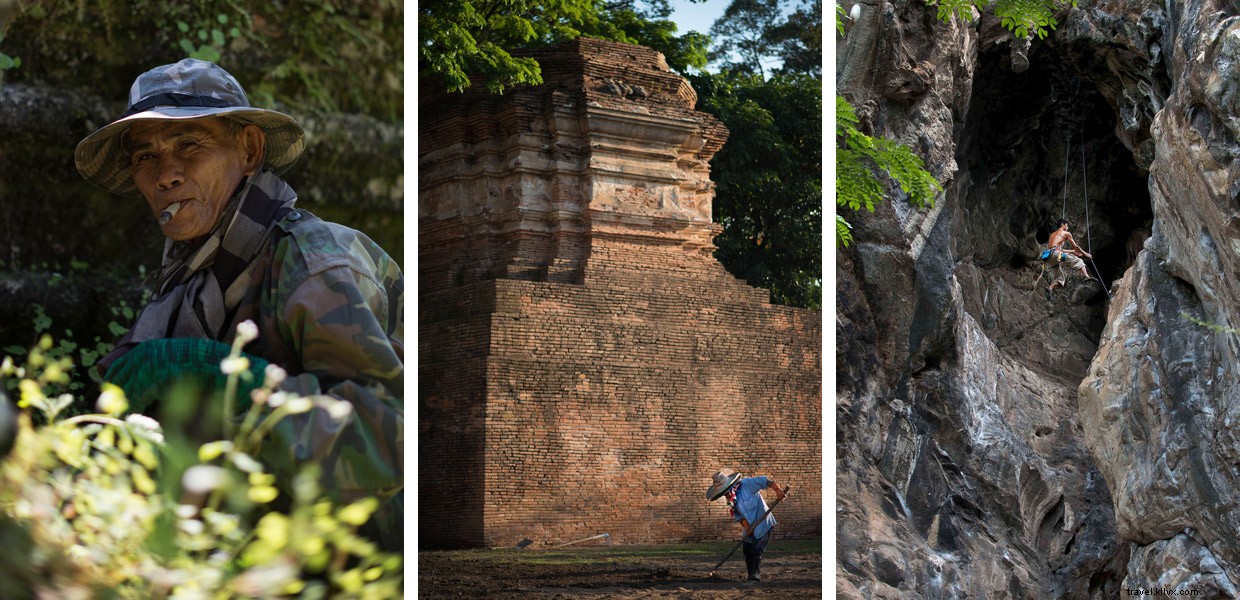
Having veered off the main trail, we follow a small but visible path up through the jungle and over the top of what would be the entrance to the main caves. We debate whether or not to turn round after another thirty minutes of nothing but jungle. ‘The trail has to go somewhere,’ he says. So we continue and reach the cliff face where the path ends. Glancing around, a precarious and tempting bamboo and wooden ladder and platform jut out from the cliff wall.
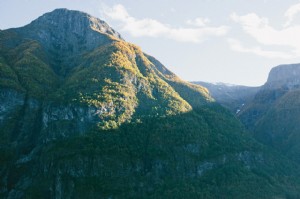
We start climbing, shimmying our way along the cliff side. Topping the ladder we enter a protected recess in the cliff, which looks out over the Chiang Dao valley and the road north towards Myanmar. A cool breeze churns out from the six-foot cave entrance at the back of the cliff side recess.
Flashlights click on as we climb down inside and the cave floor opens up in front of us. The chamber is easily three to four stories tall and splits off into equally vast side chambers and passageways. Moving further through, light filters in from a skylight entrance, and with it comes waves of bats, either returning to their roosts or agitated by our unexpected presence. Our flashlights glisten off dripping stalactites and limestone formations.
On shaky legs we descend to the valley floor. I have been to these caves three times before, and not once had any idea that this equally impressive system lay just above us.
This is the beauty of Chiang Mai. The city is small but its appeal reaches far beyond the moat that has guarded it for hundreds of years. It is a gateway to the endless swirl of adventures throughout Thailand’s north.
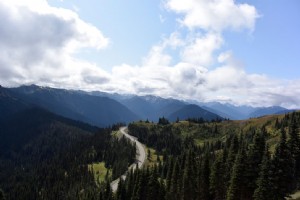
 We left the main road long ago. Having driven for about an hour to the east of Chiang Mai, we begin to ascend into the eastern mountain ranges. Turning off onto a small, barely two-lane road, we start climbing once again. We dodge recent landslide remnants left over from the monsoon rains and swerve around four person scooters and ancient pick-ups barely able to get from one valley to the next.
We are off to a hill tribe village, one of thousands that pepper the hills, mountainsides, and remote valleys of the north. This village in particular belongs to the Lahu Sheleh people, an indigenous group that centuries ago originated in the highlands of Tibet and have since relocated through Yunnan province in China, down into Northern Thailand.
Once fiercely independent and largely nomadic, they were the ‘forest people’ of the north, roaming through vast tracks of jungle. Forced into a sedentary, agricultural existence by the government over the past three decades, they still maintain their traditions as best they can, battling the tide of lowland settlers and ways of life.
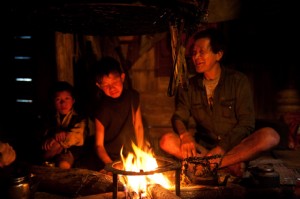
As evening falls, and we descend the mountains after a day of trekking through the hills above the valley, one such traditional hold-out slowly unfolds in front of us. At the centre of every village lies a ‘dancing circle’. A ring of rough-hewn wooden boards that mark an area of incredible cultural and religious significance to the Lahu people. A village is built around the dancing circle, it is not a secondary construction once the village is complete; it is always built first.
We enter the circle to the rhythmic skip-thump of the men dancing around the central fire and the slow shuffle of the women. The measured steps and quiet music is all that you can hear in the cool mountain air. Ancient looking musical instruments keep the tempo as they circle endlessly into the night.
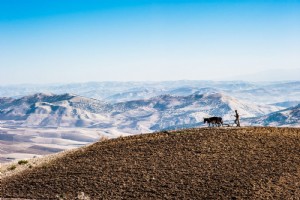
A well known phrase in Chiang Mai, is that for every kilometre you head out from the city, you travel back in time five years. Be it hill tribe cultures and traditions unchanged for centuries, blacksmiths pounding out traditional Dha swords used for thousands of years by warriors across South East Asia, or the classic scene of a lone rice farmer navigating their fields with a fist-full of seeds and a water buffalo turning the soil. Stepping out into the whirl of adventures also often means a trip back in time.
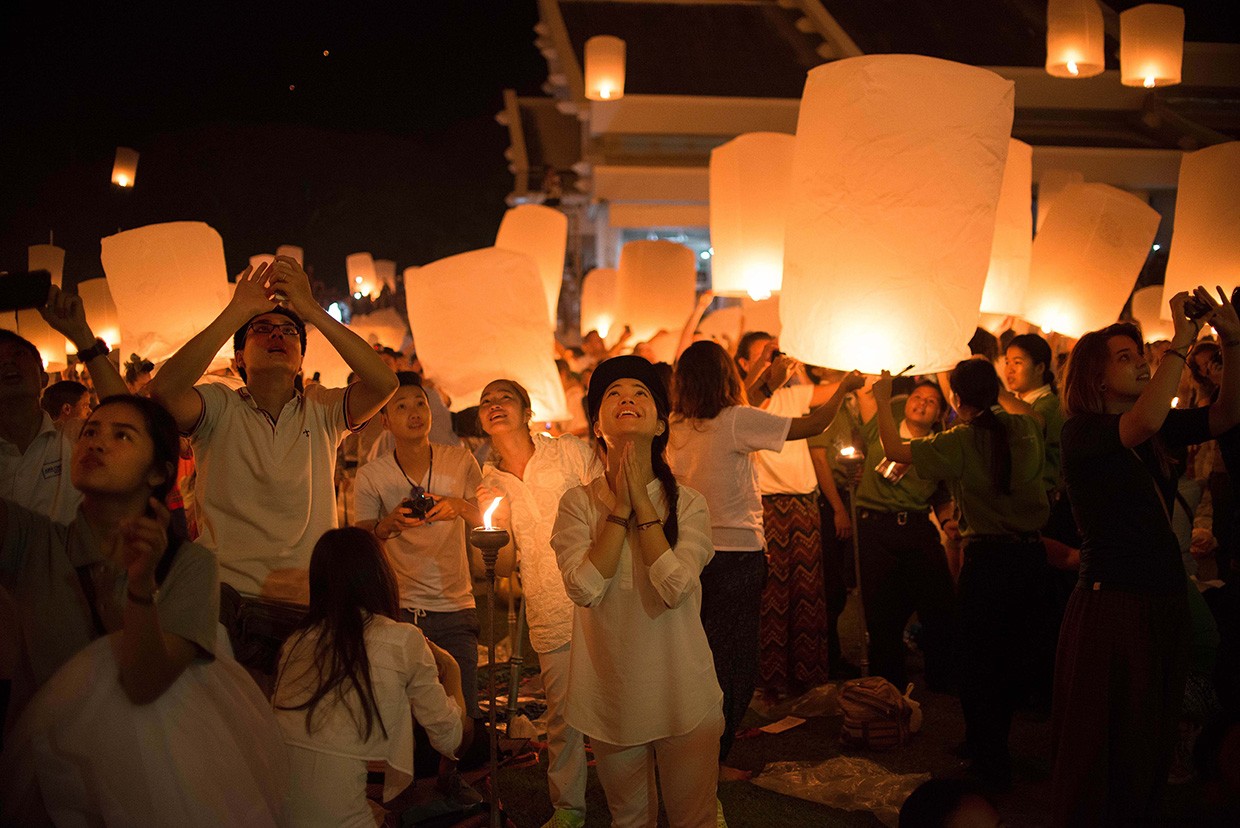
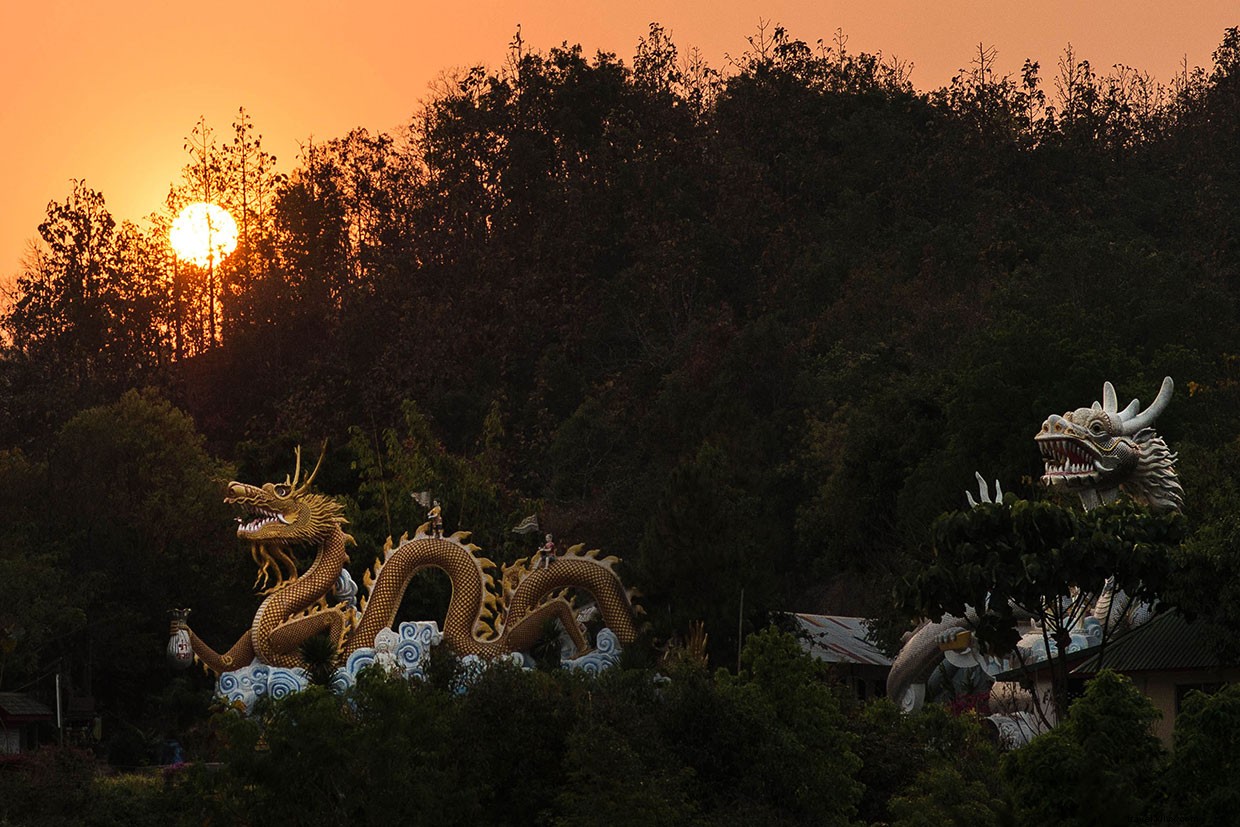 The longer one stays in one place, the adventure more often then not, has a way of finding you. The city of Chiang Mai, sitting at such a cross roads of culture and peoples, is no exception. Getting off the beaten tourist track through the city can reveal so much, serving up the goods without ever having to leave the city limits.
‘Do not step on the flowers, do not step on the flowers, do not step on the flowers!’ I repeat this again and again as I rush down the moat road in central Chiang Mai. I have five hundred saffron clad Buddhist monks on my heals and they are the only ones allowed to tread on the freshly laid flower pedals. I climb up the crumbling walls of the ancient city for a better vantage point as a single file line of hundreds of monks, their saffron robes glowing in the harsh April sun, slowly file past me.
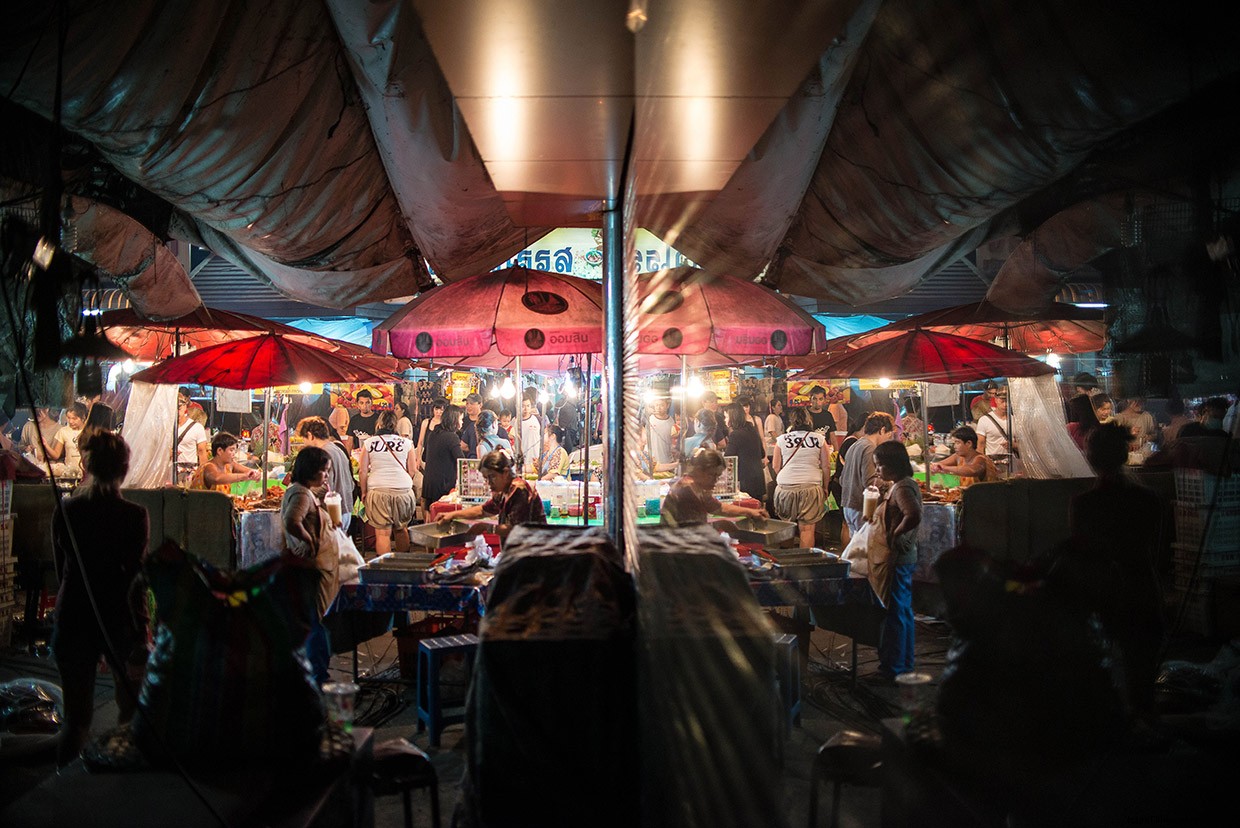
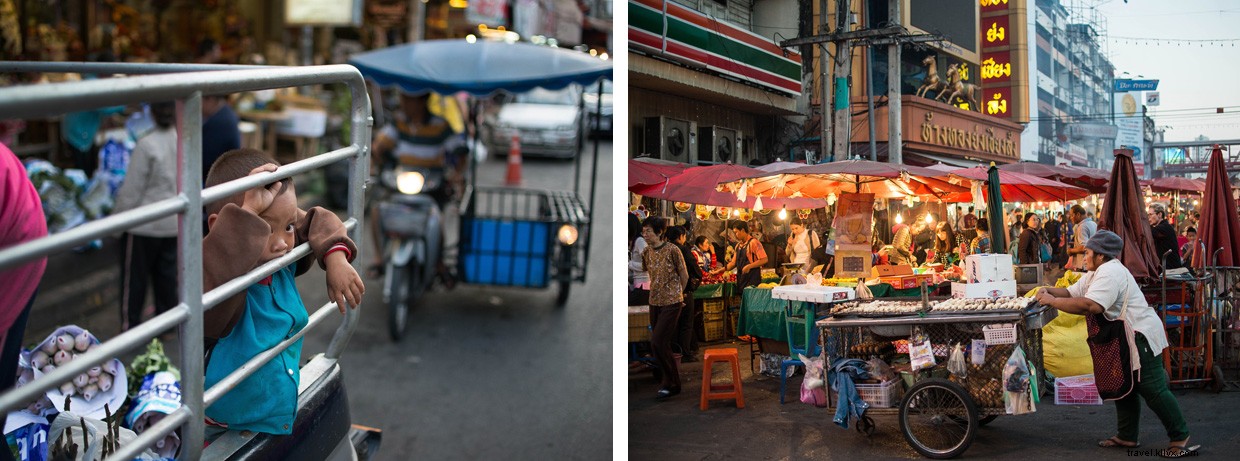
They snake their way through the old city in the ‘blessing of Chiang Mai’ an ancient tradition dating back hundreds of years. Crossing over into the new city they march through Warorot market, immaculate in preparation for their arrival. The mass of traffic attempting to squeeze through market stalls, vendors, beggars, and yelling tuk tuk drivers contrast sharply with the stoic monks, and it is captivating in its chaos. Travelling through the market towards the Ping River, the sights and smells come from all directions. Meat laid out in stacks, pig heads stare blankly back at you, turtles and eels squirm and wriggle to get out from cages.
Through to the far side of the market the wide rush of the Ping River snakes its way though the city. In the dry season, when the river is not a mass of rushing cinnamon coloured water, kayaking north out of the city reveals a rarely seen side of northern Thailand. Cottages, houses, cafes, and shops spill out to the river shores. Skeletons of tugs, barges, and canoes line its banks. The further north you paddle, the more the river opens up and elephants from the number of elephant rescue missions can be seen along the shores.
Back into the old city, under the buzz and flicker of the neon fight signs, Muay Thai bouts play out every night. Illegal gamblers wander through the crowds making bets, the smoke from cheap Thai cigarettes hangs in the air over the fighters, and the often loud and rowdy crowd makes for a scene plucked from a Hollywood film.
It is into this swirl of exploration that so many travelers and adventures are drawn. The ability to access such a diversity of experiences, adventures, and travels so readily, causes many to get stuck in. Sliding ever deeper into what life under the northern mountains has to offer.