Unveiling the Hidden Wonders: Tombs and Temples of Southern Egypt
While the Pyramids of Giza remain Egypt's most iconic attraction as the last surviving ancient wonder, the tombs and temples along the Nile in southern Egypt hold their own profound mysteries waiting to be explored.
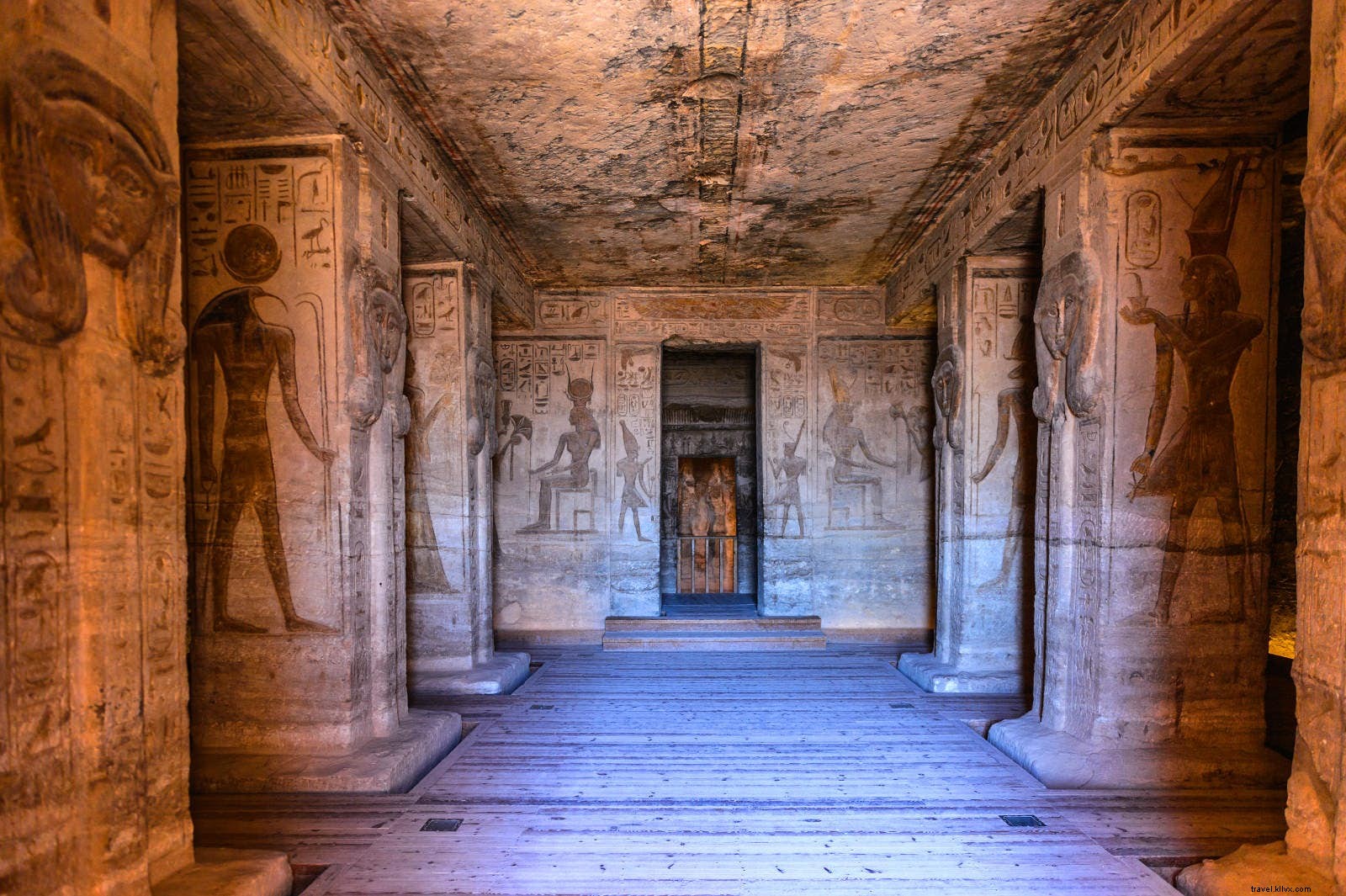
Visiting these ancient sites in person brings their grandeur to life far beyond museum displays. From Luxor, known as the world's largest open-air museum, to Aswan, these monuments invite modern explorers to decipher the enigmas of a civilization that ancient Egyptians called Umm Al Dunya, the mother of the world.
Karnak
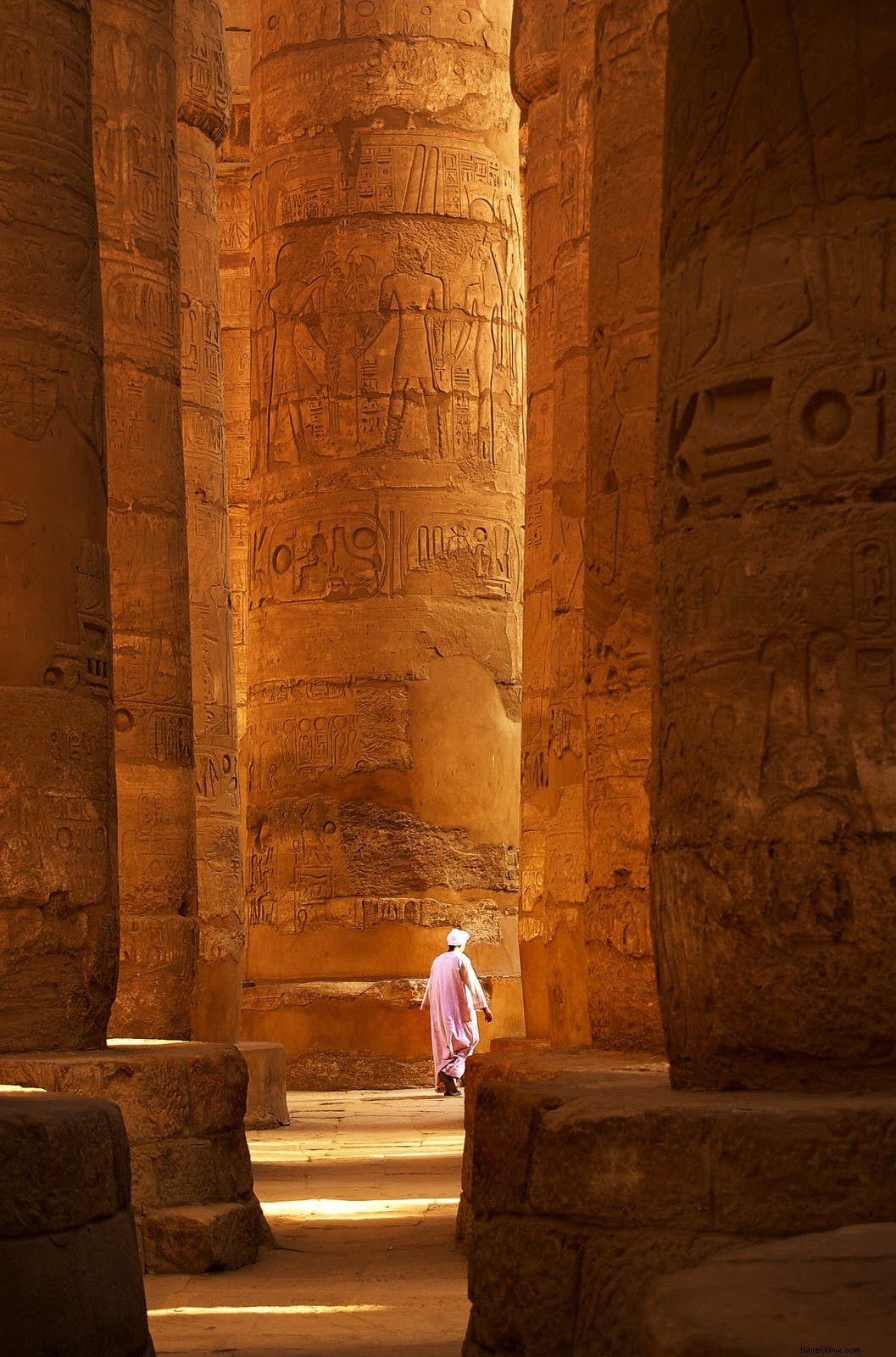
The vast Karnak Temple Complex, Egypt's largest religious site spanning over 2 square kilometers, rivals the scale of the Vatican. It houses multiple temples, ancient residences, and a sacred lake for rituals. Many visitors focus on the awe-inspiring Temple of Amun-Ra, with its forest of 10-meter-tall columns etched in hieroglyphs. Yet, ongoing excavations reveal even more wonders.
Karnak's true secret unfolds at its entrance: unadorned walls from an unfinished gateway, where mudbrick ramps from 1,500 years of construction by 30 pharaohs still remain, offering a direct portal to antiquity.
Luxor Temple
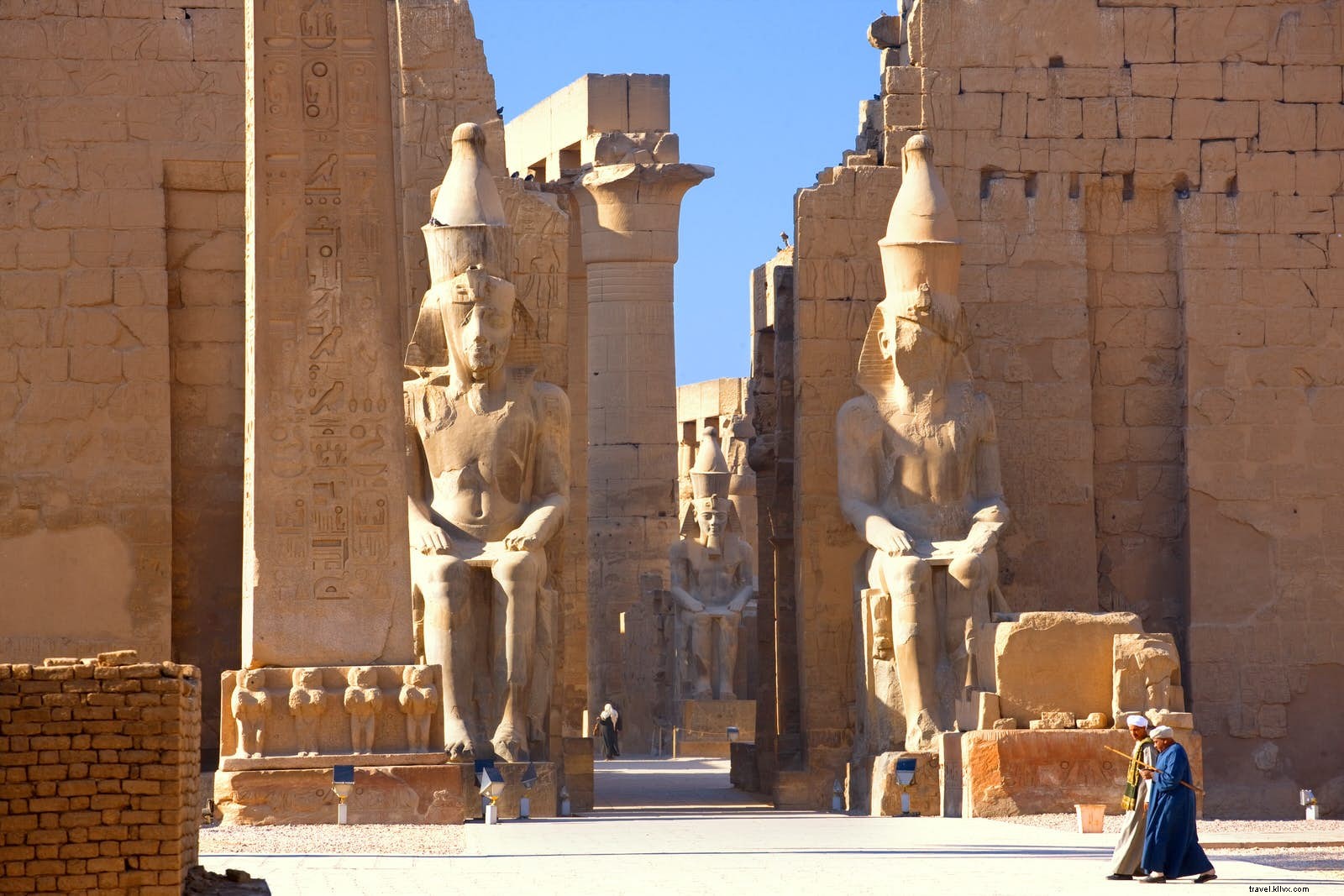
A 3-kilometer sphinx-lined avenue connects Karnak to Luxor Temple, flanked by colossal Ramses II statues. Built in the 13th century BC in ancient Thebes' heart, it has served continuous worship. Flanked by pharaohs and gods, it bears traces of later faiths.
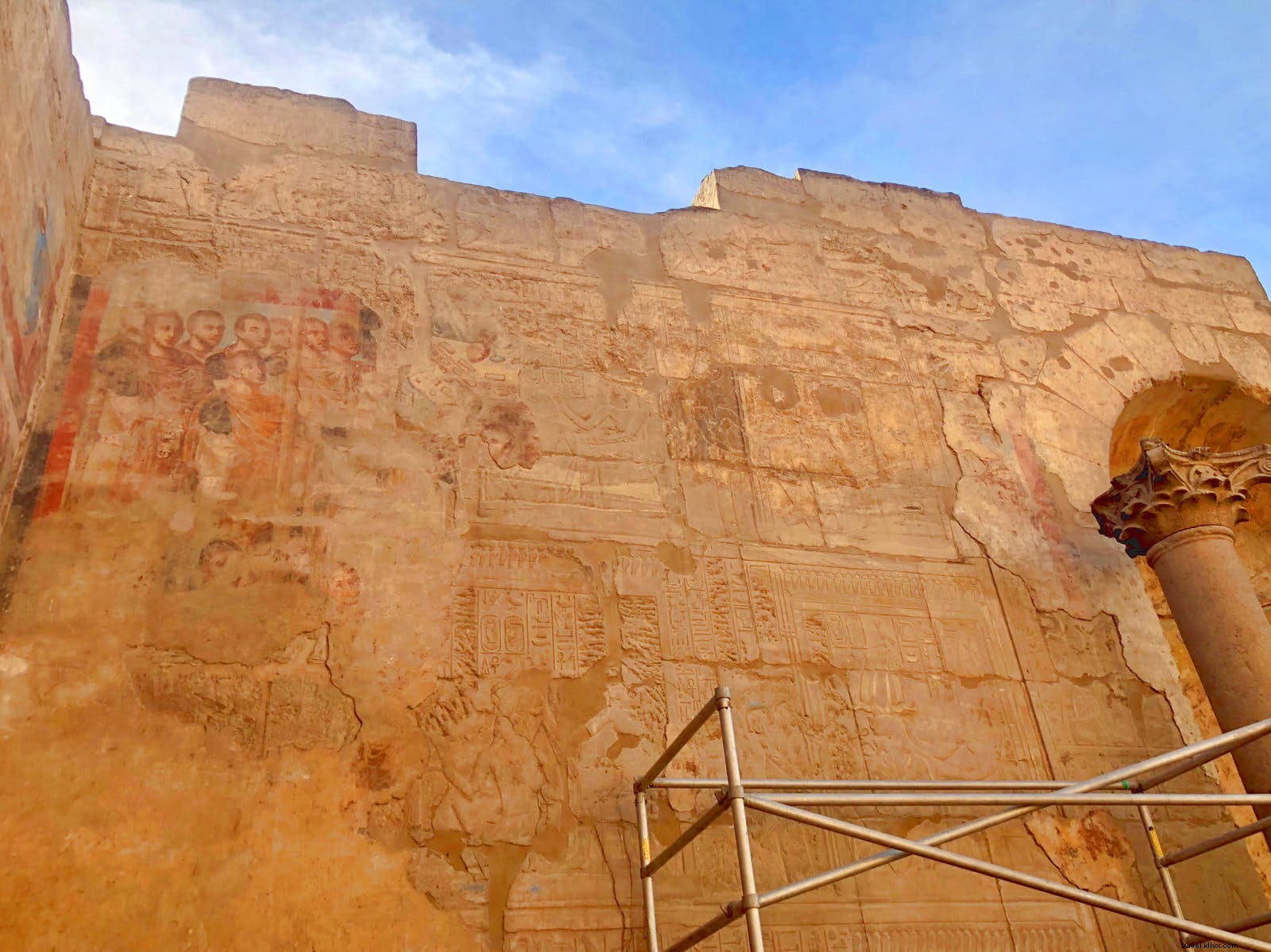
The Mosque of Abu Al-Haggag's foundations are embedded in its walls, elevated by centuries of debris. During the azan call to prayer, its minarets echo dramatically. Deeper inside, early Christian paintings overlay hieroglyphs of Egyptian deities.
Valley of the Kings
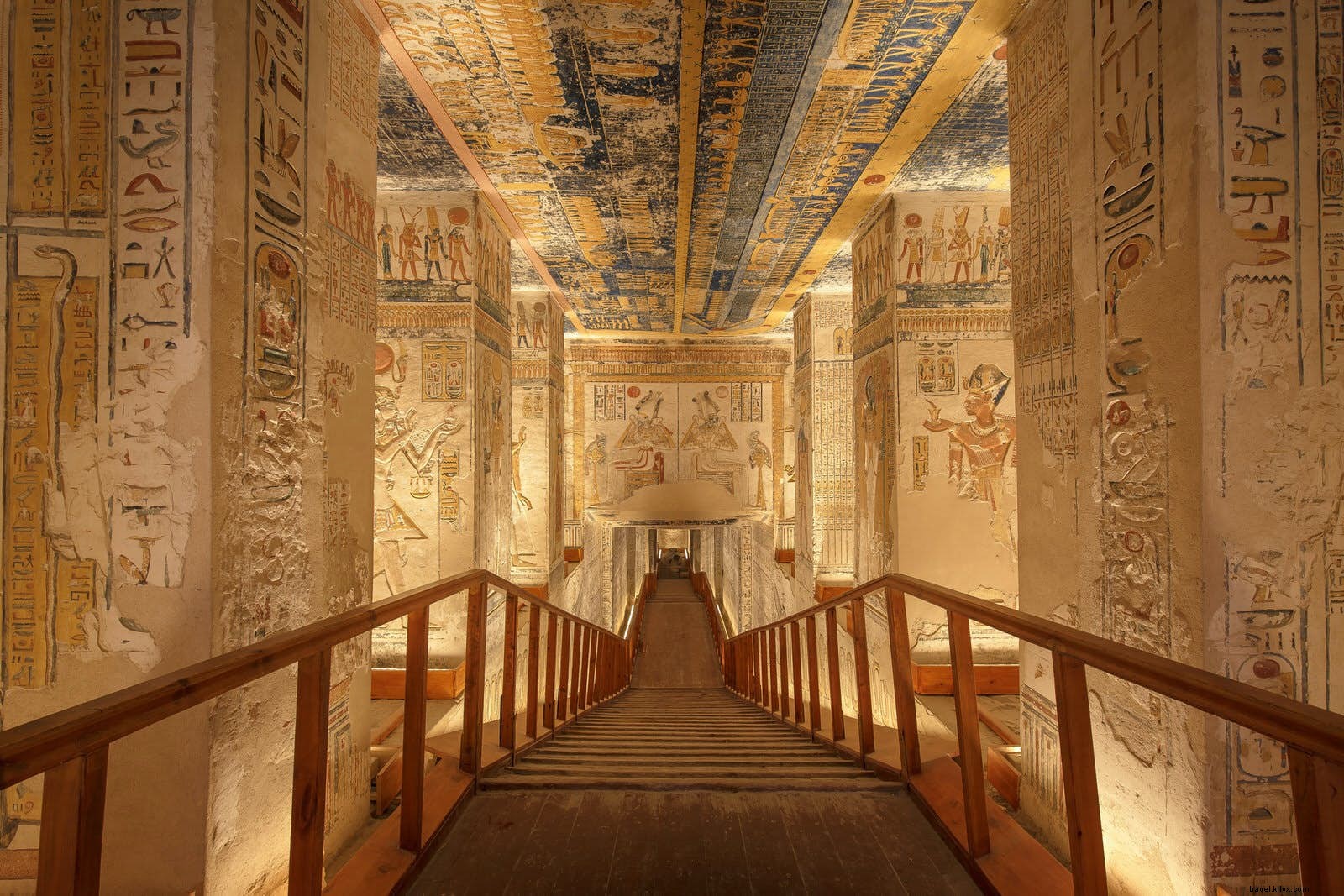
The west bank of the Nile, associated with the afterlife, conceals the Valley of the Kings, Egypt's premier pharaonic necropolis. Beyond unassuming entrances lie exquisite ancient artworks.
Over 60 tombs discovered; about 15 open rotationally. Though looted, the restored Tomb of Seti I (reopened 2016, entry ~LE1000/£40) stands out: longest (137m), deepest, most complete, with pristine ceiling stars, Book of the Dead scenes, and innovative domed burial chamber.
Temple of Edfu
One of Egypt's best-preserved temples, dedicated to Horus, retains its roof for an immersive descent into shadowed sanctuaries. Built 2,700 years ago, it shows Christian adaptations: a carved fish symbol and soot from post-conversion fires.
Kom Ombo
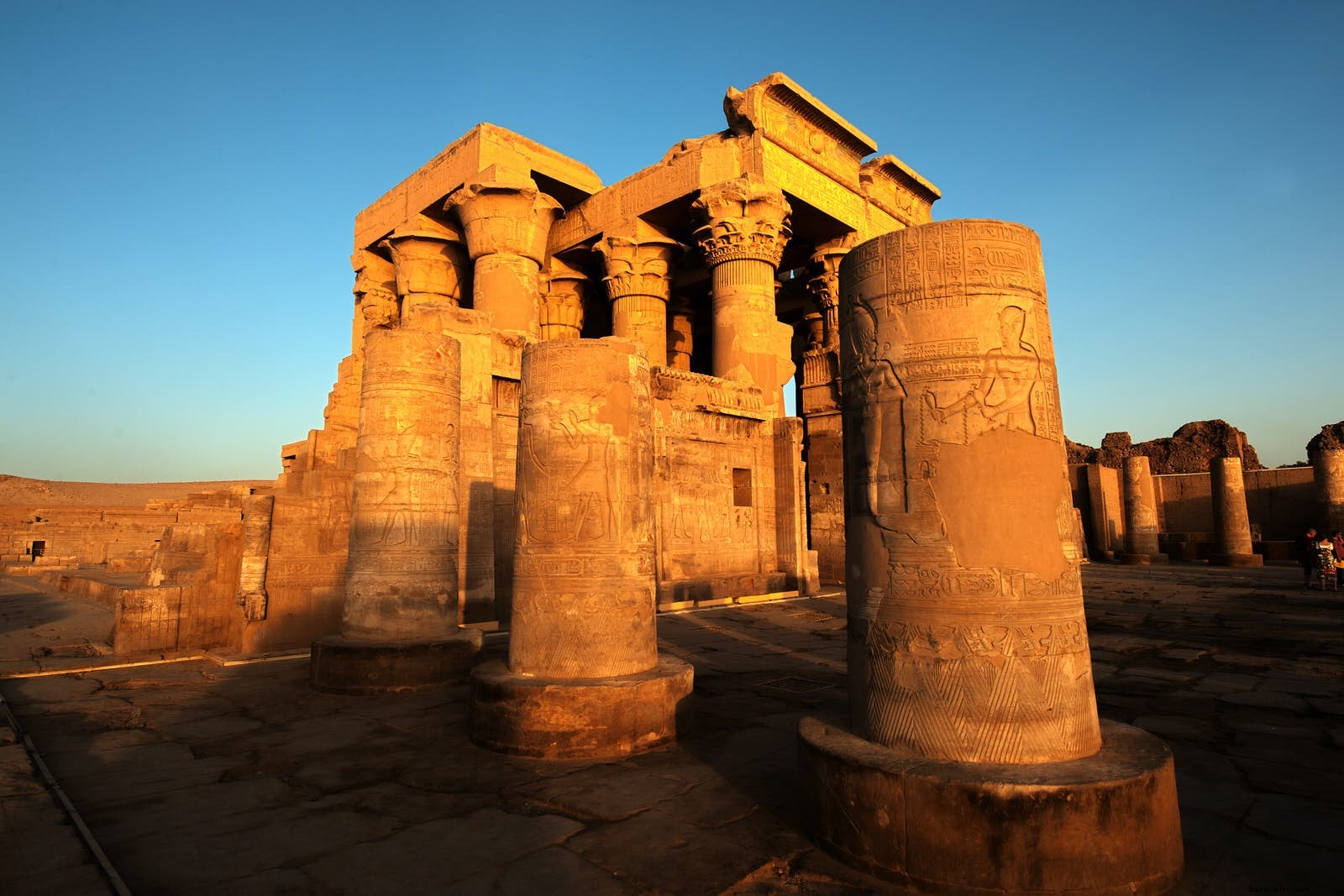
This unique double temple honors Sobek (crocodile god) and Horus. Mummified Nile crocodiles and early medical instrument carvings highlight its healing role.
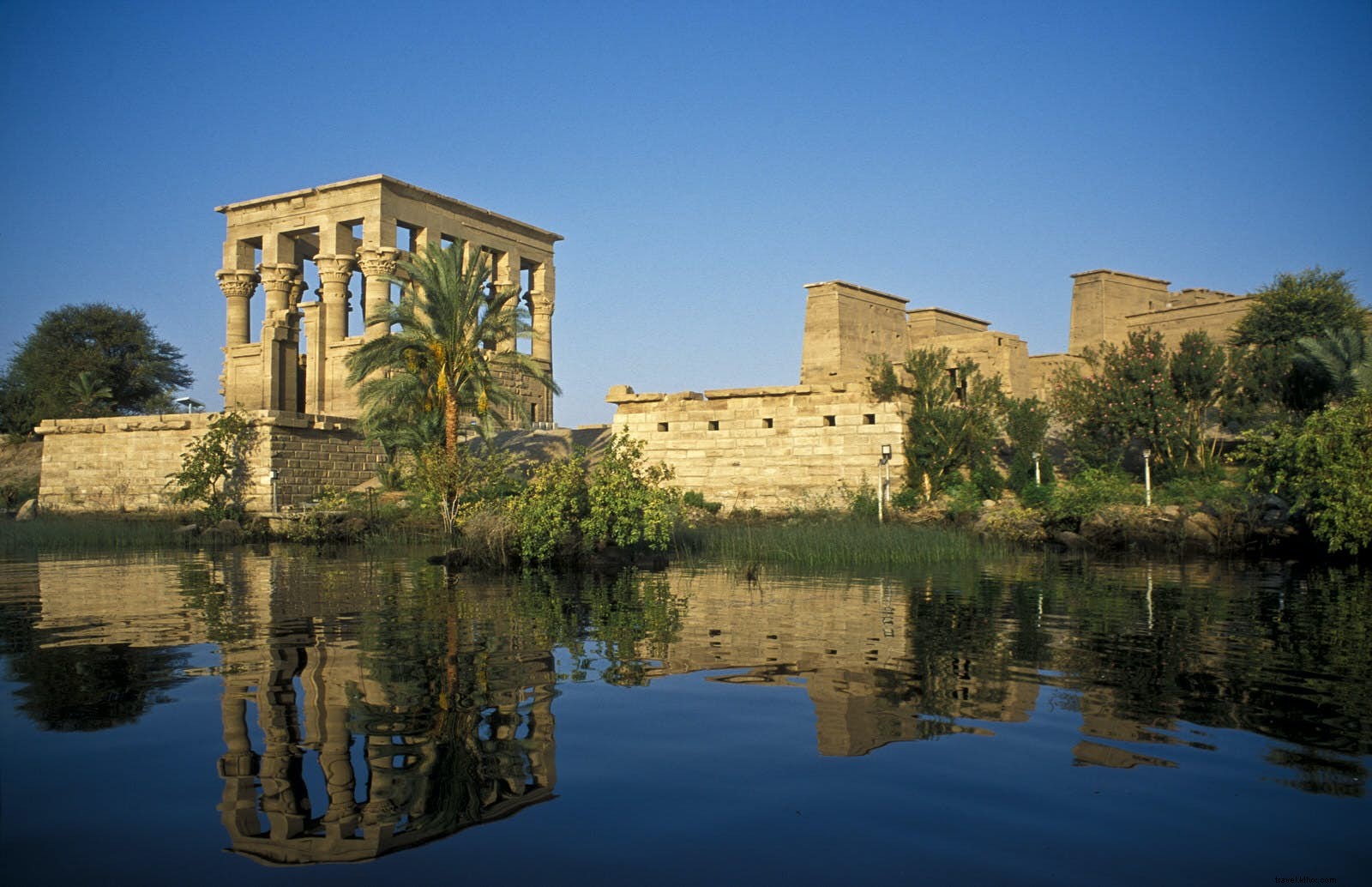
Philae
On its island, Isis' temple was the last pagan stronghold, with the final hieroglyph in AD 394. Relocated by UNESCO from floodwaters, it bears defaced gods and Christian crosses.
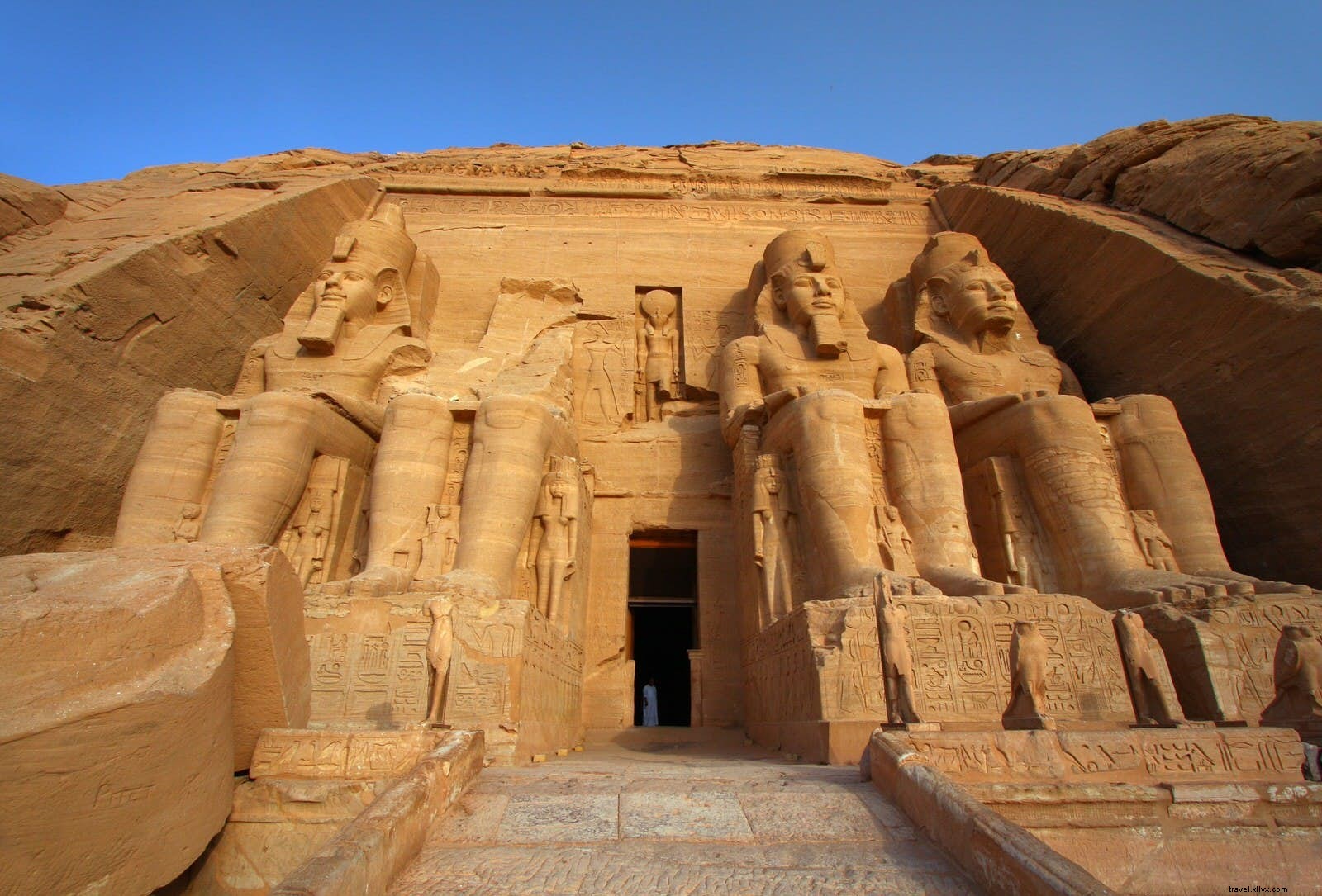
Abu Simbel
Ramses II's rock-hewn temple, guarded by 20m statues, was rediscovered in 1813 and relocated in 1968. Sunlight aligns twice yearly in its inner sanctum (now shifted by one day).
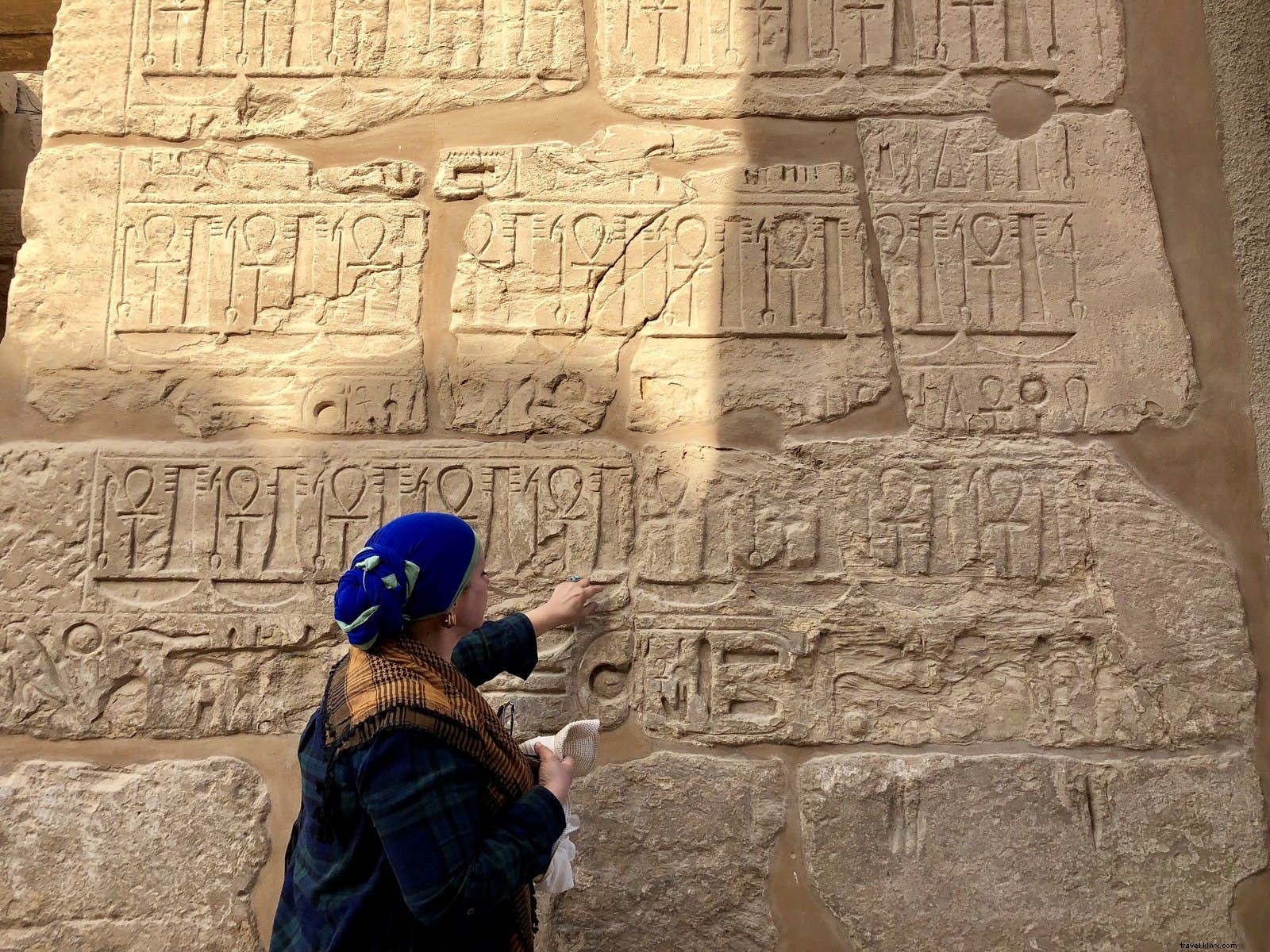
Getting a Guide
With minimal signage, hire an Egyptology expert for hieroglyph translations and context. Guides wait outside Valley tombs.
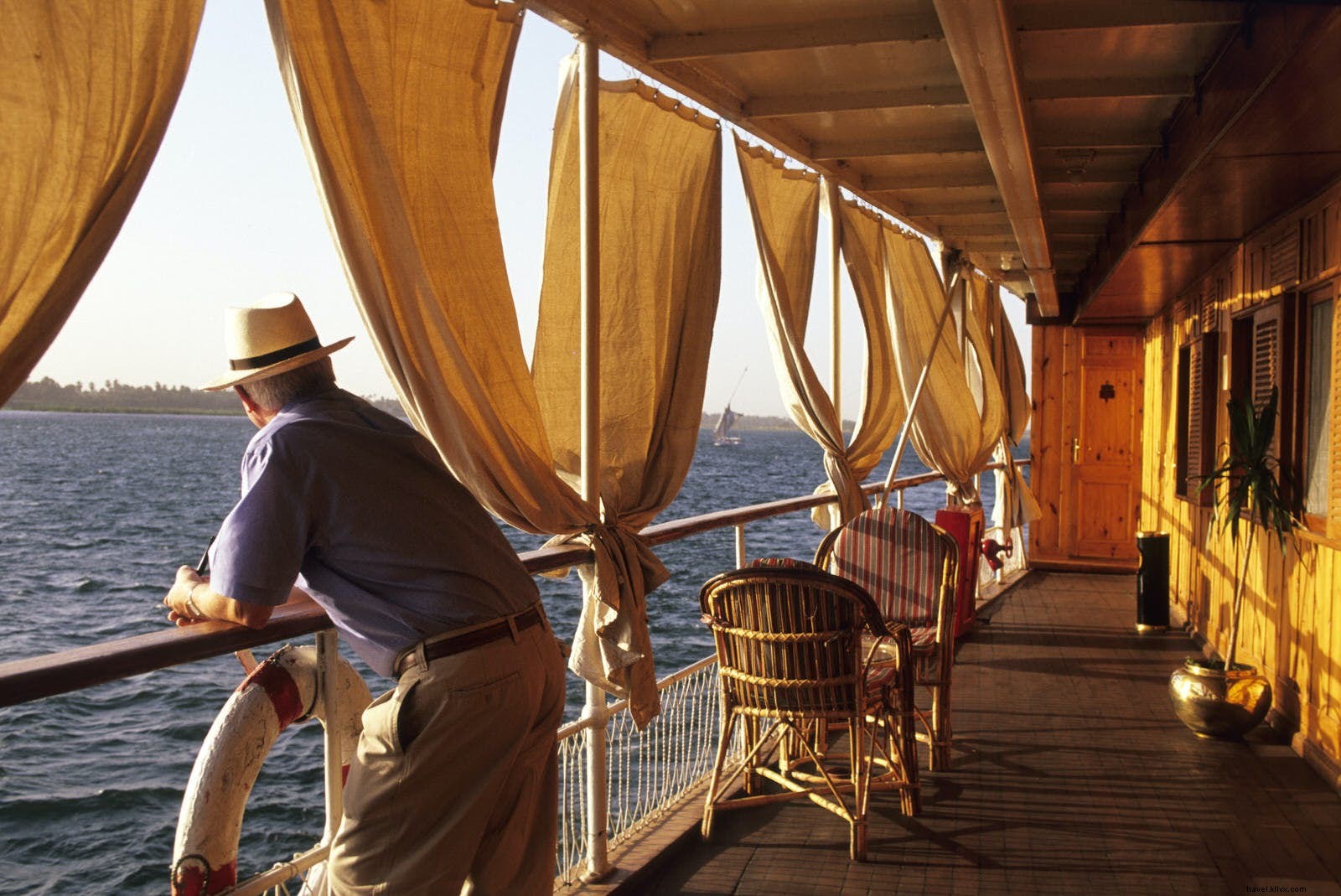
Getting Around
Nile cruises from Luxor to Aswan offer the ideal itinerary, stopping at these sites over several days.
Lauren Keith travelled to Egypt with support from Exodus Travels. Lonely Planet contributors do not accept freebies for positive coverage.