Discover Tunis Medina: Ultimate Guide to Tunisia's UNESCO Walled City and Vibrant Souks
For centuries, the medinas of the Maghreb have enchanted visitors far beyond their ancient fortified walls. Traders found respite in fanadiq—traditional caravan inns—after securing unique crafts for global export. 19th-century Orientalist painters built careers immortalizing medina life on canvas, while Hollywood directors have long used these labyrinths for exotic film locations and lavish set inspirations.
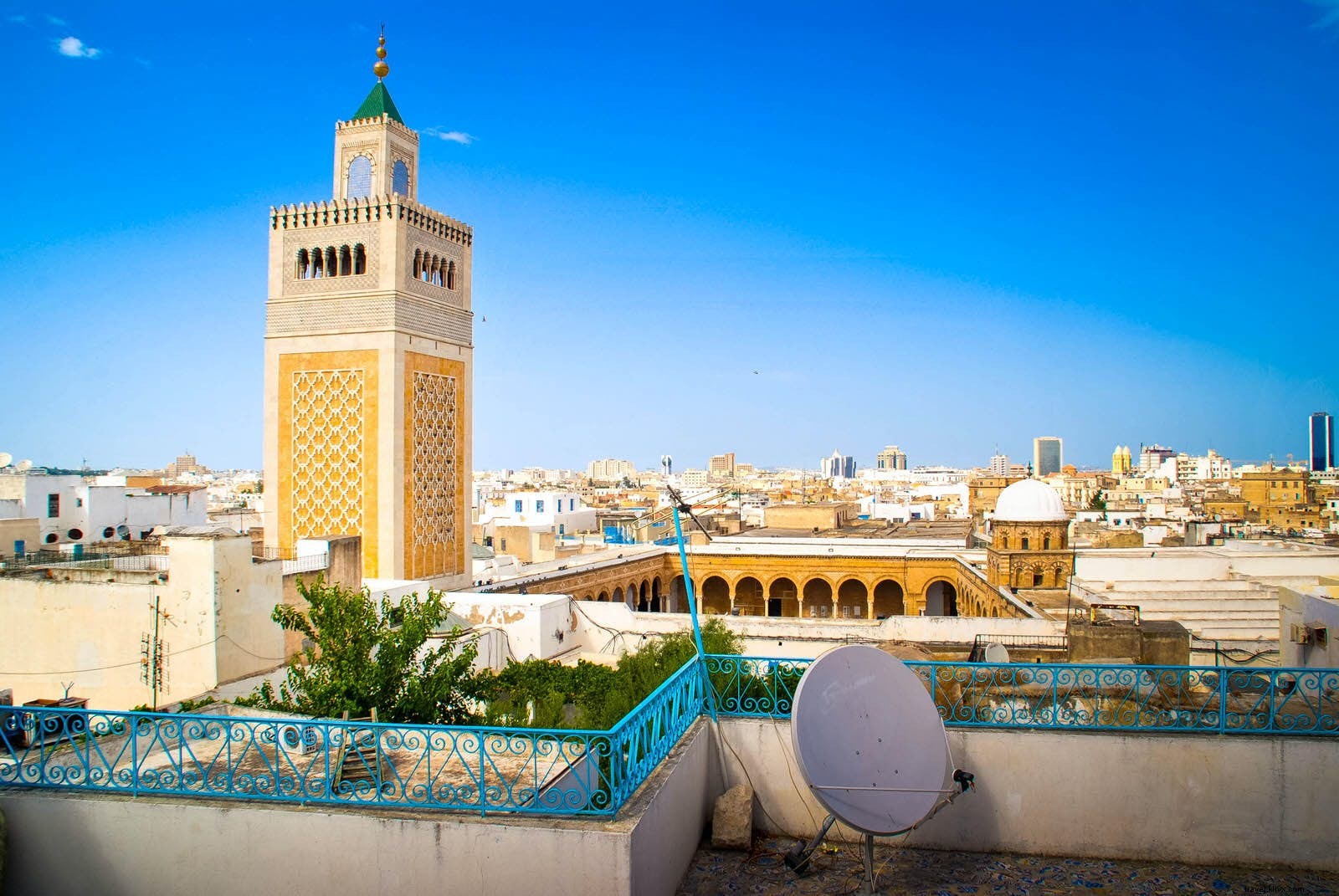
These self-contained medieval cities, hubs of living, working, and trading, dot North Africa's coast and interior, underscoring the region's enduring trade and artisan legacy. While Morocco's Fez and Marrakesh medinas are iconic, Tunis's compact medina—founded in the 7th century, UNESCO-listed in 1979, and now thoughtfully restored by local conservationists and entrepreneurs—stands out for its pristine charm.
Stroll its labyrinthine alleys, savor mint tea in shisha-filled cafés, and hunt treasures in bustling souks—essential highlights of any Tunis visit.
Getting Your Bearings
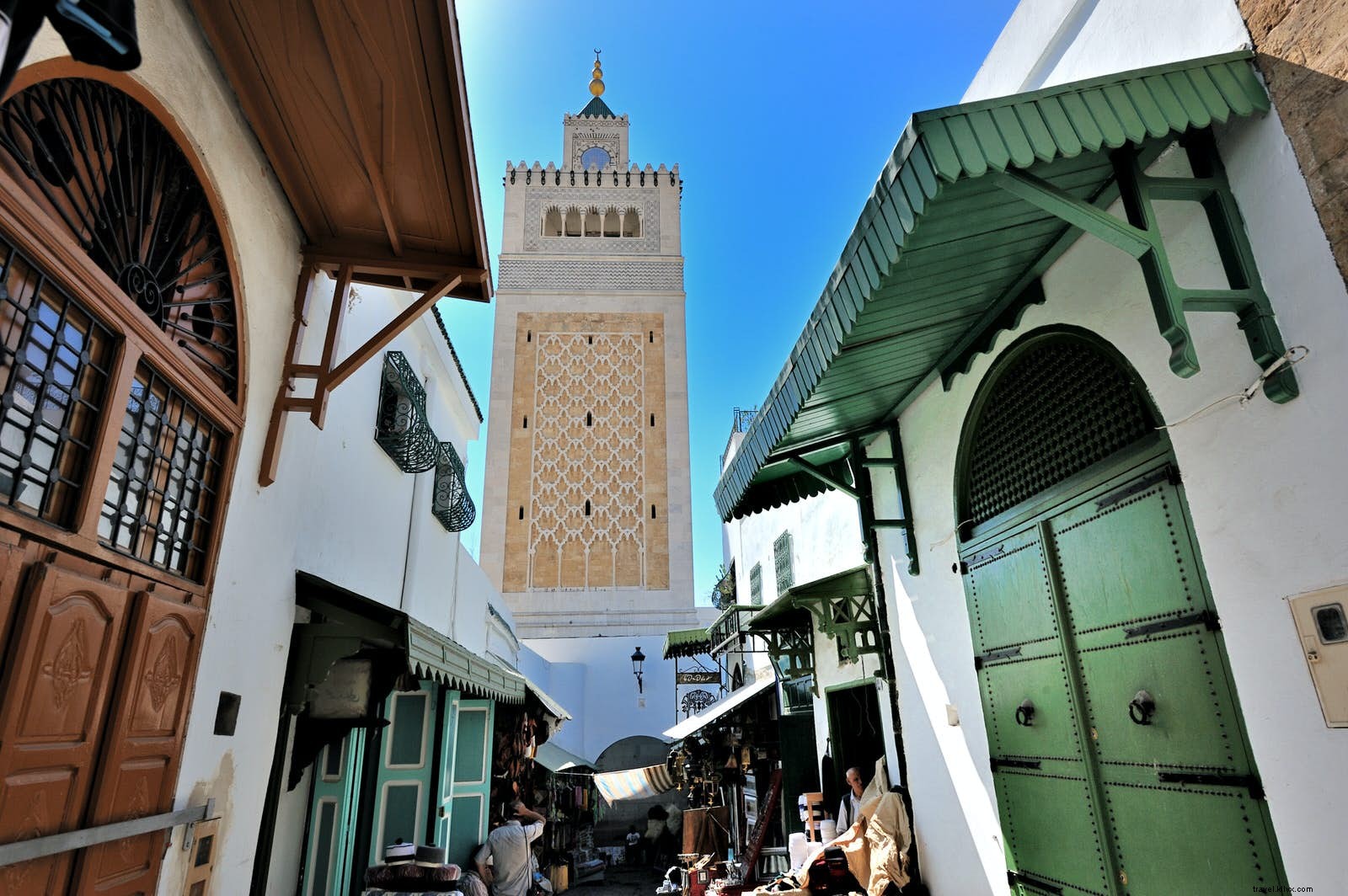
Spanning nearly 300 hectares, Tunis Medina divides into distinct neighborhoods. Key sights cluster around the iconic Zitouna Mosque and its square Almohad minaret. Enter via any bab (gateway), but most begin at Bab El Bahr from Centre Ville, following Rue de la Kasbah or Rue Jamaa Ezzitouna westward. Loop through El Hafsia’s grand dars (courtyard mansions), the souk-filled core with madrassas (Quranic schools), mosques, and zaouias (mausoleums), then exit via residential Torbet El Bey, featuring Ottoman mosques, mausoleums, hammams, and ornate dars. Non-Muslims can't enter mosques, but zaouias, dars, and madrassas often welcome visitors to admire their tiled courtyards and intricate stucco.
Rue Sidi Ben Arous
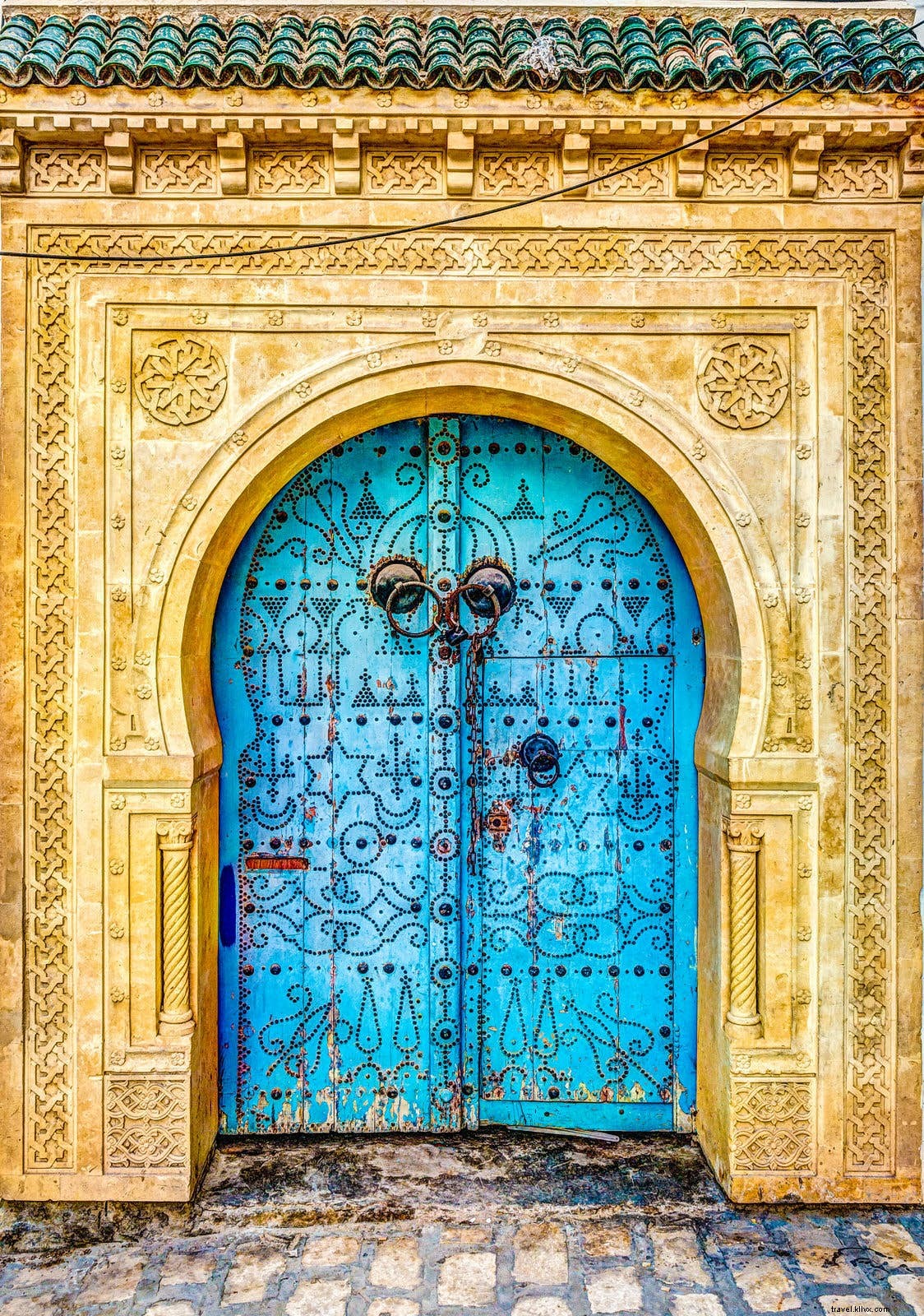
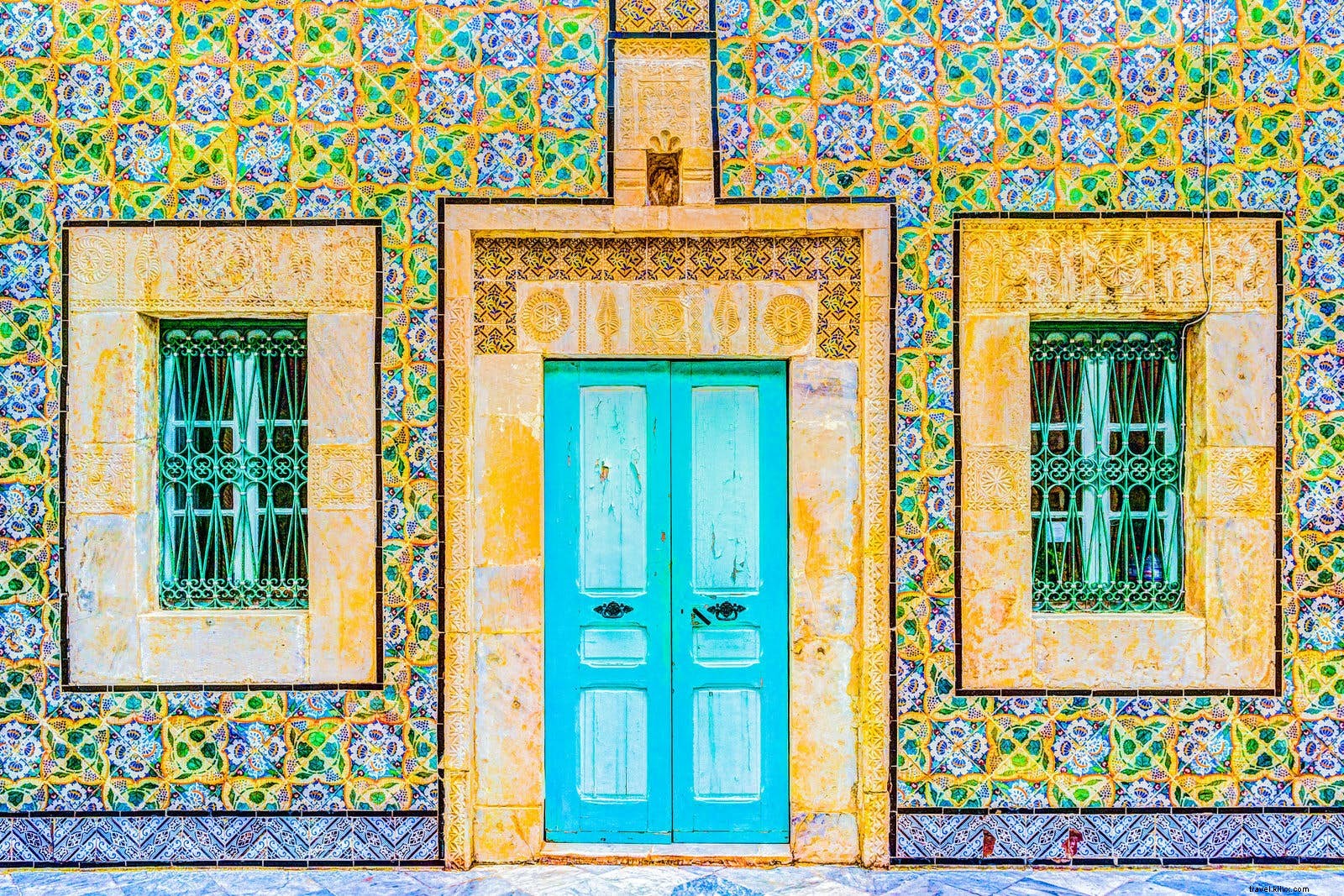
Honoring a 13th-century mystic scholar, this vibrant street runs north from Zitouna Mosque to Rue du Pacha at Place de La Hafsia. Capture its photogenic carved, painted doors—perfect for Instagram.
In nearby El Hafsia, restored dars and zaouias shine thanks to the Association for Safeguarding the Tunis Medina. Visit Dar Lasram, the group’s tiled 19th-century HQ, and Dar El Monastiri, now the Centre National des Arts Calligraphiques for Arabic calligraphy training.
Souq des Chechias
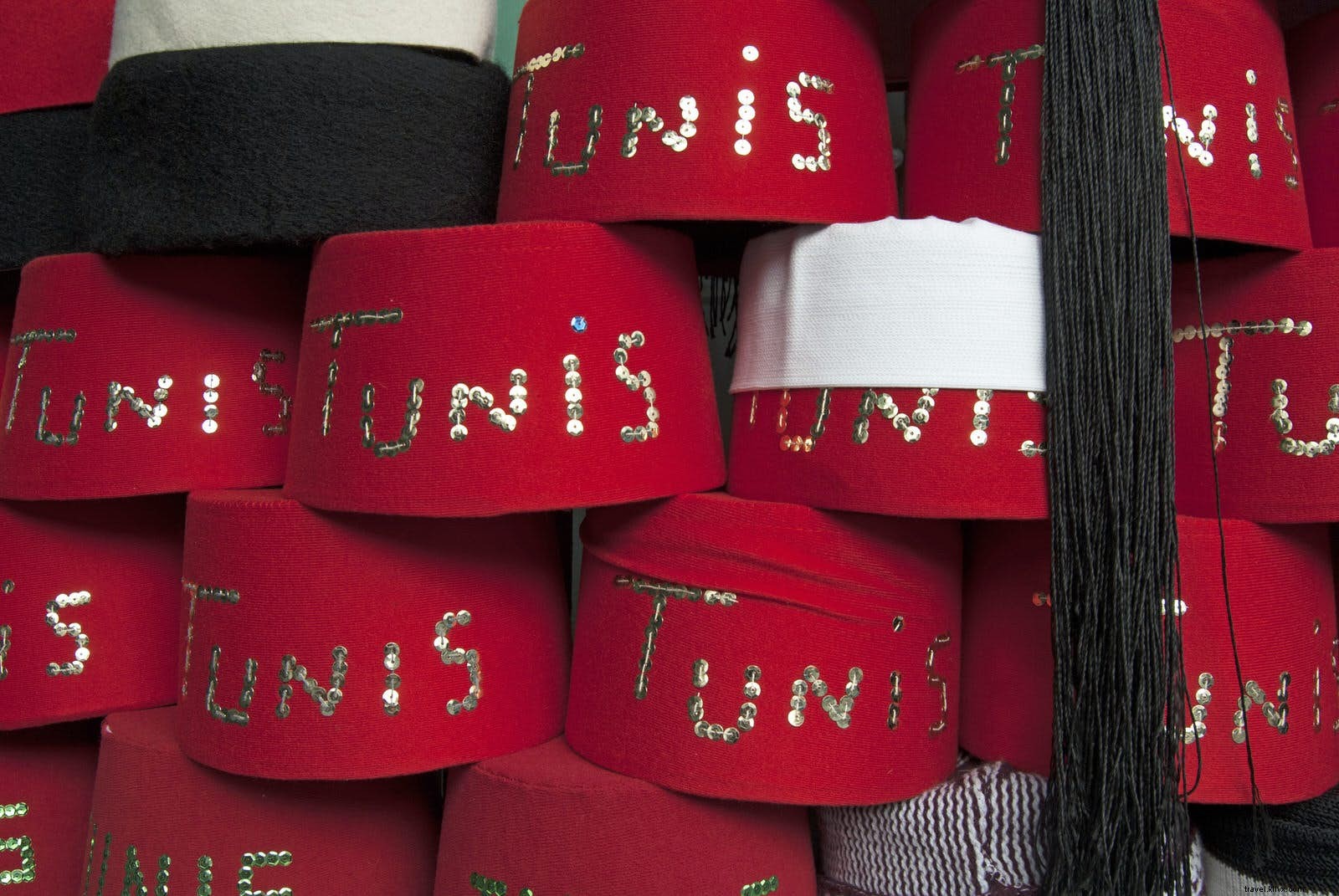
A top pick for locals and visitors alike, this souq at Rue Sidi Ben Arous and Rue de la Kasbah features two mirrored passageways with mint-green, stained-glass shops selling only chechias—Tunisia’s iconic red felt caps.
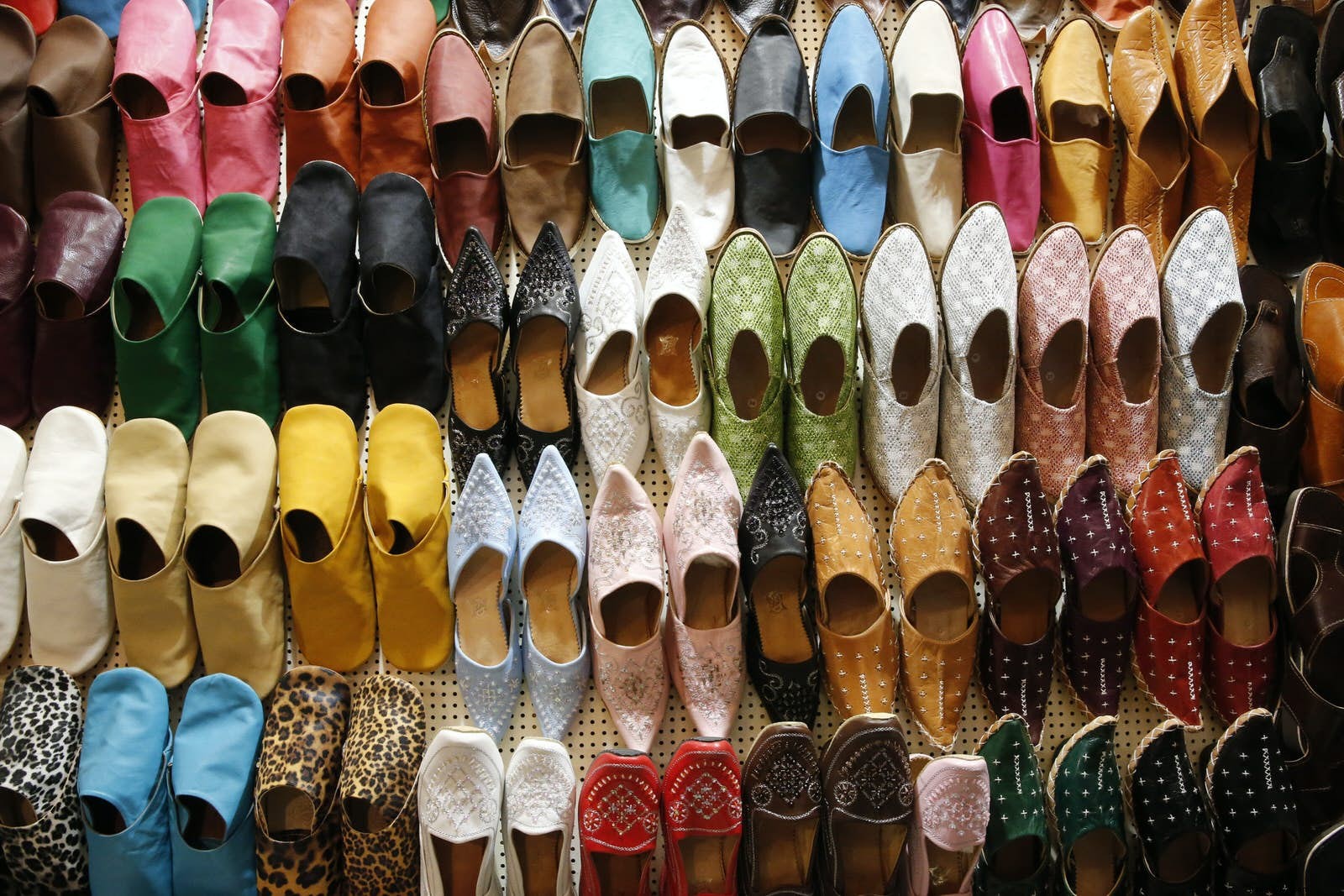
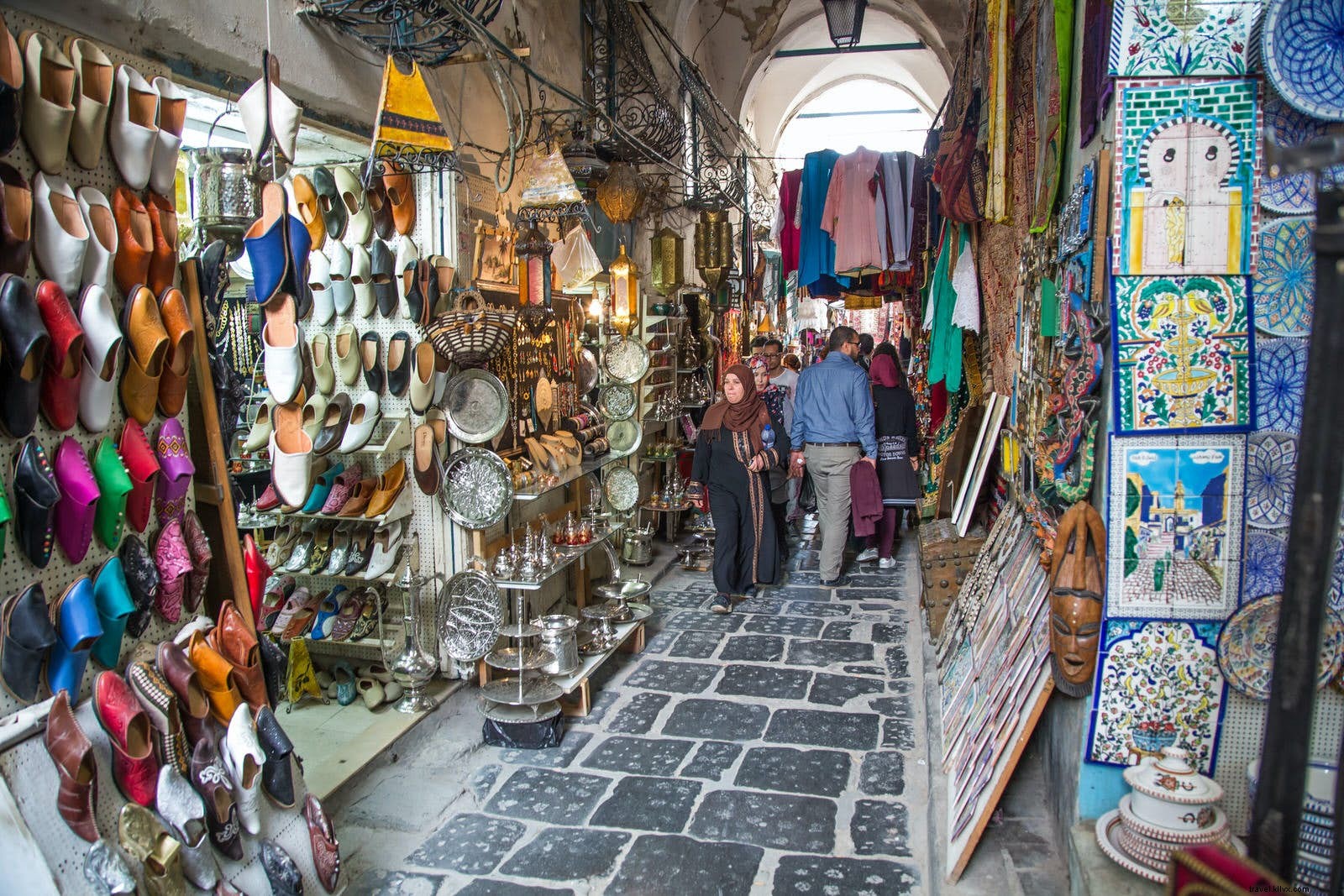
Built in the 17th century when a million caps were produced yearly, today’s 10 chaouachis craft traditional and custom hats for global export. Watch artisans, buy a keepsake, and relax with tea at Café Chaouachine. Nearby: Le Berbere for babouches (leather slippers); Kandinsky Art Gallery for books, art, and antiques; and eclectic Ed Dar, brimming with rugs, jewelry, and collectibles.
Souq El Attarine
From Rue Sidi Ben Arous, scents lead to this 13th-century Perfume Souq by Zitouna Mosque, still fragrant with oils and essences. Dine at restored Fondouk El Attarine’s courtyard restaurant for authentic fare. Upstairs, La Maison de L’Artisan curates premium crafts: babouches, ceramics, rugs, jewelry, and more. Browse adjacent handicraft stalls.
Rue des Libraires
From Zitouna Mosque square, find a rare traditional hammam (men-only, Hammam El Kachachine) with its red-green columns and horseshoe arch. Nearby: 18th-century Madrasa El Bachia (now ateliers) and budget gem Doken for French-Tunisian dishes.
Tourbet El Bey
North and south of Zitouna Mosque lie atmospheric souks like Souq des Étoffes (fabrics), Souq El Berka (jewelry), and Souq de la Laine (wool), bathed in sunlight amid workshops. Pause at ornate M’Rabet café before Tourbet El Bey’s Ottoman mausoleum. Highlights: 16th-century Dar Othman (pirate-politician home) and 18th-century Dar Hussein (National Heritage Institute).
To Bargain or Not?
Fixed prices dominate Tunis shops, including most medina spots (except rugs—never pay asking price—and select crafts). For haggling: Survey prices, state your offer politely, aim for 20-30% off, respecting sellers’ livelihoods.
Staying in the Medina
Home to 20,000 residents mainly in El Hafsia and Tourbet El Bey, the medina boasts boutique dars-turned-hotels. Note: evenings quieten with few open eateries. Top stays: L’Hôtel Dar El Jeld (Kasbah); Dar 24, Dar Ben Gacem, La Chambre Bleue (El Hafsia); El Patio Courtyard House (Tourbet El Bey).