Sand to Snow National Monument: From Desert Floors to Alpine Peaks in Southern California
Can you improve on the legendary Cactus to Clouds Trail, where hikers ascend nearly 10,000 feet from desert floor to mountain summit? Absolutely—with Sand to Snow National Monument.
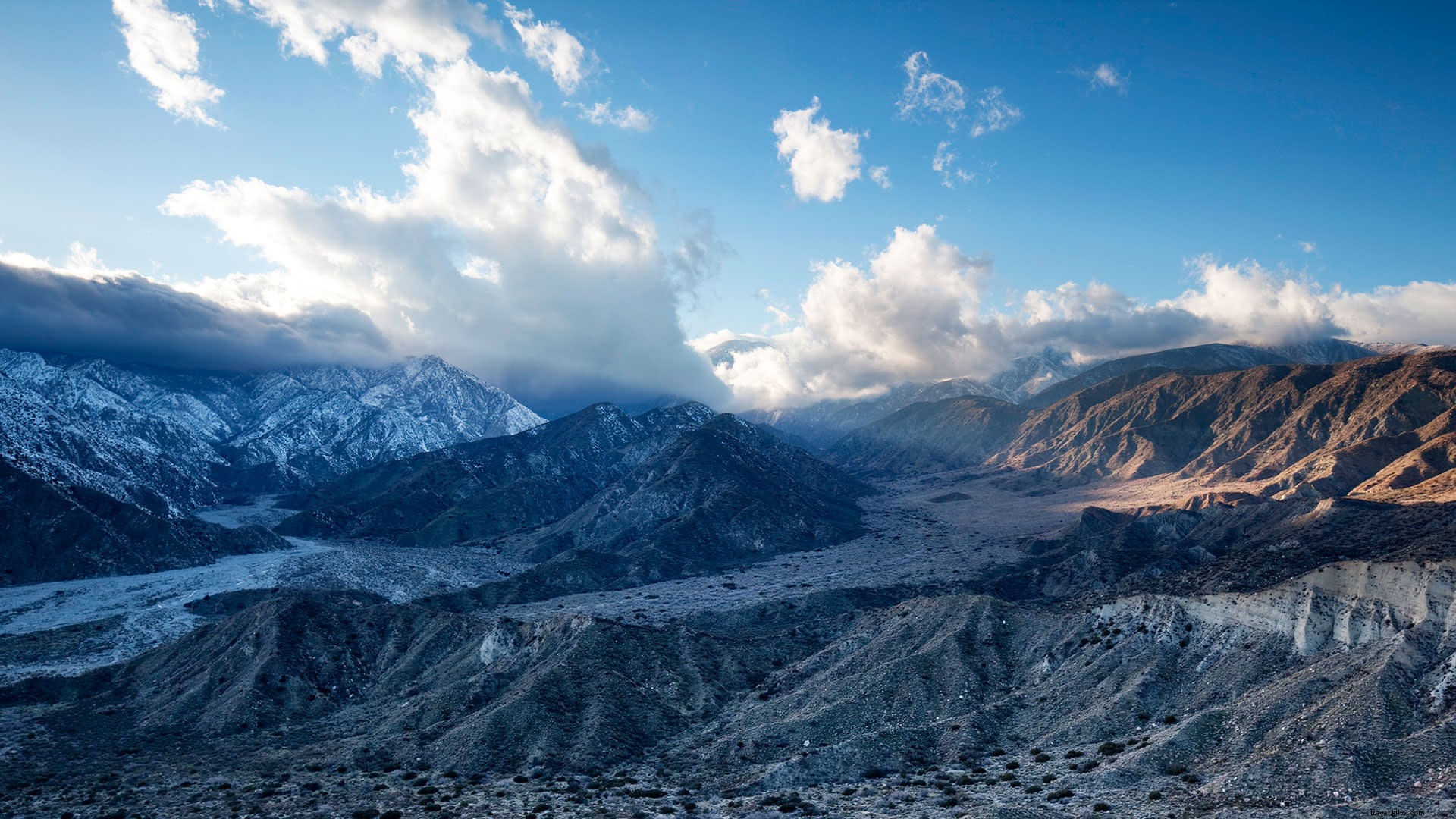
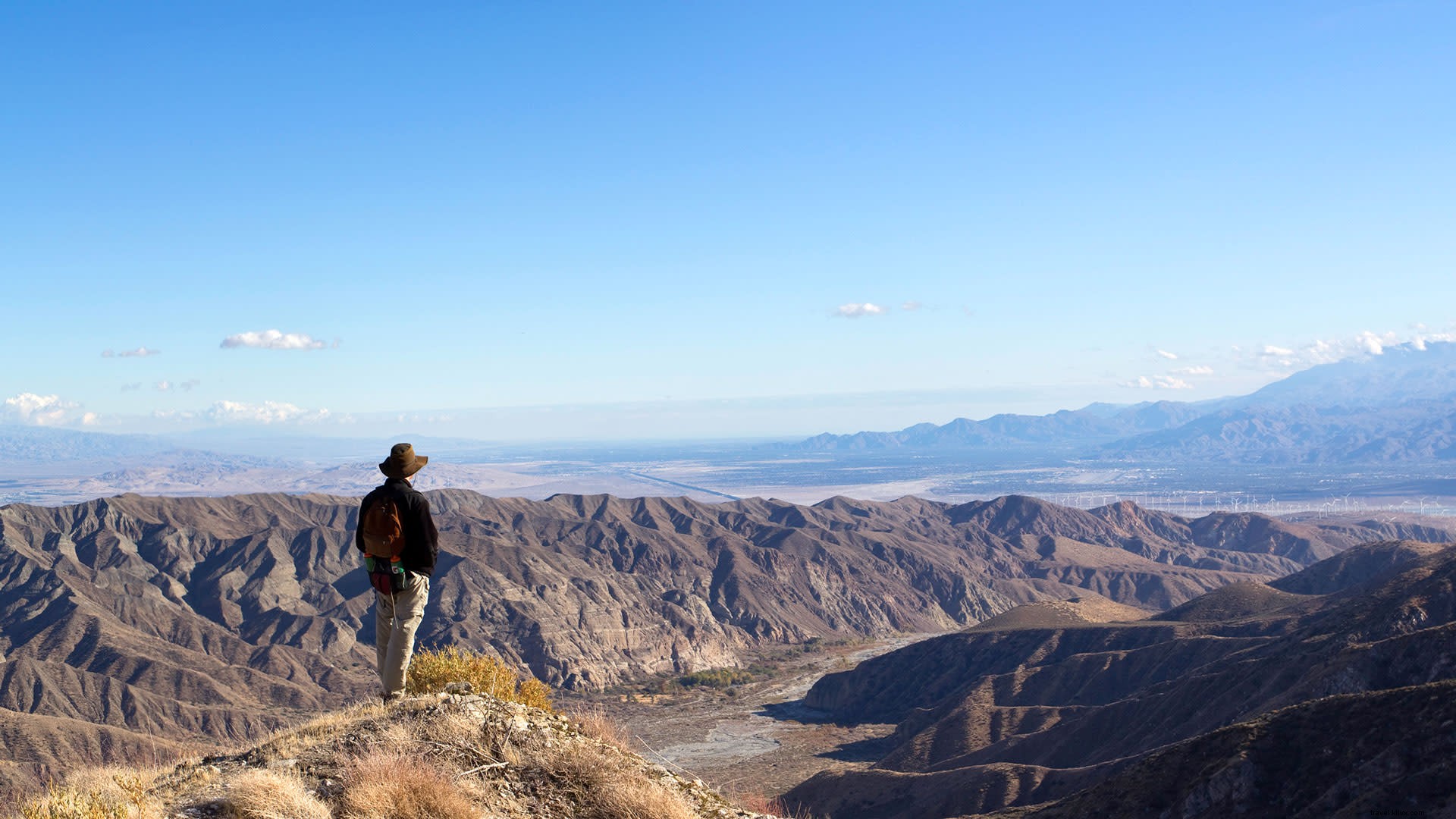
Designated by President Obama in February 2016, this 154,000-acre Sand to Snow National Monument in San Bernardino County, Southern California, mirrors the dramatic rise of the Cactus to Clouds Trail near Palm Springs. It spans low desert terrain in the Coachella Valley (around 1,000 feet elevation) to the towering peaks of the San Bernardino Mountains exceeding 11,000 feet.
This vast elevation change in a compact area delivers diverse, breathtaking landscapes teeming with unique plants and wildlife. As one of America's newest national monuments, it offers established adventures like 30 miles of the Pacific Crest Trail, plus camping, hiking, fishing, and mountain biking. Its protected status ensures these experiences endure for future generations.
The Path to National Monument Status
The crown jewel is 11,503-foot San Gorgonio Mountain, the highest peak in California south of the Sierra Nevada and one of 11 summits over 10,000 feet in the San Bernardino range. Its often snow-capped dome rises above the treeline, offering panoramic views—including Mt. Whitney 190 miles distant on clear days.
Sacred to indigenous Serrano and Cahuilla peoples, the area holds about 1,700 Native American petroglyphs alongside ancient cultural and archaeological sites.
Spanish missionaries settled here in the late 1700s, founding Rancho San Gorgonio. The 1860s gold rush drew miners, leaving remnants of campsites, watering holes, and driveways still visible today. Early 20th-century tourists arrived for the recreation.
The Wildlands Conservancy paved the way by acquiring 60,000 acres over two decades through private funding, safeguarding wildlife corridors linking San Gorgonio Wilderness, Joshua Tree National Park, and Bighorn Mountain Wilderness. Today, the U.S. Forest Service and Bureau of Land Management jointly manage the monument, with the Conservancy fostering youth outdoor education.
Exceptional Biodiversity
Sand to Snow boasts remarkable biodiversity across three ecosystems: coastal sage in the west, Mojave Desert in the east, and Sonoran Desert to the south. Home to over 1,600 plant species, 240 bird species, and 12 threatened or endangered animals.
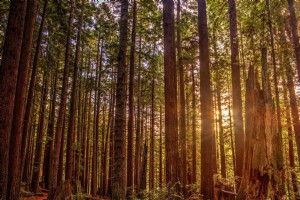
Habitats range from lowland deserts and riparian forests to creosote bush scrub, woodlands, freshwater marshes, Mediterranean chaparral, and alpine conifer forests. South Fork Meadows features hundreds of springs and the headwaters of the South Fork Santa Ana River, with quaking aspen groves, California spotted owl habitat, and Southern California's highest black bear density.
Top Places to Explore
Endless adventures await in Sand to Snow, tailored to your interests and season—winter snowshoe routes transform into summer hikes.
- Desert fans: Start at Whitewater Canyon Preserve, five miles west of Palm Springs. Follow the Whitewater River (dramatic in spring runoff), spotting bighorn sheep, deer, or black bears. Hike two miles to volcanic Red Dome or tackle the 1,000-foot-gain Canyon View Loop for stunning vistas.
- Wetlands: Visit Big Morongo Canyon Preserve for creek and marsh amid desert surrounds.
- Challenge seekers: Conquer 30 miles of the Pacific Crest Trail—the 'nine peaks challenge' with over 8,300 feet of elevation gain across the 2,600-mile Mexico-to-Canada route.
- Camping: Western areas in San Bernardino National Forest offer eight wilderness zones, established sites, and backcountry options.
- Mountain biking: Stick to designated trails in San Bernardino National Forest, like those in Big Bear Lake Recreation Area and Lake Arrowhead.
- Fishing: Seasonal rainbow trout stocking, plus bass, bluegill, and catfish in San Bernardino National Forest lakes and streams.
From alpine retreats and waterside relaxation to desert oases, Sand to Snow National Monument delivers for all. Visit to understand its vital role in preservation.
Originally written by RootsRated for Visit Greater Palm Springs