Discover Human Origins: Fossil Exhibit at Dallas Perot Museum
What does it mean to be human? Where did we originate? And what did our ancient relatives look like?
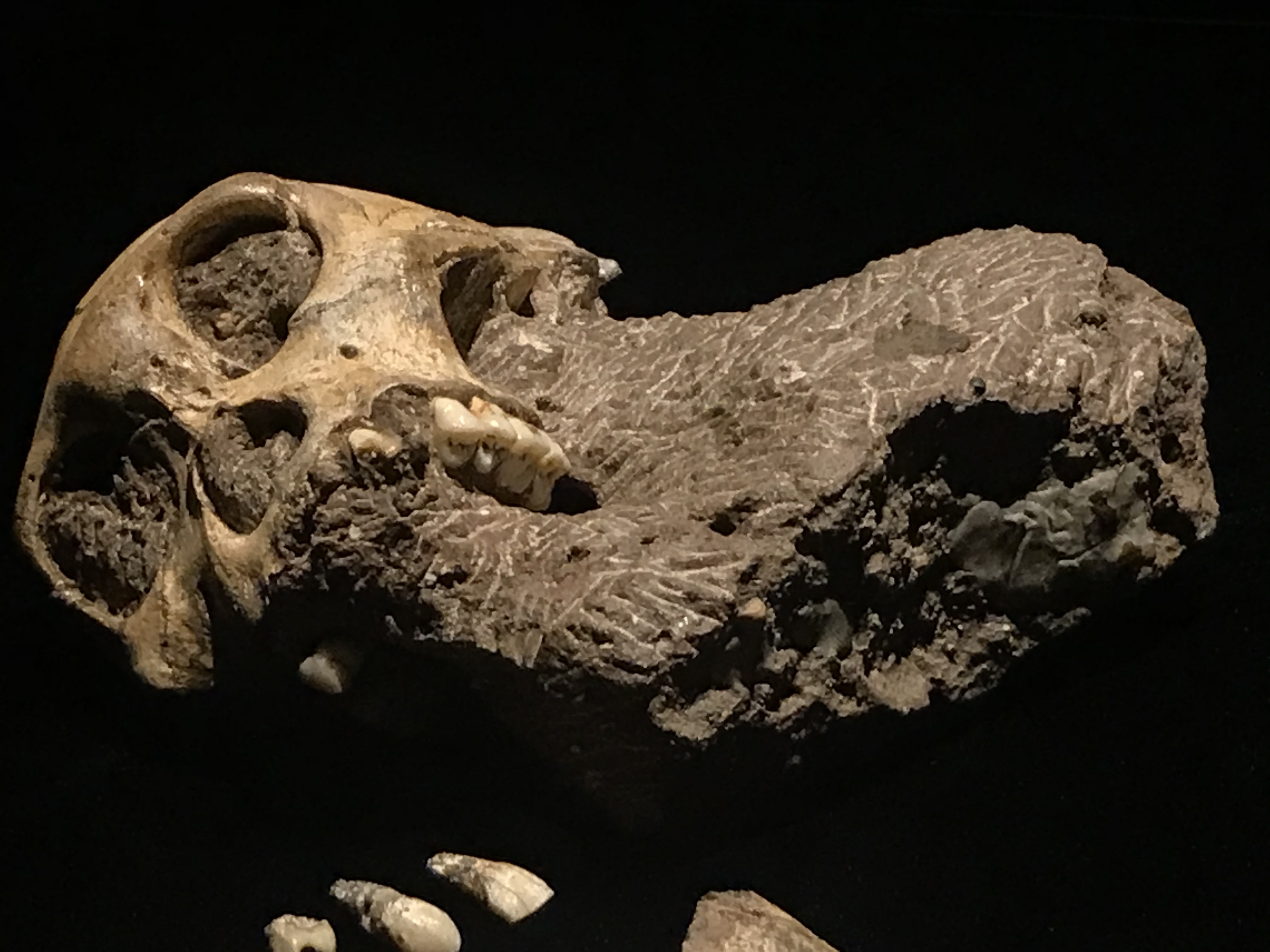
These are a few of the questions explored at the new Origins: Fossils from the Cradle of Humankind exhibit at the Perot Museum of Nature and Science. Open now through March 22, 2020, Origins brings the fossilized remains of two ancient human relatives—Australopithecus sediba and Homo naledi—within arm’s reach.
On loan from the University of the Witwatersrand (Wits University) in Johannesburg, South Africa, the specimens, nicknamed Karabo and Neo, arrived in Dallas for their first—and likely only—trip outside South Africa, offering a unique window into the nuanced processes of human evolution.
Karabo (A. sediba), a 2 million‑year‑old fossil discovered in 2008 by nine‑year‑old Matthew Berger, was found at the Malapa Fossil Site within the Cradle of Humankind World Heritage Site. The specimen was a young teenage male and was excavated alongside five other members of his species.
Neo (H. naledi), dated to roughly 250 000 years ago, was uncovered deep within the Rising Star cave system of the Cradle of Humankind. Excavating Neo and more than 20 other specimens required a team of expert cave explorers—often called “underground astronauts”—to navigate a 7‑inch crevice and other challenging passages.
In addition to seeing these ancient cousins up close, visitors to Origins can engage with the science of human origins through interactive displays, including a simulated excavation site where amateurs of all ages can excavate and identify their own fossils.
General admission to the Perot Museum is $20 for adults, $13 for children 12 and under, and $18 for seniors. Origins carries an additional fee of $10 for adults and seniors and $8 for children. The museum is open Monday‑Saturday, 10 a.m. – 5 p.m., and Sunday, 11 a.m. – 5 p.m. For more information, visit https://www.perotmuseum.org/exhibits-and-films/traveling-exhibition/origins.html.
Header photo: H. naledi – credit Kaitlyn Kilpatrick, Perot Museum