Ultimate Guide to Komodo National Park: Dragons, Diving, and Pristine Islands
From Christmas Island's red crabs to Rottnest's charming quokkas, few places are as iconic for their wildlife as Indonesia's Komodo National Park.
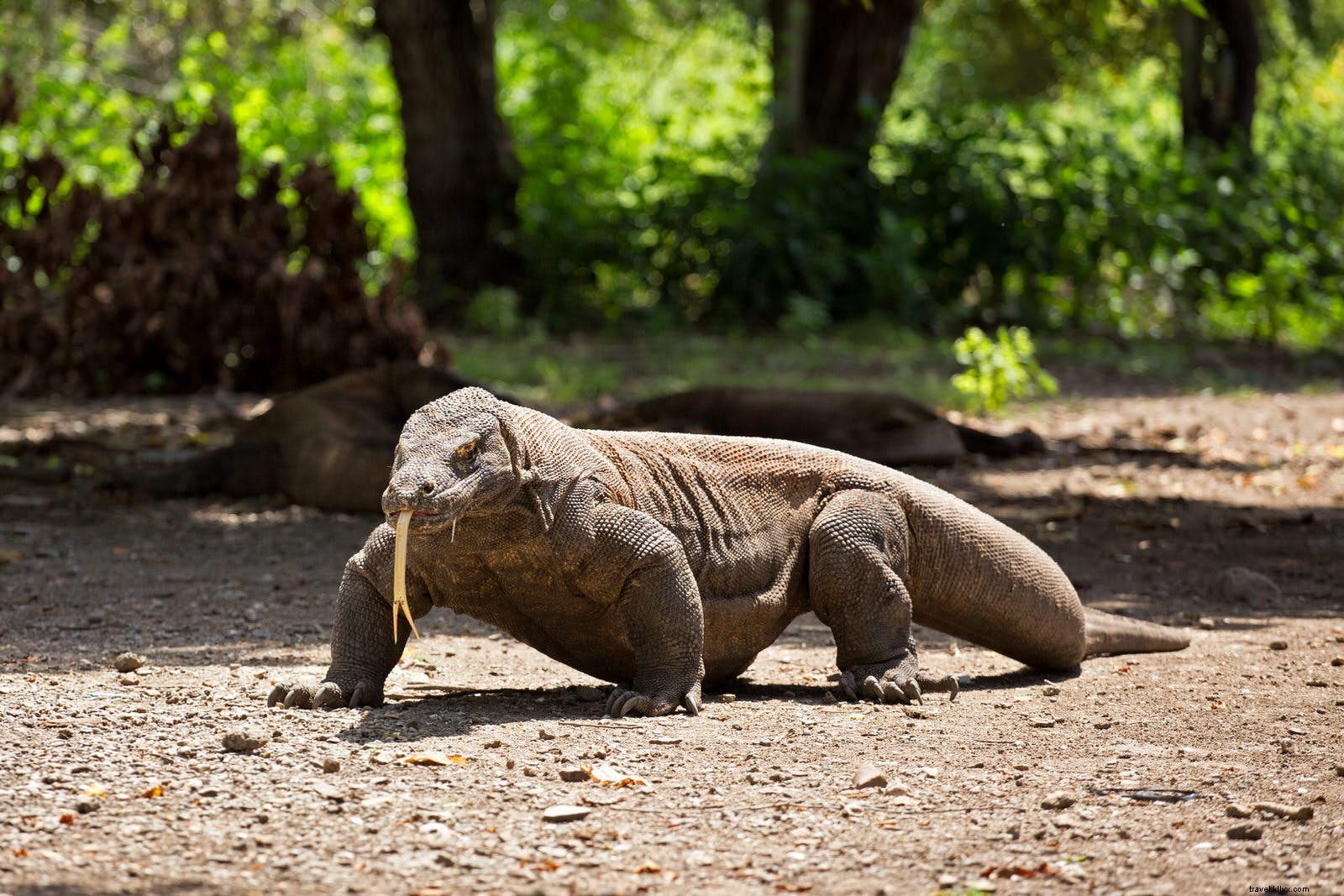
Spanning a 603 sq km archipelago in the Lesser Sunda Islands between East and West Nusa Tenggara provinces, this UNESCO World Heritage site is the thriving habitat of the formidable Komodo dragon—a monitor lizard that can reach 3 meters in length—amid idyllic islands fringed by turquoise seas.
Beyond these legendary lizards, the park offers world-class marine biodiversity, accessible hiking trails through dry forests, and stunning beaches with vibrant sands.
Our expert guide helps you plan an unforgettable, responsible visit to Komodo National Park's top wildlife attractions.
Gateway to Adventure: Labuan Bajo
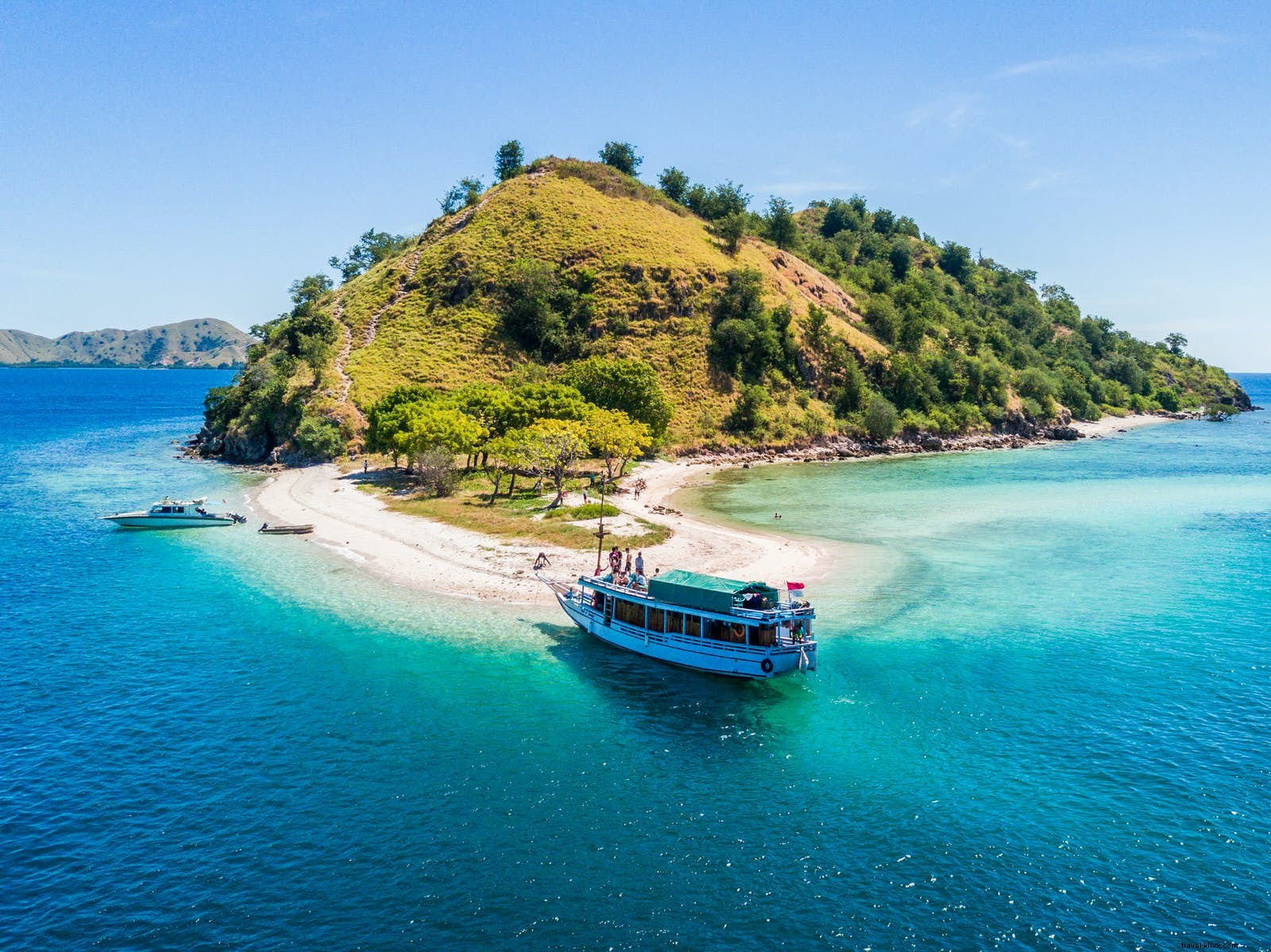
The vibrant fishing town of Labuan Bajo on Flores Island serves as the primary gateway to the park. Though not within the park boundaries, it's a picturesque hub where boats depart, blending authentic tropical charm with breathtaking Indonesian sunsets.
Key highlights include savoring fresh lobster at the bustling night market, snorkeling in nearby crystal-clear waters, and hiking to the serene Cunca Waterfall—a hidden oasis amid rural villages and lush farmland, offering relief from the sunbaked coastal hues.
Dive into Marine Wonders
Access to Komodo National Park requires an organized boat tour from Labuan Bajo. While day trips exist, we recommend multi-night liveaboard voyages on reliable vessels with experienced local crews. This approach ensures a more immersive, sustainable experience that supports the local economy and community.
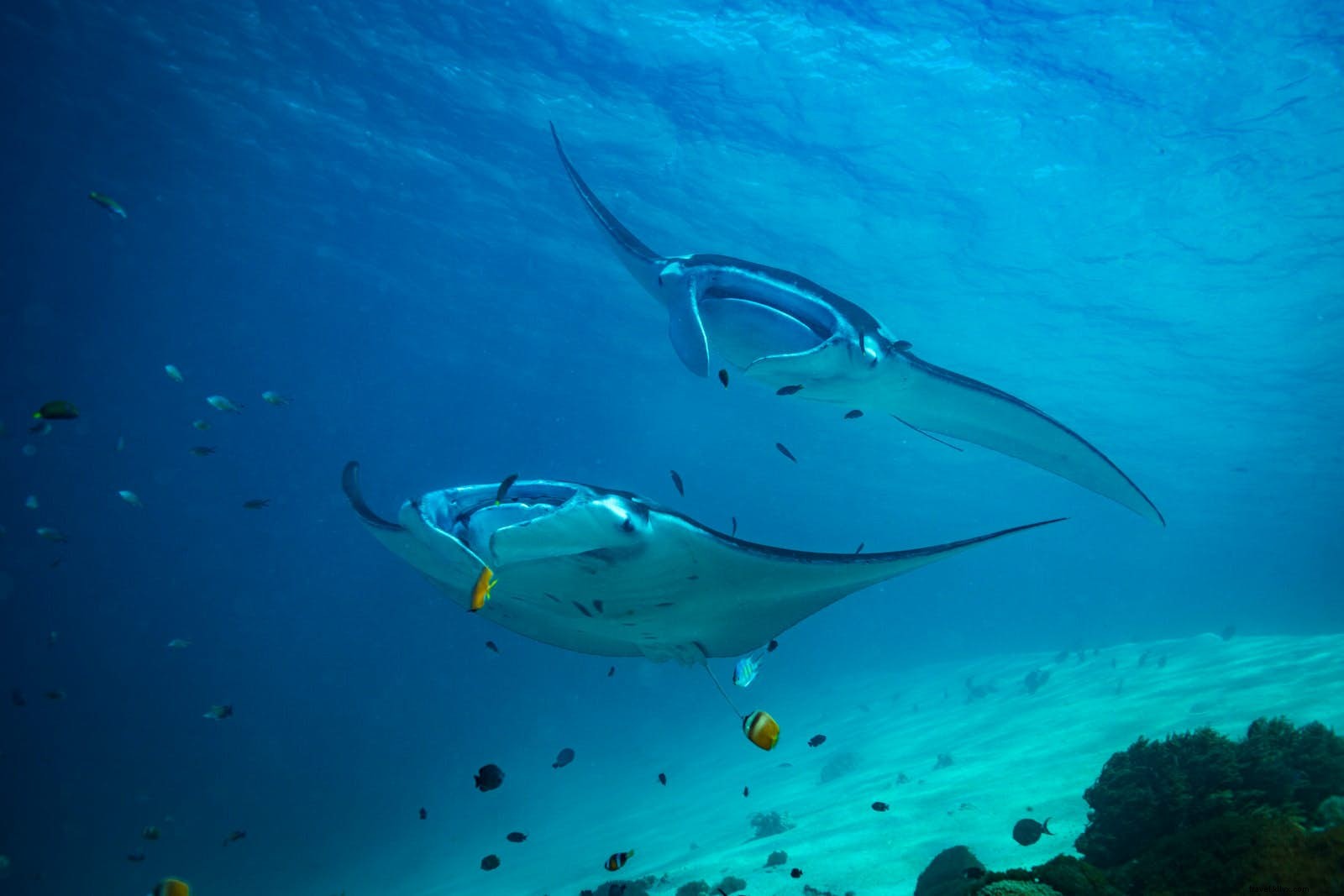
Though famed for its terrestrial giants, the park's underwater realm is equally spectacular. Shallow waters (often under 3m deep) teem with iridescent fish schools, making snorkeling accessible and mesmerizing.
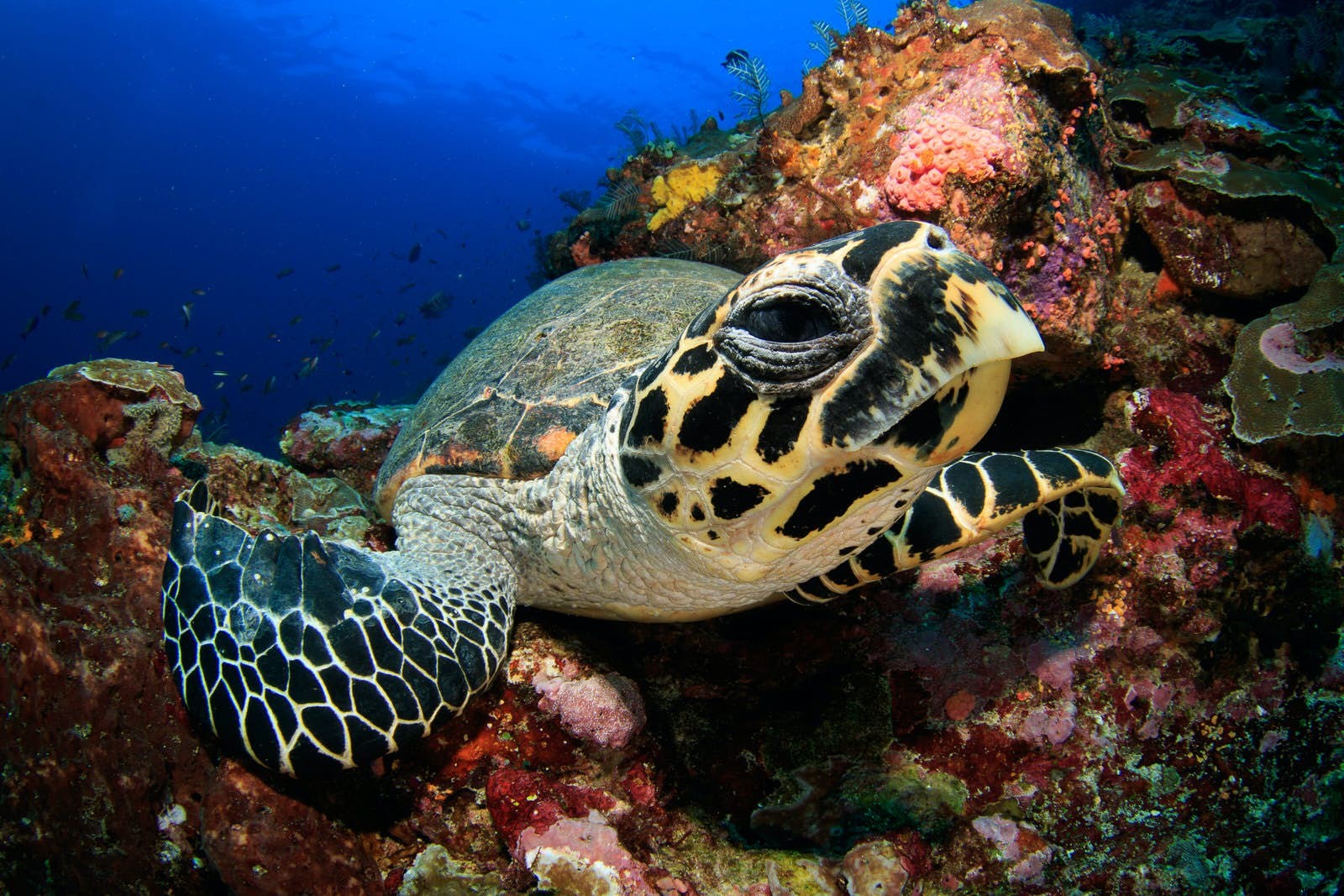
Manta Point delivers reliable sightings of graceful manta rays. For advanced divers, sites like Batu Balong and the Cauldron offer thrilling currents, while Castle Rock suits intermediates with chances to see reef sharks, giant trevally, dolphins, and green or hawksbill turtles. Strong swimmers with snorkel experience are ideal; captains navigate currents for safe entries.
Island Hopping Highlights
Rinca Island often substitutes for time-strapped visitors, offering easier Komodo dragon sightings amid open terrain, plus buffalo, Timor deer, wild pigs, and eagles. Pack ample water and sun protection against the heat.
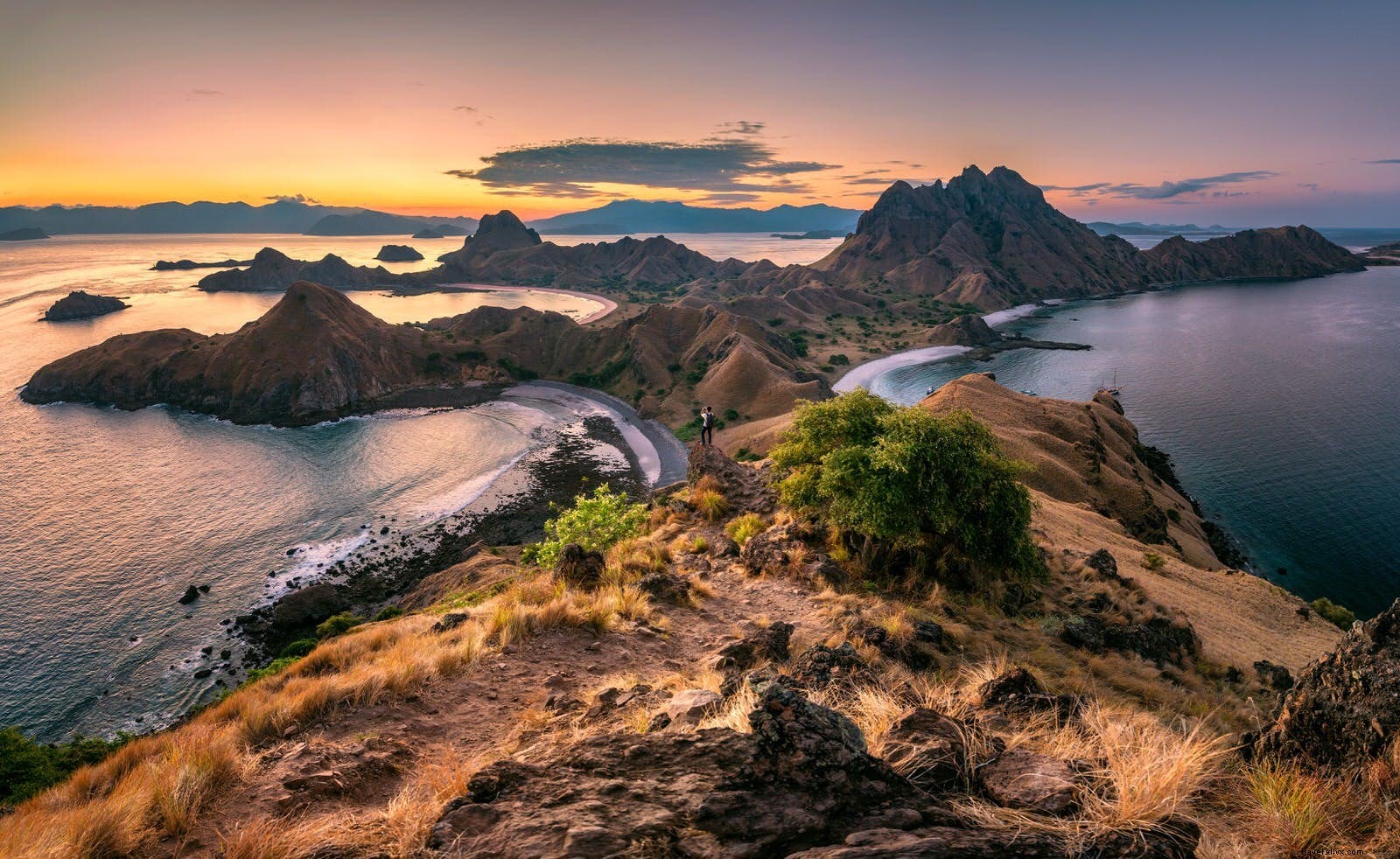
Padar Island captivates hikers with a rewarding 2-hour trek to panoramic viewpoints and Pink Beach, where crushed red coral tints the white sand rosy—a phenomenon seen on several park shores.
Kalong Island, or 'Bat Island,' hosts a haunting sunset spectacle: millions of fruit bats swirling from mangroves in search of food, embodying the park's raw natural drama.
Komodo Island: Dragons' Domain
Komodo Island anchors the park's wildlife legacy, sheltering 25 endangered species and migratory birds nesting under Mount Satalibo.
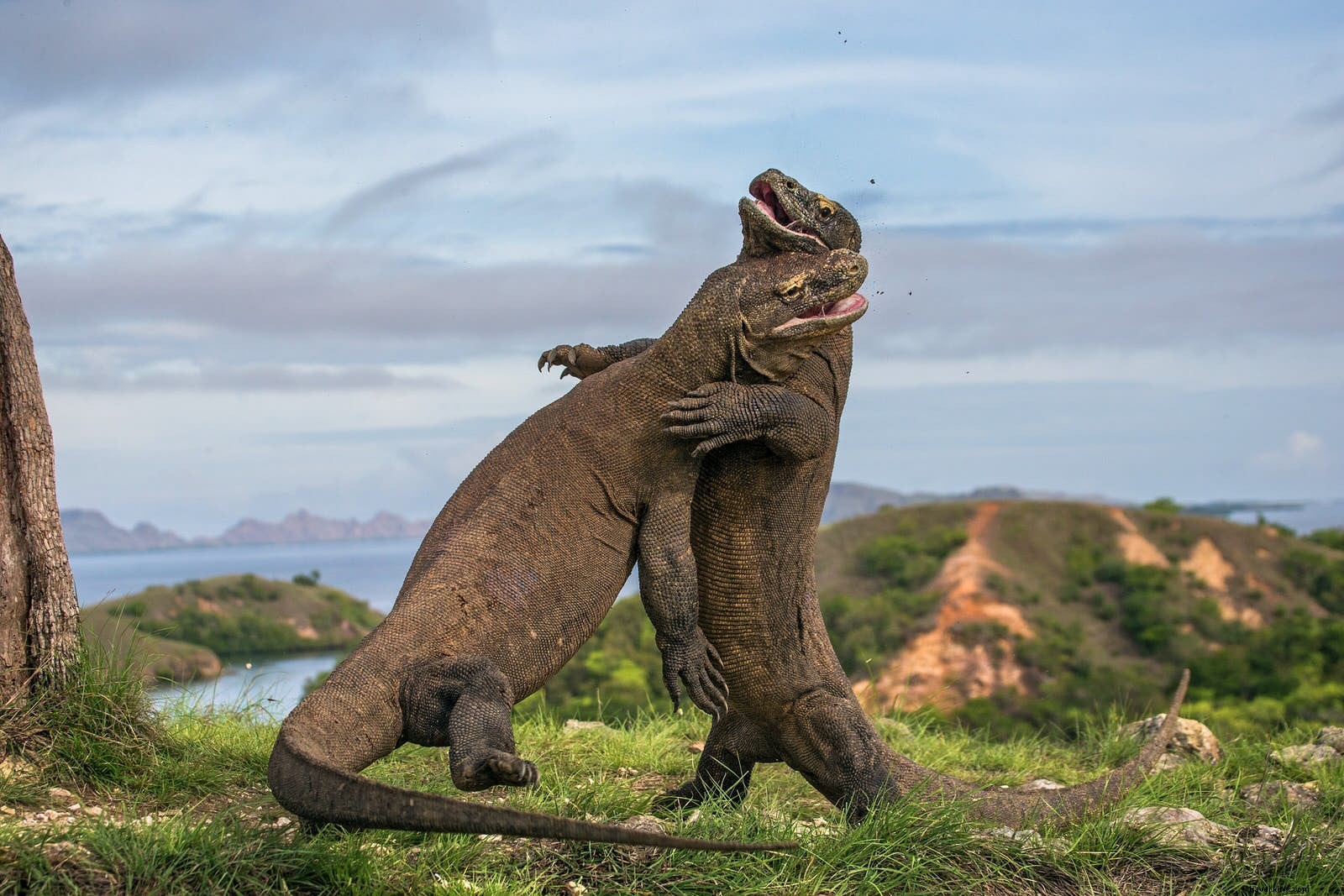
The stars are the Komodo dragons, revered as 'oras' by local Bugis fishermen. Thriving on Timor pigs, deer, and buffalo—spared by cultural diets—these prehistoric survivors benefit from folklore harmony tales and a 1915 hunting ban.
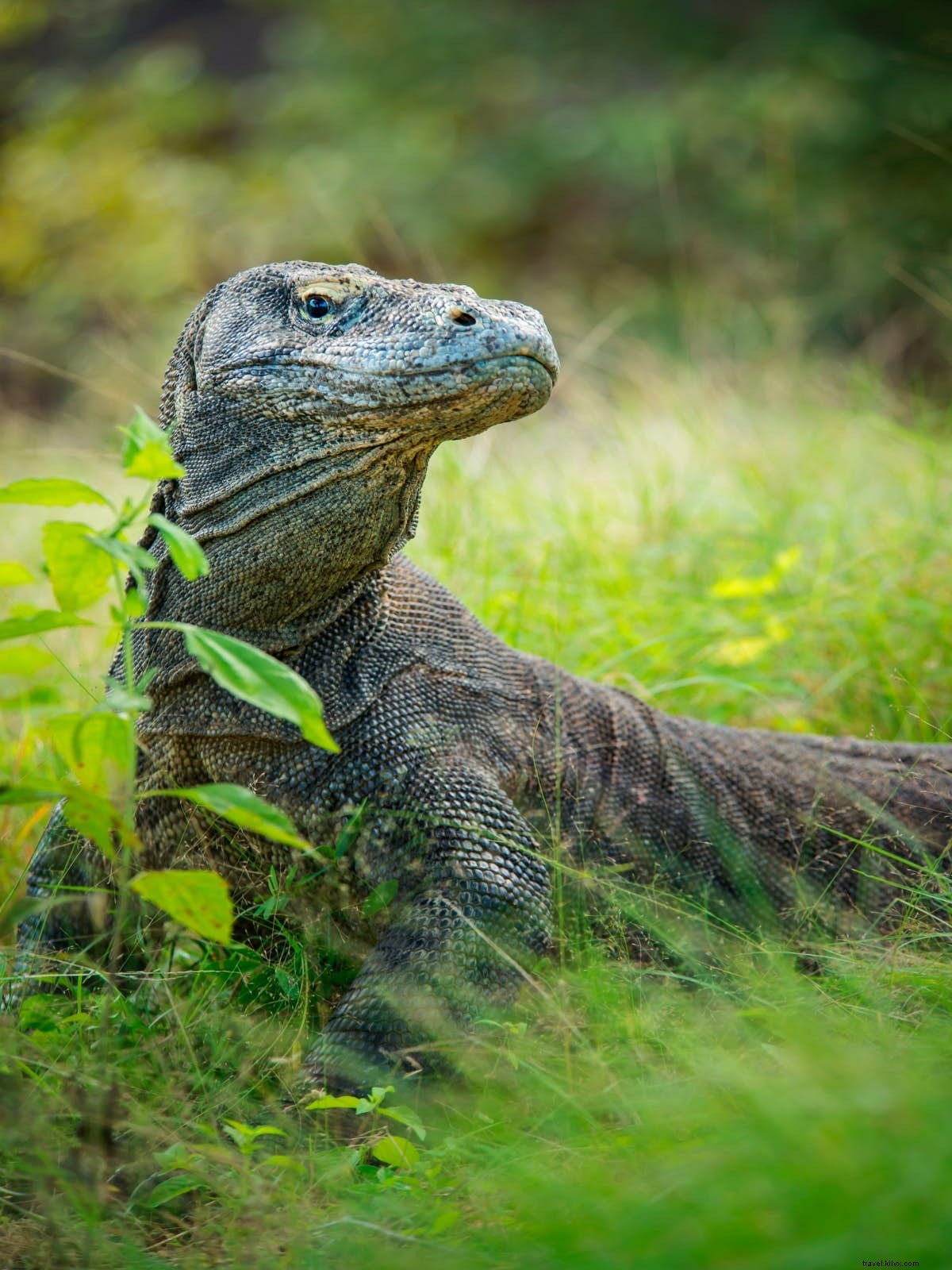
Larger than Rinca's but more elusive, dragons are best spotted on guided morning hikes (mandatory). Observe from 10m: their armored scales and powerful tails evoke ancient origins. By midday, they retreat to shade. Caution: They detect blood from afar; secure bags and wounds to avoid rare but serious incidents.
Sustainable Exploration
Komodo exemplifies successful ecotourism through protective policies and community stewardship, allowing wildlife to flourish.
As visitor numbers rise, prioritize liveaboards, zero plastic, local guides, and biodiversity appreciation to ensure lasting benefits.
Tread lightly, or risk consigning these dragons to myth.
Subscribe to our weekly newsletter for more expert travel inspiration, tips, and exclusive offers.