Experience the Dallas Holocaust & Human Rights Museum: A Living Tribute to Human Rights Day
Human Rights Day, observed each December 10, commemorates the 1948 adoption of the Universal Declaration of Human Rights by the United Nations General Assembly. The declaration affirms that every person is entitled to inherent, inalienable rights.
The Dallas Holocaust & Human Rights Museum (DHHRM) is a cornerstone of the city’s commitment to education, remembrance, and the promotion of human dignity. Its brand‑new, 55,000‑square‑foot facility—opened in September 2019—combines cutting‑edge technology with powerful storytelling to illuminate the Holocaust, the broader history of genocide, and the ongoing struggle for civil rights worldwide.
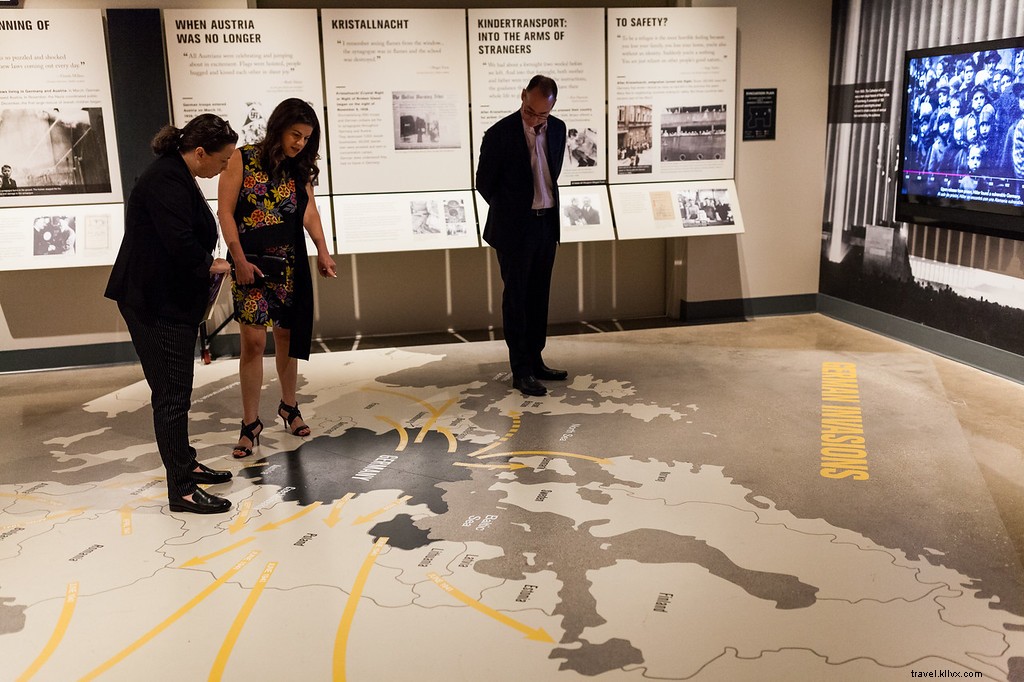
Situated in Dallas’s historic West End, the museum’s three‑floor complex houses a 250‑seat theater, two classrooms, a research library and archives, and a dedicated memorial & reflection room. Exhibits are curated from both permanent displays and rotating shows, and they spotlight the experiences of Dallas‑area Holocaust survivors, the ten stages of genocide, and the evolution of human and civil‑rights protections.
What sets DHHRM apart is its commitment to preserving the voices of survivors. The museum features 68 video testimonies from Dallas‑area survivors and employs the latest audiovisual innovations to keep their stories alive for future generations.
Visitors can walk through a life‑size WWII boxcar, examine the impact of global genocides, and trace the civil‑rights movement in the United States and Texas. The Tolerance Theatre—a highly interactive space—offers a reflective experience that encourages guests to confront and examine their own biases.

At the heart of the museum’s immersive experience is the Dimensions in Testimony theater. High‑definition recording, voice‑activated controls, and holographic imagery allow guests to engage in real‑time dialogue with Holocaust survivors, gaining deeper insight into their personal narratives.
DHHRM continually refreshes its programming. Current offerings include rotating exhibitions, guest speakers, and film screenings. The “Fight for Civil Rights in the South” exhibit, featuring two renowned photography collections on the 1960s African‑American civil‑rights struggle, is on display until May 31, 2021.
Today the museum operates at 25 % capacity. Time‑slot tickets must be booked in advance via DHHRM.org to comply with COVID‑19 safety protocols. Masks, social distancing, and other precautions are enforced to protect every visitor’s health.
Header photo credit: Jason O’Rear Photography