
700 Days of Nomadic Travel: Reflections on Our Most Intense 100 Days in Southeast Asia
This marks our seventh reflection on 100 days of nonstop travel. After 700 days on the road, what began as a trip has evolved into a true lifestyle—one we have no intention of abandoning anytime soon.
These past 100 days stand out as some of our most vibrant and emotionally charged yet, fully immersed in the chaos, glamour, spice, color, highs, lows, shocks, and serenity of Southeast Asia.
Countless Wow Moments
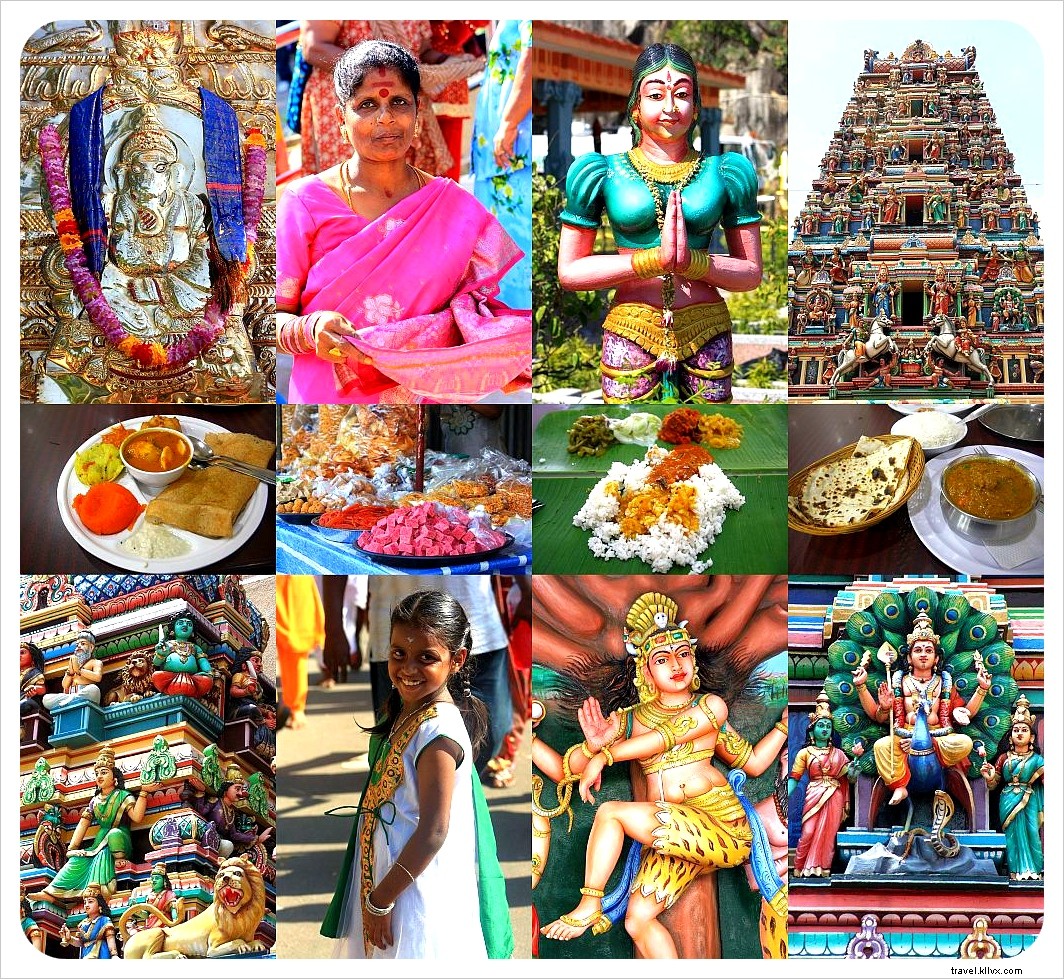
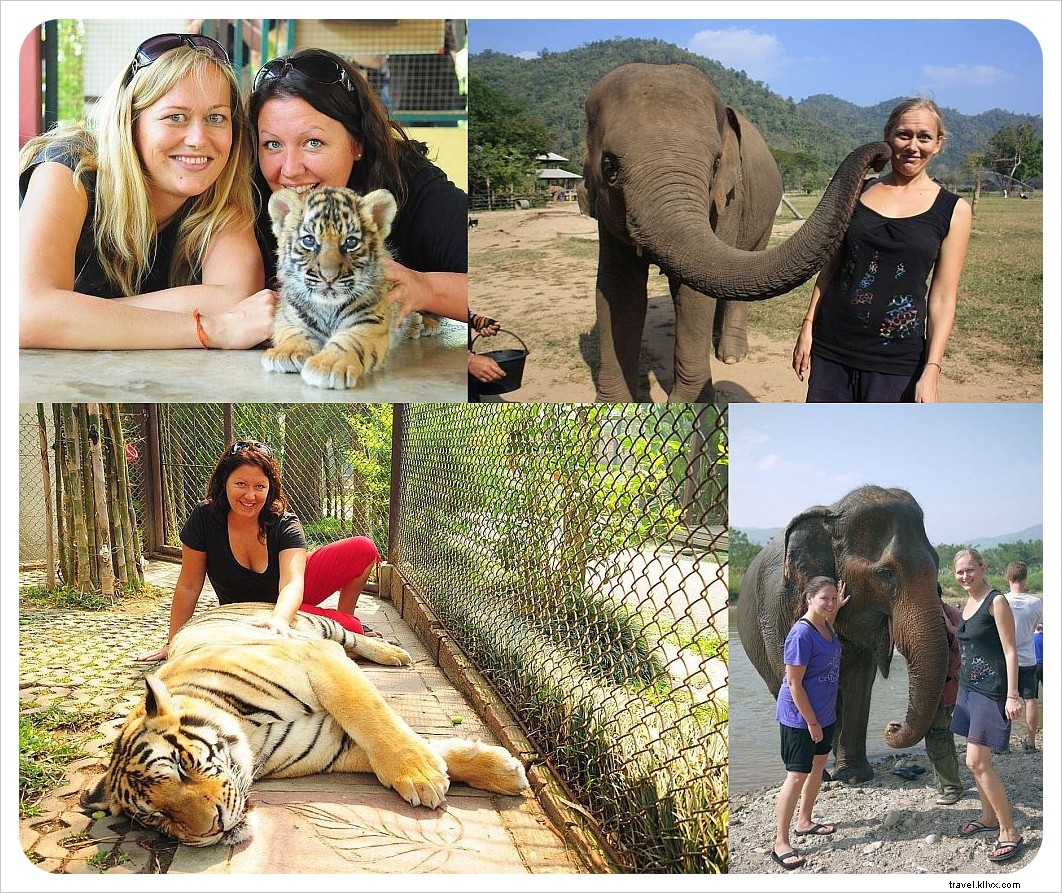
Seven hundred days ago, we might have seen cage-diving with 200-pound tigers or bathing massive elephants in a river as pinnacle experiences. Yet these were just a few adrenaline rushes in our latest 100 days. Thaipusam, the intense Hindu festival of self-mortification in devotion to the gods, was equally gripping—though never a personal risk. (Watch our video from Penang, Malaysia here.)
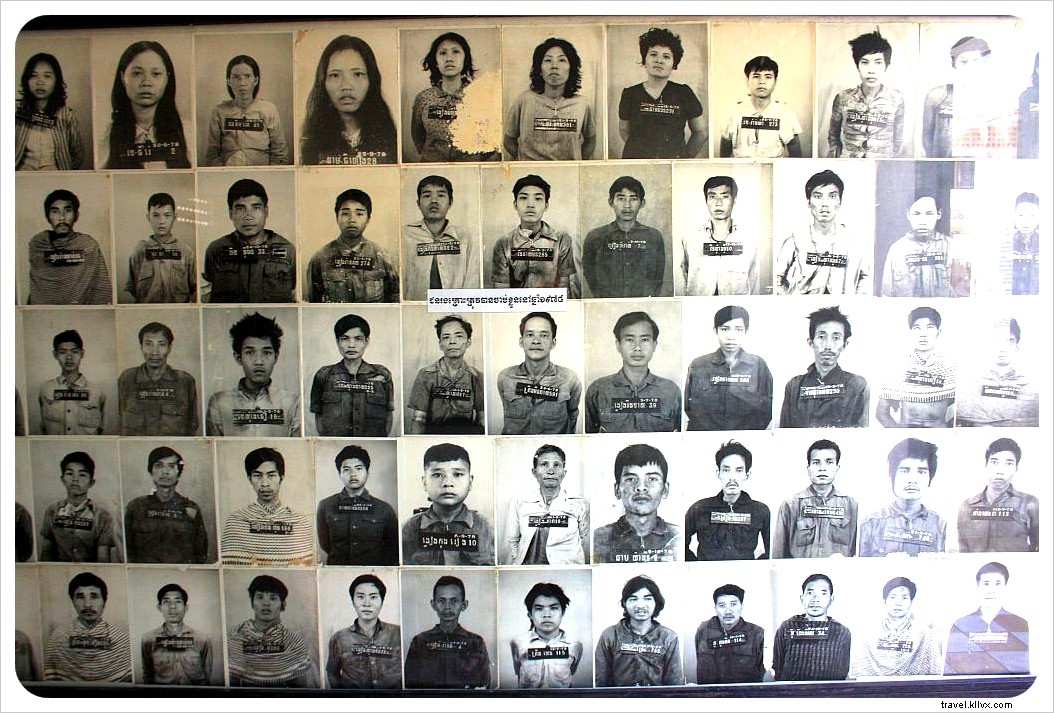
The most shocking revelation was the Khmer Rouge's atrocities in Cambodia. Arriving with scant knowledge of Pol Pot's genocide, we'll never forget the 9,000 skulls and victims' clothes at the Killing Fields, the horrors of Tuol Sleng (a former school turned torture prison in Phnom Penh), or the 'Killing Caves' near Battambang.
Heartwarming Housesitting Experiences
We'll dive deeper into our housesitting passion soon, but it has repeatedly reshaped our itinerary. These 100 days began with a housesit in Kuala Lumpur caring for ZZ, a quirky cat owned by a Canadian expat couple. Unexpectedly, we landed our next gig back in Chiang Mai: looking after Fred, a sweet-yet-selective little dog (who dislikes men!), via our favorite platform, Housecarers.com.
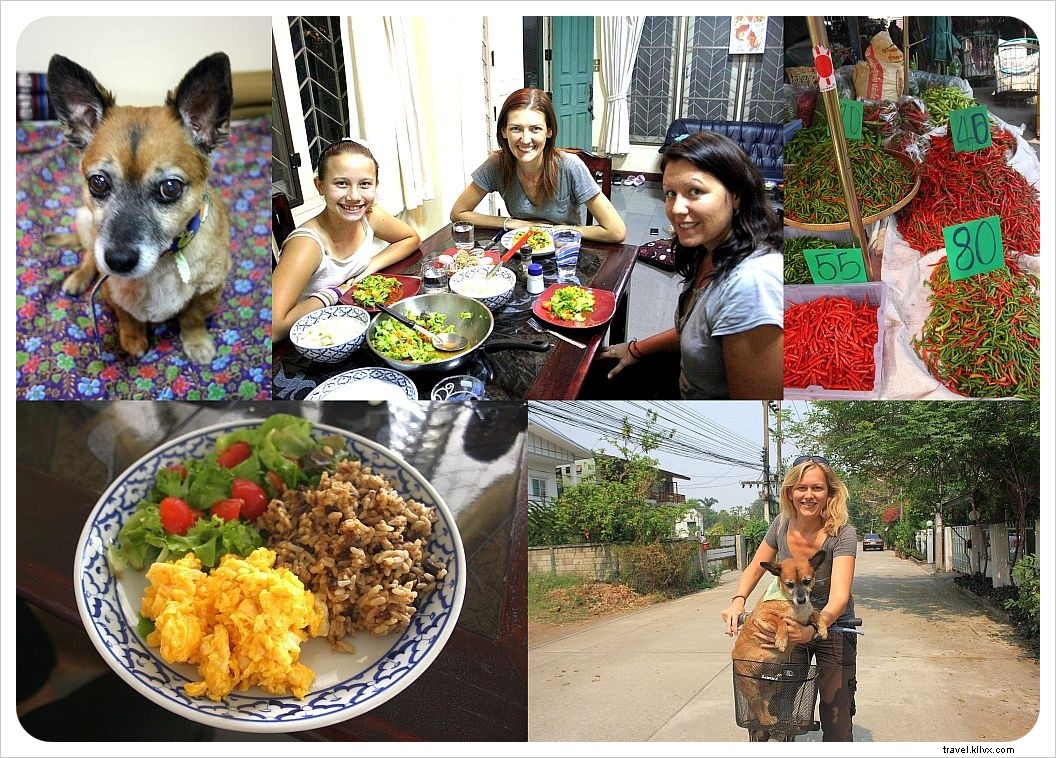
Why return to Chiang Mai? Constant movement means frequent goodbyes and few deep bonds. Housesitting provides pets to cuddle, a cozy couch, a kitchen for comfort cooking and experiments, and focused time for our work. In essence, it helps us get things done.
Ultimate Sophistication Meets Absolute Destitution
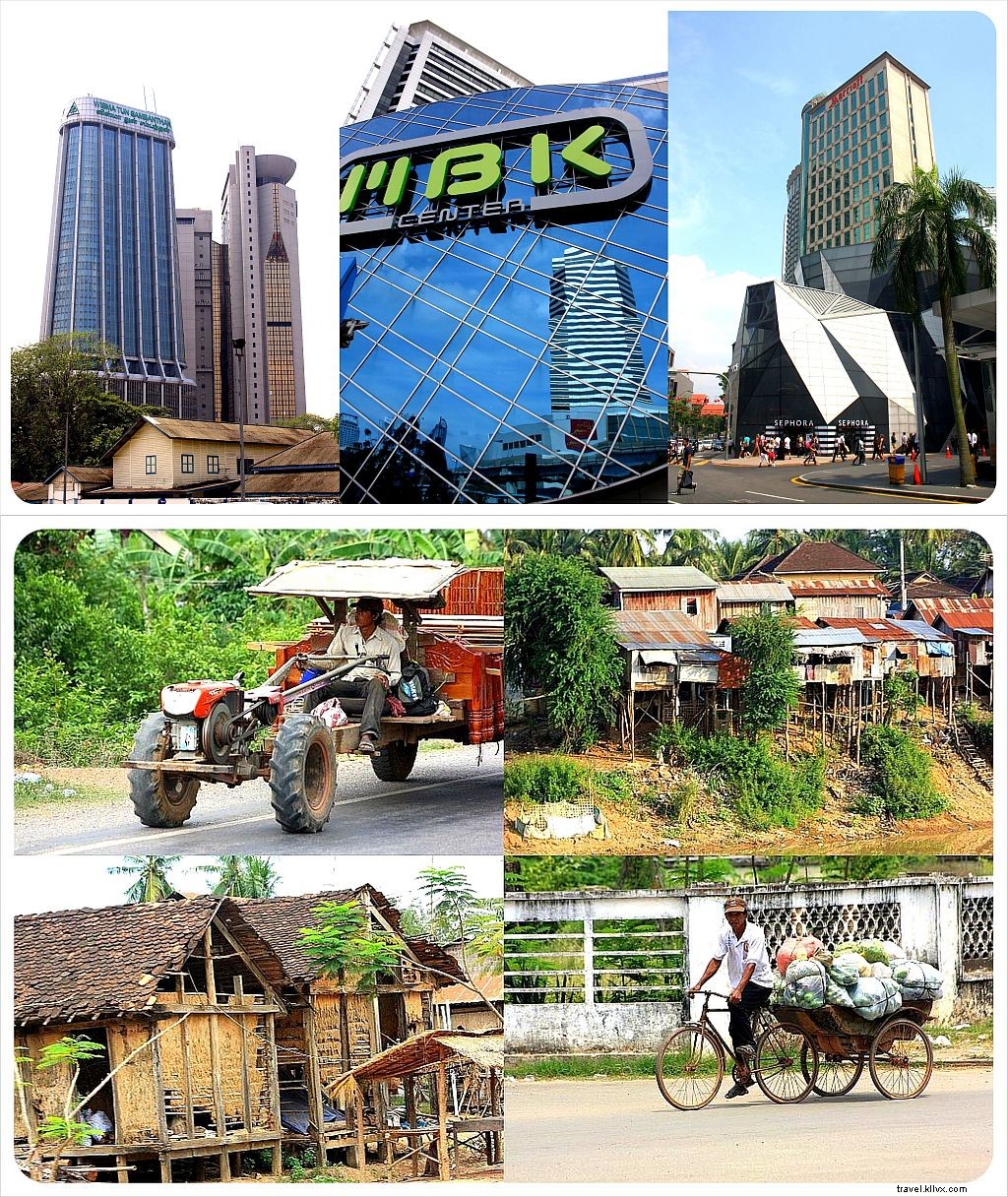
Southeast Asia's stark lifestyle contrasts have taught us profound lessons. On macro scales, like long Thai bus rides from sophisticated Chiang Mai through forgotten villages. In megacities like Kuala Lumpur or Bangkok, contrasts appear in single frames: mega-malls looming over slums, Gucci alongside market stalls selling secondhand remotes.
Thailand and Malaysia feel advanced compared to Cambodia, where we wrapped these 100 days. Still processing the Khmer people's resilience post-Pol Pot—when a quarter of the population was slaughtered 40+ years ago—a 150km bus trip takes five hours on patchy roads, yet progress is remarkable. Overland travel here is worlds apart from its neighbors.
Transportation in Southeast Asia
A standout feature is reliable domestic air travel. In Central America, we'd never consider intra-country flights, but here they rival trains and buses.
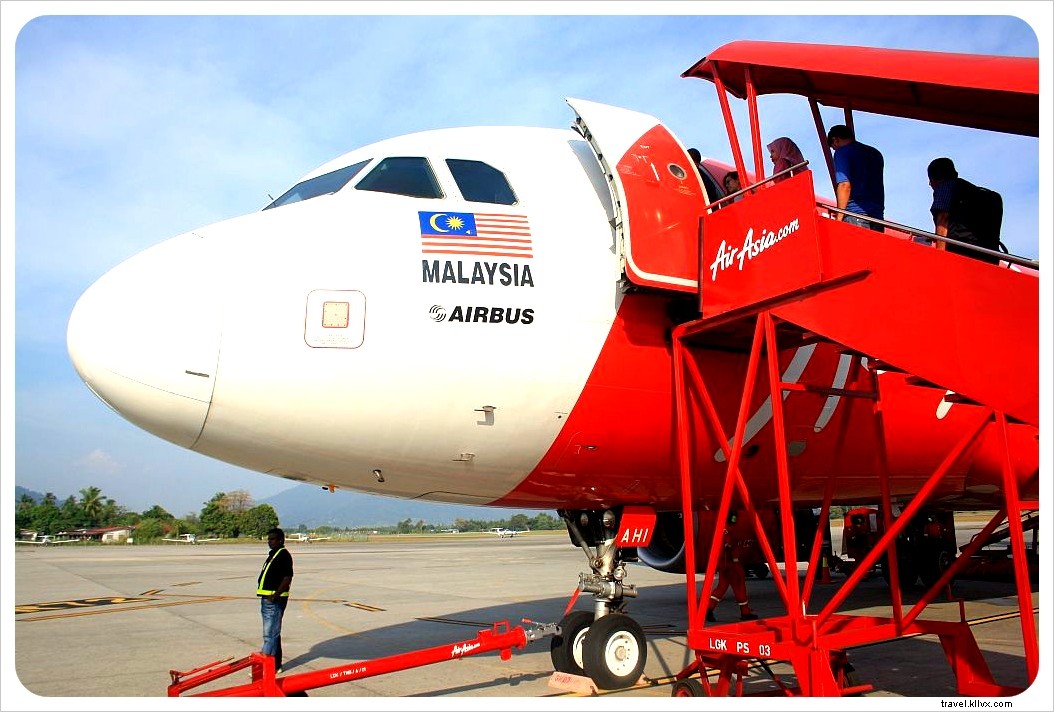 While air borders are seamless at 30,000 feet, our favorite was the grueling 22-hour land crossing from Thailand to Cambodia (Chiang Mai to Battambang). We dodged the notorious border scam. After 700 days, we cherish the journey as much as the destination.
Eating in Southeast Asia
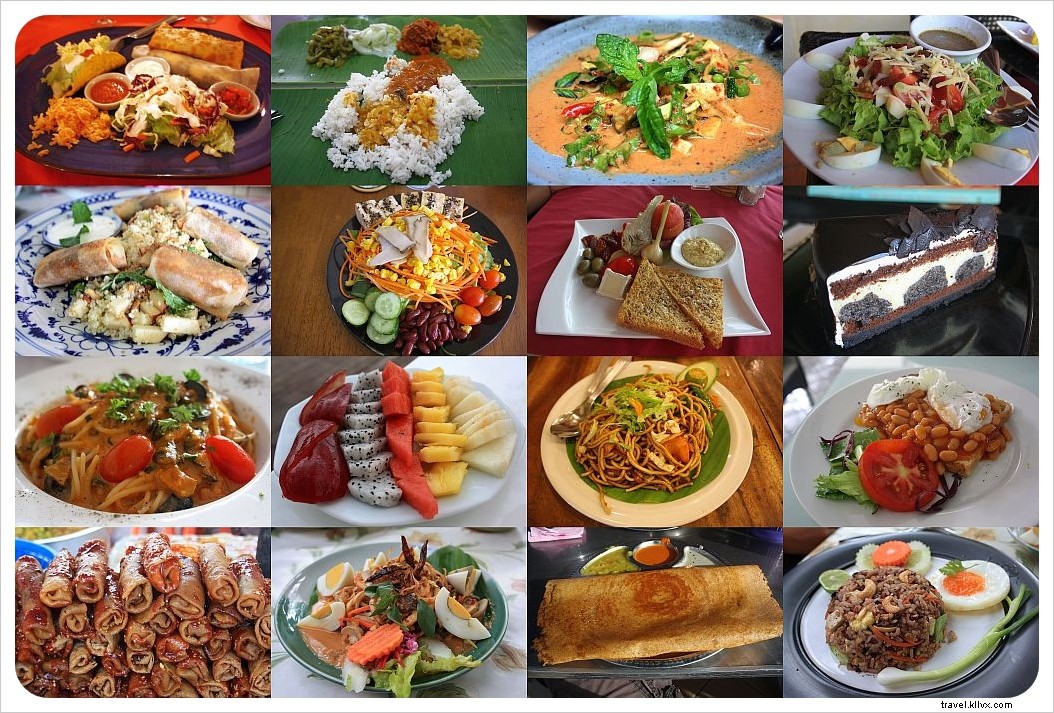
We love people-watching, customs, and great stays, but food has ignited our passion these 100 days. Southeast Asia is a vegetarian foodie's dream.
Spoiled by new spices, flavors, textures—plus Western options rivaling home—we savor daily coconut water and rice without fatigue. Chiang Mai's veggie scene shone, but Cambodia and Malaysia impressed too. Check our Tops and Flops for highlights.
An Important Discovery
Originally, we sought a forever paradise. After 700 days, Southeast Asia isn't it—we're Latin at heart, drawn to Mexico, Italy, Paris, Lisbon's spicy vibe. South America awaits, someday.
What the Future Holds
Belly-full and inspired, we're heading to India: five weeks in Kerala, then back to the US for a wedding and housesit. Vietnam, Philippines, Indonesia, Burma tempt, but India's call is now. After a Singapore stop, we're off.