Cartagena: The Ultimate Introduction to Colombia's Colonial Charm and Vibrant Culture
Before starting my South America adventure this year, my preconceptions of Colombia were shaped by its legendary coffee, Pablo Escobar's notorious legacy (fresh from binge-watching Narcos), whispers of the arduous jungle trek to the 'Lost City' (Ciudad Perdida, which I later conquered over four sweaty days), and the iconic port city of Cartagena.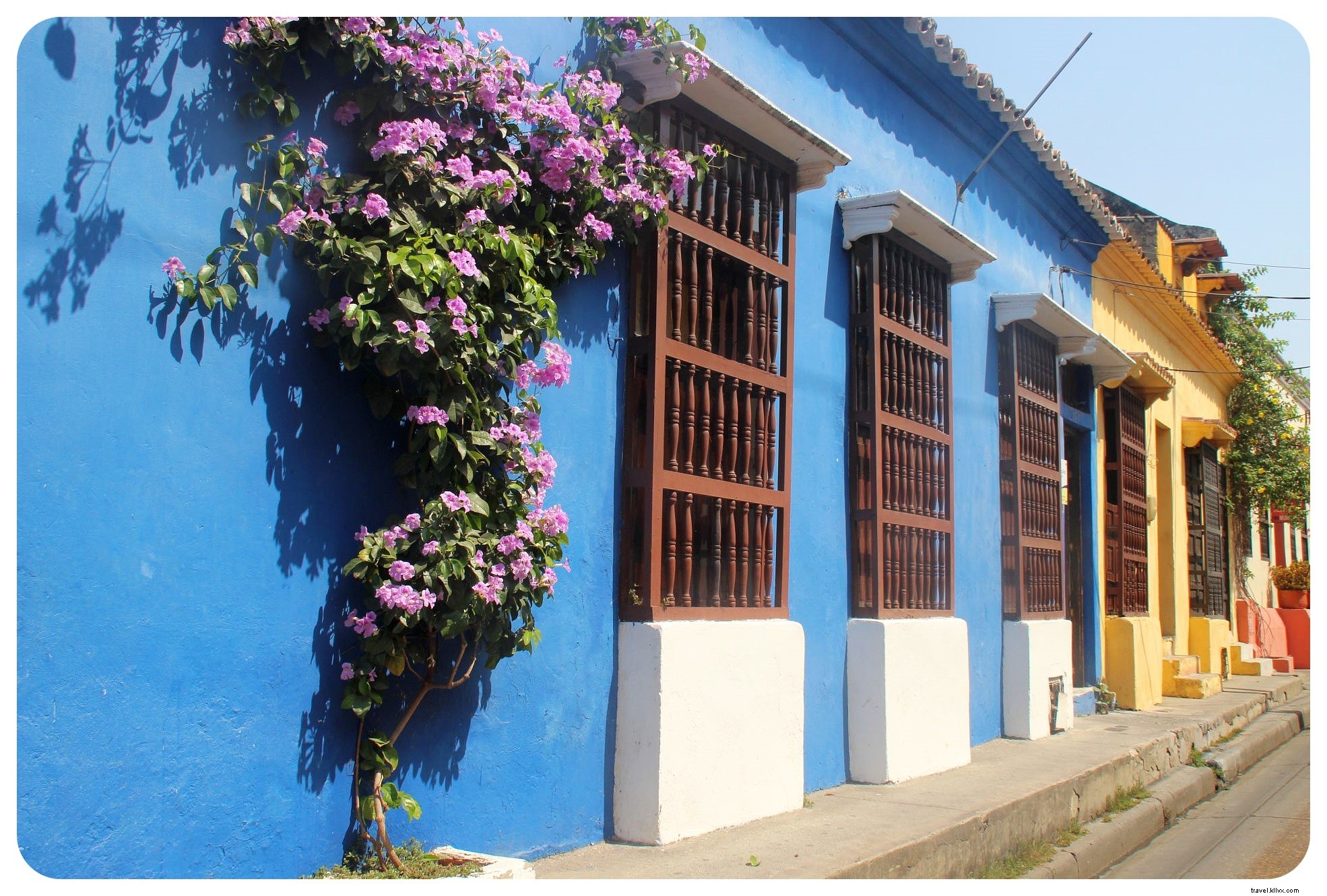 In my imagination, Cartagena was a postcard-perfect colonial haven where sailors docked after Caribbean voyages, dancing salsa with locals over frosty mojitos.
 Reality in 2016 exceeded expectations. At the legendary Café Havana—a pulsing salsa bar, not a quiet café—tanned sailors mingled with Colombians, Argentines, and Chileans amid electrifying Cuban rhythms that demanded movement.
 I'd envisioned arriving by catamaran from Panama, the backpacker's bridge over the impenetrable Darién Gap. Life intervened; after reaching Panama from Mexico in 2011, Europe called instead.
 Five years later, Cartagena became my Colombian entry point—and an unforgettable gateway. Even after two months exploring from Caribbean coasts to coffee highlands and Amazon depths, I'd only skimmed the surface.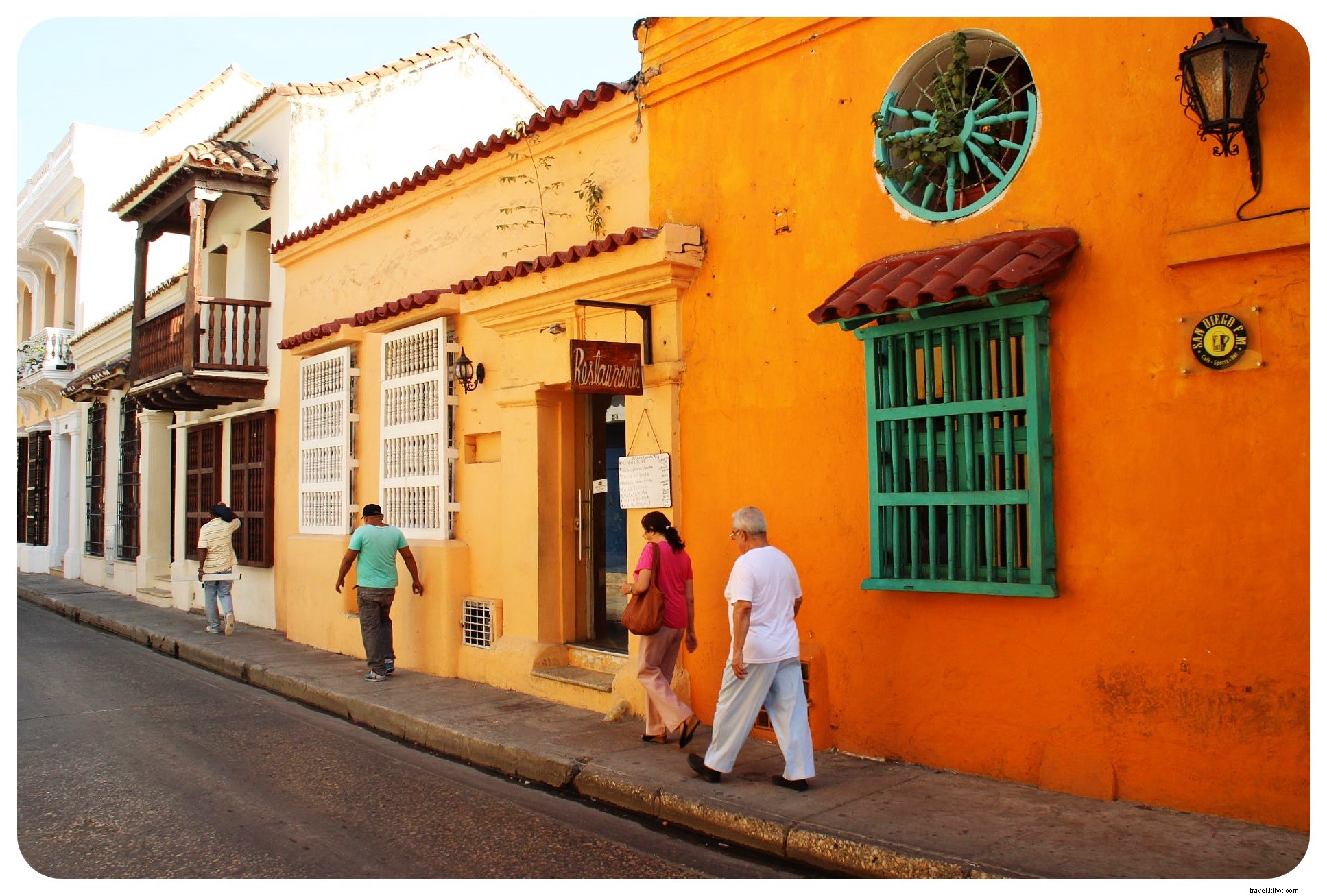
Hot, Humid Cartagena: A Caribbean Welcome
Stepping off the plane onto the scorching tarmac, the thick, humid air hit first—a Caribbean signature echoing Central America.
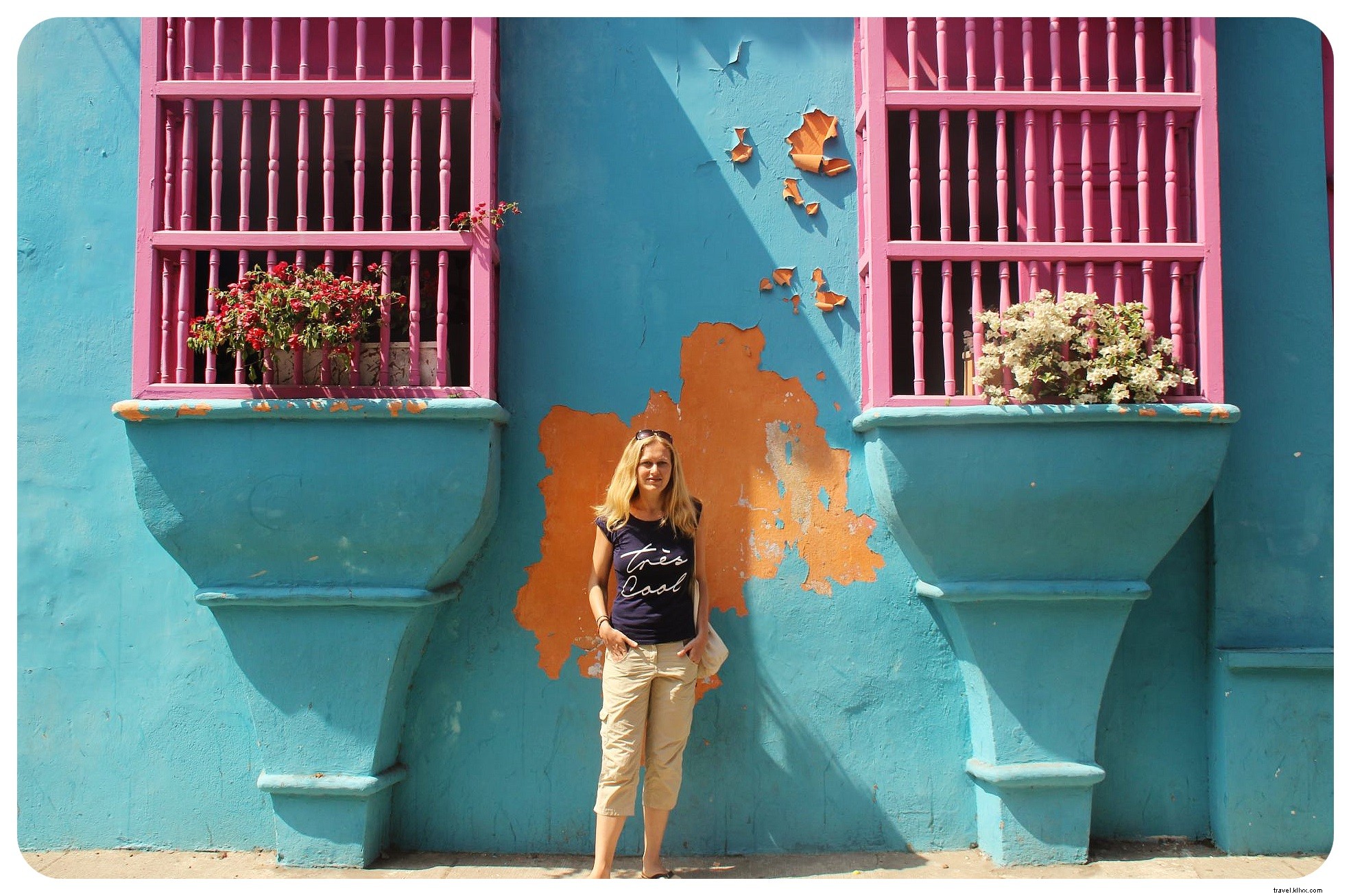
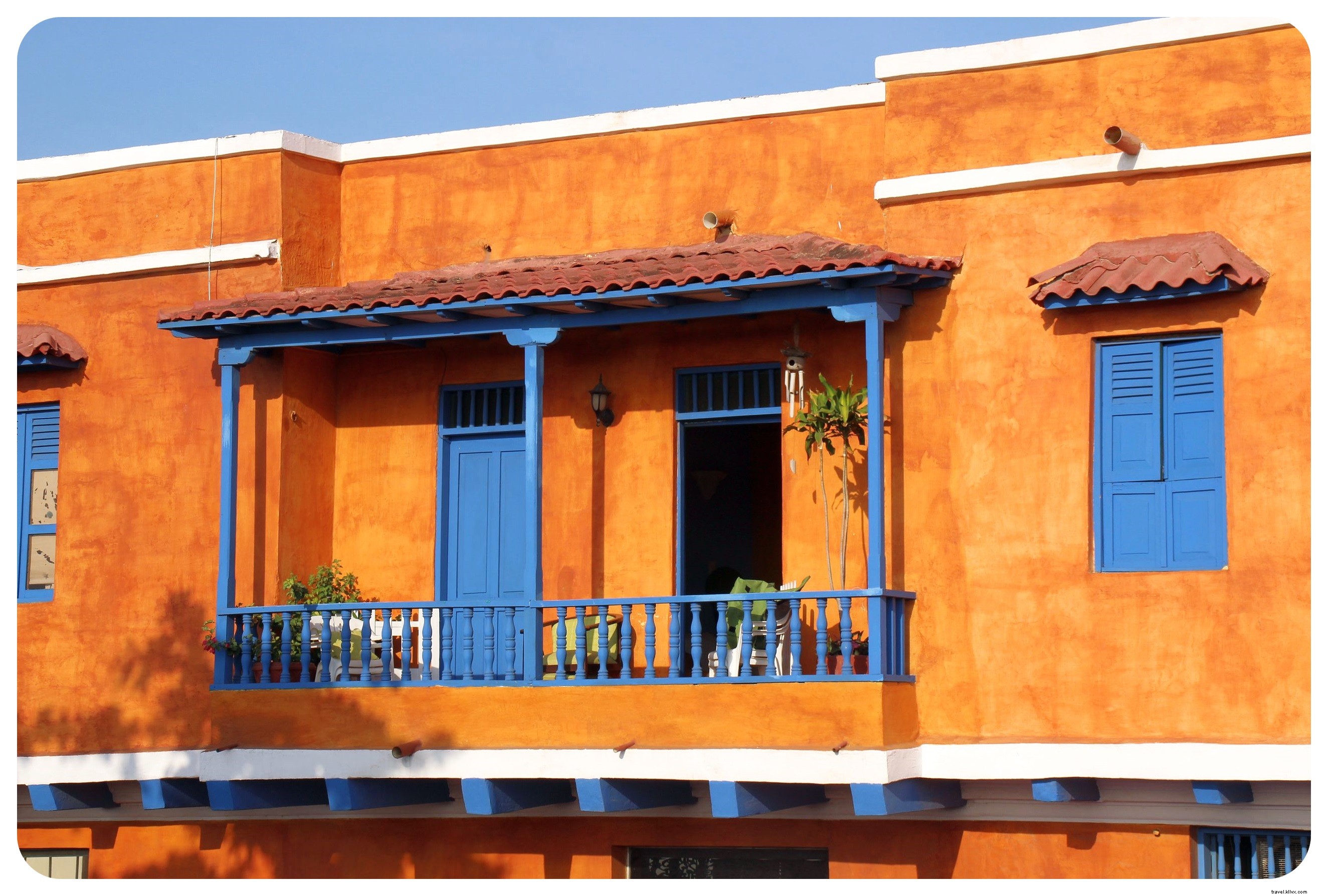
 Vibrant houses blurred past the taxi window en route to our guesthouse, evoking Costa Rica, Nicaragua, or Panama. The similarity intensified upon entering the Old Town through the grand clock tower gate in ancient stone walls.
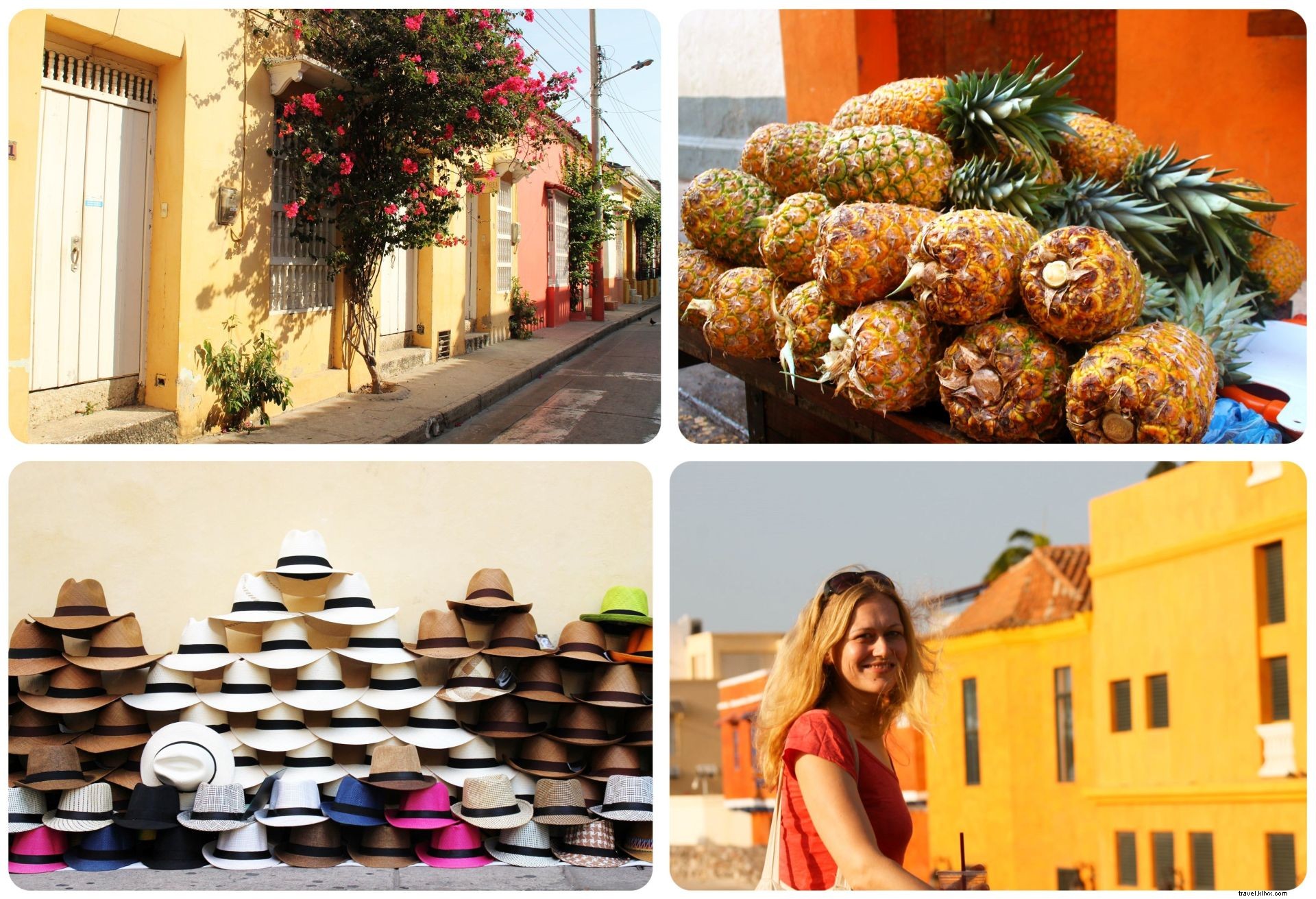 Inside, we lost ourselves in a labyrinth of colorful alleys. Cartagena mirrored Panama City's Casco Viejo: oceanfront locations, preserved Spanish colonial cores, and modern skylines of glass towers and malls.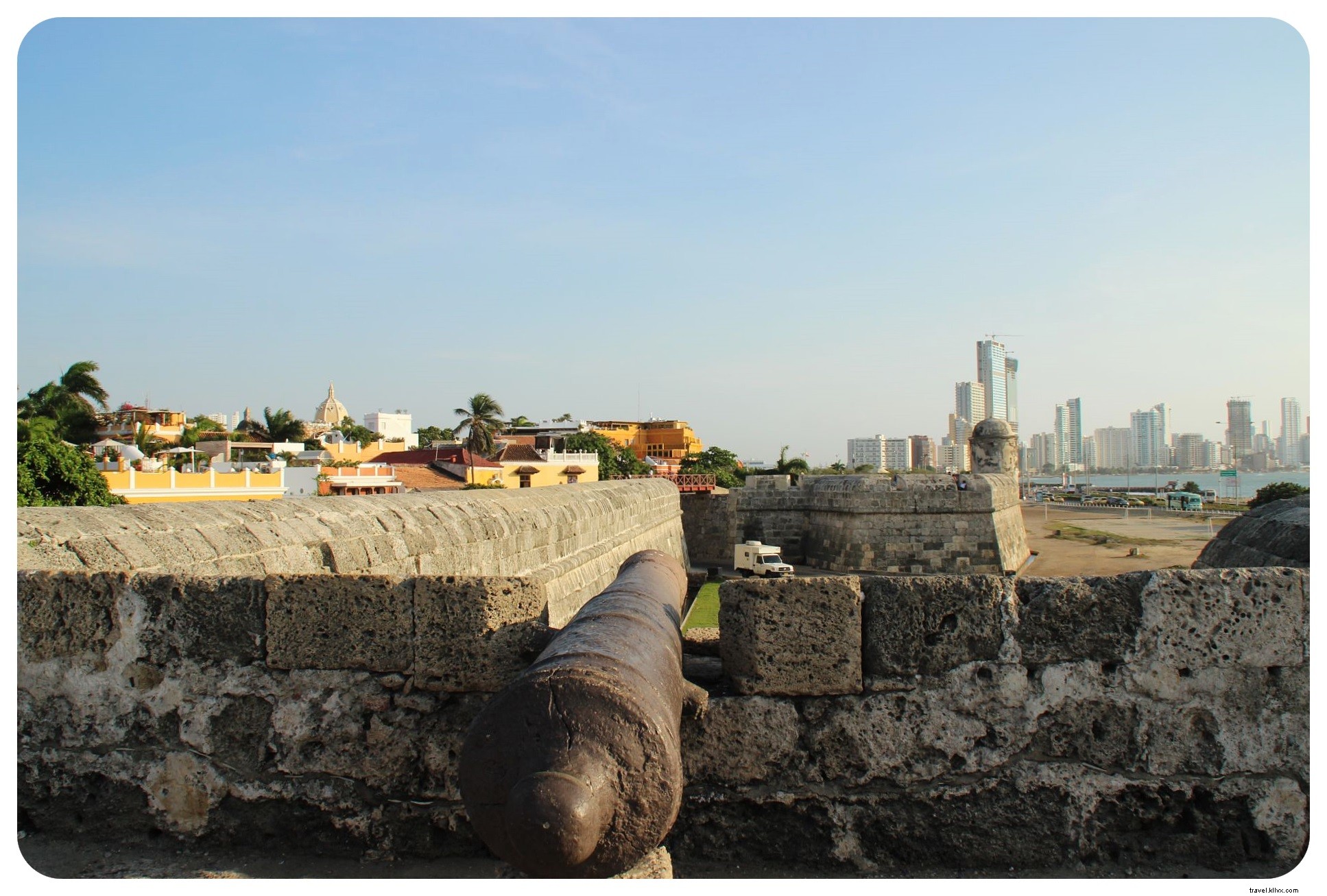
A Dreamlike Spanish Colonial Gem
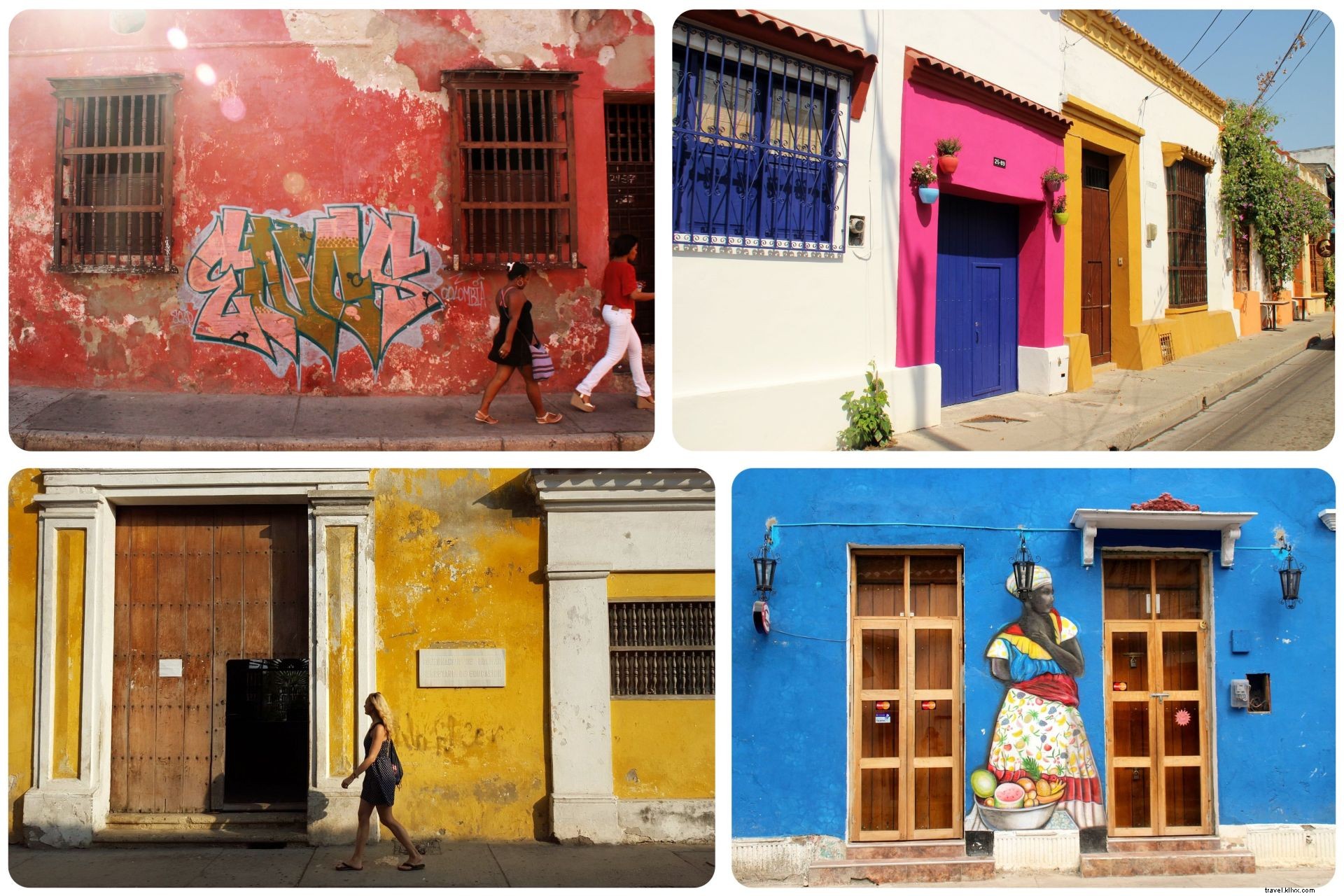
Yet Cartagena's distinct allure soon shone through. Picture fruit vendors in vivid silk dresses hawking stalls in the Old City, charging $3 (vs. $1) for photos.
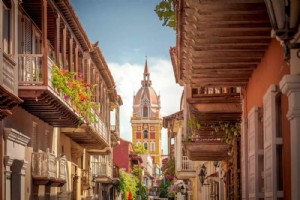
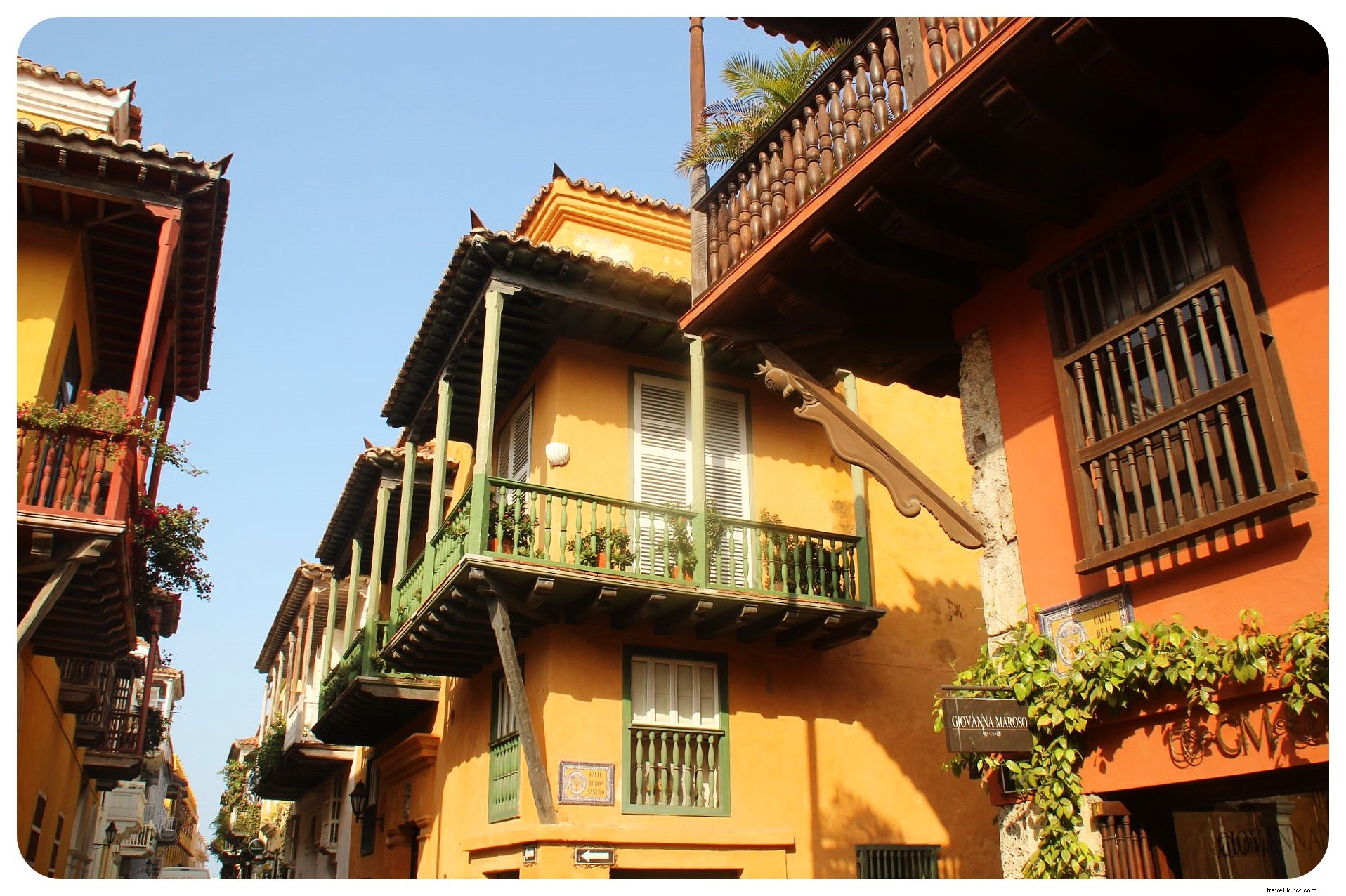
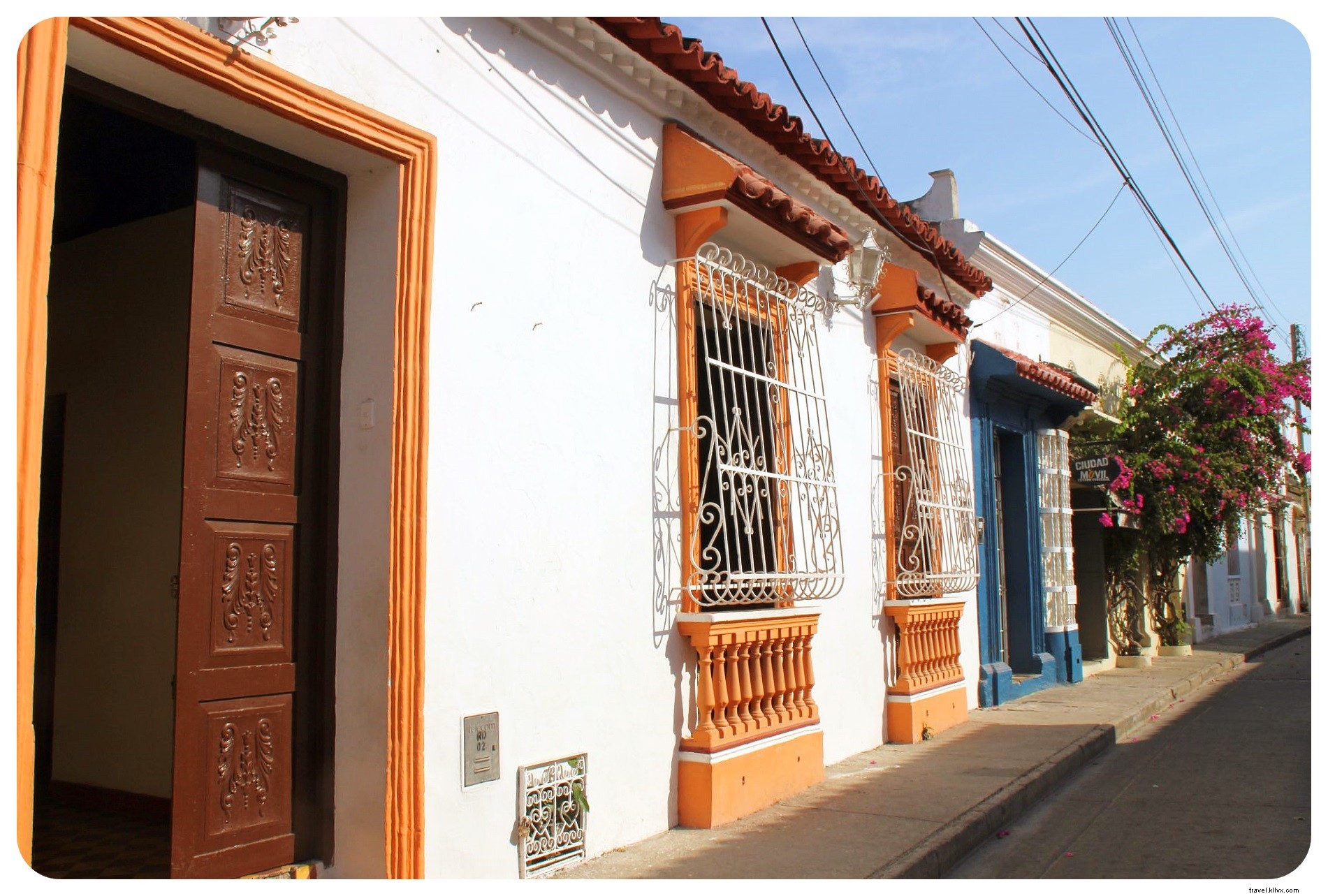
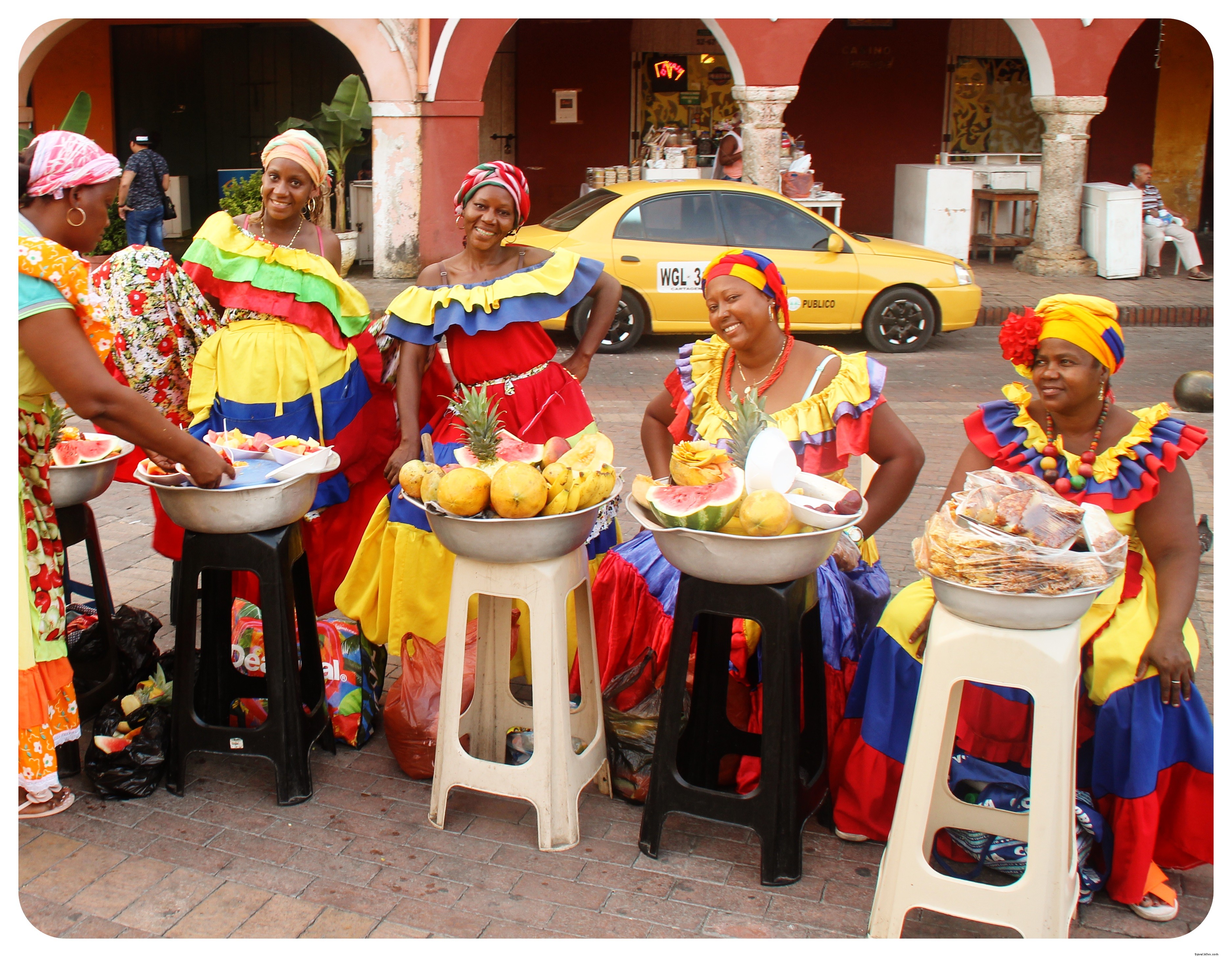 Or wooden balconies cascading with bougainvillea and exotic blooms. Hear horse-drawn carriages clopping past selfie-wielding tourists.
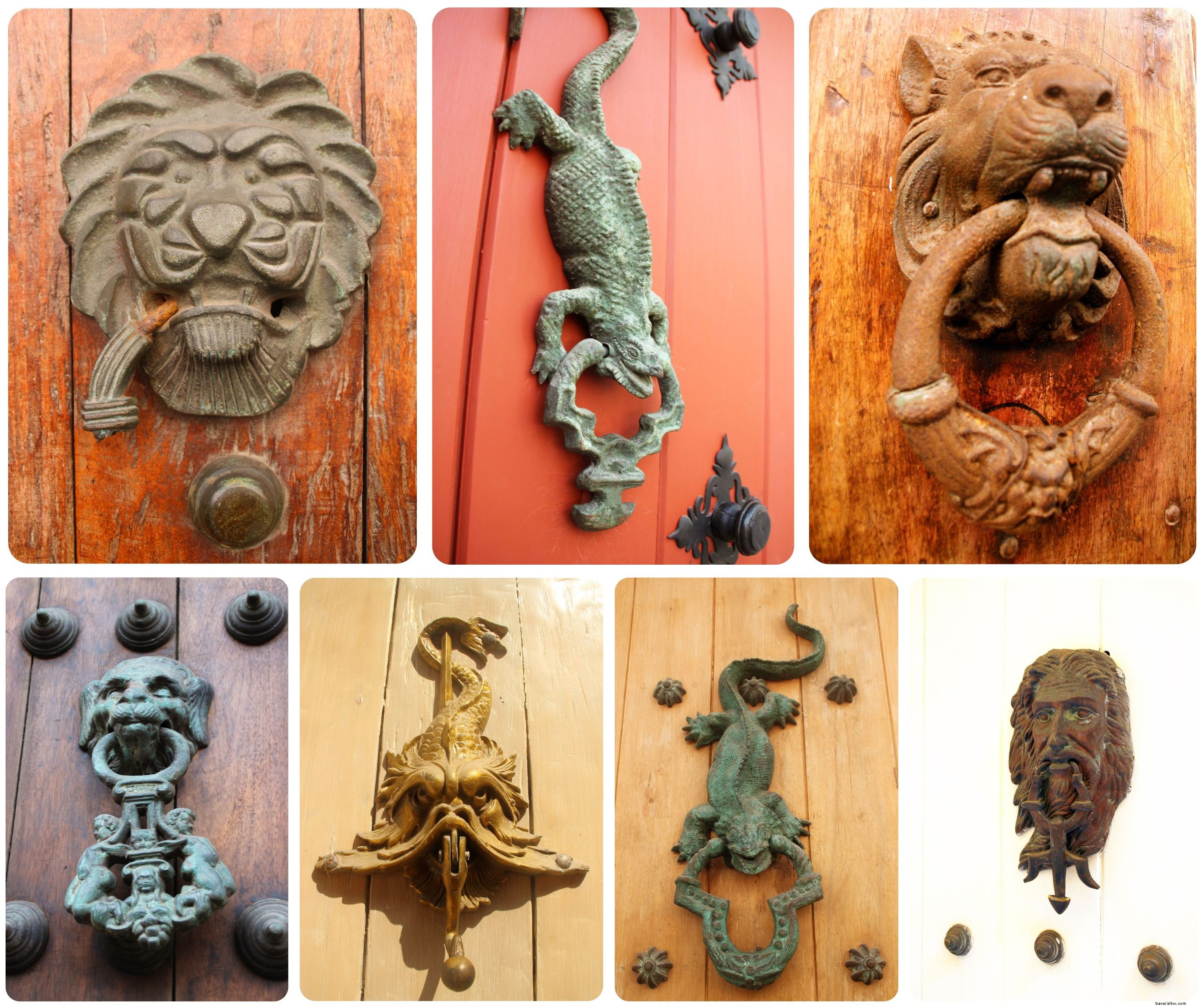
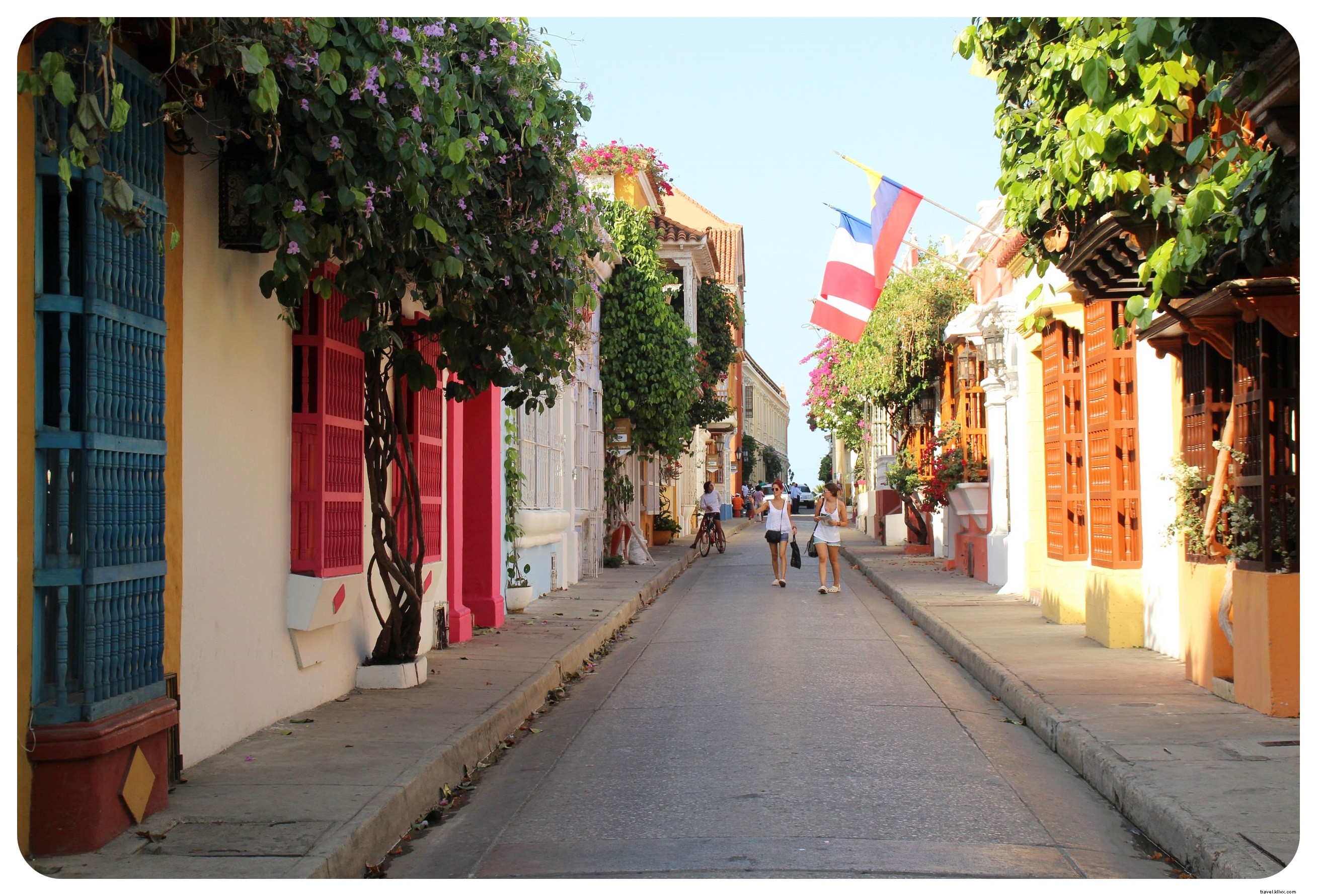 Beyond landmarks or museums, the city itself captivated. Daily wanders revealed ever-more-stunning doors (with whimsical handles: fish, lizards, lions), countless yellow hues, leafy plazas for iced coffee people-watching.
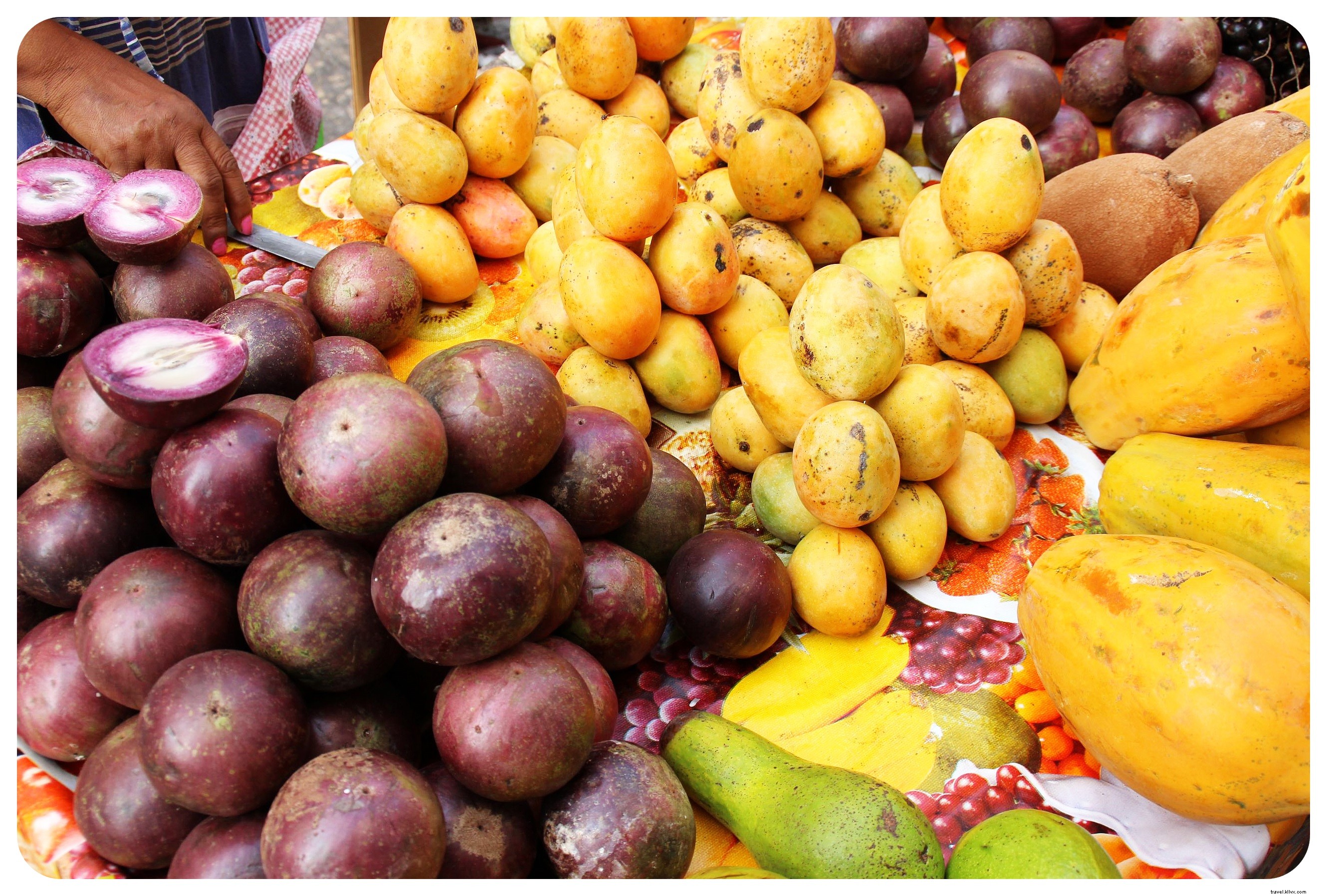
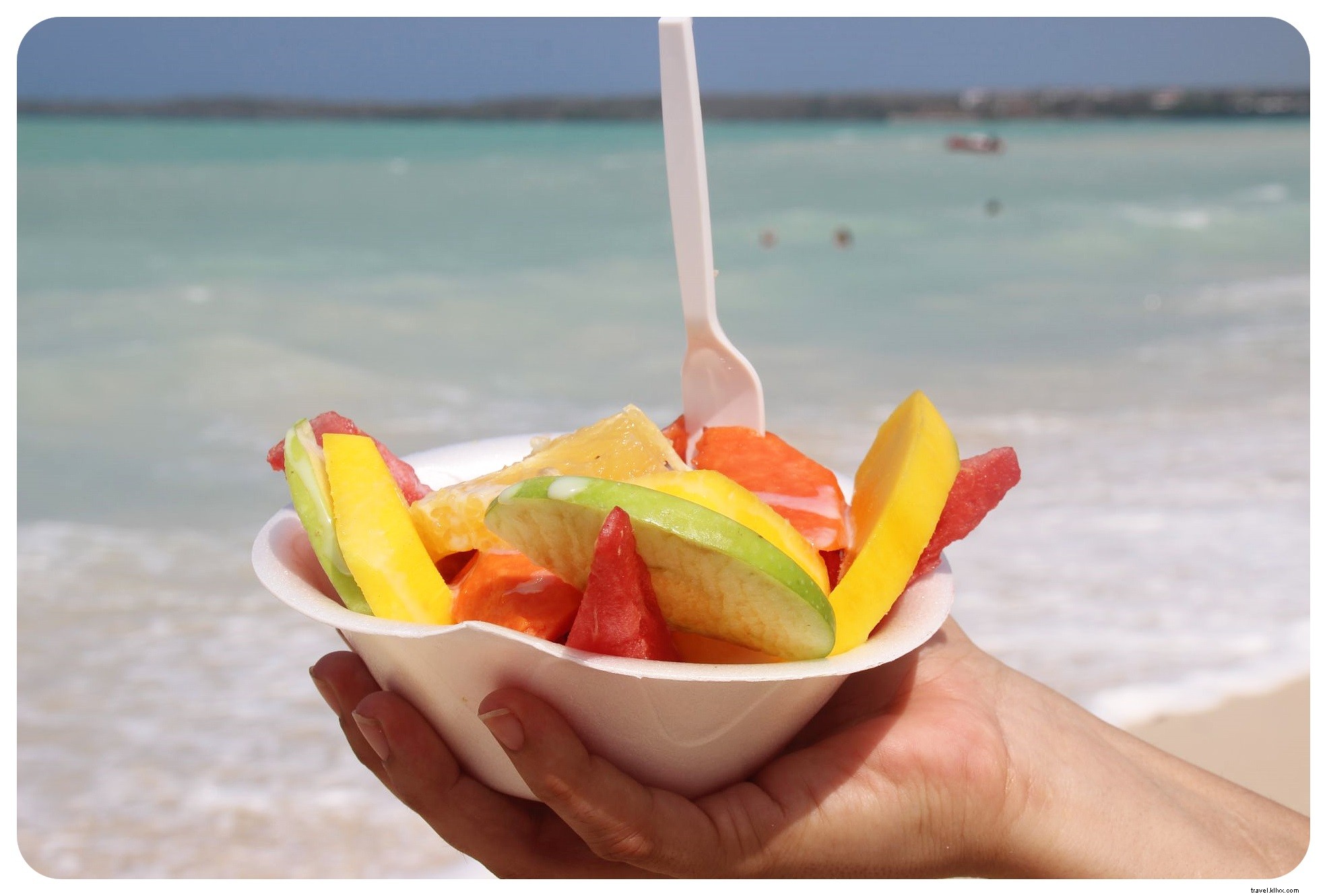
 Fresh fruits tempted: watermelon, pineapple, papaya, or exotic locals?
 Enchanted, I extended my stay repeatedly, declaring 'Pues… Voy a quedarme otra noche' each morning.
 Sight-free days fostered rituals: writing at Abaco bookstore café, savoring top coffee at unpretentious San Alberto, affogato at Juan Valdez (Colombia's Starbucks), street food bites, and sunset from Café del Mar atop the walls.
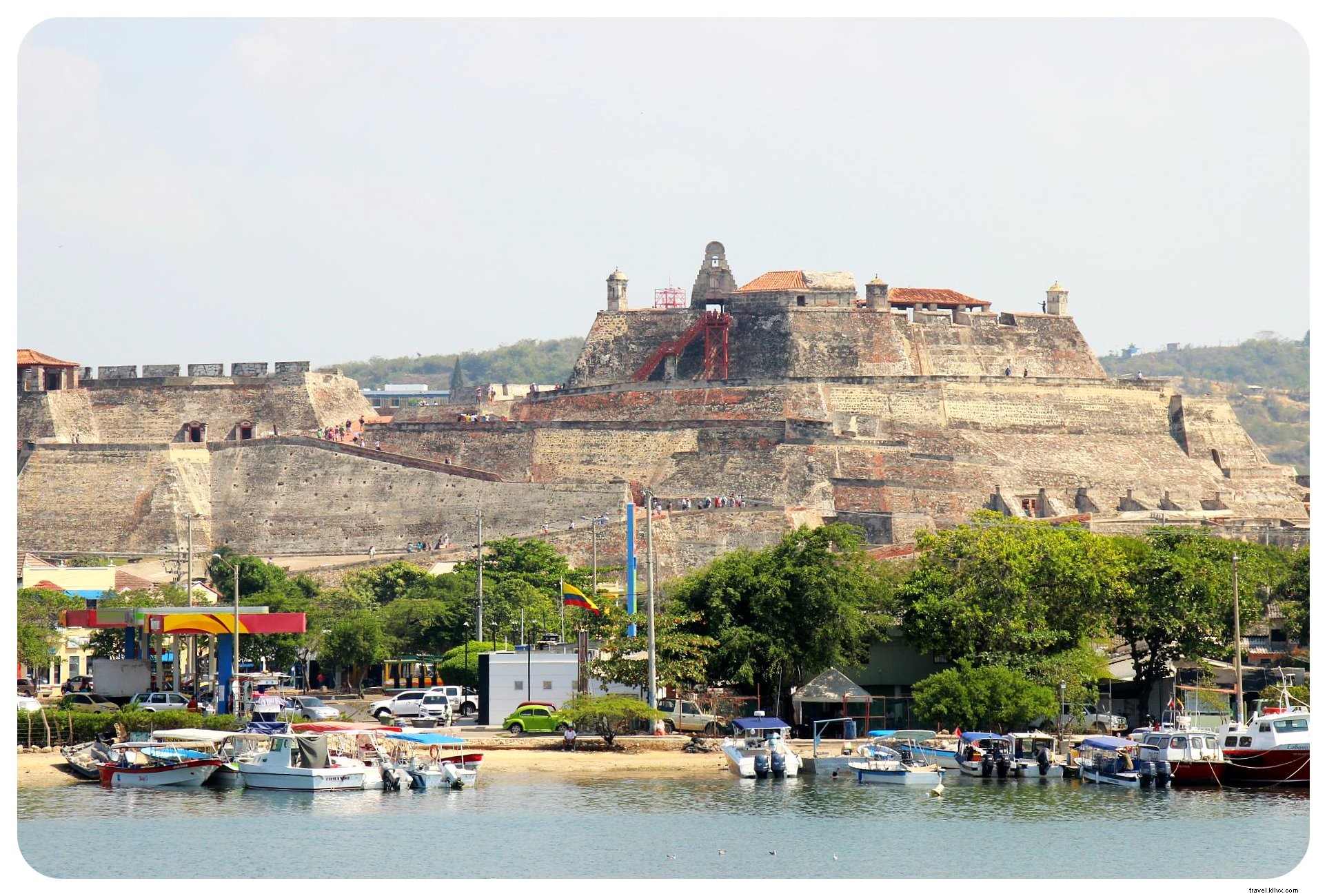
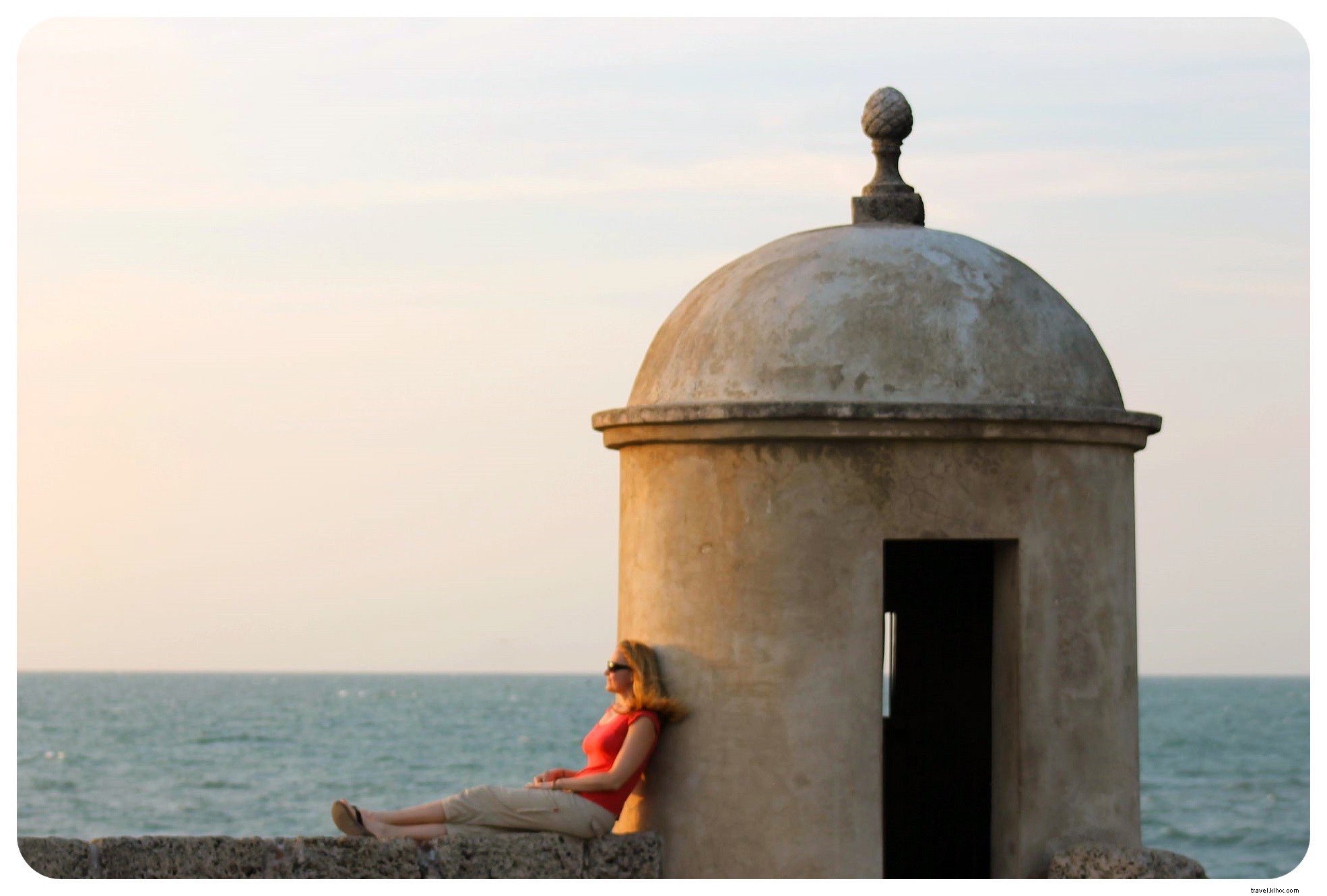
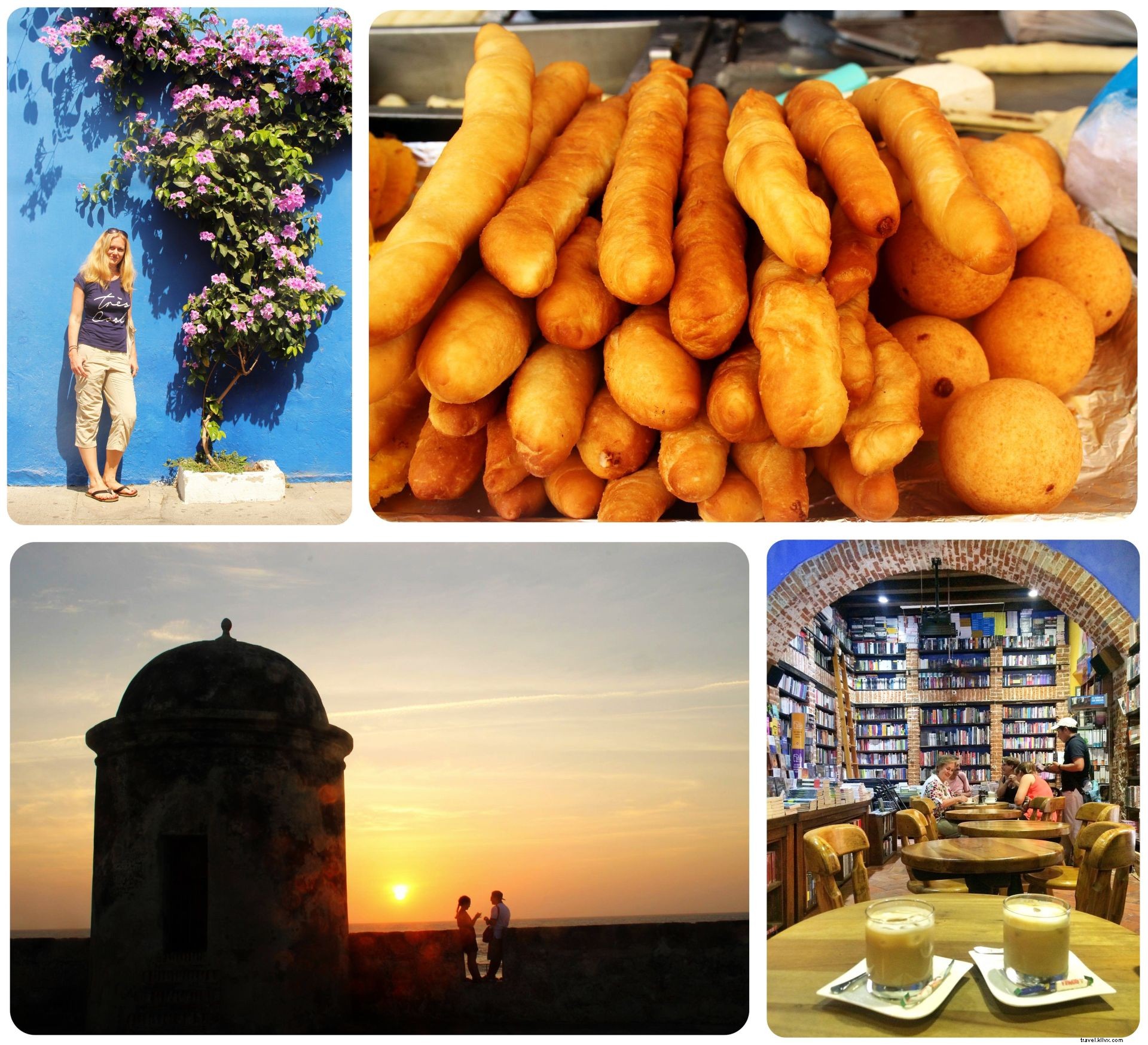 These walls—best-preserved in the Americas—stretch 4 km (2.5 miles), 8m high, with baluartes (ramparts) and cannons. Walk the full length for ocean vistas; catch sunset with a $1 vendor beer if skipping pricey drinks.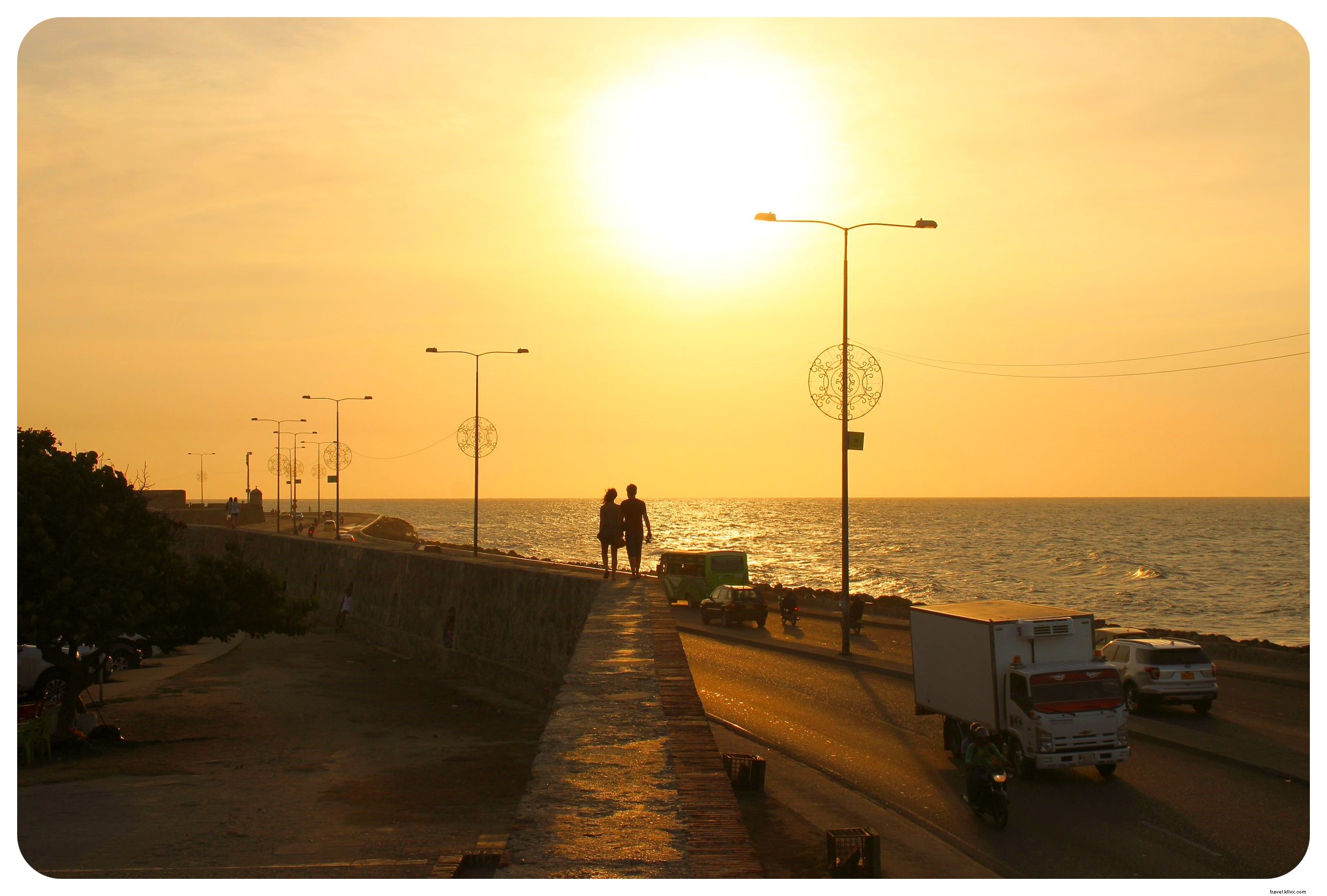
Getsemaní: Street Art Paradise
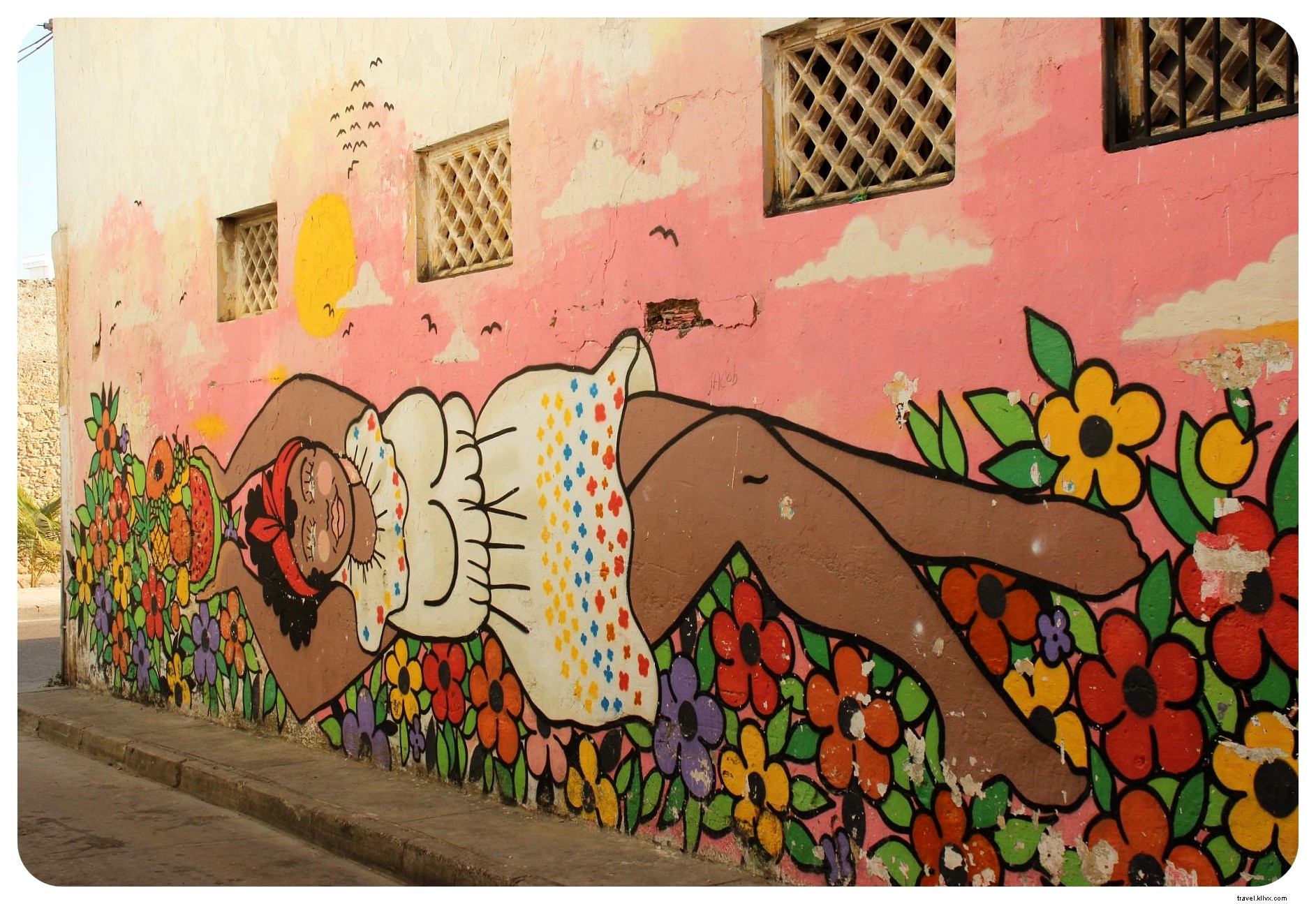
Adjoining the Old Town via a small park, Getsemaní offers similar architecture but rawer vibes—some facades unrestored, hinting at its edgier past.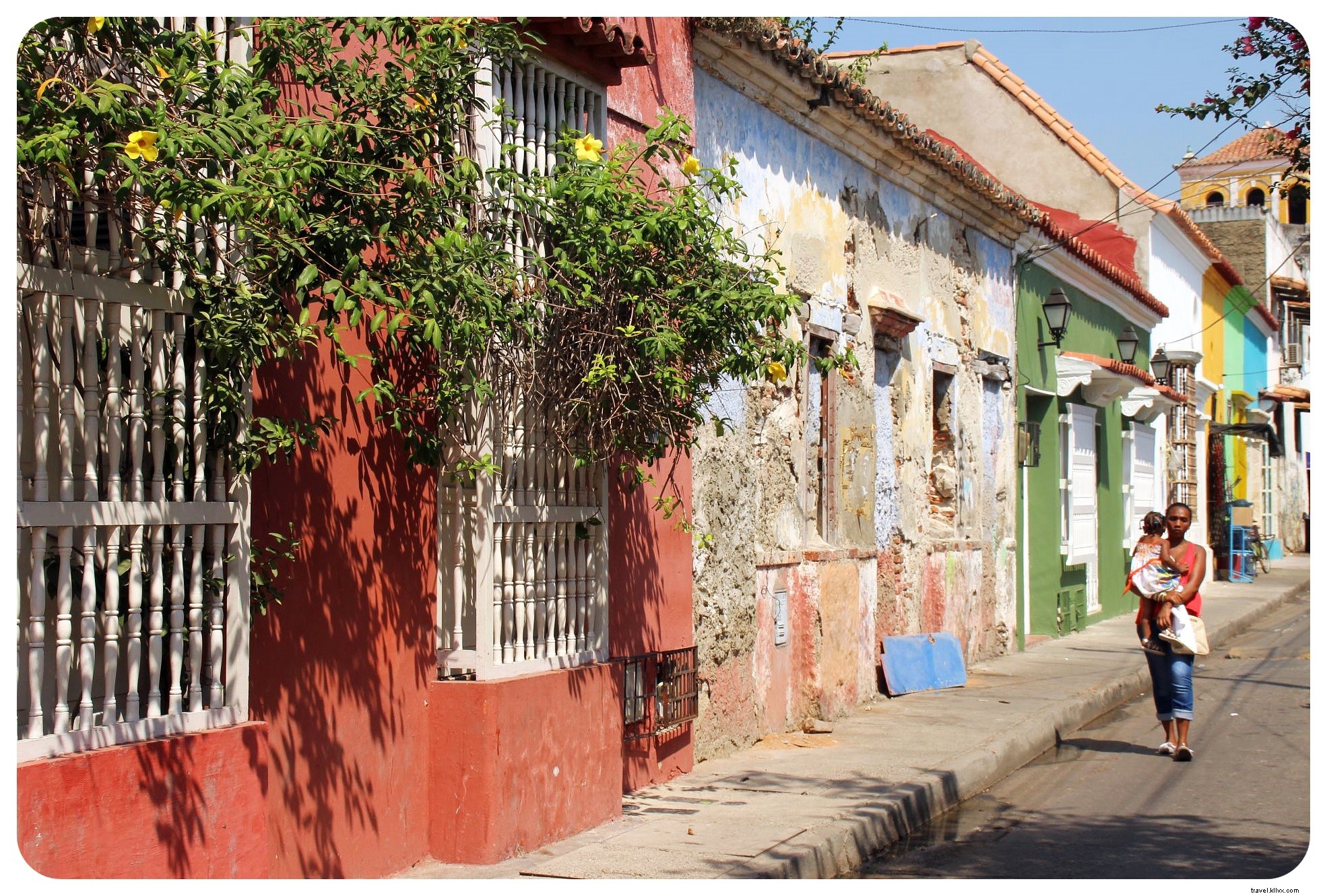 Street art dominates: murals, graffiti, messages everywhere. Free tours from here illuminate the works.
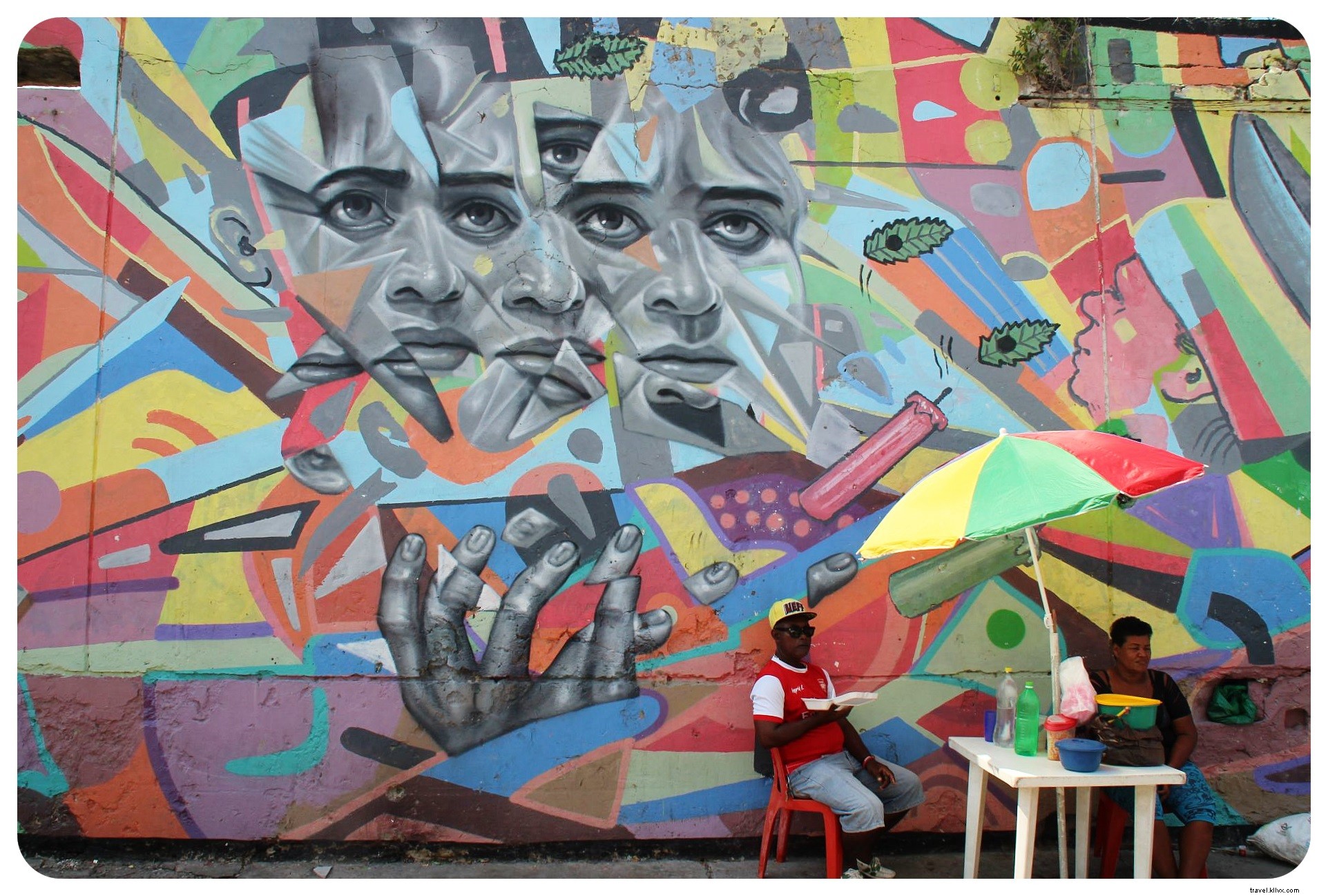 A passionate devotee, I joined one, guided by a French expert through masterpieces and politics.
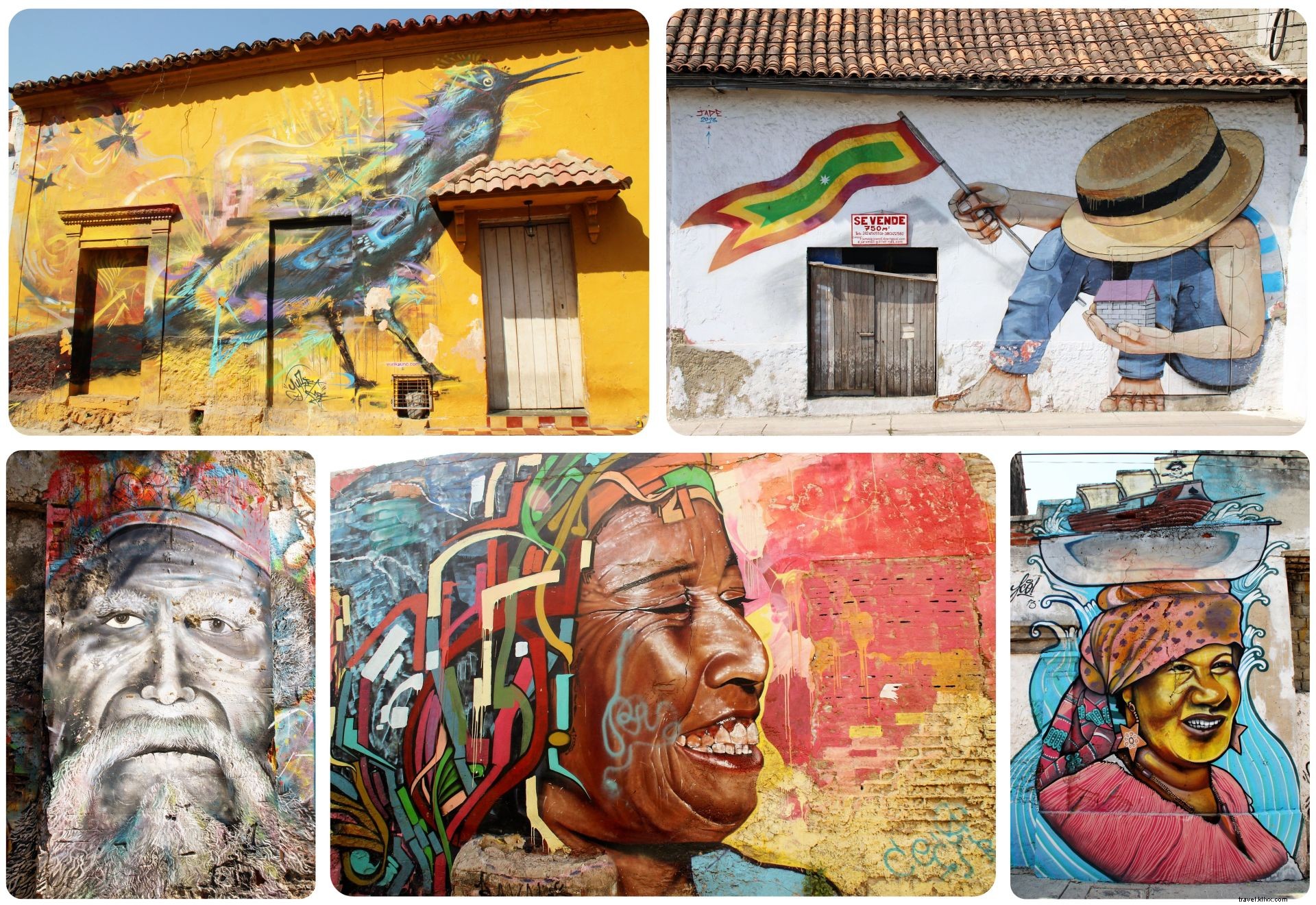 Essential for art lovers; worthwhile for all with chic cafés and top eateries in a newly tourist-friendly zone.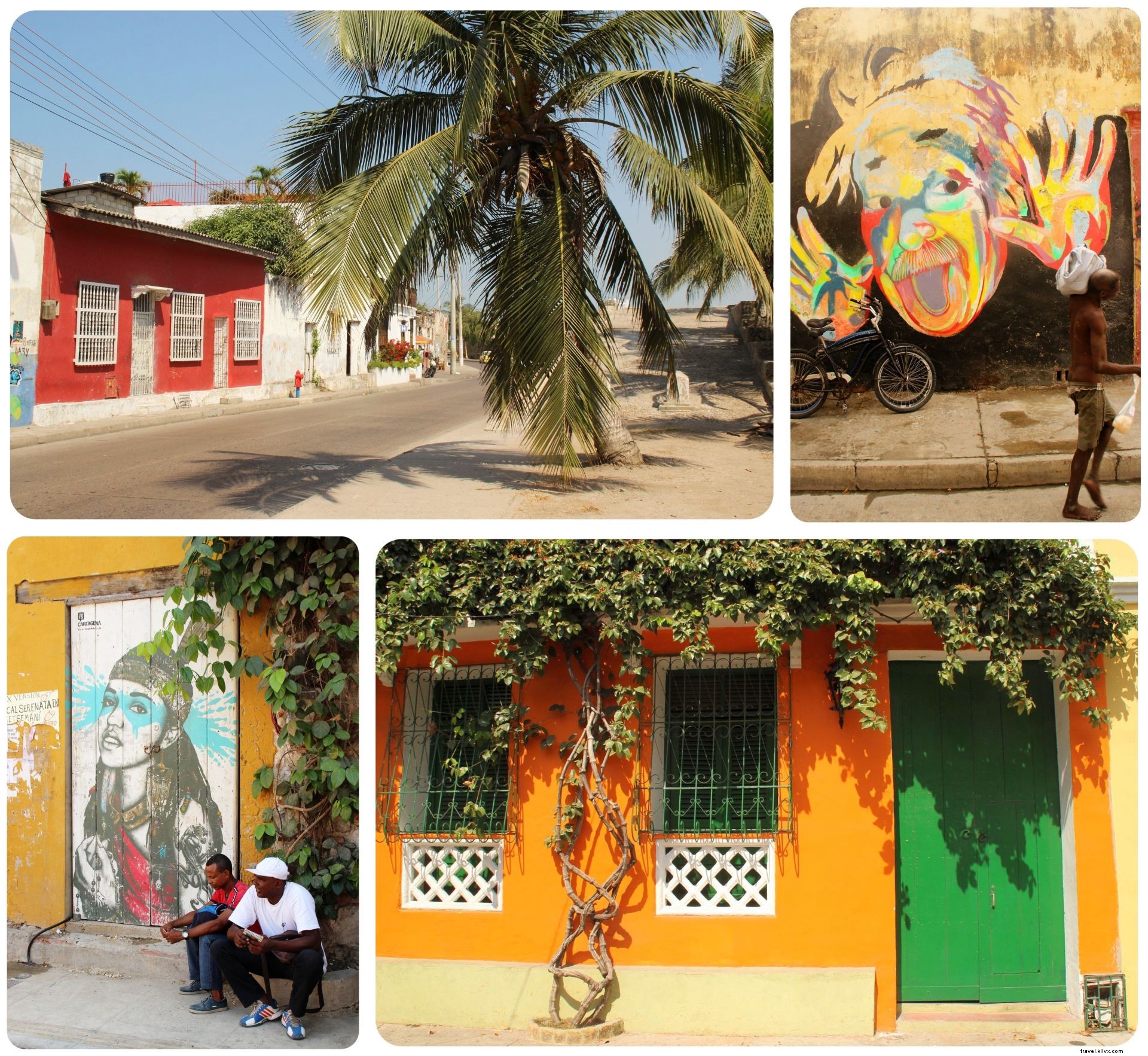
 Highlight: drinks at Bar Solar's tiny balcony overlooking Plaza de la Trinidad, alive with locals chatting and kids playing soccer.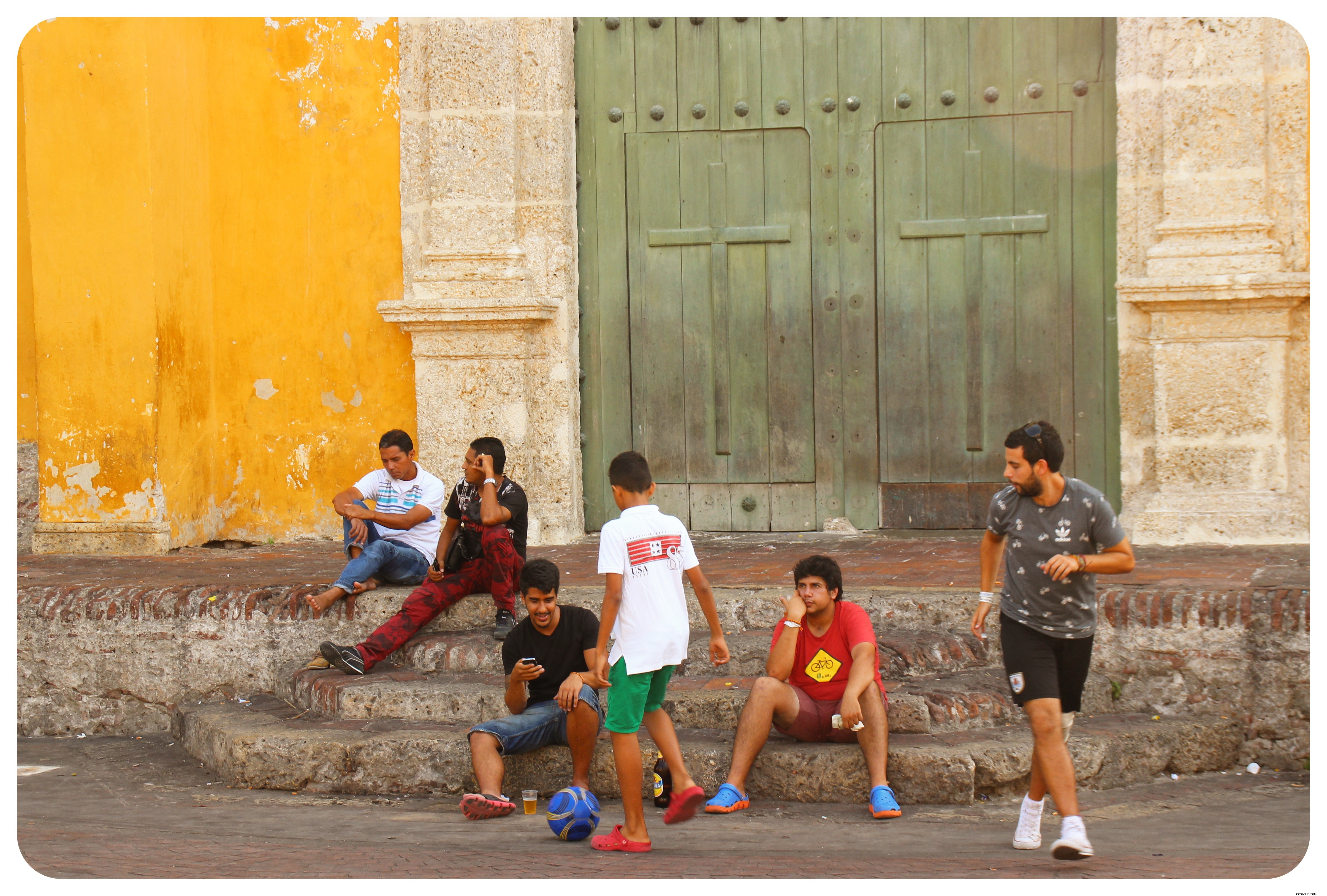
Wildlife in the City: Parque del Centenario
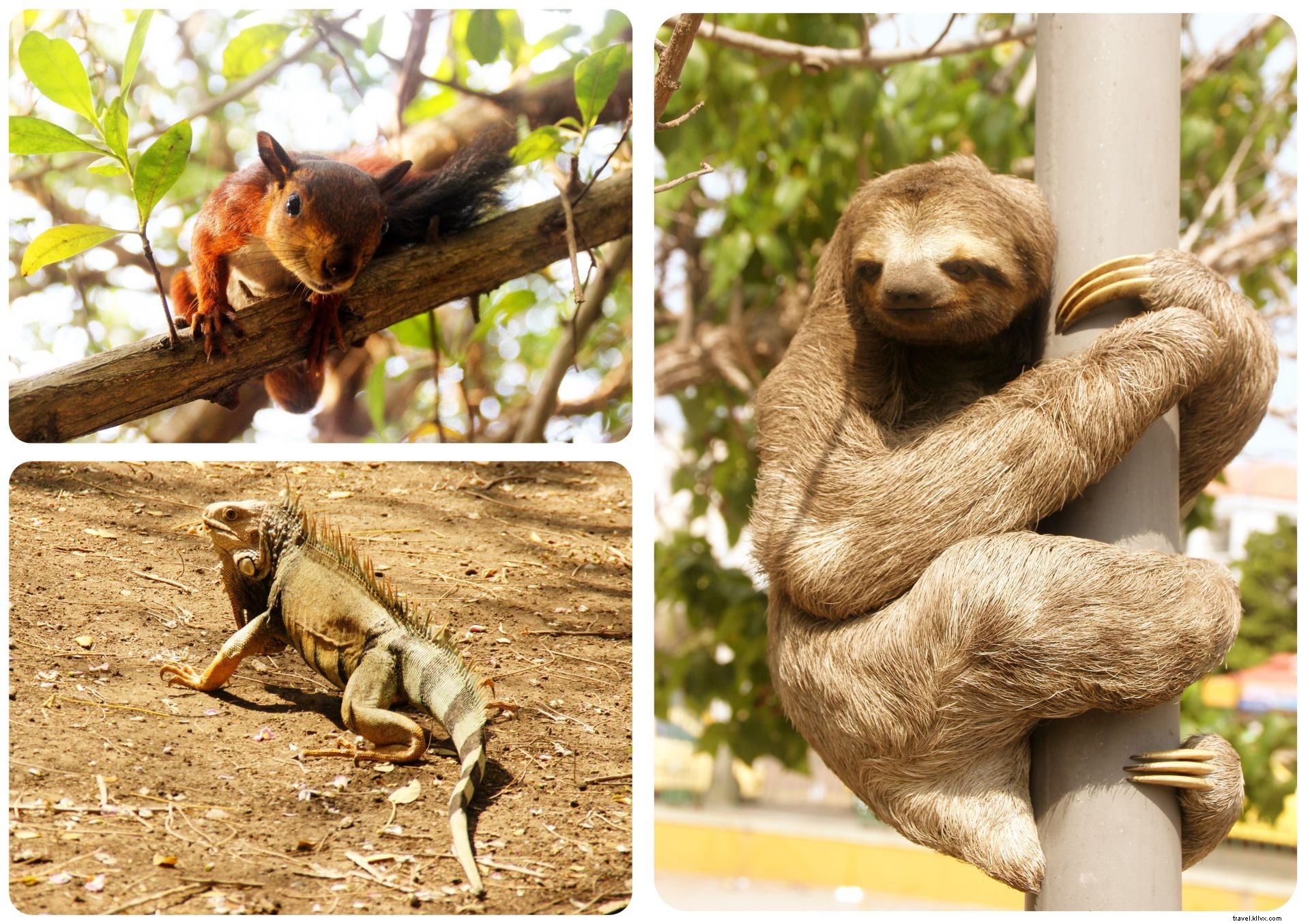
That bridging park? Parque del Centenario teems with wildlife. Post-Tayrona (scarce sightings), we met an amiable sloth, sparking daily visits. Monkeys, squirrels, iguanas followed.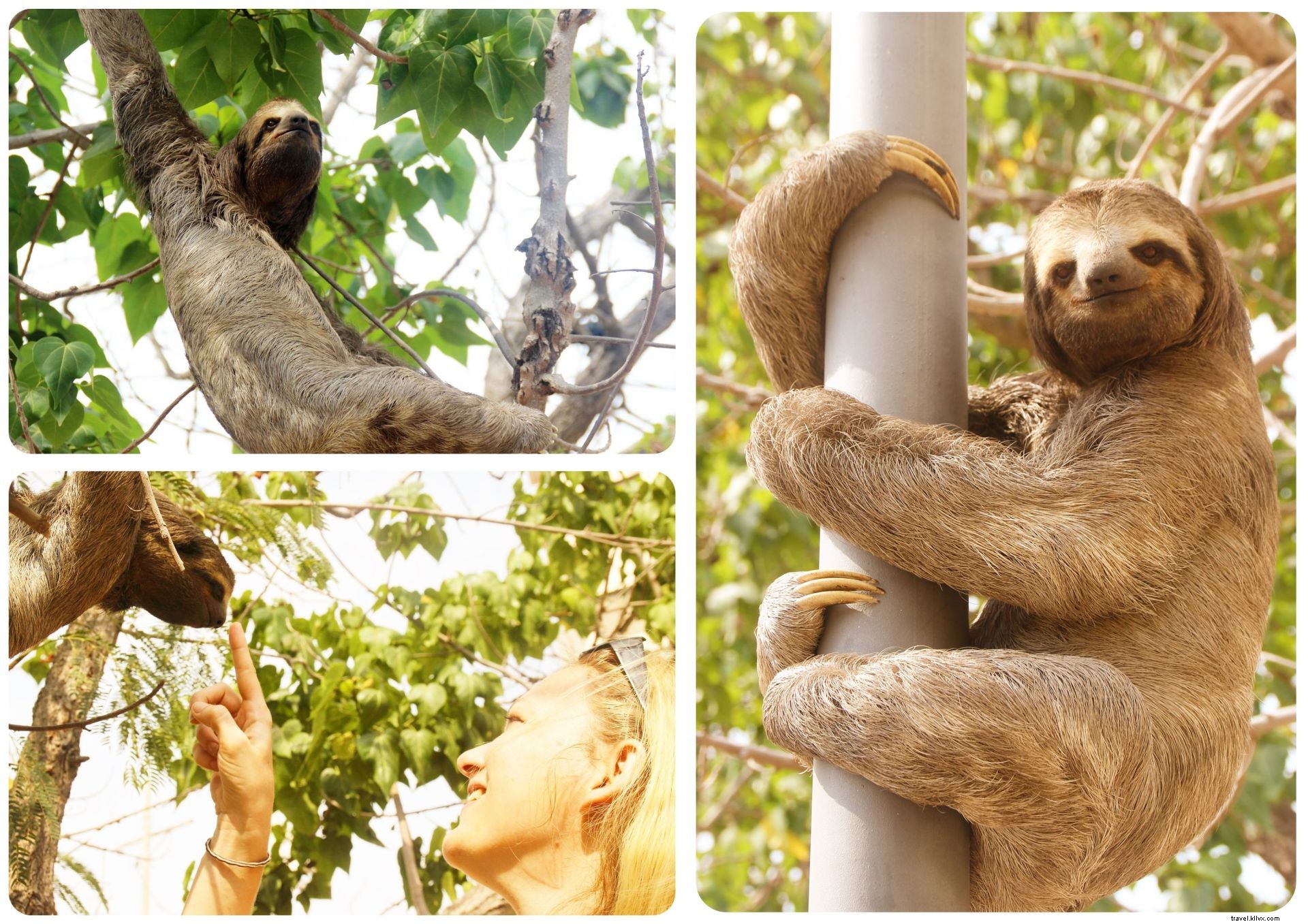
Bocagrande: Modern Beaches and Sunsets
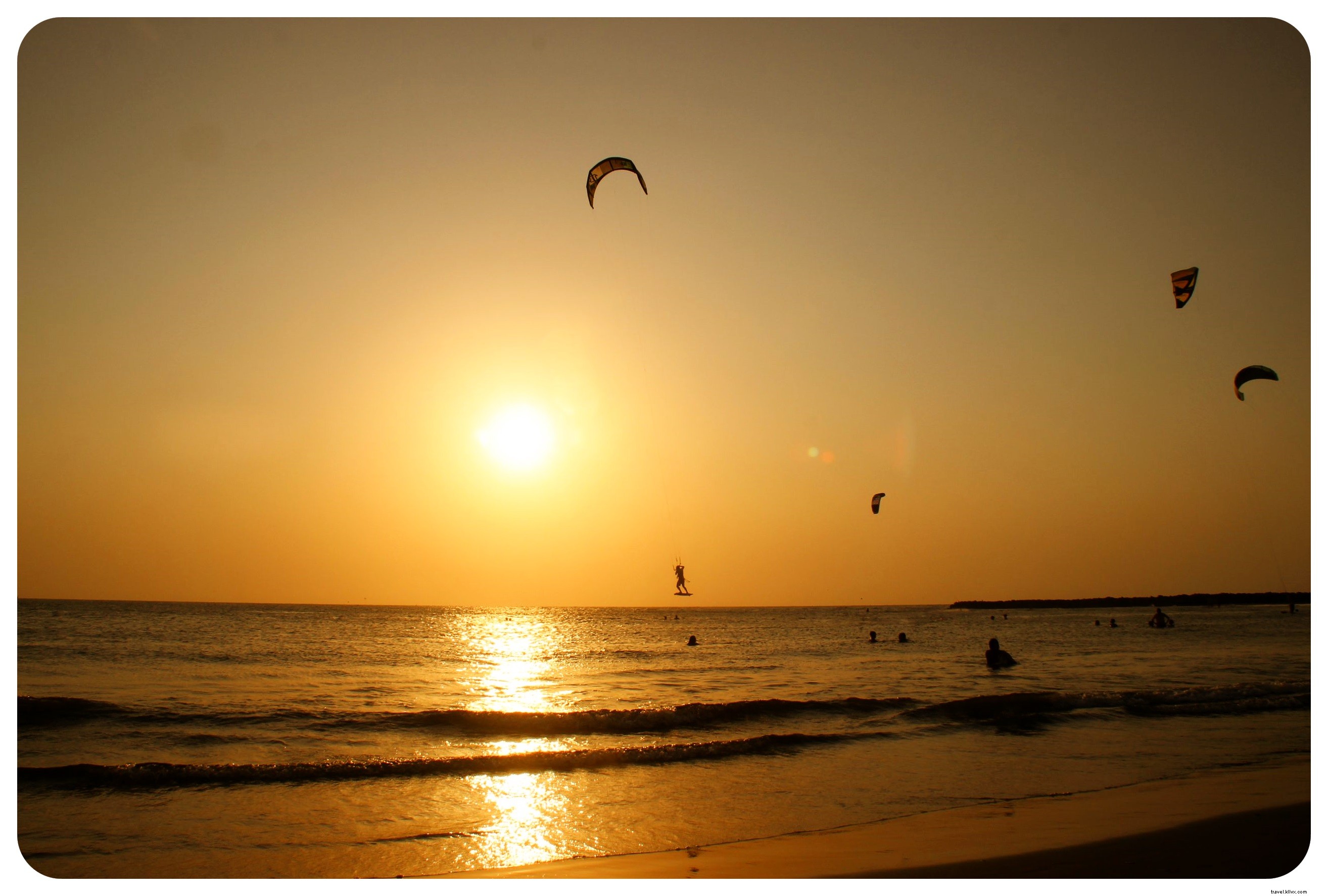
Bocagrande's high-rises and beaches pale post-Playa Blanca, but kitesurfer sunsets thrill. Head peninsula-end near Hilton for prime views; dine seaside at Bar La Sirena, Brisas del Caribe, or El Muelle.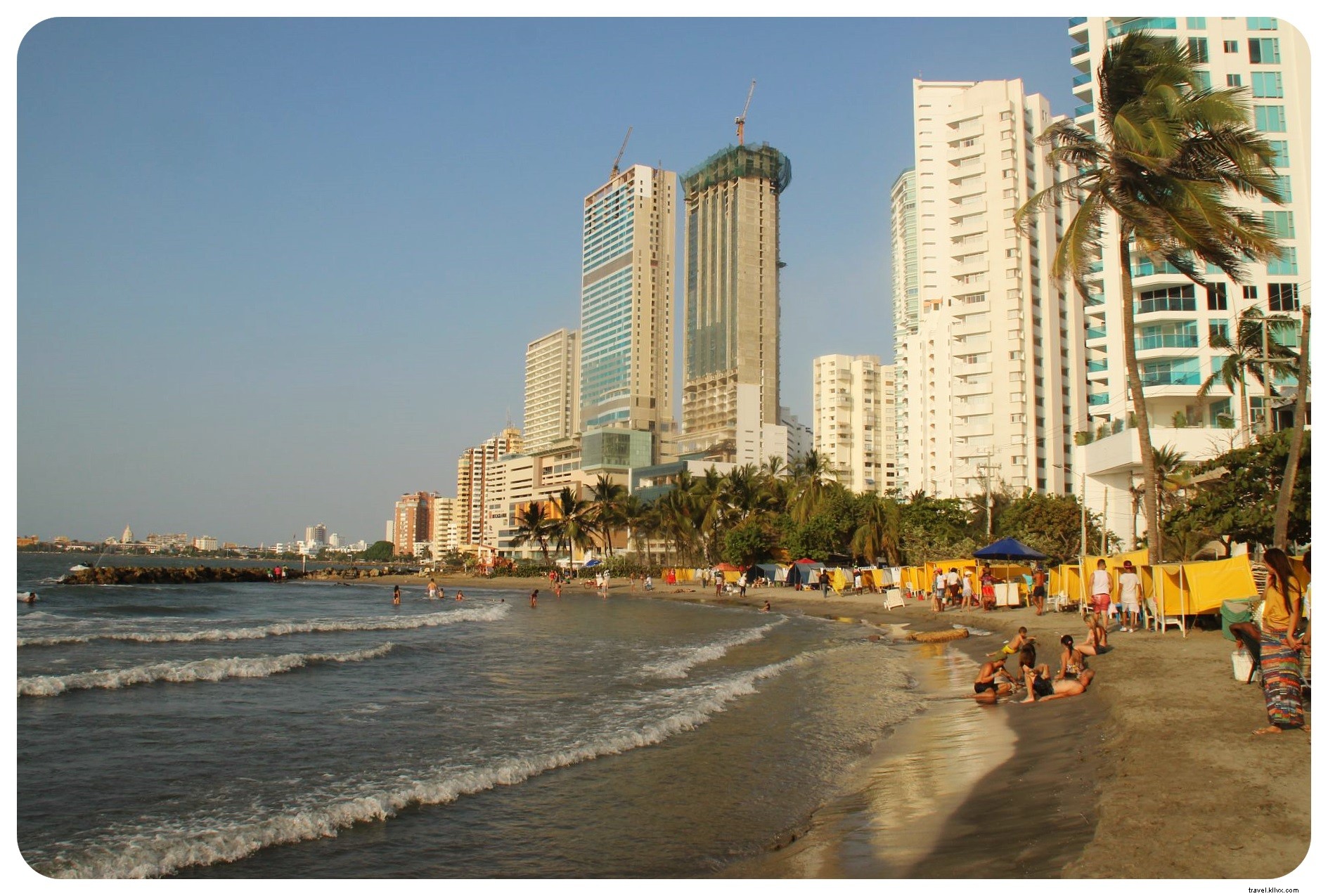
Escape the Heat: Day Trips
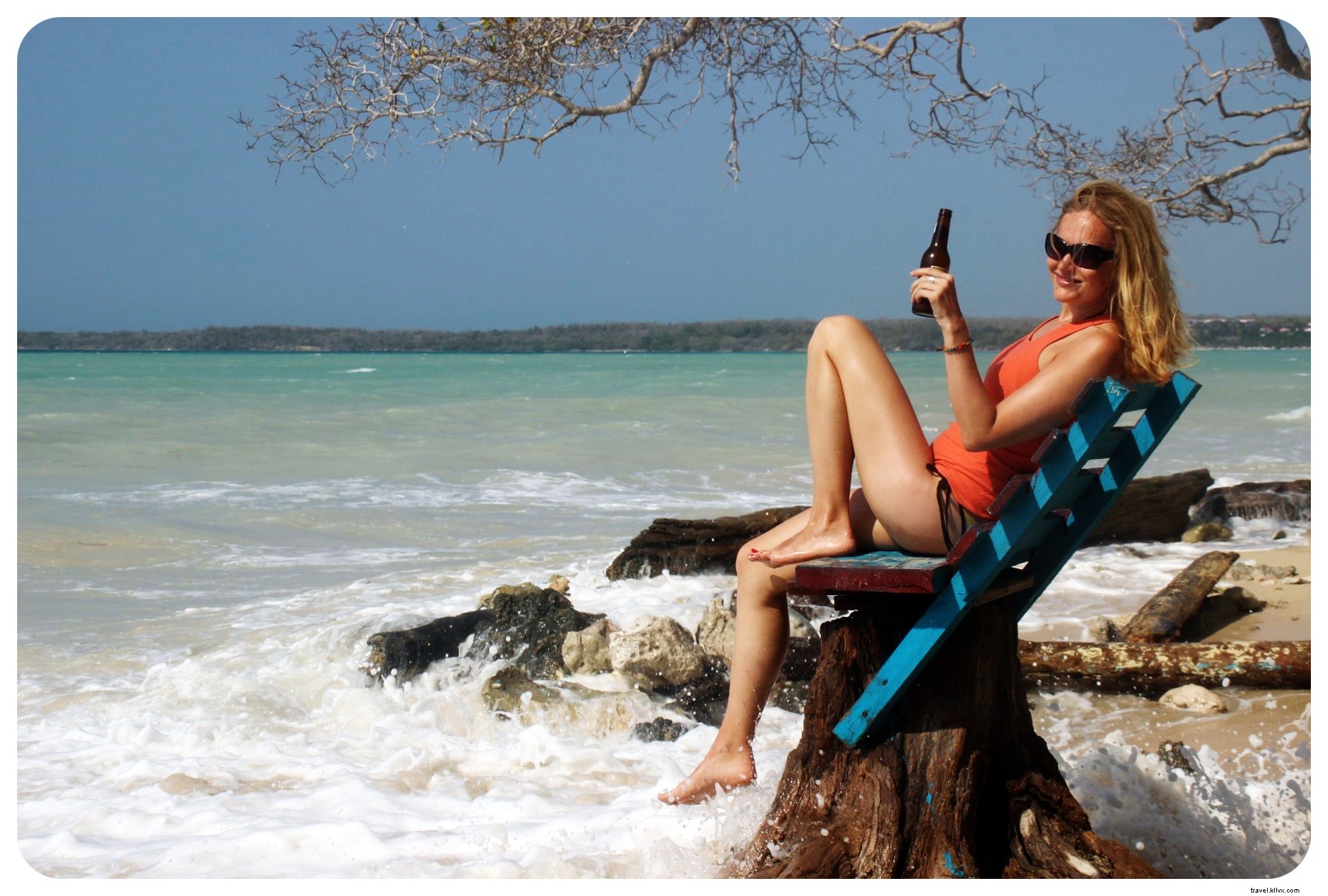
Year-round swelter begs escapes.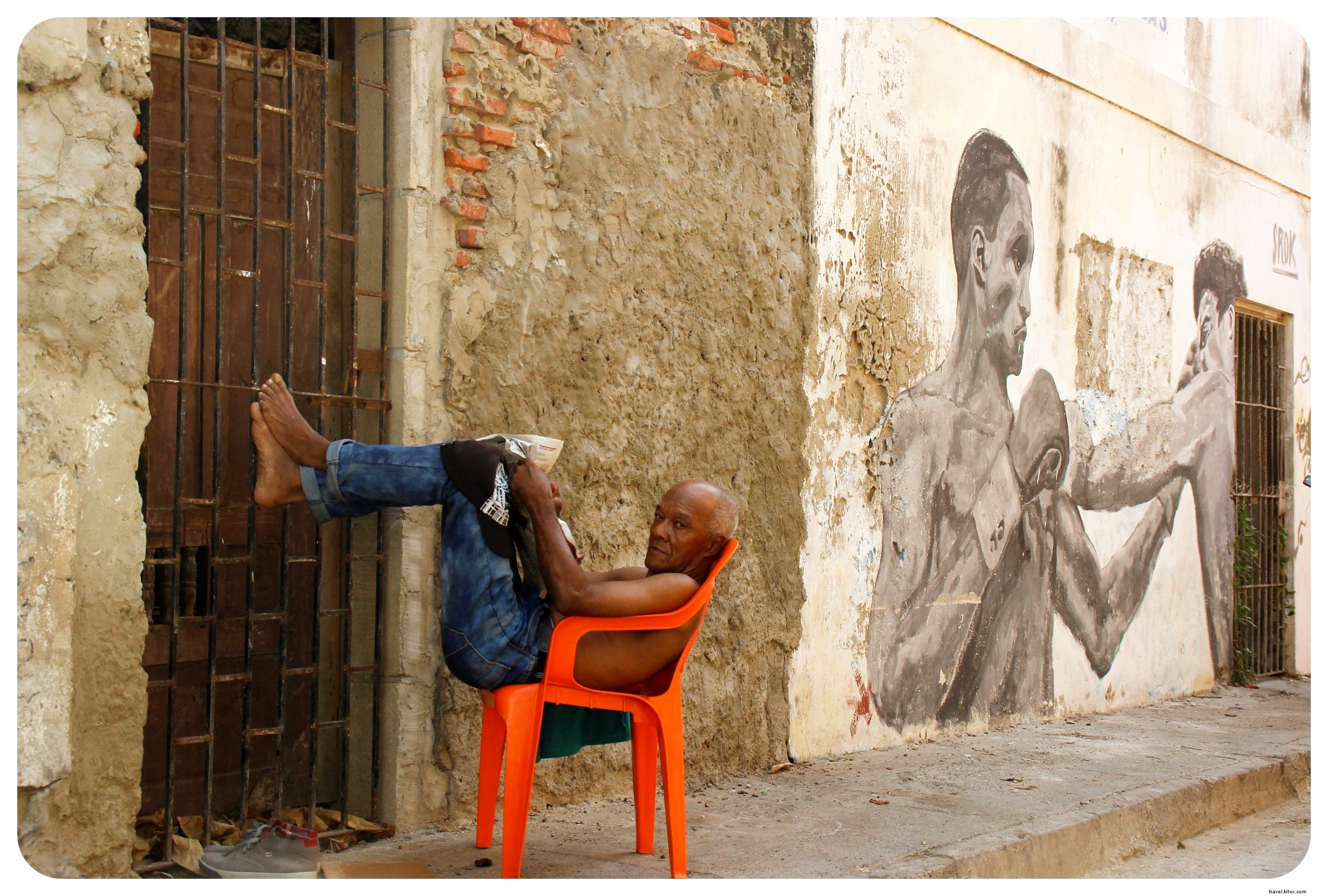 Playa Blanca (45min west) dazzles with turquoise waters and white sands—superior to city strands, despite our stormy visit.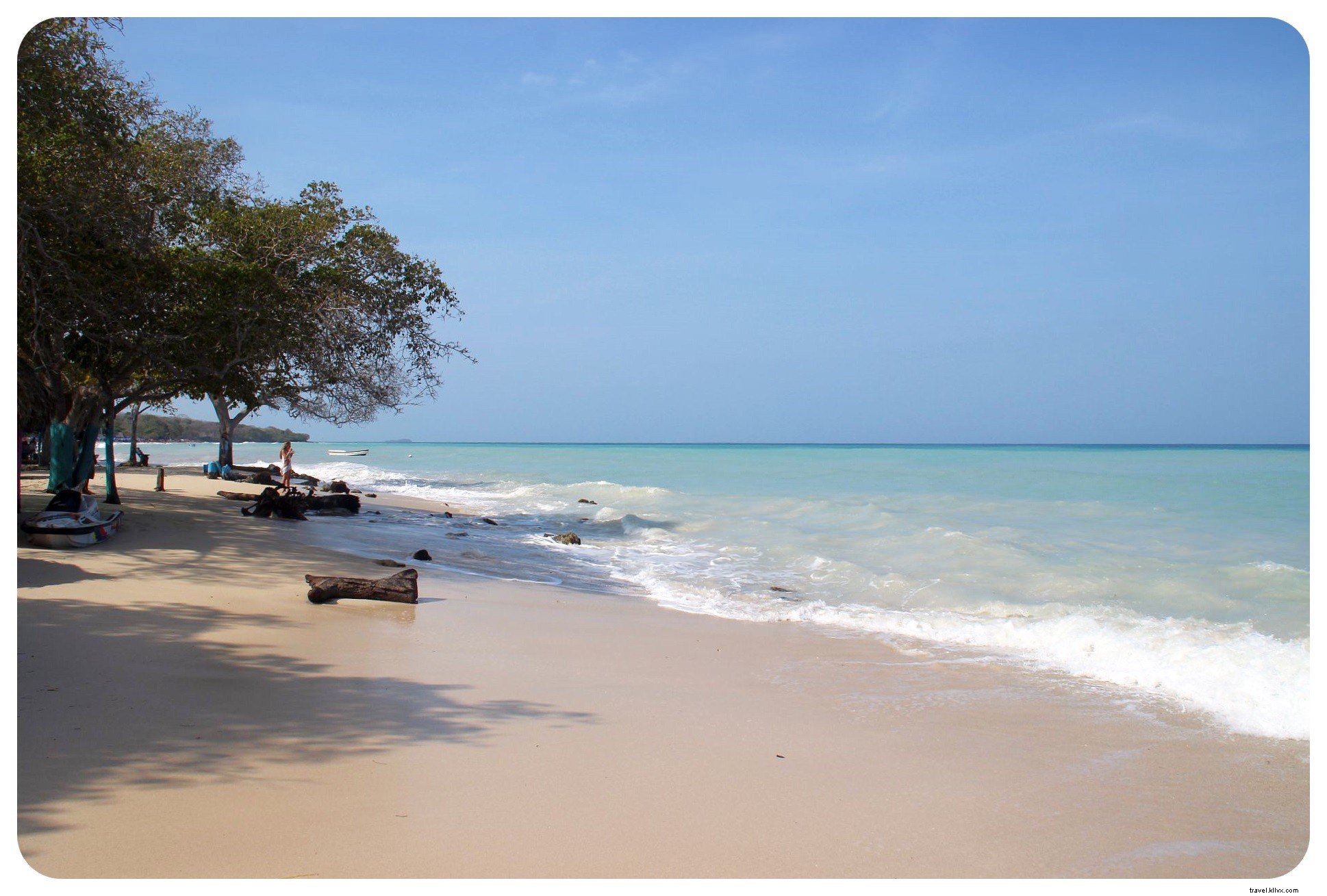
 Basic huts deterred overnights amid heat and bugs.
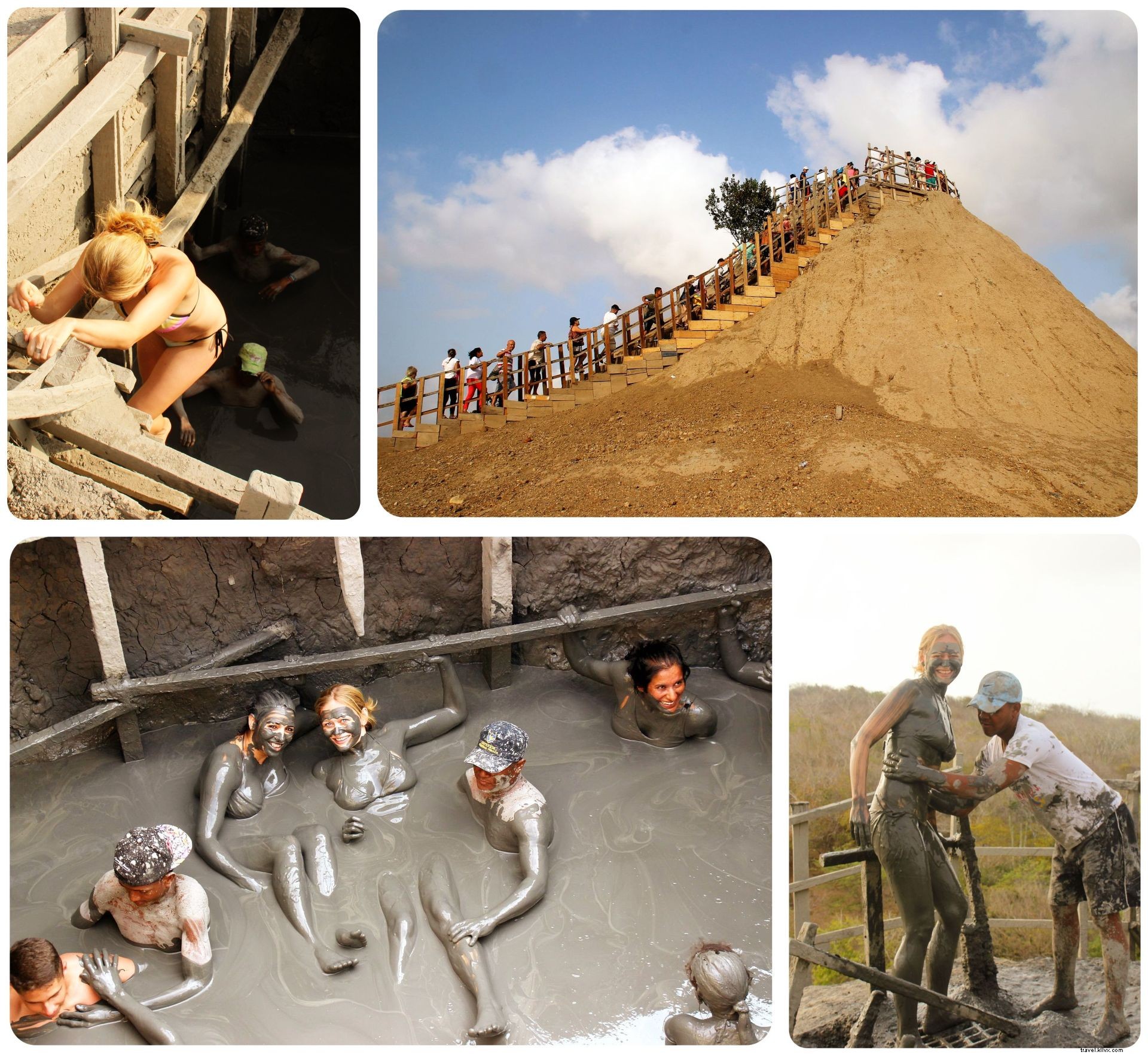
 Mud volcano at Totumo? Uniquely memorable—details in Six Things Nobody Tells You About Colombia’s Totumo Mud Volcano.
 Cartagena topped my Colombian favorites.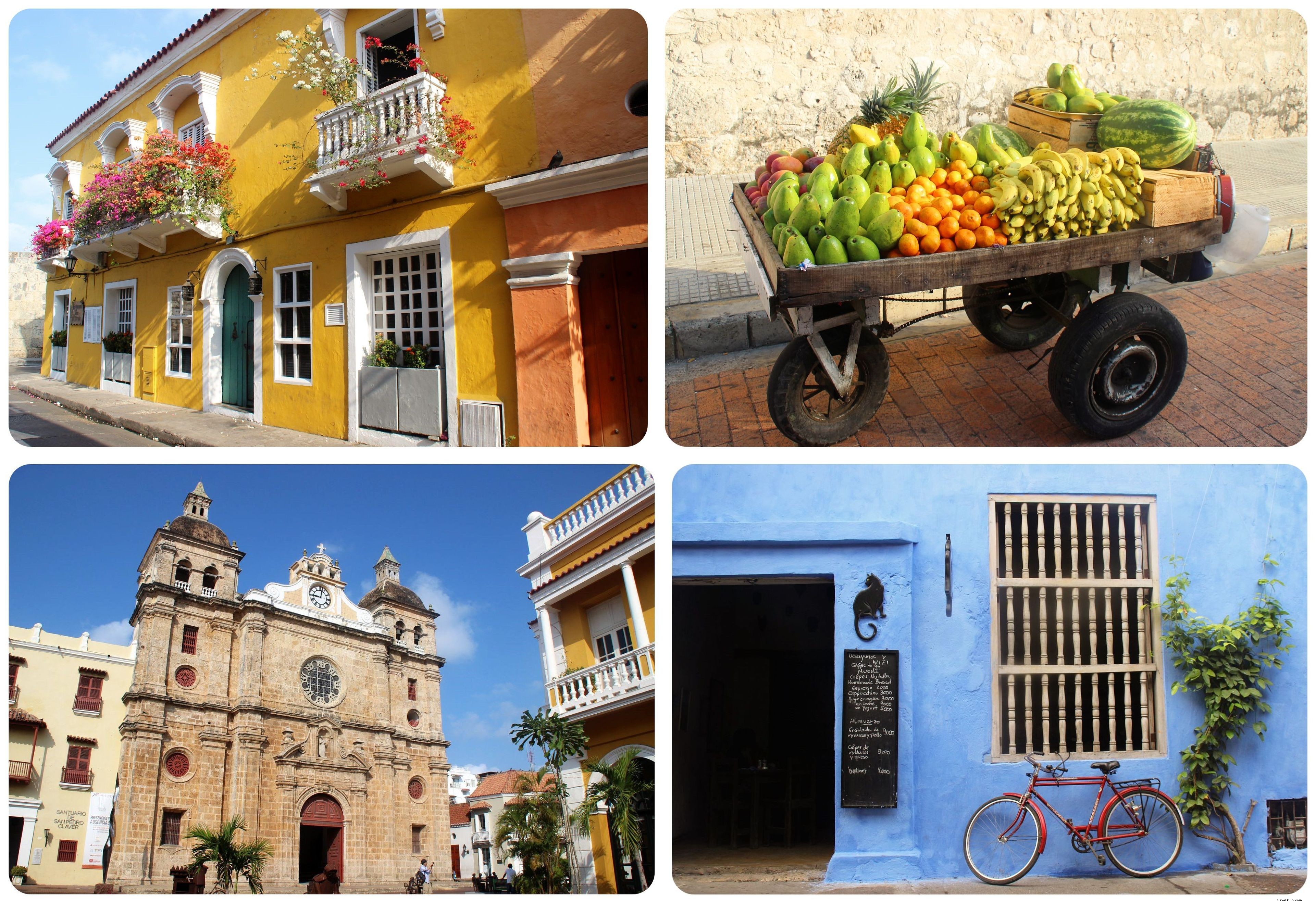
Cartagena Travel Guide
Getting to Cartagena
Plane: Directs from NYC, Miami, Fort Lauderdale, Atlanta; indirects nationwide. Domestically, try TiquetesBaratos.com (Spanish, best deals), Google Flights, VivaColombia, or Avianca.
Bus: Safe, comfy; Rapido Ochoa to Medellín (12h)—compare with flights.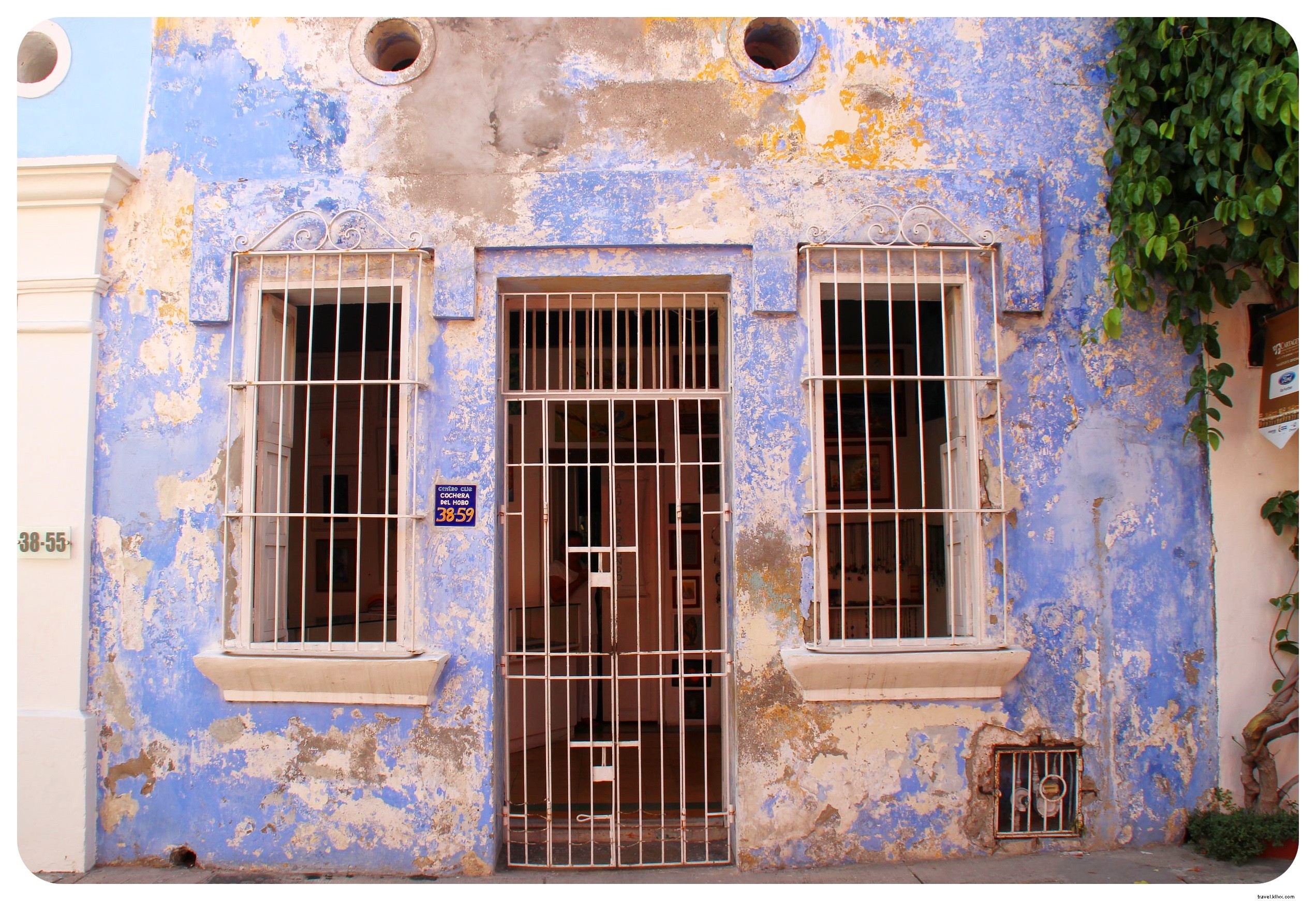 Boat: Regulated Panama-Colombia via BlueSailing.net (~$550, 5 days).
Where to Stay
Prioritize Getsemaní or Old Town. Avoid outskirts (taxi hassle). Liked Hostal 1811 (edge of both), Centro Hotel (prime colonial spot). Ibis near ocean is budget-friendly but remote.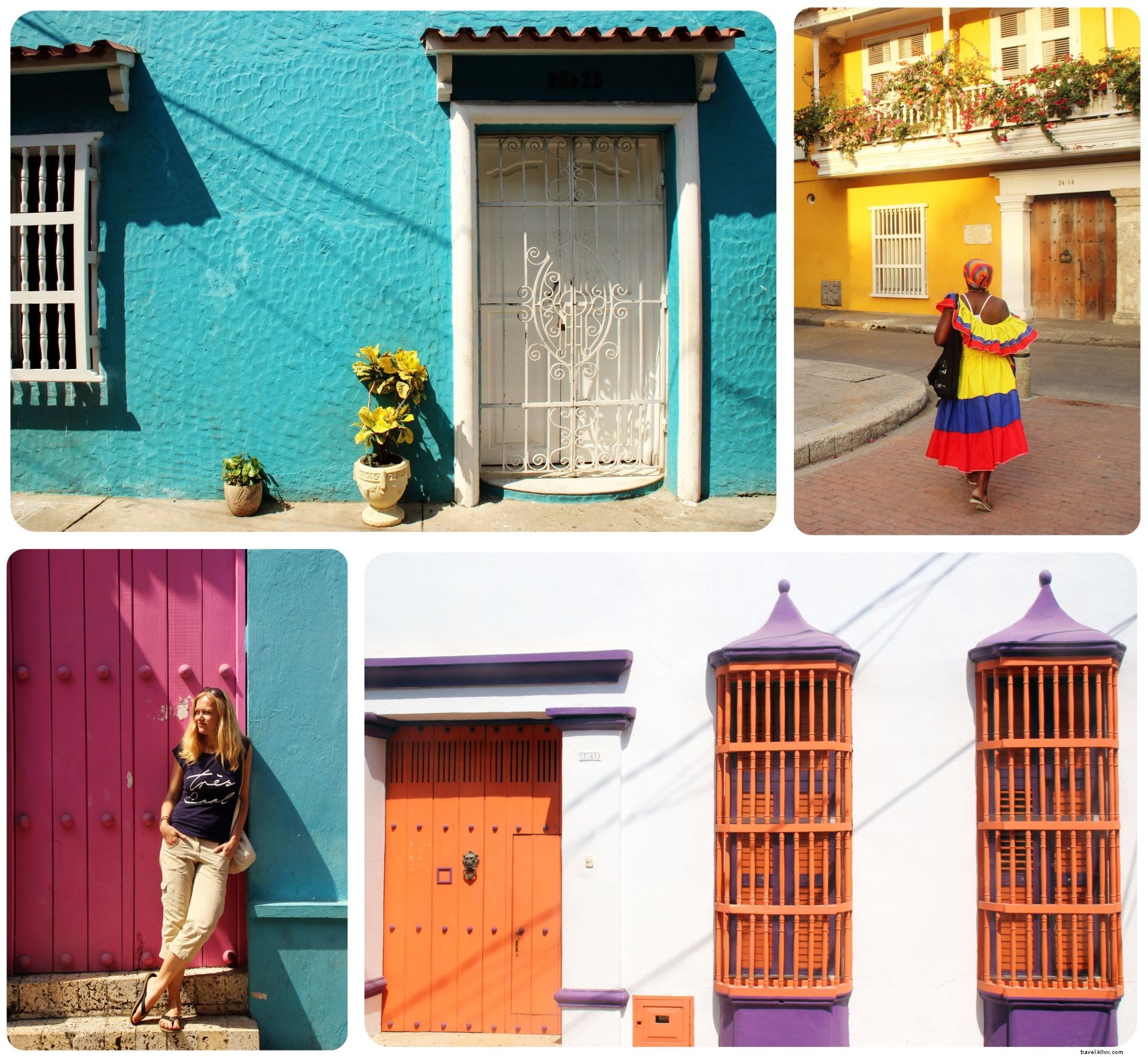
Cartagena Musts
Street art tour (10am, Plaza de Trinidad).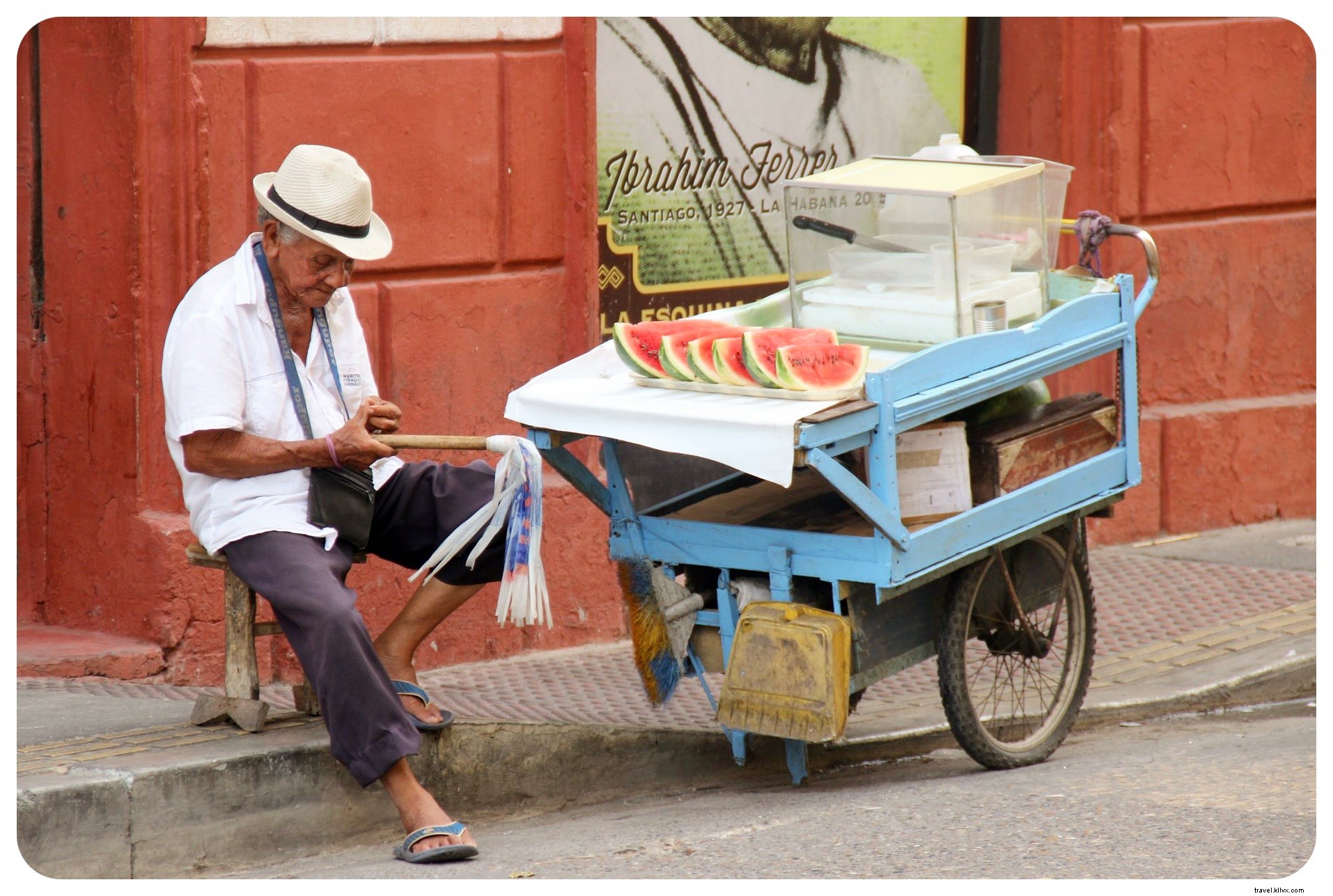 La Paletería's exotic fruit popsicles (chocolate-dunked!).
San Alberto for premium coffee (Calle de Los Santos de Piedra Cra. 4 #34-1 a 34-91).
Breakfast: El Gato Negro (Carrera 10 San Andres #30-39), Caffé Lunático (Calle Espíritu Santo #29-184).
Coconut lemonade everywhere. Veggie: Los Girasoles (Carrera 9/Calle 37, COP8,000 lunch).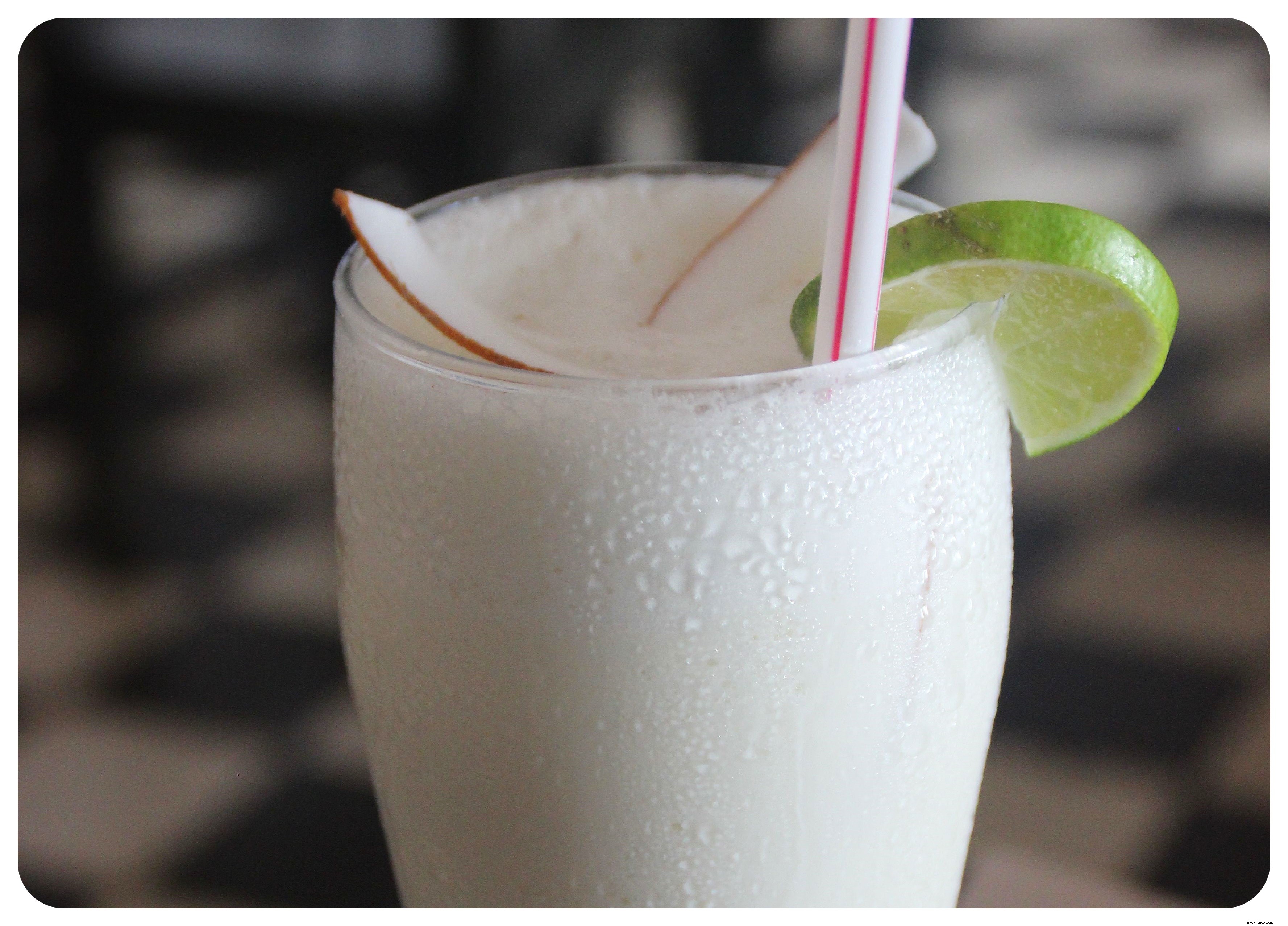 Caribbean Colombian: La Mulata (Calle 37, Carrera 9-10, daily set menus).
Day Trips
Mamallena Hostel booked: Totumo Mud Volcano (COP45,000/$15), Playa Blanca (COP50,000/$17, bus 45min). Boat options with snorkel from Muelle Turístico.